Training Tips
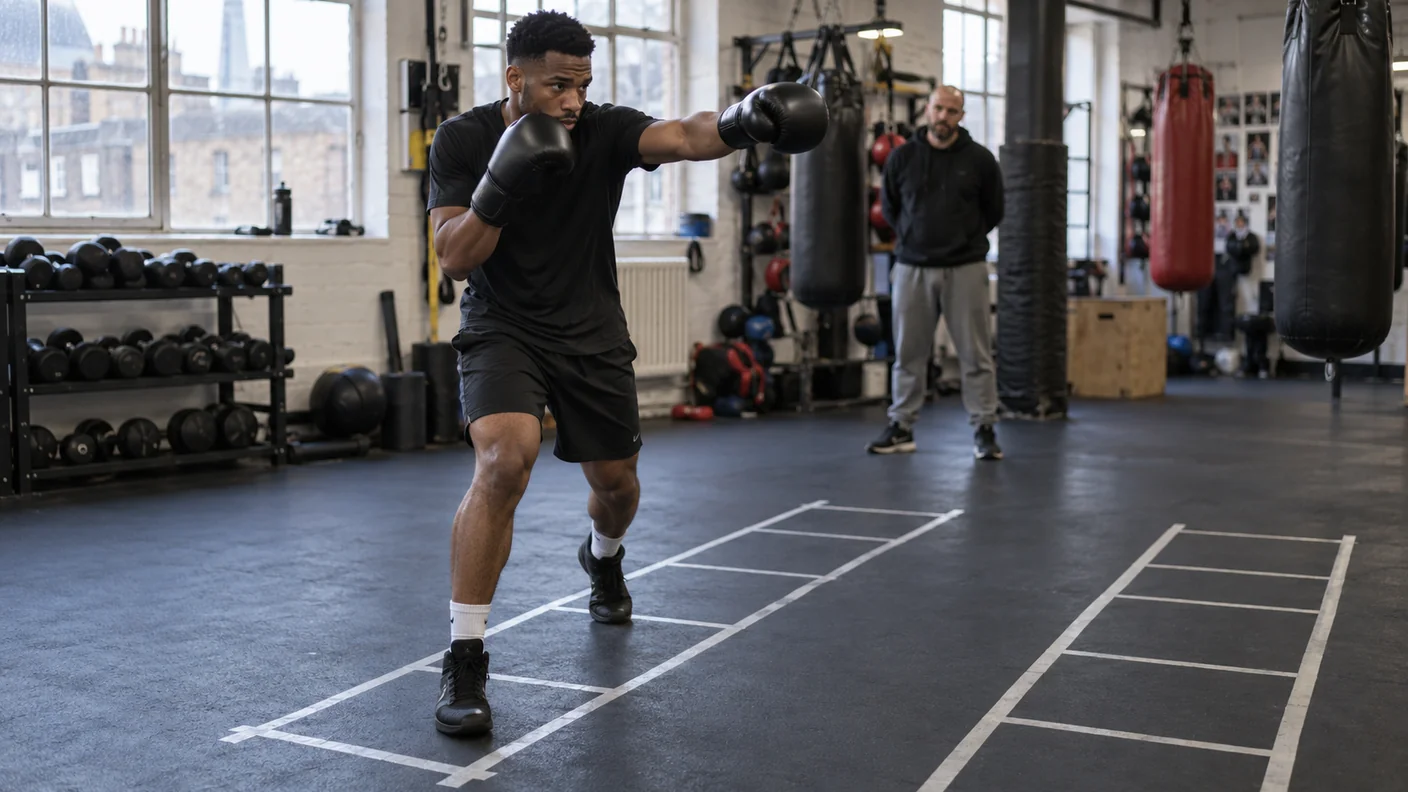
In, Out, Across: Boxing Footwork Drill
A three-direction boxing footwork drill for entering range, leaving safely and changing the line without losing your stance.
Page 3 of 74
A three-direction boxing footwork drill for entering range, leaving safely and changing the line without losing your stance.
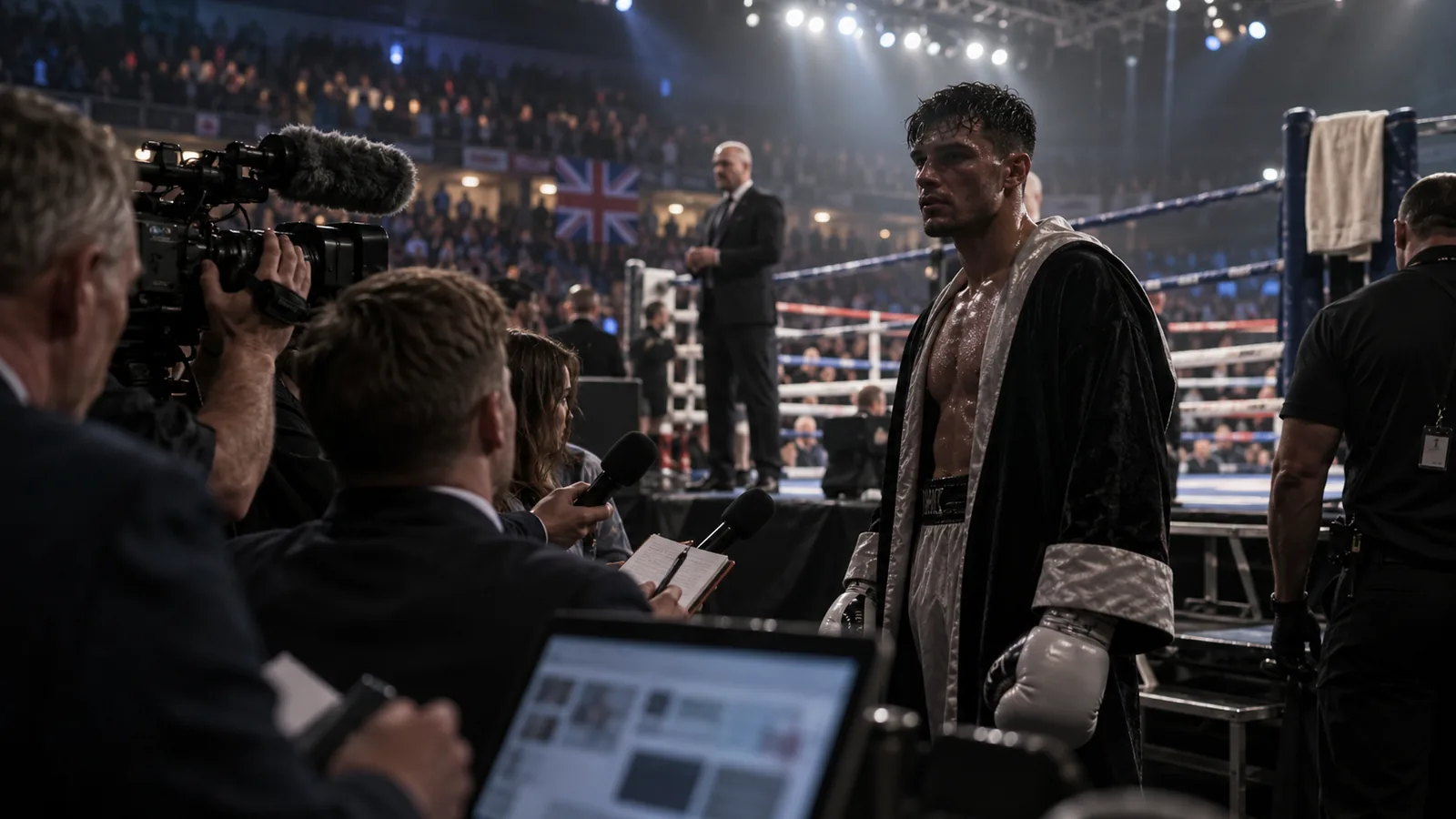
What a reported ownership change could mean for boxing media independence, promotional influence and how fans should read coverage.

A fight-week preview focused on what Wallace can make Whittaker prove: control of range, discipline after exchanges and whether the home favourite can turn flair into sustained rounds.

A British title-picture explainer on what a WBO vacancy can mean for ranked contenders, mandatory routes and the difference between a belt being vacated and won in the ring.
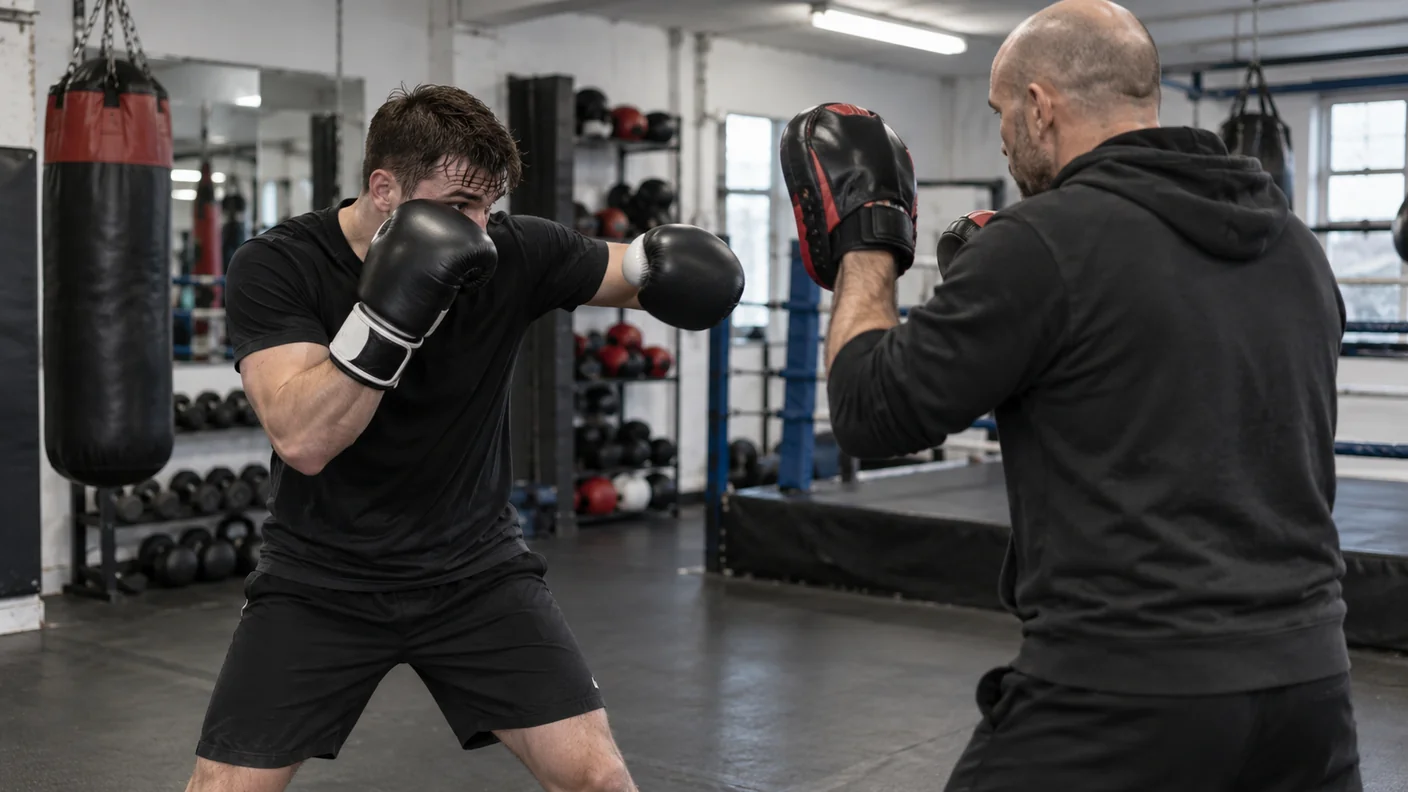
Use a compact high guard to block a straight line, then return with a short lead hook only when your stance and range are ready.
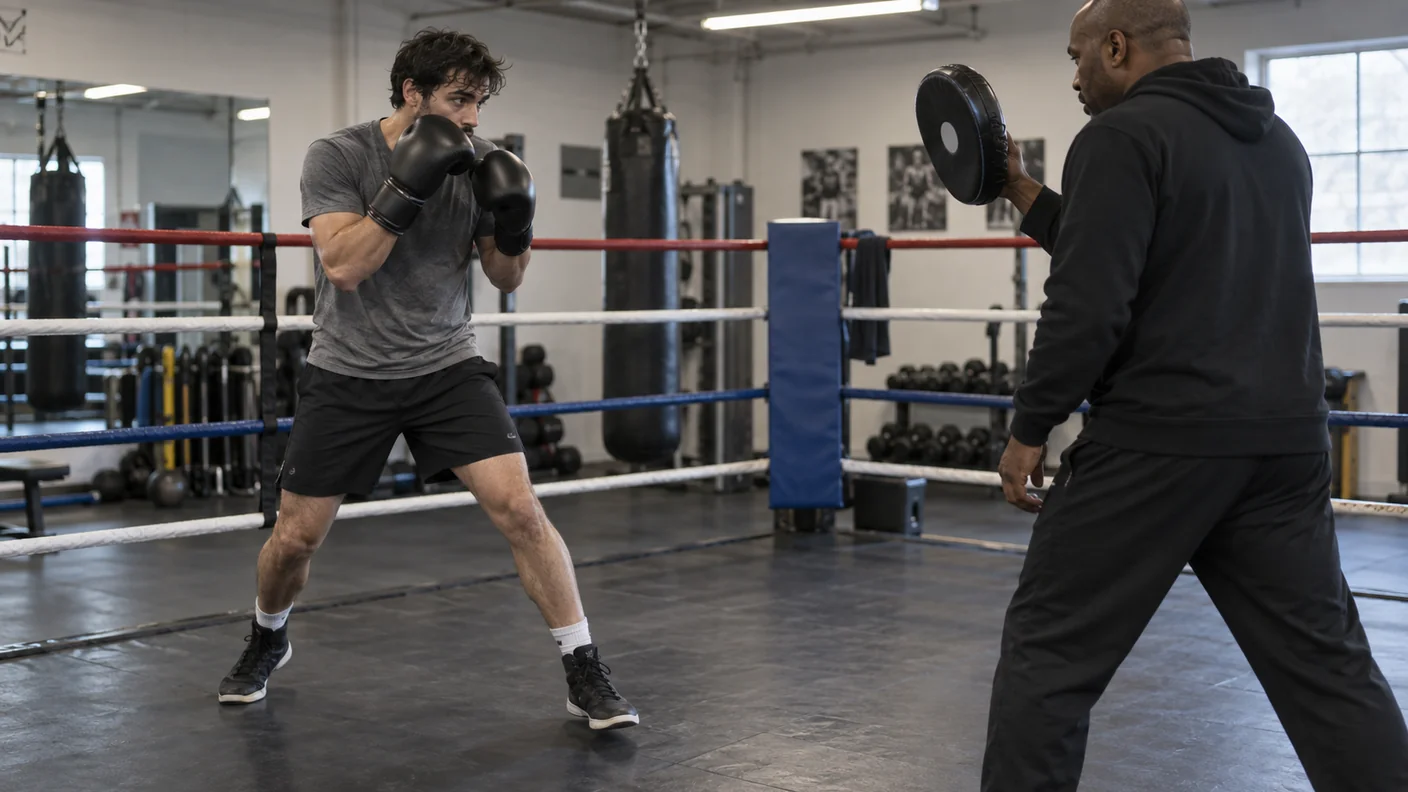
Use a small lead-foot feint to test an opponent's range and reactions before you commit to a real boxing entry.
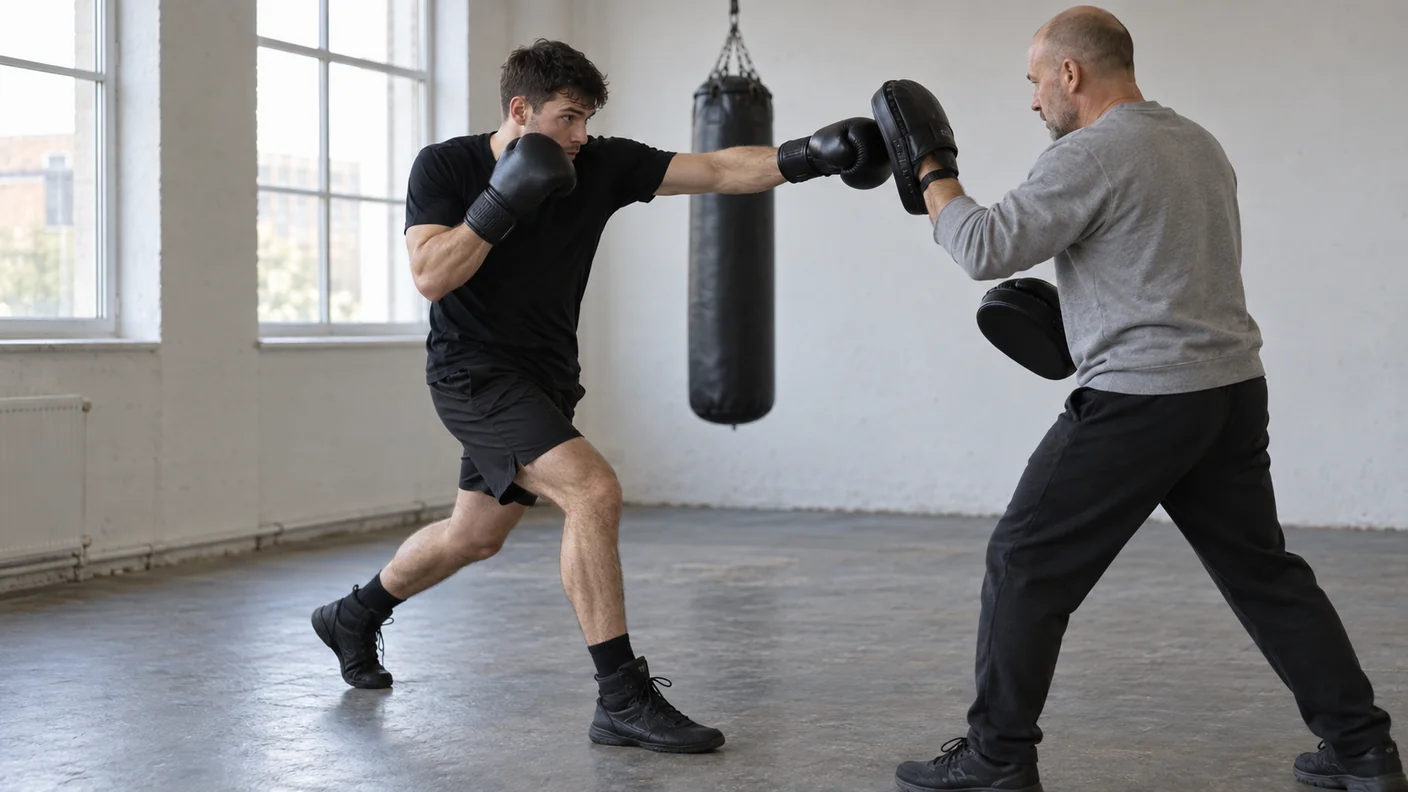
Use a controlled forward stance shift to close distance only when your guard, feet and next decision stay organised.
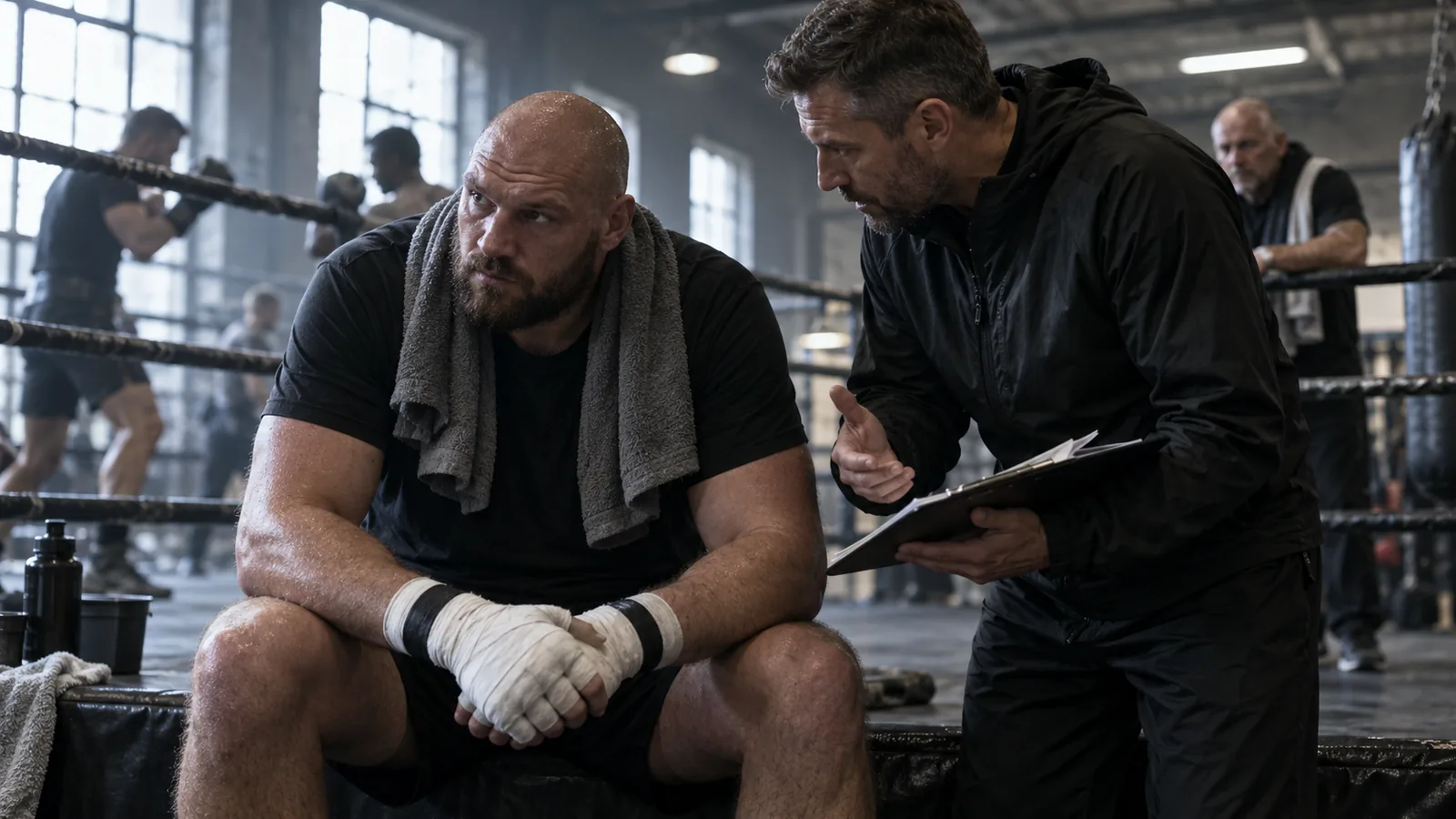
Fury's criticism of Joshua over Ben Davison opens a useful coaching-led discussion about trainer loyalty, public mind games and how much training-camp narratives tell us before a fight.
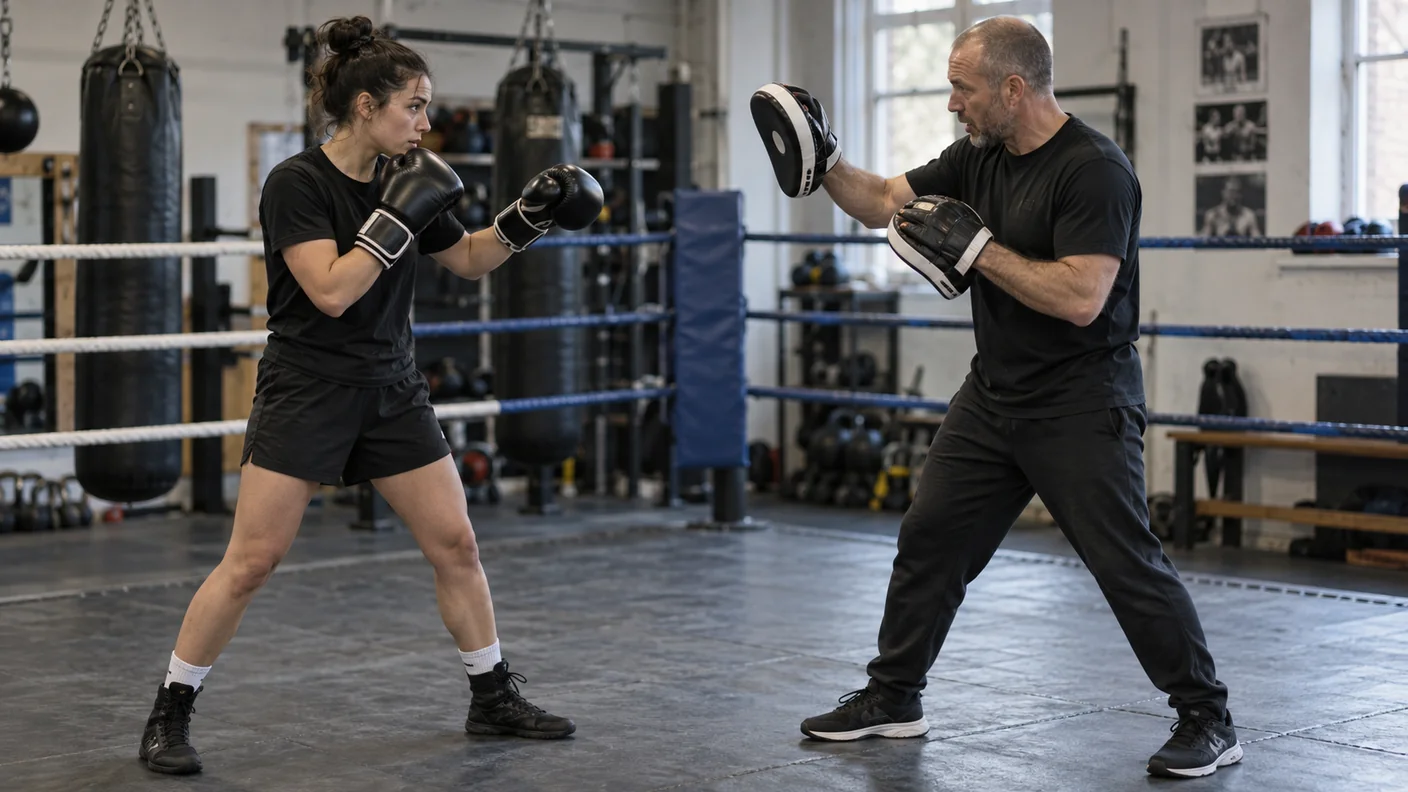
A practical guide to pad position, stance and clear calls when your partner boxes southpaw.
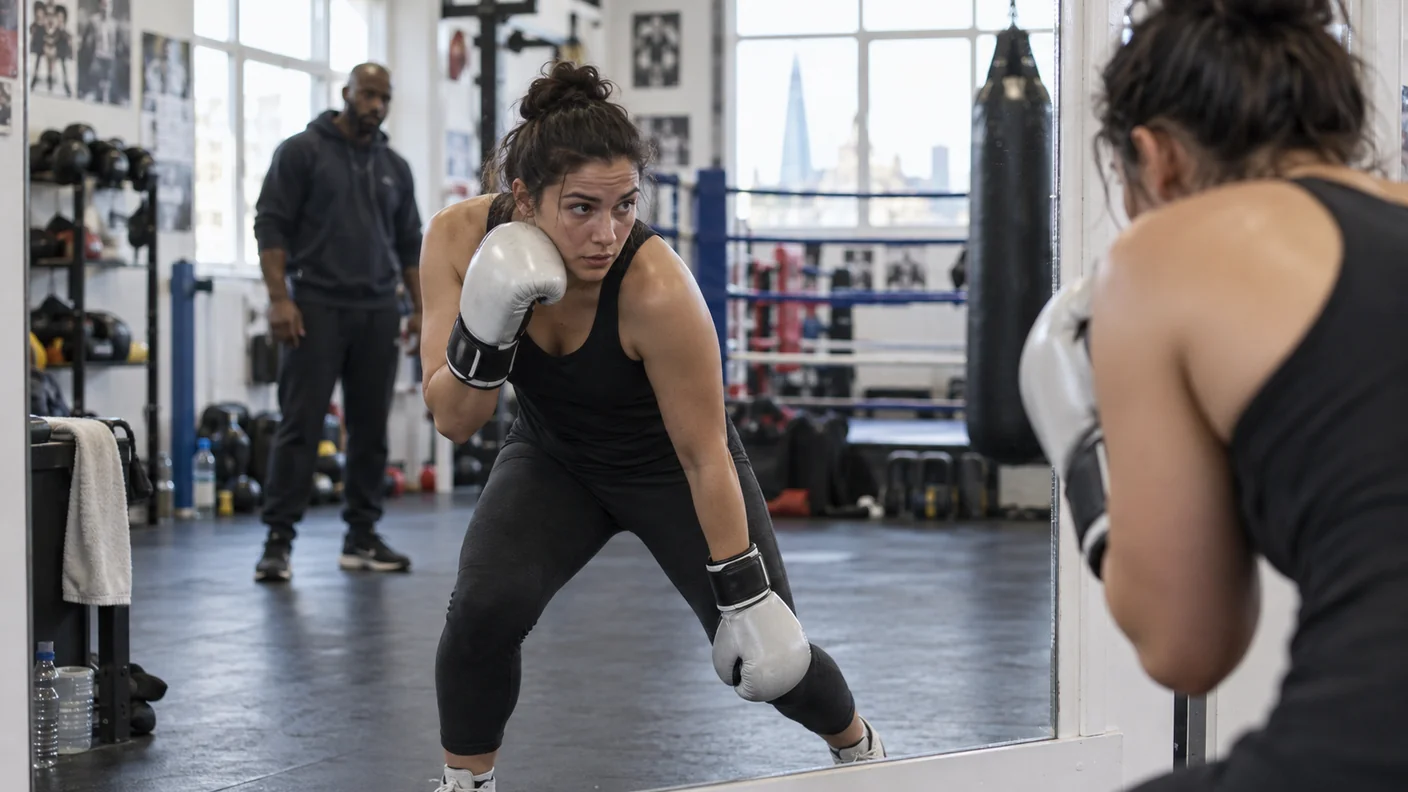
Use a knee-touch slip drill to find a smaller, balanced head movement before you add jabs, counters or partner cues.
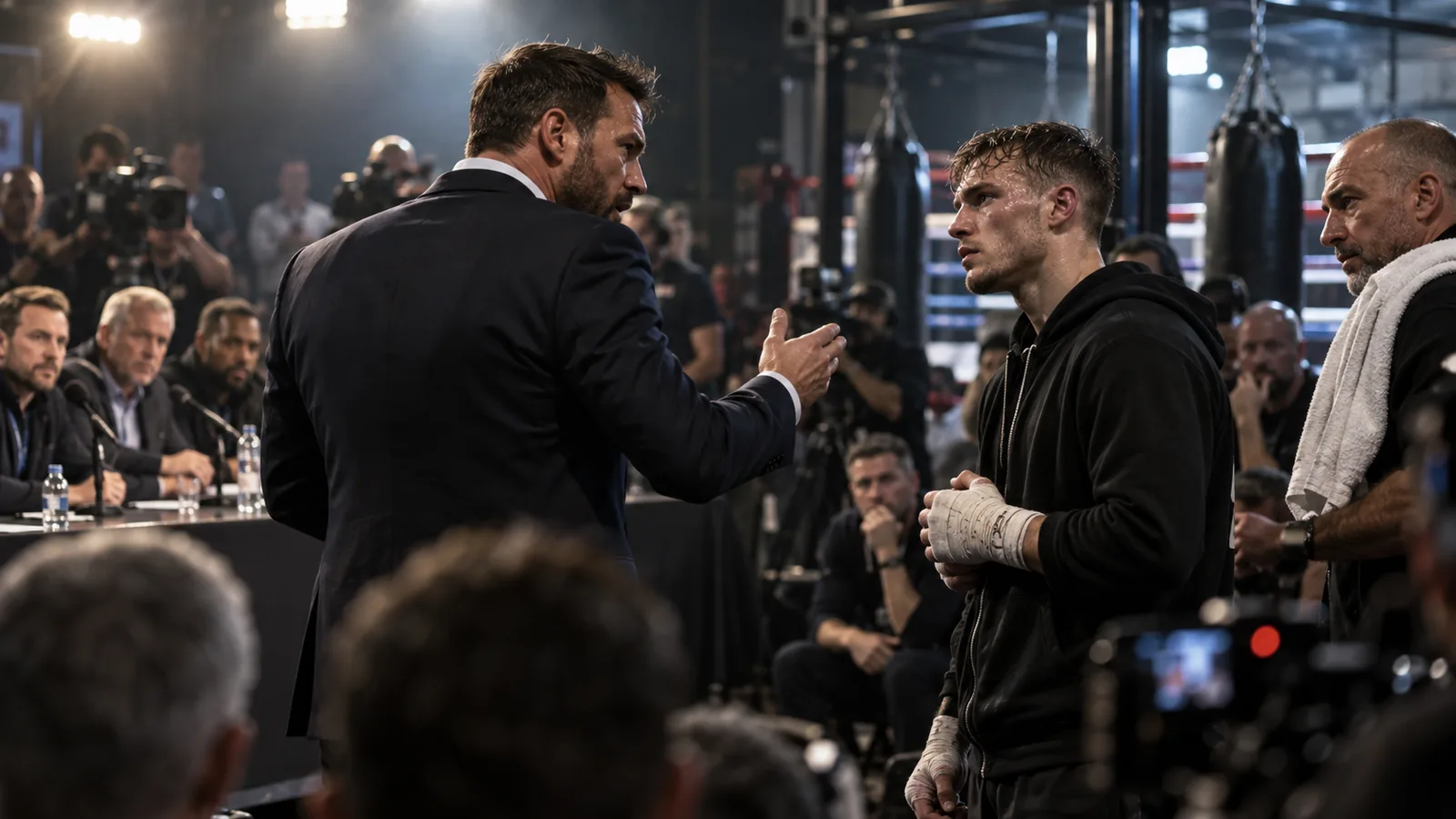
Use the current talkBOXING panel discussion to examine why promoter criticism so often becomes personality-first, and what fighters, managers and fans should ask about power and accountability instead.
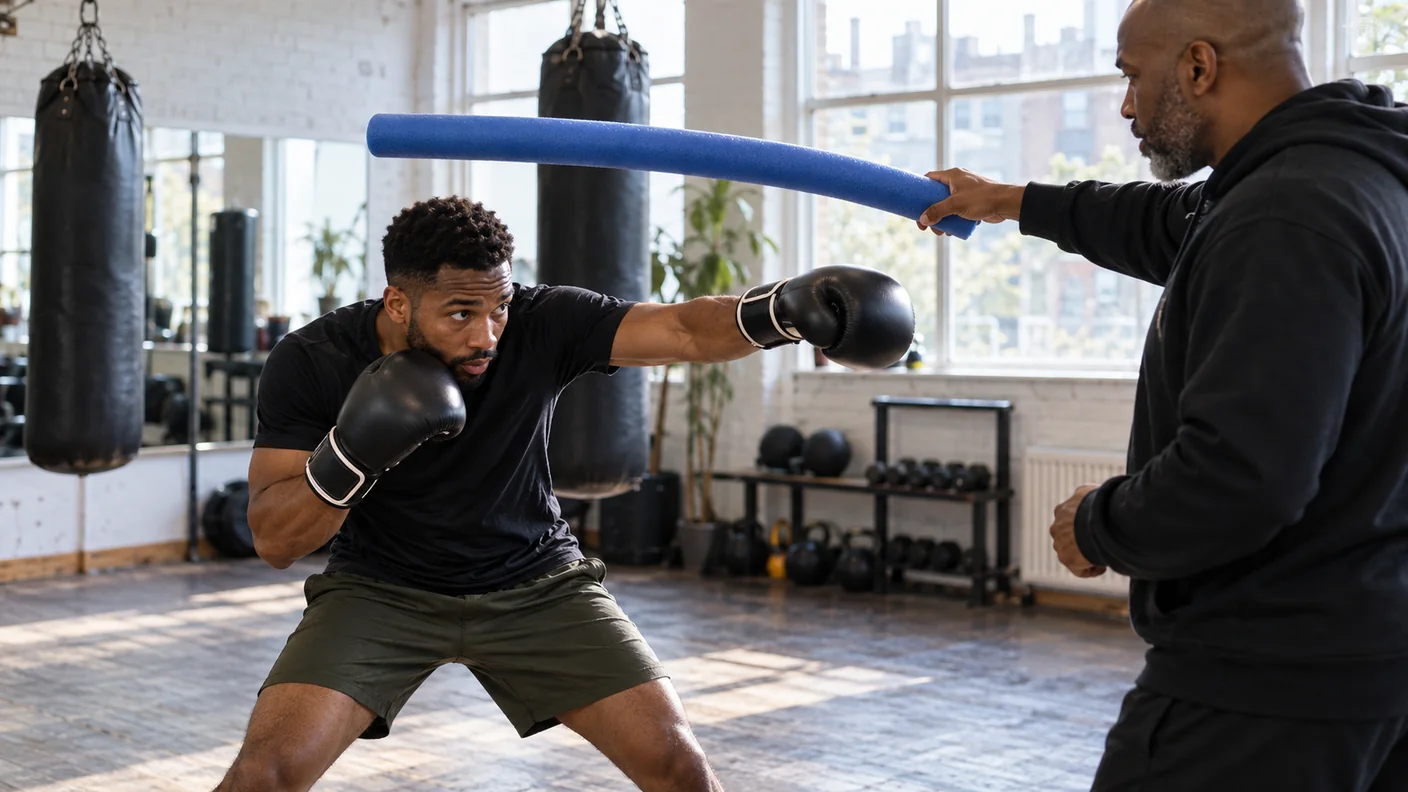
Link a jab, compact roll and cross without losing your stance, balance or sight of the next punch.
Page 3 of 74 (887 posts)