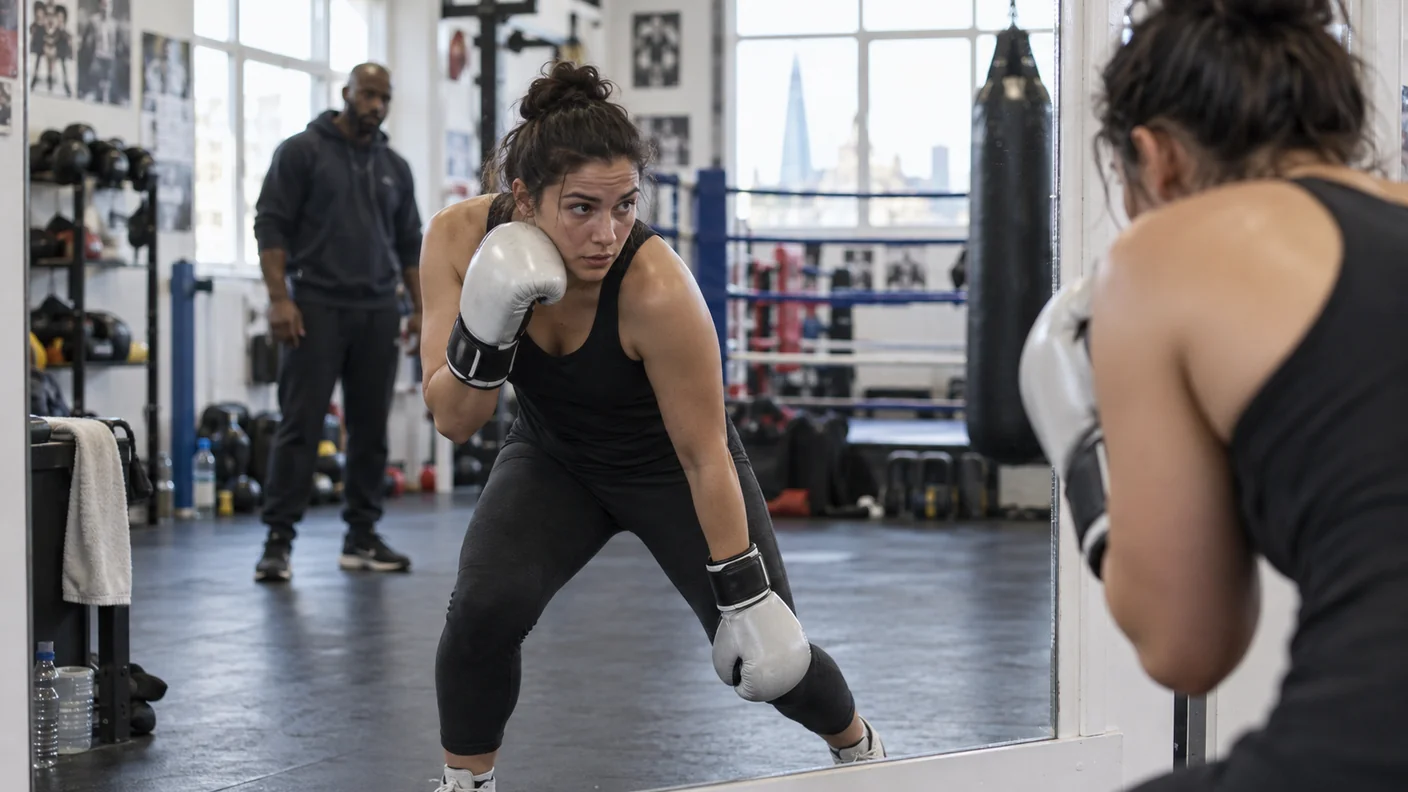
Most beginners make the slip too big.
They see a straight punch coming and move the whole upper body as if they are avoiding a falling wardrobe. The head goes a long way, the weight spills past one knee and the next punch has to be thrown from a position they would never choose on purpose.
The knee-touch slip drill gives you a simple reference for the size of the movement. It is not a fighting stance and it is not something to use in sparring. It is a slow, solo way to feel where your head and hips should finish before your hands return to guard.
Watch the short demonstration below as a visual reference. Then keep the version in your own training controlled: use the touch to learn the position, not to rehearse moving with both hands down.
What the knee touch is actually teaching
A useful slip moves the head just far enough off the centre line that a straight punch would miss. It should leave your eyes forward, your feet staggered and your body ready to jab, cover or step away.
The problem is that those words are hard to feel when you are new. Tell someone to move their head a little and they will often bend at the waist. Tell them to use their legs and they may squat straight down without moving their head off the line.
The knee touch gives the movement a finish point. From an orthodox stance, a light rear-hand touch towards the lead knee can help you feel a lead-side slip. A light lead-hand touch towards the rear knee can help you feel the other side. Southpaws reverse the picture.
Do not force your hand onto the kneecap or pull the head towards the floor. The hand is only a marker. The useful work comes from a small bend in the knees, a turn through the hips and a quiet change in head position.
England Boxing puts balance, stance and controlled footwork at the centre of sound technical work in its coaching handbook. That gives you a better test than whether the movement looks slick in a mirror. If the touch leaves you able to rebuild your normal guard without shuffling your feet, it has done its job.
Start in a stance you could box from
Stand in your normal boxing stance, not square to the mirror. Your feet should be far enough apart that you can sit slightly through the legs without your knees crashing together. Keep the chin quiet and look at a point in front of you.
For the first few repetitions, let one hand travel lightly towards the opposite knee as the hips turn. Do not reach down from the shoulder. If the hand is doing all the travelling while the head stays in the same place, you are practising a bend rather than a slip.
At the finish, your nose should have moved off the original centre line but you should still be able to see straight ahead. Your chest should not be draped over the lead knee. The rear foot should not have swung out. The movement is short because it needs to leave you somewhere useful.
A review of anticipation in combat sports describes how stronger performers use early movement information more effectively. In a boxing gym, that does not mean trying to predict every punch. It means learning a position that lets you see the shoulder, chest and feet after you have moved, rather than losing sight of them under your own guard.
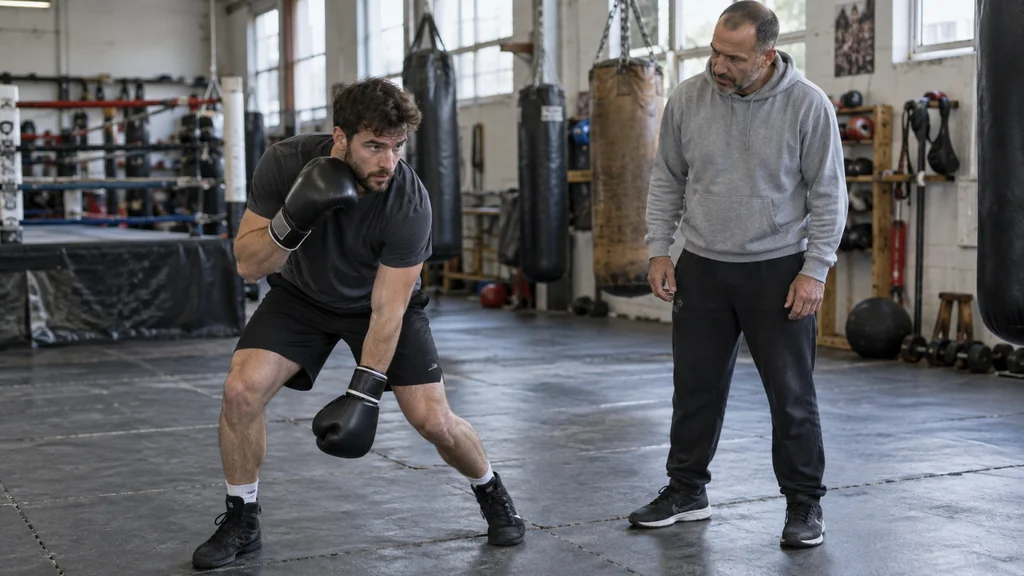
The touch is a reference, not the finished defence
This point matters. You do not box with a hand on your knee.
The touch belongs at the very start of learning, when the job is to feel the amount of hip turn and leg bend that moves the head without a big lean. Once that feels familiar, bring both gloves back to a normal guard and repeat the same small slip.
A good progression is touch, freeze, return to guard. Do not try to make the movement flow at speed on day one. Freeze for one second and check whether your weight is still shared between both feet. If you have to pull yourself upright with your back or take an extra step to recover, make the movement smaller.
The same rule applies when you later add a jab, a partner cue or a mitt. The hands should return home before you decide whether to counter. Defence is not a promise that a punch is waiting for you. It is a way to keep enough shape to choose well.
For the wider picture, read how to defend the jab in boxing. The catch, block, step and slip all have different jobs. This drill only helps you find the body position for a compact slip.
Three rounds to turn the reference into a real skill
Use a mirror, a coach or a training partner who understands that the first stage is slow. No one needs to throw at your head for this drill to work.
Round one: touch and hold
Work for one or two minutes. Make one light opposite-hand knee touch, hold for a count of one, return to stance and repeat on the other side.
Use a calm rhythm rather than racing left and right. Check the finish after every few repetitions. Are your feet still staggered? Is the head only a little off centre? Can you look forward without lifting the chin?
If the answer is no, reduce the depth. You are building a reference point, not trying to win a flexibility test.
Round two: hands home, same slip
Now keep both gloves close to the cheeks. Make the same hip turn and knee bend without touching the knees.
A coach can stand in front with a raised open hand or soft visual cue, well outside contact range. The cue is there to give you a line to move from, not to make you flinch. Slip a little, return to guard and reset your feet before the next repetition.
This is the bridge between the learning shape and useful defence. If the hands start floating away because you miss the knee-touch marker, slow down and take one more round at the first stage.
Round three: slip, see, choose
Add one simple choice after the slip. The coach can show a focus mitt, take a small step back or leave nothing there.
If a mitt is presented at an honest range, touch it with one controlled jab or straight punch, then reset. If the coach steps back, bring your guard home and do not chase. If no target appears, simply recover your stance.
That final option is important. Boxing is not a dance routine. The slip should give you a better view of the next decision, not make you throw a counter you planned before you knew what was happening.
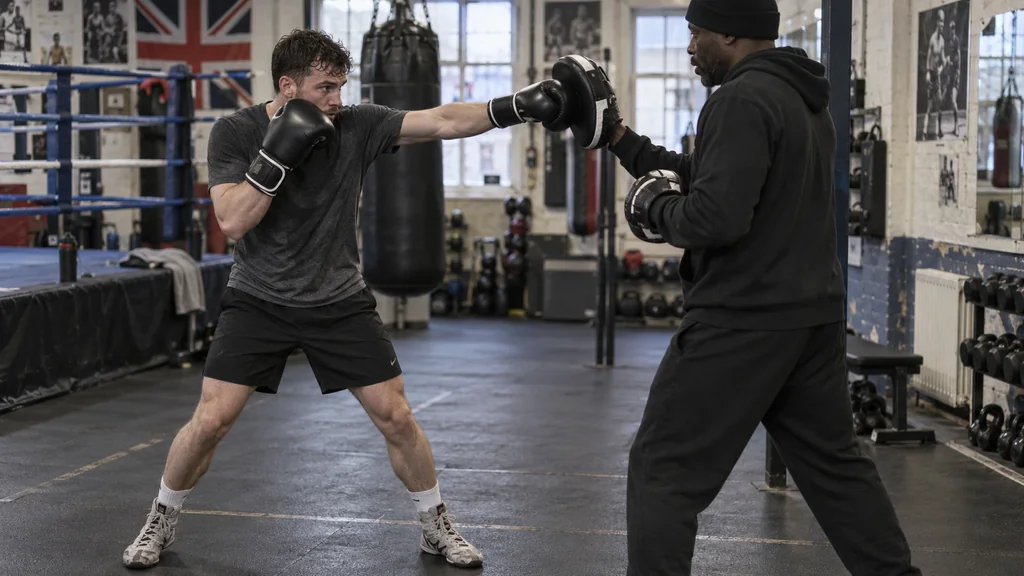
Four mistakes that make the drill less useful
The first is reaching down with the hand. If the shoulder drops to find the knee, the reference has become a stretch. Let the legs and hips take the head to the right area, then allow the hand to make only a light connection.
The second is folding forward. A slip is not a bow. If your eyes are on the floor or your chest is hanging over the front leg, you cannot see the follow-up shot and you have taken away your own balance.
The third is letting the feet change shape. Keep the stance under you. A slip that pulls the rear foot in or makes the feet cross will not leave you ready to punch or leave safely.
The fourth is moving hands before the hips. In the final version, both gloves stay in a working guard. The knee touch is a temporary reference. Once you have found the position, the hands must be free to protect the head.
Our move, slip and punch reaction drill is the next step when this feels settled. It adds a movement cue before the slip, but the standard remains the same: eyes up, feet under you and a return shot only when the position genuinely allows it.
Where this fits for beginners
Use the knee-touch reference after a warm-up and before pads, bag work or controlled partner drills. It is especially useful for someone who understands the idea of a slip but keeps moving too far, bending at the waist or losing the rear hand.
Do not treat it as a substitute for coached defence in contact work. In sparring, your hands need to be home and your decisions need to match the range. The small solo reference simply makes that later coaching easier to understand.
For adults in Kidbrooke, Greenwich and nearby, our Recreational Adults boxing classes use coached drills to connect stance, guard and movement before the pace rises. You can learn the details without needing to jump into hard sparring.
The cue is simple: touch the position, bring the hands home, then keep the slip small.
H&G Team
Writer at Honour & Glory Boxing Club, a community boxing gym in Kidbrooke, South East London.
KEEP READING
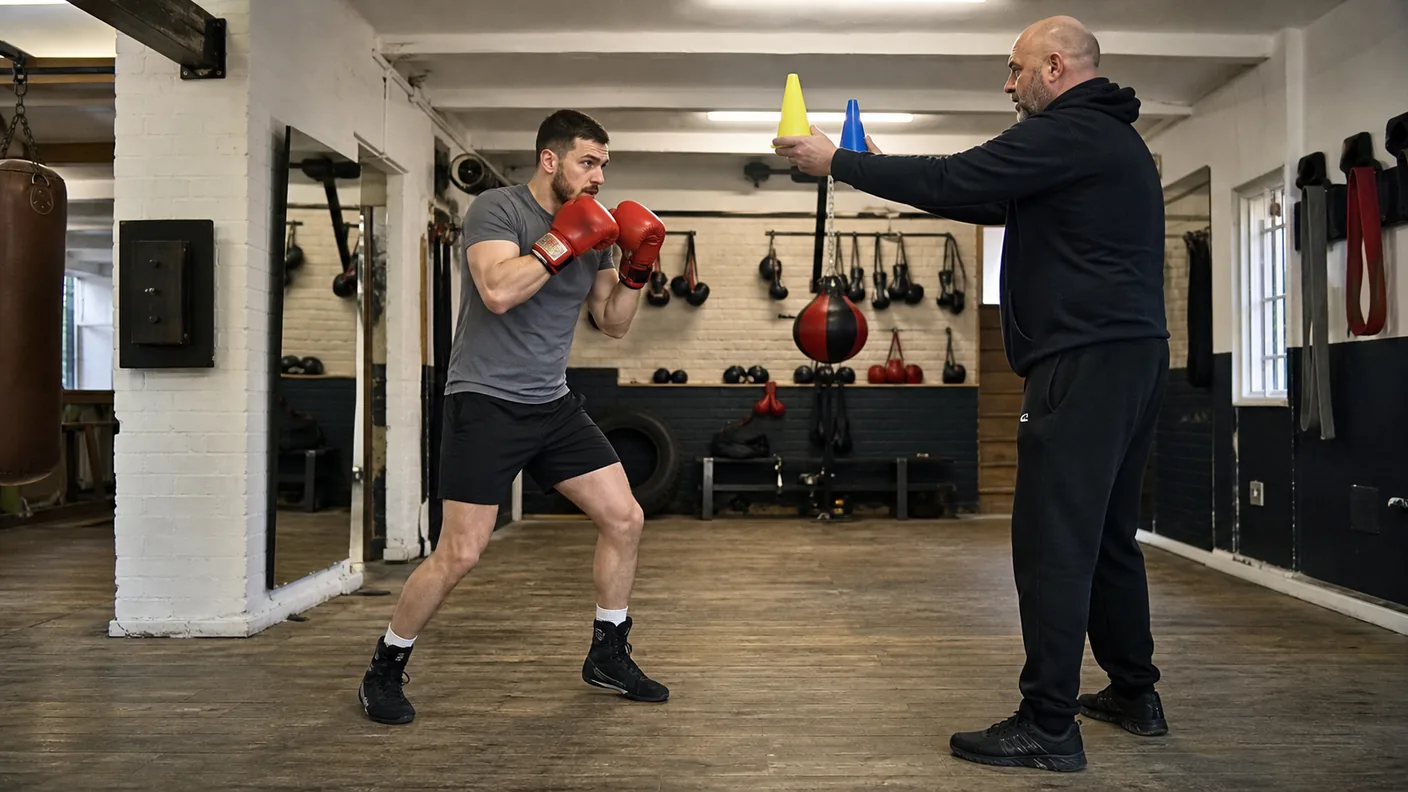
Boxing Move, Slip, Punch Reaction Drill
Build a cleaner response to pressure with a boxing drill that joins footwork, a compact slip and one balanced return shot.
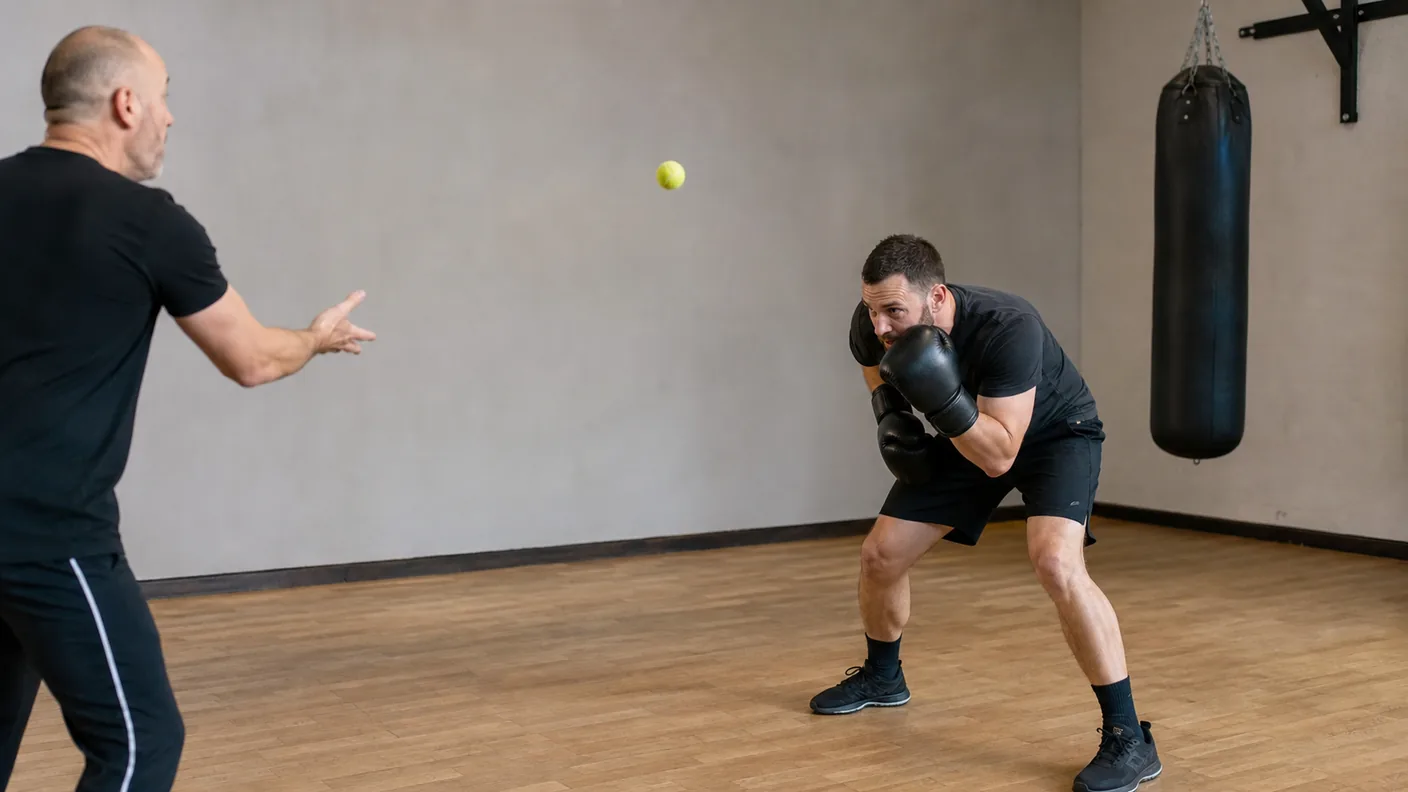
Tennis Ball Slip Drill for Boxing
Use a tennis ball slip drill to keep your eyes up, make smaller defensive movements and return to a balanced boxing stance.
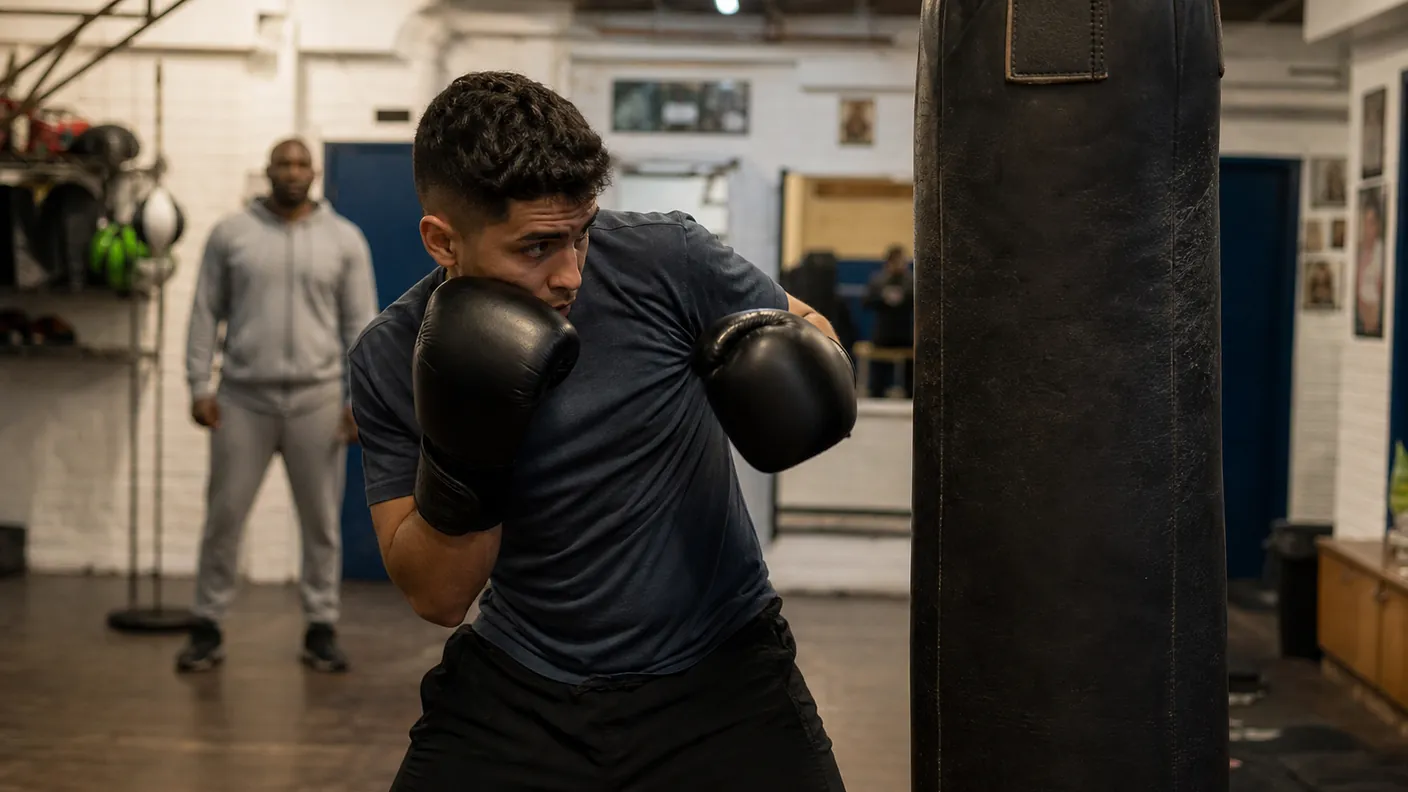
Jab, Slip, Slip, Hook: A Calm Boxing Drill
Use a controlled jab-slip-slip-hook drill to join your guard, head movement and lead hook without rushing the exchange.
Was this page helpful?
It takes one tap, and it genuinely helps.
Choose your next step
Turn this article into the right action
Some readers are ready to book. Some need the class route first. Pick the route that matches what you actually want.