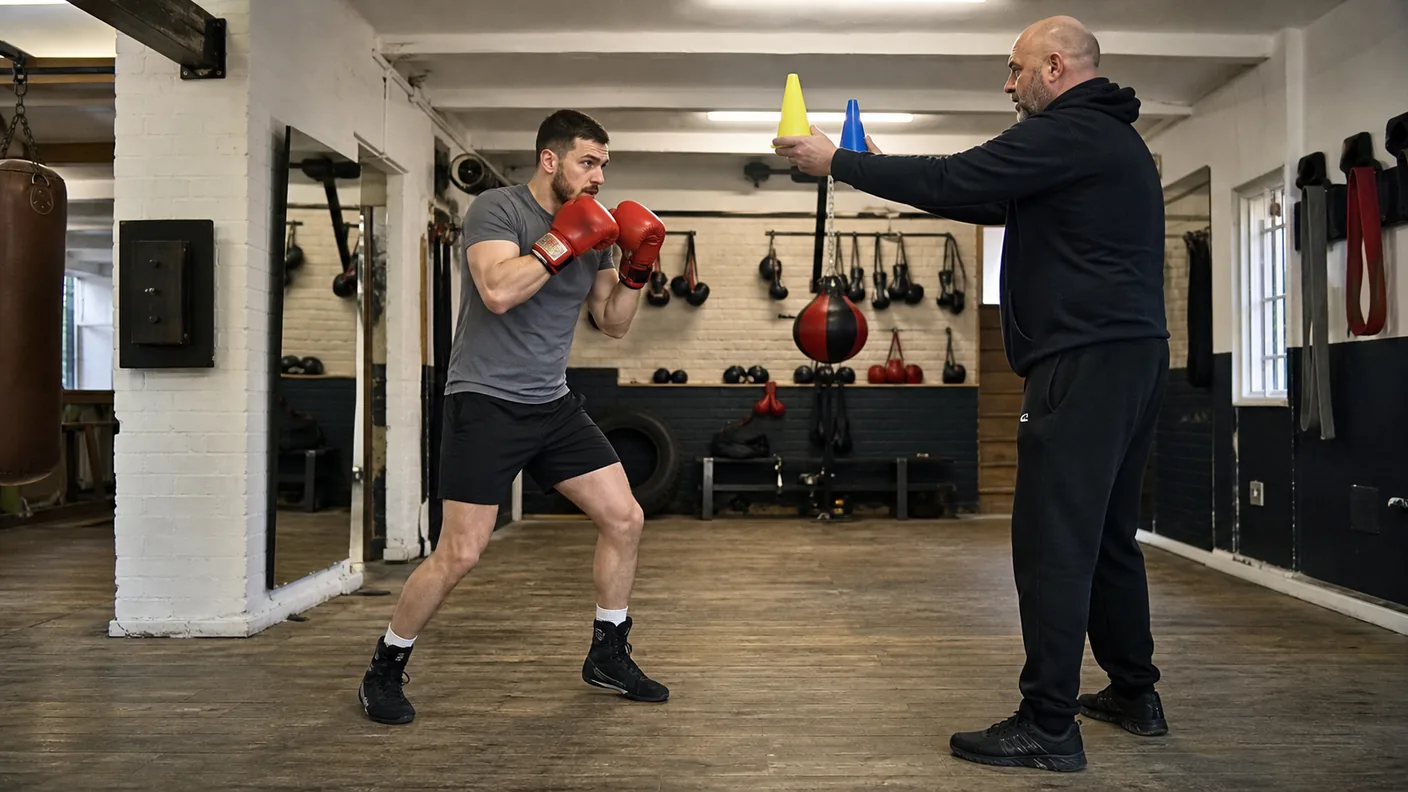
A lot of boxers can slip when they know it is coming. The harder job is moving into range, noticing the cue, getting the head off line and still being organised enough to punch afterwards.
That is the point of this drill. It is not a test of how far you can bend. It is a way to stop footwork, head movement and punching from becoming three separate tasks.
Watch the short demonstration below, then use the progression to make the work controlled and useful.
Why moving before the slip changes the drill
A stationary slip is worth learning, but it gives you too much time. You stand in one place, know the line is coming and make the movement you practised a hundred times.
Boxing rarely gives you that clean setup. You step in to jab. Someone meets you as you enter. You have to notice the line while your feet are already doing something else.
That is why this drill starts with movement. The coach gives a simple visual cue as you step in, and your job is to make one small defensive decision without stopping your feet in panic. A review of anticipation in combat sports found that skilled athletes use earlier visual information to make better decisions. In gym terms, do not wait for the imaginary punch to arrive. Watch the person in front of you and respond before the exchange becomes a scramble.
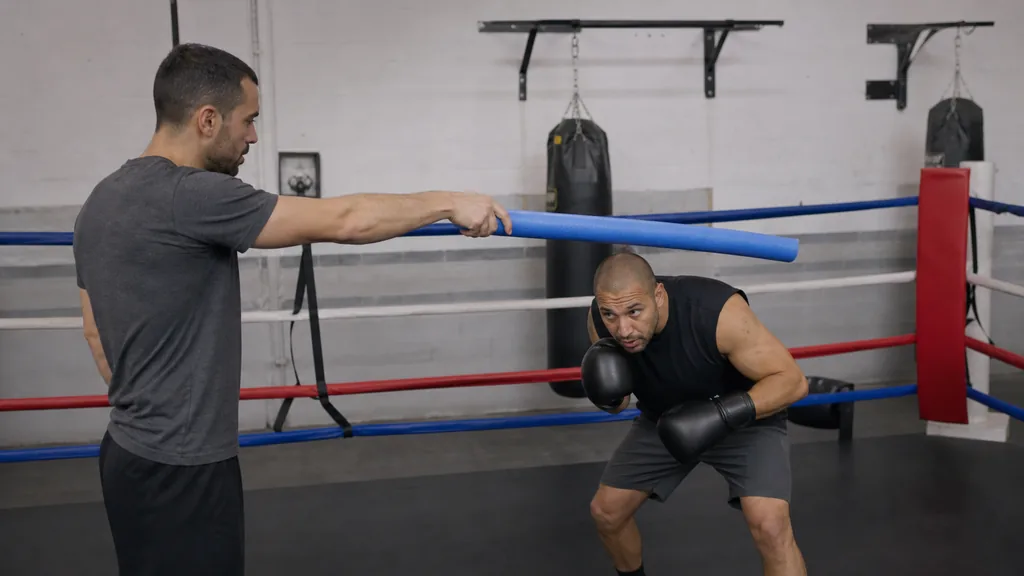
The cue can be a foam noodle, a gloved hand at a safe distance, or two small cones held where you can clearly see them. It is not meant to simulate hard contact. It tells you which side to move towards while the coach watches whether you stay in stance.
Set the drill up properly
You need space to take two small steps, a coach or partner who understands the pace, and a clear rule: no surprise swings, no contact and no speed contest.
Start in your normal boxing stance. For an orthodox boxer, the left foot and left hand are forward. Keep a little bend in the knees, chin down and the rear glove near the cheek. Southpaws reverse the position, but the rule stays the same: keep the base under you.
The coach stands a safe distance away and shows a cue to either side of the head line as you step forward. You do not need elaborate equipment. A soft pool noodle works well because it is visible, harmless and easy to hold still. If you use cones, keep them well clear of the face. They are a visual signal, not something to dodge at speed.
Take one controlled step in. See the cue. Make a small slip away from that line. Bring the head back to centre and either reset or land the agreed return. The whole action should take only a moment, but it must not feel rushed.
If either person is uncertain about the pace, slow it down. Technical drills should give both people enough time to see what the movement is teaching.
The movement is smaller than most beginners expect
The common error is trying to escape the entire gym.
A useful slip moves the head just far enough that a straight punch would miss. The knees soften, the shoulders turn a little and the eyes stay on the coach. You should not be folding at the waist, lifting the back foot or dragging your head past your front knee.
The test is simple. Could you throw a tidy jab or cross immediately after the slip? If not, the movement was too large or your feet stopped working.
This matters because visual skill in boxing is tied to decision-making, not just raw reaction speed. A 2024 study of amateur boxers found relationships between visual ability, eye-hand coordination, depth perception and punch performance. That does not mean cones create elite reactions. It supports a more practical coaching point: keep your eyes up, read the cue early and choose a movement you can recover from.
Our guide to defending the jab in boxing covers the catch, slip and block in more detail. This drill gives the slip a more demanding job by adding the step before it.
Build it in three rounds
Run each round for one or two minutes, then switch roles. Keep the first versions quiet enough that a coach can correct feet, posture and guard.
Round one: step and see
The boxer takes one step forward as the coach holds a cue on one side. No slip yet. The boxer simply calls the side and resets.
It sounds basic, but it exposes a lot. Some people stare at the floor while stepping. Others look only at the gloves. Others take such a large step that they cannot stop without leaning. Clean that up before adding head movement.
Round two: step, slip, recover
Now use the same cue, but add the slip. Step in, move the head a little, return to stance and hold for one beat.
Do not add punches yet. The coach should be able to see both gloves, the boxer’s eyes and a stable base at the end of every rep. If the rear hand drops or the feet cross, go back to the first round rather than trying to shout corrections over a faster drill.
Round three: step, slip, punch, leave
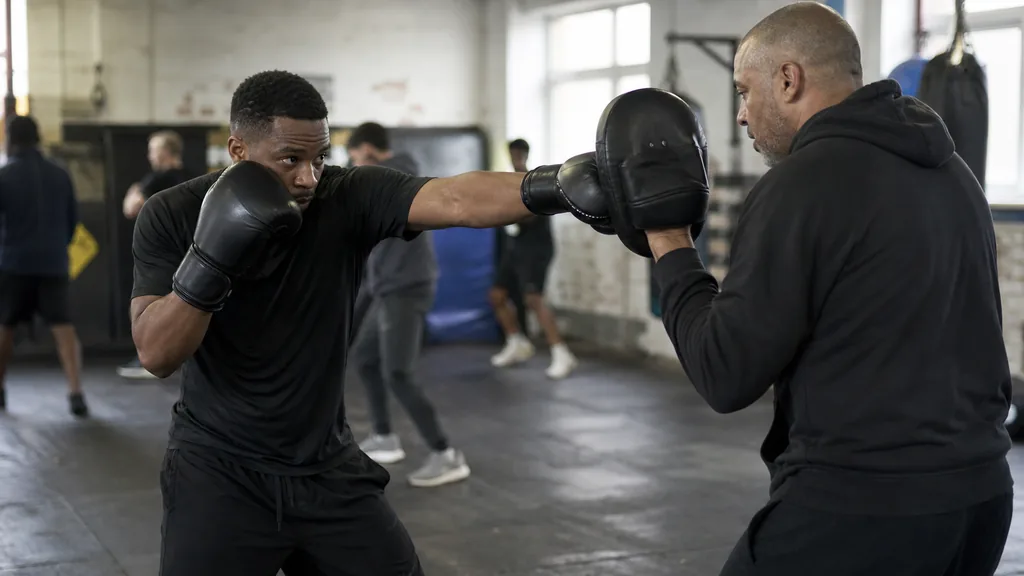
Add one return shot to a focus mitt. For an orthodox boxer, a small slip outside the lead-side cue can lead naturally into a straight right. On the other side, a jab is often the cleaner beginner answer. The exact choice matters less than the balance after it.
Finish every rep with a simple exit: a small step back, a step to the side or a return to the original range. The punch is not a finish line. In a real exchange, the other person still has hands.
This connects with our article on moving in and out without crossing your feet. A defensive movement is more useful when your feet can take you out of the exchange afterwards.
Four mistakes that ruin the drill
The first is guessing. If the boxer starts slipping before the coach gives a cue, they are rehearsing a pattern rather than reading. Pause for a second between reps and vary the side honestly.
The second is over-slipping. A giant lean may look dramatic, but it makes the return punch slow and leaves the body off balance. Make the imaginary punch miss by a little, not by a mile.
The third is forgetting the rear hand. Many people move the head well but let the non-punching glove float away from the cheek. Keep it home. A slip only helps if it does not open a new gap.
The fourth is racing to throw the return. The punch should arrive because the slip left you planted and ready, not because you threw yourself at the mitt. If the punch lands with crossed feet or a lifted chin, remove it and return to the recovery round.
Where this belongs in your training
Use the drill after a warm-up and before hard bag work, pads or controlled partner rounds. It works well as a short technical block because it gives you a clear cue, a clear movement and a clear test of whether you recovered properly.
It is not sparring. It is preparation for better habits in sparring. Keep it light, predictable at first and properly supervised. The aim is to make the next decision calmer, not to make a beginner feel as though they have to dodge a fast object near their face.
At Honour and Glory, our Recreational Adults boxing classes build this kind of skill in stages: stance and footwork first, then defence, then controlled partner work when the basics are ready. If you are near Kidbrooke, come in and let a coach see which part of the sequence is actually breaking down.
The cue is simple: step in, see it, slip small, answer, leave.
H&G Team
Writer at Honour & Glory Boxing Club, a community boxing gym in Kidbrooke, South East London.
KEEP READING
Tennis Ball Slip Drill for Boxing
Use a tennis ball slip drill to keep your eyes up, make smaller defensive movements and return to a balanced boxing stance.
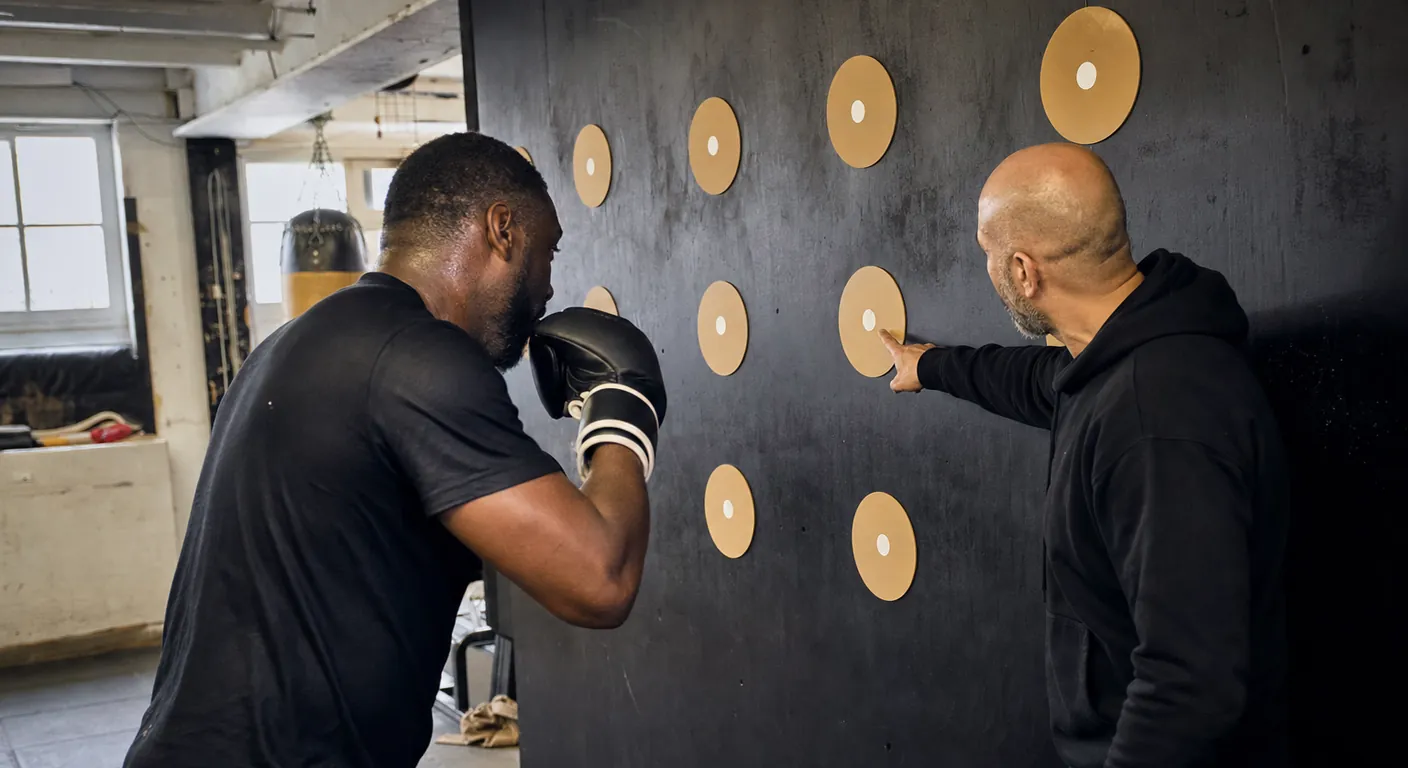
Boxing Reaction Drill: Think While You Punch
A practical boxing reaction drill that teaches you to stay in guard, read a call and make a clean choice under pressure.
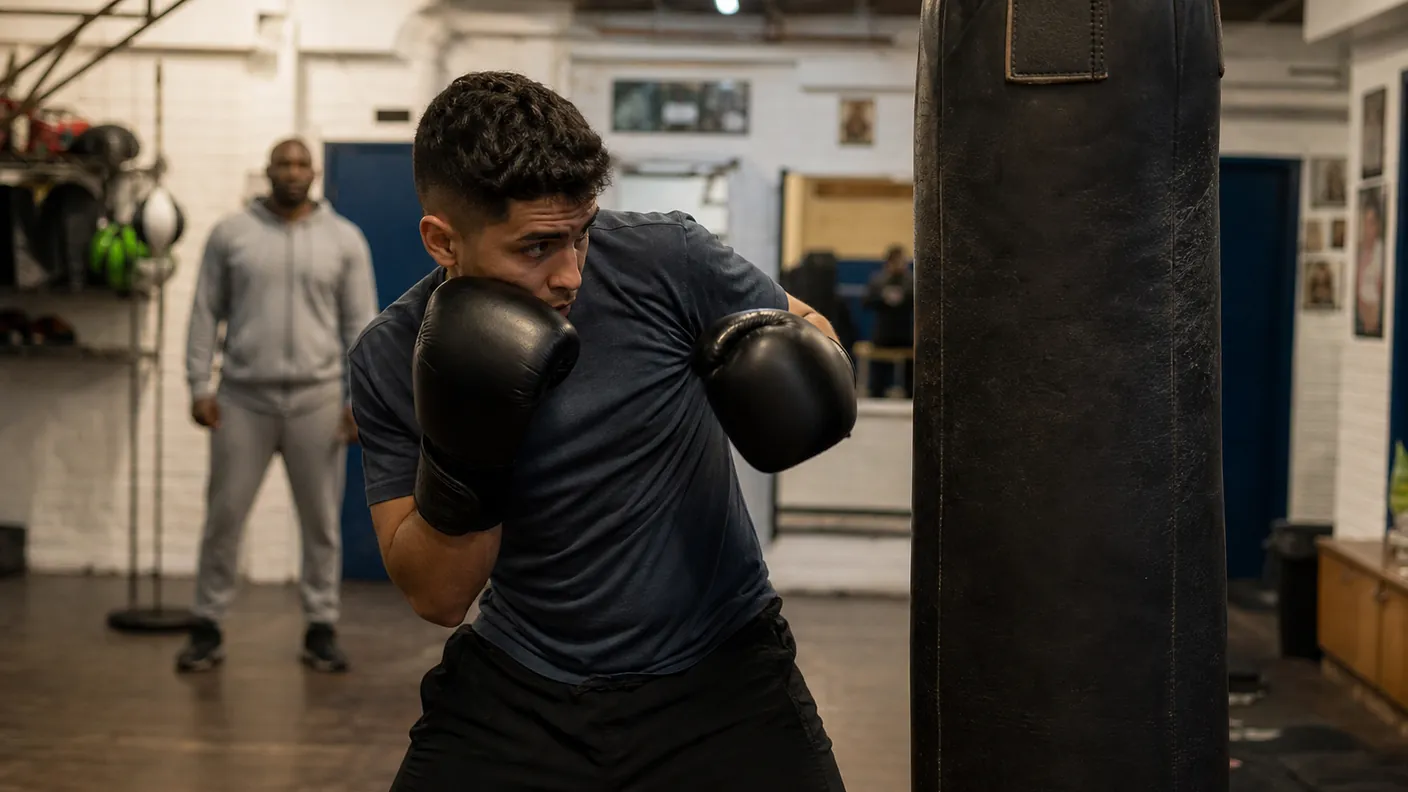
Jab, Slip, Slip, Hook: A Calm Boxing Drill
Use a controlled jab-slip-slip-hook drill to join your guard, head movement and lead hook without rushing the exchange.
Was this page helpful?
It takes one tap, and it genuinely helps.
Choose your next step
Turn this article into the right action
Some readers are ready to book. Some need the class route first. Pick the route that matches what you actually want.