Ben Whittaker vs Conor Wallace: the test behind the Birmingham hype
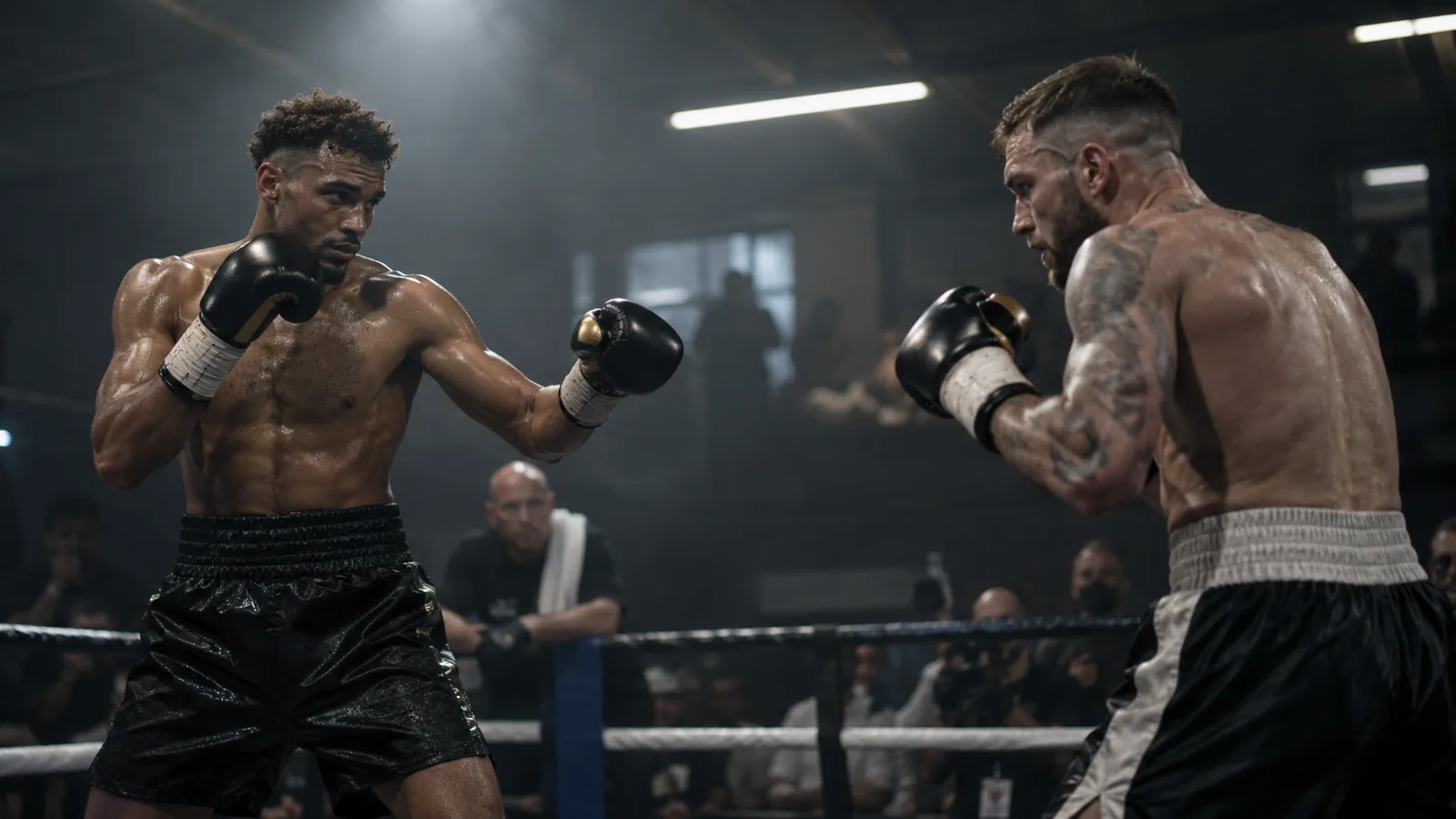
This is not a showcase fight
Whittaker enters unbeaten at 12-0-1. Wallace is 17-1. The tale of the tape published by bet365 has Whittaker at 6ft 3in and Wallace at 6ft 4in, so this will not be a case of the home favourite simply peering down at a smaller man and keeping him at the end of a jab.
Wallace is a southpaw, and that changes the geometry immediately. The lead feet are in the same lane. The rear hands are closer. A lazy jab or a square exit can become an invitation for Wallace’s straight left. Whittaker has the education to understand all of that, but knowing the theory and keeping the discipline under pressure are different things.
Wallace also brings an attribute Whittaker’s recent opponents have not consistently demanded: late-round work. He has a 12-round win over Jerome Pampellone and, according to the fight preview from Split Decision, he has never been stopped as a professional.
That does not mean Wallace is invincible. It means Whittaker may have to solve problems after the first burst of speed and theatre has faded. Good. That is exactly what this fight should require.
The market has Whittaker as a heavy favourite, as William Hill’s prediction coverage makes clear. Markets are useful for showing expectation, not for settling a fight. The price reflects Whittaker’s talent, momentum and home crowd. It does not remove Wallace’s ability to make him work.
Range is the first argument
Whittaker at his best is not simply a flashy boxer. He is a range manager.
He uses feints to make opponents freeze, then creates small errors with his feet. A half-step back makes the other man reach. A pivot after the jab shifts the target. A sudden burst of hands punishes the opponent for trying to recover ground. The showmanship gets attention, but the foot placement is the real business.
Against Wallace, Whittaker needs to make the southpaw reset repeatedly.
That means a purposeful jab to the chest as well as the head. It means moving to his own left with care, so he does not drift into Wallace’s left hand. It means using the right hand not as a dramatic single shot, but as part of a pattern that makes Wallace hesitate before stepping in.
Wallace’s job is the opposite. He cannot stand at the edge of Whittaker’s range waiting for a chance to counter. That would be a long, frustrating night. He must close distance behind a credible threat, get his feet set and make Whittaker choose between holding ground, clinching, or moving before he wants to.
The British Boxing News preview identifies the essential point well: Wallace needs to close distance, work the body and stop Whittaker from setting the range and performing on his own terms.
That phrase, “on his own terms”, is the heart of the fight.
Whittaker does not need to win every exchange spectacularly. He needs to dictate where exchanges happen. If Wallace is throwing from too far out, Whittaker can counter him. If Wallace is arriving late, Whittaker can turn him. If Wallace is forced to reset after every attempt to press, the favourite will turn the fight into a technical demonstration.
But if Wallace can get close enough to touch the body, lean on him a little and make each exit uncomfortable, then Whittaker will have to show another side.
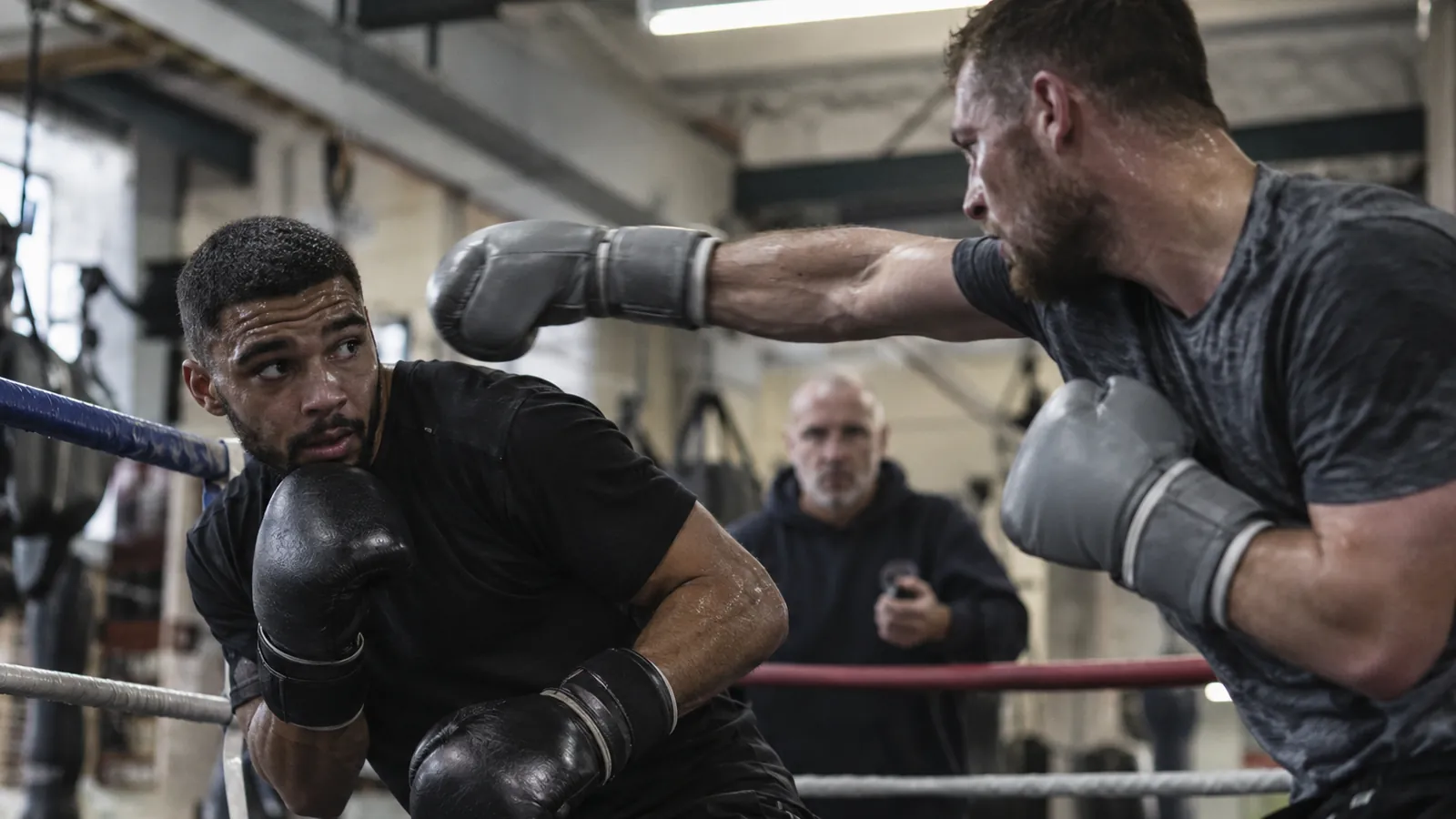
Flair is useful until it costs a round
There is nothing wrong with Whittaker enjoying himself in the ring. Boxing needs personalities, especially in Britain, where too many good fighters are sold as serious men in dark tracksuits who “want to make history”.
Whittaker is not that. He has rhythm, confidence and an instinct for the moment. It is part of why he is already such a recognisable name.
But the margin for indulgence narrows sharply when the opponent can punch, is roughly your size and refuses to be discouraged.
The real examination is not whether Whittaker can make Wallace miss. He can. It is whether he can leave after making Wallace miss.
That is discipline after exchanges. Throw, land or miss, then be gone. Do not stay close enough to admire the work. Do not pull out with the chin high. Do not trade the last shot merely because the crowd has reacted to the first two.
Against lesser opposition, a fighter can get away with standing in range after scoring. Against a southpaw with 12 knockouts in 17 wins, that is how a tidy round becomes a messy one.
Wallace should be targeting that moment. He does not need to outbox Whittaker for three minutes at a time. He needs to make Whittaker pay for lingering after combinations, especially when the home fighter starts to enjoy the crowd.
The first time Wallace lands a solid left after Whittaker has thrown something eye-catching will tell us plenty. Does Whittaker grin and repeat the mistake? Or does he make the adjustment immediately, take the centre back and return to the work that wins fights?
The second response is what separates a talented performer from a future world-level professional.
Can he sustain the quiet rounds?
Whittaker’s recent form has been emphatic. The Boxing News fight-week report rightly puts the contest at the centre of a strong Birmingham card, but it is the main event that carries the clearest career question.
Can Whittaker win rounds that are not dramatic?
Can he jab, feint, clinch when necessary, work the body and accept that a professional fight sometimes requires a patient three minutes rather than a viral clip?
That is not a criticism. It is the next level.
The best fighters can make a twelve-round fight look easy because they have done the boring things properly. They conserve energy. They do not chase a finish that is not there. They take the opponent’s best round without panic. They win the fifth, sixth and seventh rounds with the same concentration they brought to the first.
Wallace is built to find out whether Whittaker can do that.
A Whittaker stoppage would be an impressive result, especially if it comes from patiently breaking Wallace down rather than forcing the issue. But a composed points win would answer just as much. If Whittaker controls the centre, stays disciplined after exchanges and wins the late rounds without needing to entertain every second, Birmingham will have seen genuine progress.
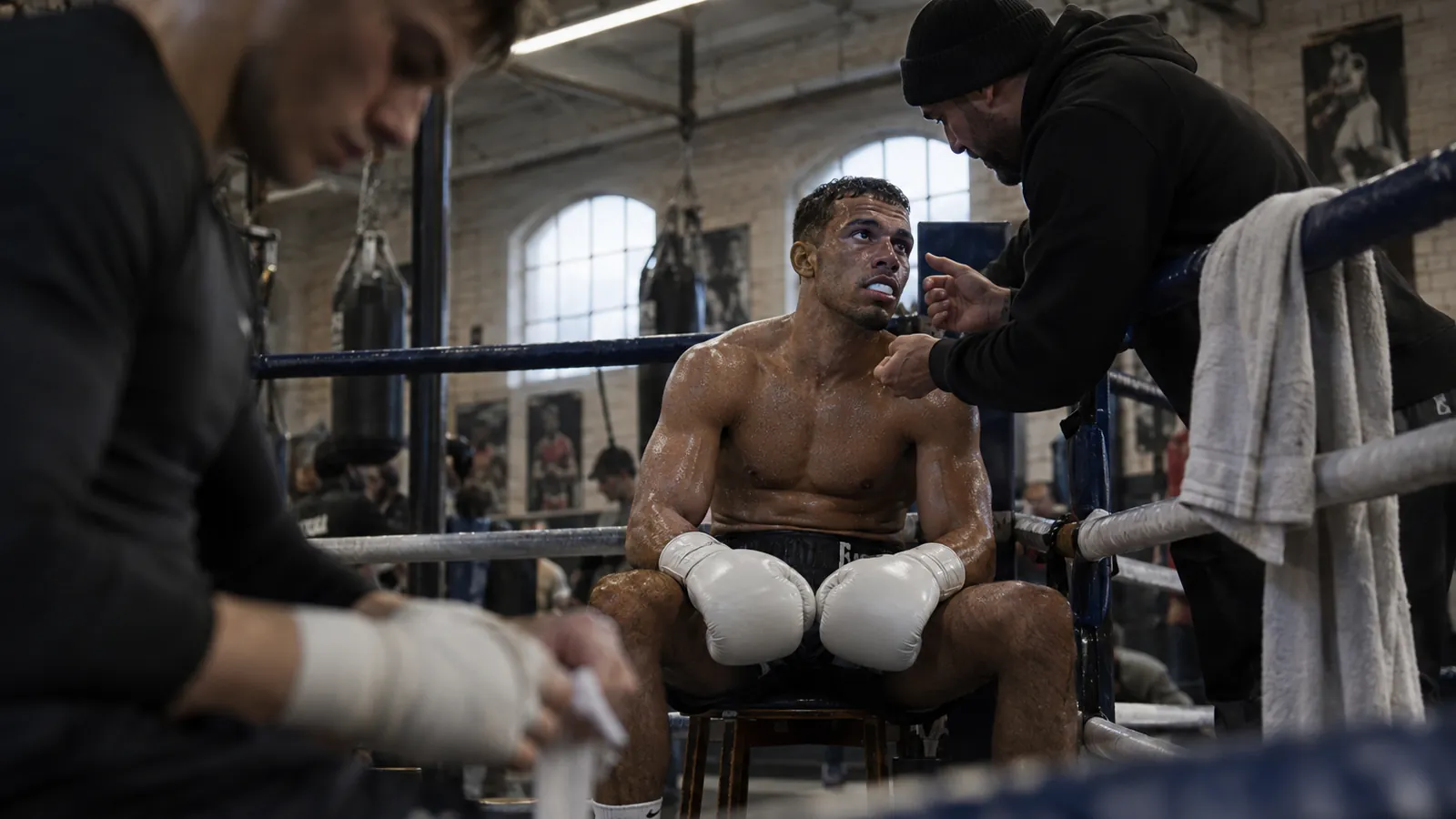
The undercard gives the night proper substance
This is not a one-fight card. Matchroom’s full fight-week schedule lists British and Commonwealth title action for Bilal Fawaz against Eithan James, plus Sean Bruce against Hamza Uddin. Ibraheem Sulaimaan faces Sonny Hardy for the English super-featherweight title.
The full undercard breakdown from British Boxing News also flags Odel Kamara’s professional debut after a successful amateur career. Those are the fights that keep a domestic card honest: young professionals taking steps, champions defending belts and contenders risking their place.
For Whittaker, though, this is the night that matters most.
The Birmingham crowd will bring the noise. Whittaker will bring the ability. Wallace brings the test.
My view is that Whittaker wins, but not in the casual manner many expect. Wallace should make him think, make him work and make him prove he can sustain control when the first few flashy moments are gone. If Whittaker does that, the hype will have something solid beneath it.
For anyone watching and wanting to learn the same fundamentals that decide fights like this, Honour & Glory’s boxing classes in Kidbrooke welcome new starters from age 7 upwards.
H&G Team
Writer at Honour & Glory Boxing Club, a community boxing gym in Kidbrooke, South East London.
KEEP READING
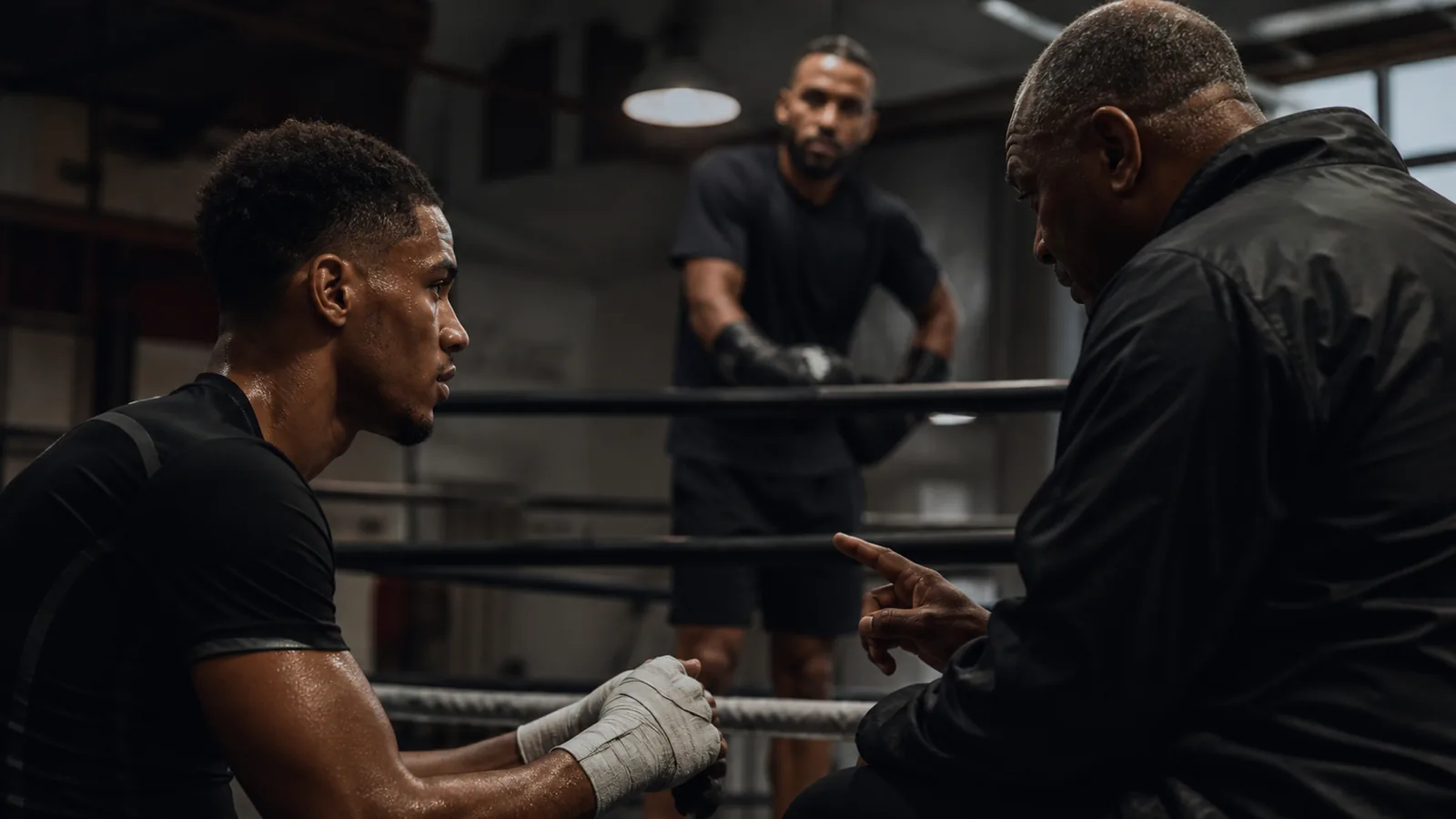
Ben Whittaker vs Anthony Yarde: why the offer matters
Tunde Ajayi publicly offering Whittaker a route to Anthony Yarde creates a meaningful domestic light-heavyweight talking point: a developing fighter being tested against an established British contender.
Ben Whittaker vs Gradus Kraus: why the matchup now makes sense
Ben Shalom’s call for Whittaker-Kraus creates a timely route into the domestic light-heavyweight conversation: assess the stylistic fit, the level of risk and what a decisive performance would prove.
Ben Whittaker vs Rivera: showmanship under pressure
Focus less on the USA-debut narrative already used and more on the boxing lesson: how Whittaker manages distance, rhythm, crowd energy and risk while performing under a spotlight.
Was this page helpful?
It takes one tap, and it genuinely helps.
Choose your next step
Turn this article into the right action
Some readers are ready to book. Some need the class route first. Pick the route that matches what you actually want.