Ben Whittaker vs Gradus Kraus: why the matchup now makes sense
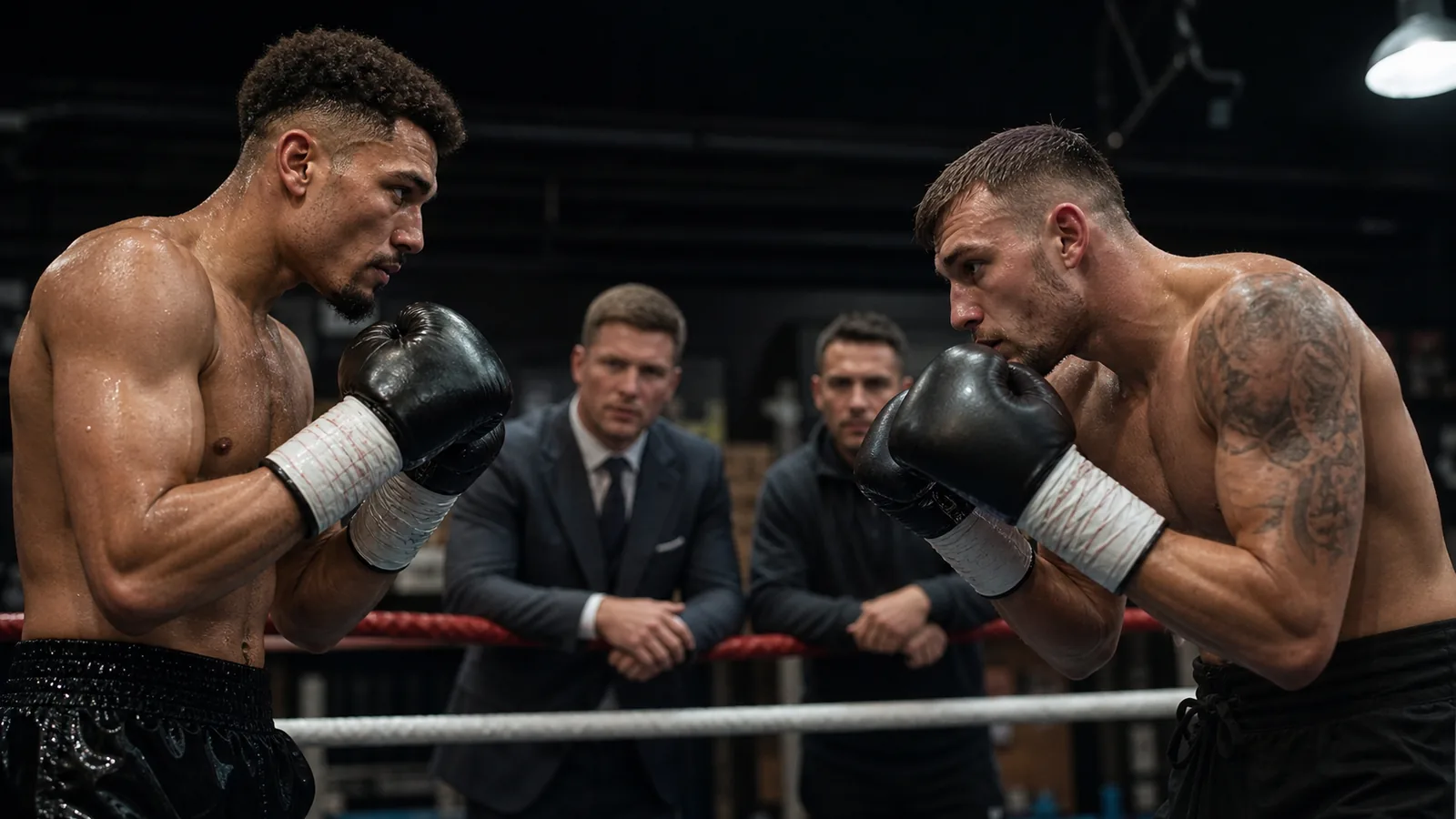
Ben Whittaker vs Gradus Kraus: why the matchup now makes sense
Ben Whittaker against Gradus Kraus is not a title fight, not yet. It is not the obvious safest move for either man either. That is exactly why Ben Shalom’s call for it has some life.
Whittaker is already a recognisable name in British boxing: Olympic silver medallist, high-level amateur pedigree, a style built to attract attention and a run of emphatic recent wins. Kraus is the unbeaten Dutch puncher being pushed hard by Boxxer, a fighter Shalom has described in unusually lofty terms. The promoter’s case is simple: put two young light-heavyweights with genuine upside in together before the division gets blocked by politics, rankings and risk management.
It is a good idea. More than that, it is a sensible next step if the aim is to find out which of them belongs in the serious domestic conversation.
The domestic division needs a live fight
British light-heavyweight boxing is rarely short of names. The difficulty is getting the names to fight one another while the timing still matters.
Whittaker has moved beyond the stage where every outing can be framed purely as development. His Box.Live profile lists him at 12-0-1 with nine stoppages, and his recent run has been sharp: first-round finishes over Braian Nahuel Suarez and Benjamin Gavazi, then a second-round stoppage of Richard Rivera in Brooklyn. He has the rankings, the amateur background and, crucially, the public profile.
But boxing does not award credibility simply because a fighter looks excellent against opponents he is expected to beat. The unanswered question around Whittaker has always been how his style holds up when the other man has enough self-belief, size and firepower to make him work every minute.
Kraus offers that question in a much more interesting form than a durable veteran would.
The 24-year-old had already built a reputation for quick, destructive nights before his meeting with Theo Brooks. Pre-fight reporting described him as 10-0, with nine opponents stopped inside the first two rounds, while the Kraus vs Brooks listing captured the kind of unbeaten-prospect test his team wanted. Since then, his first-round stoppage of Sean Hemphill has accelerated the talk. The footage and reaction are not evidence of championship quality on their own, but they explain why this is no longer an obscure matchmaking suggestion.
Shalom’s broader point, made when discussing Kraus’s opportunity on BBC television, was that Boxxer wants a light-heavyweight who can become known outside the committed boxing audience. Read the full BoxingScene interview and the language is striking: he sees Kraus as a major talent and wants him in front of a large British audience.
Whittaker is the route to that audience. Kraus, meanwhile, is the kind of opponent who can make a Whittaker win mean more than a highlight reel.
A clash of instincts
On paper, this is a fascinating contrast.
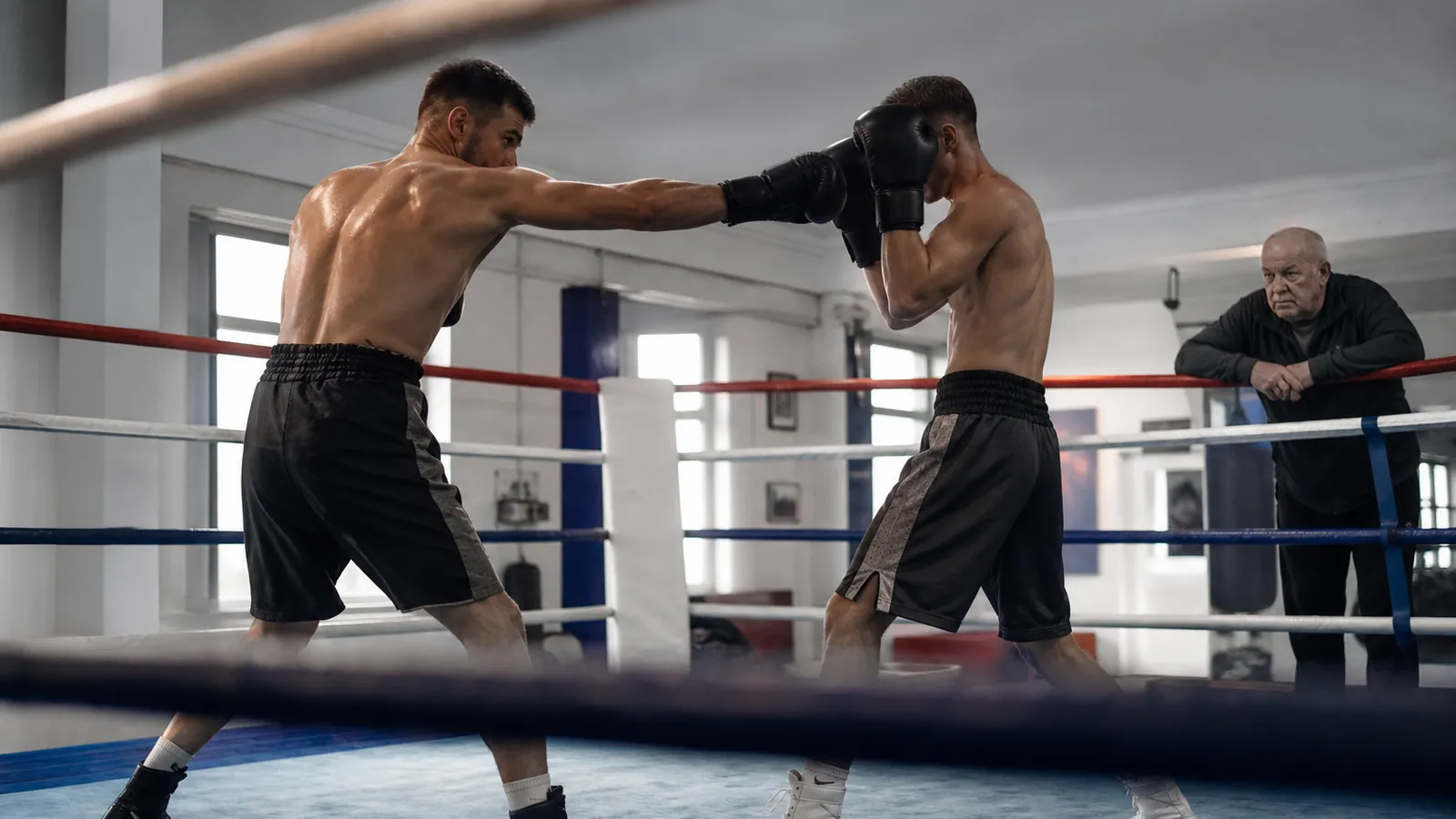
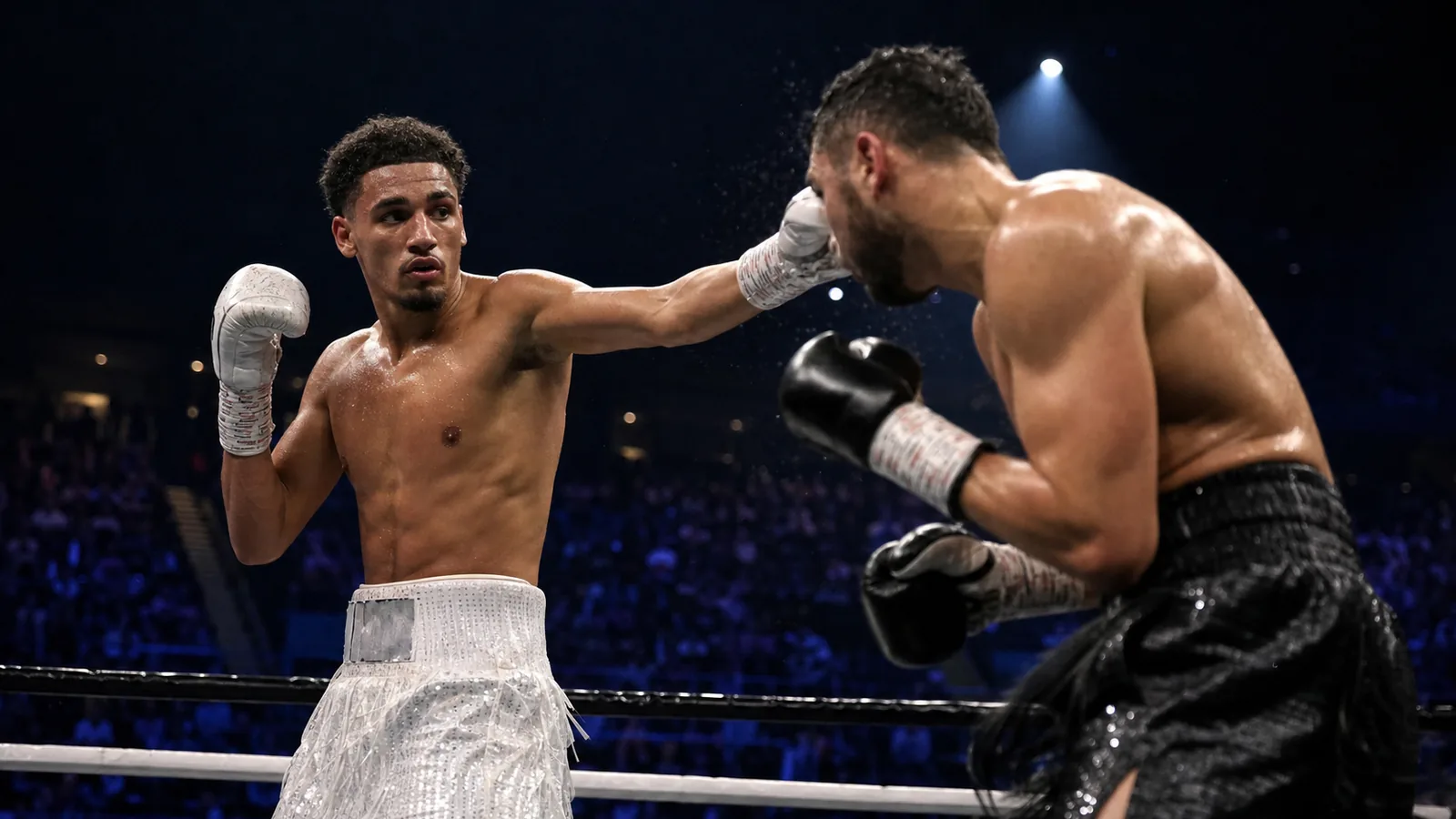
Whittaker is at his best when he controls the centre without standing still. He has the frame, the reach and the amateur education to make opponents reach for him. His jab can be light and probing or stiff enough to disrupt rhythm. He changes the picture constantly: feints, shoulder rolls, half-steps back, pivots out, then a quick right hand or left hook when an opponent has committed.
There is also theatre in his boxing, and there is nothing wrong with that. Boxing needs personalities. The important distinction is whether the showmanship helps a fighter create openings or becomes a bad habit against a serious opponent. Whittaker’s best performances have generally shown the former. He makes opponents hesitate, then punishes hesitation.
Kraus appears to be built around the opposite instinct. He wants to remove time and space. His best work comes when he closes distance with purpose, gets his feet set and throws straight, heavy shots rather than admiring his own movement. The early-stoppage record should not be overread, because records need opposition context, but it does tell us something about intent: Kraus is not in the ring to nick rounds.
That gives Whittaker the type of assignment he needs. A passive opponent allows him to set the pace, draw applause and box to his own rhythm. A front-foot puncher asks different questions. Can he establish the jab early? Can he make Kraus reset rather than simply retreat? Can he resist the temptation to linger in range after landing something flashy?
This is where a contest becomes more revealing than a social-media argument. The discussion around the proposed fight has understandably centred on who wins. The better question is what each man can force the other to reveal.
The risk is real, and that is the point
For Whittaker, Kraus is not a finished domestic name. Beating him would not carry the immediate commercial weight of a victory over a British champion or a familiar rival. Losing to him, however, would be expensive. It would give critics a simple argument: when an ambitious, dangerous opponent came to take his space away, Whittaker could not impose his class.
That makes it a proper risk. It is also a useful one.
Whittaker’s draw and chaotic first encounter with Liam Cameron in 2024, followed by his stoppage win in the rematch, already showed that his career has not been protected from inconvenience. The important thing is that he responded. His recent results have been far more clinical, but a Kraus fight would test whether that sharper version of Whittaker can stay disciplined when the opponent brings more menace.
For Kraus, the risk is even clearer. Whittaker is the more proven professional, the more accomplished amateur and the more complete boxer. If Kraus walks on to the jab, overcommits or follows Whittaker in straight lines, he could be made to look ordinary. Against a fighter with Whittaker’s timing, a few reckless entries can turn into a long night.
Yet Kraus gains something even in taking the fight. A competitive performance puts him in the British public’s mind as a real light-heavyweight, not simply a promising import with knockout clips. Boxxer’s growing connection with DAZN makes the timing practical too, with the DAZN UK boxing schedule now central to how many British fans track upcoming cards.
What a decisive Whittaker win would prove
“Decisive” does not have to mean a first-round knockout. In fact, a composed points win could answer more useful questions.
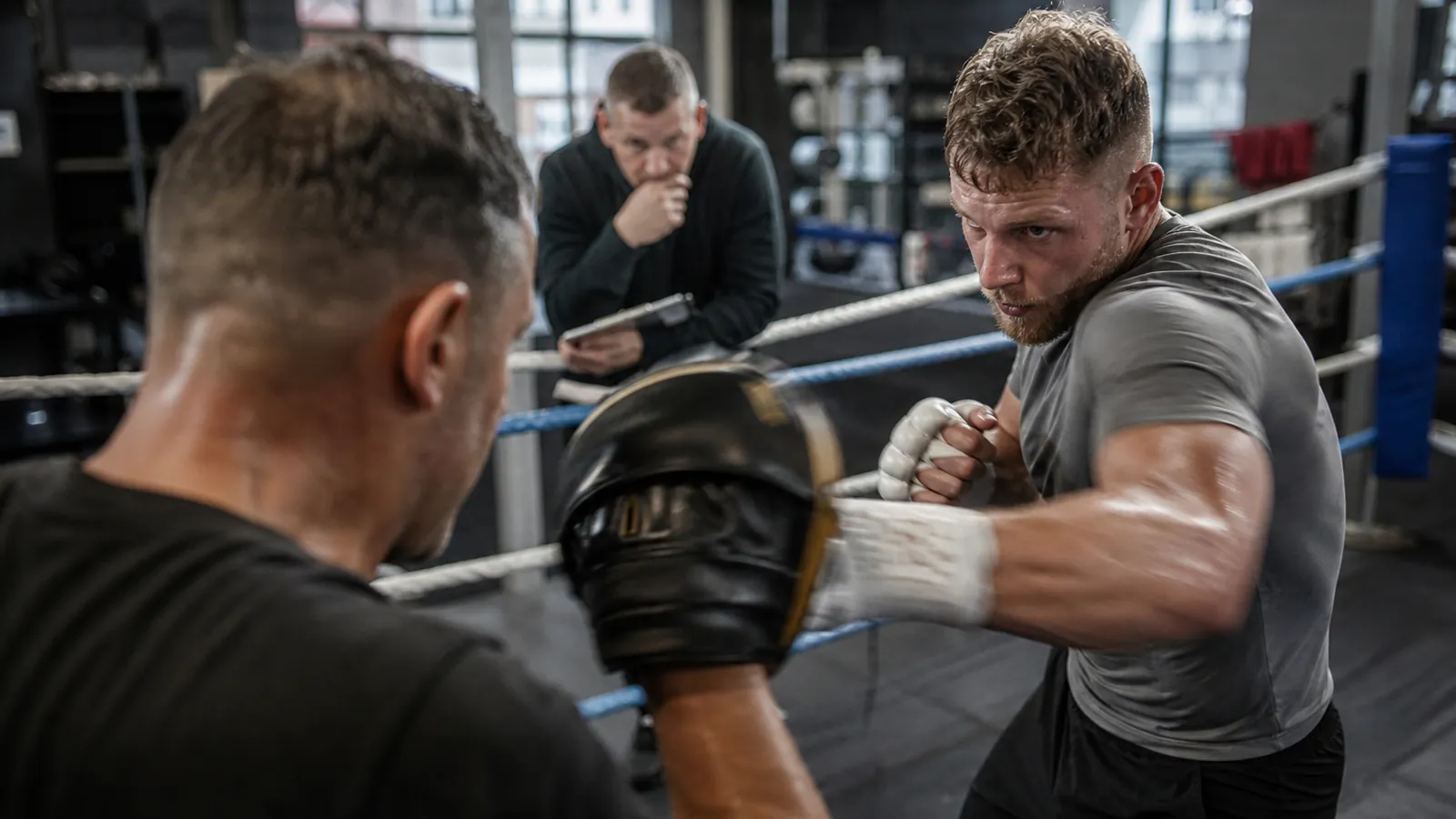
If Whittaker can control Kraus with the jab, turn him consistently, attack the body when Kraus rushes in and maintain his composure through the middle rounds, it would show that the flair has a hard competitive foundation. It would show he can make a dangerous opponent fight his fight, rather than just look stylish while doing so.
A stoppage would make the statement louder. If Whittaker were to draw Kraus on to clean counters, hurt him and finish him without losing shape, it would be the kind of performance that moves him towards the established domestic names. His current record and ranking position already make that conversation reasonable. A meaningful win over an unbeaten, aggressive contemporary would make it harder to dismiss.
Kraus can make his own statement by refusing to be overawed. He does not need to outbox Whittaker at long range for twelve rounds. He needs to make Whittaker defend honestly, make the exchanges physical and prove that the confidence is backed by poise. Even the pre-fight bravado around his recent win, including the claim that Whittaker would not last three rounds in this video interview, creates a clear standard for Kraus to live up to.
Make it while it is still a test
The best prospect fights happen before one side has too much to lose. Whittaker-Kraus fits that window.
It is not a finished-product fight. It is a sorting-out fight: Whittaker’s craft and composure against Kraus’s pressure and power; established amateur excellence against a rapidly emerging professional threat. It gives Whittaker a chance to prove he can handle a hungry opponent who will not accept the role of supporting cast. It gives Kraus the chance to show whether the knockouts translate when the target is moving, thinking and hitting back.
British boxing should make more fights like this. Not every promising fighter needs to spend years circling safe opponents while everyone debates potential. Put the talent in with talent and let the ring settle the argument.
For anyone inspired to learn the real foundations behind the footwork, jab and composure on show, Honour & Glory’s boxing classes in Kidbrooke welcome new starters from age 7 upwards.
H&G Team
Writer at Honour & Glory Boxing Club, a community boxing gym in Kidbrooke, South East London.
KEEP READING
Ben Whittaker vs Anthony Yarde: why the offer matters
Tunde Ajayi publicly offering Whittaker a route to Anthony Yarde creates a meaningful domestic light-heavyweight talking point: a developing fighter being tested against an established British contender.
Ben Whittaker vs Rivera: showmanship under pressure
Focus less on the USA-debut narrative already used and more on the boxing lesson: how Whittaker manages distance, rhythm, crowd energy and risk while performing under a spotlight.

Tszyu vs Mahoney Draw: When an Eliminator Settles Nothing
Nikita Tszyu and Ben Mahoney's split draw left an IBF super-welterweight eliminator without a clear next man. The useful boxing angle is how a close 12-round fight can still expose the limits of the eliminator format.
Was this page helpful?
It takes one tap, and it genuinely helps.
Choose your next step
Turn this article into the right action
Some readers are ready to book. Some need the class route first. Pick the route that matches what you actually want.