Ben Whittaker vs Rivera: showmanship under pressure
Ben Whittaker vs Rivera: Showmanship Under Pressure
Ben Whittaker is easy to misunderstand if you only watch the dancing.
That is not a criticism of the dancing. The theatre is part of the product, and Whittaker knows exactly what he is doing when he plays to the crowd, rolls his shoulders, changes shape and looks as if he is enjoying himself more than the other man is allowed to. But against Richard Rivera in Brooklyn, the useful lesson was not that Whittaker can perform. We already knew that.
The useful lesson was how much boxing sits underneath the performance.
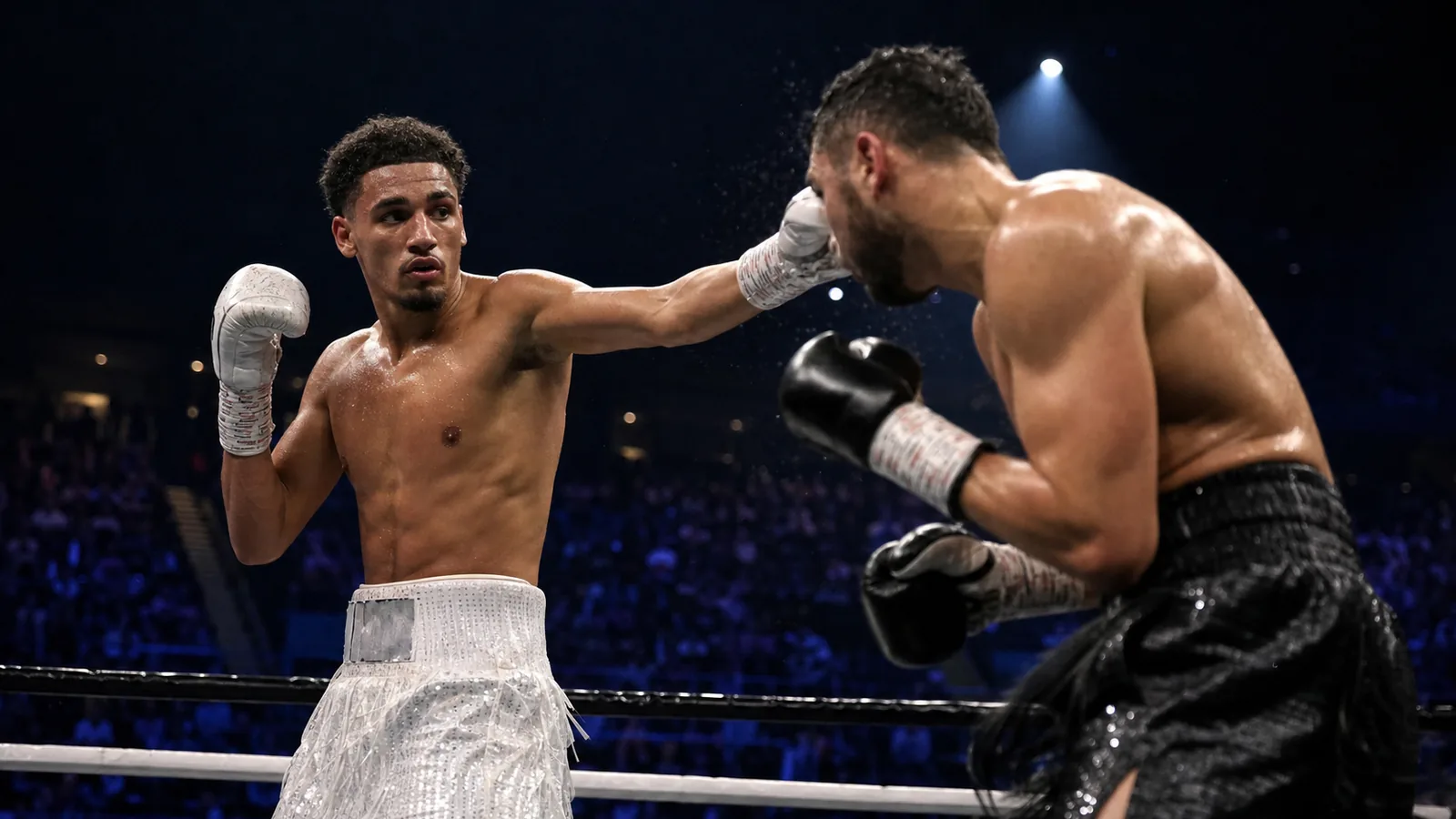
The Sky Sports highlights of Ben Whittaker vs Richard Rivera show the obvious headline: Whittaker dropped Rivera late in the first round, then finished him early in the second. BBC Sport reported that Whittaker moved to 12 wins and a draw from 13 professional fights, while Rivera suffered only the third defeat of a 30-fight career. That is the result. The question worth asking is how he made a veteran look late, unsure and available while doing all the extra bits that usually make coaches nervous.
The show only works because the distance is right
Showmanship in boxing becomes dangerous when it replaces position. A fighter can clown at the wrong range, admire his own work, pull straight back with his chin high and suddenly discover that the other man has not agreed to be a prop.
Whittaker’s better moments against Rivera were different. The theatre was tied to distance.
He did not just stand in front of Rivera and pose. He gave Rivera a picture, changed it, then made him reach for something that had already moved. That is the first proper boxing lesson from the fight. Whittaker’s feet and upper body were constantly adjusting Rivera’s sense of range. A twitch here. A half-step there. A lean that tempted a response. Then a punch from a distance Rivera had not quite solved.
The World Boxing News scorecard had the first round 10-8 for Whittaker before the stoppage came in round two. That makes sense because the first knockdown was not just power. It was distance management turning into punishment. Rivera was made to react a fraction late, and late reactions at light heavyweight are expensive.
For beginners in boxing classes, this is the part to copy, not the dance. Copy the idea of being just outside the opponent’s comfort zone. Copy the habit of making them miss by inches rather than feet. Copy the discipline of punching when your body is still in position to recover.
Do not copy the hands-low theatre until your feet, eyes and balance have earned it.
Rhythm beats speed when the spotlight is bright
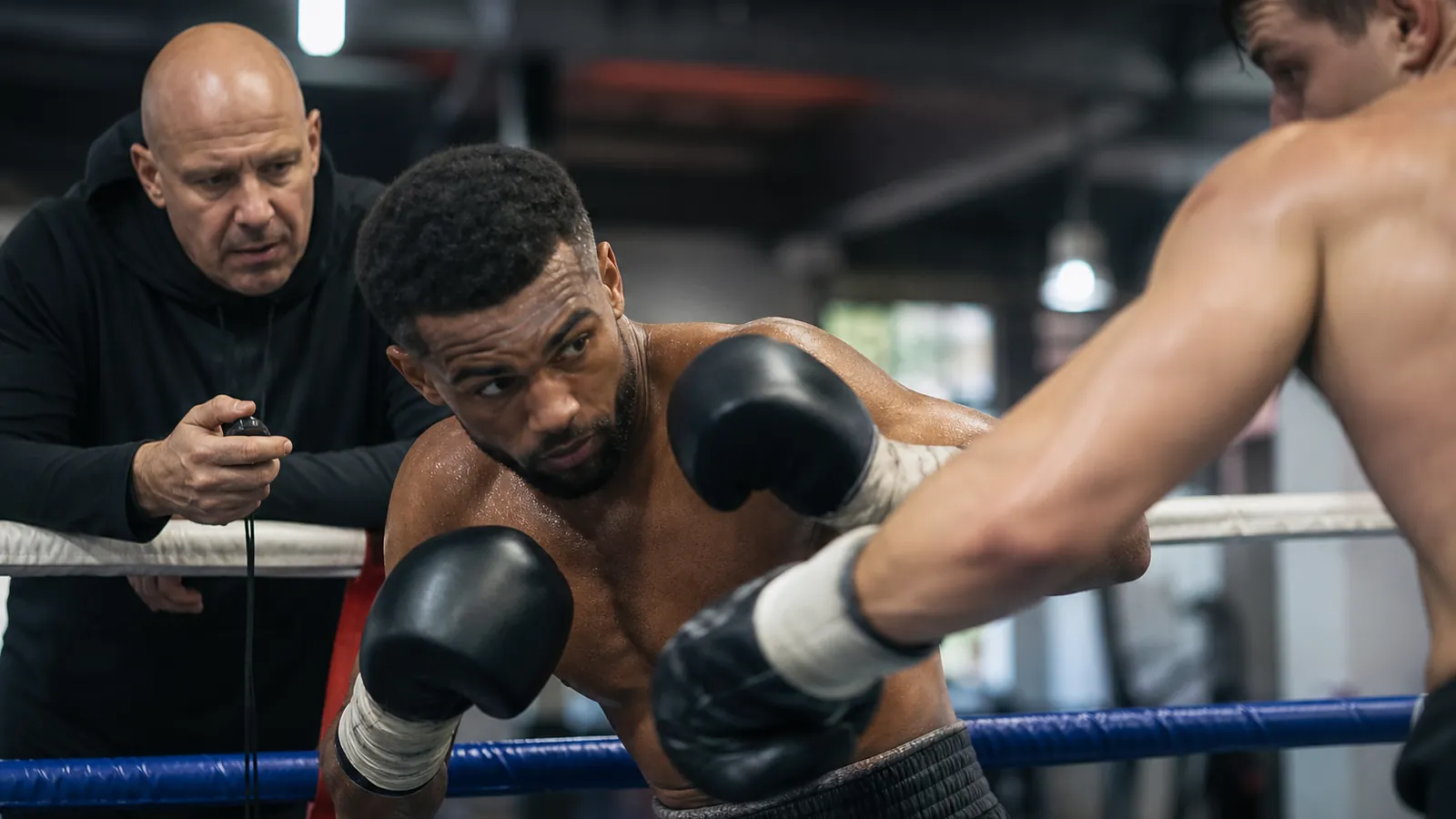
Whittaker is quick, but speed alone is not the story. Plenty of fast fighters become predictable because they move fast in the same rhythm. Jab fast. Step fast. Pull fast. Repeat. A calm opponent can time that.
Whittaker’s gift is rhythm change.
Against Rivera, he did not box at one tempo. He slowed the exchange down, made Rivera wait, then accelerated sharply. That is why Rivera looked as if he was always responding to the previous beat. Boxing247 described Whittaker controlling range with quick footwork and crisp combinations, while Rivera struggled to handle the speed and accuracy. That is fair, but the deeper point is that the speed landed because the rhythm kept changing.
A fighter under a spotlight often does the opposite. He rushes. He wants the crowd, the promoter and the cameras to know he belongs. So he burns energy trying to make every exchange look important. Whittaker looked comfortable letting the occasion come to him. He could play, pause, prod, then suddenly hit.
That is not a small thing. Performing under pressure is not only about being brave. It is about keeping your timing when the room is trying to speed you up.
Crowd energy is a weapon, but only if you do not get drunk on it
Whittaker’s relationship with the crowd is unusual because he does not simply feed off applause. He conducts it.
That is powerful, but risky. The crowd rewards visible confidence. It loves a boxer who looks in control. The danger is that a fighter starts making decisions for the crowd rather than for the round. One extra pose. One needless exchange. One attempt to force a highlight when a simple jab and exit would do.
This is where Whittaker deserves credit. The Brooklyn setting could have pulled him into over-performance. The Tapology bout listing placed him on a major Zayas vs Boots bill, not a quiet development show. MiddleEasy noted that the bout was for the WBC Silver light heavyweight title and that Rivera, a 35-year-old veteran, was expected to provide a more meaningful test on paper.
That matters. Rivera was not there to applaud. He was there to break the rhythm, make Whittaker pay for the flourishes and turn the show into a fight.
Whittaker used the crowd energy without losing the boxing shape. That is the balance. The show drew eyes. The discipline ended the fight.
The risk is real, even when the result looks easy
There is a lazy way to talk about Whittaker where every flourish is treated as proof of genius. There is another lazy way where every flourish is treated as arrogance waiting to be punished. Both views miss the point.
The correct view is that Whittaker is taking managed risks.
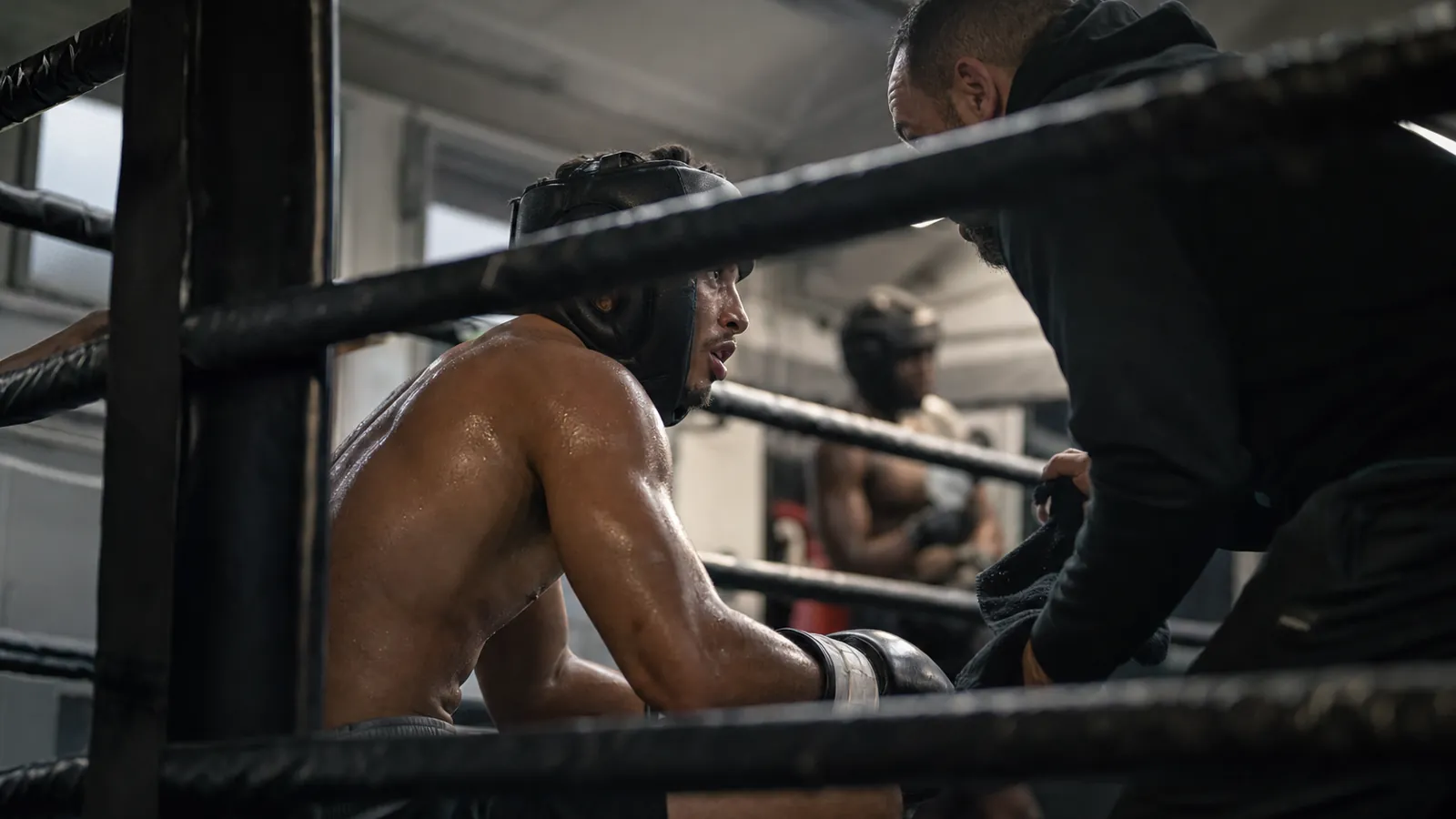
Hands low is a risk. Leaning in range is a risk. Inviting an opponent to punch is a risk. Playing to the crowd between exchanges is a risk. But risk in boxing is not automatically bad. Good fighters take risks with conditions attached. They know where their feet are. They know what punch they are inviting. They know the exit. They know whether the opponent is set to throw with power or only reaching.
Whittaker’s first-round knockdown came from that world. Rivera was not overwhelmed by random volume. He was drawn into being open at the wrong time. BoxingScene reported that Whittaker’s speed and jab kept Rivera cautious before a counter right hand dropped him late in the opener. Then, early in round two, Whittaker landed the left hand that finished the job, with the stoppage coming inside the first half minute of the round.
That is not clowning. That is a fighter making the opponent uncertain, then punishing the hesitation.
Still, the risk does not disappear because Rivera was stopped quickly. At higher levels, light heavyweights will not all freeze at the first wrong read. Some will jab with him. Some will punch with him. Some will deliberately make the fight ugly, crowd the space, lean, maul and ask whether Whittaker can be brilliant while uncomfortable.
That is the next question.
Why Rivera was the right kind of opponent for this lesson
Rivera’s nickname, “Popeye”, and the wider event theatre made this easy to sell, but he was useful for a boxing reason too. He had enough experience and toughness on paper to test whether Whittaker’s style stayed functional when the opponent was not frightened by the act.
The stoppage came quickly, so we did not get a full answer. We did get a clear glimpse.
Whittaker did not need ten rounds to show that his showmanship is not separate from his boxing. He uses movement, delay and body language to disturb the opponent’s timing. He makes the other man think about too many things at once. Is the jab coming? Is the right hand coming? Is Whittaker in range or just pretending to be? Should Rivera step in, or is that exactly what Whittaker wants?
That is mentally tiring. Once a boxer starts second-guessing his entry, his feet often slow before his hands do. Then the faster, sharper fighter looks even faster.
The Ring framed the result as Whittaker dazzling and wiping out Rivera quickly. That is the headline version. The coaching version is this: Whittaker won the battle of distance and rhythm before the finishing punch landed.
The lesson for club boxers
Most boxers should not try to be Ben Whittaker.
That is not because the style is wrong. It is because the visible style is the last layer, not the first one. The shoulder rolls, the dances, the little moments of theatre only work if the basic work underneath is clean.
For a young boxer at Honour & Glory in Kidbrooke, or an adult beginner learning to spar without panicking, the lesson is not “showboat more”. The lesson is:
Control the distance before you get creative.
Change rhythm before you chase speed.
Use the crowd, but do not let the crowd choose your punches.
Take risks only when you understand the escape route.
Whittaker’s win over Rivera was short, sharp and marketable, which is exactly why the easy coverage focused on the American arrival. But the more interesting story is technical. Under bright lights, with attention fixed on every gesture, Whittaker kept enough boxing order beneath the performance to make Rivera pay quickly.
That is the part worth studying. The show was loud. The lesson was quieter.
H&G Team
Writer at Honour & Glory Boxing Club, a community boxing gym in Kidbrooke, South East London.
KEEP READING
Tszyu vs Mahoney Draw: When an Eliminator Settles Nothing
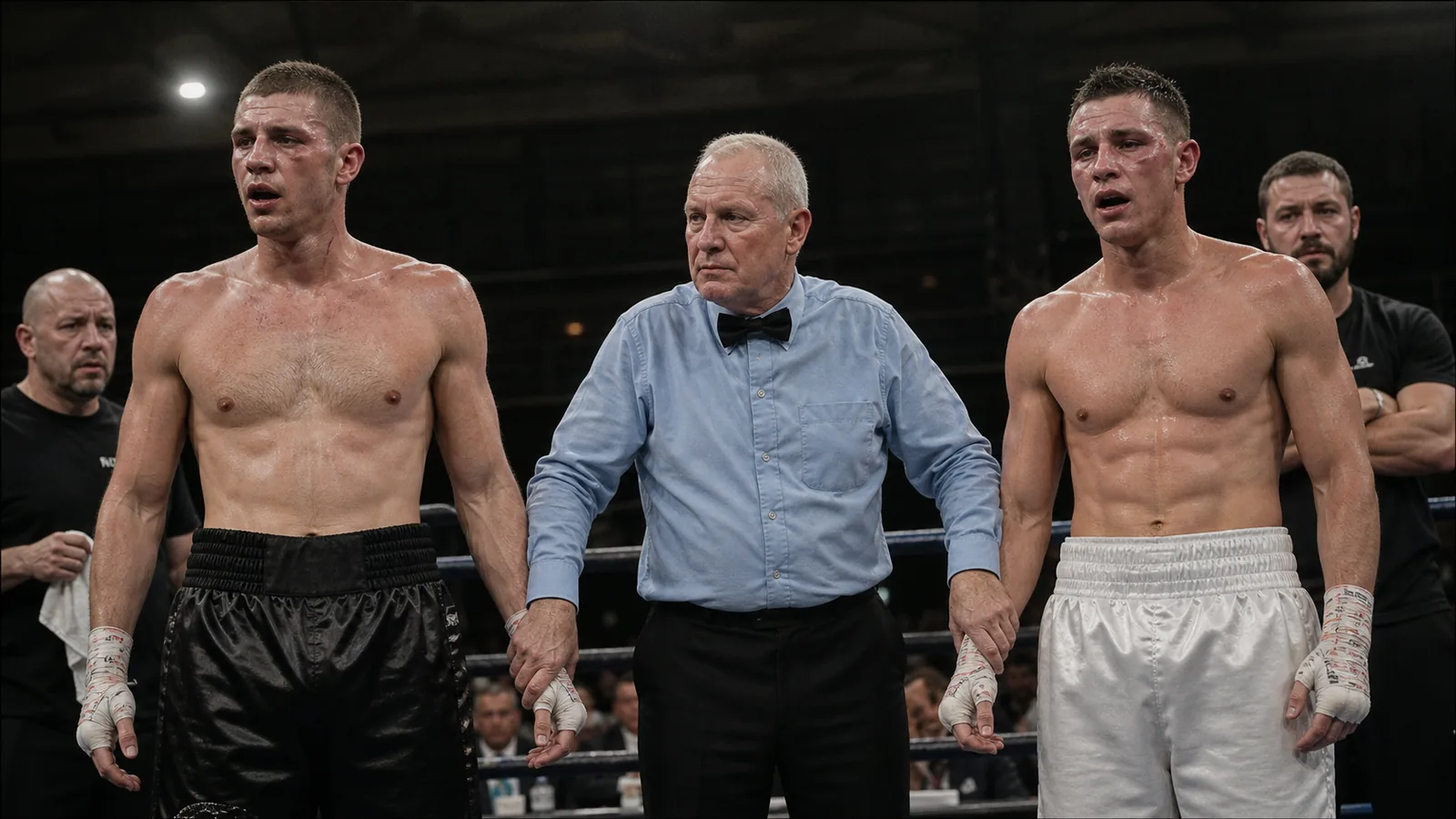
Nikita Tszyu and Ben Mahoney's split draw left an IBF super-welterweight eliminator without a clear next man. The useful boxing angle is how a close 12-round fight can still expose the limits of the eliminator format.
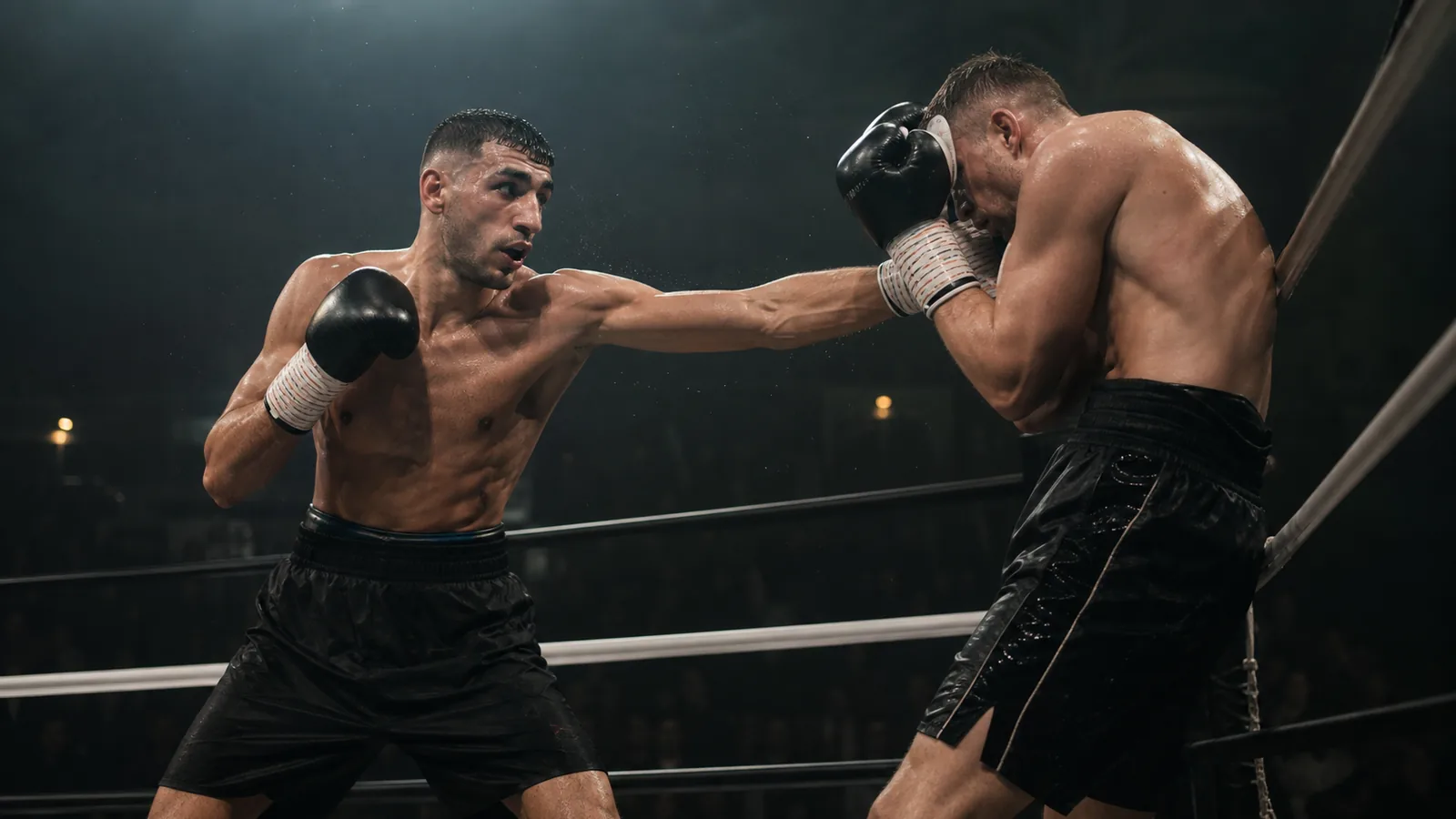
Hamzah Sheeraz vs Zachenhuber: the pressure that changed it
Use the fresh DAZN highlights to examine how Sheeraz built attacks, managed distance and turned sustained pressure into meaningful work against Simon Zachenhuber.
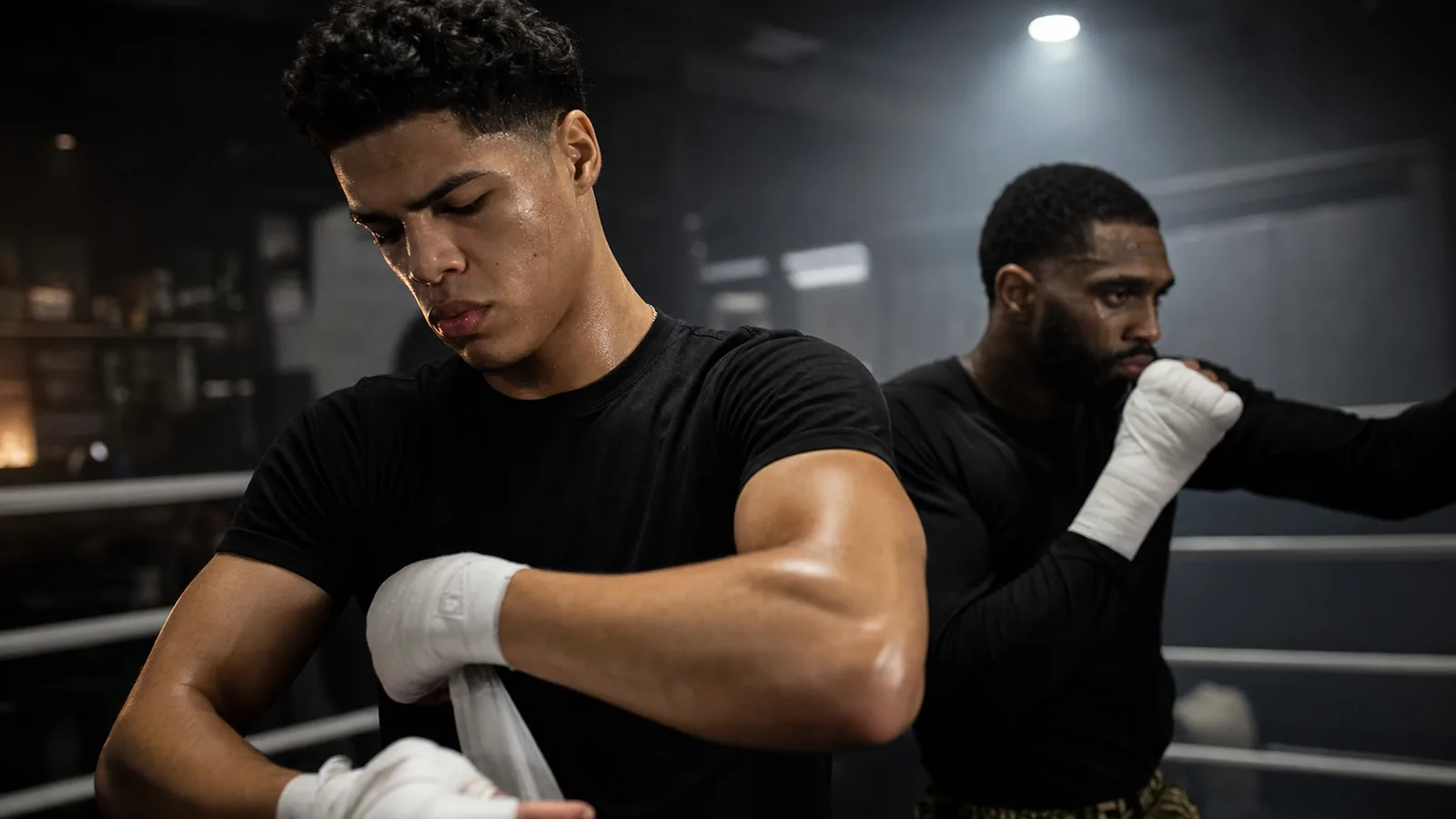
Zayas vs Boots preview: pressure before a big night
Zayas vs Boots is a pressure test. Here is what young boxers can learn from the build-up before 27 June.
Was this page helpful?
It takes one tap, and it genuinely helps.
Choose your next step
Turn this article into the right action
Some readers are ready to book. Some need the class route first. Pick the route that matches what you actually want.