Raymond Muratalla vs Robson Conceição: pressure and control
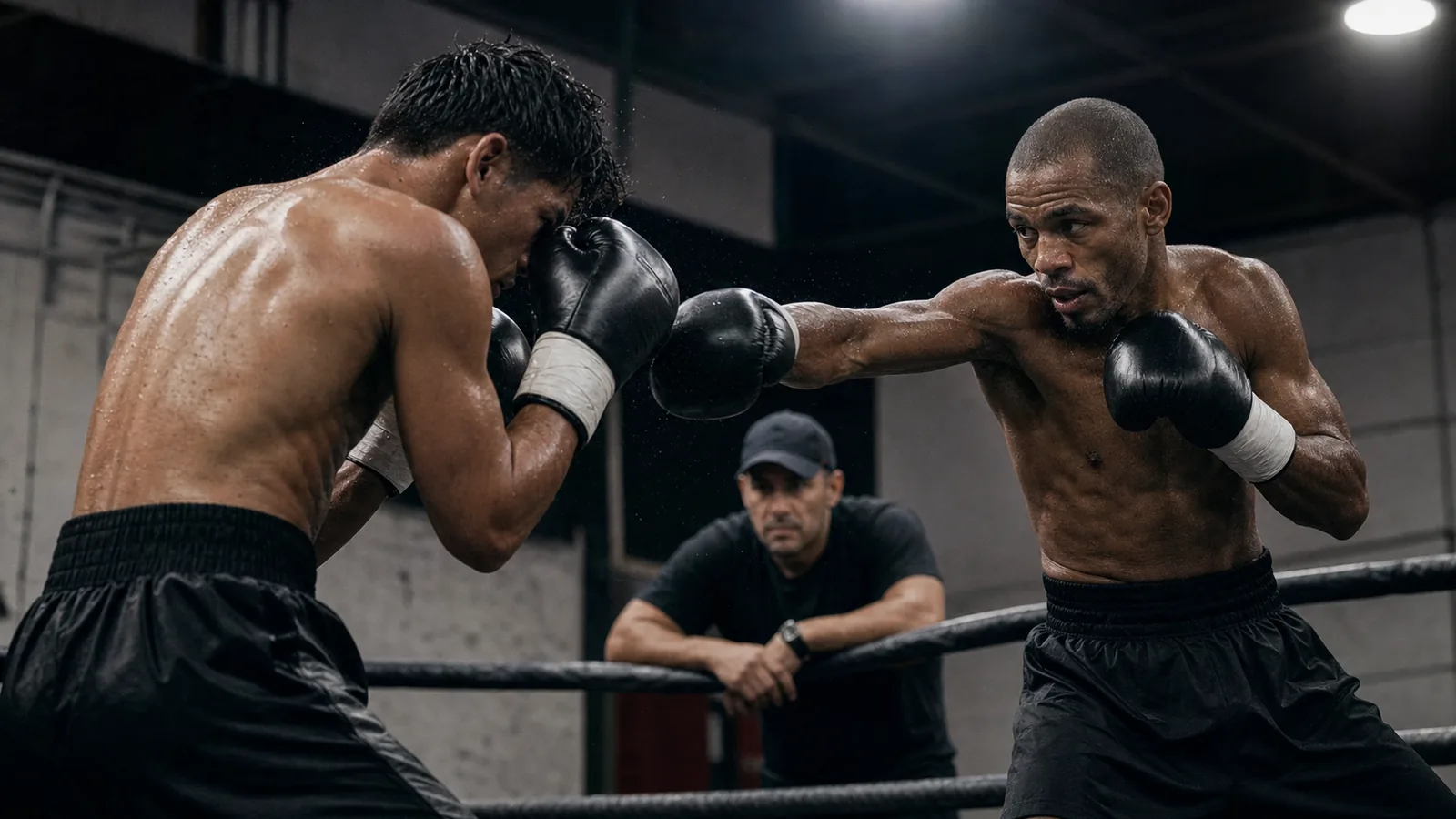
Raymond Muratalla vs Robson Conceição: pressure and control
Raymond Muratalla did not need a dramatic finish to make his point against Robson Conceição. He needed to make a seasoned, Olympic gold-medal-winning former world champion fight at a pace and range he did not choose.
That is exactly what he did.
Muratalla retained his IBF lightweight title by unanimous decision on 2 August, winning widely on scores of 118-110 and 119-109 twice. Boxing News recorded the clear decision, while Yahoo Sports described a performance built on front-foot pressure, body work, foot feints and changing angles.
The scores tell you Muratalla won. The highlights show how: he took control of the small decisions that decide rounds. Where the fight happened. When it accelerated. Which exchanges were worth having.
Conceição is not an opponent who should be dismissed as a name on a record. Before this fight, Bad Left Hook’s preview correctly set out his elite-level experience: Olympic gold in Rio, difficult title fights with Oscar Valdez and Shakur Stevenson, a controversial draw with Emanuel Navarrete, then a world-title win over O’Shaquie Foster.
He knows how to survive big nights. He knows how to steal exchanges. He knows how to make a favourite look uncomfortable.
Muratalla did not allow him enough room to do any of it consistently.
Pressure is not just coming forward
There is a lazy way to describe this performance: Muratalla came forward and outworked him.
That is true, but it misses the point.
Pressure without control is just pursuit. It can make a boxer reach, square up, walk onto counters and hand rounds away while looking busy. Proper pressure means making the other man work from positions he does not like, then being ready when he tries to escape.
Muratalla’s pressure was measured. He did not sprint at Conceição looking for a knockout that was never really there. He kept edging him backwards, showing the jab, threatening the body and making Conceição reset more often than he could settle.
That distinction matters. A fighter can take ground without throwing himself into range. Muratalla often arrived just close enough to make Conceição react, then used that reaction to choose the next moment.
The Brazilian would give ground, feint, jab or try to launch a sharp burst. Muratalla stayed balanced enough to answer. Not necessarily with huge single shots, but with the clean, repeatable punches that judges can see and opponents feel.
Boxing News 24’s report on the result credited Muratalla’s disciplined boxing, body work and sharp combinations. That is the useful phrase: disciplined boxing. The champion did not confuse being the bigger, stronger man with having permission to be careless.
Range: taking away the comfortable distance
Conceição has spent his career dealing with quality opposition. That experience gives a boxer composure, but it also gives them habits. They know the range where they can see punches coming, launch their own counters and make a fight awkward.
Muratalla’s job was to deny that comfort.
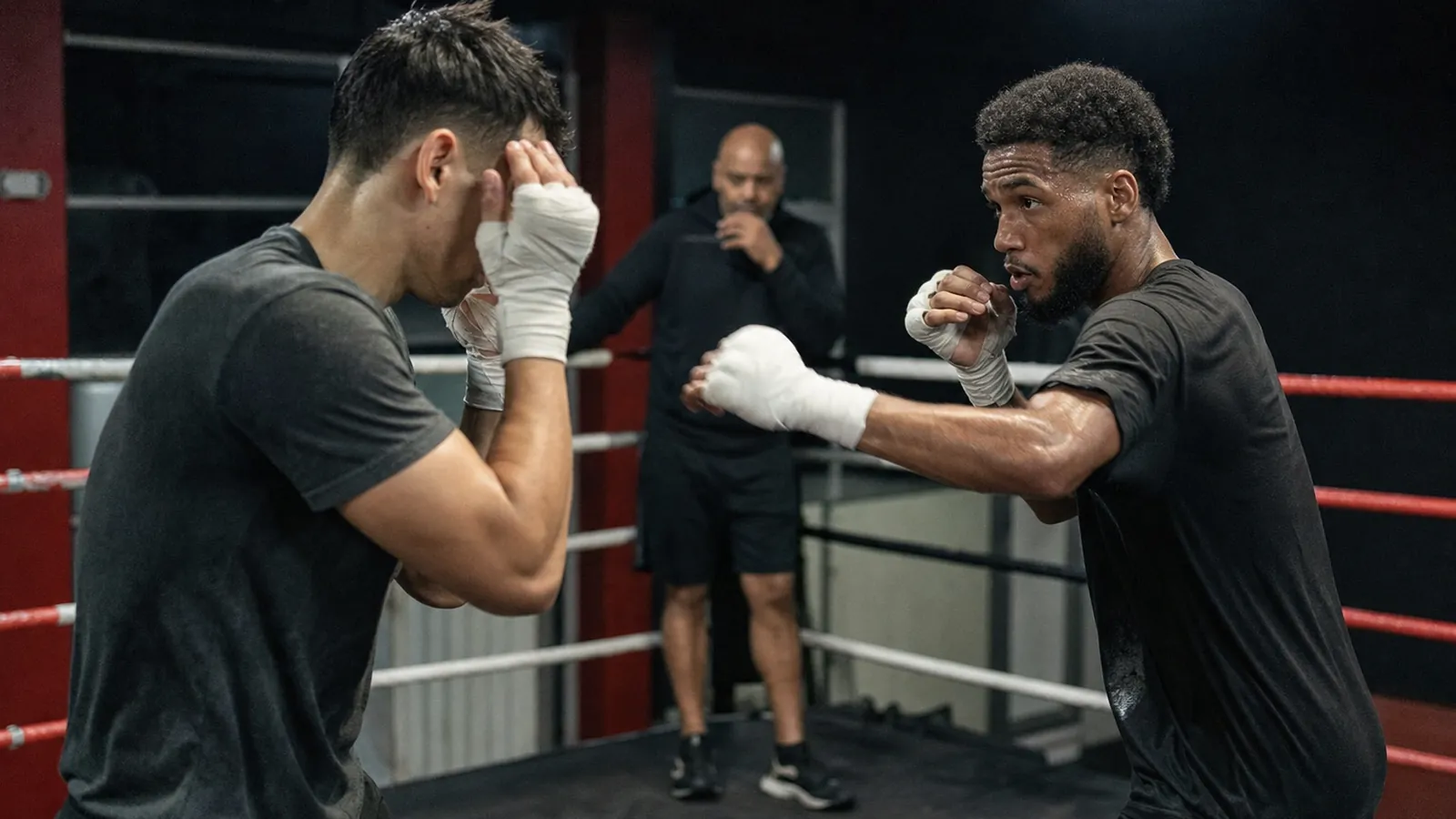
He did it by changing the distance in small increments. At times he was outside, making Conceição reach with the lead hand. At times he was in the pocket, working the body before stepping away. More importantly, he did not stay in one place long enough for Conceição to set a consistent rhythm.
A lot of club boxers make the mistake of thinking range means standing far away. It does not. Range means knowing whether you can hit, be hit, leave or hold your position before the exchange begins.
Muratalla looked comfortable in all four.
When he was outside, he could touch and draw reactions. When he stepped in, he had a reason for doing it. When the exchange ended, he was usually the one returning to his stance first.
That last detail is easy to miss in highlights. Watch the feet after the punches. Muratalla rarely looked stranded after committing. Conceição often had to take another step or make another movement before he could re-establish his own distance.
That is where control starts to feel exhausting.
Tempo: making an experienced opponent work at the wrong speed
Conceição’s best chance was never likely to be winning a simple battle of volume. He needed the fight to become awkward, broken and unpredictable. He needed Muratalla to overreach, get irritated or load up as the rounds went on.
Muratalla denied him that version of the fight.
The champion did not maintain one frantic pace. He applied a steady physical and tactical demand, then picked moments to increase his output. That is much harder to deal with than reckless pressure because the opponent cannot time the rush.
The foot feints were important here. A feint does not have to force a huge reaction to work. Sometimes it is enough to make the other boxer pause, shift weight to the wrong foot or hold their hands still for half a second.
Against an opponent with Conceição’s pedigree, those half-seconds are valuable. They are often the difference between landing clean and hitting gloves.
This is why the Fightnews result coverage and BoxingScene’s report on Muratalla ending Conceição’s title hopes matter more than the word “dominates” alone. Wide decisions are often won long before the final scores are read. They are built by repeatedly making the opponent reset, defend, miss or accept an exchange on unfavourable terms.
The fighter who controls the tempo often looks calmer because he is.
Scoring exchanges, not chasing highlights
The fight was not a classic because Conceição did not have enough sustained success to make it one. That does not make Muratalla’s work less valuable.
In a 12-round championship fight, the aim is not to win every second. It is to bank enough clean, clear exchanges that the round belongs to you. Muratalla did that with better consistency.
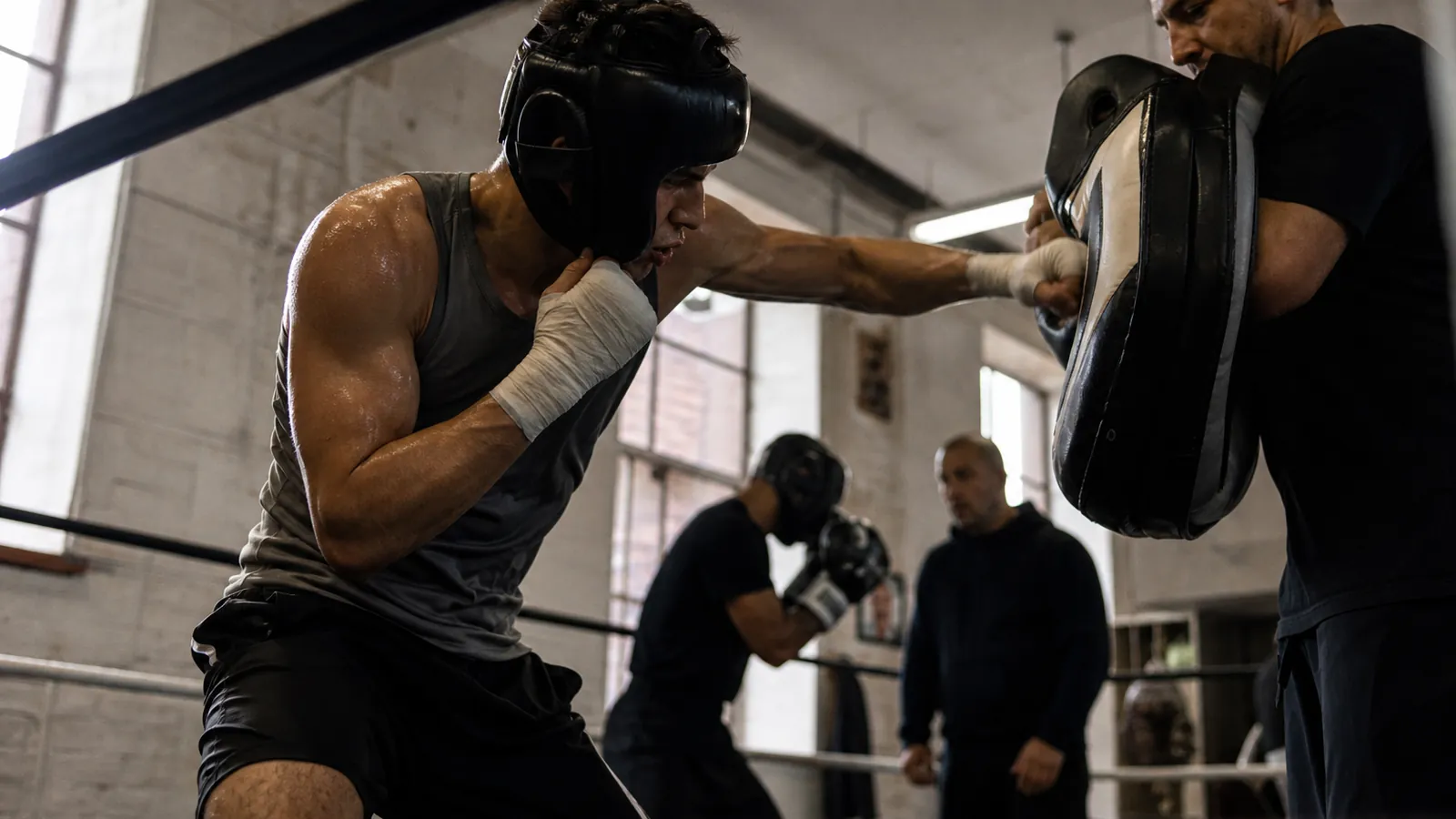
He pressed Conceição towards the ropes without smothering his own punches. He worked downstairs often enough to make the Brazilian carry the threat. He used combinations when they were available, but did not throw combinations simply because the crowd expected them.
That is mature championship boxing.
Before the bout, the style question was whether Conceição’s odd rhythms and bursts could disrupt Muratalla. Bad Left Hook’s tactical preview saw Muratalla’s composure, speed, reach and physical advantages as the decisive factors. The fight supported that view, but the important word is composure.
A skilled opponent will land something. They will create uncomfortable moments. They will make you doubt whether you should open up.
Muratalla did not panic when Conceição had flashes. He returned to the same useful work: take a step, show a feint, make him react, touch the body, win the next exchange.
That is how a boxer keeps control when the opponent has already seen almost everything the sport can offer.
What young boxers should take from it
Do not copy the result by trying to march someone down in sparring.
Copy the discipline behind it.
When you move forward, keep your stance. Do not let your head drift ahead of your feet. Do not throw three punches because you think pressure means constant punching. Take ground with a purpose. Make the other boxer decide. When they decide badly, be balanced enough to score and get back into position.
Muratalla’s post-fight comments suggest that lightweight may have become difficult to make, with a move to 140lb likely next. Boxing News 24 reported his view that he will feel better at the higher weight. If that happens, the next test is obvious: can he bring the same structure against naturally bigger, stronger opponents?
He should be confident, because this was not a win based on physical advantages alone. It was a win based on judgement.
For boxers training in Kidbrooke, that is the lesson worth carrying into the gym. Control your feet, control the distance, control the pace, and the scoring opportunities start to arrive. If you want to learn those habits properly, book a trial at Honour & Glory. Our classes start from age seven and focus on building smart boxing before trying to make it look spectacular.
The verdict
Muratalla beat a proven fighter by refusing to give him the fight he wanted.
Conceição had the experience to make things complicated. Muratalla had the patience to keep them simple.
That is what good pressure looks like. Not chaos. Not bravado. Control.
H&G Team
Writer at Honour & Glory Boxing Club, a community boxing gym in Kidbrooke, South East London.
KEEP READING
Hamzah Sheeraz vs Zachenhuber: the pressure that changed it
Use the fresh DAZN highlights to examine how Sheeraz built attacks, managed distance and turned sustained pressure into meaningful work against Simon Zachenhuber.
Josh Kelly beats Agyarko: why patient pressure matters
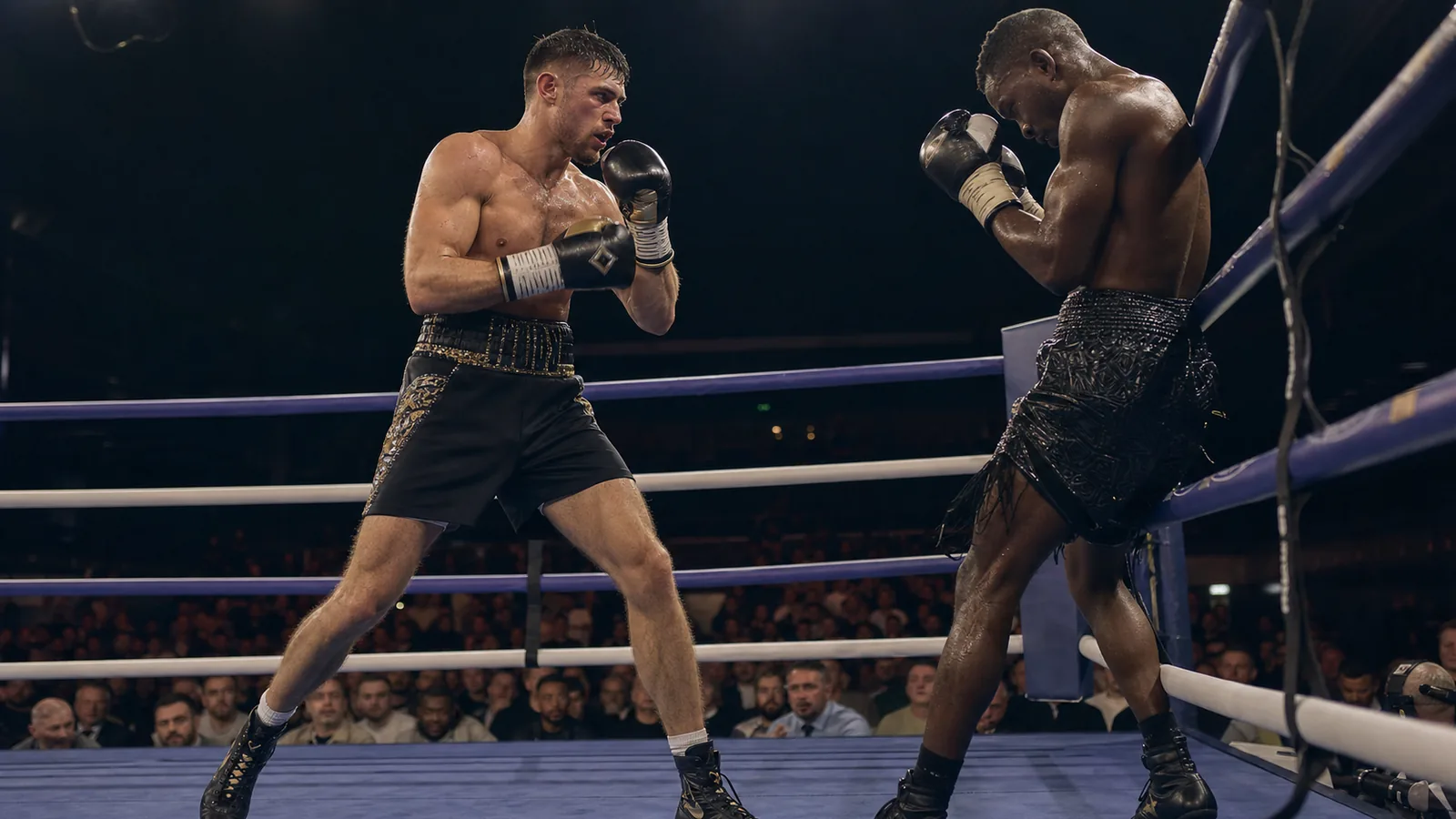
Use Kelly’s win over Caoimhin Agyarko to examine how controlled pressure differs from simply following an opponent around the ring.
Wardley vs Dubois: UK Heavyweight Fight Guide
A practical, club-level guide to the all-British Wardley vs Dubois heavyweight fight: what beginners can learn from the pressure, power, pacing and ringcraft on show.
Was this page helpful?
It takes one tap, and it genuinely helps.
Choose your next step
Turn this article into the right action
Some readers are ready to book. Some need the class route first. Pick the route that matches what you actually want.