Update - this event has now taken place. See our Wardley vs Dubois result breakdown. We have kept the original guide below for training context.
Wardley vs Dubois is the sort of heavyweight fight Britain still understands without needing a lecture. Two big men. One world title. Manchester on a Saturday night. Enough power on both sides that nobody sensible should sound too certain.
The obvious hook is the knockout threat. The better question for a boxing club is simpler: what can a beginner learn from watching it?
Fabio Wardley and Daniel Dubois are useful to study because their strengths are visible. Wardley shows pressure, stubbornness and late-fight danger. Dubois shows straight-line power, a heavy jab and the value of making the other man react before he is ready.
Watch it as entertainment, yes. But watch it like a student too.
Wardley vs Dubois: the fight-week basics
Fabio Wardley defends the WBO heavyweight title against Daniel Dubois at Co-op Live in Manchester on Saturday 9 May. The BBC fight-week guide lists the main-event ring walks at around 22:30 BST, while the ESPN viewing guide and Independent start-time guide put them closer to 11pm. That difference is normal. Undercards move at their own pace.
The fight is on DAZN pay-per-view, with the undercard due to start around 6pm. For records and running order, the Box.Live fight page is useful, and the Queensberry event page gives the promoter's version of why this is a major British heavyweight night.
The numbers explain the danger. Wardley is listed at 20-0-1 with 19 knockouts. Dubois is 22-3 with 21 knockouts. The BBC puts both men at the same height, the same reach and the same 95 percent knockout rate in wins. That does not make them the same fighter. It makes the small details matter more.
Wardley's pressure: useful, not pretty
Wardley is not a neat textbook boxer, and that is part of the point. He has built a world-title career on pressure, timing and the ability to stay dangerous when a fight gets messy.
Beginners often think pressure means walking forward. It does not. Good pressure is organised. You take away space without giving away free shots. You make the other boxer work when he wants to rest. You keep your feet close enough to attack but not so close that you fall in.
Wardley's recent wins over Justis Huni and Joseph Parker are useful because he was not cruising. The Independent notes that Wardley was behind on the cards in both fights before finding late stoppages. That is not a beginner tactic. Nobody at club level should be trying to lose rounds and hope for a miracle. The lesson is composure when the first plan is not working.
In a beginner session, that might mean keeping your jab going after you miss twice. It might mean stepping back into stance after a wild combination instead of turning away. Pressure starts with your feet and your breathing, not your ego.
Dubois' power: the lesson is setup
Dubois is the more conventional puncher. Big jab. Heavy right hand. Shorter route from setup to damage. His fifth-round knockout of Anthony Joshua, highlighted in ESPN's preview, is the sort of performance that makes people talk about raw power.
Raw power is usually the least helpful part for a beginner to copy.
If a new boxer watches Dubois and only tries to hit harder, everything gets worse. The chin lifts. The back foot drags. The punch starts from the shoulder instead of the floor. Power in boxing is not a mood. It is a sequence.
Dubois is dangerous because his shots are direct. He can jab hard enough to make an opponent reset, then bring the right hand behind it. That is a beginner lesson hiding inside elite heavyweight violence: straight punches arrive first.
If you are new, spend more time on your jab and back hand than on fancy combinations. Our guide to basic boxing punches for beginners covers the fundamentals, but the short version is this: balance first, then distance, then punch. Reverse that order and you are just swinging.
Pacing is the part casual viewers miss
Heavyweight boxing punishes bad pacing more obviously than any other division. The punches are heavier, the bodies are bigger, and one rushed exchange can empty a fighter's legs.
That is why Wardley vs Dubois should be watched round by round, not just as a knockout hunt. Who is making the other man work? Who is breathing through the mouth first? Who is punching on balance after round four? Who can hold centre ring without forcing it?
Beginners gas out for the same reason, just at a lower speed. They throw every shot at full force. They hold their breath. They bounce when they should step. They treat a three-minute round like a ten-second argument.
We see this all the time in recreational adult boxing classes. The fit runner, the gym regular and the strong lad from work all meet the same problem: boxing cardio is specific. Our article on why beginners gas out in boxing explains it in more detail, but fight week gives you the visual version.
Ring control: where the fight may be won
Ring control is the ability to make the ring feel smaller for your opponent and bigger for you. It is not glamorous, but it wins fights.
In this matchup, it may matter more than the knockout records. Wardley wants to apply pressure without walking onto the jab. Dubois wants room to set his feet without being rushed into exchanges he did not choose. Both are 6ft 5in with 78-inch reach, so neither man has a clean size excuse.
Watch the feet after each punch. Does the fighter finish in stance or square up? Does he step off after landing, or admire his work? Does he use the jab to move the opponent, or just to score?
A 12-year-old junior and a 40-year-old beginner both need the same habits: hands back, chin down, feet under you, eyes open, no posing after a shot lands.
At Honour and Glory in Kidbrooke, classes start from age 7, and the first ring-control lesson is not complicated. Do not stand where the other boxer wants you to stand.
Why heavyweight fights still matter in Britain
British boxing has always had a special relationship with heavyweights. When two British heavyweights meet with major stakes, people who do not follow every undercard still understand the occasion.
Heavyweight boxing is easy to read at first glance. The danger is obvious. The consequences are visible. A jab can change posture. A right hand can change the whole night. You do not need a scoring lecture to know when a heavyweight has been hurt.
That accessibility matters for clubs. Big fights bring new people into the sport. Some come in because they want fitness. Some come because their child watched a ring walk and asked to try it. Some come because a heavyweight fight reminded them that boxing is still the simplest sport in the world to explain and one of the hardest to do well.
How to watch it back like a boxer
Do not just wait for the knockout. Pick one thing each round.
In round one, watch the jabs. Who lands without reaching?
In round two, watch the feet. Who exits cleanly after punching?
In round three, watch the breathing. Who is working harder than he wants to admit?
After that, watch reactions. Does Wardley crowd Dubois after being hit, or reset? Does Dubois punch sharply under pressure, or need perfect space? Does either man start throwing single shots because the pace is biting?
For extra build-up from the time, the open workout livestream was worth a look, mainly for rhythm and body language. For broadcast details, the second Independent guide, Express viewing guide and Mirror DAZN explainer cover the viewing options. If you look at betting, treat the Paddy Power market as market information, not boxing truth.
For the raw forum version of fight week, r/Boxing has threads on the interesting Wardley vs Dubois matchup, egos and fight-making, the strength of the card, Wardley's route before the WBO champion fight, the fight being reported as agreed and earlier talk of it heading for confirmation. Read them for colour, not certainty.
Bring the lesson into the gym
The best thing a beginner can take from Wardley vs Dubois is not a prediction. It is respect for basics under pressure.
Wardley's pressure only works if his feet keep taking him into useful positions. Dubois' power only works if his balance and timing are there first. Pacing only matters when a fighter has enough discipline not to waste himself. Ring control only shows up when someone is trying to take it away from you.
That is boxing. The big nights make it dramatic, but the lessons are the same on a Tuesday evening in a local gym.
If the fight makes you want to understand the sport properly, start with coaching, not guesswork. Come in, learn the stance, learn the jab, learn how to breathe, and build from there.
H&G Team
Writer at Honour & Glory Boxing Club, a community boxing gym in Kidbrooke, South East London.
KEEP READING
Dubois vs Wardley Result: What Changed the Fight
Daniel Dubois stopped Fabio Wardley in round 11 after two early knockdowns. Here is what changed the fight and why it matters.
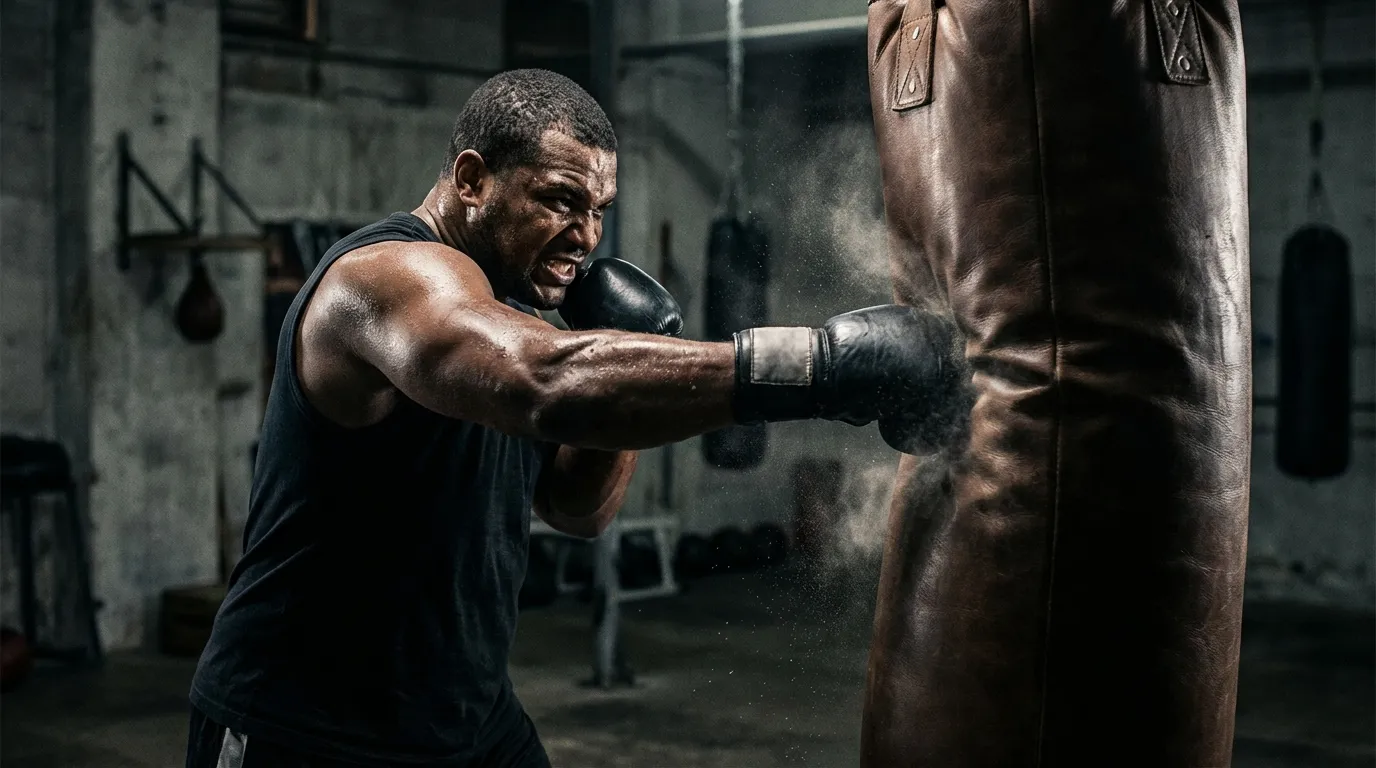
Daniel Dubois: Knockout Power
Daniel Dubois has one of the hardest punches in heavyweight boxing. What is behind the power, and what everyday boxers can learn from his training approach.
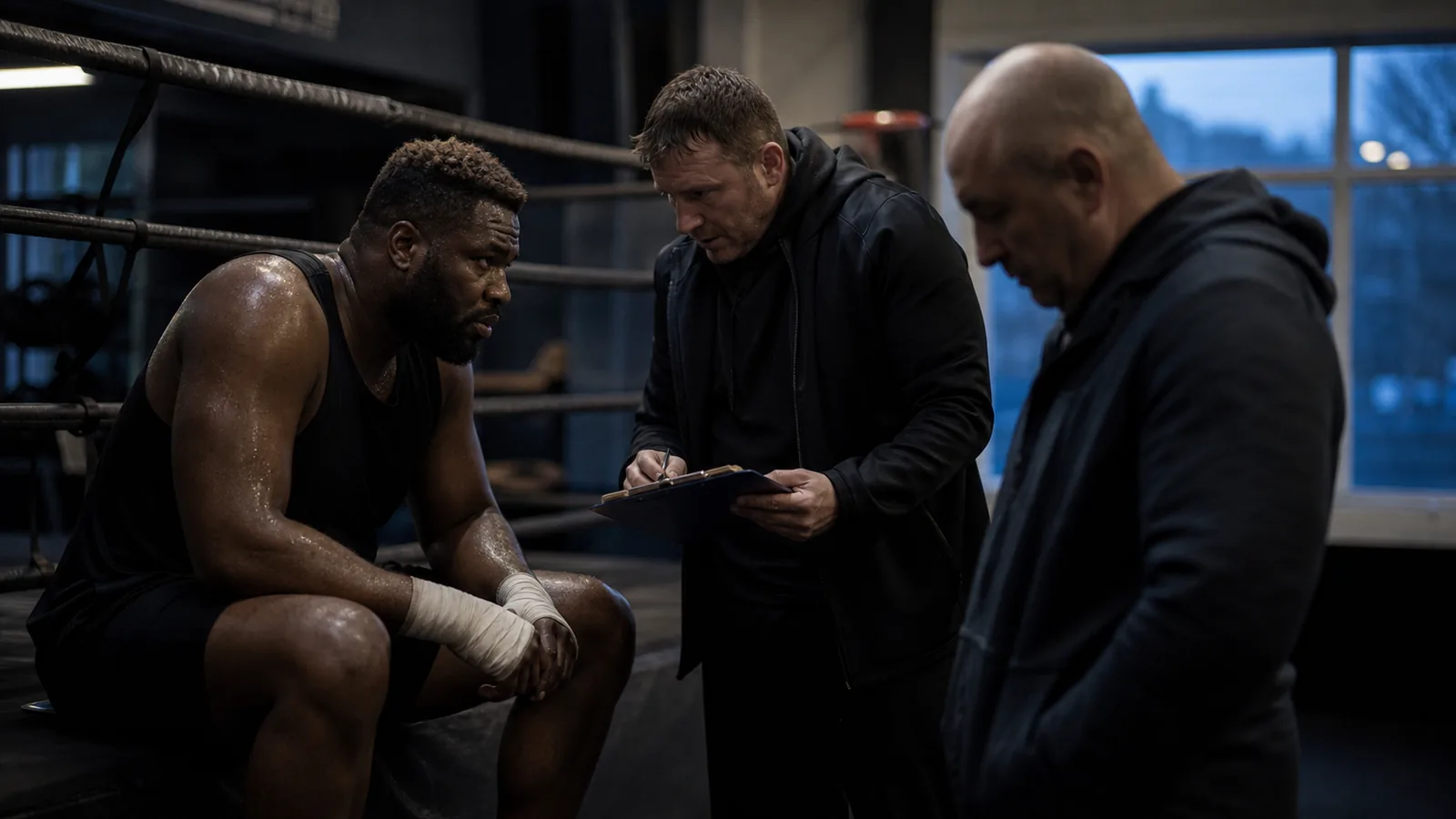
Daniel Dubois’s team split: why a corner change matters
Sam Jones discussing his departure from Daniel Dubois’s team opens a useful look at what changes when an established heavyweight changes the people around him: preparation, communication, matchmaking and accountability.
Was this page helpful?
It takes one tap, and it genuinely helps.
Choose your next step
Turn this article into the right action
Some readers are ready to book. Some need the class route first. Pick the route that matches what you actually want.