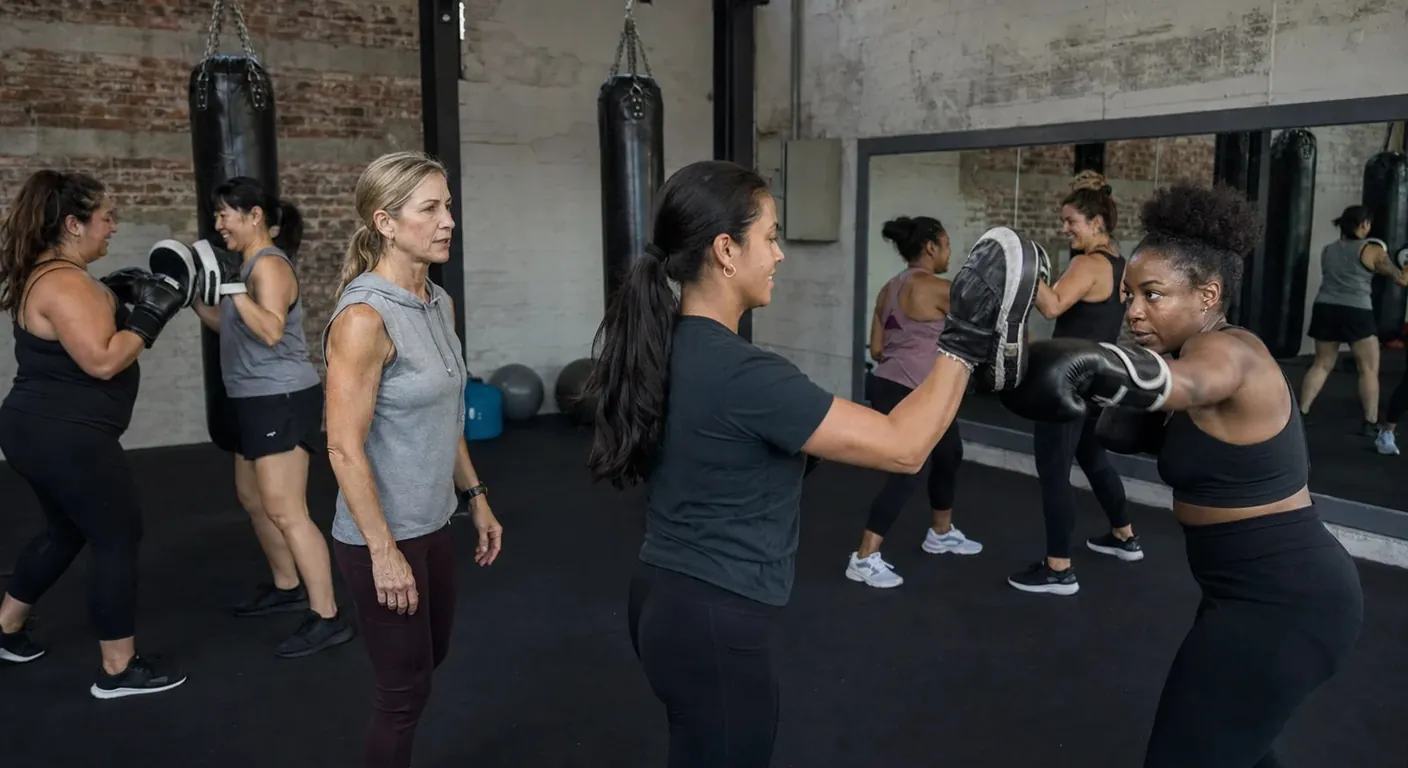
Yes, you can start boxing if you wear glasses. For most beginners, eyesight is not the thing that stops them. The bigger issues are comfort, sweat, frames slipping down your nose, and knowing when glasses should come off.
That last bit matters. A beginner boxing class is not the same as sparring. In a normal technical session, you can learn stance, footwork, shadowboxing, bag work, pads, skipping and fitness drills without anyone trying to hit you in the head. Competitive sparring is a different conversation and needs a coach involved.
If you are nervous about walking in for the first time, start with our guide to what happens in your first boxing class. This article is the glasses version of the same answer: be practical, tell the coach, and do not pretend a loose pair of specs is safe for every drill.
The Short Answer
You can box with glasses for many non-contact drills, especially when you are new.
Glasses are usually fine for watching demonstrations, shadowboxing, footwork, technical drills, circuit work and some bag rounds. They may be annoying for sweaty pad work, partner drills and anything with quick head movement. They should not be treated as normal kit for sparring.
Frames can move, lenses can mark the face, and hard contact near the eye is not something to gamble with. The NHS says eye injuries need urgent help if there is severe pain, sight changes, blood in the eye, or anything stuck in the eye (NHS eye injury guidance).
If you are doing a Recreational Adults class, tell the coach before the warm-up. A decent coach will adapt the drill, place you where you can see properly, and tell you when glasses are fine and when they are not.

What Works Fine With Glasses
The early stages of boxing are friendlier to glasses than people expect.
A lot of first sessions are about learning where your feet go, how your guard sits, how to throw a jab, and how to move without tripping over your own stance.
Glasses tend to be fine for:
- stance and guard work
- shadowboxing
- footwork lines
- bag work at controlled pace
- watching the coach demonstrate a combination
- strength and conditioning blocks
- skipping, if the frames stay put
The practical problem is not whether glasses are allowed. It is whether they stay still while you sweat. If your frames slide during a warm-up, they will slide more during rounds. If they pinch, fog, bounce or make you keep touching your face, they are already pulling attention away from the boxing.
A cheap sports strap can help for non-contact work. It is not glamorous, but neither is chasing your glasses across the floor between jab-crosses.
When Glasses Become a Problem
Glasses become a problem when the drill involves contact, pressure or quick partner movement.
Pad work can be fine, but it depends on the drill. If a coach is holding pads in a controlled way, you may keep your glasses on. If the drill includes defensive slips, catches, close-range movement or partner reactions, glasses may get in the way.
The heavy bag is similar. A calm round is one thing. A tired beginner swinging hard, dropping the head and wiping sweat every 20 seconds is another.
Sparring is the cleanest line. Do not spar in ordinary glasses. If you are at the point where sparring is being discussed, read what to know before your first sparring session and speak to the coach properly. There is no good reason to rush that step.
England Boxing says affiliated clubs need to meet standards around coaching, safety and club operation (England Boxing club standards). Use that culture properly. Ask questions before a drill starts, not after something has gone wrong.
Are Contact Lenses Better for Boxing?
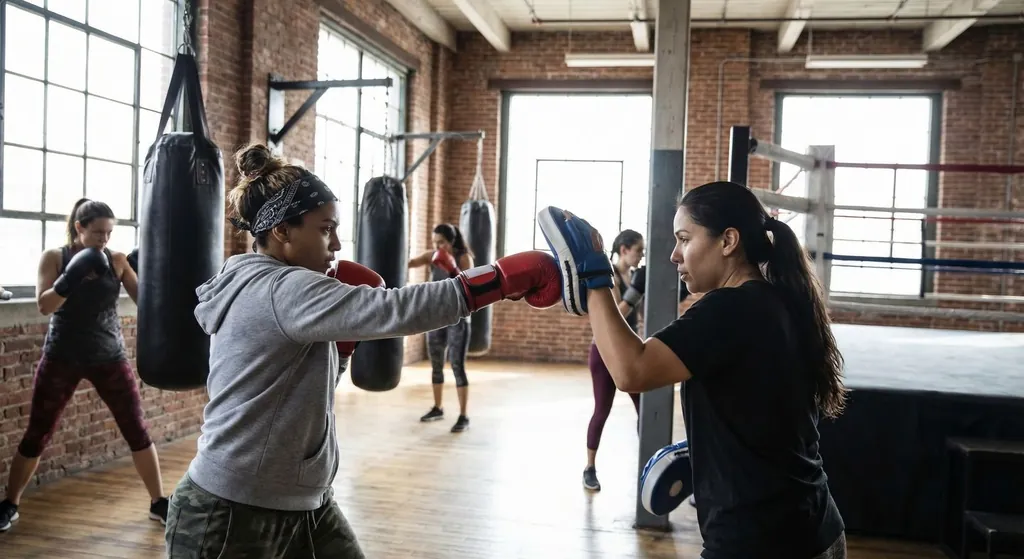
Contact lenses suit some boxers better than glasses, but they are not automatically the answer for everyone.
The upside is obvious. Contacts do not slide down your nose, fog up, or sit between a glove and your face. The American Optometric Association notes that contact lenses can give athletes a wider field of view than glasses and avoid some of the slipping or fogging problems that come with frames during sport (AOA sports vision advice).
That can help in boxing because you need to see movement around you, not just straight ahead.
But contacts have their own rules. They need clean handling, they can dry out, and not every eye condition is suited to them. If you have never worn them before, do not make your first boxing class the experiment. Speak to an optician, try them away from training first, and give yourself time to see how your eyes react under sweat and movement.
If contact lenses irritate your eyes, stop and sort that before training hard. Boxing already gives you enough to think about.
What About Prescription Sports Goggles?
Prescription sports goggles can be useful for some activities, but boxing is not a simple yes-or-no case.
For non-contact boxing fitness, they may work if they fit securely and do not restrict your guard or head movement. For contact sparring, you need to speak to your coach and optician before assuming they are suitable. Some protective eyewear is designed for ball sports. That does not automatically make it right for a boxing gym.
The key question is not, "Can I buy something online?" It is, "Will this stay secure and reduce risk in the drill I am actually doing?"
Start with the class. Learn what the work feels like. Then decide whether glasses, contacts, prescription goggles or a mix makes most sense.
Our boxing starter kit guide covers the normal first buys. Glasses and contacts sit slightly outside that list because they are personal medical kit, not standard boxing kit.
What To Tell The Coach
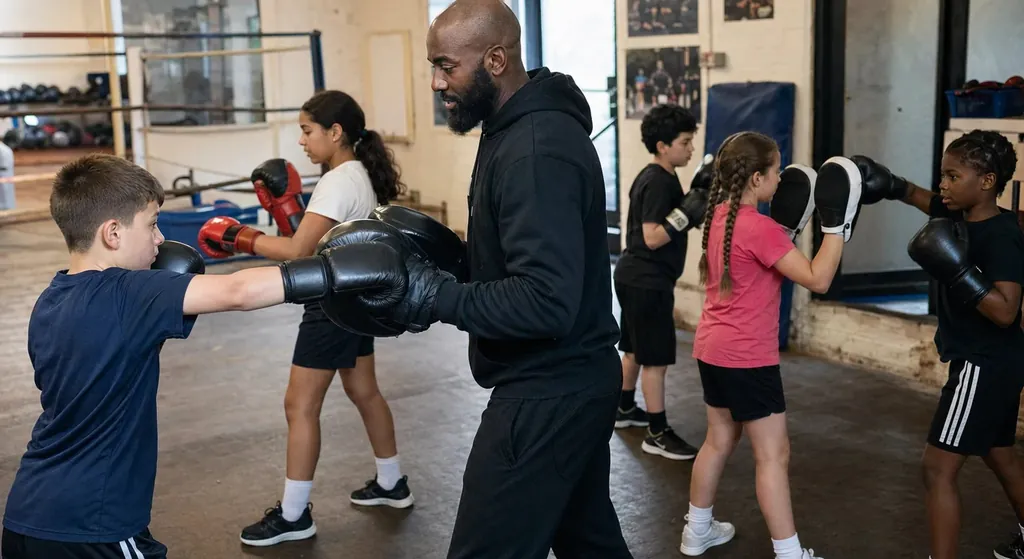
Tell the coach before class starts that you wear glasses or contact lenses and ask which drills are suitable.
That is normal coaching information, like telling them about a sore wrist, asthma, or a previous injury. A coach would rather know early.
Useful things to say:
- "I wear glasses and can see without them, but not sharply."
- "I need them for distance, so demonstrations are hard without them."
- "I wear contacts, but my eyes can get dry."
- "I have an eye condition and my optician has given me restrictions."
- "I do not want contact sparring. I just want to train."
That last line is important. You can train recreationally without joining the competitive pathway. At Honour and Glory, beginners can build skill, fitness and confidence without being pushed into sparring before they are ready.
If you are near Greenwich, the simplest route is to come in, meet the coach, and let them see how you move in a real session.
Practical Checklist Before Your First Session
Do not overthink it. Use this checklist.
- Bring your glasses case so you can put frames away safely if needed.
- Use a sports strap if your glasses slip during exercise.
- Bring a small towel because sweat makes frames move.
- If you wear contacts, bring spares or your glasses as backup.
- Do not wear expensive fashion frames to a boxing gym.
- Tell the coach before partner drills start.
- Do not spar in ordinary glasses.
- If you have a medical eye condition, check with your optician first.
The honest answer is that glasses are rarely the barrier people think they are. The gym can adapt a lot of beginner work. What it cannot do is make loose frames safe in every situation.
Should You Wait Until You Have Contacts?
No, not usually. If you want to start, start.
You can learn a surprising amount before you have solved every kit detail. Most people start with one or two awkward things to manage. Glasses are just one of them.
Come in with sensible expectations. Keep the glasses on for the parts where they help. Take them off when the coach says they are not right for a drill. If contacts or sports goggles become useful later, deal with that later.
The main thing is not to let a small practical question become a reason to stay on the sofa.
H&G Team
Writer at Honour & Glory Boxing Club, a community boxing gym in Kidbrooke, South East London.
KEEP READING
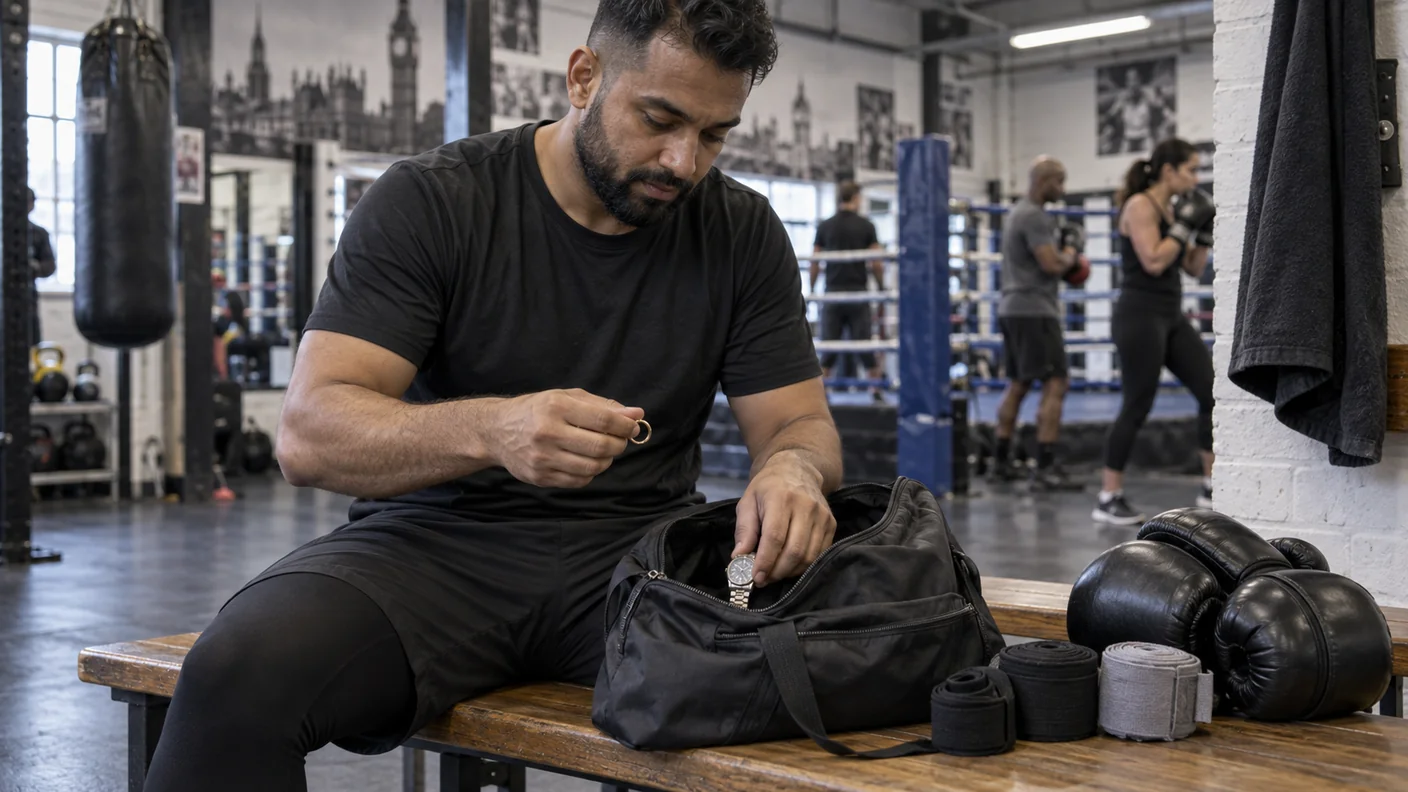
Can You Wear Jewellery to Boxing Class?
Rings, watches, necklaces and piercings can catch, cut or distract in boxing. Here is what to remove before class and why.
Feeling Sick During Boxing: When to Rest and Stop
Feeling sick in a boxing class can have several ordinary causes. Learn when to take a break, when to go home and when to get medical advice.
Can You Box With Hearing Aids?
Yes, for plenty of non-contact training. Learn what to tell the coach, when to remove them, and how to protect them.
Was this page helpful?
It takes one tap, and it genuinely helps.
Choose your next step
Turn this article into the right action
Some readers are ready to book. Some need the class route first. Pick the route that matches what you actually want.