Josh Kelly beats Agyarko: why patient pressure matters
Josh Kelly Beats Agyarko: Why Patient Pressure Matters
Josh Kelly did not beat Caoimhín Agyarko by simply marching after him. That distinction matters.
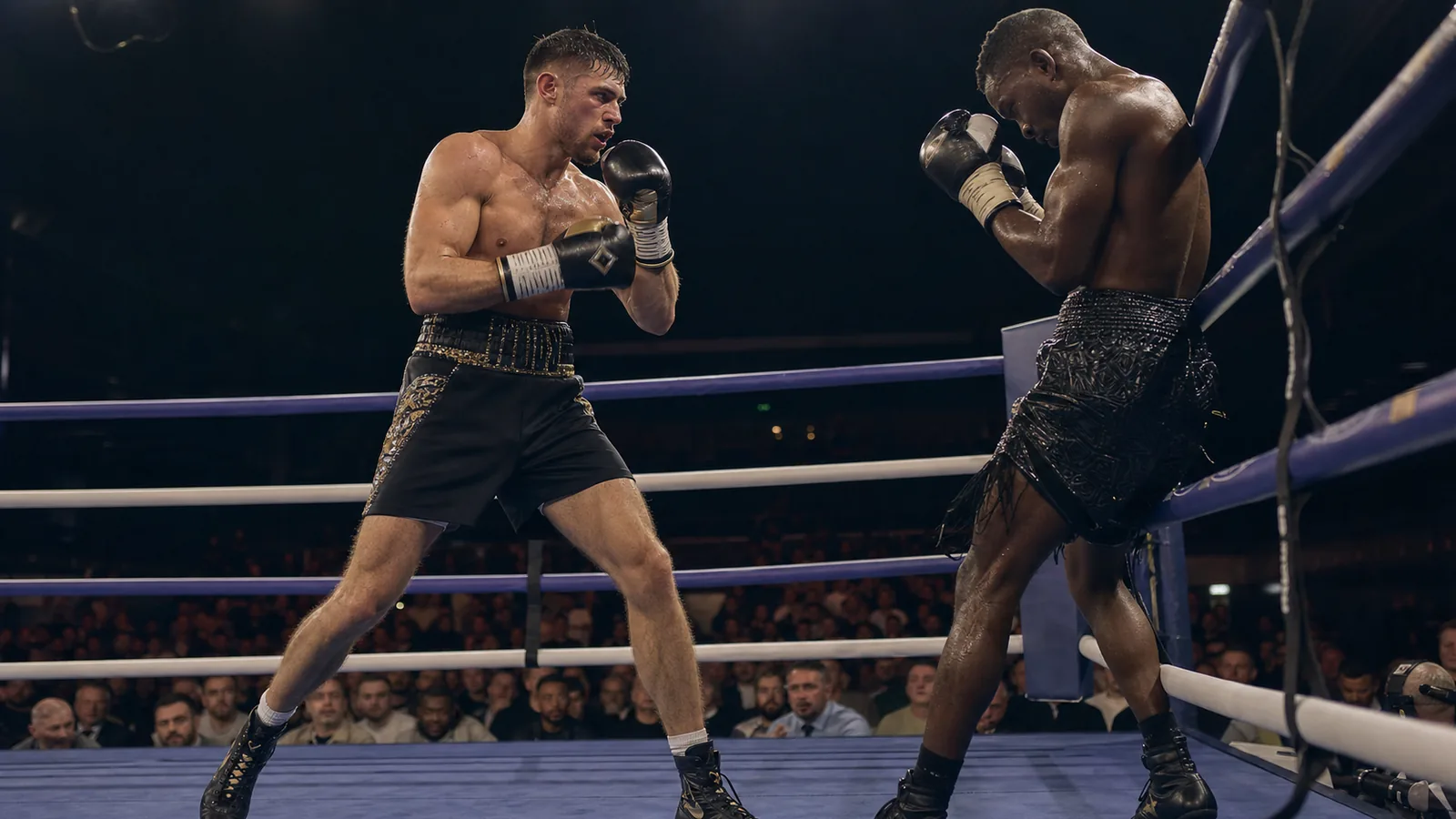
In Jeddah, Kelly retained his IBF super-welterweight title with a unanimous decision that read 114-113 and 115-112 twice. It was close enough to be uncomfortable, messy enough to test both men, and good enough to reward a fighter who had done the more convincing work before the fight became a scrap. Boxing News’ live scorecard had Kelly winning 115-112, largely because he built his lead while the contest was still being fought on his terms.
The temptation is to describe this as a slick boxer against a pressure fighter. That is too simple. Kelly is at his best when he is making an opponent feel crowded without necessarily being close. He takes space away. He threatens the next exchange. He makes the other man reset, hesitate, and throw from a less useful position.
That is patient pressure. It is not stalking for the sake of it.
Kelly won the early argument
The opening half belonged to Kelly because he established the ring before Agyarko established his own fight.
Agyarko was not frozen. He had moments with the jab and the odd looping right. But he was often reacting to Kelly’s movement, hand speed and changes of rhythm instead of initiating with enough authority. Kelly did not need to land a huge shot to make those rounds his. He touched Agyarko with the jab, stepped into range with sharp combinations, and left before a proper reply could arrive.
That is pressure, even when a fighter is moving backwards after punching.
Good pressure is not defined by which boxer is physically coming forward. It is defined by who decides where the next exchange happens. Kelly was controlling that decision early. He held centre ring when it mattered, made Agyarko give ground, then refused to stand in front of him for a return.
Before the fight, the BBC noted Kelly’s measured attacks and movement against Bakhram Murtazaliev as the platform for his title win. The same ingredients appeared here. Kelly can be flashy, but the useful part of his style is not the low hands or the smile. It is the discipline underneath them. He can make a fighter miss, yet he also knows when to be first and when to make the opponent restart.
For a young boxer watching highlights, that is the part worth stealing. Not the showmanship. The position.
Following is not pressure
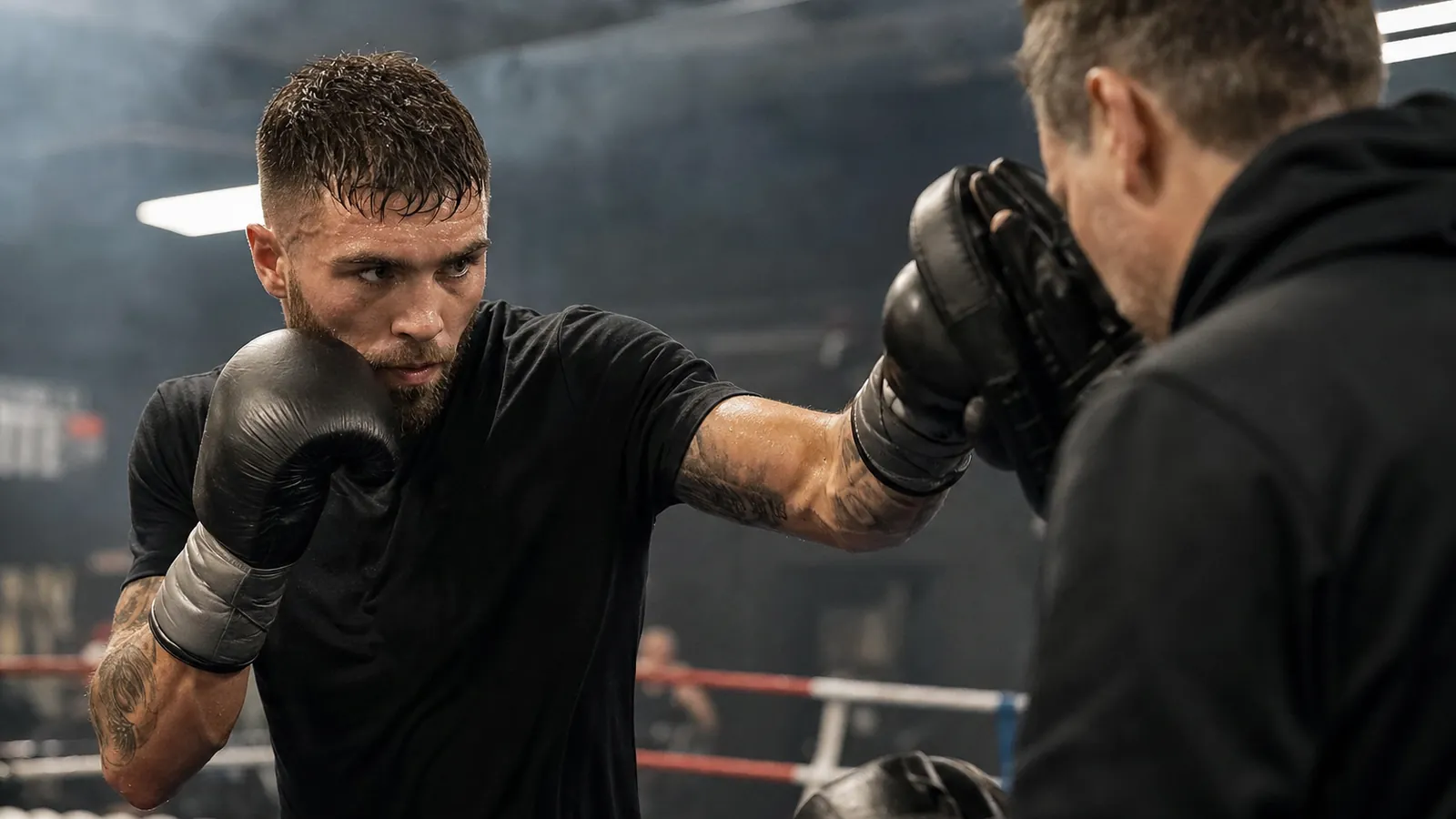
There is a version of pressure boxing that looks busy but gives an opponent exactly what they want. One fighter follows, throws single shots from too far away, squares up trying to close distance, then walks onto a counter. They are working hard but not making the other person work hard.
That is chasing.
Chasing means your feet follow the opponent’s feet. Patient pressure means your feet cut off the places they want to go.
The difference can be a half-step. If the opponent moves to their left, the chaser turns and trails after them. The patient pressure fighter steps slightly across, keeps their own stance intact, and blocks the easy escape route. They do not need to sprint into range. They give the opponent a smaller ring, then make them box in it.
Kelly did this well in the first half. He was not permanently planted in front of Agyarko. He gave himself room to see the entries, then closed distance when Agyarko’s feet or guard gave him an opening. That is why his sharper work landed cleanly enough to take rounds without needing a knockdown.
At 154lbs, pressure without balance is an expensive habit. A fighter who overcommits can lose the centre of the ring with one missed right hand. A fighter who stays balanced after punching can throw again, defend, or leave. Kelly’s best work was built around those options.
The sixth round changed the feel of the fight
The fight did not remain tidy. Kelly was deducted a point in the sixth round for repeated punches to the back of Agyarko’s head. It disrupted the champion and gave Agyarko a reason to believe the fight was moving closer.
From there, Agyarko began doing what he needed to do earlier. He held his feet more often. He threw with greater conviction. He found hooks, pressed Kelly’s face into damage, and made the later rounds physical and difficult. Belfast Live’s round-by-round report captured the shift: Agyarko’s jab and left hook became more effective from the seventh onwards, while Kelly’s nose was increasingly bloodied.
Agyarko deserves credit for that response. A fighter can be behind on the cards and still find a route into the contest. He did not fold after a slow start. He made it rougher, got closer, and began winning exchanges that had previously belonged to Kelly.
But the late surge also explains why patient pressure matters. Pressure cannot only arrive when the fight feels urgent. At world-title level, allowing six rounds to drift while an opponent is banking clean work is a difficult debt to repay.
The BBC’s report was fair on this point. Agyarko’s stronger second half made the fight competitive, but he admitted afterwards that he had not done enough. Carl Frampton made a similar observation in his post-fight assessment, arguing that Agyarko could regret easing back during periods when more effort was available.
That is not an accusation of a lack of heart. It is a lesson in timing.
Pressure needs a purpose
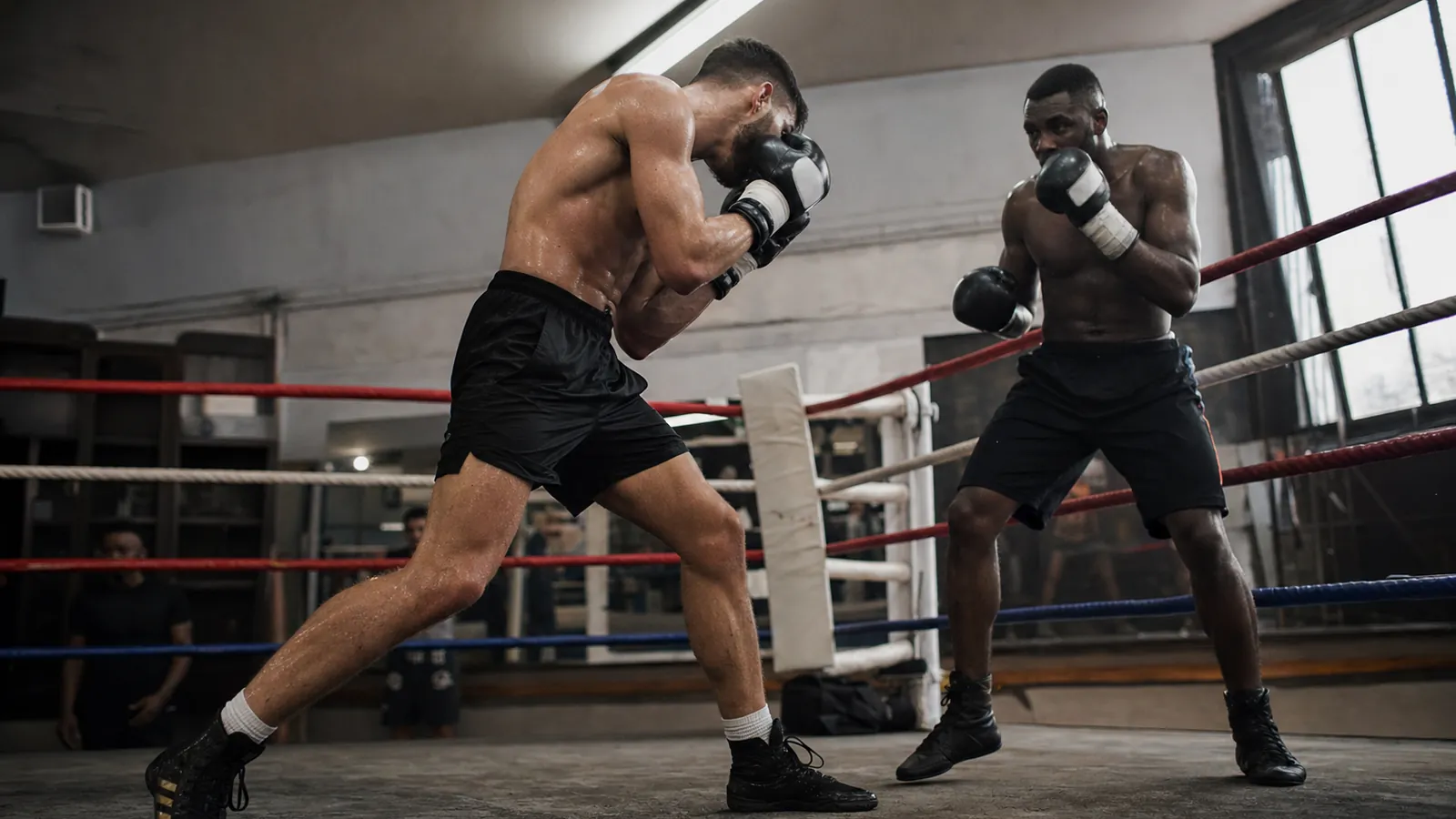
The best pressure fighters are not always throwing. Often, they are collecting information.
They watch the opponent’s lead foot. They notice whether the jab comes back low. They test whether a backward step becomes a square stance near the ropes. They make the other boxer show them the same escape route twice, then close it on the third attempt.
Kelly’s early work had that quality. He was not merely trying to force a war. He was making Agyarko reveal patterns.
A good jab is central to this. It is not only a scoring punch. It measures range, interrupts momentum, draws a guard response and helps a boxer claim territory without gambling their balance. Kelly’s jab was part of the pressure because it kept Agyarko occupied while Kelly chose the distance.
Then come the exits. A boxer who lands a combination and stands admiring it has only completed half the job. A boxer who lands, pivots or steps back into stance has made the opponent restart. Over 12 rounds, those restarts drain confidence and energy.
This is why controlled pressure is a smarter goal for beginners than “being aggressive”. Aggression is easy to say and difficult to define. It can become reckless quickly. Controlled pressure means staying balanced, closing space with a reason, keeping your eyes open, and being ready to defend after you throw.
Kelly still had to finish strong
There is another useful part of Kelly’s win. He did not coast through the final rounds just because he had built an early lead.
Agyarko had momentum, Kelly was badly marked up, and the contest had become harder to score from round to round. Yet Kelly answered in the championship rounds with cleaner punches, including uppercuts and a double left hook in the 12th. The official result coverage on BBC Sport described a champion who was bloodied but still landed the better work at the end.
That was the difference between patient pressure and passive boxing. Kelly’s early control gave him a platform, but he still had to assert himself when Agyarko came on strong. He did not retreat into survival mode. He returned to the fundamentals that had won him the first half of the fight.
He found his shape. He threw the cleaner punches. He made the judges remember who had been in charge when the bell rang.
What boxers at H&G can take from it
Nobody should watch Kelly versus Agyarko and decide the lesson is to put their hands low, grin at an opponent, or take unnecessary risks. Those are details of a professional style built over years, not a beginner’s blueprint.
The useful lesson is simpler.
Do not follow somebody around the ring because you are desperate to land. Take your time. Keep your stance. Use the jab to find the distance. Step into range behind a reason. After punching, recover your position before you attack again.
Pressure is not panic with forward momentum. It is making the opponent feel that every exit has a cost.
That is a skill built slowly through shadow boxing, bag work, partner drills, pad rounds and technical sparring. In our adult boxing classes, the work starts with stance, balance and controlled movement because those basics are what let a boxer apply pressure without walking into trouble.
Kelly versus Agyarko was a compelling reminder that a fight can turn late, get ugly, and still be decided by the quality of the earlier work. Agyarko showed grit and genuine quality in the second half. Kelly showed why composed control is a weapon in its own right.
The fighter who wins the space often wins the fight.
H&G Team
Writer at Honour & Glory Boxing Club, a community boxing gym in Kidbrooke, South East London.
KEEP READING
Raymond Muratalla vs Robson Conceição: pressure and control
Use the fresh highlights as a focused tactical read on how a boxer manages range, tempo and scoring exchanges when the opponent has proven elite-level experience.
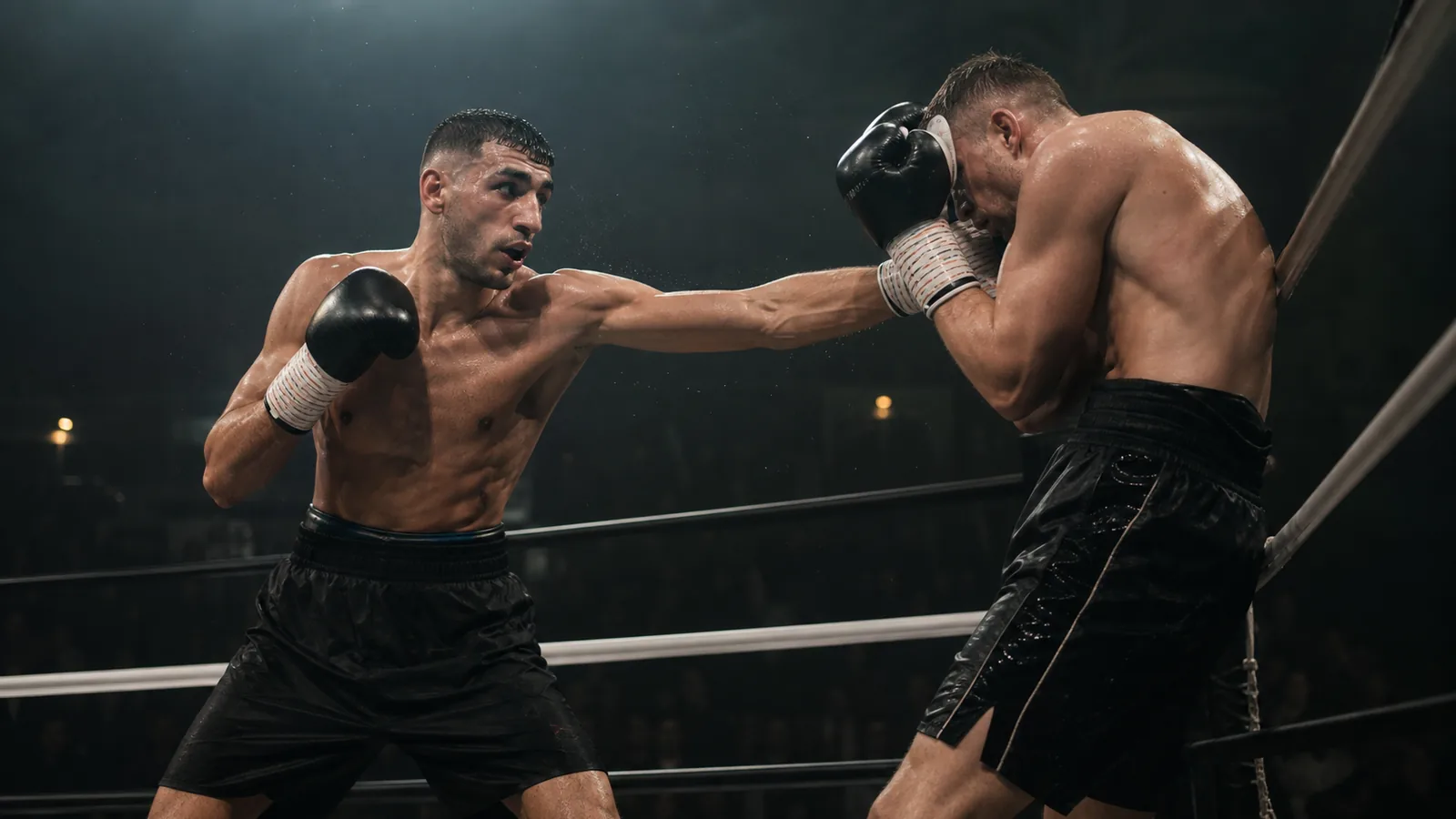
Hamzah Sheeraz vs Zachenhuber: the pressure that changed it
Use the fresh DAZN highlights to examine how Sheeraz built attacks, managed distance and turned sustained pressure into meaningful work against Simon Zachenhuber.
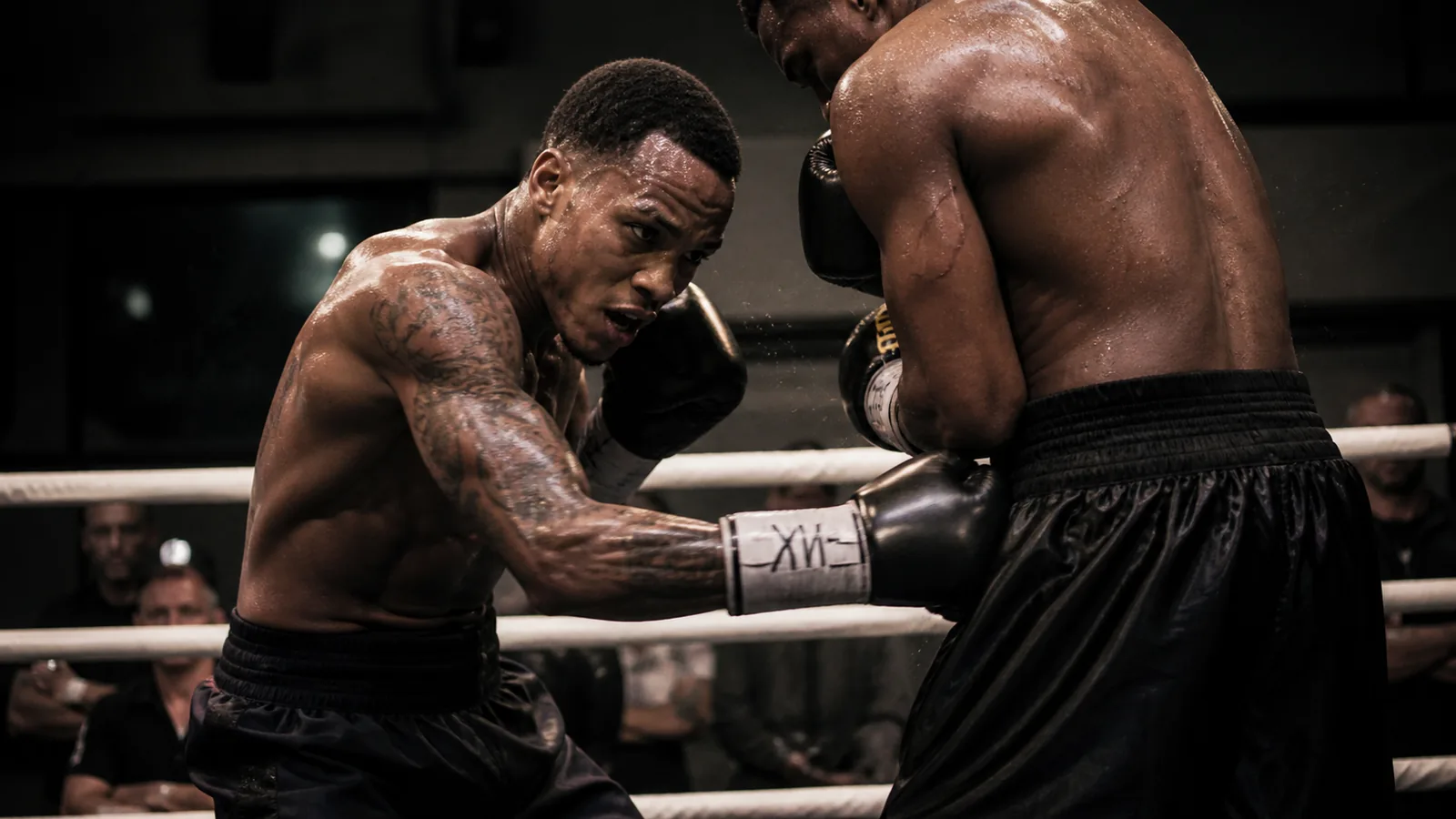
Subriel Matías’s return: what a renewed pressure fighter must prove
Use the reported return as a focused look at whether Matías can re-establish his body-first pressure style and regain momentum in a crowded super-lightweight picture.
Was this page helpful?
It takes one tap, and it genuinely helps.
Choose your next step
Turn this article into the right action
Some readers are ready to book. Some need the class route first. Pick the route that matches what you actually want.