Subriel Matías’s return: what a renewed pressure fighter must prove
Subriel Matías’s return: what a renewed pressure fighter must prove
Subriel Matías has never been a boxer built for a quiet rebuild.
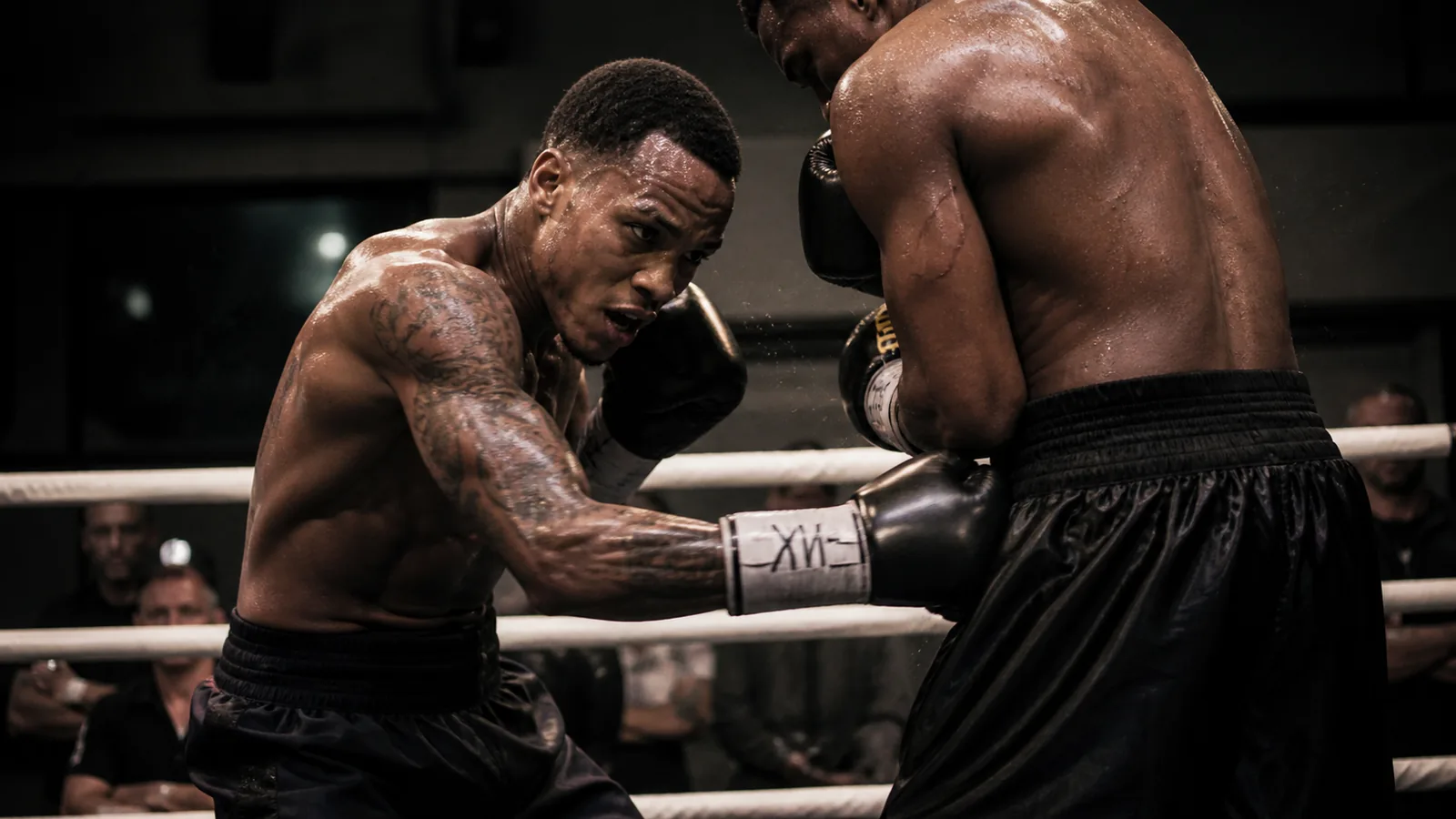
At his best, the Puerto Rican super-lightweight makes opponents feel that the ring has become smaller than it is. He does not merely throw volume. He walks men into exchanges, digs to the body, stays close enough to make them work when they want to rest, and turns a good jabber’s rhythm into a long night of forced decisions.
That version of Matías was one of the most compelling pressure fighters in boxing. It is also the version he must find again.
The record matters, but it does not tell the whole story. Box.Live lists Matías at 23-3 with 22 stoppages, a remarkable finishing rate in a division full of sharp operators. It also records a fifth-round stoppage defeat to Dalton Smith in Brooklyn on 10 January 2026, after Matías had regained a world title only six months earlier.
The next chapter is not about pretending that defeat did not happen. It is about deciding whether the ingredients that made Matías dangerous can still be assembled into a winning style.
The pressure was real, but it was never simple
It is easy to describe Matías as a brawler. It is also wrong.
A brawler throws without a map. Matías has usually had one. His pressure begins with a willingness to take space, but it becomes effective through repetition. He leans on the opponent’s guard, attacks the ribs and arms, brings hooks around the elbows, and makes every clinch, reset and retreat cost energy.
That body-first work is the important bit. Head shots win highlights. Body shots change a fight’s geography.
Once a fighter begins worrying about the next left hook downstairs, the feet slow. A boxer who was sliding away neatly in rounds one and two starts taking a wider exit in round five. Then the ropes appear. Then Matías can punch in clusters rather than chase a moving target around the ring.
His 2023 stoppages of Jeremias Ponce and Shohjahon Ergashev showed the method clearly. He did not need one perfect shot. He made the fight so physically unpleasant that resistance eventually gave way. Matías’s career record, including those title wins and his losses, is set out by BoxRec.
That is why Liam Paro’s 2024 win over Matías was so instructive. Paro did not stand and prove his toughness. He used movement, held when necessary and made Matías reset. A pressure fighter is most dangerous when an opponent gives him a consistent target. Paro gave him angles, interruptions and awkwardness instead.
Matías responded well enough to put himself back in the title picture. He stopped Gabriel Gollaz Valenzuela, then beat previously unbeaten Alberto Puello by majority decision to win the WBC belt. British Boxing News noted that the Puello scores were 115-113 twice and 114-114. That was a serious win, not a ceremonial route back.
It suggested that Matías could still do more than overwhelm people. He could go rounds, stay competitive in a tactical fight and take a result against a capable boxer.
Dalton Smith exposed the risk in his old identity
Then came Smith.
Before the bout, the obvious question was whether the unbeaten Sheffield fighter could handle Matías’s pressure. Forbes described Smith as a composed boxer-puncher with a sound jab, straight shots and good footwork. The usual prediction was that he would need to box, move and avoid long exchanges.
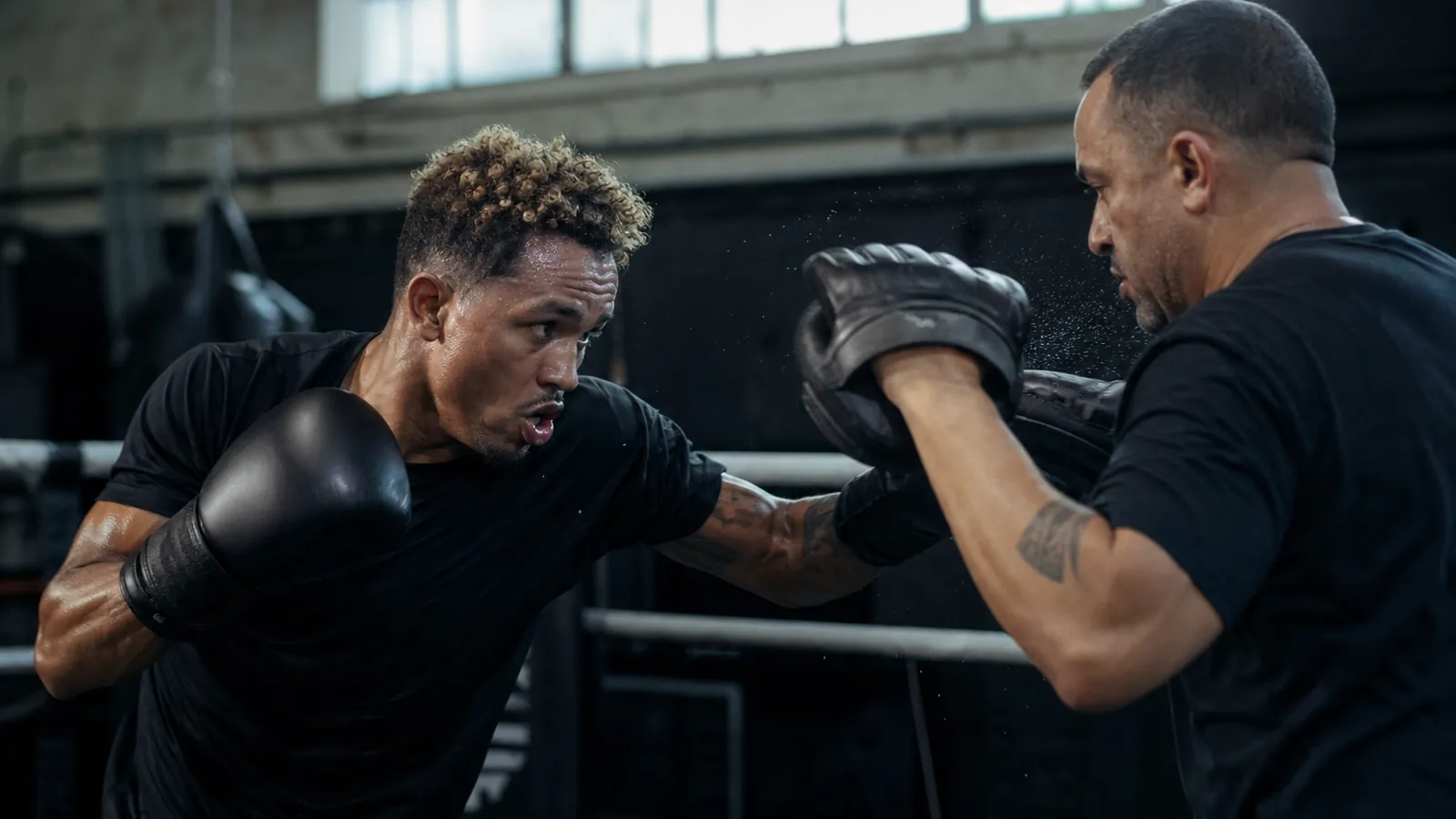
Instead, Smith did something braver and more dangerous. He met Matías at close range.
Uncrowned’s report of the fight describes Smith establishing his jab early, then holding his ground through exchanges on the inside and at mid-range. Matías landed his own shots, particularly with the left hook, and opened a cut over Smith’s eye. But Smith refused to behave like an opponent waiting to be broken down.
By the fifth, Matías was the man being forced back. Smith hurt him with right hands, knocked him down with an overhand right and the referee stopped the contest after Matías beat the count unsteadily.
That is the problem Matías must solve. Pressure cannot become a belief that every exchange belongs to you.
Smith did not beat Matías because he was physically tougher. He beat him because he was accurate enough, confident enough and disciplined enough to make Matías pay for walking into range without changing the picture first. A pressure fighter has to be comfortable taking shots. He cannot become casual about taking them.
The body work needs a route in
A renewed Matías should not abandon what made him good. He should make it harder to read.
The first adjustment is the entry. He cannot simply walk forward behind a high guard and assume his output will force a mistake. Against a sharp orthodox fighter, that can become a predictable lane for the right hand.
He needs more feints with the lead hand, more double jabs to the chest and more attacks that begin upstairs before finishing downstairs. The body shot is more effective when the opponent is reacting to something else.
The second adjustment is position after punching. Matías is dangerous when he finishes combinations close enough to continue working, but he cannot stay square in front of a man who has earned his respect. A small step to his own left after the right hand, or a pivot after the left hook, could keep him in range without leaving his head on the centre line.
The third is patience. Pressure does not mean permanent attack. Sometimes the best way to hurt a boxer is to make him expect the next rush, then give him a quiet half-round of jab, feint and front-foot presence. That keeps the opponent tense without giving him the exchanges he has prepared for.
For a fighter with Matías’s power, the temptation is always to make the fight spectacular. He does not need to. The stoppages arrive when his opponents lose their legs, not when he decides he is entitled to one.
There is also a question of trust
Any honest assessment of Matías’s return has to address the cloud over the Smith fight.
The BBC reported that both his A and B samples returned adverse findings for Ostarine from an out-of-competition VADA test. The New York State Athletic Commission said the reported concentration was below the threshold used by New York, Nevada and California, allowing the contest to proceed. The WBC said it had identified mitigating factors and placed Matías on a 12-month probation period, with further testing.
Those facts should not be exaggerated, and they should not be softened into irrelevance. A leading fighter returns to the ring with a responsibility to be transparent, fully compliant and beyond argument. The best answer is not a press-conference speech. It is clean testing, consistent availability and performances that stand up to scrutiny.
Matías spoke before the Smith fight about coming back mentally stronger after defeat, telling the WBC’s press conference that “defeats in life, in general, are for true warriors”. Fine words, but the next phase requires better boxing evidence.
A crowded division will not wait
Super-lightweight does not offer gentle re-entry fights at the top level. The division has champions, strong contenders and ambitious younger fighters, while Box.Live currently lists Matías among the recognised contenders at 140lb.
That means he does not need to chase a revenge narrative immediately. He needs one meaningful performance against an opponent who can move, counter and stay organised under pressure. Beat that man with intelligent body work, good exits and sustained pace, and the title conversation begins again.
At 34, Matías does not have unlimited time to experiment. But pressure fighters can age well when they preserve their feet, tighten their defence and stop treating every exchange as a war they have to win.
The version of Matías worth watching is not the one trying to recreate old chaos. It is the one who remembers why the chaos worked in the first place.
At Honour and Glory Boxing Club, we teach beginners and experienced boxers alike that pressure is not charging forward. It is intelligent footwork, sound balance, a patient jab and the ability to make another person uncomfortable without giving them an easy target.
Matías still has the power to make elite men uncomfortable. His return will show whether he can do it with enough control to matter again.
H&G Team
Writer at Honour & Glory Boxing Club, a community boxing gym in Kidbrooke, South East London.
KEEP READING
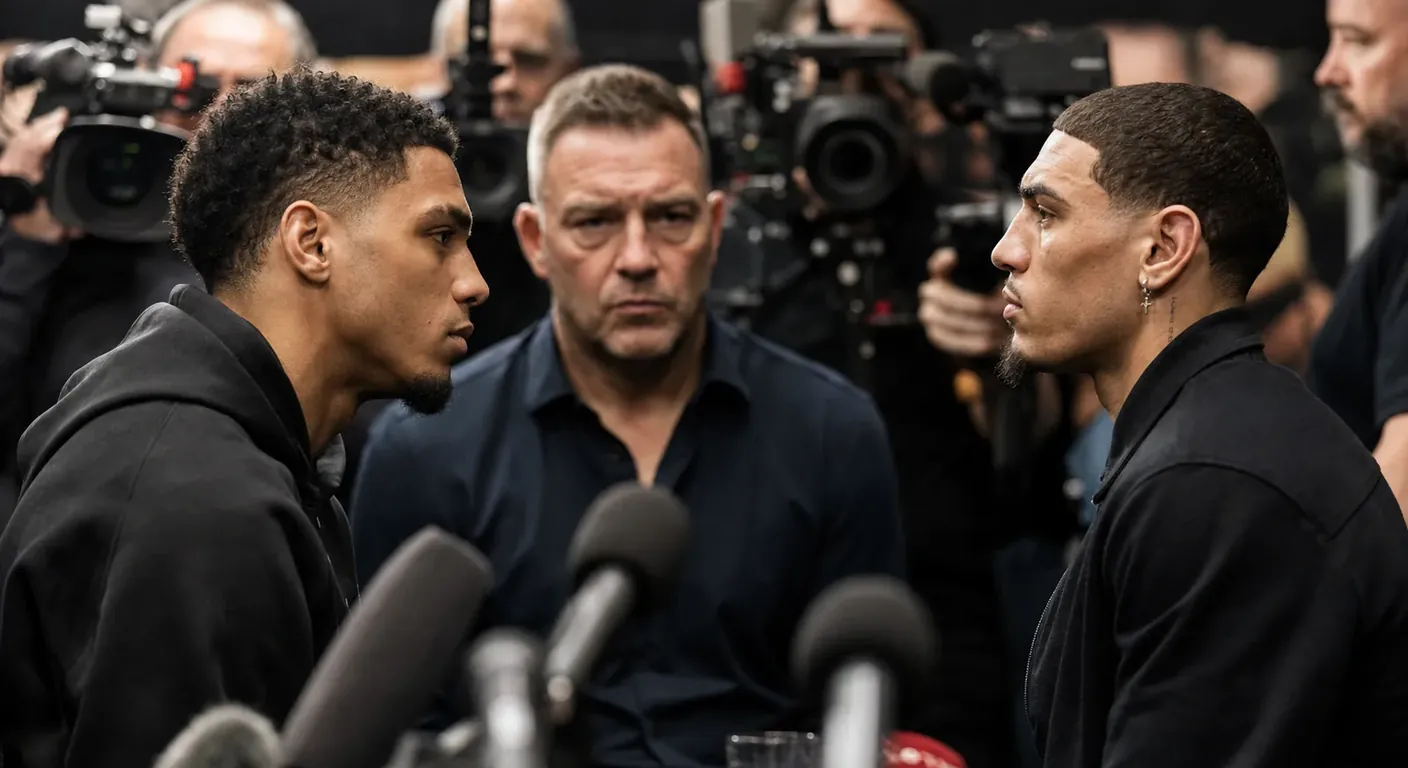
Zayas vs Ennis: press conference lessons
What Zayas vs Ennis fight week teaches boxers about pressure, body language and staying disciplined before a big night.
Hamzah Sheeraz vs Zachenhuber: the pressure that changed it
Use the fresh DAZN highlights to examine how Sheeraz built attacks, managed distance and turned sustained pressure into meaningful work against Simon Zachenhuber.
Zayas vs Boots preview: pressure before a big night
Zayas vs Boots is a pressure test. Here is what young boxers can learn from the build-up before 27 June.
Was this page helpful?
It takes one tap, and it genuinely helps.
Choose your next step
Turn this article into the right action
Some readers are ready to book. Some need the class route first. Pick the route that matches what you actually want.