Hamzah Sheeraz vs Zachenhuber: the pressure that changed it
Hamzah Sheeraz vs Zachenhuber: the pressure that changed it
Hamzah Sheeraz did not produce a perfect night against Simon Zachenhuber. He produced something more useful: evidence that he can keep asking difficult questions when the first answer is not there.
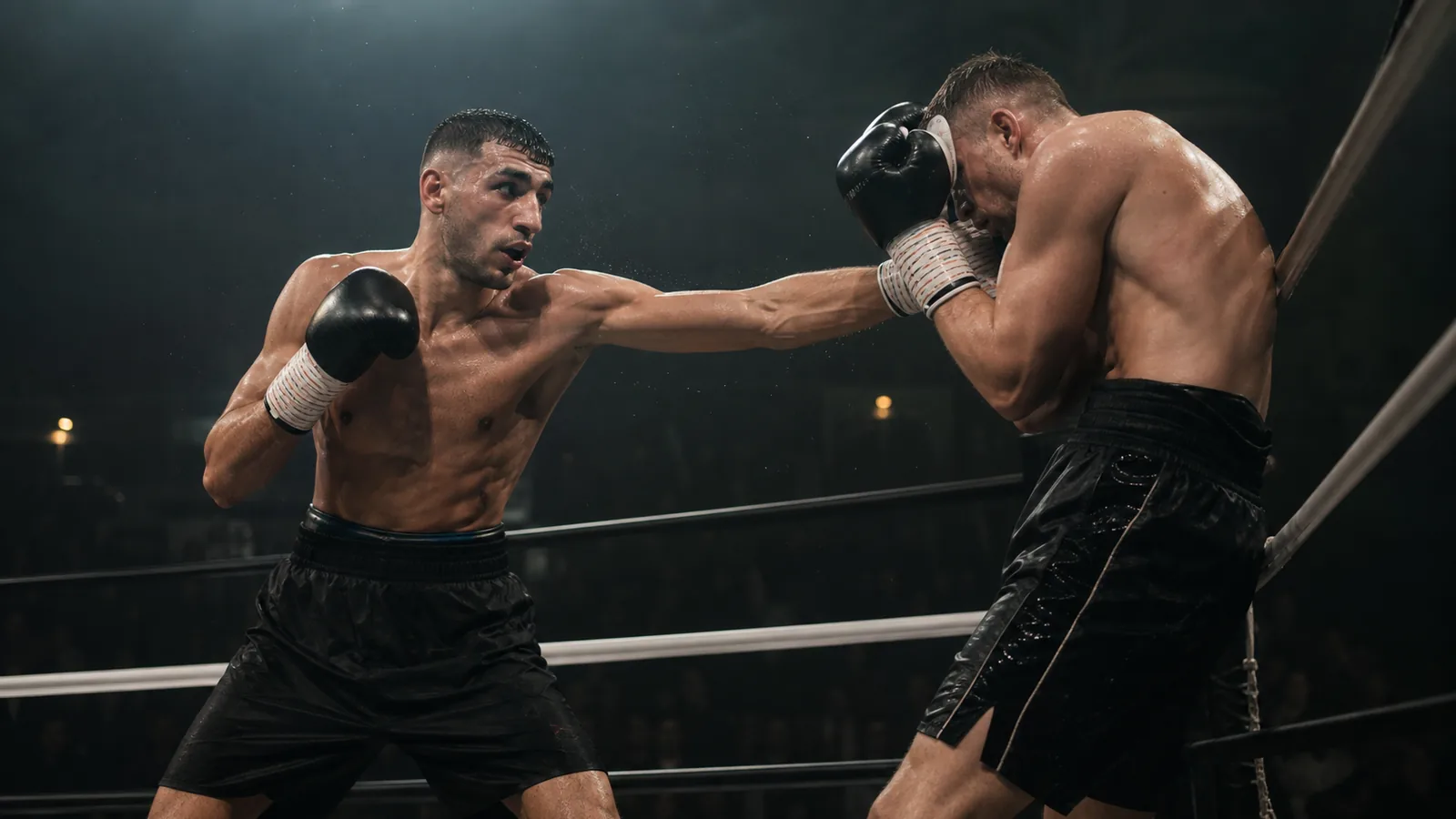
The DAZN highlights of Sheeraz vs Zachenhuber show a contest that became clearer as Sheeraz learned which kind of pressure would work. This was not a reckless charge or a search for one spectacular finish. It was a patient effort to make Zachenhuber give up ground, reset his feet too often and work through longer, less comfortable exchanges.
Sheeraz earned a majority decision after 12 rounds on 25 July, as reported by Yardbarker, with the fight result also recorded by Flashscore. The close nature of the result matters. It explains why this should not be sold as a demolition job. It was a hard tactical win, built round by round.
Pressure is not the same as walking forward
There is a lazy way to describe pressure in boxing: one man comes forward, the other moves back, therefore the first man is controlling the fight. That is not enough. A fighter can march into jabs, wander into clinches and gift an opponent the space to score cleanly. Real pressure closes options.
Sheeraz’s better work came when he did three things together. He edged into range behind a jab or a measuring lead hand. He held his position after throwing, rather than admiring the shot from too far away. Then he made Zachenhuber move before he was ready.
That final part is the key. Zachenhuber could box when he had room to set his feet and see Sheeraz coming. He was a live opponent, not a willing target. The official fight listing on Box.Live and the Tapology bout page both placed the contest on a serious Saudi card, and the German had enough shape and discipline to make the champion work for every advantage.
Sheeraz’s answer was not to sprint after him. It was to cut off the obvious exit. When Zachenhuber drifted away from the right hand, Sheeraz was more effective when he stepped across rather than followed in a straight line. When Zachenhuber’s back neared the ropes, Sheeraz could let his hands go with a better chance of finding a stationary target.
That is pressure with a purpose. The ring gets smaller not because a fighter runs, but because his opponent begins to feel that the usual escape routes are disappearing.
The jab built the attacks
The jab is often discussed as a scoring punch. For a tall boxer such as Sheeraz, it also has to be a steering wheel.
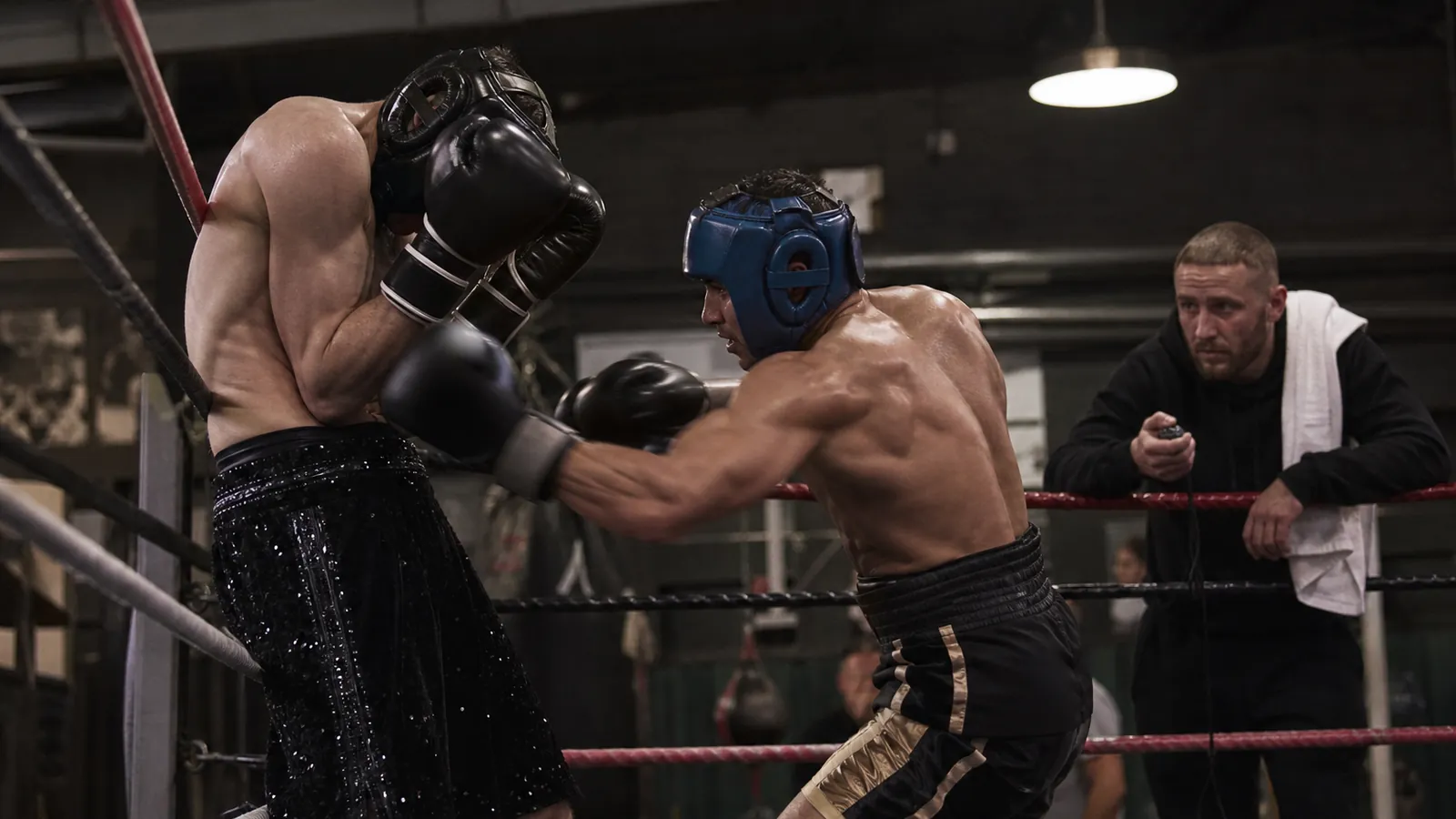
In the highlights, Sheeraz uses it to establish range, but his most useful jabs are the ones that interrupt Zachenhuber’s rhythm. A long jab makes the opponent pause. A jab to the chest can stop the feet. A jab that lands while stepping in creates the platform for the next punch. Those small moments are what allowed Sheeraz to build attacks rather than simply trade single shots.
He did not need every jab to snap Zachenhuber’s head back. He needed enough of them to make Zachenhuber aware of the distance. Once the German was concerned about the jab, the right hand and the follow-up hooks had more room to arrive.
This is why fighters and coaches should not judge a jab only by the number of clean scoring shots. A good jab can win territory. It can make a quicker opponent circle wider. It can force a high guard. It can make a boxer plant his feet for half a second longer than he intended. That half-second can be the difference between a clean two-punch attack and a missed lunge.
DAZN’s pre-fight keys to victory pointed to the problems Sheeraz would need to solve in his first title defence. Against Zachenhuber, the long man could not simply wait at the end of his reach. He had to make his reach active. The jab was the start of that process, not the whole plan.
There is a difference between being tall and boxing tall. A fighter who boxes tall controls the space in front of him with the lead hand, steps back at the right moments and makes opponents cross dangerous ground to attack. Sheeraz did enough of that to regain control when the fight threatened to become awkward.
Meaningful work came after the first punch
The most telling feature of Sheeraz’s pressure was his willingness to add a second and third action after the opening shot.
A single jab can score, but it rarely changes a round against a determined, mobile opponent. A jab followed by a step, a right hand, then a hook as the opponent tries to leave can change the feel of an exchange. It tells the other boxer that every defensive move carries a cost.
That was where Sheeraz’s work became meaningful. The first punch often occupied Zachenhuber. The follow-up made him defend. The sustained presence made him reconsider whether to fire back freely.
This does not mean Sheeraz landed everything. He did not. Boxing News 24’s account of a narrow and flat-looking performance is a fair reminder that the performance had critics, and the majority decision confirms that Zachenhuber gave him serious problems. But “flat” can become a lazy verdict if it ignores what the boxer is trying to do in front of a difficult opponent.
A fight does not need constant fireworks to contain useful lessons. Sheeraz was learning where Zachenhuber was vulnerable: after he had been made to move, after he had been touched by the jab, and when he was backed close enough to the ropes that his exits narrowed. The better attacks were not accidents. They were built from the work that came before them.
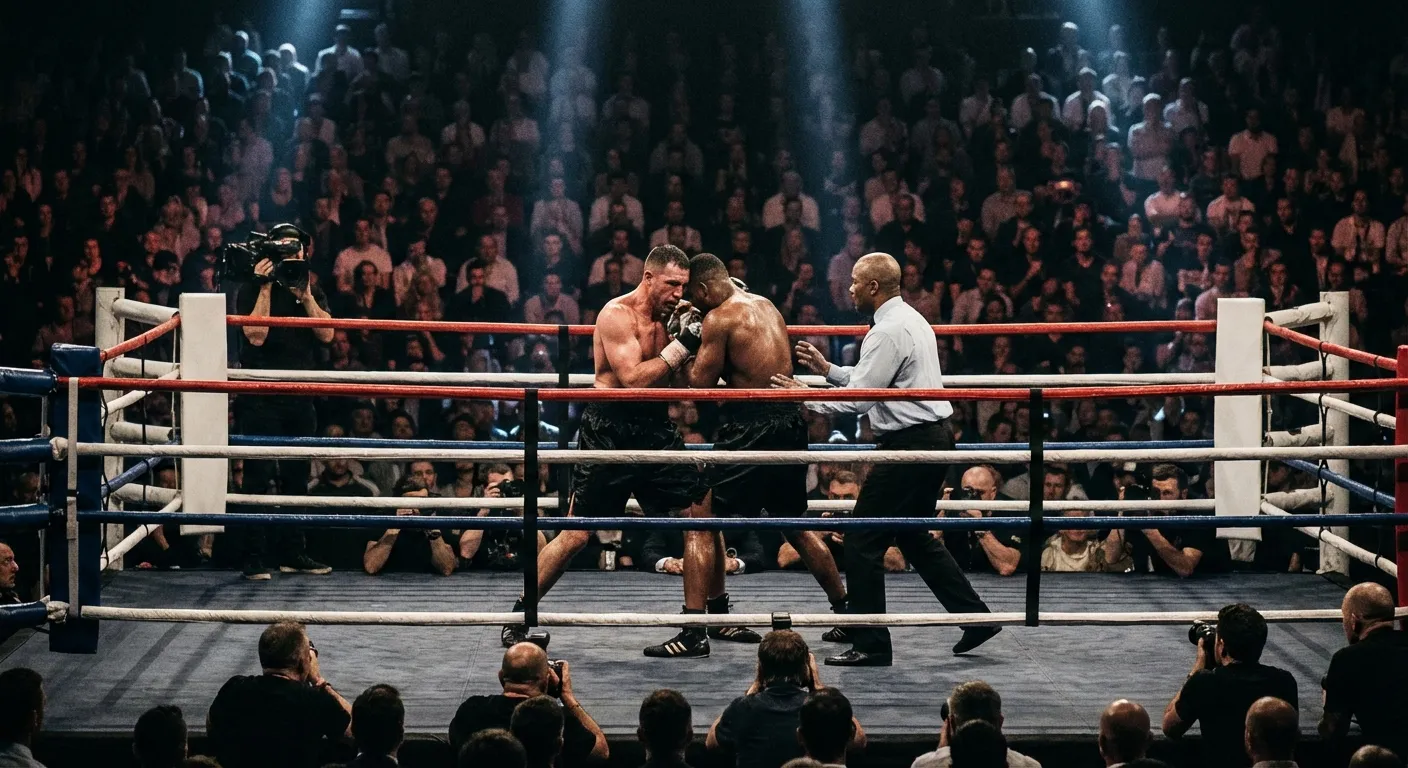
The World Boxing News live scorecard coverage underlines how closely contested the evening was. In that sort of fight, the value of sustained pressure is not only damage. It is ownership of the round. A fighter who takes the centre, forces the retreats and finishes exchanges can leave judges with a clearer impression, even where several individual moments are competitive.
What young boxers should take from it
The lesson is not “always come forward”. The lesson is to make forward movement intelligent.
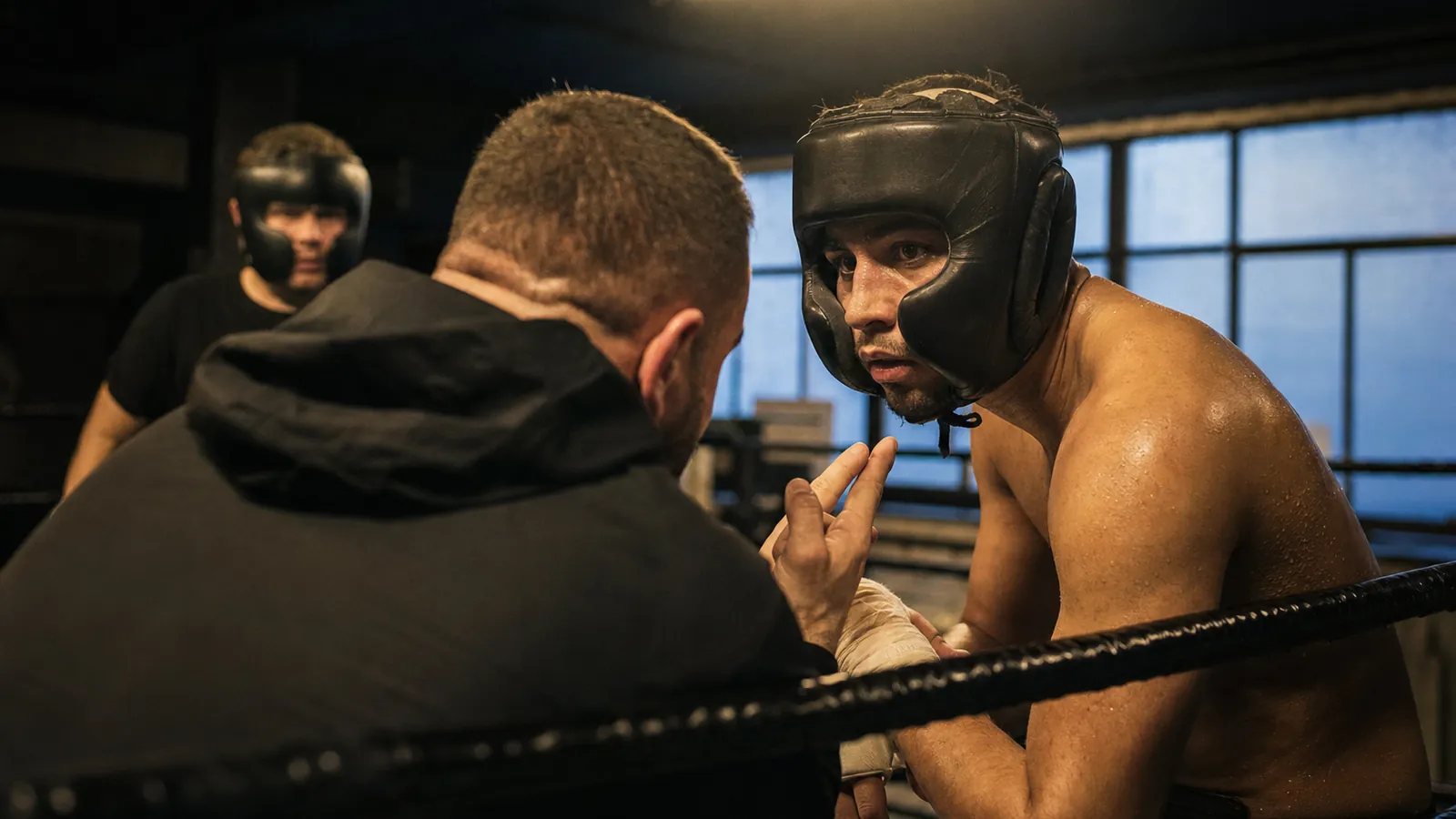
If you are taller, do not let your height become a reason to stand still at long range. Use your jab to judge distance and interrupt the opponent’s feet. If the opponent moves, step across to meet the angle rather than chasing their back. If you land, stay balanced enough to throw again. If you miss, do not fall in and give away the next exchange.
At Honour & Glory’s boxing classes in Kidbrooke, this is the kind of detail that turns a basic combination into ringcraft. A one-two looks simple on pads. In sparring, it must be attached to foot position, head movement, balance and a clear understanding of where the opponent can go next. New joiners can start from age 7, but the principle carries all the way through boxing: the best pressure is patient, balanced and difficult to escape.
Sheeraz’s win was not a performance that should be exaggerated into a flawless statement. Zachenhuber made him think, move his feet and find a way through a competitive fight. Yet that is precisely why the footage is worth watching.
The pressure changed it because Sheeraz stopped treating range as a fixed line. He began using it as a tool. He jabbed into position, took away space, stayed close enough to work after the first shot and made Zachenhuber defend more than he could settle. Against a capable opponent over 12 rounds, that is often what winning looks like.
H&G Team
Writer at Honour & Glory Boxing Club, a community boxing gym in Kidbrooke, South East London.
KEEP READING
Sheeraz World Title Fight: Usyk vs Verhoeven Undercard Announced!
Preview Hamzah Sheeraz's world title opportunity as the co-main event for Usyk vs. Verhoeven, analyzing his opponent and chances. Highlight the significance for UK boxing.
Ryan Garner vs Michael Magnesi: pressure-fight lessons
Use Garner's fresh interim-title fight footage to explain how pressure, body work and composure decide hard domestic-level step-ups.
Gonzalez vs Perez: flyweight title fight lessons
Use fresh DAZN highlights to break down what beginners can learn from a fast flyweight title fight: tempo, positioning, punch selection and staying composed under pressure.
Was this page helpful?
It takes one tap, and it genuinely helps.
Choose your next step
Turn this article into the right action
Some readers are ready to book. Some need the class route first. Pick the route that matches what you actually want.