Ryan Garner vs Michael Magnesi: pressure-fight lessons
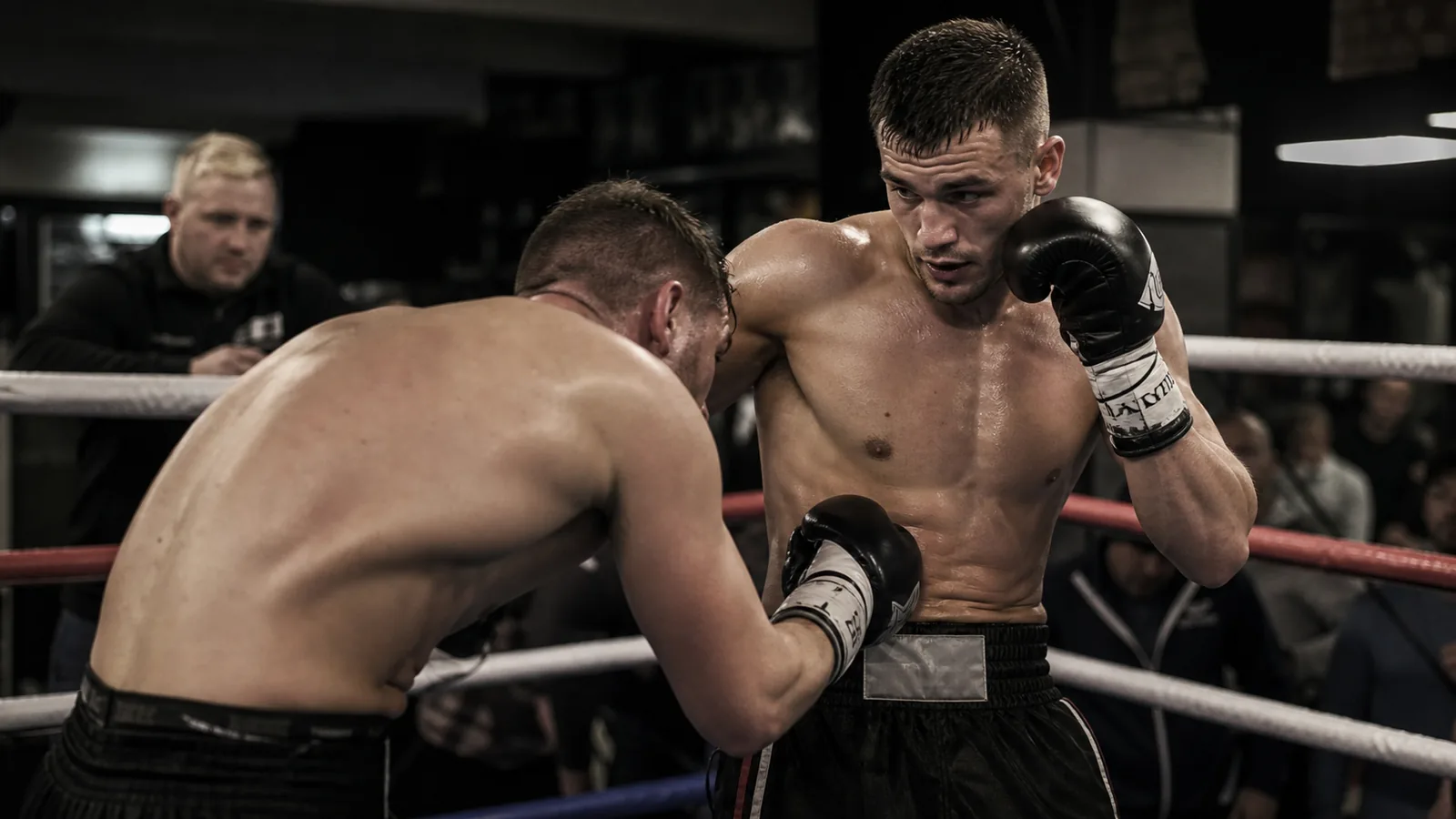
Ryan Garner vs Michael Magnesi: Pressure-Fight Lessons From a Proper Step-Up
Ryan Garner did not just beat Michael Magnesi at St Mary’s. He answered a different question.
Could he keep being Ryan Garner when the opponent would not go away?
That is the real value of the fight. Not only the belt. Not only the Southampton noise. Not only the clean record moving to 20-0. The useful lesson is that Garner was forced into the kind of hard domestic-to-world-level bridge fight that exposes bad habits quickly: pressure, close-range exchanges, body work, pace, fatigue, and the small emotional wobbles that decide whether a talented boxer becomes a serious contender.
The official result was clear. Garner won a unanimous decision to claim the interim WBC super-featherweight title, with scorecards of 116-112, 118-110 and 119-109, as reported by BBC Sport. But the numbers do not fully explain the fight. Bad Left Hook called it “phone booth” action, which is about right. This was not a pretty points lesson at long range. It was a fight where Garner had to work in the mess.
That makes it worth studying.
Pressure Is Not Just Walking Forward
A lot of young boxers misunderstand pressure. They think it means marching at someone with a hard face, throwing more punches, and hoping the other boxer breaks first.
That is not pressure. That is traffic.
Real pressure is controlled occupation. It is where your feet put you, what your jab makes the other boxer do, how quickly you reset after punching, and whether your opponent feels that every quiet second still belongs to you.
Garner applied that kind of pressure for long spells. The BBC report noted that he was the aggressor early, stalking Magnesi and landing the more eye-catching shots. The key word is stalking. He was not sprinting in. He was taking space, putting Magnesi near the ropes, and forcing him to fight in the areas Garner wanted.
Magnesi, to his credit, did not fold. He is experienced, aggressive, and used to making fights uncomfortable. The WBC preview framed him before the bout as a fighter with determination and international experience. That showed. He was not there as a tourist. He came to test Garner’s appetite for close work.
That is why this fight mattered. Garner has always had talent. This was about whether talent could stay organised when the other man kept forcing contact.
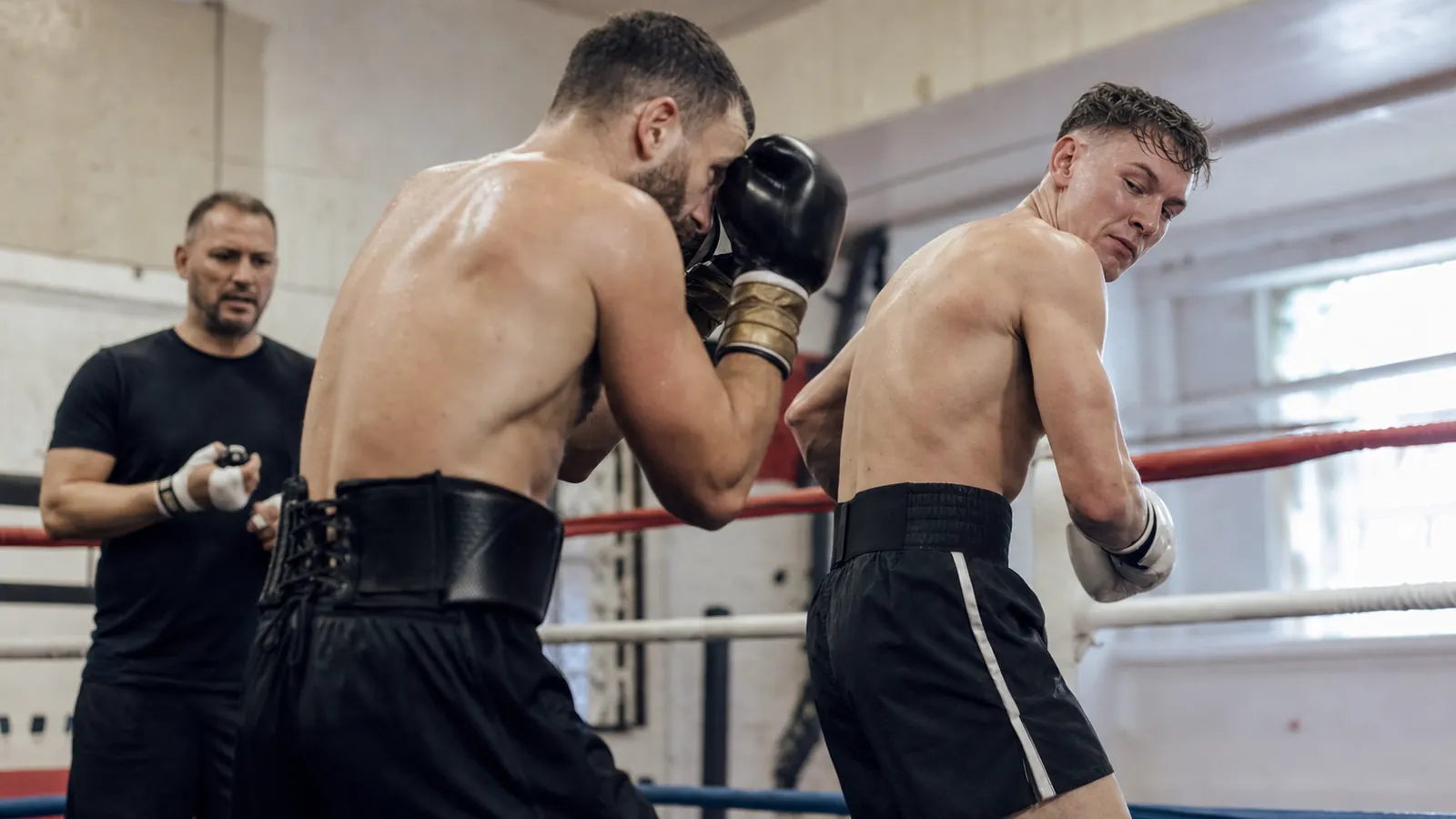
Body Work Changes the Conversation
The best pressure fighters do not only hunt the head. They tax the body so the legs, guard and ambition all start paying interest.
Garner’s work was not perfect, but his intent was right. When Magnesi covered high or braced near the ropes, Garner looked for ways to keep the exchanges honest rather than admire his own head shots. That matters because body work is not only about hurting someone with one spectacular left hook. Sometimes it is about making the next minute harder.
A body shot changes breathing. It changes posture. It makes a boxer choose between holding ground and saving energy. It makes every escape cost more.
For beginners, this is one of the hardest lessons to accept. Head shots feel more dramatic. Coaches notice them. Crowds react to them. But body work is often where the fight is being quietly negotiated. You are asking the opponent a simple question: can you keep making good decisions while uncomfortable?
Magnesi could. That is why Garner had to keep working. The Italian took plenty, stayed present, and even had a serious moment in the tenth when he landed a big overhand right, according to BBC Sport. That moment is important. It proves Garner was not performing a routine. He was in a live fight against a man still dangerous after taking punishment.
That is the difference between looking good and being ready.
Composure Is a Skill, Not a Mood
Garner’s best quality in this fight was not aggression. It was composure under resistance.
There were moments where he could have got greedy. A hometown crowd of more than 10,000, a stadium setting, an interim title, and an opponent willing to trade can turn a disciplined fighter into a show-off very quickly. You land one clean shot, the crowd roars, and suddenly you are chasing the finish instead of winning the round.
Garner mostly avoided that trap.
The Fightmag results report confirms the clean outcome on the cards, but the fight itself was not low-stress. Garner had to keep his shape through repeated close exchanges. He had to punch, brace, roll, re-punch, and then reset without letting the whole thing become a brawl on Magnesi’s terms.
That is composure. Not looking calm in a face-off. Not saying the right thing in an interview. Composure is the ability to keep choosing sensible boxing actions when the fight is hot.
At Honour & Glory in Kidbrooke, this is one of the main things we try to teach across classes for ages 7+. You do not start by trying to be tough. You start by learning stance, guard, breathing, balance and listening. Then pressure becomes something you can handle rather than something that makes you panic. If you want that process in a coached setting, our boxing classes in South East London are built around exactly that progression.

Why Magnesi Was the Right Kind of Test
Some fights flatter a prospect. This one educated him.
Magnesi was not slick enough to make Garner chase shadows all night, but he was stubborn enough to keep making Garner work. That is a valuable opponent type. He forced Garner into repeated exchanges, made him defend after punching, and gave him no easy emotional release.
The Tapology bout listing had this as Garner versus Magnesi for the interim belt, and Queensberry’s event page made clear this was being treated as a major homecoming. That creates pressure before a punch is thrown. When the whole promotion is built around your night, you cannot quietly have an off one.
Magnesi’s job was to make that pressure physical.
He did. Garner still won clearly. That is the headline. But the more useful coaching point is that Garner did not get a soft version of victory. He got rounds. He got resistance. He got hit. He had to keep the engine running late. He had to stay organised after being reminded that the opponent still had ambition.
That is the sort of win that ages well.
The Scorecards Were Wide, But the Lessons Were Close
A 119-109 card can make a fight sound easier than it felt. That is a danger when people read results instead of watching rounds.
Garner deserved the win. No argument. He landed the better shots, worked at the higher level, and controlled more of the fight. BoxingNews.com rightly placed the result in the context of Garner adding another belt after his British, Commonwealth and European honours at 130lbs. This was a career step.
But it was not a stroll. It was a fight where pressure had layers.
There was Garner’s forward pressure. There was Magnesi’s refusal pressure. There was the pressure of the occasion. There was the pressure of keeping output high while being forced into rough exchanges. There was the pressure of knowing that a mistake against a durable, aggressive opponent can turn a comfortable lead into a very uncomfortable finish.
That is why the highlights are useful, but the full rhythm matters more. Watch how often Garner has to work again after already landing. Watch how often Magnesi makes him reset. Watch the difference between a clean attack and a crowded exchange. That is where boxing lives.
What Young Boxers Should Take From Garner
The lesson is not “fight like Ryan Garner”. That is too lazy.
The lesson is this: pressure only works when it is disciplined.
If you want to pressure someone, your feet must arrive before your hands. If you want to work the body, your head must not stay on the centre line like a gift. If you want to trade, you must know when the exchange is over. If you get clipped, you cannot spend the next thirty seconds proving you are brave. You have to get back to boxing.
Garner did enough of those things well to win a hard fight clearly.
He also showed why composure should be trained before ego. In the gym, that means staying calm when tired. It means keeping your guard when a drill speeds up. It means not turning every spar into a personal crisis. It means learning to breathe when someone is in front of you and the easy space has gone.
For a boxer at Garner’s level, that composure wins interim titles. For a beginner, it stops the first hard class feeling like chaos.
Garner Has Earned the Bigger Conversation
After this, Garner belongs in bigger conversations at super-featherweight. Bad Left Hook pointed towards the full WBC title picture and the possible names around the division. Fightmag also noted the interim title context, with the full champion sitting above the situation.
That is all fair. Bigger fights should come.
But the best thing Garner can take from Magnesi is not the belt photo. It is the proof that he can keep working when the fight becomes uncomfortable.
That is what hard step-ups are for. They strip away the easy parts of a prospect’s game and ask what is still there. In Southampton, under pressure, Garner still had enough: feet, output, body work, chin, discipline and composure.
That is why this was more than a hometown win. It was a useful fight to study, especially for anyone learning how real pressure is built.
H&G Team
Writer at Honour & Glory Boxing Club, a community boxing gym in Kidbrooke, South East London.
KEEP READING
Hamzah Sheeraz vs Zachenhuber: the pressure that changed it
Use the fresh DAZN highlights to examine how Sheeraz built attacks, managed distance and turned sustained pressure into meaningful work against Simon Zachenhuber.
Garcia vs Benn: What the Zuffa Boxing Deal Really Means
Ryan Garcia vs Conor Benn is not just another big-name fight. It is the clearest test yet of Zuffa Boxing's money, matchmaking and UK ambitions.

Billam-Smith vs Rozicki: UK Cruiserweight Fight Guide
A UK-focused preview of Chris Billam-Smith's Bournemouth return against Ryan Rozicki, framed around what club boxers can learn from pressure fighting, body work, pacing and handling a heavy-handed opponent.
Was this page helpful?
It takes one tap, and it genuinely helps.
Choose your next step
Turn this article into the right action
Some readers are ready to book. Some need the class route first. Pick the route that matches what you actually want.