Gonzalez vs Perez: flyweight title fight lessons
Gonzalez vs Perez: Flyweight Title Fight Lessons Beginners Should Steal
Flyweight boxing is not small boxing. It is fast boxing.
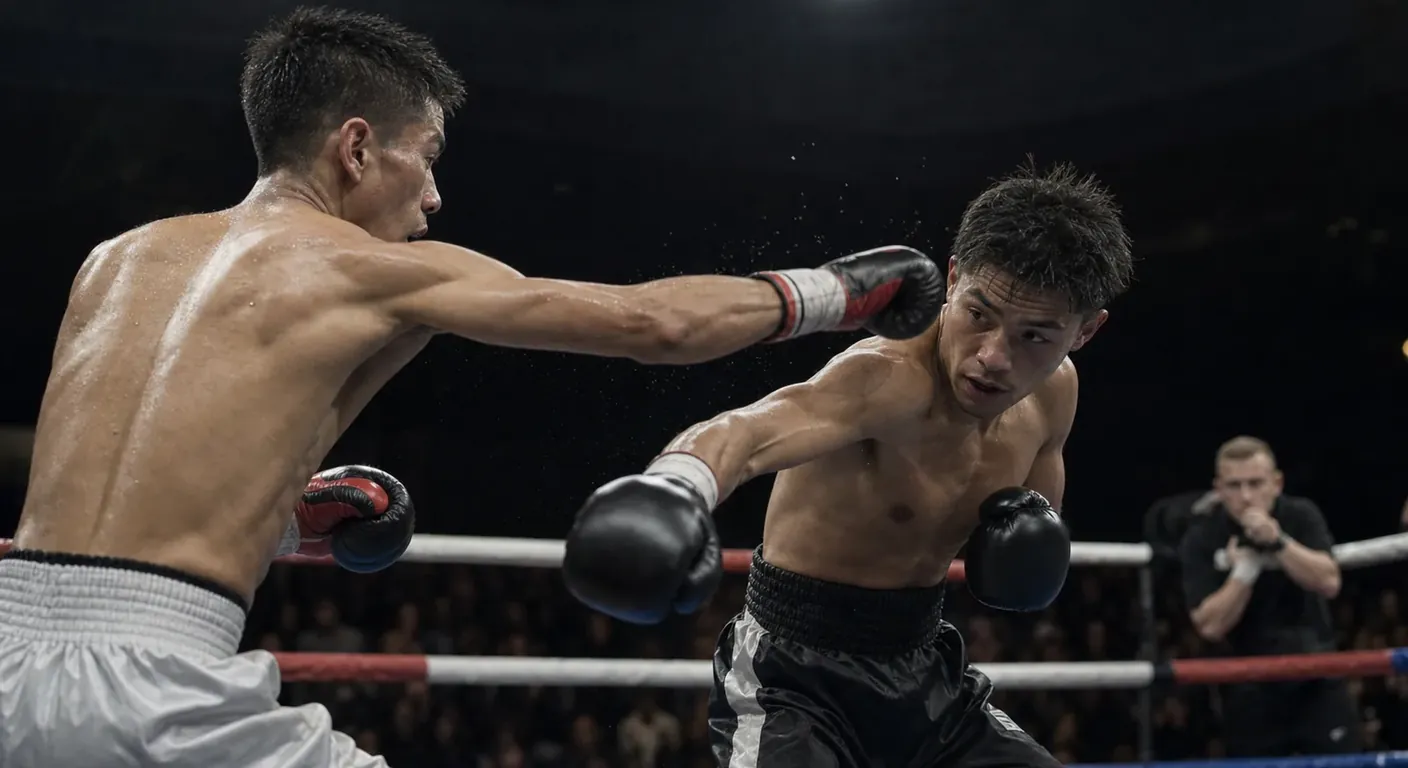
That distinction matters. When Jonathan “Bomba” Gonzalez and Abraham Perez met in Grand Rapids, the casual eye might have seen two lighter men moving quickly and trading in bursts. Watch it properly and you see something more useful: a title fight where tempo, positioning, punch choice and composure were being tested every few seconds.
Perez won the interim WBA flyweight title by split decision, with Boxing News reporting two 115-113 cards for Perez and one 115-113 card for Gonzalez. FIGHTMAG’s live results also framed it as Perez taking the belt after a tight, competitive night. That scoreline tells you the most important thing before you even watch a clip: this was not a one-punch story. It was a round-by-round problem.
The DAZN full card highlights for Jonathan Gonzalez vs Abraham Perez are worth using as a teaching clip because flyweights do not give beginners the luxury of slow mistakes. At heavyweight, a bad habit can sometimes hide behind size or power. At flyweight, bad feet, lazy hands or a panicked reset get exposed almost immediately.
Tempo is not just speed
Beginners often confuse tempo with going faster.
They jump into combinations, rush the pads, throw four punches when two would do, then call it intensity. Flyweight title fights show the difference. Tempo is not frantic movement. Tempo is control over when the fight speeds up and when it slows down.
Perez’s win over Gonzalez matters because he found enough moments to make the fight happen on his terms. The result was close, but the lesson is clear: if you can decide when exchanges start, when they end and where your opponent has to stand, you are not just working hard. You are boxing.
The reports above framed it as a flyweight title fight, which means the margins were always going to be thin. These fighters are light, sharp and conditioned for a pace that can feel rude if you are used to watching slower divisions. A half-step late is late. A jab brought back low is noticed. A lazy exit is chased.
For beginners at Honour and Glory, this is one of the first serious lessons. Do not try to win the session by being busy. Learn to change gears. Touch with the jab, pause, step, go again. Throw two punches cleanly rather than six badly. If your coach asks you to slow down, it is not because they want less effort. It is because they want better control.
Positioning wins the argument before the punches do
The best thing about watching a fast flyweight fight is how quickly positioning becomes obvious.
At this level, nobody wants to stand in the wrong place for long. Fighters are constantly trying to get their lead foot outside, square the opponent up, turn off the ropes, or make the other man reset before he can punch. To a beginner, that can look like restless movement. It is not. It is the argument underneath the fight.
Gonzalez, a southpaw with serious world-level experience, is not the sort of fighter you beat by simply marching forward. Perez had to earn his entries. He had to work through the danger of Gonzalez’s left hand, keep enough shape to avoid being picked off, and still make the rounds feel close enough to take on the cards. That is hard boxing.
The Bad Left Hook report on Perez nicking the decision over Gonzalez used the right kind of language for a fight like this: narrow, competitive, decided by small differences. That is exactly why it is useful for learners. Not every important lesson arrives as a knockout. Sometimes the lesson is a fighter being half a step closer to the right place, more often.
In the gym, that means your feet are not decoration. If your stance collapses after you punch, you have given the other person permission to answer. If you admire your work after landing, you are still there when the reply comes. If you back straight out with your chin high, you are making the ring smaller for yourself.
Good positioning is quiet. It does not always look dramatic. It lets you punch without reaching, defend without panicking and move without crossing your feet. Beginners who want the technical version should also read our southpaw stance guide for footwork and angles, because stance only matters when it helps you find better positions.
Punch selection beats throwing for the sake of it
Fast fighters can make beginners greedy.
You see the hands flying and think the lesson is volume. It is not. The lesson is selection.
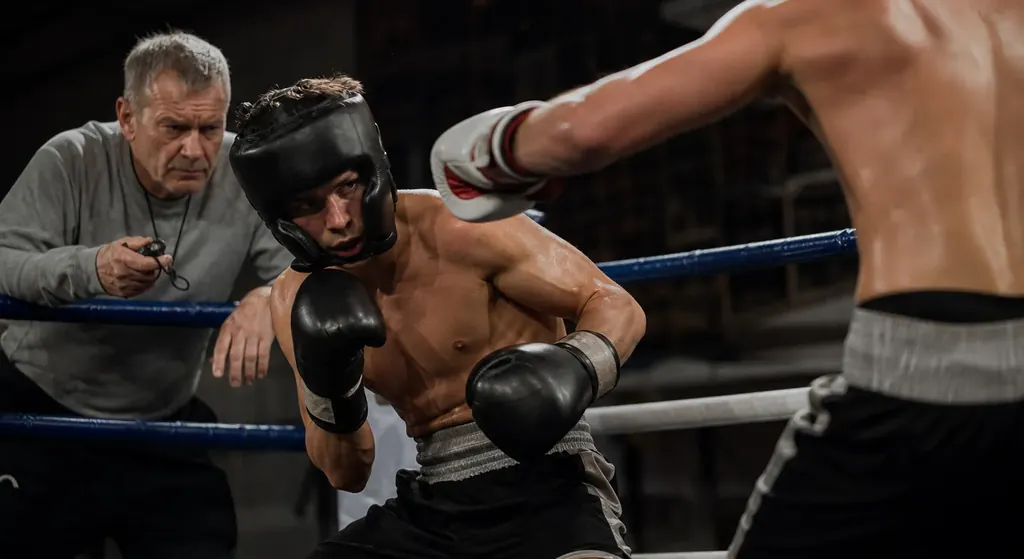
At flyweight, there is usually a lot of activity, but the good work still has a reason. Jabs break rhythm. Straight shots punish square feet. Body shots slow movement. Short hooks punish exits. The point is not to empty the tank every time an opponent is in range. The point is to pick the correct tool before the window closes.
This was where the Gonzalez vs Perez fight became interesting. Gonzalez had the experience and skill. Perez had to prove he could stay disciplined enough to take rounds from him. According to the Boxing News report, the split decision came down to two judges seeing Perez edge it by the narrowest practical margin. In a fight like that, wasted punches matter. Missed chances matter. A jab that lands cleanly can be worth more than a rushed three-punch burst on gloves.
The build-up also suggested a competitive fight rather than a walkover. Fights Around The World covered the weigh-in results and betting odds, while World Boxing News previewed Gonzalez headlining the DAZN card with names such as Troy Isley and Bryant Jennings also involved. This was a proper card, not a random clip floating around online.
For beginners, the coaching point is simple: every punch should have a job.
A jab can find range. A jab can blind. A jab can stop someone stepping in. A right hand can score, but it can also make space for the left hook. A body shot can win later minutes rather than the current second. Even on the bag, do not just hit. Decide. If you are throwing because you are nervous, your opponent will feel it. If the number system still feels new, our boxing punch numbers guide for beginners explains how coaches turn those choices into simple calls.
Composure under pressure is a trained skill
The hardest part of boxing is not always getting hit. It is staying sensible after getting hit, after missing, after losing a position, or after realising the other person is not going away.
Perez had to stay composed because Gonzalez knows how to steal rounds, change rhythm and make opponents question themselves. Gonzalez had to stay composed because Perez kept making the fight competitive. That tension is why the result carried weight, with the WBA’s own post on X adding to the official sense that Perez had moved into a new place in the division.
Beginners often imagine composure as a personality trait. Some people are calm, some people are not. Boxing teaches a better truth: composure is trained.
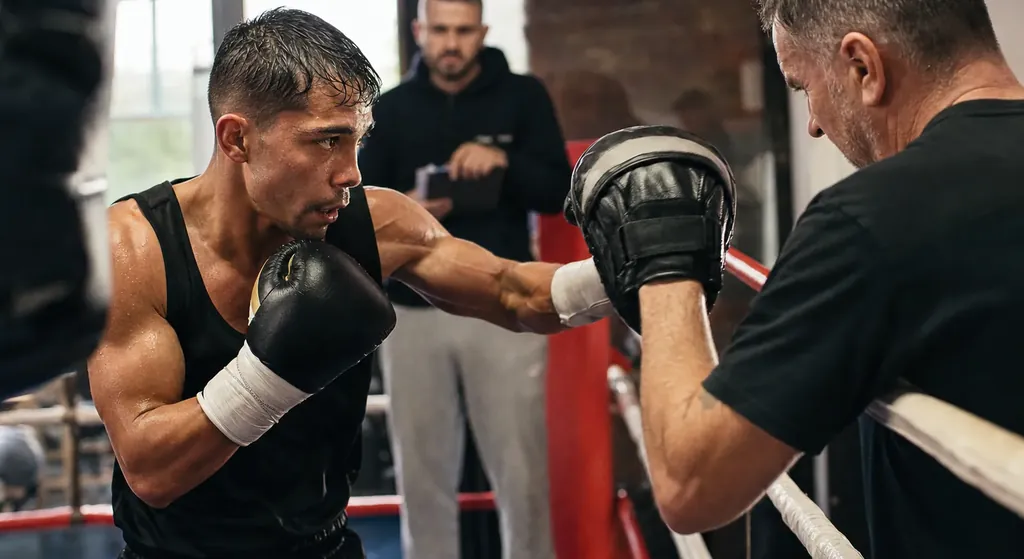
You learn it when you get corrected and do not sulk. You learn it when you miss a punch and bring your hand back properly. You learn it when sparring gets uncomfortable and you breathe instead of swinging harder. You learn it when a coach tells you to step off at an angle and you actually do it, even though your instinct is to retreat in a straight line.
Composure is the filter. It lets you ignore the crowd, the card, the score, the last exchange and the mistake you made ten seconds ago.
What beginners at Honour and Glory should copy
Do not copy the professional stakes. Do not copy the weight cutting. Do not copy the idea that every session has to look like a title fight.
Copy the habits.
From Gonzalez vs Perez, beginners should take four things.
First, control your tempo. Fast is useful only when you can still defend, breathe and think.
Second, win better positions. A small step can be more valuable than a big punch.
Third, choose punches with purpose. Jabs, body shots and straight punches are not boring. They are the language of the sport.
Fourth, stay composed when the pace rises. That is where boxing starts to separate people who merely like hitting pads from people who are learning the sport properly.
At Honour and Glory in Kidbrooke, our Recreational Adults boxing classes are built around that foundation, and our junior pathway starts from age 7. If you are close to Kidbrooke, the club is local enough to make consistent training realistic. The club is Alliance/ABA affiliated, but the first lesson is not glamour or belts. It is stance, balance, distance, listening and control.
That is why a fast flyweight title fight is such a good watch for new boxers. Gonzalez vs Perez was not useful because it looked easy. It was useful because it showed how much serious boxing happens between the obvious punches.
Perez left with the belt. Gonzalez left with plenty of respect. Beginners should leave with something more practical: slow your mind down, even when the fight speeds up.
H&G Team
Writer at Honour & Glory Boxing Club, a community boxing gym in Kidbrooke, South East London.
KEEP READING
Zayas vs Ennis: press conference lessons
What Zayas vs Ennis fight week teaches boxers about pressure, body language and staying disciplined before a big night.
Tommy Fury vs Eddie Hall: Boxing Lessons
What the Manchester crossover bout showed about size, strength, distance and why proper boxing still matters.
Best Boxing Games on PS5 and Beyond
The honest PS5 answer is narrower than most lists admit. Here are the boxing games worth playing now, plus the classics that need older hardware.
Was this page helpful?
It takes one tap, and it genuinely helps.
Choose your next step
Turn this article into the right action
Some readers are ready to book. Some need the class route first. Pick the route that matches what you actually want.