Southpaw Stance in Boxing: Footwork, Angles and Drills
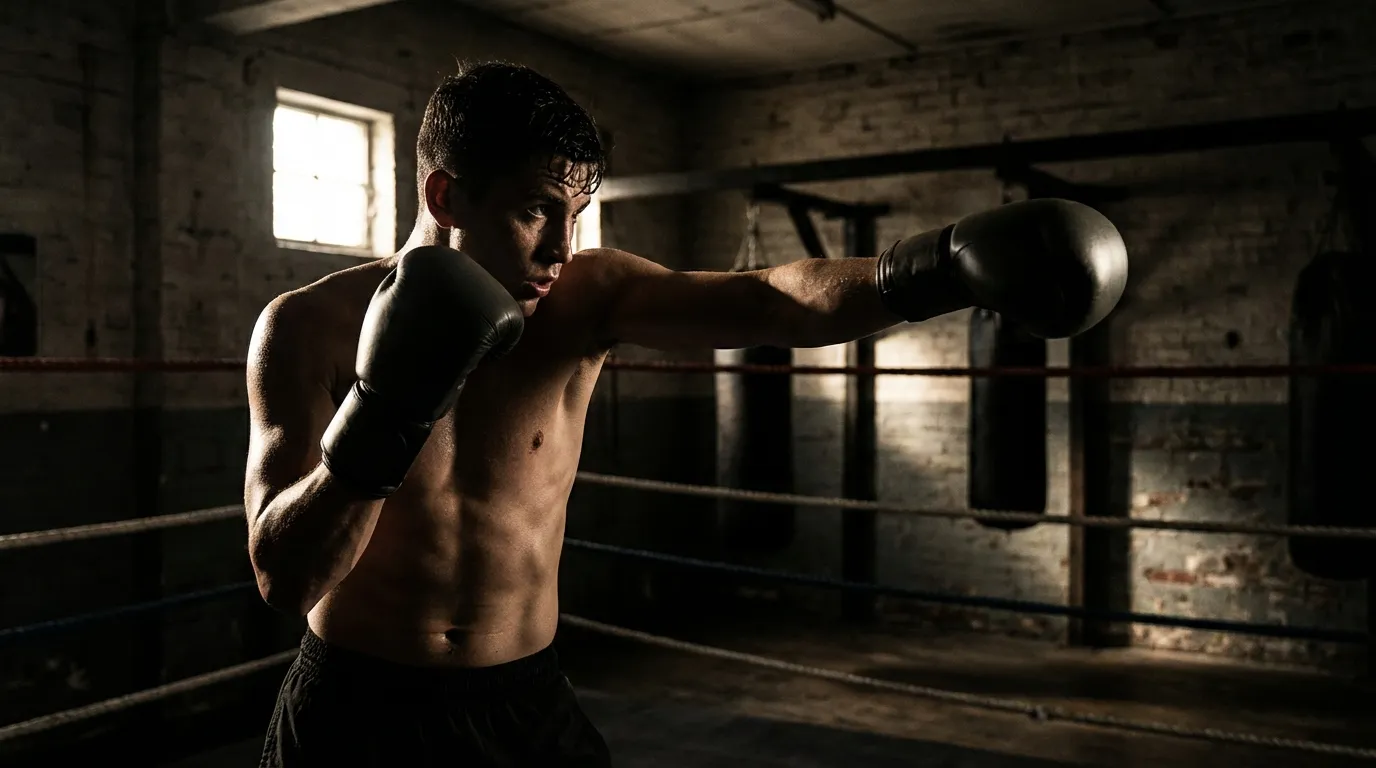
The southpaw stance is boxing with your right foot and right hand forward, your left foot and left hand behind, and your stronger left hand usually acting as the rear power hand. If you are left-handed, southpaw often feels natural. If you are right-handed, it can feel like someone has moved the floor underneath you.
The stance itself is not a trick. The advantage comes from how the southpaw stance changes the geometry of a fight. Against an orthodox boxer, the lead feet compete for the same outside space, the lead hands clash more often, and the straight left has a cleaner route down the middle than many beginners expect.
That is why southpaw fighters can be awkward even when they are not doing anything flashy. They make familiar boxing feel unfamiliar.
At Honour & Glory, we coach southpaw fighters as boxers first, not as a special case. The stance gives you useful angles, but only if your feet, jab, guard and recovery are trained properly. This guide breaks down what the southpaw stance is, why it works, how to train it, and what mistakes to avoid.
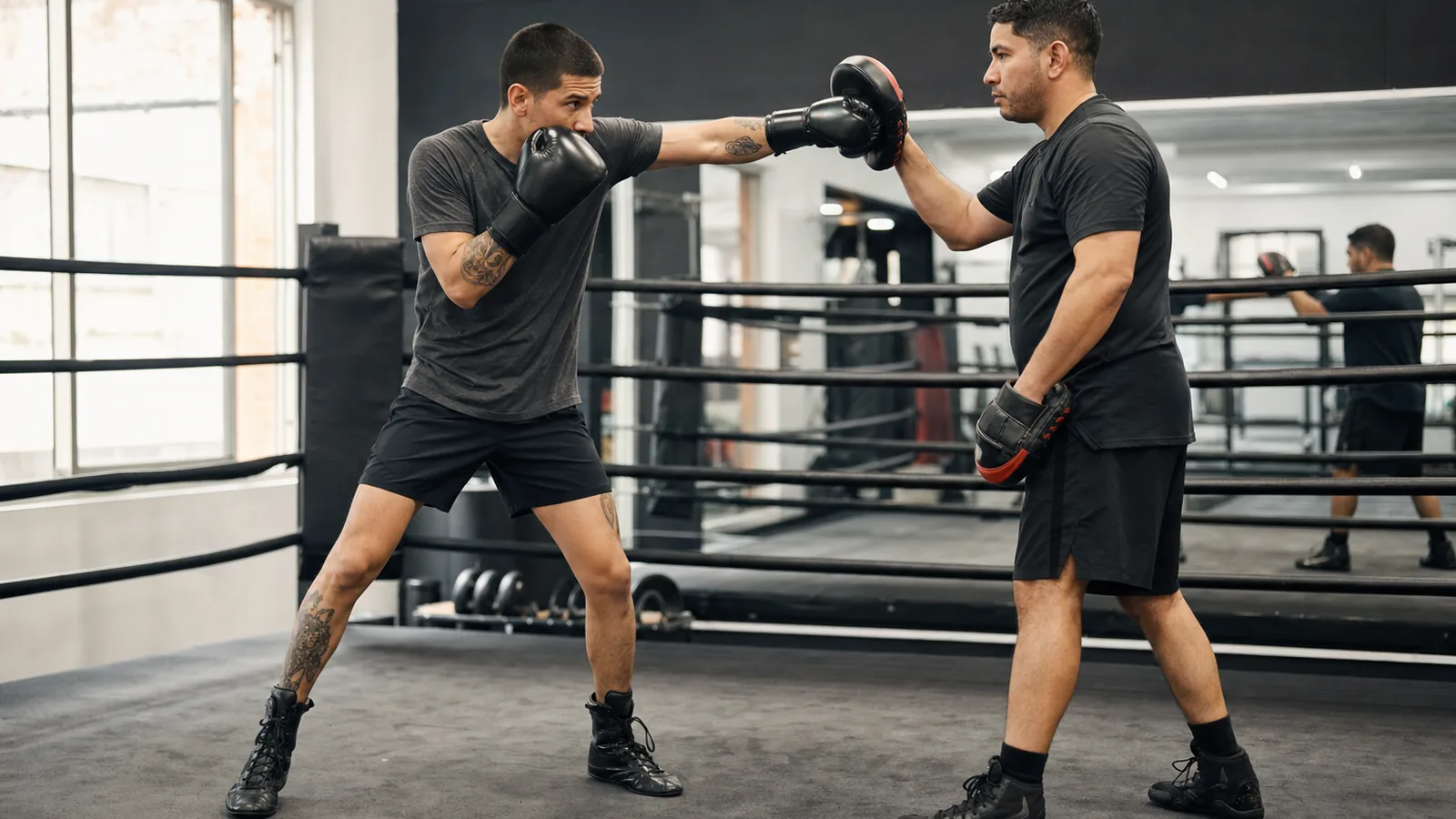
What is the southpaw stance?
A southpaw boxer stands with:
- Right foot forward
- Right hand forward as the lead hand
- Left foot behind
- Left hand behind as the rear hand
- Chin tucked behind the lead shoulder
- Feet wide enough to move, but not so wide that you cannot step
Orthodox boxing is the mirror image: left foot and left hand forward, right hand at the back.
For a left-handed boxer, southpaw usually puts the stronger hand at the rear, where it can be used for the straight left, rear hook and left uppercut. The right hand still matters. It jabs, measures, blocks, touches, frames and creates the timing for the rear hand.
A good southpaw stance should not look like an orthodox stance copied badly in a mirror. The balance has to work. The right jab has to be useful. The left hand has to return to guard. The feet have to move without crossing or squaring up.
Why southpaws feel awkward to fight
Most people are right-handed. That means most beginners learn orthodox, most padwork is taught orthodox first, and most sparring rounds are against orthodox partners.
Research backs up the broader advantage. A study published on PubMed, Left-handedness is associated with greater fighting success in humans, found robust evidence that left-handed fighters had greater fighting success across large professional boxing and MMA samples (PubMed). The University of Manchester's summary of the same research explains the likely reason clearly: left-handedness does not give a magic advantage by itself. It helps because it is rare, so opponents get less practice against it (University of Manchester).
That matters in the gym too.
If you are a southpaw, you spend most of your rounds seeing orthodox fighters. You learn their rhythm. You learn where their jab comes from. You learn how their right hand is set up.
The orthodox boxer gets far fewer rounds against someone like you. Their usual reactions are a fraction late. Their jab hits your lead hand instead of finding the centre. Their right hand needs a slightly different line. Their lead foot suddenly gets in a battle it does not usually have.
That unfamiliarity is useful. But it is temporary. Once someone has experience against southpaws, the advantage shrinks. Your job is to turn awkwardness into skill.
The open stance matchup
Southpaw vs orthodox is called an open stance matchup. Both fighters' chests face the open side more than they would in orthodox vs orthodox. Both lead feet are on the same side of the centre line. Both rear hands have a straighter route if the angle is won.
This changes three things straight away:
- The lead foot battle becomes central.
- The lead hand battle becomes busier.
- The rear hand becomes more dangerous for both fighters.
That last point matters. Southpaw does not mean safe. Your straight left is dangerous, but the orthodox boxer's straight right is dangerous too. If you admire your work, stand square, or drift onto their power side, you can be punished just as quickly.
Here is a useful short explainer on the southpaw vs orthodox problem. Watch the feet first, then watch the hands.
The key idea is simple: outside position gives you the better line. Getting there without reaching, crossing your feet or stepping on toes is the skill.
The lead foot battle
Against an orthodox boxer, your right foot is fighting their left foot for outside position.
If your lead foot gets outside theirs, your left shoulder and rear hand line up with the target. Their right hand has to travel across your lead side or reset before it can land clean. You are not invincible, but you have made your best punch easier and their best punch harder.
If they win outside position, the opposite happens. Their straight right opens up. Your left hand can become crowded. You may find yourself reaching or falling across your front foot.
Do not turn this into a giant step. Beginners often hear "get the foot outside" and start lunging. That makes them easier to hit. The better version is small, repeatable and boring:
- Step your right foot a few inches outside their lead foot.
- Slide the back foot with you.
- Keep your knees soft.
- Keep your head off the centre line.
- Punch only when the base is underneath you.
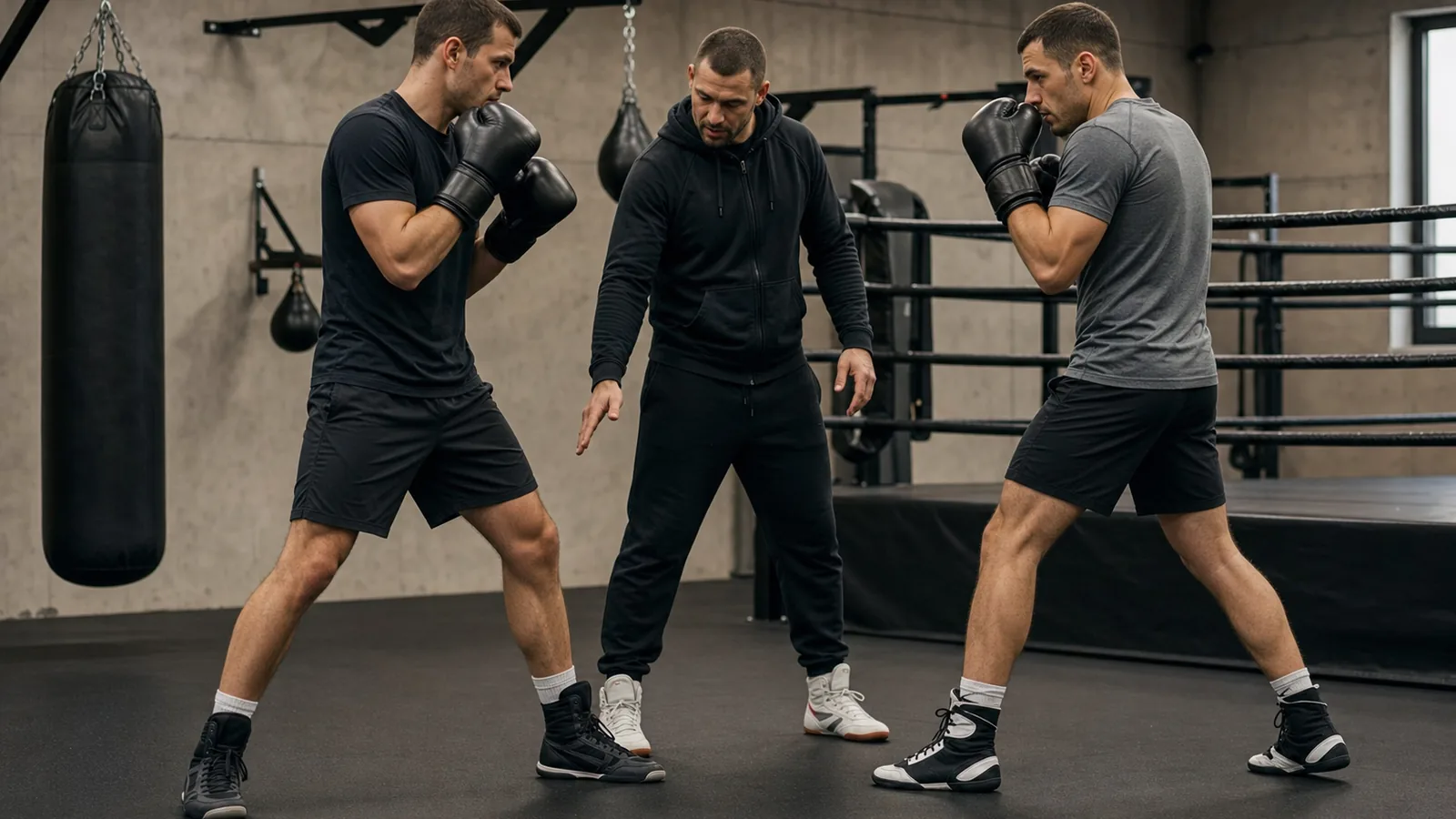
A good coach will make you drill this slowly. Not because slow work is glamorous, but because fast bad footwork just becomes faster bad footwork.
The southpaw jab
The southpaw jab is your right hand. For many left-handed beginners, that is the hand they trust least. They want to skip it and throw the left cross.
That is a mistake.
Your jab does more than score. It tells you where the opponent is. It occupies their lead hand. It stops them walking straight in. It gives your feet time to take the outside angle.
Useful southpaw jab targets include:
- Head
- Chest
- Lead shoulder
- Body
- Gloves
- Guard line
A jab to the chest can be better than a jab to the head for beginners because it gives you a bigger target and checks range. A jab to the body can draw the opponent's right hand down. A light touch on the lead glove can freeze their jab for half a beat.
The jab does not always need to be heavy. It needs to be honest enough that the opponent reacts.
Try this simple rhythm:
- Right jab to the chest.
- Small step outside with the right foot.
- Left cross straight down the middle.
- Exit to your right or reset with guard high.
Do not throw the left cross from where you started. Move the foot first or move it as the punch lands. Southpaw success is usually a foot and hand problem together.
The straight left
The straight left is the punch most people think of when they think about southpaw boxing. It is the rear hand. It is the clean line. It is the shot orthodox fighters feel coming late when they have not trained against it enough.
But the punch only works if it stays straight.
Common beginner errors:
- Pulling the left hand back before throwing
- Looping the shot around the guard
- Throwing before the front foot is set
- Falling over the lead leg
- Letting the right hand drop during the punch
- Staying in range after landing or missing
A good straight left starts from the floor. The back foot drives, the hip turns, the shoulder comes through, and the hand travels on a direct line. Your chin stays protected. Your right hand comes back to guard or checks the opponent's lead hand.
The setup matters more than the punch itself. If you just throw left hands from too far away, a competent orthodox boxer will see the rhythm and counter with their right. Make them look at the jab first. Make them deal with your lead hand. Step outside enough that the straight left is no longer a 50-50 trade.
The lead hand battle
In open stance, the lead hands meet constantly. Your right hand and their left hand are in each other's way.
This is why southpaw boxing can feel messy for beginners. The jab lane is not as clean as it is in same-stance boxing. Hands clash. Feet touch. Both fighters try to own the same space.
Use that battle deliberately.
You can:
- Tap their lead glove down before jabbing.
- Parry their jab with your right hand and answer with the left.
- Touch their guard to freeze them before stepping outside.
- Frame lightly to stop them falling in.
- Feint the right jab and throw the left to body or head.
Do not slap wildly at the lead hand. Small touches are enough. The aim is to make their timing slightly wrong, not to win an arm-wrestling match.
Which way should a southpaw move?
The simple beginner rule is: do not drift lazily towards the orthodox boxer's right hand.
If you are southpaw against orthodox, you will often be told to move to your right to get away from their rear hand, or to step left to take your outside angle depending on the exact coaching model and ring position. This can sound contradictory, because real boxing is not a compass drill. You need to understand the reason behind the movement.
The safe answer for beginners is this:
- Move with purpose, not habit.
- Know where their rear hand is.
- Win outside position before committing to the left cross.
- Exit after punching instead of staying on the line.
- Do not circle blindly into power just because a rule told you to.
If your coach is in front of you, follow their instruction for the drill. In an article, the most honest answer is that direction depends on range, foot position and what the opponent is doing. The constant principle is not "always go one way". It is "do not give their power hand a clean line while you chase yours".
Southpaw combinations that actually teach the stance
Do not build your southpaw training around long combinations at first. Build it around combinations that teach the feet, the jab and the exit.
1. Right jab, left cross
The basic one-two. Keep it clean. Jab first, cross second, recover the rear hand.
Coaching cue: the left hand should travel straight, not swing.
2. Right jab to body, left cross to head
This is a classic southpaw pattern. The body jab lowers the opponent's attention and helps your lead foot step outside. The left cross comes over the top.
Coaching cue: bend your knees for the body jab. Do not lean your head forward.
3. Lead hand touch, left cross
Use the right glove to touch, distract or move their lead hand. Then send the straight left through the lane you have opened.
Coaching cue: touch lightly. If the touch becomes a shove, you will overcommit.
4. Right jab, left cross, right hook
Once the cross has made the opponent cover, the right hook can come around the side. Keep the hook short.
Coaching cue: do not admire the cross. Bring the left hand back and turn the right hook from the hip.
5. Left cross to body, right hook upstairs
This is more advanced because you have to change levels without falling in. It is useful when the opponent's guard is high and they are waiting for the head shot.
Coaching cue: step out after the hook. Do not stay chest-to-chest unless you are being coached for inside work.
Drills for learning the southpaw stance
Tape-line footwork drill
Put a strip of tape on the floor to represent the opponent's lead foot. Start in southpaw stance. Step your right foot just outside the line, slide the back foot with you, throw a right jab and reset.
Do three rounds of two minutes. Slow is fine. Balance matters more than speed.
Mirror stance check
Shadow box in front of a mirror. Every few seconds, freeze and check:
- Is the right foot still forward?
- Is the back heel light?
- Are the knees bent?
- Is the chin behind the lead shoulder?
- Is the left hand coming back after punching?
If the stance falls apart when you punch, slow down.
Lead hand only sparring
With a partner, use only the lead hand. No rear hands. No power. The goal is to feel the lead hand battle without panicking.
Southpaw uses the right hand. Orthodox uses the left hand. Work on touching, parrying, jabbing and stepping.
Outside-foot shadow round
Shadow box for three rounds where every attack has to include a foot adjustment first. Do not throw from a static square stance. Step, jab, cross, exit.
This builds the habit that the punch belongs to the footwork.
Padwork with open stance
The pad holder stands orthodox. The boxer stands southpaw. The coach gives simple patterns:
- Right jab, left cross
- Body jab, left cross
- Touch lead hand, left cross
- Jab, cross, right hook
- Left cross, step off, right hook
The coach should watch the feet more than the hands. If the boxer wins the angle but loses balance, the combination is not ready yet.
Should right-handed beginners use southpaw?
Usually, no.
There are exceptions. Some right-handed fighters box southpaw because they want their stronger hand in front. Some elite boxers can switch. Some people with experience in other stance-based sports may feel more natural that way.
But for a normal beginner, stance switching too early creates more problems than it solves. You end up with two weak stances instead of one reliable one.
If you are right-handed and brand new, start orthodox unless a coach has a clear reason to do otherwise. Learn your guard, balance, jab, cross, hooks, footwork and defence. Once the basics are stable, you can study southpaw properly.
If you are left-handed and were automatically put orthodox, ask your coach to test you in southpaw. You may immediately feel more organised. You may not. The right answer is the stance that lets you move, defend and punch with balance, not the stance that sounds clever.
Common southpaw mistakes
Relying on being awkward. Surprise is not a game plan. It helps early, then disappears when the opponent adjusts.
Throwing the left hand naked. If every attack starts with the straight left, you become predictable. Build the right jab.
Standing square. Tired southpaws often end up facing the opponent with both shoulders. That kills hip rotation and makes you easier to hit.
Chasing outside foot position. You do not need a giant step. You need a usable angle. If you lunge for it, you give the opponent the timing.
Moving without knowing where the right hand is. Against orthodox fighters, their rear hand is live. Do not drift onto it casually.
Copying elite fighters without the base. Watch Usyk, Pacquiao, Lomachenko, Shakur Stevenson or Terence Crawford for ideas, but do not copy the highlight before you can hold the stance. Their flair sits on years of balance and timing.
A simple four-week southpaw practice plan
If you are training two or three times per week, use this as a starting structure.
Week 1: stance and balance
Focus on getting comfortable with the right foot forward. Shadow box slowly. Use the mirror. Keep combinations to jab, cross and reset.
Week 2: jab and lead hand
Build the right jab. Use chest jabs, body jabs and lead-hand touches. Do not chase power yet.
Week 3: outside foot and straight left
Start adding the lead foot step before the left cross. Make the straight left cleaner, not harder.
Week 4: partner drills
Add light technical partner work. No ego. No heavy sparring. Work on lead-hand control, outside foot position and clean exits.
Repeat the cycle. Southpaw skill comes from thousands of small stance corrections, not one magic trick.
Training southpaw at Honour & Glory
At Honour & Glory in Kidbrooke, we coach both orthodox and southpaw boxers in the same technical language: balance first, feet under you, hands back, no shortcuts. Southpaw fighters get the stance-specific work they need, but they still have to learn the same fundamentals as everyone else.
If you are left-handed, curious about your stance, or struggling to make southpaw feel organised, come in and let a coach look at it properly. A few minutes of live correction can save months of guessing.
Claim a free trial session at Honour and Glory Boxing Club.
Related guides
- Basic Boxing Punches for Beginners - build the punches before you complicate the stance
- Switch Hitting in Boxing: Advanced Stance Switching Guide - when changing stance becomes a tactic
- Body Shots in Boxing: How to Attack and Why It Works - useful targets for southpaw left hands and body jabs
- What to Expect at Your First Boxing Class - how beginner coaching works at H&G
H&G Team
Writer at Honour & Glory Boxing Club, a community boxing gym in Kidbrooke, South East London.
KEEP READING
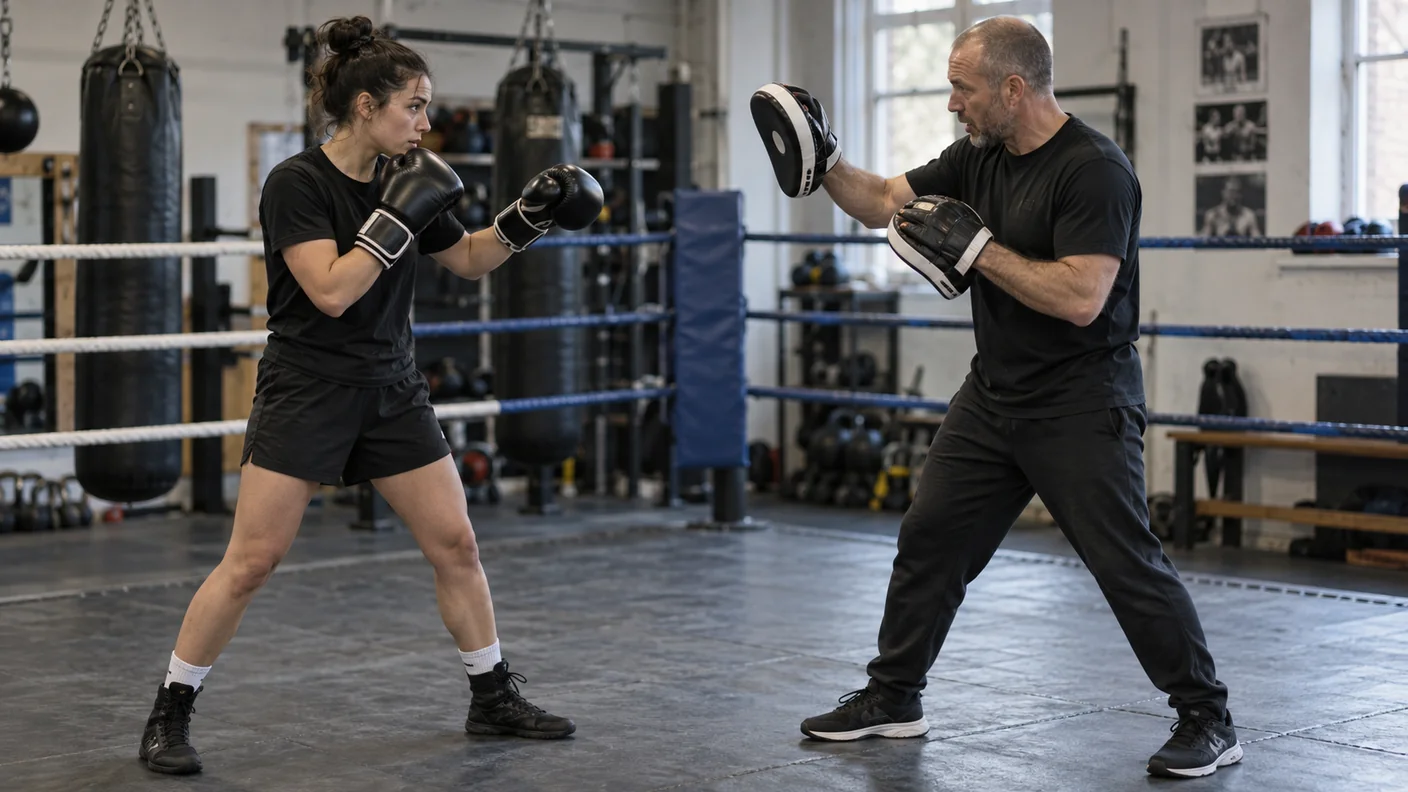
How to Hold Pads for a Southpaw Boxer
A practical guide to pad position, stance and clear calls when your partner boxes southpaw.
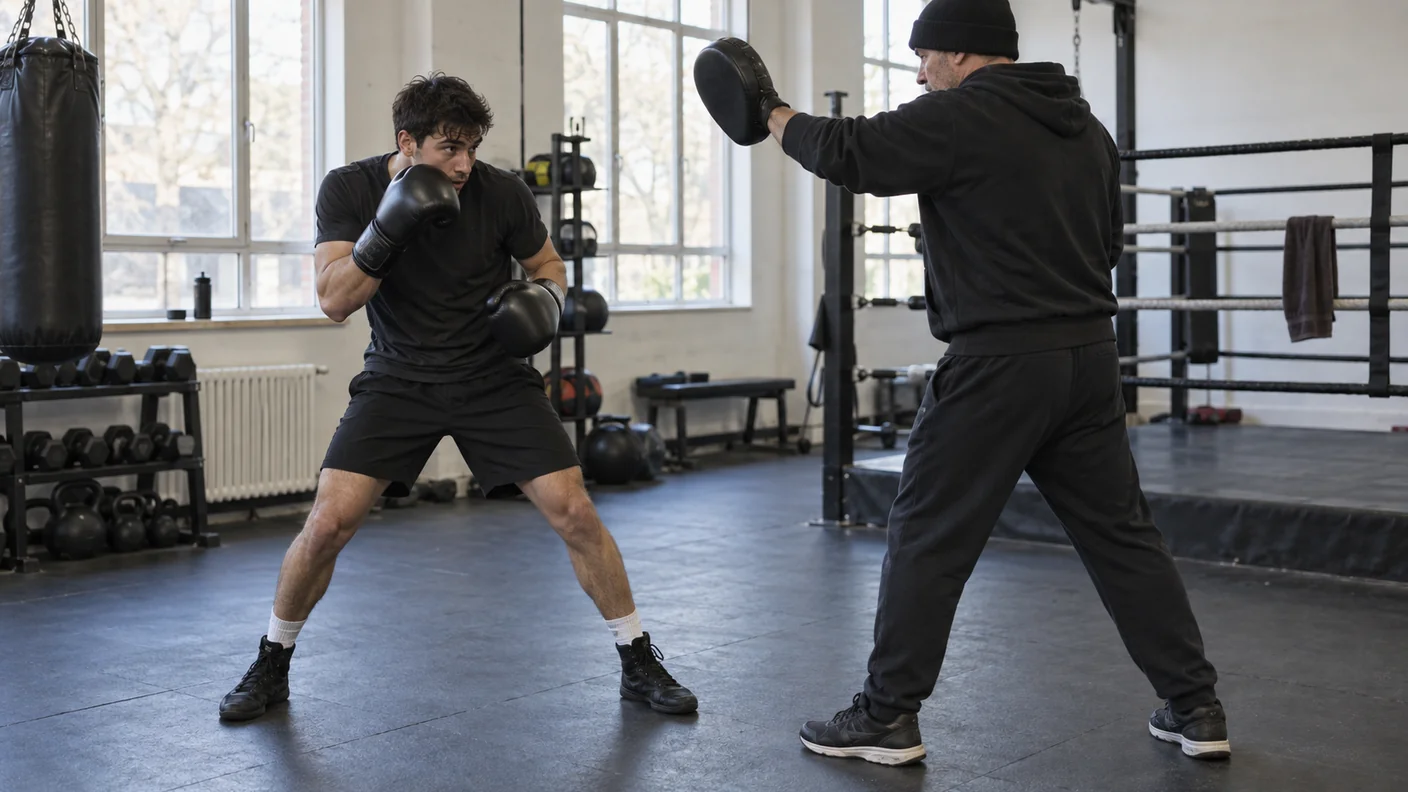
Open-Stance Pre-Slip: Find the Outside Line
Use a compact pre-slip in open stance to change the centre line, prepare an angle and stay balanced enough to make the next decision.
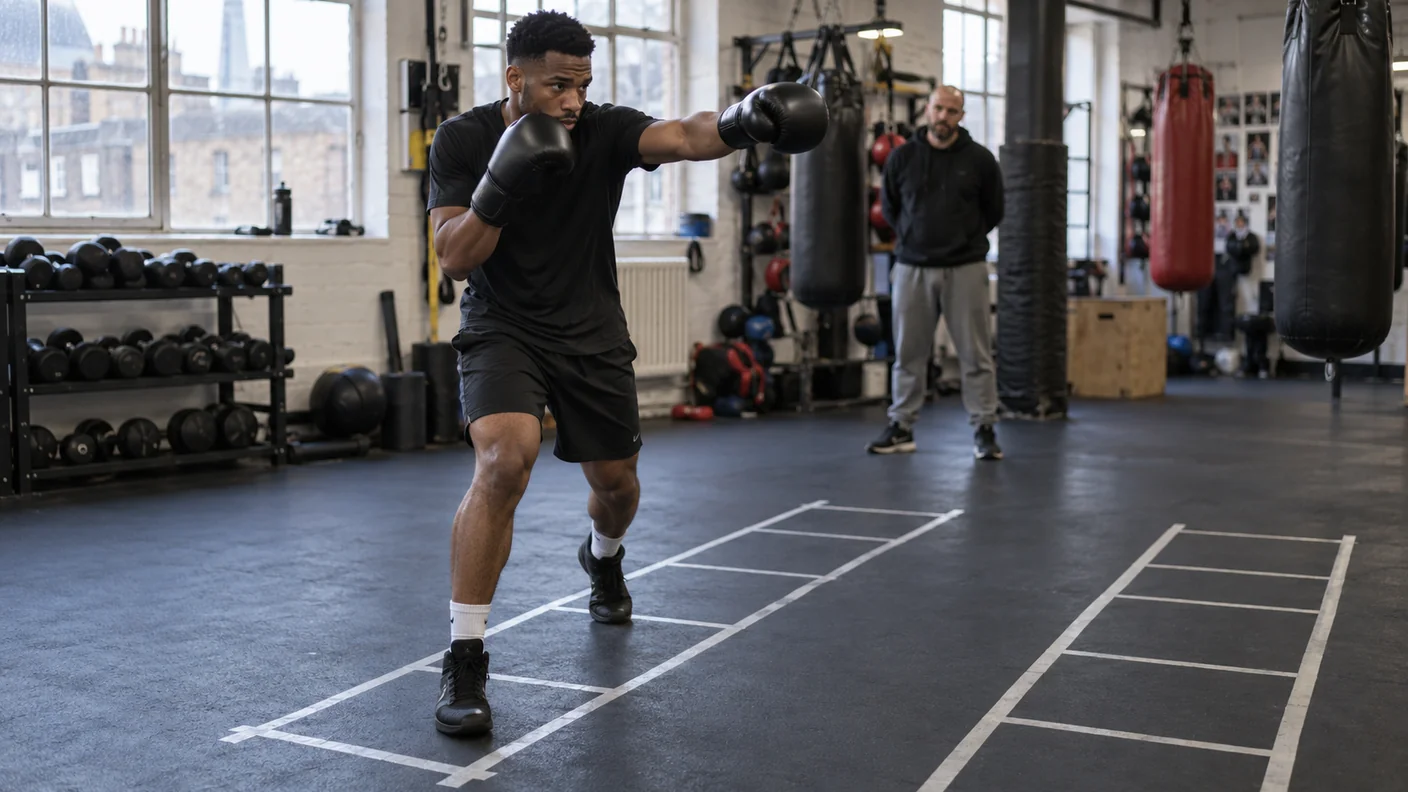
In, Out, Across: Boxing Footwork Drill
A three-direction boxing footwork drill for entering range, leaving safely and changing the line without losing your stance.
Was this page helpful?
It takes one tap, and it genuinely helps.
Choose your next step
Turn this article into the right action
Some readers are ready to book. Some need the class route first. Pick the route that matches what you actually want.