
Yes, some people with asthma can train in boxing. That does not mean everyone should walk into a hard session and hope for the best.
Asthma is a real medical condition, not a small fitness excuse. The NHS asthma guide describes symptoms such as wheezing, breathlessness, chest tightness and coughing, and it also makes clear that treatment plans and inhalers matter. A boxing coach is not a substitute for that advice.
The Short Answer
Boxing with asthma depends on control, triggers and common sense.
A beginner boxing class is usually built from warm-up drills, footwork, shadowboxing, bag work, pads, conditioning and short rest periods. That can be scaled. You do not need to spar to learn boxing, and you should not be pushed into contact work just because you turned up for a trial.
The part to respect is intensity. Boxing is stop-start, but those bursts can feel sharp. A round on pads can move from calm to breathless faster than a steady jog because your arms, legs, core and attention all switch on at once.
If you are thinking about our Recreational Adults boxing class, tell the coach before the warm-up. Do it quietly at the start, not halfway through a hard round when you are already tight in the chest.

Why Boxing Can Feel Different From Running
Boxing makes breathing messy for beginners because the effort keeps changing.
Running lets you settle into a rhythm. Boxing asks you to move, punch, reset, listen, defend your shape, and then go again. That is part of the appeal, but it can be awkward if you are prone to exercise-triggered symptoms.
Asthma + Lung UK says exercise can trigger asthma symptoms for some people, especially if they breathe in colder or drier air, and it gives advice on warming up, using prescribed preventer treatment and keeping a reliever inhaler nearby (Asthma + Lung UK exercise-triggered asthma advice). That maps neatly onto boxing: do not skip the warm-up, do not sprint emotionally through the first round, and do not hide the issue from the person coaching you.
The mistake is trying to prove toughness. Boxing already rewards calm breathing. If you hold your breath, clench your jaw and throw every shot like a final punch, you will gas out even without asthma. With asthma, that same beginner panic can become a bigger problem.
Our guide to breathing properly in boxing covers the technical habit. For an asthmatic beginner, that habit is not a small detail. It is part of making the session manageable.
What To Check Before Your First Class
Check your asthma control before you book, not after you arrive.
This does not need to become a dramatic medical screening. It does need honesty. Ask yourself whether you have had recent symptoms, whether exercise commonly triggers you, whether you know when and how to use your inhaler, and whether you have been given any restrictions.
Speak to a clinician before boxing if:
- your asthma has recently been worse than usual
- you are using your reliever inhaler more often than advised
- exercise regularly causes wheezing, coughing or chest tightness
- you have had a recent asthma attack
- you are not sure what your asthma action plan says about hard exercise
- you also have chest pain, dizziness, fainting or unexplained breathlessness
The NHS exercise guidance recommends regular activity for adults, but general activity advice still has to be applied to the person in front of us. If you are medically unsure, get the green light first.

How To Tell The Coach Without Making It Awkward
Tell the coach in one plain sentence before the session starts.
You do not need to give a full medical history in the middle of the gym. You can say, "I have asthma, I have my inhaler with me, and I may need to take a short break if my breathing gets tight." That is enough for a coach to scale the work and keep an eye on you.
Good coaches would rather know early. It helps them avoid silly choices, such as pairing you into a frantic pad round before they have seen how you breathe under effort. It also means they can give you permission to step out without you feeling like you have failed.
At Honour and Glory, the point of a beginner session is not to break you. It is to teach you how to train. That means pacing, listening, and building enough confidence to come back next week.
If you are in Greenwich or nearby South East London, the simple route is to start with a coached trial rather than guessing from the sofa.
How To Pace The First Session
Start slower than your ego wants.
Your first job is not to smash the bag. It is to learn how your breathing reacts to boxing. Use the warm-up properly, keep your shoulders loose, and throw neat punches rather than big angry ones. If the coach calls a combination, exhale on each shot and then breathe during the reset.
A sensible first class looks like this:
- arrive early enough to speak to the coach
- bring your prescribed inhaler and keep it where you can reach it
- warm up gradually rather than treating the first drill like a race
- use controlled power on pads and bags
- take a break early if breathing tightens
- stop if symptoms feel wrong, sharp or unusual
There is no prize for hiding a breathing problem. If you need a minute, take a minute. The adult who trains sensibly for three months beats the adult who turns one trial into a survival test.
Our article on why beginners gas out in boxing explains the normal version of this problem. Asthma adds a medical layer, but the coaching principle stays the same: slow down before poor breathing turns into panic.
If An Asthma Attack Starts During Training
If asthma symptoms start during training, stop immediately and sit upright. Use your reliever inhaler as set out in your asthma action plan and tell the coach. Call 999 if symptoms get worse, if the reliever inhaler is not helping, if you do not feel better after the maximum dose in your plan, or if you do not have your inhaler. Do not return to training that day; follow your asthma plan and seek clinical advice before training again.
For the official guidance, see the NHS asthma advice and Asthma + Lung UK on asthma attacks.
What About Children With Asthma?
Parents should treat asthma as a coaching and medical conversation, not a reason to assume boxing is impossible.
Children can be active with asthma when it is properly managed, but parents need to be clear with the club. Bring the inhaler, tell the coach, explain any trigger pattern, and make sure the child knows they are allowed to stop and ask for help.
For junior classes, the same rule applies: no drama, no hiding, no guessing. If a child has had recent symptoms, a recent attack or unclear medical advice, speak to the GP or asthma nurse before starting a new hard activity.
When Boxing Is Probably Not The Right Move Today
Sometimes the best boxing decision is not to train that day.
Do not come to class if your asthma is flaring, you are chesty, you are recovering from a bad attack, or you feel breathless before the session has even started. Do not use a boxing class to test whether you are fine. That is what your asthma plan and clinical advice are for.
Also be careful with heat, cold air and illness. Boxing gyms can get warm, and hard rounds can make people forget to drink or slow down. Our piece on hot weather boxing training covers the heat side, but asthma adds another reason to monitor how you feel.
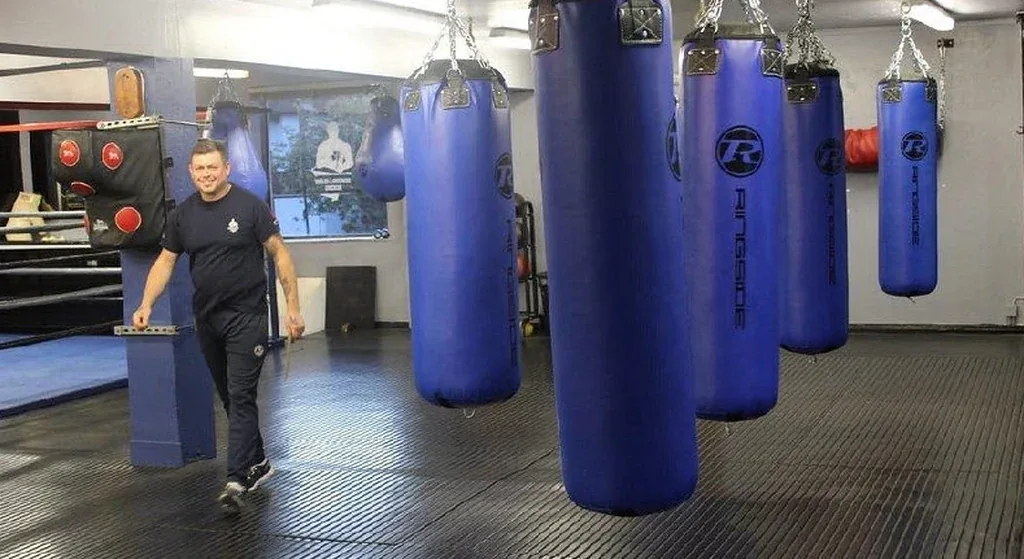
The Honest H&G Answer
Boxing can suit some beginners with asthma because it is coached, skill-based and adjustable. It is not just a blind fitness test.
The right session should let you learn the basics, control your effort, and pause when needed. The wrong session is one where you feel pressured to keep quiet, go too hard, or pretend symptoms are not happening.
Bring your inhaler if you have been prescribed one. Tell the coach. Warm up properly. Respect your asthma plan. If you are unsure, ask a clinician before you train.
Then, if boxing is suitable for you, turn up and learn properly. Calm beats bravado every time.
H&G Team
Writer at Honour & Glory Boxing Club, a community boxing gym in Kidbrooke, South East London.
KEEP READING
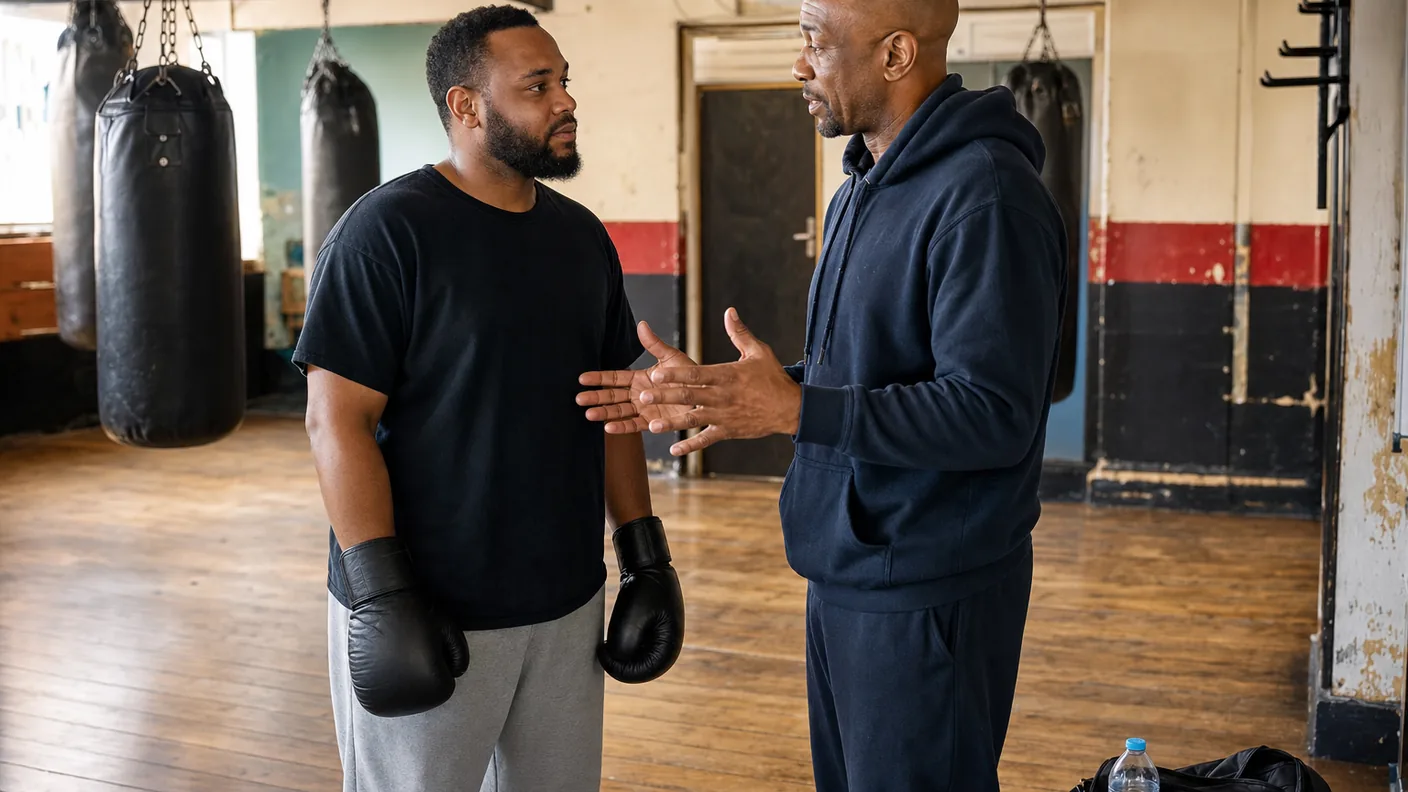
Can You Box With Diabetes?
A careful guide to boxing with diabetes, blood glucose checks, hypo risk, coach communication and safer beginner training.
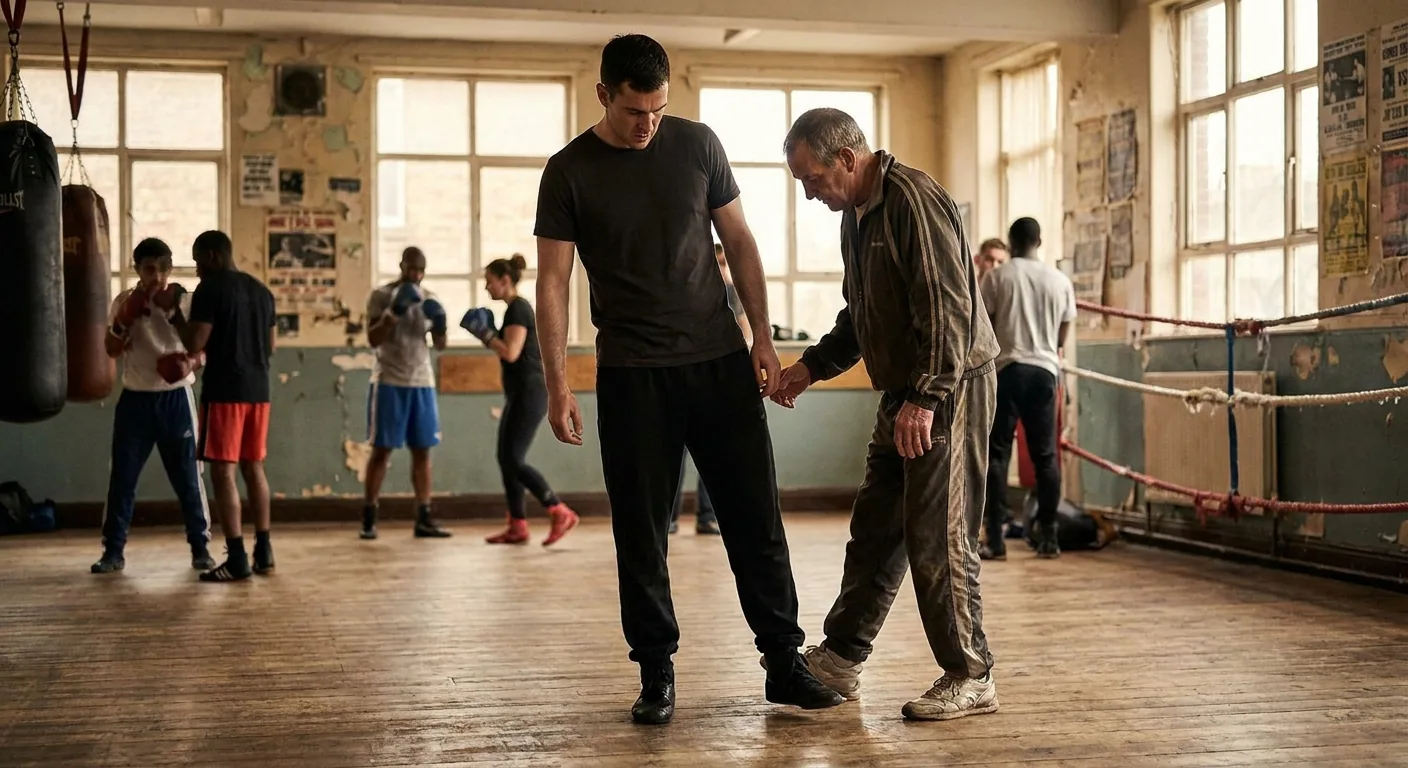
Boxing If You Are Clumsy: Why It Helps
Feel clumsy in the gym? Boxing gives adults a practical way to build rhythm, balance and body control without pretending to be elite.

Can You Go to a Boxing Class Alone?
Yes. Going to boxing alone is normal. Here is how a good first class should help you settle in, train properly and come back.
Was this page helpful?
It takes one tap, and it genuinely helps.
Choose your next step
Turn this article into the right action
Some readers are ready to book. Some need the class route first. Pick the route that matches what you actually want.