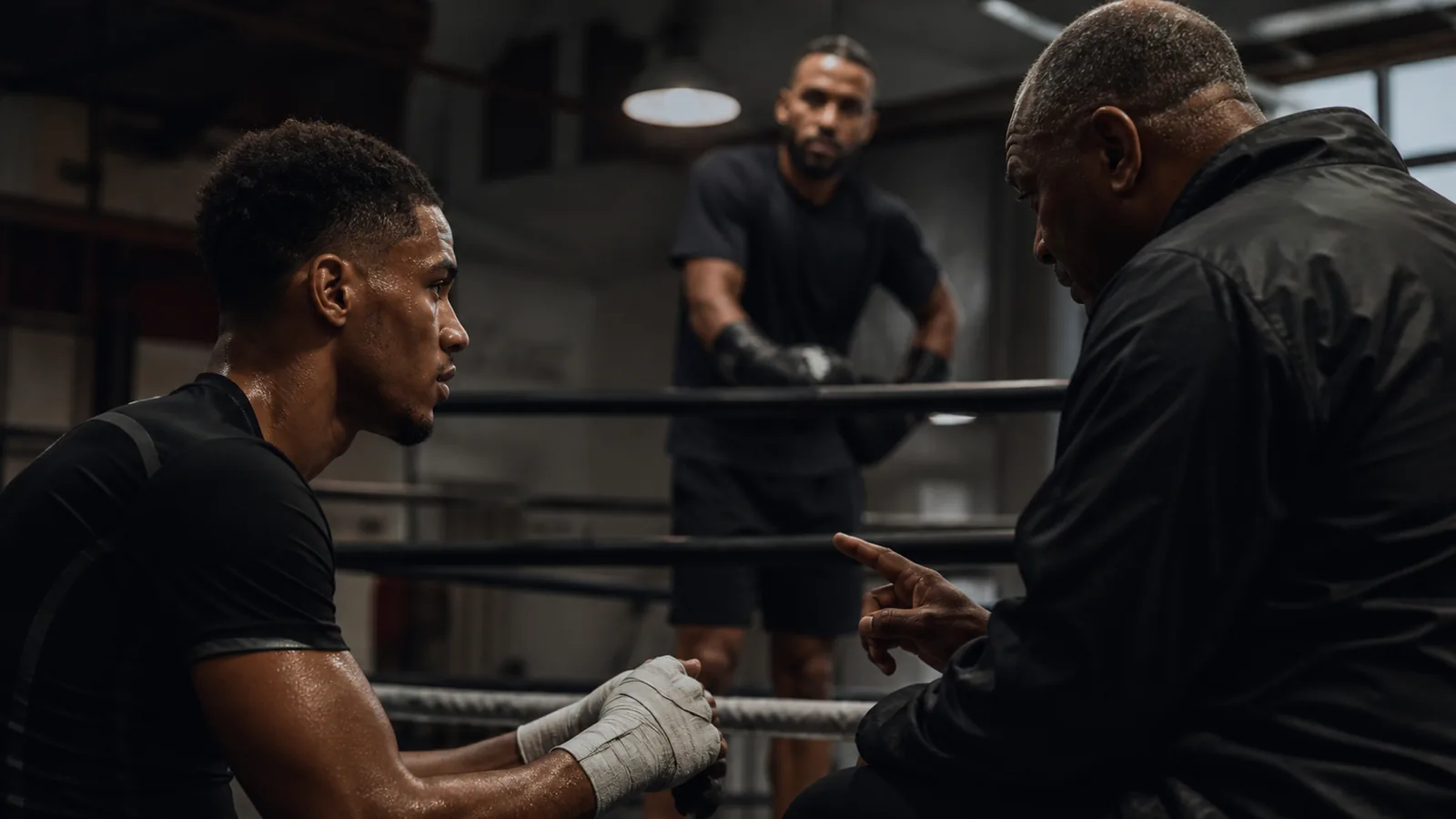
Ben Whittaker vs Anthony Yarde: why Tunde Ajayi’s offer matters
Tunde Ajayi saying yes to Ben Whittaker versus Anthony Yarde is more than a useful soundbite. It is a proper domestic light-heavyweight proposition, and British boxing should treat it that way.
Whittaker has reached the stage where talent alone is not enough. The Olympic silver medallist has the feet, reflexes, timing and personality to make people watch. He also now has a professional run that demands a tougher question: can he beat a seasoned contender who has lived at world level, carries real power, and will not be impressed by the theatre?
Yarde is that question.
The Ring reported that Ajayi’s response to the possibility was emphatic: “Yes. Do you need me to spell it? Y. E. S.” That is an offer worth taking seriously, not because it guarantees a signed fight, but because it gives Whittaker a route to prove where he belongs in Britain’s 175lb division.
Whittaker has earned a meaningful step, not a ceremonial one
Ben Whittaker is no longer an unknown prospect being protected from difficult questions. He is 12-0-1 with nine stoppages, according to his Box.Live profile, and his last two wins have been short and sharp. He stopped Braian Suarez in a round in April, then dealt with Richard Rivera in two rounds in Brooklyn.
Those performances matter. So does the manner of them.
Whittaker’s best work is built around distance. He makes opponents reach, changes the beat of the fight, gives them a look they think they understand, then punishes the reaction. The shoulder rolls and showmanship are not always separate from the boxing. Often they are part of the trap.
But there is a difference between looking brilliant against a man who cannot solve you and beating a contender who has already been through hard fights, title fights and ugly moments.
That is why Declan Taylor’s argument in The Ring that Yarde would be the perfect test is right. Whittaker does not need another opponent selected mainly to make him look quick, loose and marketable. He needs a man with enough experience to make every lapse in concentration expensive.
Yarde would do that.
Whittaker has also made clear that he sees the fight as credible. Speaking before the Rivera bout, he told Bad Left Hook that Yarde is “a very good name”, adding that he respects what the Londoner has achieved but believes he would beat him. Later, The Ring reported Whittaker describing it as “young pup versus the older pup”.
That is the right level of ambition. Respect the man, understand the danger, then say you believe you can win.
Yarde brings the experience Whittaker has not yet had to solve
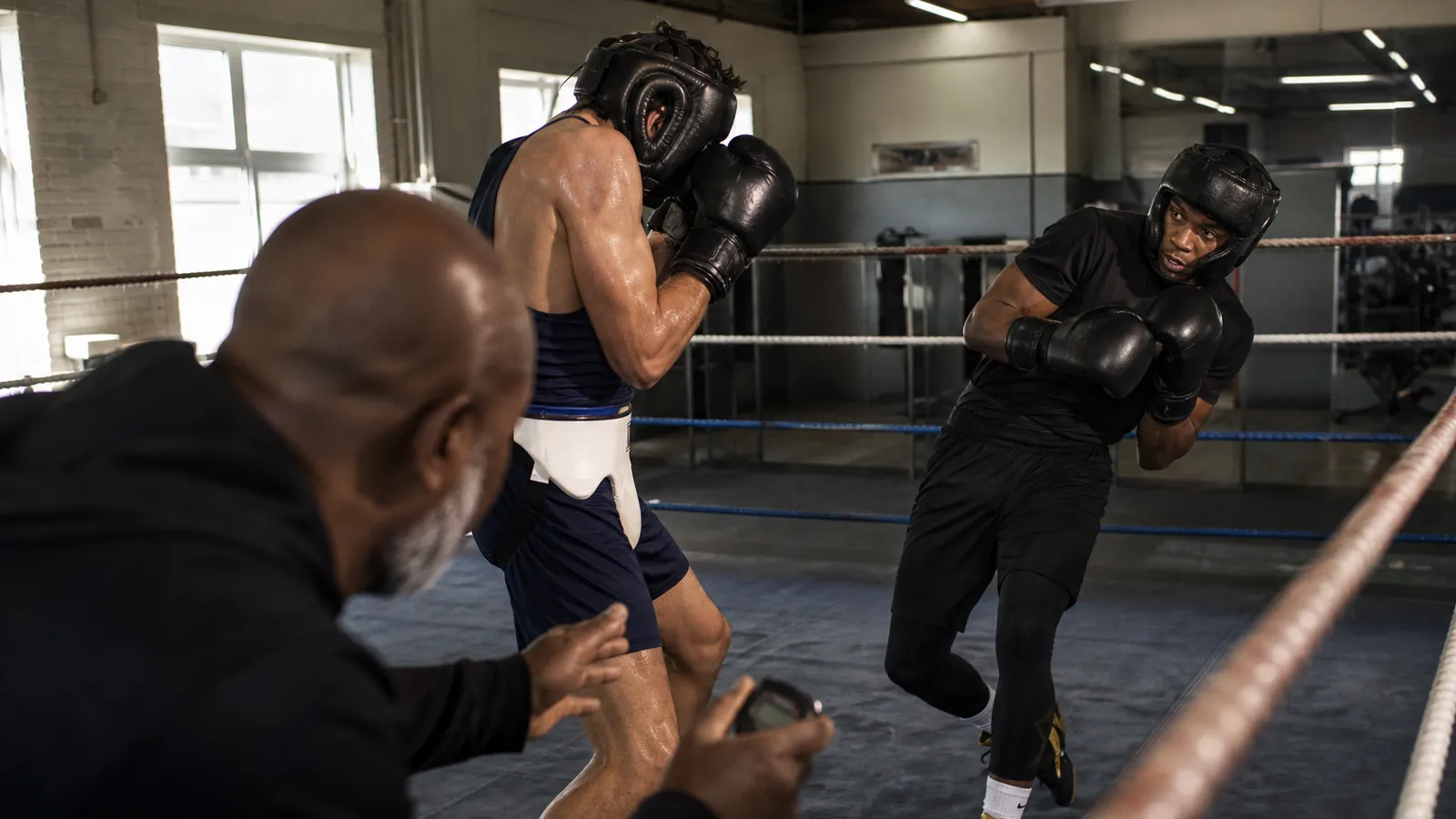
Anthony Yarde is not merely a recognisable name from a previous generation of British boxing. He is a three-time world-title challenger with 24 knockouts in 27 wins. He has had to build himself through real risk, and that matters.
He has shared a ring with Sergey Kovalev, Artur Beterbiev and David Benavidez. He has lost those fights, but there is no shame in losing to elite operators after taking them into difficult places. His seventh-round stoppage loss to Benavidez last November was hard, but it was also another appearance at the sharp end of one of boxing’s deepest divisions.
That is the distinction. Yarde has not just talked about world level. He has absorbed its pace, its pressure and its consequences.
His trainer-manager has also been exploring the biggest available routes for him, with BoxingScene reporting Ajayi’s desire to make the overdue Joshua Buatsi fight. A Whittaker fight belongs in the same category of meaningful domestic business. It is not a stay-busy fight for either man. It has consequence.
For Yarde, a win would show that experience and spite still trump Whittaker’s promise. For Whittaker, a win would turn potential into evidence.
That is why this fight has more weight than a typical prospect-versus-veteran match-up. Yarde is not a fading name brought in to give the younger man a few promotional quotes. He remains dangerous, proud, physically strong and fully capable of making a gifted boxer work through uncomfortable rounds.
The style clash would answer useful questions
Whittaker wants room. He wants time to read, make an opponent fall short, and land from angles that do not look available until the punch has gone. He is at his best when the other man begins second-guessing his own feet.
Yarde would need to deny him that comfort.
He cannot stand at long range and admire Whittaker’s movement. He would have to use the jab to the chest, close space behind purposeful footwork, threaten the body and make the younger man carry responsibility in the clinches. Even when Yarde is not landing clean, he needs Whittaker to feel physical pressure and see a willing puncher in front of him.
The fight would test whether Whittaker can keep his shape when the opponent is not cooperating with the performance.
Yarde made that point himself last year. In comments to Sky Sports, he backed Whittaker’s flamboyant style but felt a fight between them would come too early. His reasoning was fair. Yarde said that experience had made him better after each loss and that Whittaker needed more fights before such a step.
The important word there is “was”.
Whittaker has since added decisive victories, crossed the Atlantic, and moved beyond the stage where he can be judged only as an entertaining former amateur star. His current path still needs care. Boxing247 reported that Anthony Yarde and Lyndon Arthur had both been discussed as possible British headline opponents, while DAZN’s look at a potential three-fight 2026 programme showed how quickly the domestic conversation has risen.
There is no need to rush Whittaker into a world-title shot. There is every reason to put him in with a serious domestic contender first.
Yarde is the clearest version of that test.
This is not a call for Whittaker to become boring
One lazy response to a dangerous match-up is to tell the younger fighter to stop enjoying himself. That would be a mistake.
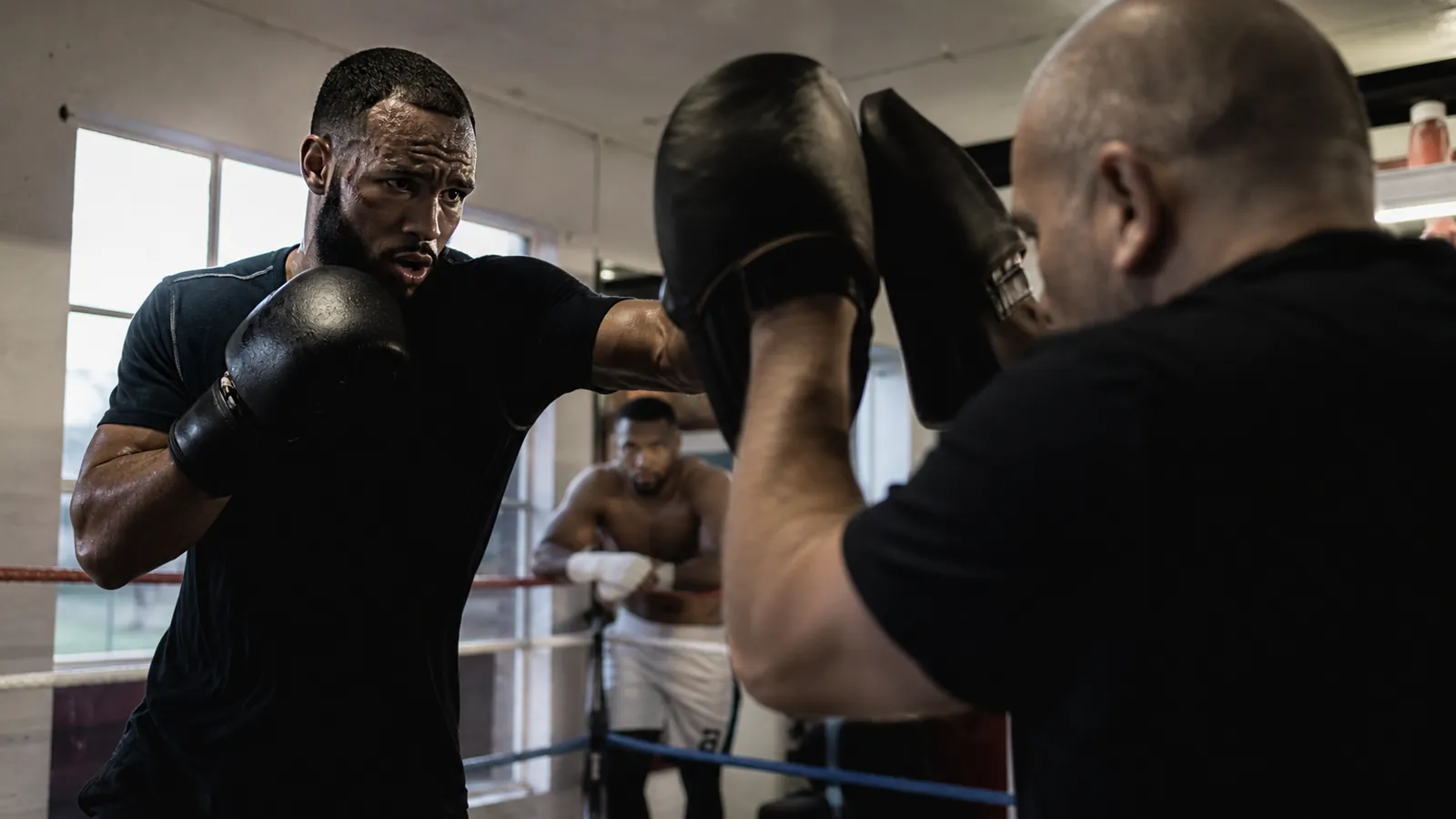
Whittaker should not throw away the flair that makes him different. Boxing needs personality. It needs fighters who understand that a feint can entertain as well as score, and that confidence can make an opponent hesitate before a punch is thrown.
But personality has to serve the boxing.
Against Yarde, Whittaker cannot win on applause. He will need a consistent jab, careful exits after combinations and the maturity to take a dull round if the fight demands it. He will need to show that he can box safely when Yarde closes the gap, and that he can land hard enough to make Yarde reconsider every forward step.
That is the test. Not whether Whittaker can make Yarde look awkward for a clip, but whether he can remain disciplined when a live puncher turns the contest into a grown man’s fight.
My view: make it, but make it at the right moment
Whittaker versus Yarde should happen in Britain, on a proper bill, with enough build-up that neither fighter is treated as an afterthought. It is a better domestic fight than another low-risk showcase, and it is more informative than endless public talk about rankings, potential and hypothetical world titles.
Yarde is no longer the automatic favourite against every younger man. He has miles on the clock and has taken hard fights. But he remains the more battle-tested professional by a distance. Whittaker has the fresher body, the more unusual rhythm and perhaps the higher ceiling. He does not yet have Yarde’s proof.
That is exactly why the fight matters.
If Whittaker beats Yarde clearly, he has earned a new conversation. Not a fantasy conversation about being Britain’s next superstar, but a serious one about Buatsi, Callum Smith, Lyndon Arthur and the leading names at light-heavyweight.
If Yarde wins, Whittaker has still taken the kind of risk that can make a fighter better. There is no disgrace in being tested before the sport decides you are ready. The disgrace is avoiding tests for so long that nobody can tell what you are.
For young boxers at Honour & Glory, this is the useful lesson. Talent gets attention. Good matchmaking can build a career. But eventually, a boxer has to meet an opponent who can expose the gaps.
Whittaker has reached that point. Tunde Ajayi has publicly offered a route to the test. The sensible next move is to see whether the offer becomes a fight.
If you want to learn the parts of boxing that decide fights like this, from distance and balance to composure under pressure, book a free trial at Honour & Glory Boxing Club in Kidbrooke.
H&G Team
Writer at Honour & Glory Boxing Club, a community boxing gym in Kidbrooke, South East London.
KEEP READING
Ben Whittaker vs Gradus Kraus: why the matchup now makes sense
Ben Shalom’s call for Whittaker-Kraus creates a timely route into the domestic light-heavyweight conversation: assess the stylistic fit, the level of risk and what a decisive performance would prove.
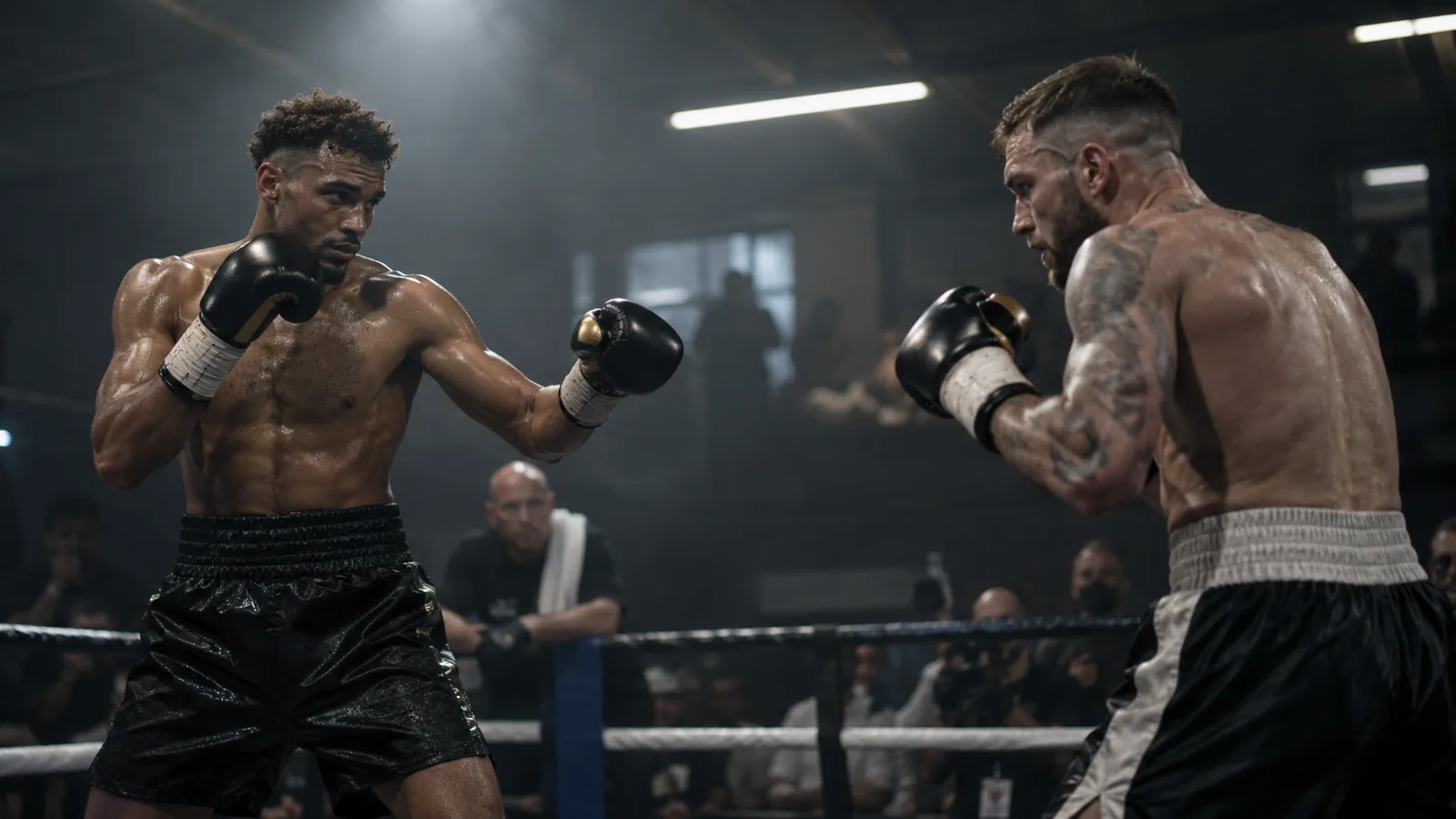
Ben Whittaker vs Conor Wallace: the test behind the Birmingham hype
A fight-week preview focused on what Wallace can make Whittaker prove: control of range, discipline after exchanges and whether the home favourite can turn flair into sustained rounds.
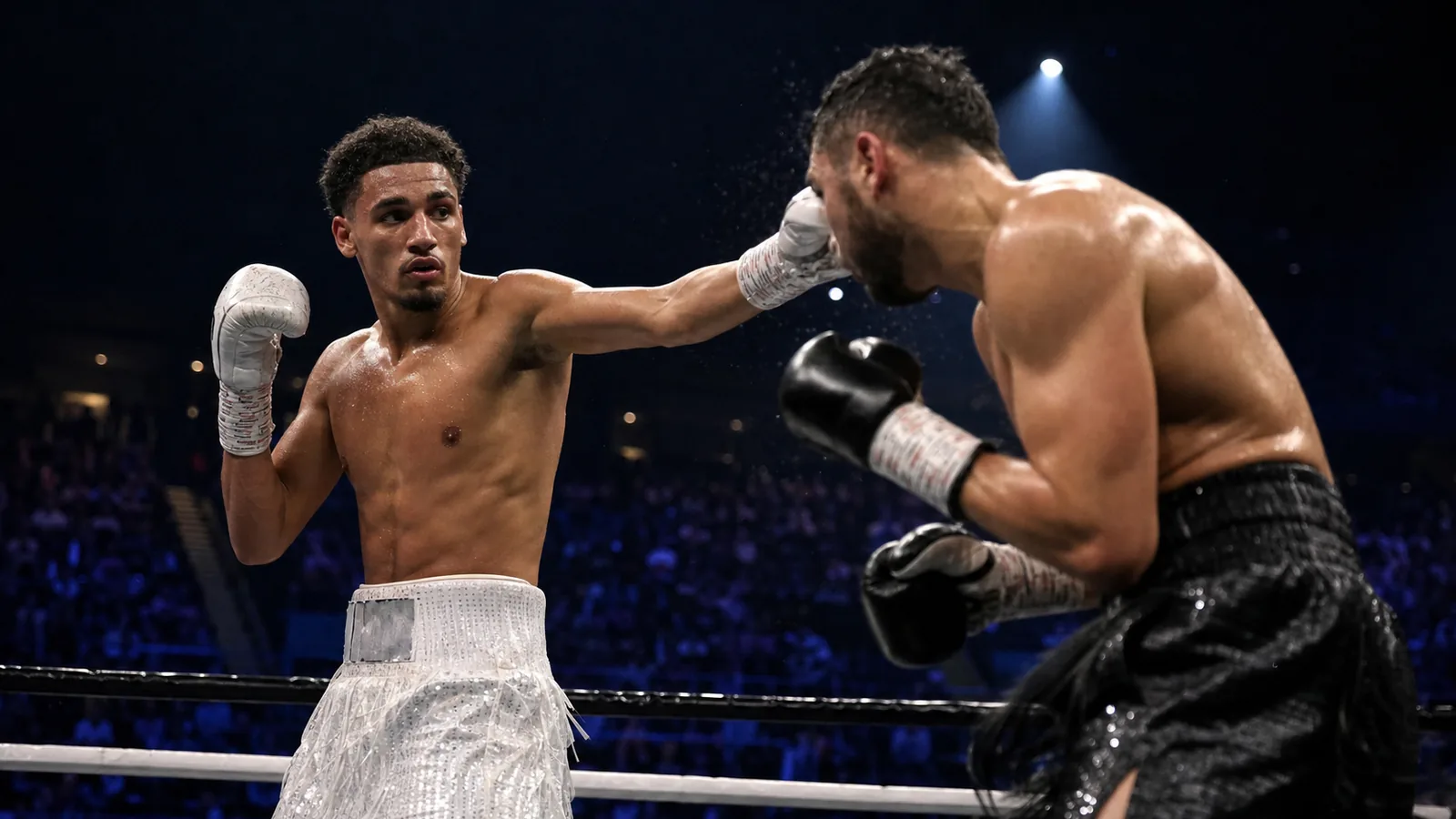
Ben Whittaker vs Rivera: showmanship under pressure
Focus less on the USA-debut narrative already used and more on the boxing lesson: how Whittaker manages distance, rhythm, crowd energy and risk while performing under a spotlight.
Was this page helpful?
It takes one tap, and it genuinely helps.
Choose your next step
Turn this article into the right action
Some readers are ready to book. Some need the class route first. Pick the route that matches what you actually want.