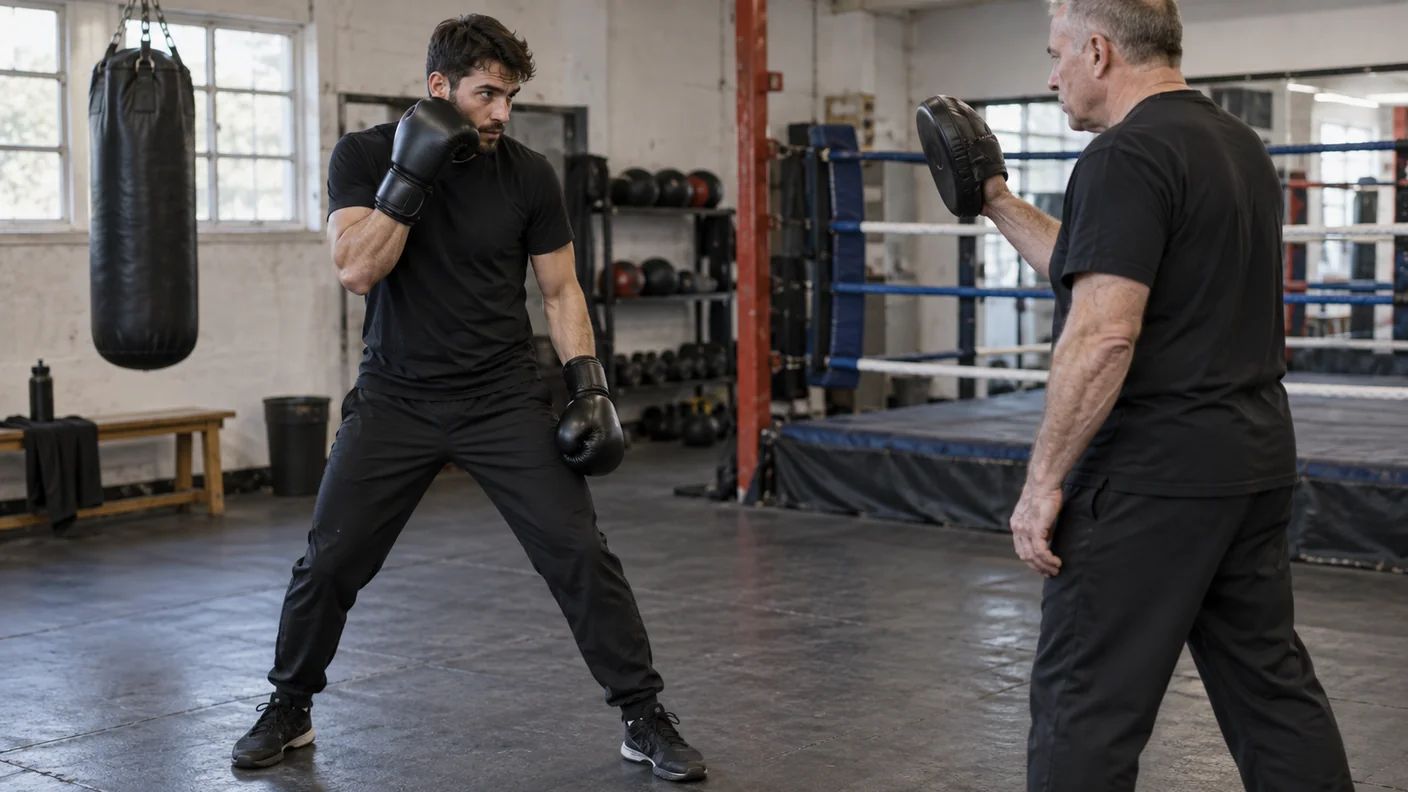
Training Tips
Hip Jab Boxing: An Advanced Range Drill
Use a low-to-high lead-hand jab only when a coach has confirmed that your guard, range and recovery already hold up.
Page 2 of 74
Use a low-to-high lead-hand jab only when a coach has confirmed that your guard, range and recovery already hold up.
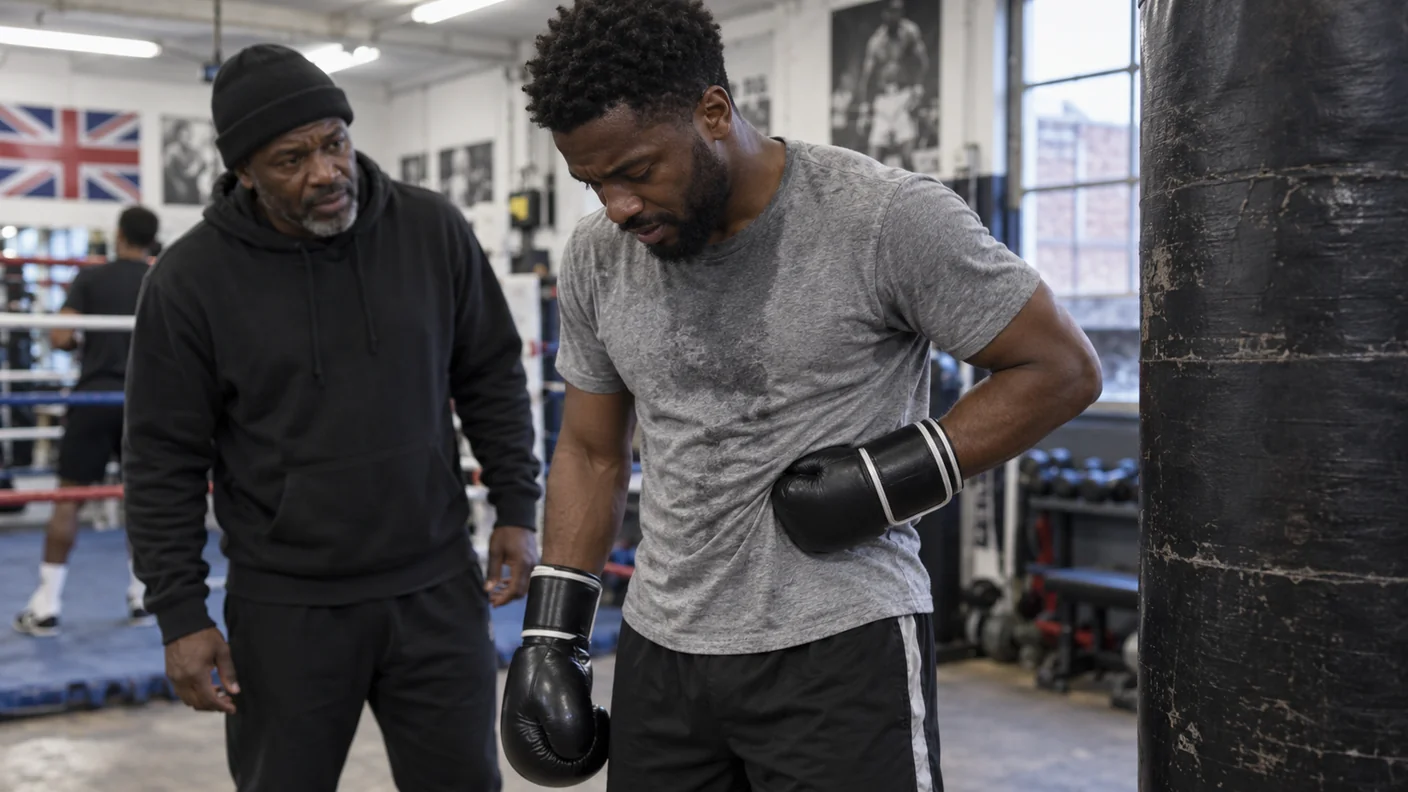
A side stitch during boxing is common, but not every pain is one. Learn what to change in the round and when to stop.

A focused look at the reported Ortiz-Thurman confirmation: the risk-reward calculation for Ortiz and whether Thurman can still impose his old timing and movement at elite level.
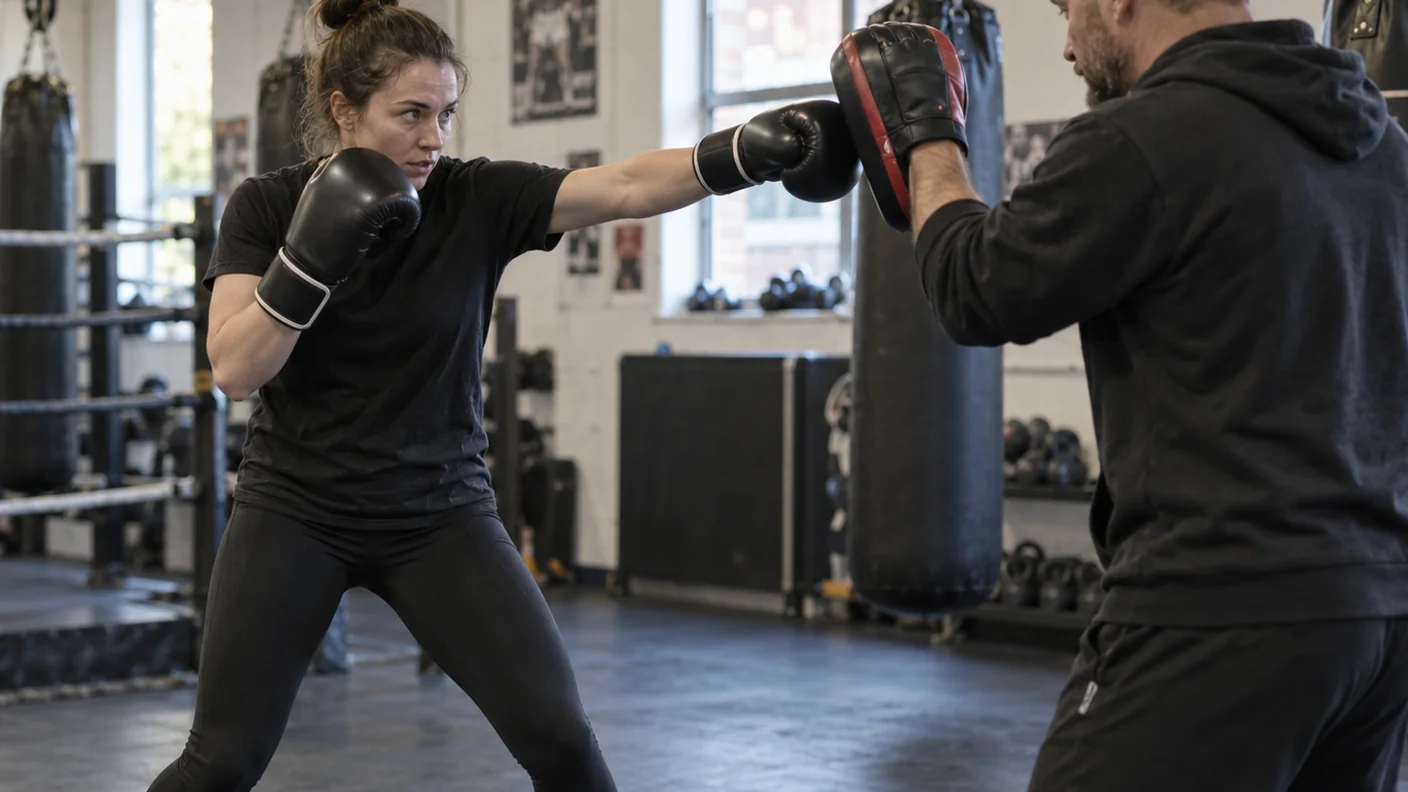
Use a controlled double shift behind two light jabs to change stance, return safely and stop the feet freezing between actions.
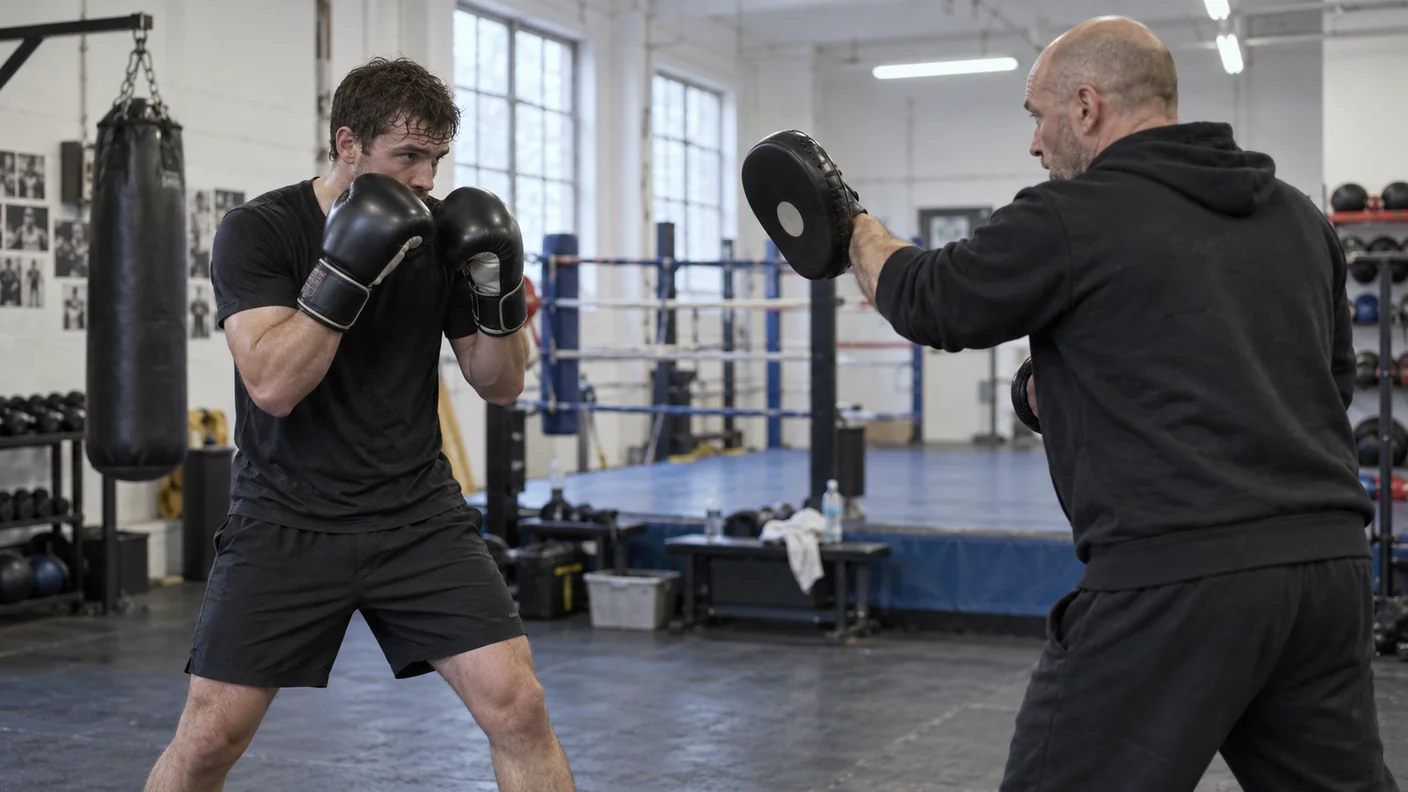
Use a compact guard, settled feet and a clear exit to defend a rear hook without leaning away or forcing a counter.

A focused preview of Foster’s attempt to become a three-belt champion, explaining what a unification-style title opportunity demands technically and why it matters beyond promotional billing.

A controlled boxing drill for separating from a close tie-up with your guard, balance and next decision intact.
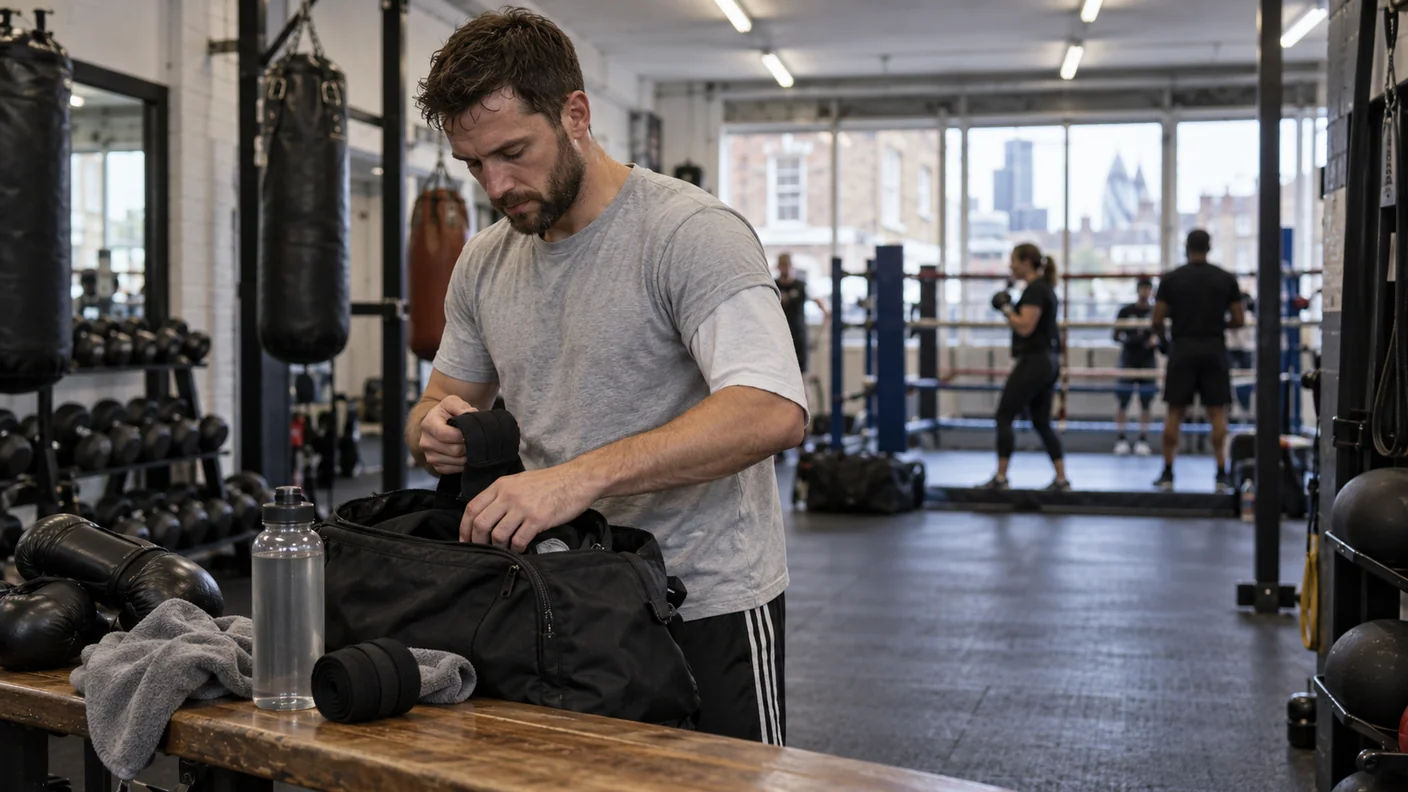
A new tattoo does not end your training, but sweat, friction and partner work can make a rushed return a bad idea.
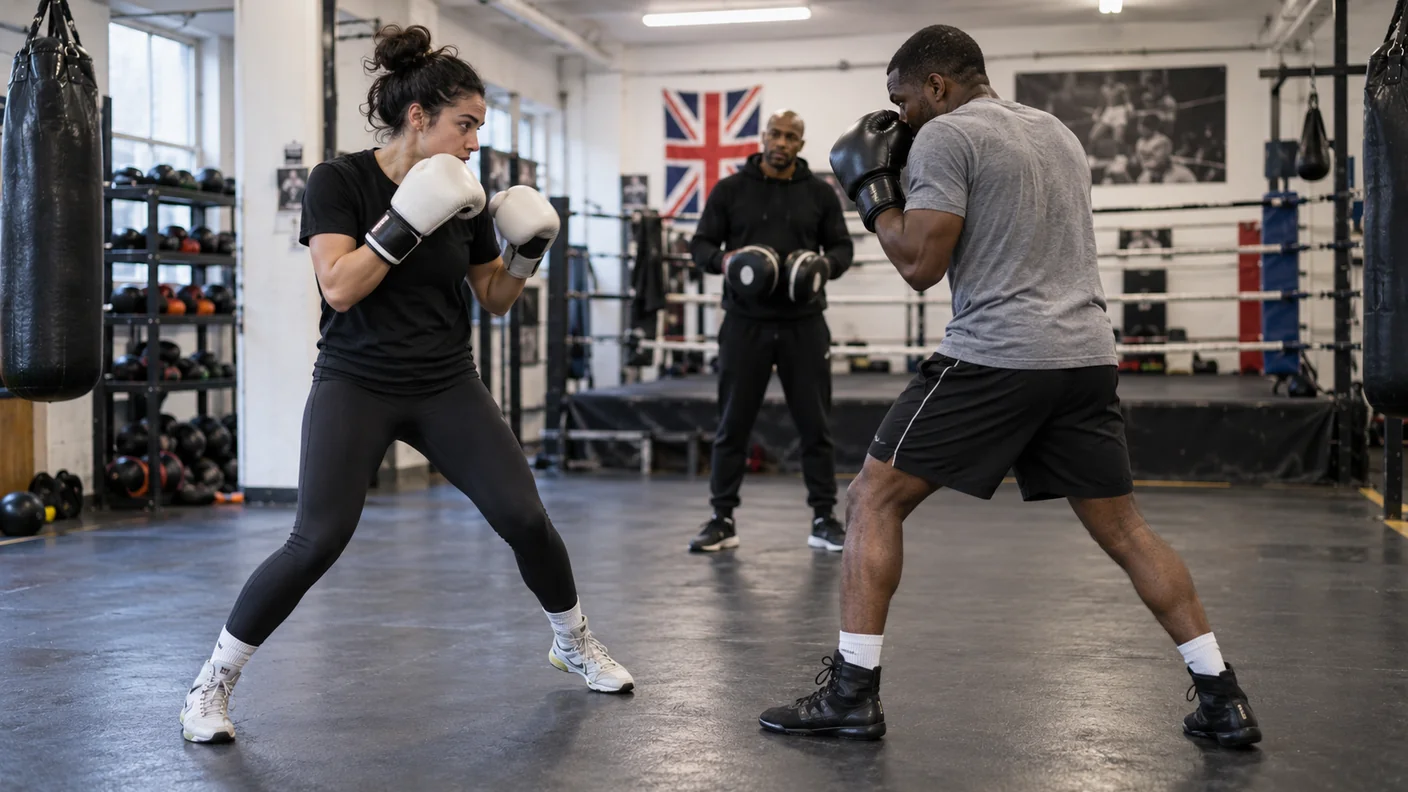
Use a controlled front step shuffle to change the line, regain your stance and make one honest punch without crossing your feet.
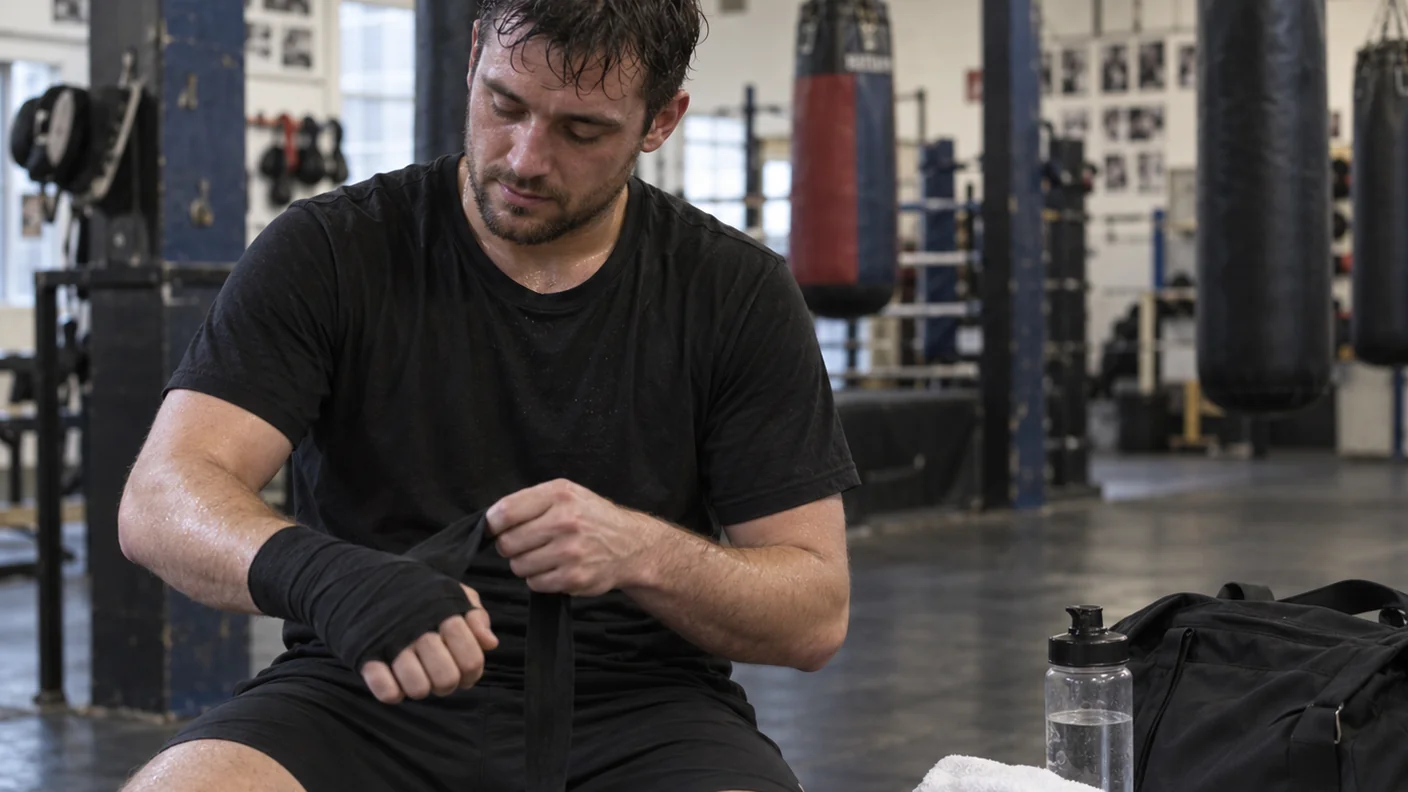
You do not need a gym shower to train well. Here is the practical post-boxing routine that keeps you comfortable, clean and ready for the next session.
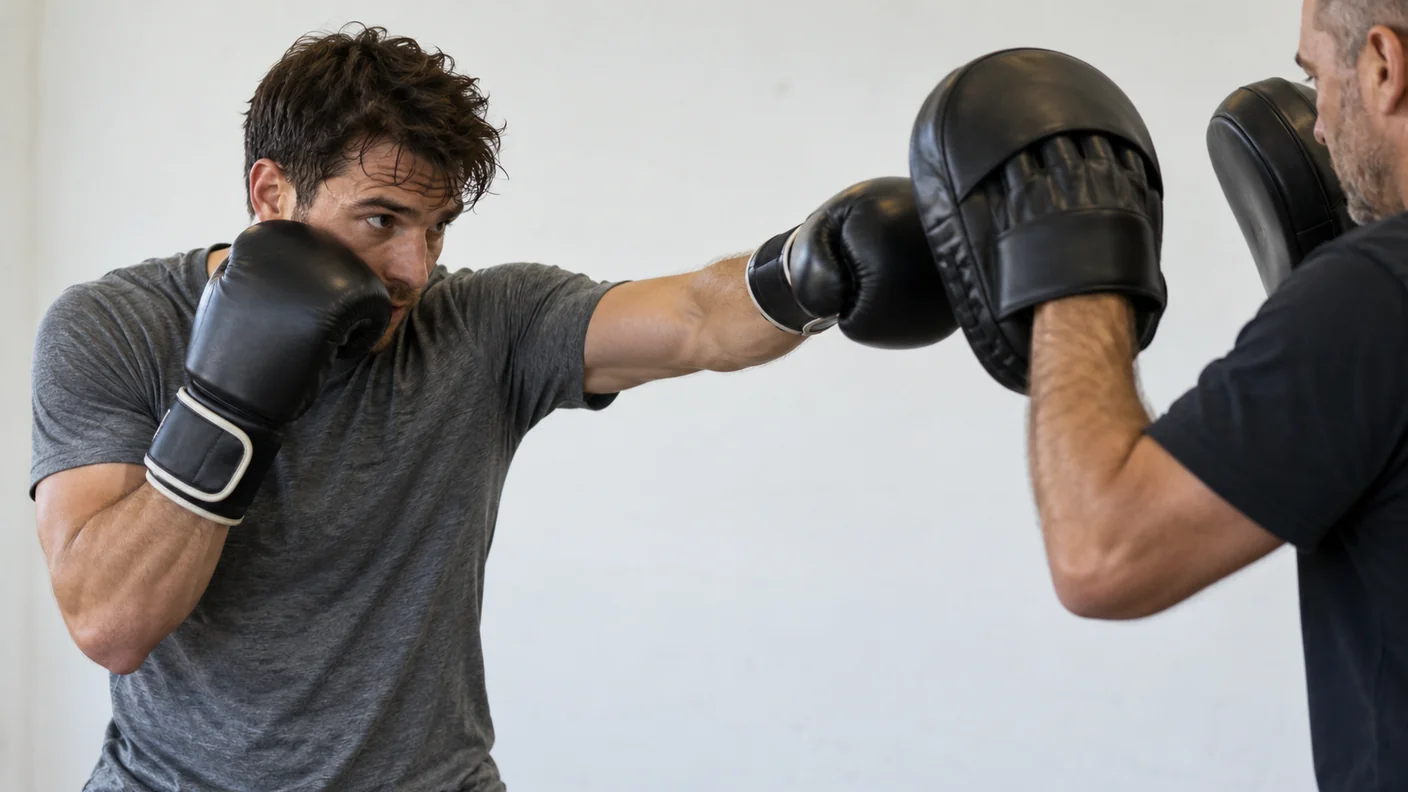
Use two purposeful jabs to test range and guard shape before throwing an overhand only when the position is honest.

A current reaction piece on why Hrgović is being discussed for the heavyweight crown, separating a credible route to a title opportunity from promoter-led speculation.
Page 2 of 74 (887 posts)