Usually, not straight away.
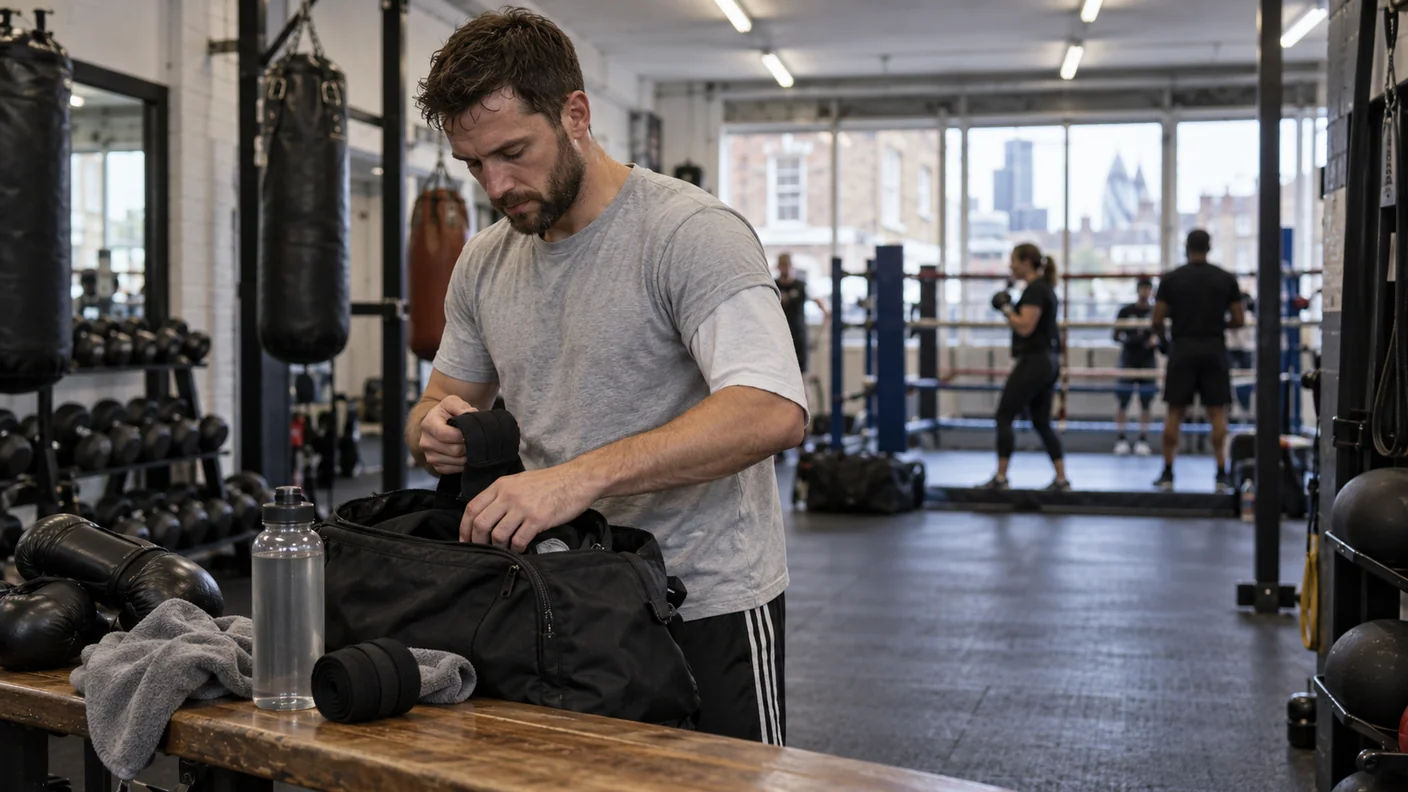
A new tattoo does not mean you have to abandon boxing for weeks. It does mean you need to treat the first return as a practical decision, not a toughness test. A hard class brings sweat, rubbing from clothes and wraps, shared equipment, and sometimes another person standing close enough to knock the area by accident.
The sensible answer is to follow the aftercare advice from the professional who tattooed you, then choose the first session around where the tattoo sits and what the class actually involves. A quiet footwork session is not the same proposition as hard bag rounds or partner drills.
A new tattoo is healing skin, not a training badge
Tattooing breaks the skin. That is why hygiene and aftercare matter from the start. The UK Health Security Agency guidance on tattooing is clear that poor practice can bring infection risks, including blood-borne viruses. That is mainly a warning about how and where a tattoo is done, but it is a useful reminder that fresh work deserves sensible care afterwards too.
The old CIEH tattoo aftercare guidance notes that redness and tenderness can be normal during the first week or so, while stressing the importance of aftercare in reducing infection risk (CIEH tattooing and body-piercing guidance). That does not give every boxer the same return date. Tattoo size, placement, healing and the instructions you have been given all matter.
Do not let a stranger online give you a fixed number of days and call it a rule. If your tattoo artist has told you to keep the area dry, covered, un-rubbed or out of a particular activity, their advice wins over a gym plan. If you have a health condition that affects healing or you have been given clinical advice, that takes priority again.
Why a boxing class can be awkward early on
The issue is not that boxing gyms are automatically dirty places. A well-run club cleans equipment and expects people to respect shared space. The issue is that boxing gives a fresh tattoo several opportunities to get irritated.
Sweat can leave a top clinging to the area. A bag strap, glove cuff, hand wrap or tight sleeve can rub in the same place hundreds of times. A tattoo on the ribs or shoulder can feel every twist of a cross. A tattoo on the forearm or wrist may be exactly where wraps and glove fastening sit.
Partner work adds another variable. Even a friendly pad round means somebody is moving in front of you, calling shots and occasionally closing distance. That does not make pad work unsafe by default, but it makes the early return less predictable than walking on a treadmill.
This is where common sense beats bravado. You do not need to prove that you can train through discomfort. You need to avoid turning a small aftercare issue into a training interruption that lasts longer.
Start with the lowest-friction version of training
When you have the go-ahead to return, make the first session boring on purpose.
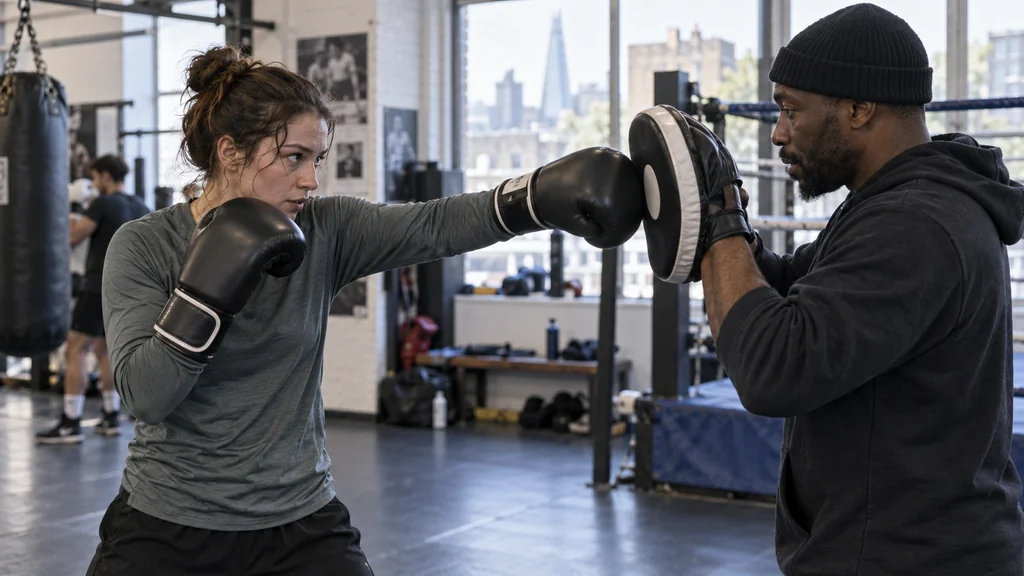
Tell the coach that you have a healing tattoo, show them the location if you are comfortable doing so, and ask for a session that avoids rubbing or contact around it. In a beginner class, that might mean stance work, light footwork, shadowboxing, watching demonstrations and a fitness block that does not aggravate the area.
A proper coach will not make this awkward. It is useful information, no different from mentioning a sore wrist, a recent knock or glasses that keep slipping. You do not need to explain the design or defend the decision. You only need to flag the practical limit.
If the tattoo is on your upper arm, a clean loose long-sleeve top may make sense if that matches the aftercare you have been given. If it is on your ribs, back or shoulder blade, pay attention to how your clothing moves when you rotate. If it is on a hand, wrist or forearm, do not force wraps or gloves over skin that is still too tender for them.
There is no medal for getting back to maximum intensity first. The goal is to come back once, train without creating a setback, then return normally when the tattoo is ready for normal kit and normal movement.
Do not make the gym part of a bad aftercare plan
A few mistakes are easy to avoid.
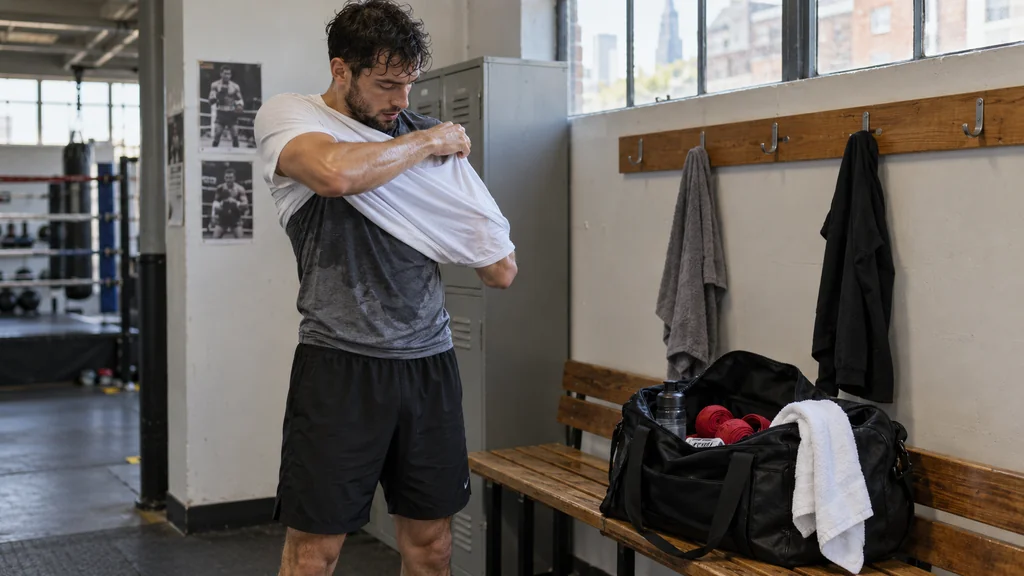
Do not arrive in the same sweaty top you wore earlier in the day. Do not borrow grimy wraps. Do not use a class as the day you test whether tight compression clothing will be fine. And do not keep touching the tattoo with hands that have been on gloves, bags, pads or the gym floor.
Bring a clean top, a towel, water and a spare layer. Wash your hands before you deal with the tattoo. Keep your own kit separate from the part of your bag that holds wraps and gloves. These are not glamorous details, but they are the difference between showing up prepared and creating a small mess for yourself.
For the same reason, do not jump straight into sparring. At Honour and Glory, recreational boxing does not require competitive sparring. You can build fitness and learn the skill without treating a healing tattoo as something you need to protect in a moving contact situation.
Our guide to boxing gym etiquette for beginners explains the wider hygiene standard. Fresh ink is one more reason to be the person who cleans up after themselves and keeps their kit in order.
Know when it is no longer a gym question
A healing tattoo may be uncomfortable. It should not become something you quietly ignore while you train.
If the skin becomes painful, hot and swollen, or you feel generally unwell, stop treating it as a training inconvenience. The NHS lists those as symptoms that need urgent medical advice for cellulitis, a skin infection (NHS cellulitis guidance). Redness can look different on different skin tones, so pay attention to warmth, swelling, pain and how you feel as well as colour.
This is not an invitation to self-diagnose every bit of normal tenderness. It is a line in the sand. If something is getting worse rather than settling, get appropriate advice rather than covering it up and trying to complete another round.
The same goes for a tattoo close to an existing skin problem, a recent cut, or a part of the body you already know gets irritated by training. The gym can wait. It will still be there when you are ready.
Your tattoo position changes the answer
The best time to return is not only about the date on the calendar. It is about what the tattoo has to put up with in your particular session.
An upper-arm tattoo may be fine for gentle lower-body conditioning before it is happy under a tight sleeve. A calf tattoo may feel every skip, pivot and step. A back tattoo can rub against a bench, floor exercise or the back of a heavy bag when you are tired. A wrist tattoo may be perfectly comfortable until you start winding a wrap around it.
Think through the movement before you arrive. If you know the tattoo will be under your wraps, pressed by a glove cuff, or rubbed by every punch, leave that part of training alone for the day. There is always another useful piece of boxing to work on.
If you are new to classes altogether, our guide to what happens in your first boxing class can take some of the mystery out of that conversation with the coach. You do not need to show up fully sorted. You do need to be honest about what you can and cannot do that day.
The practical rule
Book the tattoo when you can give it the care it needs. Return to boxing when that care no longer conflicts with the session you plan to do.
For most people, that means a calm first session, clean kit, no unnecessary rubbing and a short conversation with the coach. It does not mean giving up the gym. It means not making a fresh tattoo and a hard boxing round compete for the same bit of skin.
If you are in Greenwich, Kidbrooke or nearby and want a beginner-friendly session where you can learn at a sensible pace, our Recreational Adults boxing classes are a straightforward place to start.
H&G Team
Writer at Honour & Glory Boxing Club, a community boxing gym in Kidbrooke, South East London.
KEEP READING
Do You Need to Shower Straight After Boxing?
You do not need a gym shower to train well. Here is the practical post-boxing routine that keeps you comfortable, clean and ready for the next session.
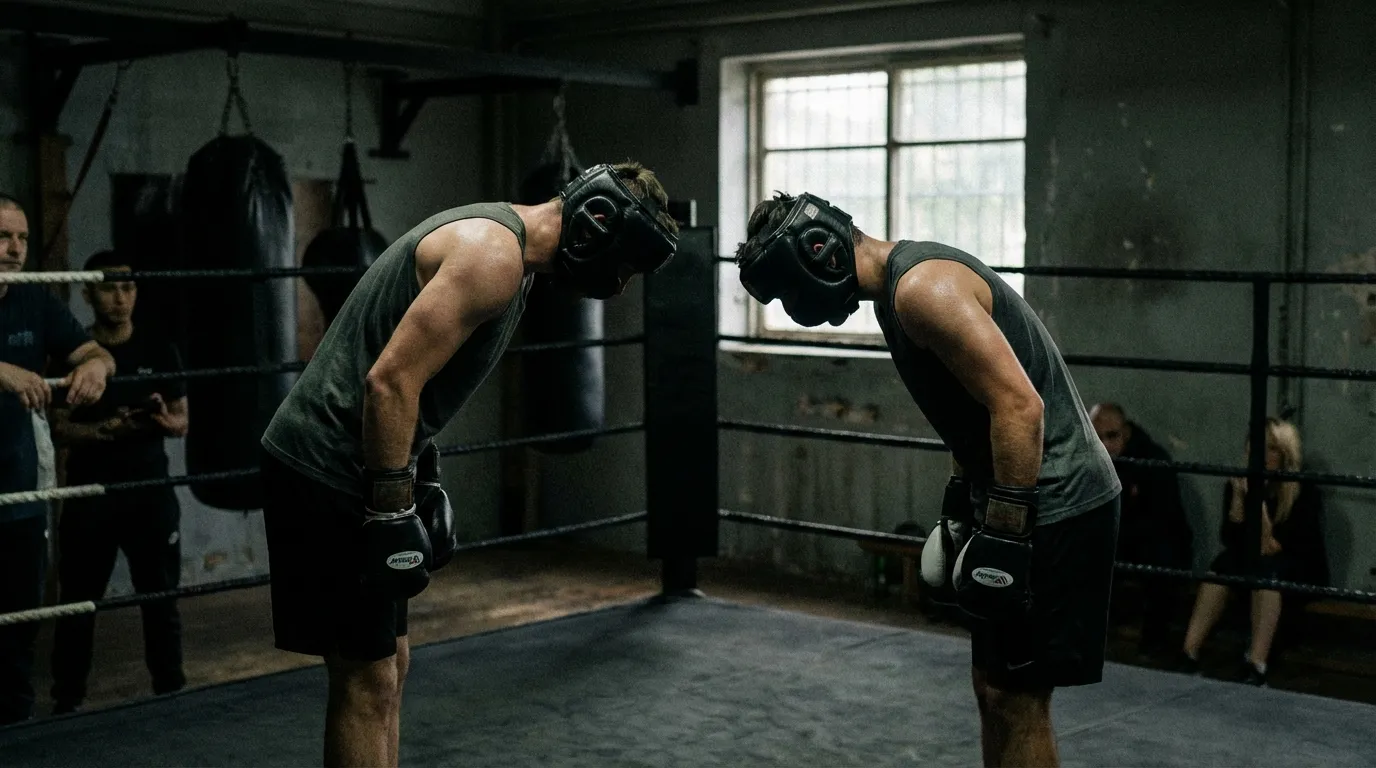
Boxing Gym Etiquette for Beginners
New to boxing? Learn the unwritten rules of boxing gym etiquette so you fit in from day one and avoid common beginner mistakes.
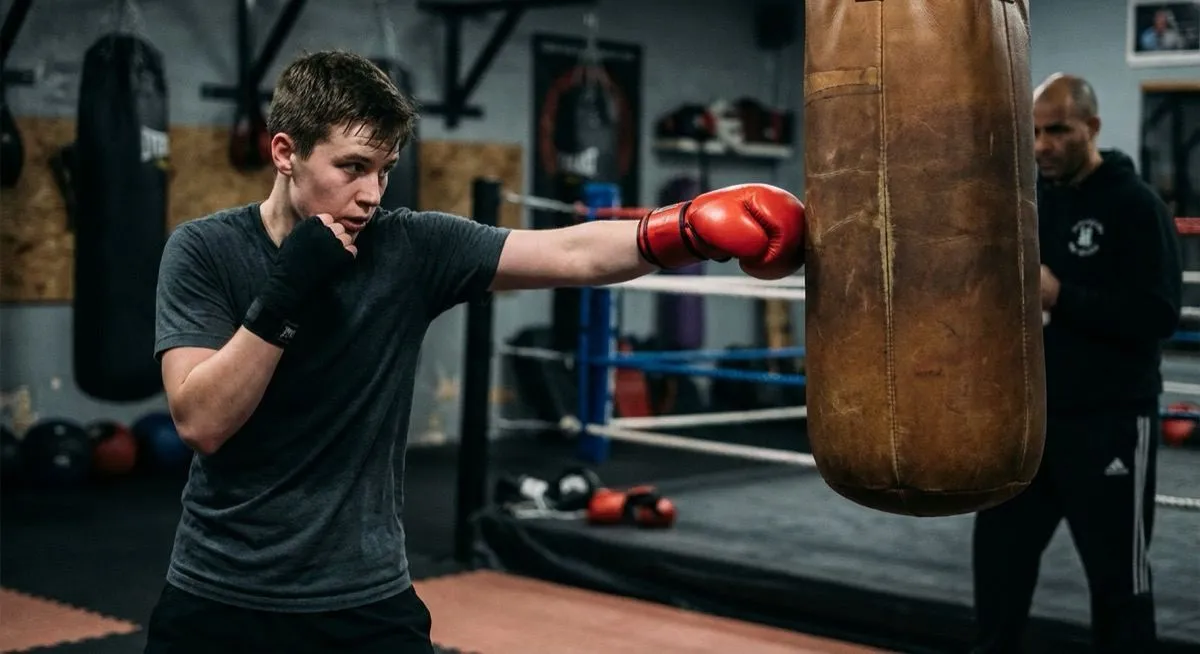
Should Beginners Buy a Boxing Bag?
A home bag can look like a money-saver. For most beginners, it is usually the fastest way to build bad habits and waste cash.
Was this page helpful?
It takes one tap, and it genuinely helps.
Choose your next step
Turn this article into the right action
Some readers are ready to book. Some need the class route first. Pick the route that matches what you actually want.