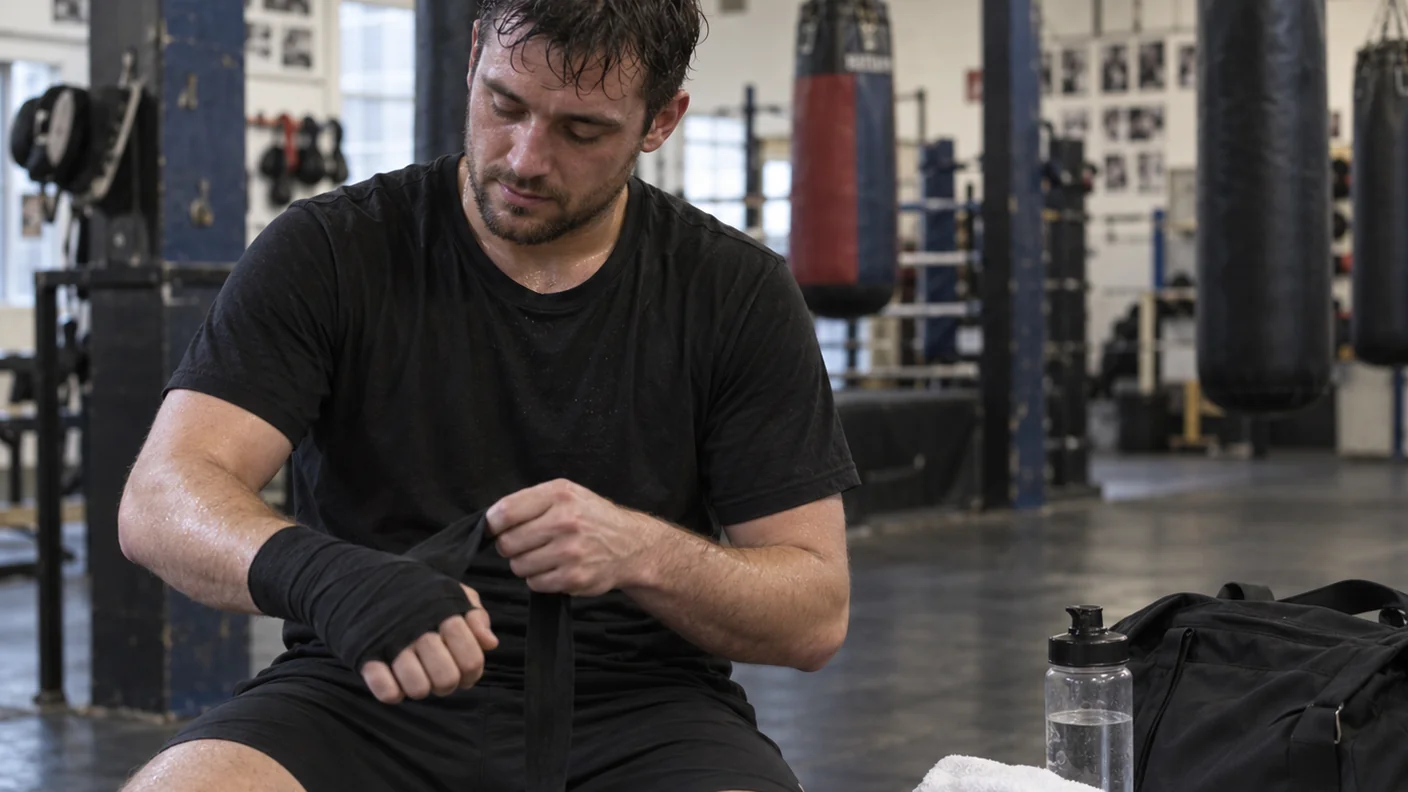
You do not need to shower in the gym the second a boxing class finishes. You do need to stop treating sweaty kit as something that can live in your bag until tomorrow.
The sensible answer is straightforward. Wash or shower as soon as practical, change out of damp clothes, wash your hands, and deal with your wraps, gloves and towel before you forget. If you are travelling home after an evening class, that might mean a quick clean at the gym and a proper shower when you get in. That is still a good routine.
Boxing makes this worth thinking about because the work is close. You share a room, pads, bags and occasionally partner drills. Sweat is ordinary. Ignoring it is not a badge of serious training.
You do not need a gym shower to do it properly
Some people have a shower at the club. Some have a short journey home and prefer their own bathroom. Neither choice says anything about how committed they are.
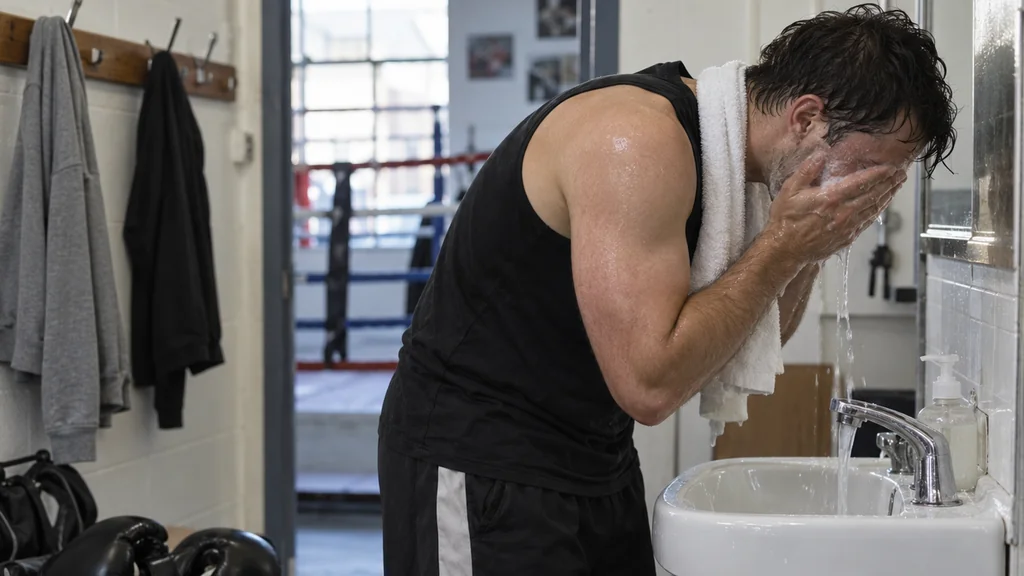
The useful rule is to avoid staying in wet training clothes for the rest of the evening. Pull on a clean T-shirt, put the damp one somewhere separate in your bag, and get yourself washed when you are home. If you have been on pads or bags, wash your hands and face before you leave. A quick wipe with a clean towel is better than nothing, but it is not a substitute for washing.
There is no need to turn one missed shower into a health scare. The point is consistency. A person who gets changed, keeps their kit separate and showers at home is making a much better call than someone who showers at the gym but then seals wet wraps and gloves in a zipped bag.
For an early-morning session before work, plan ahead. Bring a clean top, underwear, deodorant and a small wash bag. For an evening class, bring the same basics if you know you are heading somewhere afterwards. It is a small bit of preparation that saves you sitting through a train journey in a cold, wet T-shirt.
Change clothes before the journey home
The first thing to deal with after class is the layer against your skin. A sweaty T-shirt, vest, leggings or socks belongs in a separate compartment, not mixed in with your phone, food or dry clothes.
That is partly about comfort. Once the heat of a hard round drops, damp fabric gets unpleasant quickly. It is also just a cleaner way to handle shared spaces, especially if you have used the same changing bench as other members.
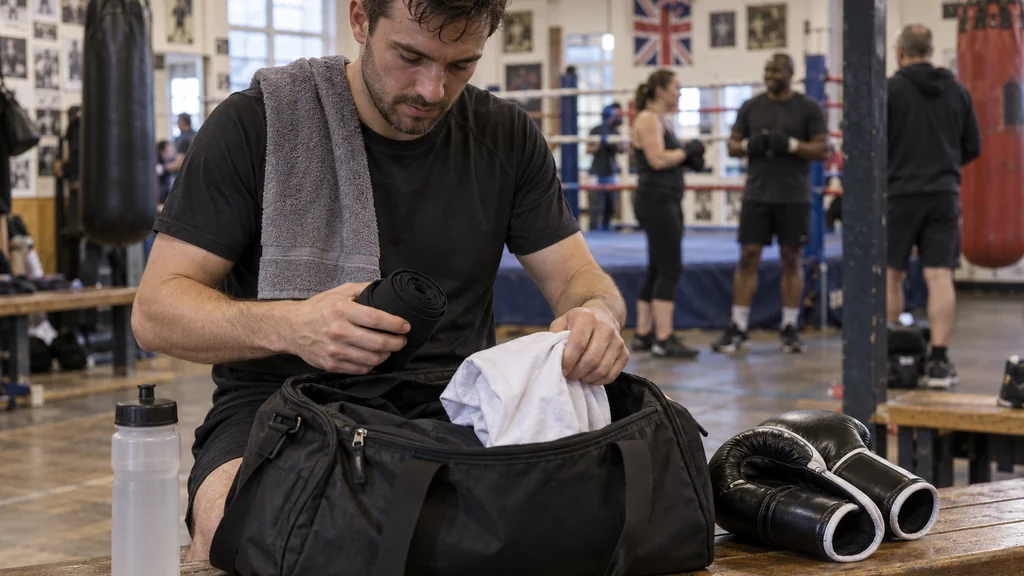
A basic post-class bag works well:
- a clean T-shirt or top
- a spare pair of socks
- a small clean towel
- a reusable bag for damp clothes
- deodorant and whatever wash items you actually use
- water for the journey home
You do not need a luxury locker-room set-up. The goal is to leave the gym in dry clothes and avoid carrying a damp pile around all night.
Clean kit matters as much as the shower
A shower cleans you. It does not clean the things that sat against your hands all session.
Take your hand wraps out of the bag as soon as you can. If they are sweaty, wash them rather than rolling them into a tight ball and promising yourself you will sort them later. Our guide on washing boxing hand wraps explains the simple laundry-bag routine and how to dry them without making the whole bag smell tired.
Open your gloves at the wrist and let air reach the inside. Do not put damp wraps inside them. Do not leave them in the boot of a car for three days. Gloves need time open to the air, and a quick wipe of the exterior if they are visibly dirty. If your pair already has a smell that follows you around the gym, use our practical guide to cleaning boxing gloves rather than covering it with spray.
Your towel is personal kit as well. Do not pass it round, and do not use somebody else's because you forgot yours. The NHS advises keeping skin clean and not sharing towels or washcloths as part of preventing staph infections (NHS advice on staph infections). That is sensible gym behaviour, not a reason to be paranoid around other people.
The same goes for water bottles, razors and mouthguards. They are not shared equipment. Keep them yours.
A shower does not clear you for training with a skin problem
This is the point where common sense matters more than bravado.
A normal post-training shower is good personal care. It is not a permission slip to carry on with a rash, open cut, oozing spot or other skin problem that may be infectious. Tell the coach and get appropriate medical advice if you are unsure what you are dealing with.
The NHS says not to go to the gym or play contact sports if you have impetigo, and notes that it can spread through skin contact and contaminated items such as towels (NHS impetigo guidance). That is a clear line. Do not cover it in the hope nobody notices, and do not assume a shower makes the issue disappear.
Small cuts and grazes are a different everyday problem. Clean them, cover them properly and let the coach know before partner work. If a dressing will not stay put, or a cut is bleeding, sit that drill out. Nobody needs to prove toughness by leaving blood or sweat on shared pads.
This is one reason beginner boxing should be coached. In a normal Recreational Adults class, you can learn on bags, pads, footwork and fitness drills without contact sparring. A coach can also adjust the task when a cut, skin concern or kit problem makes a particular drill a bad idea.
The simple routine that is easy to repeat
The best post-boxing routine is the one you will actually do after a hard session, when you are hungry and tired and your train is due in twelve minutes.
Start with the obvious: wash your hands and face, change your top, and put the wet clothes in a separate bag. Take your wraps out. Open the gloves. Refill your water bottle or drink on the way home. Shower when you get in, then put the training clothes in the wash rather than abandoning them at the bottom of the laundry basket.
If you have a shower at the gym, great. Bring flip-flops if you prefer them in shared changing areas and use a clean towel afterwards. If you shower at home, that is also fine. Just do not use the journey as an excuse to leave yourself and your kit damp until the next day.
After a few weeks, this stops feeling like extra admin. You pack the clean top and towel with the gloves. You take the wraps out when you get home. The bag does not smell like an old basement. Training stays easier to return to.
For people training near Greenwich, the same principle applies whether you are new, returning after time away, or building a regular routine around work and family. Good boxing habits are not only about the jab. They are also about turning up clean, looking after your kit and being ready to train again.
H&G Team
Writer at Honour & Glory Boxing Club, a community boxing gym in Kidbrooke, South East London.
KEEP READING
Boxing Gym Etiquette for Beginners
New to boxing? Learn the unwritten rules of boxing gym etiquette so you fit in from day one and avoid common beginner mistakes.
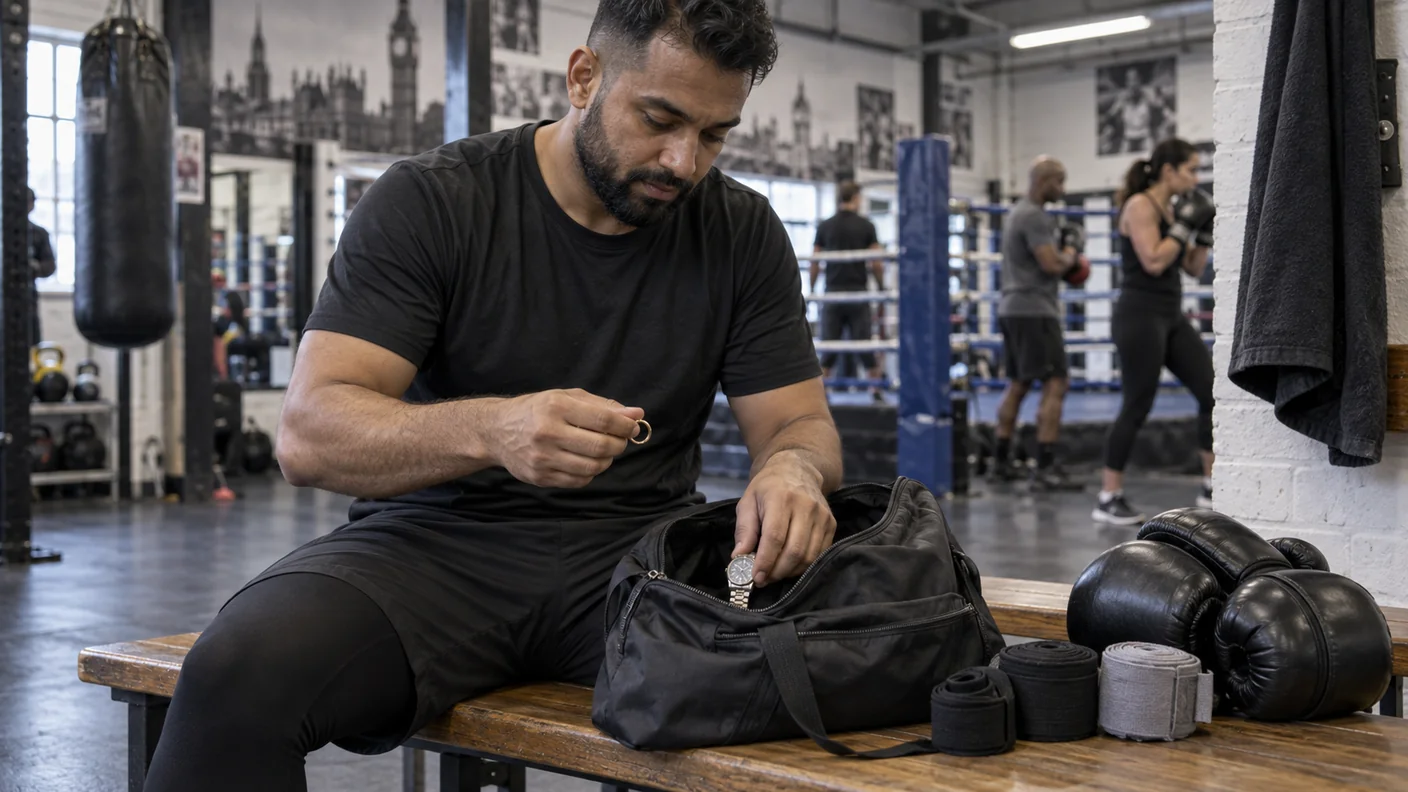
Can You Wear Jewellery to Boxing Class?
Rings, watches, necklaces and piercings can catch, cut or distract in boxing. Here is what to remove before class and why.

The Unwritten Rules of a Boxing Gym: What Beginners Should Know
Every boxing gym has unwritten rules that new members are expected to know but nobody explains. Here is the complete guide to gym etiquette from day one.
Was this page helpful?
It takes one tap, and it genuinely helps.
Choose your next step
Turn this article into the right action
Some readers are ready to book. Some need the class route first. Pick the route that matches what you actually want.