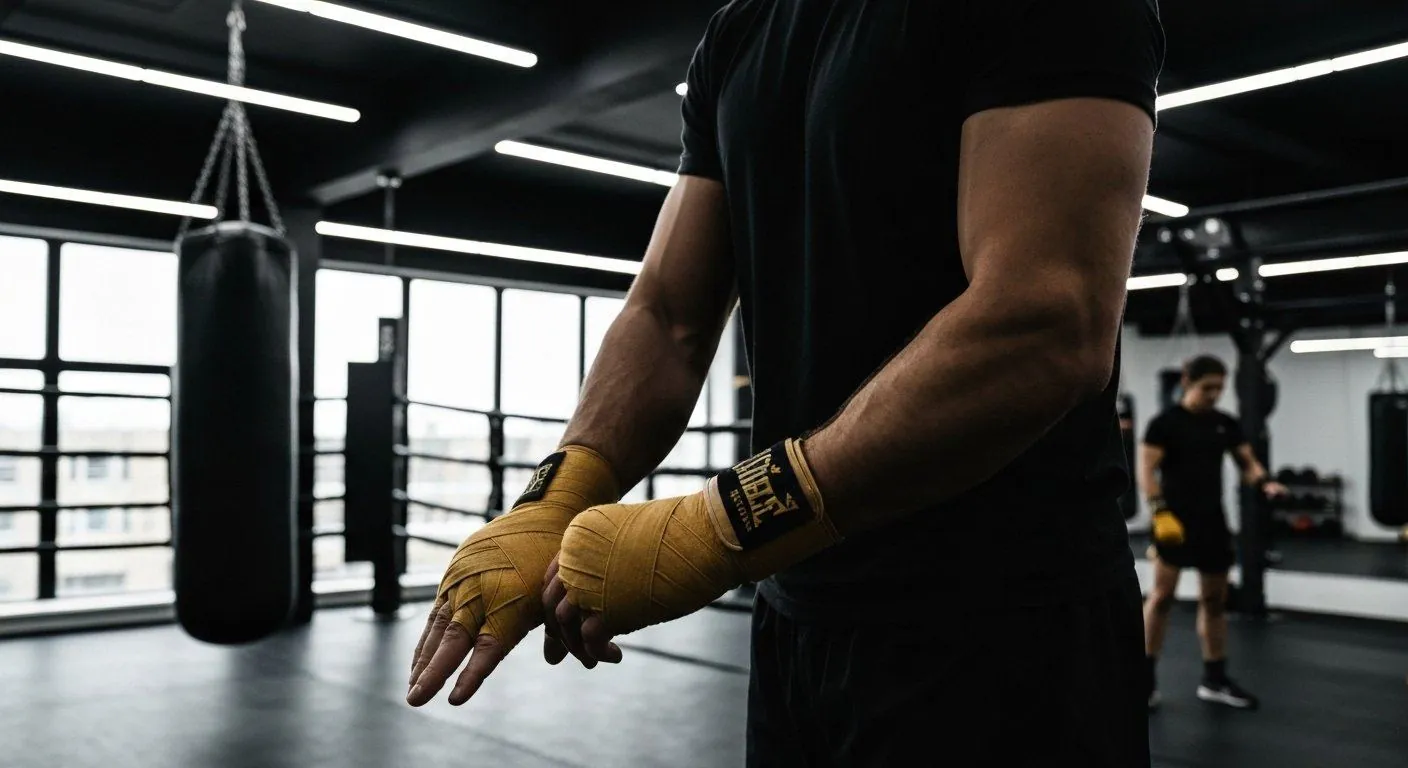
Wash boxing hand wraps after every proper session. That is the simple answer. If they are damp with sweat, they need washing before they go back in your kit bag.
Hand wraps sit between your skin and your gloves. They take the sweat, the dead skin, the chalky smell from old gloves, and all the little bits of gym life that nobody wants to talk about. Leave them wet in a bag for two days and they do not become tougher. They become grim.
This is not about being precious. It is about protecting your gloves, your hands, and everyone else who shares pads, bags, and space with you. The CDC advice for athletes is blunt about the basics: keep kit clean, wash after use, avoid sharing personal items, and deal properly with cuts and grazes. Boxing is close-contact training, so those habits matter.
At Honour and Glory in Kidbrooke, we would rather a beginner turns up with clean cheap wraps than expensive gloves that smell like a wet towel left under a radiator.
How often should you wash boxing hand wraps?
Wash wraps after every sweaty boxing session. If you only did a light technical class and the wraps are barely damp, you can sometimes air them and wash them after the next use, but that should be the exception rather than the rule.
Most people underestimate how much sweat wraps hold. Gloves are padded and slow to dry. Wraps are thin and easy to wash. That makes them your first line of defence against glove smell.
If you train twice a week, own at least two pairs. If you train three or four times a week, own three or four pairs. That way you are not trying to dry one pair overnight and pretending it is fine when it is still cold and damp in the morning.
There is a useful parallel with the NHS advice on fungal skin problems. The NHS athlete's foot guidance stresses keeping skin and fabric dry because warm, damp kit is exactly where problems like to sit. Your hands are not your feet, but the lesson is the same: sweat-soaked fabric needs washing and drying properly.
The best way to wash boxing hand wraps
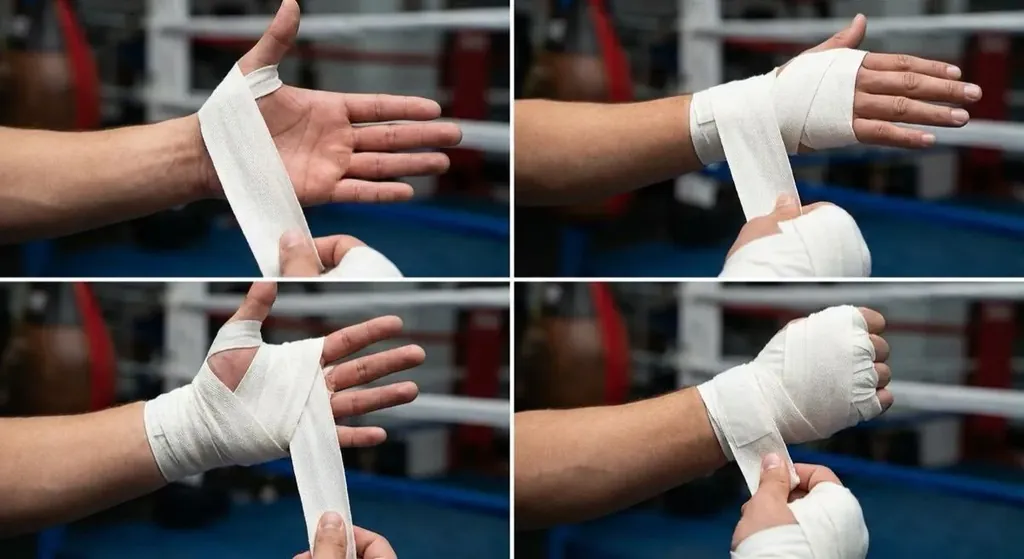
The best method is simple: close the velcro, put the wraps in a mesh laundry bag, wash them on a cool or warm cycle, then air dry them fully.
Do not throw loose wraps straight into the machine. They twist around other clothes, collect lint, and can come out looking like a knot from a fishing trip. The mesh bag is not fancy. It just stops the wraps turning into a long elastic trap.
Use normal laundry detergent. You do not need strong perfume, bleach, or anything that leaves the fabric stiff. If the wraps are white and stained, accept that boxing kit will not stay wedding-day clean forever. Clean matters more than perfect colour.
A practical wash routine looks like this:
- Close the velcro tabs so they do not chew the fabric.
- Put each pair in a mesh laundry bag.
- Wash at 30C or 40C with normal detergent.
- Skip fabric softener if the wraps feel slick or lose grip.
- Remove them from the machine quickly.
- Hang them flat or over a rail until fully dry.
The last point matters. Half-dry wraps smell worse than dirty wraps because people think the job is done and trap the damp inside a kit bag.
Should you hand wash wraps instead?
Hand washing works well if you only have one or two pairs, or if you need them ready quickly between sessions.
Use a sink or bowl with warm water and a small amount of detergent. Work the wraps through the water, rinse them properly, then squeeze them gently. Do not wring them like a towel. That stretches the fabric and can shorten their life.
Hand washing is also useful after a very sweaty summer session. A quick rinse straight after training stops the smell setting in before you get home. It is not glamorous, but it is better than finding the wraps three days later and wondering what died in the side pocket.
If you are new to the club, this is part of learning the sport properly. Our Recreational Adults boxing classes teach stance, punches, movement, and control, but kit habits matter too. A good boxer looks after the boring details.
Can boxing hand wraps go in the tumble dryer?
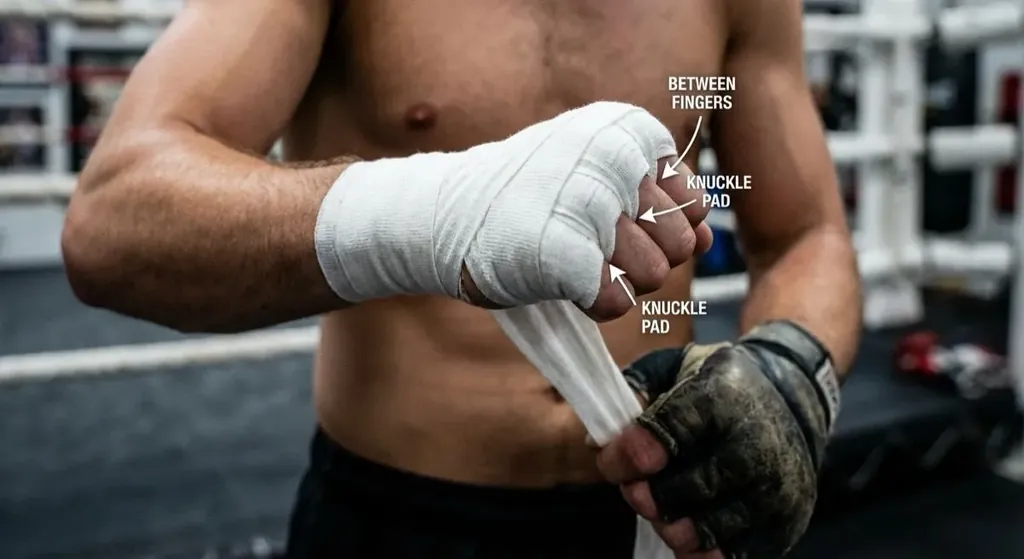
Avoid the tumble dryer if you can. Heat can weaken elastic, shrink fabric, and damage velcro. Air drying is slower, but it keeps the wraps in better shape.
The best drying method is boring and effective. Hang the wraps over a clothes airer, bannister, shower rail, or door frame with airflow around them. Do not leave them folded. Do not bury them under a towel. Do not put them in a boxing glove to dry. That last one should be obvious, but gyms teach you that nothing is obvious.
In winter, put them near a radiator rather than directly on top of one. Direct heat can make cheaper wraps feel stiff. If you are training often, the answer is not more heat. It is more pairs.
If your wraps still smell after washing, they may not be drying fast enough. Try a higher spin, more space on the airer, or washing them separately from heavy towels. A damp towel load slows everything down.
How to stop boxing gloves smelling
Clean wraps help, but they are only half the job. Gloves need air.
After training, take the gloves out of your bag as soon as possible. Open the wrist straps. Let air move through them. If you leave gloves zipped in a dark bag with wet wraps, you have built a small bad-smell factory.
A glove deodoriser can help, but it is not a substitute for drying. Newspaper can work in a pinch, especially if you change it rather than leaving the same damp wad inside for a week. Some people use boot dryers on a cool setting, but avoid anything that blasts heat directly into the padding.
We have a full guide on how to clean boxing gloves without wrecking them. The short version is this: wipe them, dry them, do not soak them, and never pretend spray alone has solved a dampness problem.
When should you replace hand wraps?
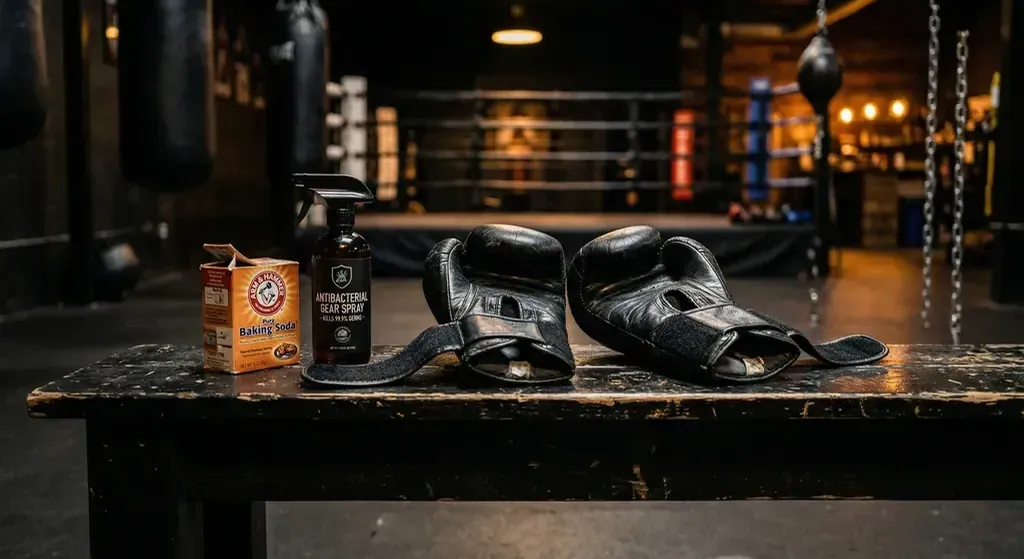
Replace wraps when they lose stretch, the velcro stops holding, they smell even after washing, or the fabric starts bunching under the glove.
A tired wrap is more annoying than dangerous at first. It comes loose, rubs the knuckles, and makes the glove fit badly. Then people start wrapping tighter to compensate, which usually makes the hand feel worse.
If you are not sure what to buy next, our guide to the best hand wraps for boxing training explains the difference between shorter wraps, longer wraps, Mexican-style stretch wraps, and simple cotton options. Beginners do not need anything exotic. They need wraps that stay flat, wash well, and do not turn the hand into a numb claw.
You should also know how to put them on properly. A clean wrap applied badly still gives poor support, so read our guide on how to wrap your hands for boxing properly before blaming the kit.
A simple wrap routine for beginners
Here is the routine I would give a new boxer:
- Own at least two pairs of wraps.
- Put used wraps in a separate pocket or bag after training.
- Wash them after each sweaty session.
- Dry them fully before packing them again.
- Air your gloves as soon as you get home.
- Replace wraps when the velcro or stretch fails.
That is it. No complicated kit ritual. No expensive spray needed before you have learned the basics. Just clean fabric, dry gloves, and enough organisation that your bag does not punish everyone sitting near it.
If you are coming from Greenwich, Woolwich, Blackheath, Eltham, or nearby, bring clean wraps, water, and a willingness to learn. We can help with the rest.
H&G Team
Writer at Honour & Glory Boxing Club, a community boxing gym in Kidbrooke, South East London.
KEEP READING
Why Your Wrists Hurt After Boxing
Wrist pain after boxing is usually a technique or equipment problem, not a toughness test. Here is what causes it and what to fix first.
How to Wrap Your Hands for Boxing Properly
How to wrap hands for boxing properly: wrist support, knuckle padding, finger loops, tightness checks, and common beginner mistakes.
How Should Boxing Gloves Fit?
A practical guide to boxing glove fit: snug hands, straight wrists, wraps, weight, and the mistakes beginners make.
Was this page helpful?
It takes one tap, and it genuinely helps.
Choose your next step
Turn this article into the right action
Some readers are ready to book. Some need the class route first. Pick the route that matches what you actually want.