Double Jab to Overhand: A Controlled Boxing Drill
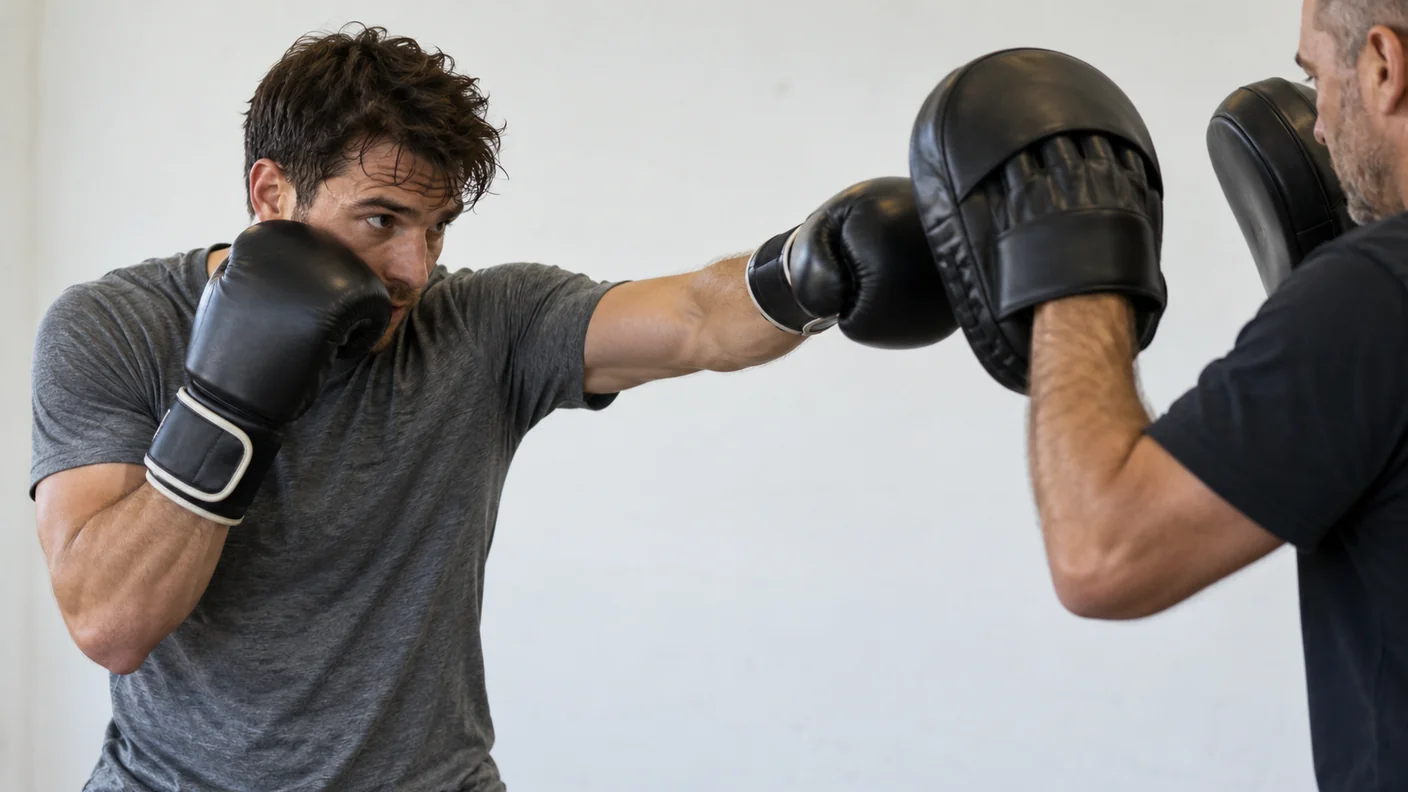
A double jab can make an overhand right easier to land. It can also make a boxer walk straight into trouble.
The difference is not how hard either jab lands. It is whether those first two punches have left you close enough, balanced enough and aware enough to throw the third shot without falling over your front foot.
This sequence is useful when the first jab gets a guard response but does not give you a clear line. The second jab can make the other boxer cover, touch their lead hand or reset their feet. The overhand only belongs when that reaction has created a genuine route over the lead side.
The video below is a useful visual reference for the rhythm of two purposeful lead hands before the arcing rear shot. Treat it as a technical reference, not a script. In training, the safe finish may be an overhand, another jab, a step out or simply a reset.
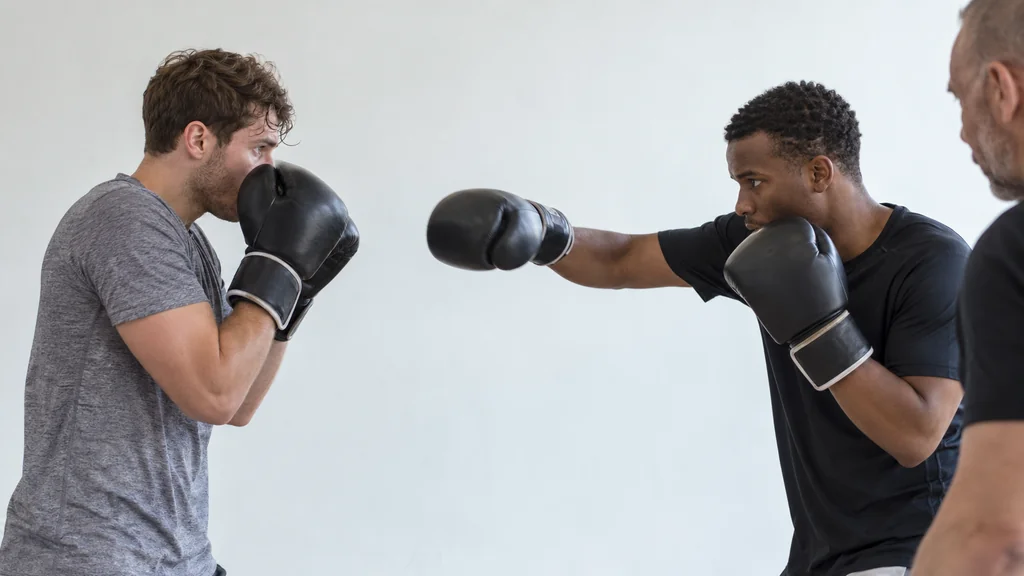
The double jab has to do a job
Two jabs are not automatically better than one. If they arrive at the same speed, from the same distance and with the same rhythm, they can be easier to read than a single clean jab.
Give each jab a different job. The first finds the distance and asks the other boxer to react. It can touch the gloves, take a small amount of ground or make the guard show its shape. The second jab can occupy that guard again while you check whether your feet have reached a useful position.
The point is not to batter through somebody's hands. The jabs are there to create a clearer picture. If the other boxer retreats out of range, the overhand is not there. If they stay planted with the lead hand high and their attention fixed on the straight line, there may be a route around it. If they throw back early, the right answer may be to cover rather than force a third punch.
That is why this belongs after basic jab work. England Boxing's coaching handbook puts stance, balance and controlled progressions before complicated combinations. The double jab should leave you able to defend. If it does not, the sequence is too ambitious for the range.
Our guide to using setup jabs before an attack covers the broader idea. Here, the useful detail is patience. Do not decide that two jabs have earned an overhand before you have seen the response.
Keep the first two shots straight and modest
Start from a distance where a normal jab can touch a mitt without your head travelling past the lead knee. Throw the first jab, bring it close to guard, then send the second from the same organised stance. The rear glove stays near the cheek throughout.
You may take a small step with the first jab if the target is just beyond ordinary range. But let the rear foot restore the stance before the rear hand works. A punch thrown while that foot is trailing can look powerful on a pad yet leave nothing underneath it when a person moves.
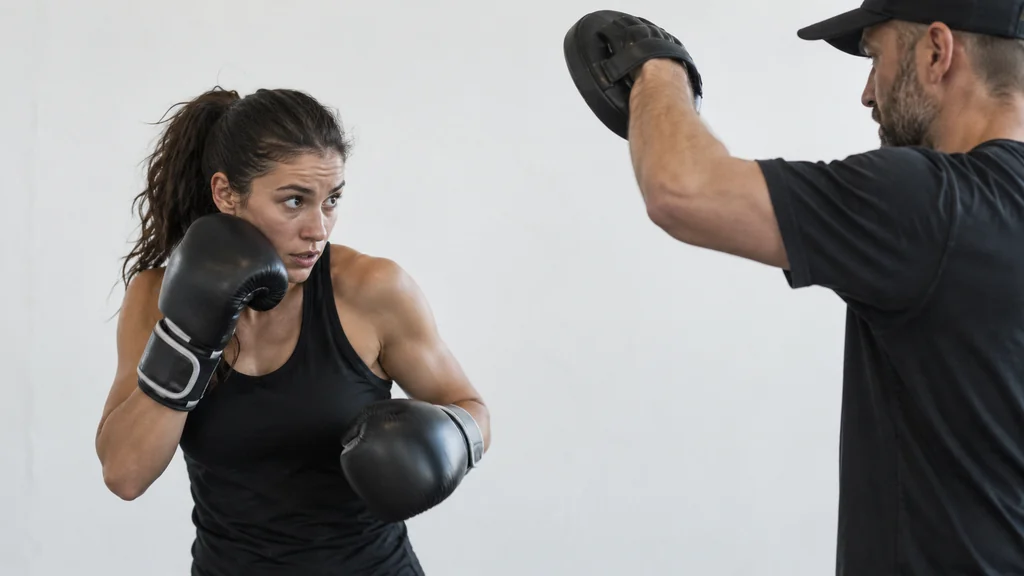
A review of boxing performance describes punching, movement, distance and defence as connected tasks. That is the practical value of the double jab. It can put your feet in range while giving the opponent something to solve. But it works only if the feet, head and hands still agree at the end of the second jab.
Use a freeze test. After the second jab, pause for one count. Could you throw a balanced right hand? Could you cover a return jab? Could you step away without crossing your feet? If the answer is no, remove the overhand and fix the entry.
The overhand is an answer, not a compulsory third punch
The overhand has a curved route over the other boxer's lead-side guard rather than straight through the middle. That can be useful after the double jab has made them raise, reach or settle behind a predictable line.
It does not belong when they have stepped away, lowered their level, moved inside your right shoulder or shown a second straight punch. A big arm movement cannot repair a bad position.
Keep the motion compact while you learn it. The rear hip turns, the rear shoulder travels over the line and the lead glove stays home. You are not trying to throw a looping punch from the floor. You are placing a controlled overhand on a coach-held mitt, then returning to guard before deciding whether to move.
For a more defensive entry into the same family of punches, read how to use an inside slip before an overhand right. That article begins with the opponent's jab. This drill begins with your own two lead hands. Both need the same standard: the overhand is useful only when the line, range and guard make sense.
The drill: double jab, read, choose
Start with pads. The coach can control the range and decide whether the third target appears. This avoids teaching the habit of throwing an overhand after every pair of jabs.
Round one: double jab and freeze
The coach presents one mitt at normal jab range. Throw two light jabs, returning the lead glove close to guard between them. Freeze after the second jab.
Check three things before repeating. The head is still between the feet. The rear glove is close enough to cover. The rear foot has not been left behind by the lead side. Work both orthodox and southpaw positions by reversing the pattern.
Round two: double jab and one clear target
Now the coach presents a third mitt above the lead-hand line only after the second jab. If the mitt appears and you are balanced, place a light overhand on it. Bring the rear glove home, then reset.
If the third mitt does not appear, do not throw the punch into empty space. Cover, take a small step out or return to jab range. The pause is the skill. It teaches you that a combination is a series of decisions, not a promise you made before the first jab landed.
Round three: double jab, overhand, safe finish
For the last round, the coach shows the overhand mitt after some double jabs but not all of them. After every overhand, add one defensive finish: high guard, small angle step or a calm reset.
Keep the pace technical. The overhand should travel with enough control that the coach can see the shoulder turn and the return to guard. If it becomes a wild swing, return to round two.
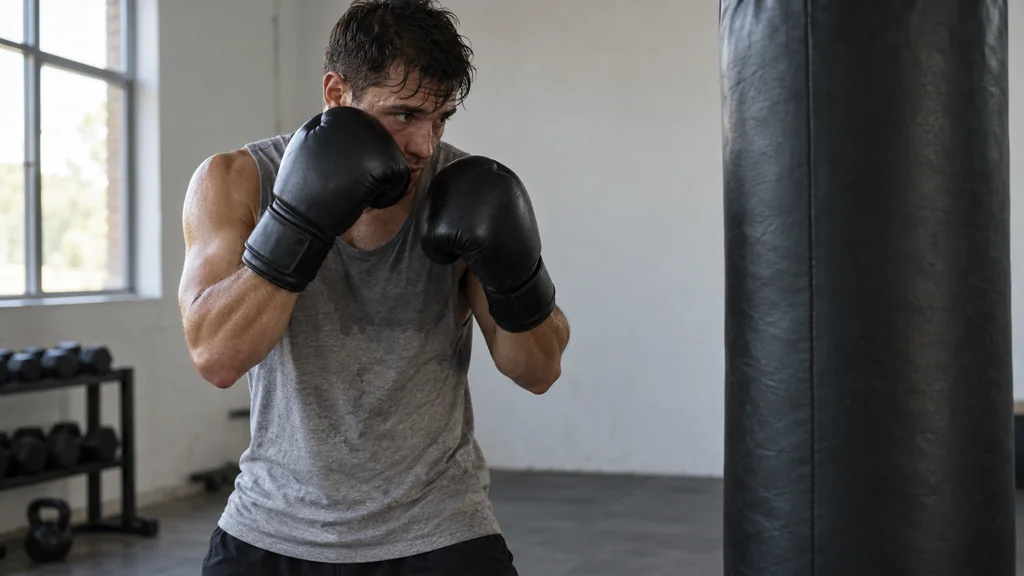
Four mistakes that spoil the sequence
The first is treating the two jabs as a race. When the shoulders rush and the lead hand stays out, the other boxer gets an easy countering target.
The second is chasing after the second jab. If the target has moved, do not stretch the right shoulder across the gap. Take a small step, show another jab or let the exchange end. The overhand needs honest range.
The third is throwing the overhand under the other boxer's lead hand. The punch needs a sensible curved route above that line. If their guard has stayed compact and high, there may be no route at all. Reset rather than forcing it around a closed door.
The fourth is admiring the third punch. The rear hand comes home. The feet return to stance. The next job might be to cover, leave or jab again. A good combination is not finished when the glove hits the mitt. It is finished when you are ready for the reply.
Where it fits in training
Use this drill after ordinary jab practice and before harder bag rounds. First build the two lead hands, then add the conditional overhand, then one safe finish.
Do not use it as a reason to throw hard overhands at a partner. Beginners can learn the shape on pads and in shadow boxing. The aim is timing, balance and decision-making, not proving that the third punch is heavy.
For adults in Kidbrooke, Greenwich and nearby, our Recreational Adults boxing classes use pads, bags and controlled drills to connect combinations with the guard and footwork that make them usable.
The coaching cue is simple: two jabs to ask, one overhand only when the answer is there.
H&G Team
Writer at Honour & Glory Boxing Club, a community boxing gym in Kidbrooke, South East London.
KEEP READING
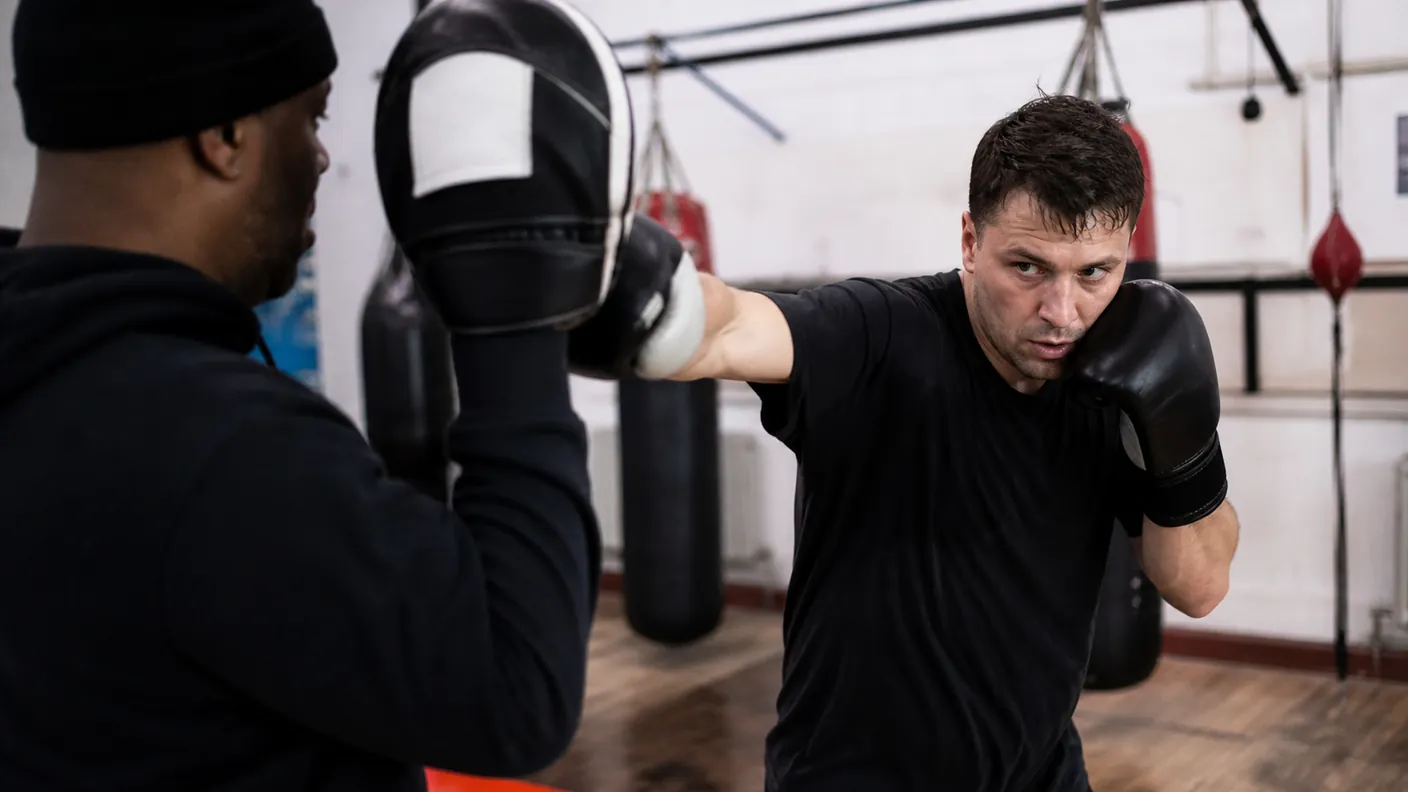
Overhand Right in Boxing: Timing, Range and Drills
Learn when an overhand right belongs, how to throw it without falling in, and how to practise the timing with controlled drills.
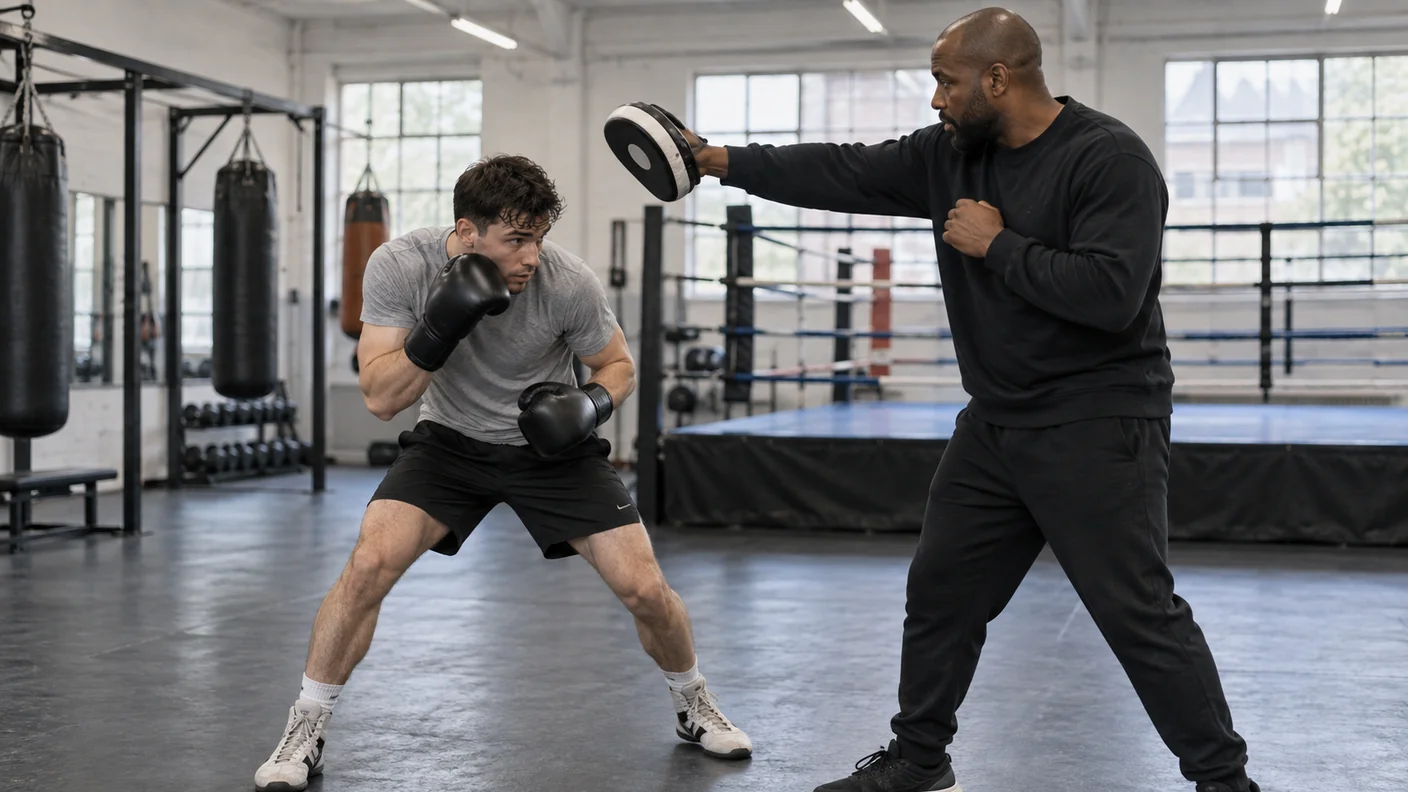
Inside Slip Overhand Right: A Boxing Counter
Use a compact inside slip to clear a jab and land a controlled overhand right only when timing, distance and guard make it safe.
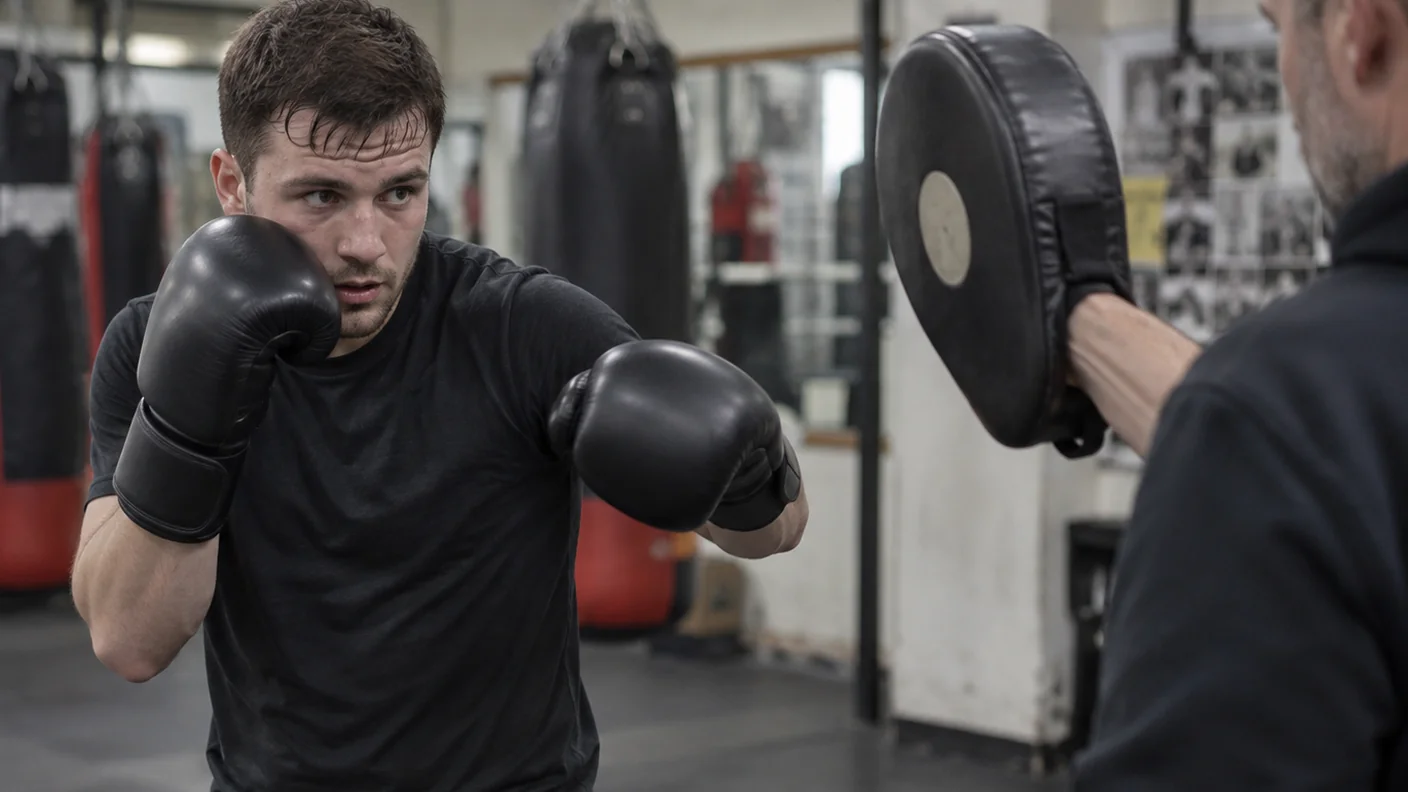
How to Defend a Double Jab in Boxing
A calm drill for catching or covering the first jab, reading the second and keeping your stance ready for the next decision.
Was this page helpful?
It takes one tap, and it genuinely helps.
Choose your next step
Turn this article into the right action
Some readers are ready to book. Some need the class route first. Pick the route that matches what you actually want.