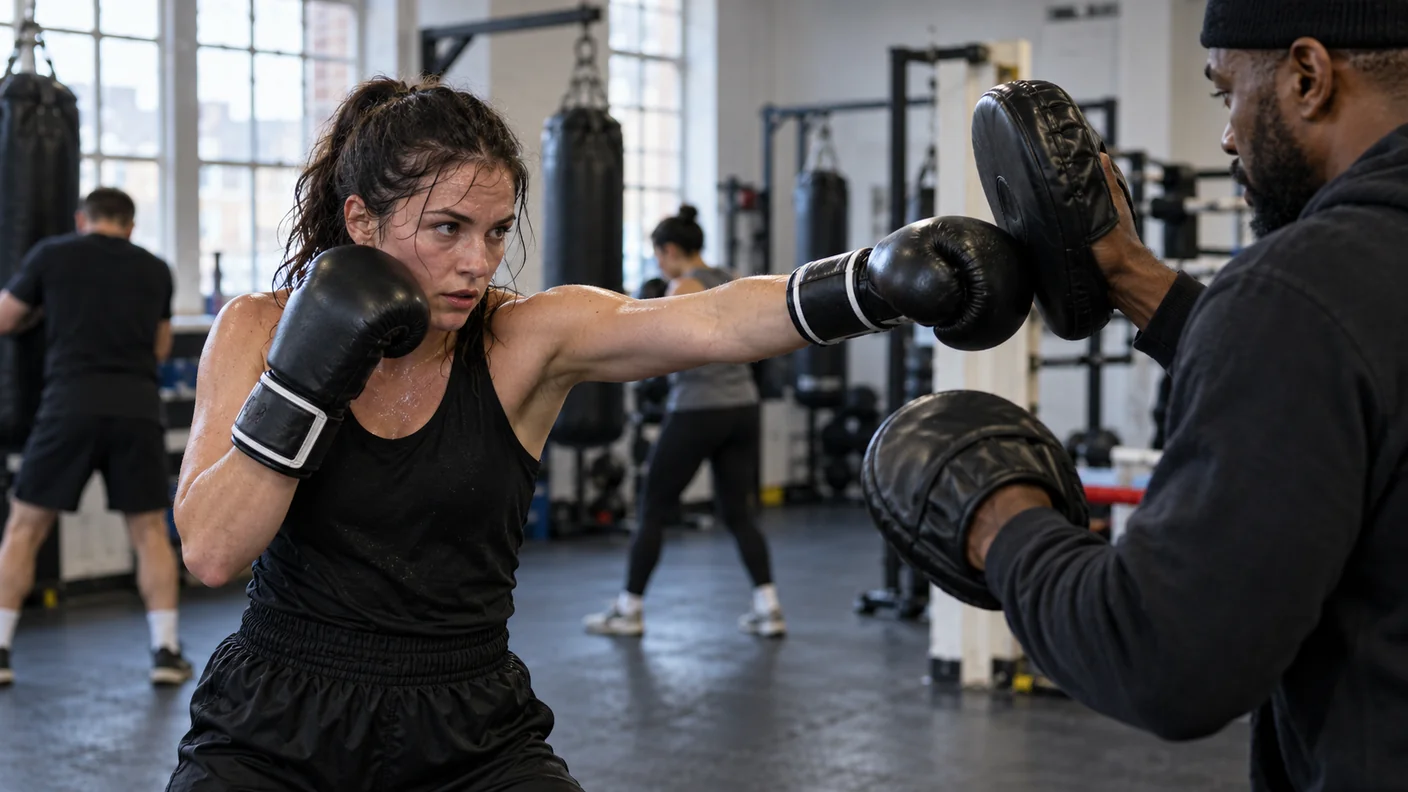
A double jab should not look like one jab copied and pasted at top speed.
That is the mistake that makes it easy to deal with. The first punch flashes out, returns all the way home, then the same punch comes again on the same line with the same pace. A composed partner can catch the first, step away from the second, or simply wait for the right hand that nearly always follows.
A better double jab has two different jobs. The first establishes range, draws a response or occupies the guard. The second arrives while that response is still happening. Both hands must still return to a stance that can defend, move or punch again.
Watch the short demonstration below before trying the drill. The useful idea is not to imitate every variation. It is to notice that a double jab has rhythm, distance and a finish.
Give the first jab a clear job
The first jab is often the longer one. It can touch the glove, chest line or a coach-held mitt to tell you where the other person is. It can also make them raise their guard, parry, take a step, or show which way they prefer to move.
Do not throw it as a sacrificial punch. Keep the rear hand near the cheek, let the shoulder protect the chin and do not let the head chase the glove. If the first jab pulls your weight over the front foot, the second jab will usually be a reach rather than a useful follow-up.
England Boxing places stance, balance and controlled progression at the centre of technical learning in its coaching handbook. That is the right test. After the first jab, can you still choose to throw again, cover, or take a short step? If not, make the first movement smaller.
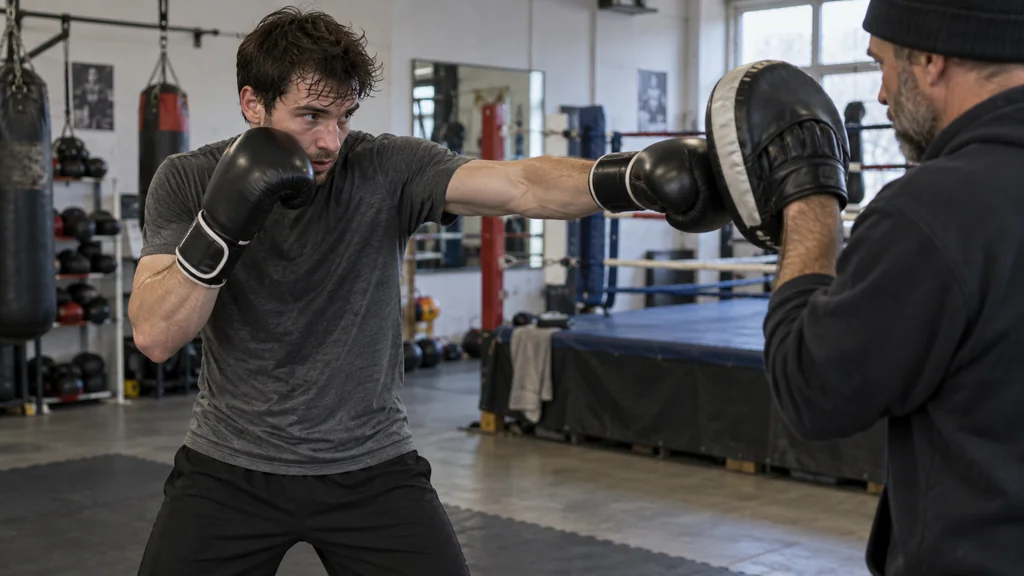
Let the second jab arrive from a shorter return
The second jab does not need a theatrical pull all the way back to the cheek before it leaves. A compact return keeps the glove available and makes the next line harder to time.
That does not mean leaving the lead hand hanging out. The elbow should still bend, the shoulder should still cover the chin, and the rear hand should stay at home. Think of the first jab as a knock at the door. The second is the quick question asked before the other boxer has finished answering.
The useful rhythm is personal. A tall boxer may need a fraction more space between the shots. A compact boxer who is already in range may use a quicker second touch. What matters is that you are not tensing the shoulder to force speed. Tension makes the jab slower and makes the return obvious.
A review of boxing biomechanics describes boxing actions as linked through the lower body, trunk and upper body. In practical terms, your feet and posture still matter on the second jab. If the hand moves quickly but the body is frozen or falling in, the combination has stopped working as one action.
Do not turn every double jab into a right hand
The double jab is useful because it gives you information. Throwing the same rear hand after every pair removes that advantage.
Sometimes the second jab lands cleanly and the other boxer is already stepping away. Sometimes both jabs meet a solid guard. Sometimes the first jab brings them forward and the sensible response is to cover or leave rather than add a punch. Good technique includes knowing when a familiar combination has run out of space.
This is especially important in technical partner work. A coach can present a mitt after the second jab on some repetitions and remove it on others. When the mitt is there at honest range, place a straight right or another agreed shot. When it is not, recover your guard and reset. Do not throw at empty air because the pattern told you to.
Our guide to setting up a useful first jab looks at the question before an attack. This double-jab drill deals with the next beat: how to stay organised while the first answer is still unfolding.
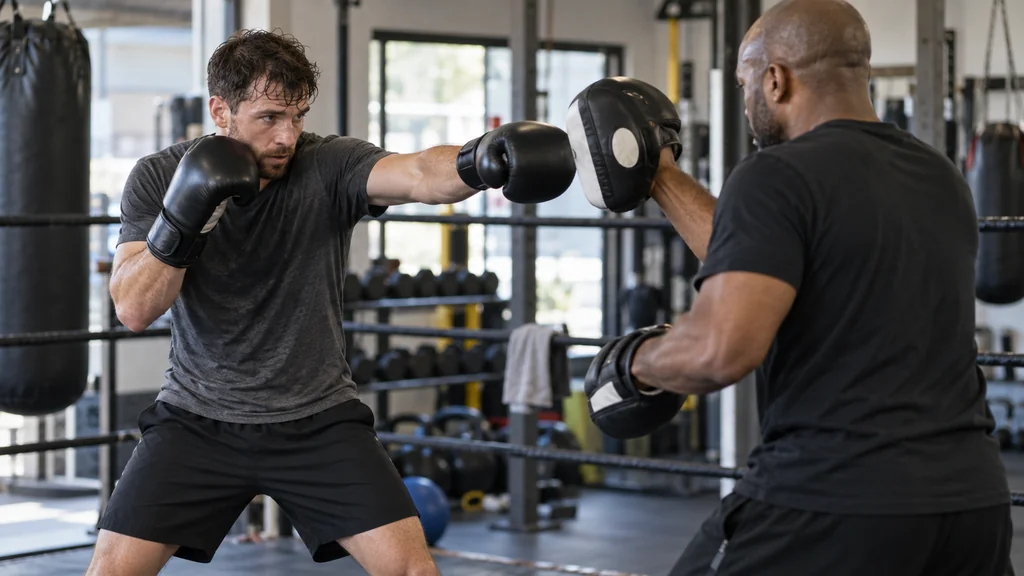
A three-round double-jab rhythm drill
Use gloves and a coach with mitts, or work on a bag with strict rules. Keep the first few rounds quiet enough that you can feel the return of the lead hand. Fast, loose repetitions do not teach timing.
Round one: long jab, compact return
Stand at a distance where the first jab lands without the head moving past the lead knee. Throw one light jab to a mitt, recover the glove partway, then freeze before throwing another punch.
The aim is to feel the compact return without letting the lead hand drift. Check the rear glove, chin and feet. If the lead shoulder has risen into your ear or your feet have narrowed, relax and start again.
Round two: double jab and read
Now throw the first jab, recover it compactly and place a second jab on a mitt. The coach should vary the second target slightly: sometimes at the head line, sometimes at the chest line and sometimes not at all.
If the target disappears, bring the hand home and reset. The decision is part of the repetition. A double jab is not two compulsory punches delivered regardless of the range.
Round three: double jab, then choose a finish
In the final round, the coach may show a rear-hand mitt, a high guard cue or an open lane for a small step out after the second jab. Make one calm choice. Touch the mitt only when the range is genuine. Cover if the return line is shown. Step out if the partner has moved into you.
This is where the drill starts to resemble boxing rather than a bag sequence. The jabs create a response. Your finish should depend on that response.
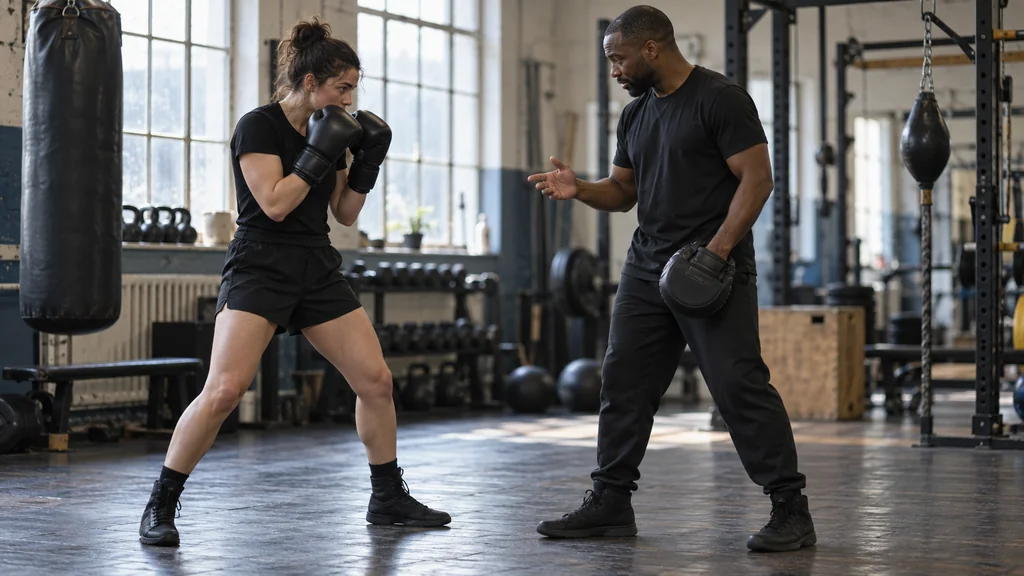
Four errors that make the double jab predictable
The first is making both jabs identical. If the timing, distance and return are all the same, the other boxer has only one rhythm to solve. Let the first jab establish the picture and let the second one use what it found.
The second is reaching on the first jab. Once the chest falls over the front knee, there is no useful second jab. Bring the feet closer before you ask the hands to cover more distance.
The third is rushing the second jab with a stiff shoulder. Quick does not mean tense. A relaxed glove with a compact return is usually quicker than a forced punch thrown from a locked arm.
The fourth is assuming the right hand is always due. The double jab can set up a right hand, but it can also set up a step, a guard, a body touch or a full reset. Keep the sequence honest.
For another way to make your lead hand harder to read, see our guide to stopping the jab from telegraphing. The two drills work well together: one changes the signal before the jab, while this one changes the rhythm after it has started.
Where it fits in training
This is a useful early technical drill for anyone who has a settled stance and a basic jab. Beginners can use it in shadow boxing or on a bag. More experienced boxers can add slow, agreed mitt cues after the second jab.
It is not a reason to rush into hard sparring or to force three-punch attacks. Start with range, posture and the return of the lead hand. Once those are reliable, the second jab gives you a calm way to make someone react without becoming predictable yourself.
For adults in Kidbrooke, Greenwich and nearby, our Recreational Adults boxing classes use controlled pads, bags and partner drills to make timing feel practical rather than mysterious.
The coaching cue is simple: ask with the first jab, arrive with the second, finish able to box.
H&G Team
Writer at Honour & Glory Boxing Club, a community boxing gym in Kidbrooke, South East London.
KEEP READING
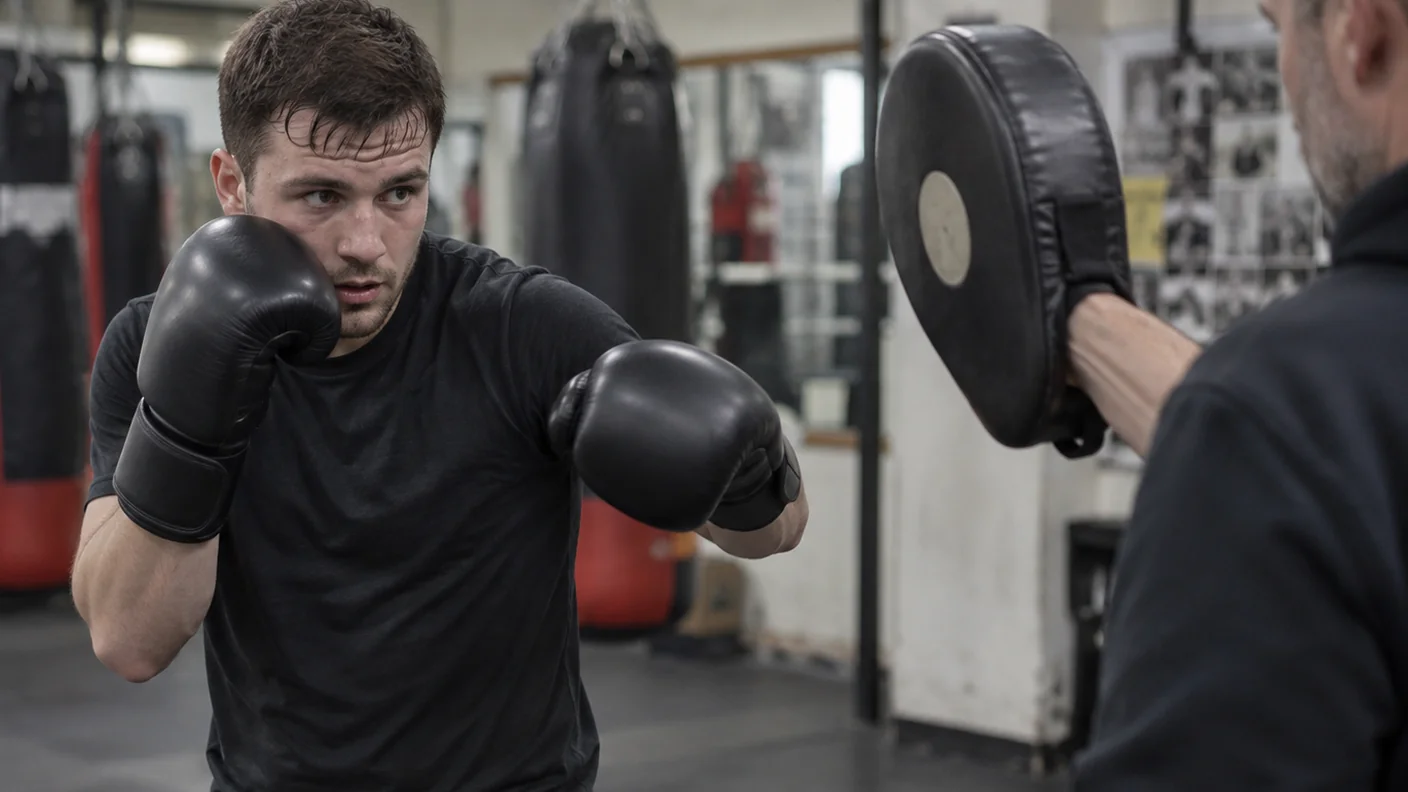
How to Defend a Double Jab in Boxing
A calm drill for catching or covering the first jab, reading the second and keeping your stance ready for the next decision.
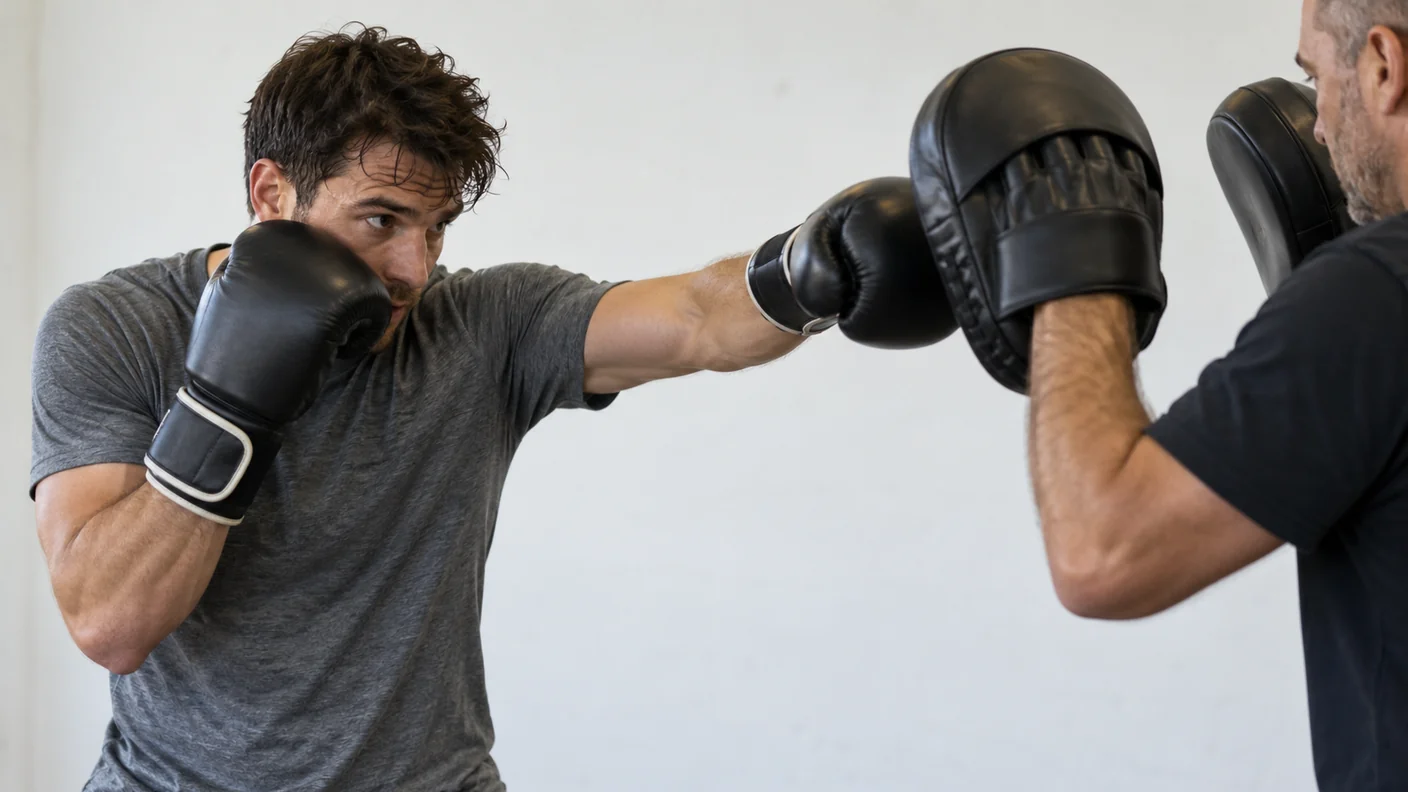
Double Jab to Overhand: A Controlled Boxing Drill
Use two purposeful jabs to test range and guard shape before throwing an overhand only when the position is honest.
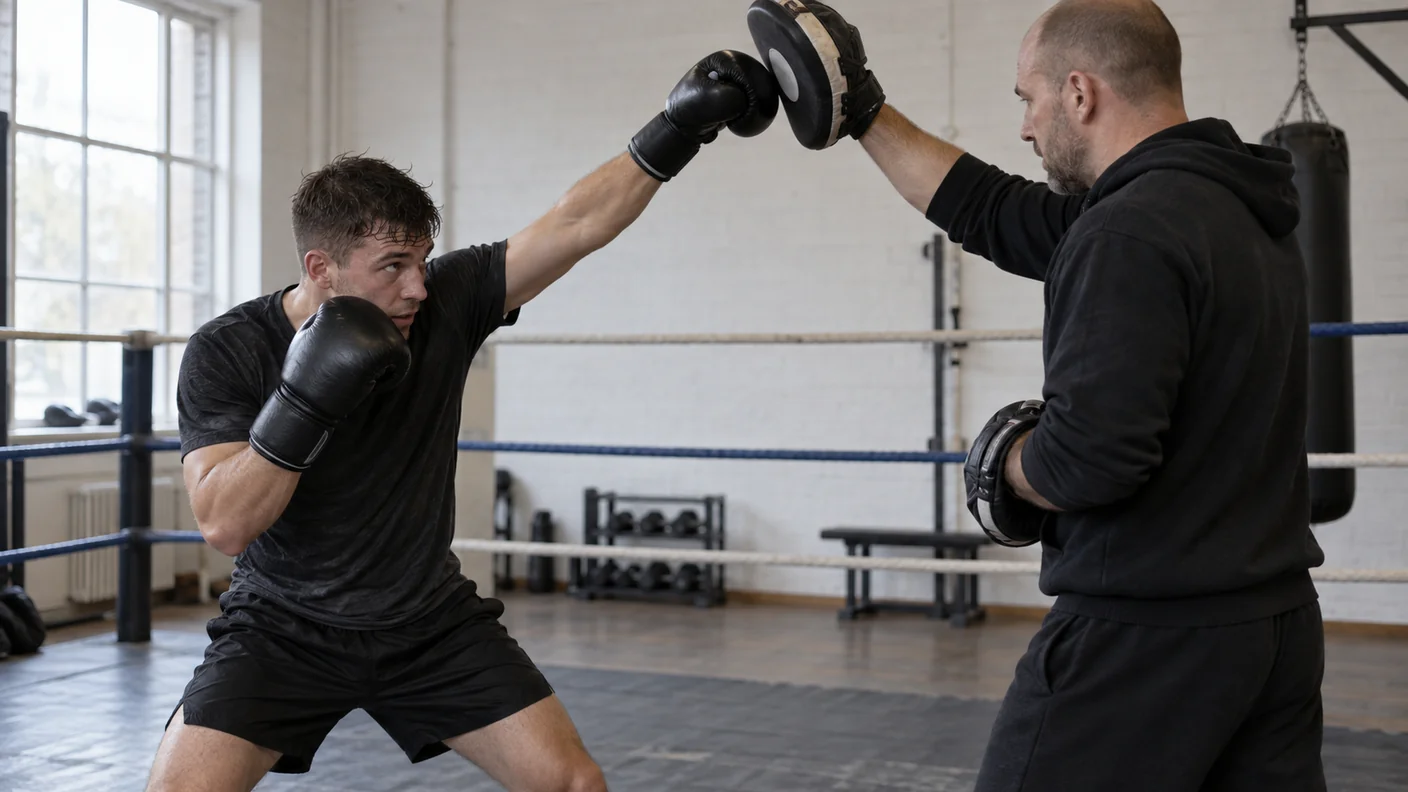
How to Use an Up Jab in Boxing
Use a compact up jab to change the line, test a high guard and keep your stance ready for the next decision.
Was this page helpful?
It takes one tap, and it genuinely helps.
Choose your next step
Turn this article into the right action
Some readers are ready to book. Some need the class route first. Pick the route that matches what you actually want.