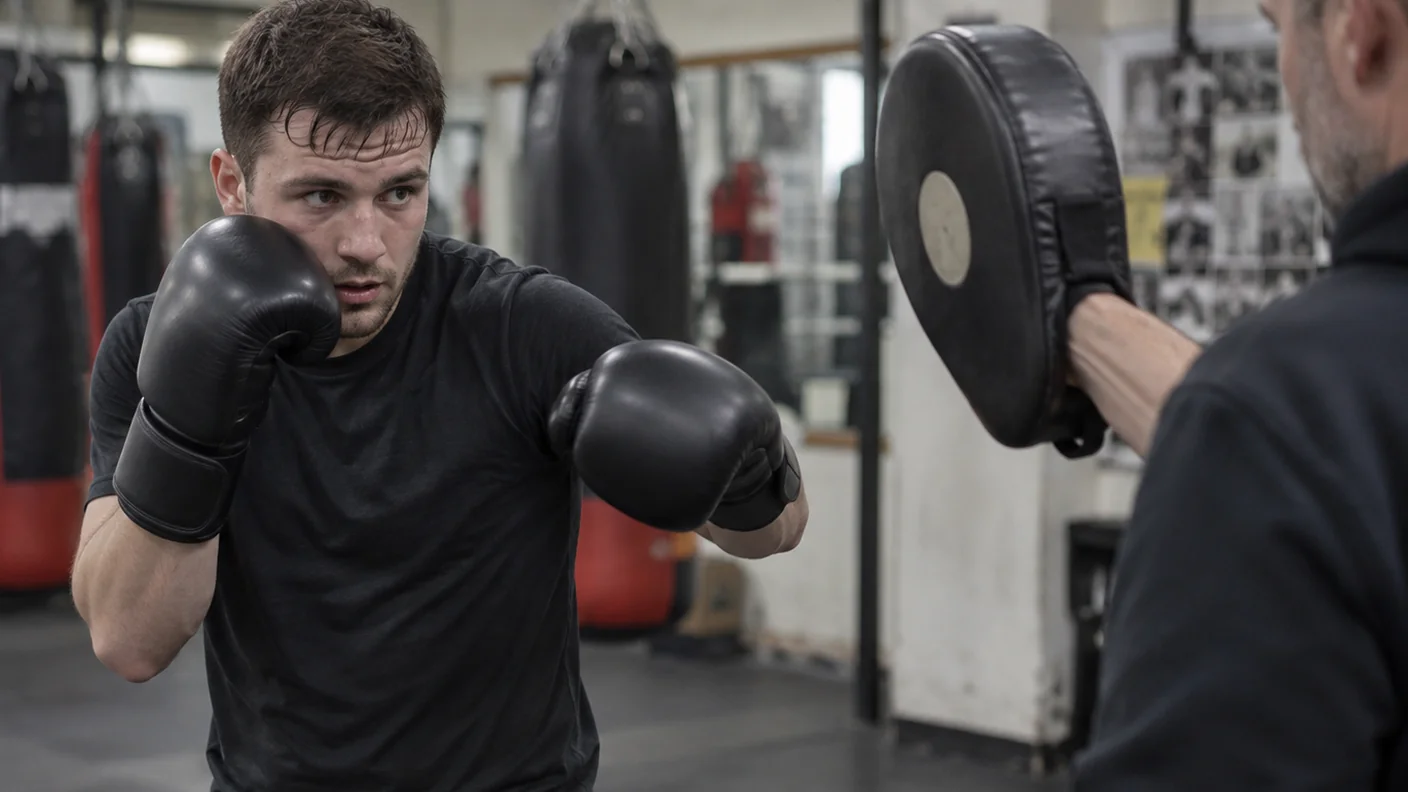
A double jab is not difficult because it is fast. It is difficult because the first jab can make you spend your defence too early.
A new boxer sees the first glove, reaches out with the rear hand, then tries to recover before the second jab arrives. The hand is still away from the cheek, the feet have stopped and the second punch suddenly looks much sharper than it was. The answer is not to invent a dramatic counter. It is to make the first response compact enough that you still have a guard for the second beat.
The video below is a useful visual prompt for a compact catch, parry and return against a jab. For a double jab, take the same discipline one step further: deal with the first shot without chasing it, read whether the second arrives, then make one calm choice.
Why the first jab causes the real problem
The first jab often has a small job. It may touch the gloves, make you blink, draw your rear hand out or set the distance for the second jab. The attacker does not need it to land cleanly if it makes your response obvious.
That is why swatting at it is a poor habit. If you push the first jab across your body, your rear glove leaves the centre and your shoulder turns with it. You may have moved one punch, but you have built a gap for the next one.
A compact catch or parry keeps the work close to your own guard. England Boxing puts balance, guard and controlled footwork at the base of effective boxing technique in its coaching handbook. That is the useful standard here. After dealing with the first jab, can you still cover, move or punch without rebuilding your stance?
Catch the first jab where your face was
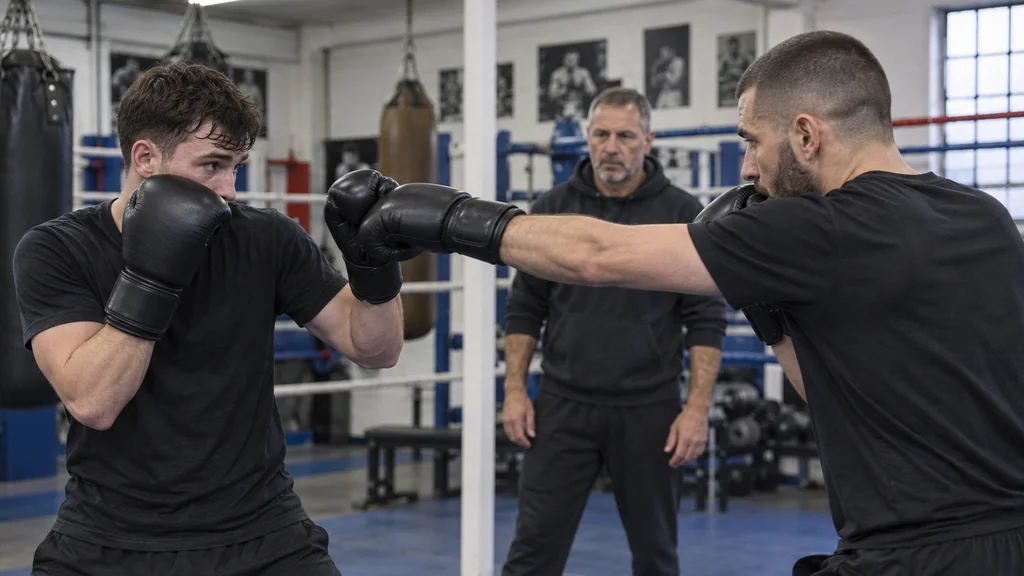
For an orthodox boxer facing orthodox, the rear glove is usually the simplest tool for a long jab. Let it meet the glove close to your cheekbone, with the elbow still near the ribs. The hand turns the jab away by a small amount, then comes home.
Do not reach forward to find the glove. Wait until the jab has entered your space. A reach makes the catch late, pulls the weight over the front foot and gives the other boxer the distance they wanted.
The lead hand can also make a short parry when the line suits it, but the rule stays the same: small movement, fast return. You are redirecting a punch, not trying to win a hand fight.
If the first jab is very light, it can be tempting to counter immediately. That is where beginners get caught. The second jab may already be on its way, or the first jab may have been a probe before a cross. Your first responsibility is to keep your shape until you know which picture is in front of you.
Do not defend both jabs with one big movement
The double jab usually asks for two small decisions, not one heroic one.
If the first jab touches your catch and the attacker resets their shoulder, return to guard and expect the second. You might catch it again, use a compact high cover, take a short step back or make a small angle step. The choice depends on whether the attacker is closing range, staying still or preparing the rear hand.
If the first jab falls short, do not rush forward to parry air. Let it miss, keep your feet set and watch the next step. A boxer who has overreached on the first jab may be vulnerable, but only if you are balanced enough to recognise it.
A review of anticipation in combat sports found that more experienced athletes make better use of early movement information. In a controlled class drill, that means looking at the chest, shoulders and lead foot after the first jab. You are not trying to predict every punch. You are giving yourself enough information to avoid reacting twice to the same feint.
A three-round double-jab defence drill
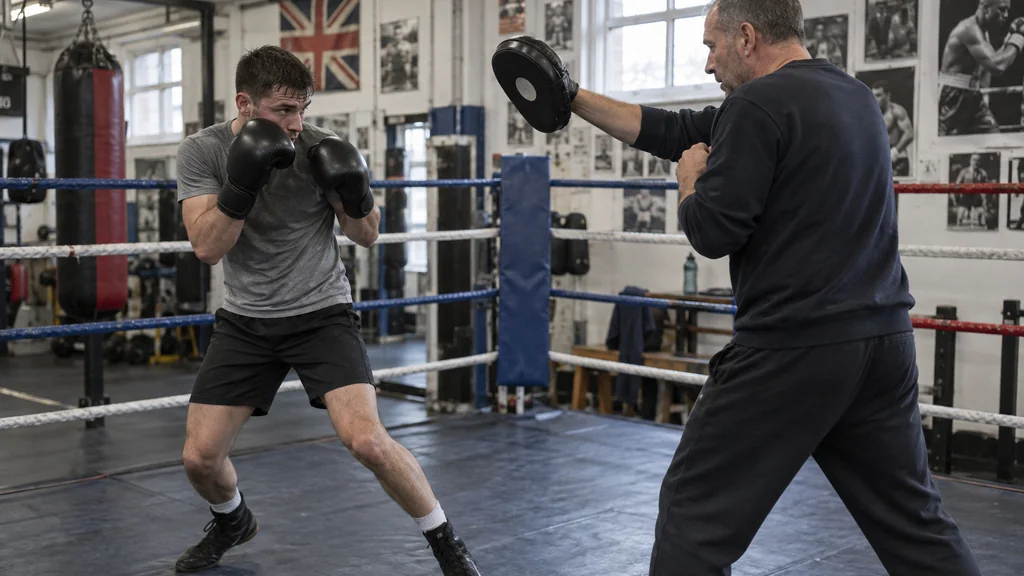
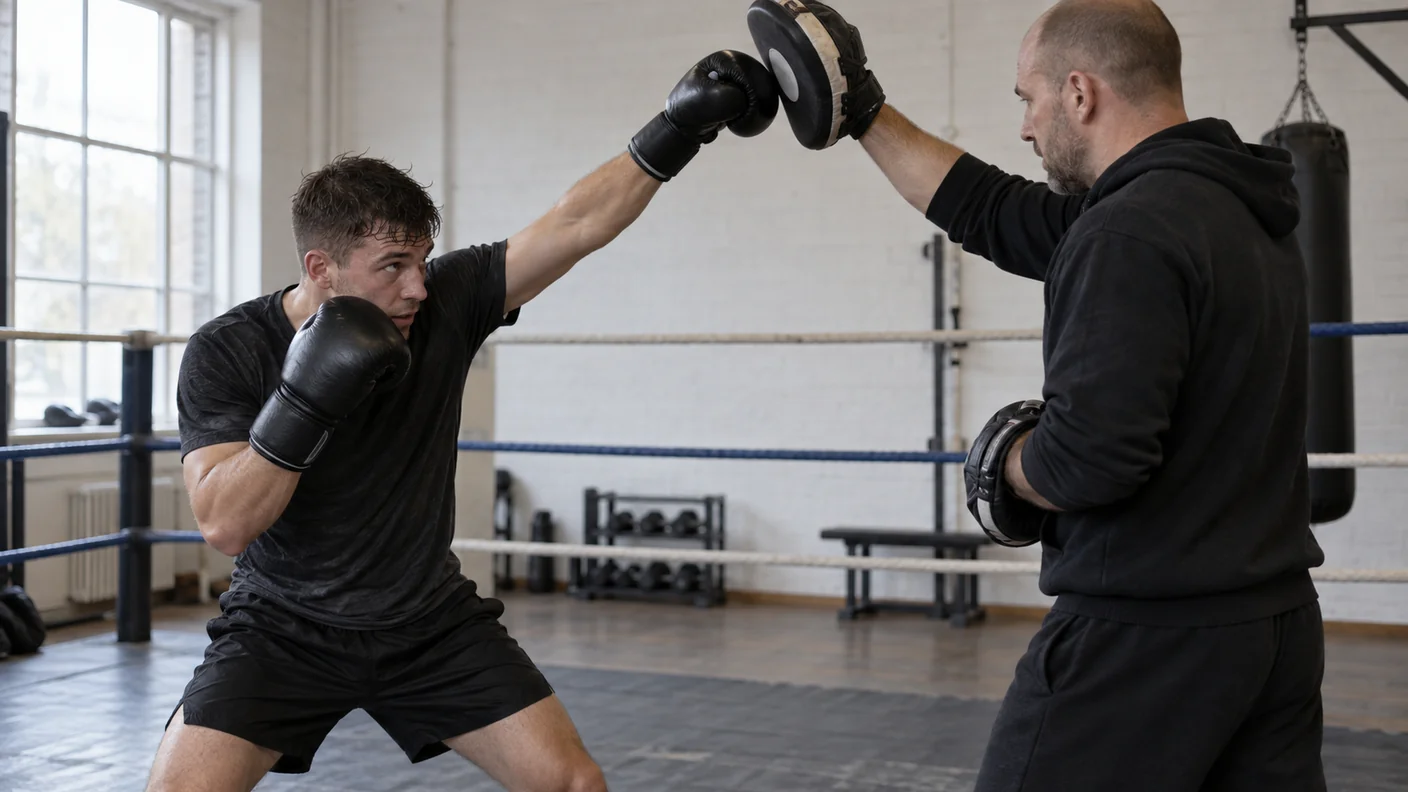
Use gloves and a partner or coach who can keep the speed low. The feeder is giving a clear technical cue, not trying to catch the defender out with a hard second shot.
Round one: catch and freeze
Partner A throws one slow jab at a time. Partner B catches it with the rear glove, returns the glove to guard and freezes for one count.
The coach checks three things: the elbow has not flared, the chin has stayed behind the lead shoulder, and the feet have not come together. If the catch makes you lean back at the waist or pull the hand down, reduce the speed and range.
Round two: first jab, second jab
Partner A now throws a measured double jab. Partner B catches or covers the first jab, then chooses a second compact defence for the follow-up.
Start with one repeatable answer. Catch the first jab, high cover the second, then reset. Once that feels organised, try catch, catch, reset. The point is not to collect defences. It is to stop the first response making the second jab easy.
Do not throw back yet. The pause teaches a useful lesson: a clean defence is a result. You do not need to force a counter after every glove movement.
Round three: add one honest choice
Now Partner A can throw either a single jab, a double jab or a jab followed by a slow rear-hand mitt cue. Partner B catches, covers or steps according to the picture, then may touch one coach-held mitt only if it is genuinely available.
If the second jab has brought Partner A closer, a small step out may be the better answer. If the mitt arrives after a tidy catch and the feet are settled, a measured jab back is enough. If the rear-hand cue appears, bring both gloves home rather than punching through it.
This is where the drill becomes boxing rather than a memorised defence. The right answer changes, but the standard does not: remain in a stance from which you can see, defend and move.
The errors that make the double jab work
The first is treating the first jab as a personal insult. A light touch can still be useful for the attacker if it makes you throw both hands at it. Keep the response small and make them show the second intention.
The second is catching too low. If the rear glove drops towards the chest, it may deflect the jab but leaves the head line open. Catch near where your face was, then return to the cheek.
The third is standing still after the second jab. Even a good catch can leave you at the same distance while the other boxer is ready to continue. Reset at long range, take a small angle or use a simple jab back if the line is honest.
The fourth is assuming every double jab deserves the same answer. A tall boxer flicking two range-finders is different from a pressure boxer stepping behind both punches. Watch the feet. If the body is coming with the jab, your exit may matter more than a counter.
Our guide to defending the jab in boxing covers the wider choice between catch, slip, block and footwork. For an attacking view of the pattern, read how to develop a boxing jab. The first jab can create the second. Your defence should be ready for both.
Where this fits in training
This drill suits anyone who already has a basic guard and jab. It does not require hard sparring. Slow feeds, pads and agreed partner work are enough to make the timing clear.
Keep the first rounds quiet. The goal is not to look clever or land a hard counter. It is to stop the first jab from pulling your hands and feet out of position. Once that is dependable, the counter becomes easier because it comes from a guard that is still working.
For adults in Kidbrooke, Greenwich and nearby, our Recreational Adults boxing classes use controlled partner drills to build that discipline before faster work. You learn to see the second beat instead of spending everything on the first.
The coaching cue is simple: catch small, see the second jab, then choose.
H&G Team
Writer at Honour & Glory Boxing Club, a community boxing gym in Kidbrooke, South East London.
KEEP READING
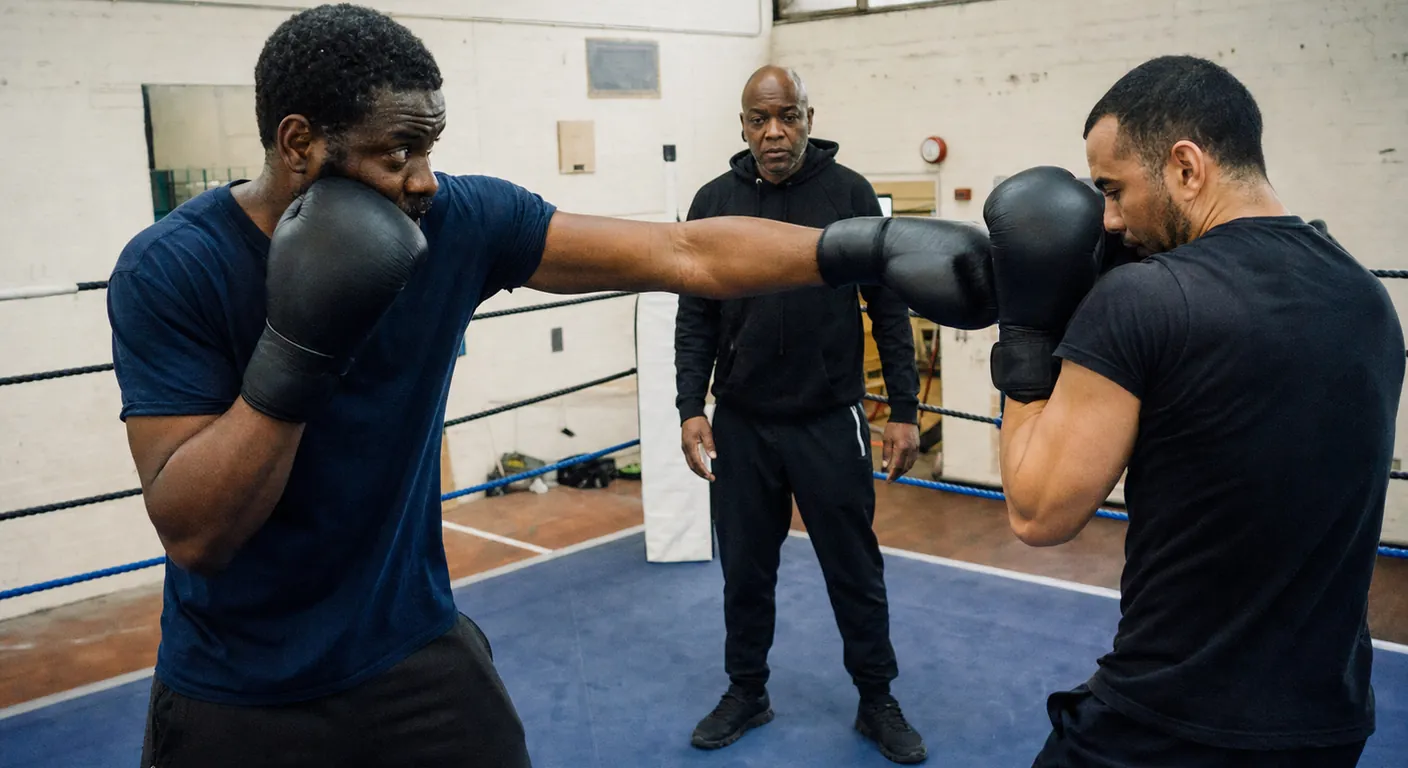
How to Defend the Jab in Boxing
Learn how to defend the jab with a catch, slip, block and exit without losing stance, balance or the chance to punch back.
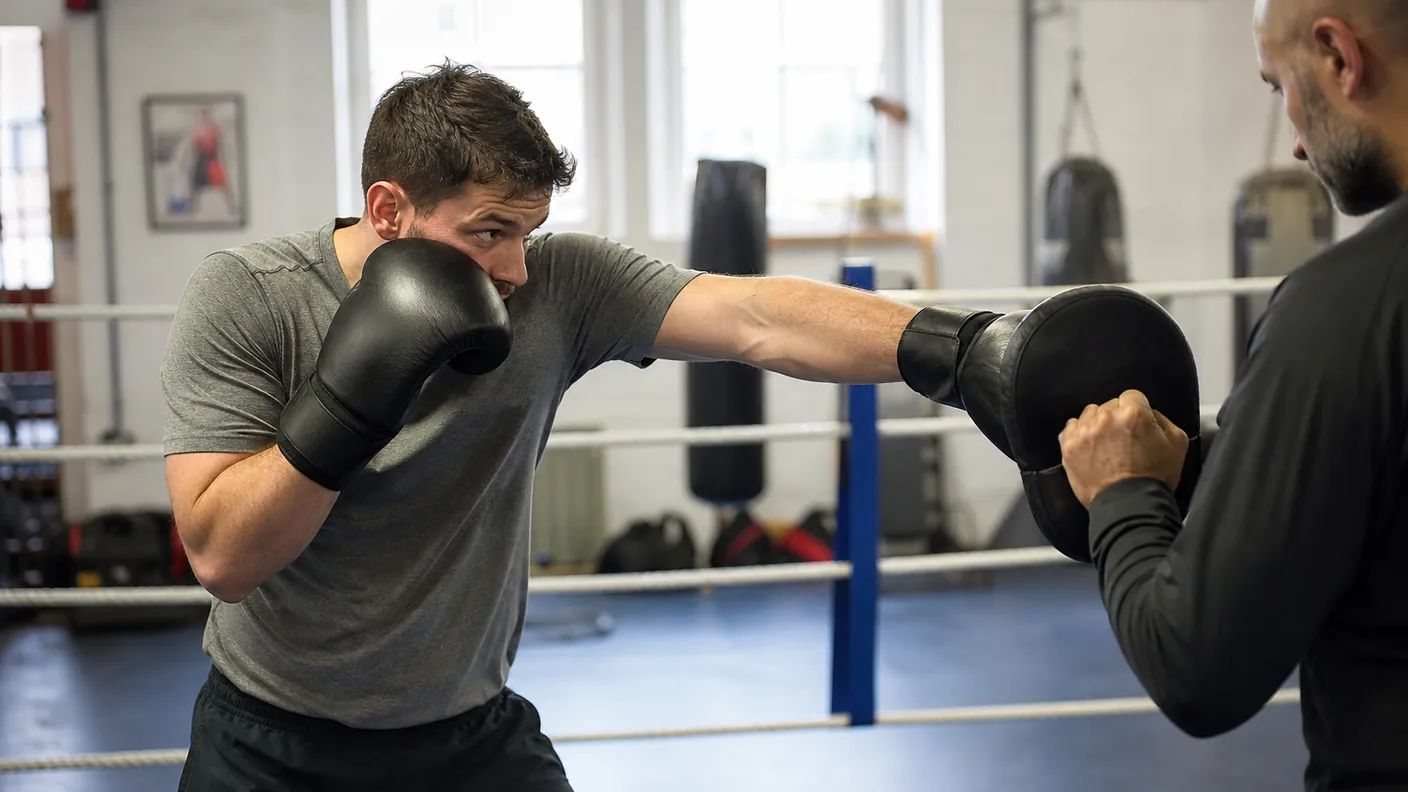
How to Use an Up Jab in Boxing
Use a compact up jab to change the line, test a high guard and keep your stance ready for the next decision.
The Body Jab: A Safe Boxing Setup
Use a compact body jab to change the target, check range and set up the next decision without falling over your front foot.
Was this page helpful?
It takes one tap, and it genuinely helps.
Choose your next step
Turn this article into the right action
Some readers are ready to book. Some need the class route first. Pick the route that matches what you actually want.