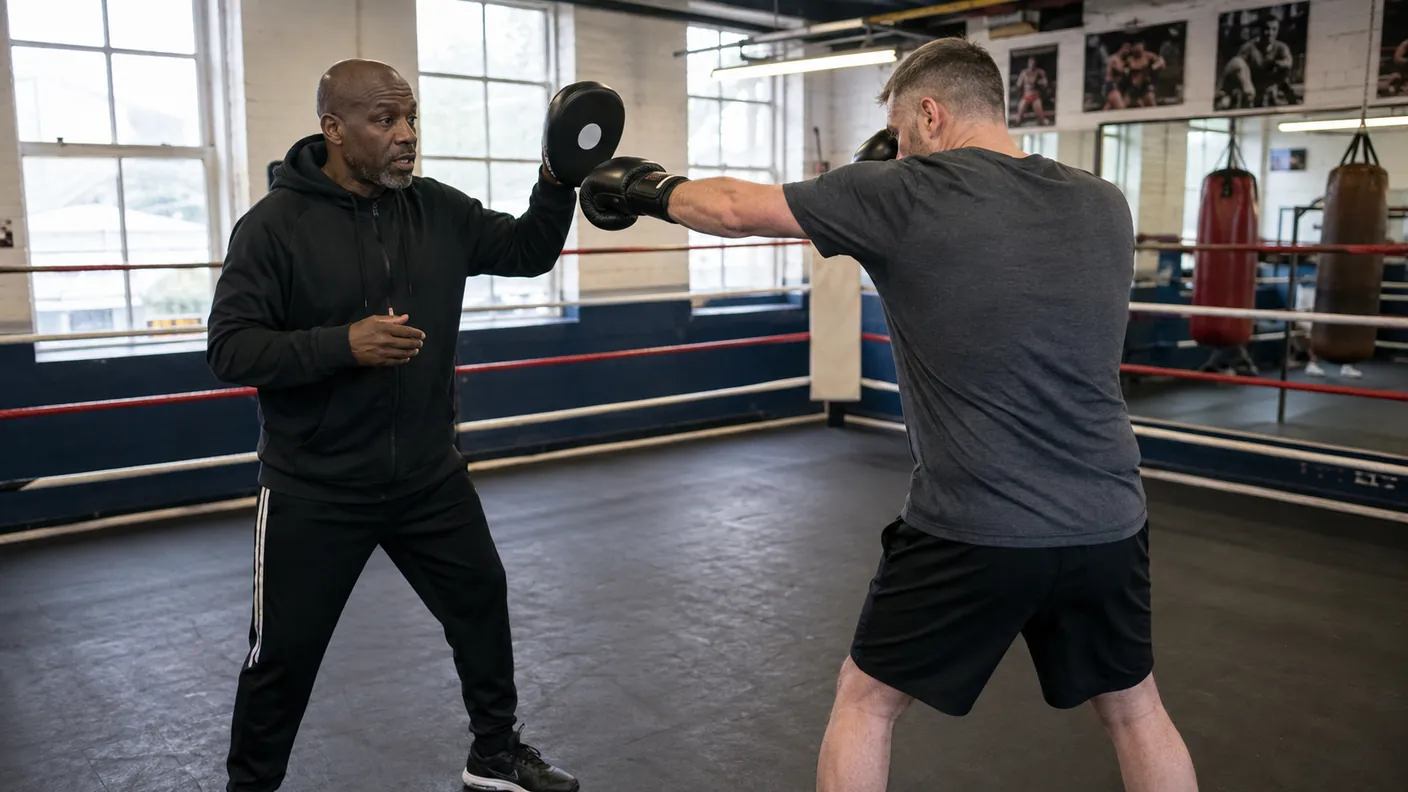
A delayed jab is a normal jab with one small change: you show the beginning of the punch, wait for a fraction, then send it down the same line.
That pause is not there to look clever. It gives the other boxer a question before you give them the answer. If they flinch, raise their guard, parry too early or plant their feet to block, their first reaction has told you something. If they do nothing, you still have a clean jab available. Either way, the movement only works if your stance stays settled and the rear hand stays home.
This is a timing drill, not an invitation to throw slow punches with your chin in the air. Learn it on pads, shadow boxing or a slow partner feed before trying to use it in any live work.
Watch the demonstration below, then use the drill to make the first jab less predictable without turning it into a big theatrical feint.
What makes a delayed jab different
A standard jab should travel straight out and straight back. The shoulder rises slightly, the lead hand leaves on a clean line, and the rear glove stays close enough to protect the chin.
A delayed jab keeps those basics but separates the early cue from the punch itself. You give a small lead-shoulder drop, a slight pressure change through the front foot, or the first inch of the lead hand. Then you stop for a beat. The actual jab comes only after that brief hesitation.
The cue must look enough like your real jab that it earns a reaction. If your shoulder barely moves, it does not ask a question. If you throw the whole arm out and hang it in space, you have given away the line and your guard.
England Boxing places balance, guard and controlled footwork at the centre of technical development in its coaching handbook. That is the standard here. At the end of the feint, you should still be able to jab, cover, step away or do nothing without rebuilding your stance.
Keep the first cue smaller than the jab
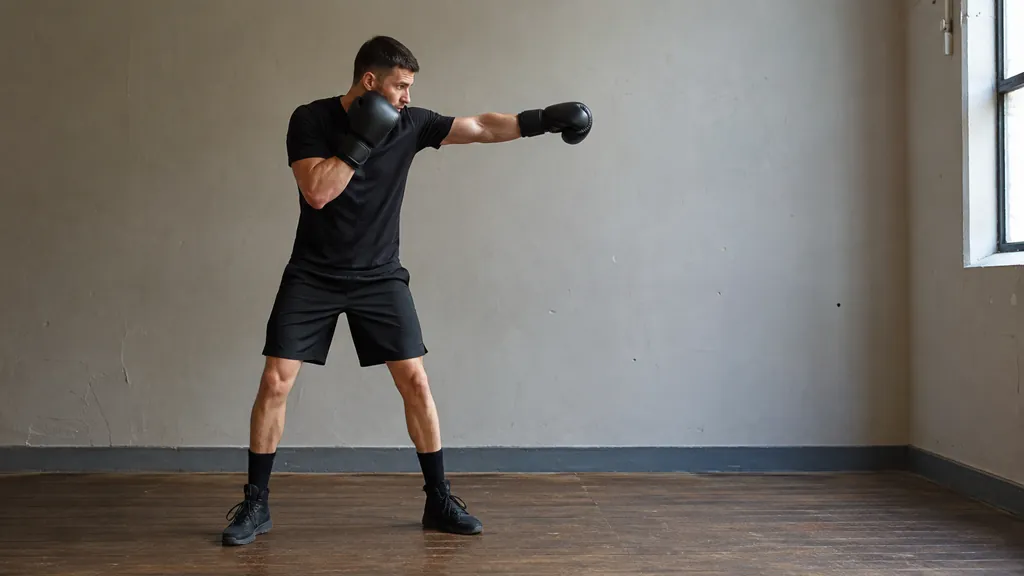
The delayed jab fails when the first movement becomes the main event. Beginners often turn the shoulder too far, dip the head low, lean over the lead knee or lift the elbow. The partner sees a long warning signal, waits for the real jab, then has plenty of time to parry or counter.
Think of the first cue as a nearly-started jab. The lead shoulder shifts forward a little. The front knee may soften. The glove can move a small distance, but it remains close enough that you can take it home immediately. Your eyes stay on the chest and shoulders, not on the floor or on your own hand.
Then jab with the same straight line you would use without the pause. Do not loop around the guard because you feel you have earned a trick shot. The delayed beat has already changed the picture. The jab itself should remain ordinary and tidy.
Our guide to telegraphing the jab covers the same warning signs from the other direction. The goal is not to hide every movement. It is to stop showing the same obvious start signal at the same moment every time.
The reaction matters more than the jab landing
A delayed jab can land, but that is not its only job. A small false start may make the other boxer raise both gloves, pat at the lead hand, set their feet or move their head before they need to. That reaction can make the next decision clearer.
If they cover high, a straight jab to a coach-held mitt may still be available at the edge of range. If they reach to parry, the safest answer may be to return to guard and move. If they step in hard, do not force the jab through. Cover, take a small step out or reset.
A systematic review of anticipation in combat sports found that more skilled athletes make better use of early movement information. In a gym drill, that does not mean trying to read minds. It means watching the first shoulder change, hand movement or step, then making one sensible choice.
The mistake is deciding on a long combination before the reaction exists. You are not paid by the number of punches you planned. A single jab, a cover or a quiet reset can all be a good result when the range has changed.
A three-round delayed-jab drill
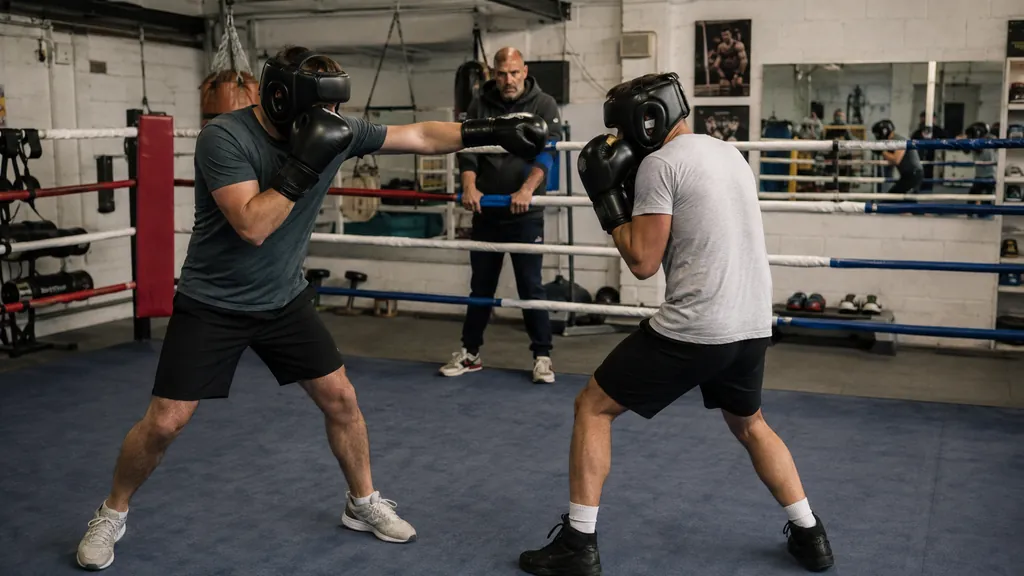
Use one-minute rounds at first. The pause needs care, and speed tends to make the cue bigger than it should be.
Round one: cue and freeze
Shadow box at jab range. Make the small shoulder or hand cue, then freeze for one count before returning to guard. Do not throw the jab yet.
Check your position after every repetition. Your rear glove should still be near the cheek, your chin should still be tucked, and your feet should still be staggered. If the head has drifted over the lead foot or the rear heel has spun out, reduce the cue until the stance stays useful.
Round two: cue, jab, recover
Now add one jab after the beat. The jab goes out straight, returns straight and finishes with both gloves available.
Work against a mirror, a coach-held mitt or the bag. The bag is useful for the line of the punch, but it will not react to the feint. Do not mistake a clean bag repetition for proof that the timing is ready for partner work.
Round three: read one response
Use a cooperative partner or coach. They can show one of three responses to the cue: cover high, reach lightly for the lead hand, or take a small step in. Keep the speed slow and do not let anyone try to win the exchange.
Against the high cover, touch a mitt with a measured jab if the range remains right. Against the reaching hand, return to guard or take a small angle. Against the step in, cover and reset. The purpose is to connect your feint to a choice, not to run a memorised sequence.
Four ways the drill goes wrong
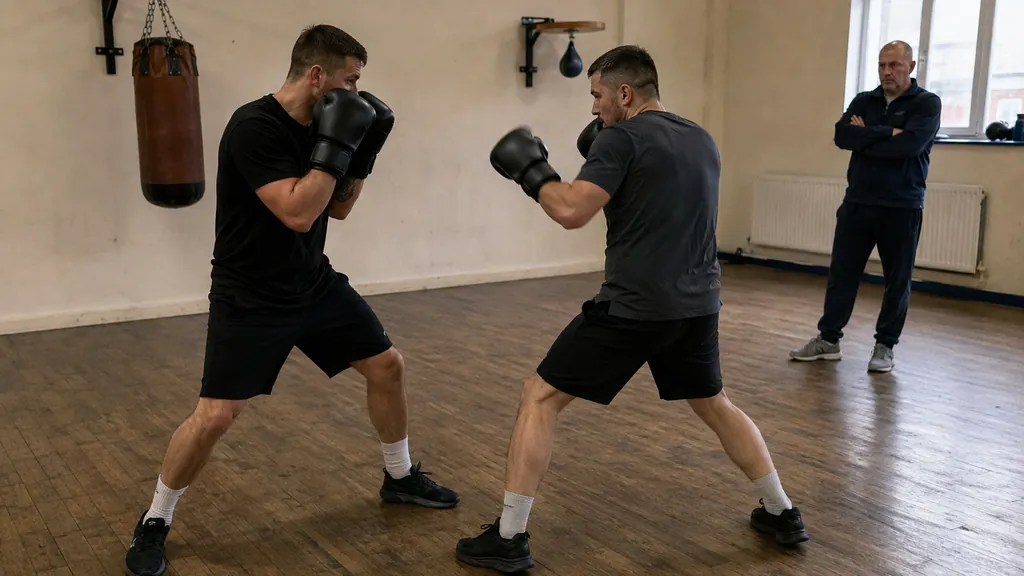
The first is making the cue too large. A deep knee bend or big arm fake tells the other boxer exactly when your real punch is coming. Keep the first movement short enough that you could honestly abandon it and defend.
The second is leaving the rear hand behind. The lead side may be doing the feint, but the straight counter still travels down the middle. Keep the rear glove at home and your chin behind the shoulder.
The third is always using the same pause. If you delay the jab for the same count every time, the rhythm becomes another clue. Mix a normal jab, a small cue with no punch, and a delayed jab. Your partner should have to watch rather than count.
The fourth is reaching after the reaction. A feint may make someone step back, cover well or move out of range. Do not lunge after them just because you made them react. Bring the glove home, recover your feet and find the range again.
For a wider version of this idea, read our guide to using feints in boxing without fake movement. The delayed jab is one modest way to change the rhythm. It is not a replacement for a reliable basic jab, balanced feet or a sound guard.
Where this fits in training
The delayed jab suits a boxer who can already throw a straight jab and recover it without falling in. It does not require hard sparring. Shadow boxing, pads and a pre-agreed partner drill are enough to develop the timing.
Start with one clear question. Can you make the cue without opening your guard? Once that is reliable, add the jab. Only then add a partner response. Technical boxing gets better when each layer is stable before the next one arrives.
For adults in Kidbrooke, Greenwich and nearby, our Recreational Adults boxing classes use pads and controlled partner drills to teach the difference between a pattern you have memorised and a decision you can make under pressure.
The coaching cue is simple: show the start, stay balanced, then jab only when the line is still there.
H&G Team
Writer at Honour & Glory Boxing Club, a community boxing gym in Kidbrooke, South East London.
KEEP READING
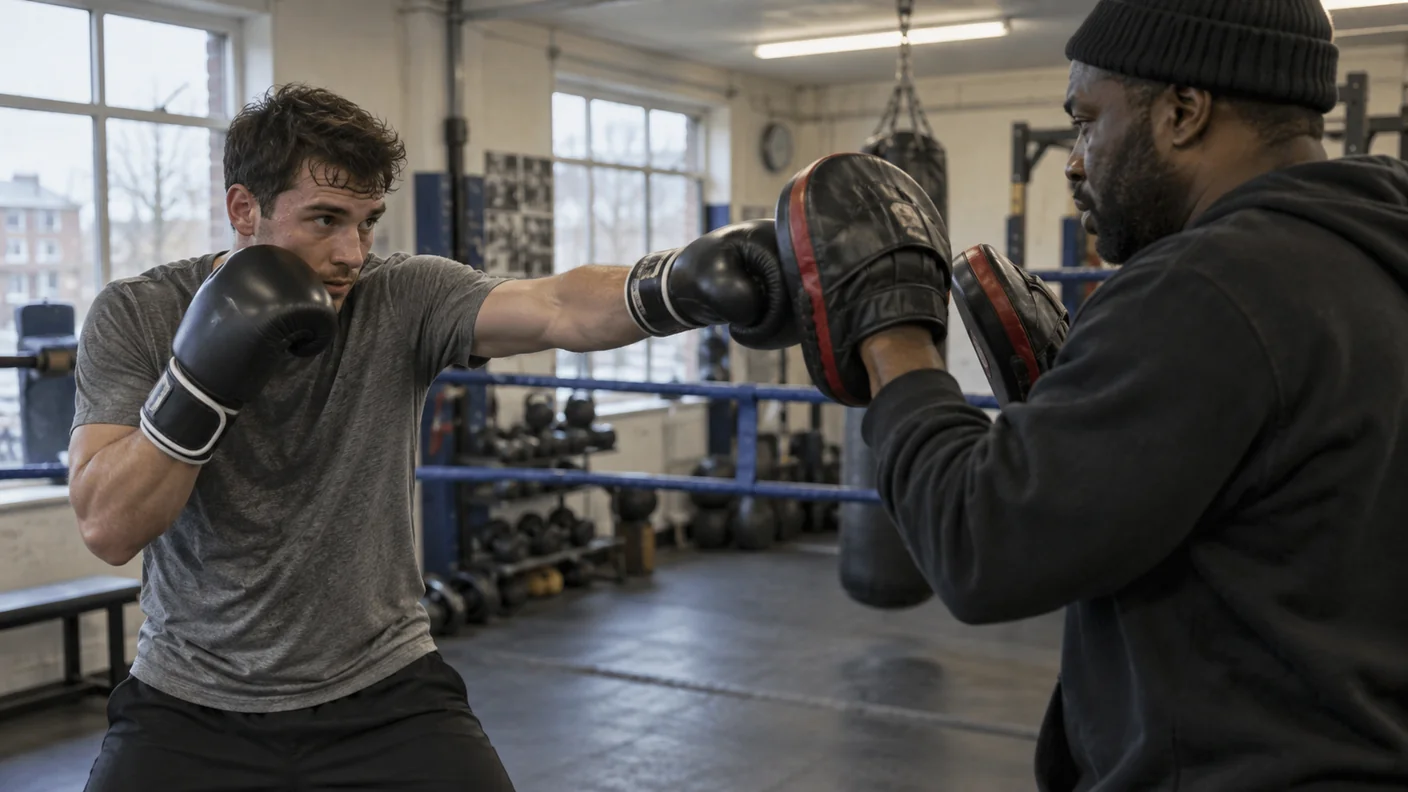
Rear-Hand Feint to Jab: A Boxing Timing Drill
Use a compact rear-hand feint to make the jab arrive on a less familiar line, without giving away your guard or your stance.
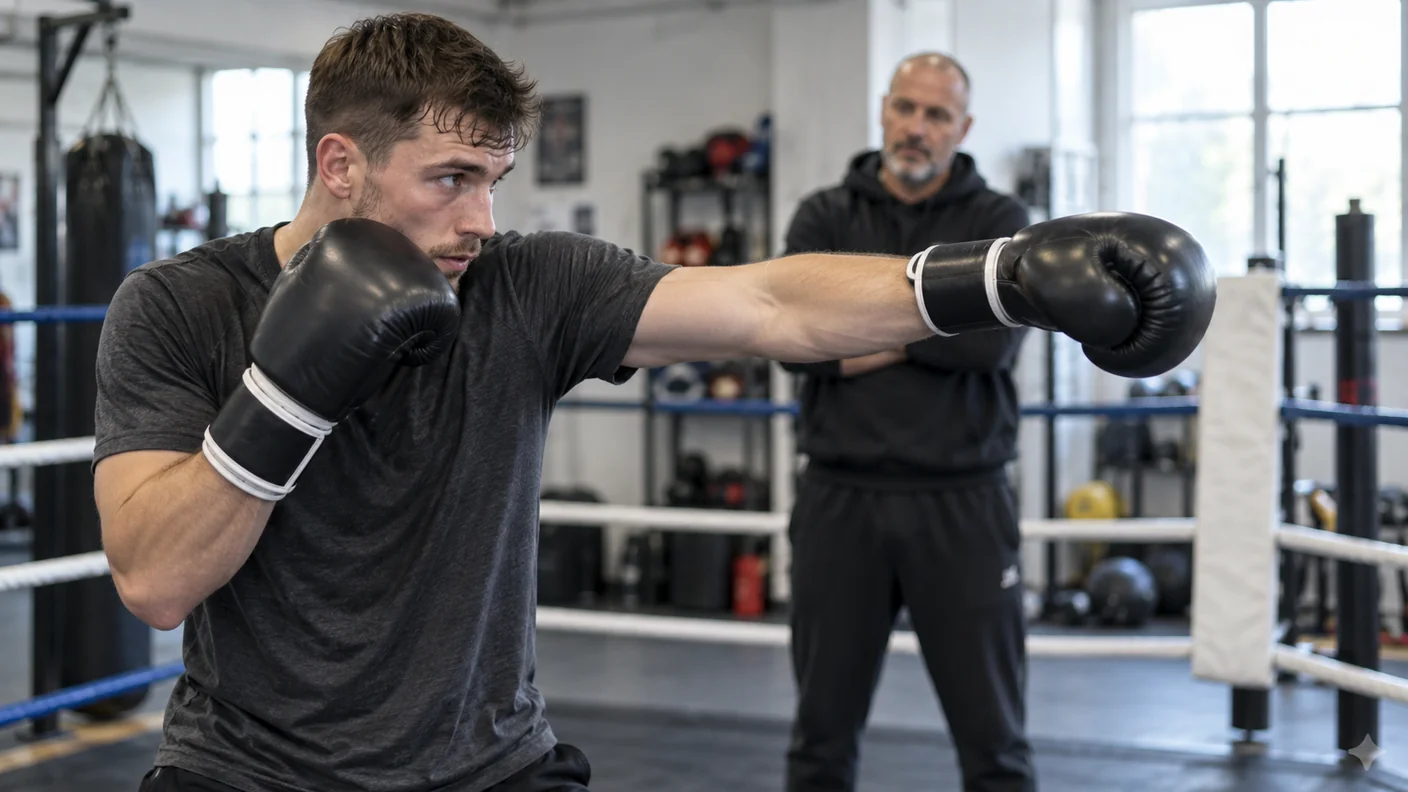
Slow Jab, Fast Cross: Boxing Timing
Use a measured jab and sharp cross to break predictable timing without losing your stance, guard or route out.
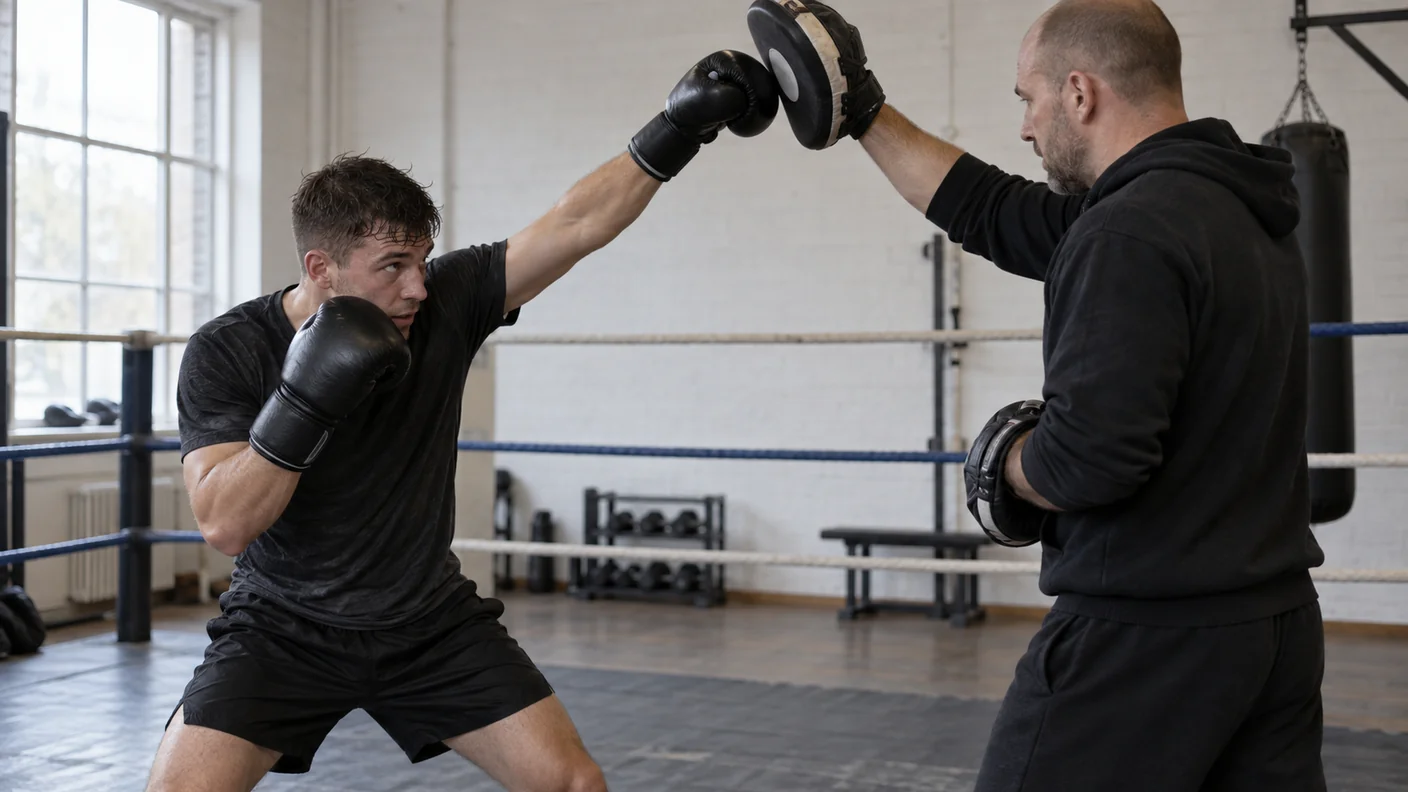
How to Use an Up Jab in Boxing
Use a compact up jab to change the line, test a high guard and keep your stance ready for the next decision.
Was this page helpful?
It takes one tap, and it genuinely helps.
Choose your next step
Turn this article into the right action
Some readers are ready to book. Some need the class route first. Pick the route that matches what you actually want.