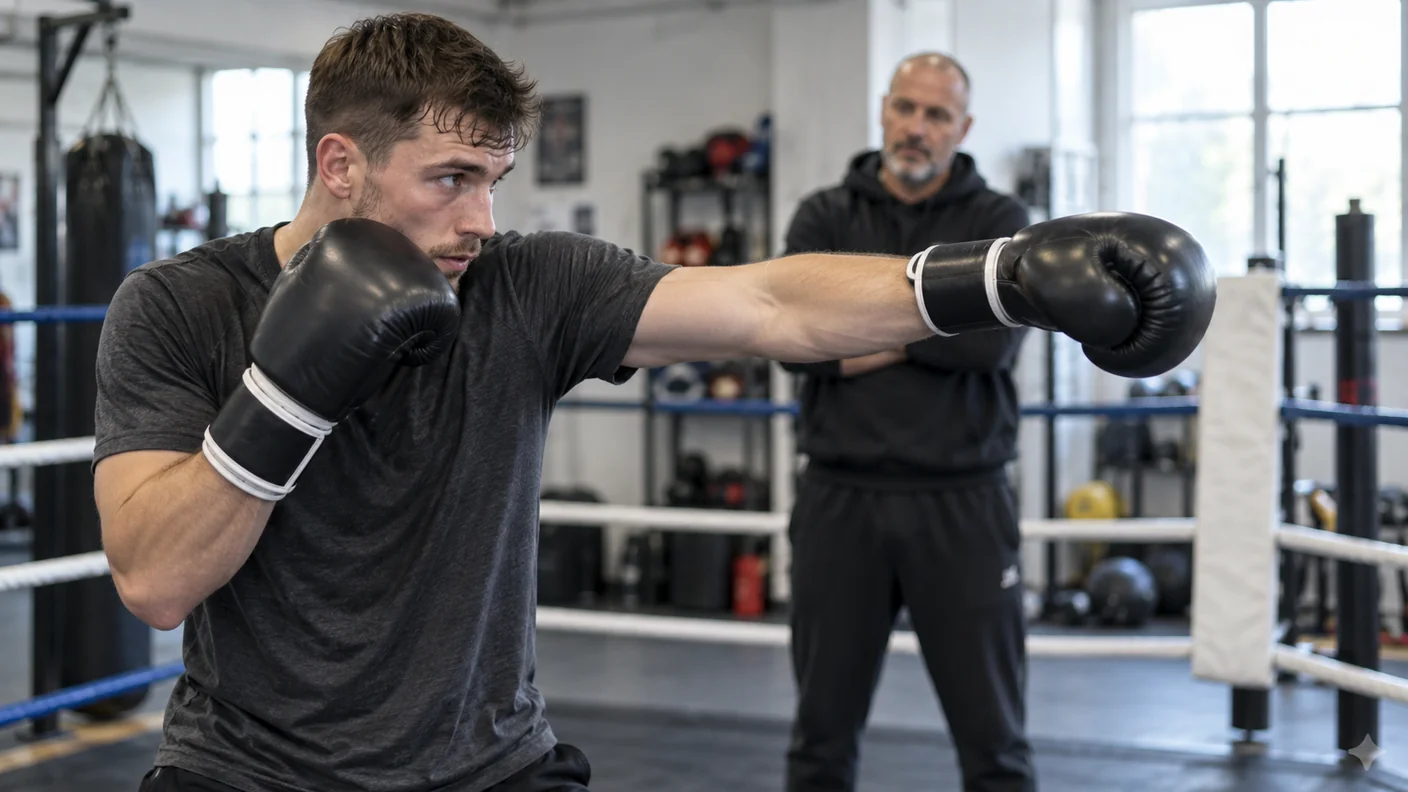
A jab-cross becomes easy to read when both punches arrive on the same beat, at the same speed, from the same distance.
That is the version many beginners learn first. It is useful because it teaches a clean line, a return to guard and a simple weight transfer. It is also the version a regular training partner starts to recognise very quickly.
The answer is not to turn the jab into a slow, lazy arm. It is to give the opponent a different picture: a measured jab that asks a question, followed by a sharp cross only when your feet and guard still allow it.
The video below is a useful visual reference. Watch the change of speed, but also watch the recovery. A timing change only works if you are still able to cover, angle off or reset after the cross.
Why the normal one-two becomes predictable
A standard one-two has a natural rhythm. Jab, cross. Step, step. Most boxers can see the second punch coming if the first one tells them exactly when to expect it.
That does not make the combination bad. It makes the setup important.
If your jab always shoots out at full speed and your cross always follows immediately, an opponent can begin to catch the jab, move their head on the same count, or prepare a counter. You are not losing because the one-two is basic. You are losing because you are announcing it.
A measured jab changes the conversation. It may touch the gloves, draw a high guard, make the other boxer lean back, or simply make them wait. The cross comes when their eyes and hands are occupied with the first question.
This is not a licence to reach. The jab should still have a line, your rear hand should still protect your chin, and your feet should still be underneath you. England Boxing's coaching handbook treats balance, guard and footwork as the foundation for punching and defence. That is the standard here. A slower first punch is useful only if it leaves you ready for the next decision.
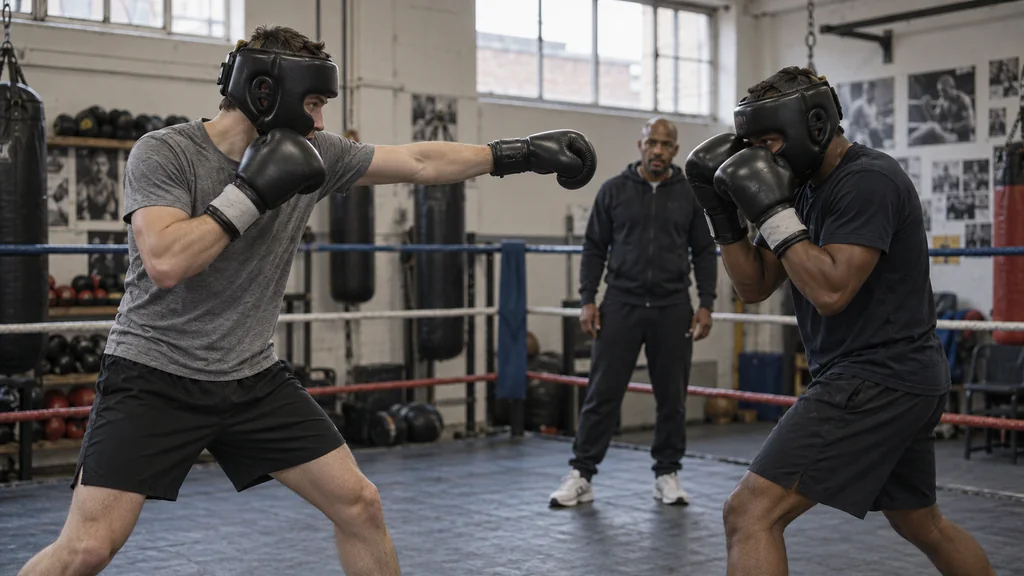
What a measured jab actually looks like
It is not a pause with your hand left in the air. It is not a soft slap. It is not a big shoulder feint that makes your head lurch forward.
Think of it as a jab with less rush and more intent. The lead hand goes out on a clean line, the lead shoulder gives the chin some cover, and the hand comes home if there is no opening. You are showing the opponent a realistic jab, not acting out a fake one.
The key is that the cross does not have to follow every time.
On one repetition, jab and reset. On the next, jab and take a small step out. On the next, let the jab land on the mitt or guard, then send the cross through the middle. The opponent should not be able to count the gap between the two punches.
Do not make the jab so slow that you fall into them. If your weight keeps rolling over the lead knee, the cross will have no clean base and you will be available for a hook. Keep enough shape that you can bring both hands home without needing a dramatic pull back.
The job of the cross
The cross is not just the second punch. It is the moment you take advantage of the reaction the jab created.
If the other boxer raises both gloves, the straight line may be there through the centre or around their guard. If they pull their head back, the cross may be too far away and you should not chase it. If they reach to parry the jab, their hand may have opened the middle for a moment.
That is why the combination needs observation, not a fixed script.
A systematic review of anticipation in combat sports found that higher-level athletes tend to respond faster and make better judgements about opponents' attacks while using fewer visual fixation points. In gym terms, do not stare at your own glove. Let the jab give you a clearer look at the shoulders, chest and feet in front of you.
The cross should be sharp because the opening is short. Turn through the hip, keep the non-punching hand home and bring the striking hand back along a useful path. A hard cross that leaves you square and looking at the floor is not a good repetition, even when it sounds impressive on pads.
Three versions to practise first
Start with pads or light, agreed partner work. This is a timing lesson, not a contest over who can trick the other person.
Measured jab, reset
Throw the jab with a settled stance. Do not add the cross. Bring the jab home, check your guard and take a small step if needed.
This teaches the first rule: the opponent must believe the jab is real, but you are not obliged to follow it.
Measured jab, sharp cross, exit
Use the same jab. When the coach shows the opening, fire the cross, bring the hand back, then make a small angle to your lead side or take a half-step out.
The exit matters. It stops the drill becoming a pose at the end of a one-two. For a wider version of that habit, read our guide to what to do after you punch in boxing.
Measured jab, sharp cross, defend
Jab and cross on the mitts. The coach immediately shows a return mitt or gives a slow punch cue. Catch, cover, slip or roll before you throw again.
This is the useful test. If you cannot defend after the cross, you were too close, too square or too committed to the first attack.
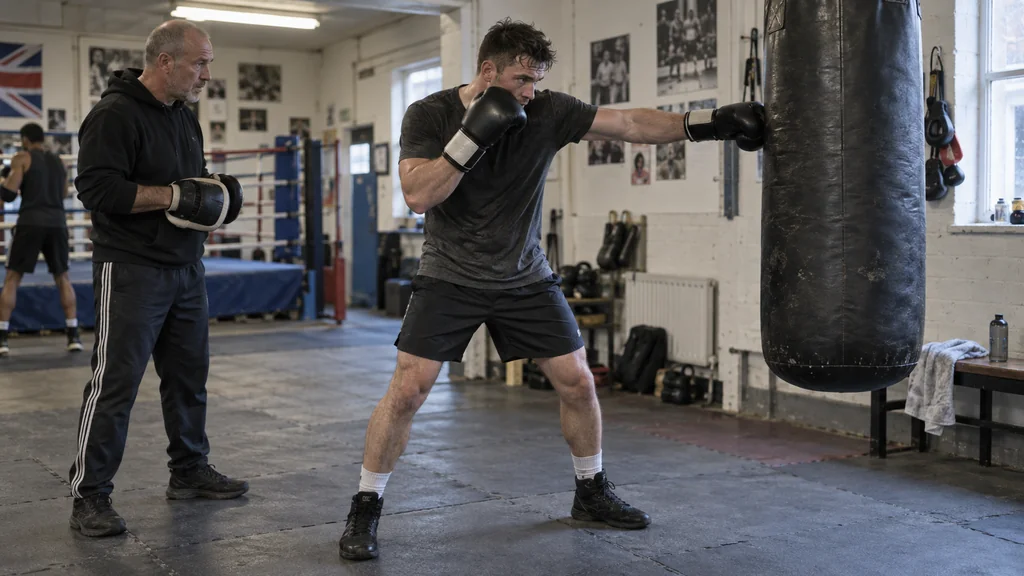
A simple three-round bag drill
The bag cannot read your rhythm, so you have to give the round a rule.
For round one, use jabs only. Alternate a normal jab, a measured jab and a jab with no follow-up. Keep your feet alive and bring every hand back to guard.
For round two, add the cross only after every third measured jab. Use the other two as jab-and-reset repetitions. This stops you from firing the cross automatically.
For round three, add a defensive ending after every jab-cross. You might cover, slip to either side, roll under an imagined hook, or leave on a small angle. Do not rush the next attack. The point is to connect a timing change with a safe finish.
The bag round will look less dramatic than a full-speed combination round. It will teach you more. You are practising the moment where a simple attack becomes an informed choice.
Mistakes that give the idea away
The first mistake is making the jab visibly slow before it leaves your shoulder. If you load the jab with a long pause, the opponent does not have to react. They can simply wait.
The second is forcing the cross when the jab has put you too far away. A measured jab can make an opponent drift back. If they have left range, reset your feet rather than leaning after them.
The third is dropping the rear hand as you admire the jab. A timing change does not protect your chin. Keep the rear glove near enough to cover the return straight or hook.
The fourth is using the same gap every time. A one-two with a delayed second beat is still predictable if the delay never changes. Mix jab-reset, jab-step, jab-cross and jab-cross-exit. Give the other boxer a reason to watch rather than count.
If the jab itself is becoming loose, our guide to keeping your jab straight without an elbow flare will help you clean up the line before adding timing. Timing on top of poor mechanics only makes the mistake faster.
Keep the idea modest at first
This is not an advanced trick. It is a better use of a basic combination.
You do not need to throw a slow jab every time, and you do not need to make your opponent guess every second of the round. You need enough variation that your clean jab and cross still arrive with purpose.
For adults in Kidbrooke, Greenwich and nearby, our Recreational Adults boxing classes teach these details through bag work, pads and controlled partner drills. You can learn how to change the pace without being thrown straight into hard sparring.
The coaching cue is simple: show the jab, read the answer, then throw the cross only when you are still in shape.
H&G Team
Writer at Honour & Glory Boxing Club, a community boxing gym in Kidbrooke, South East London.
KEEP READING
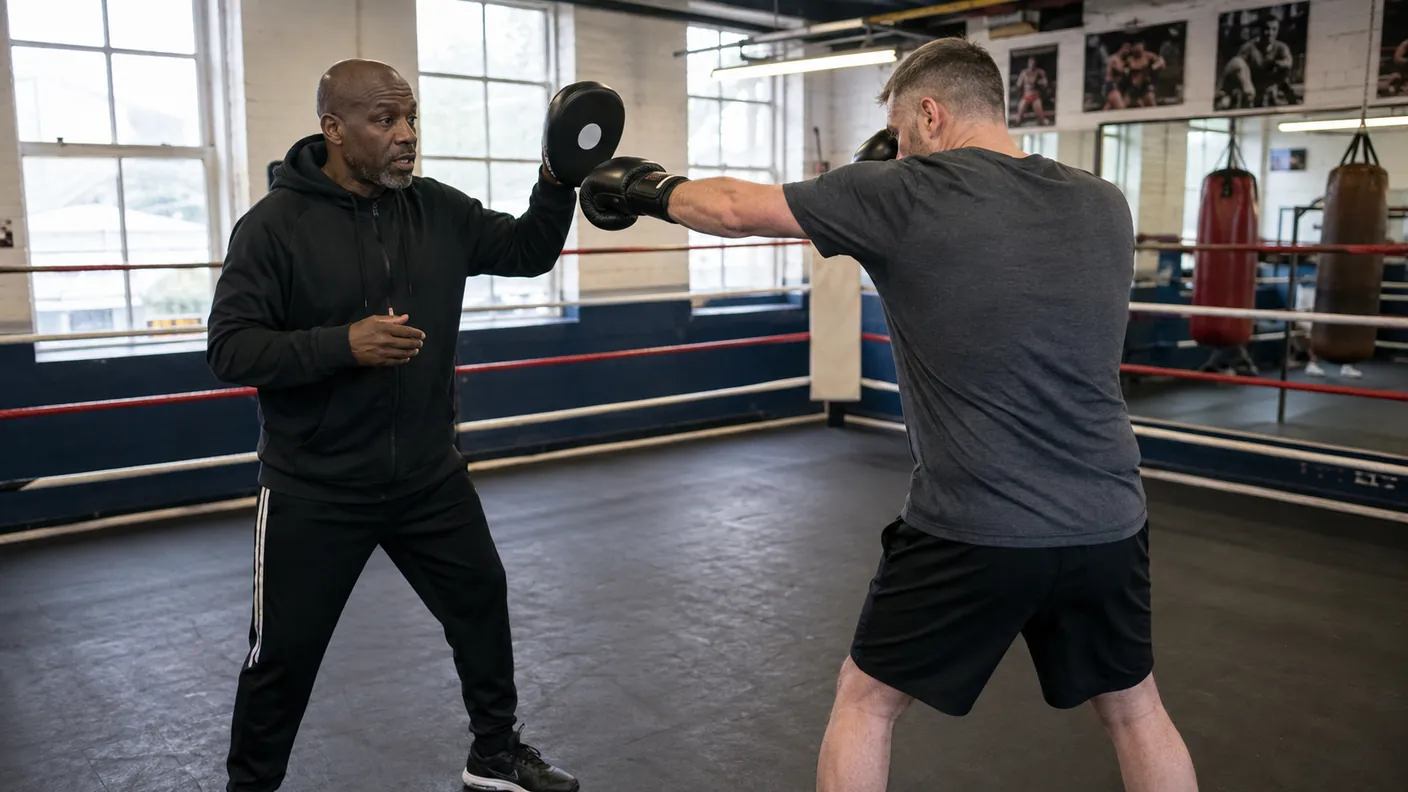
The Delayed Jab: A Simple Boxing Timing Drill
Use a small shoulder cue before the jab to change the rhythm, draw a reaction and keep your stance ready for the next decision.
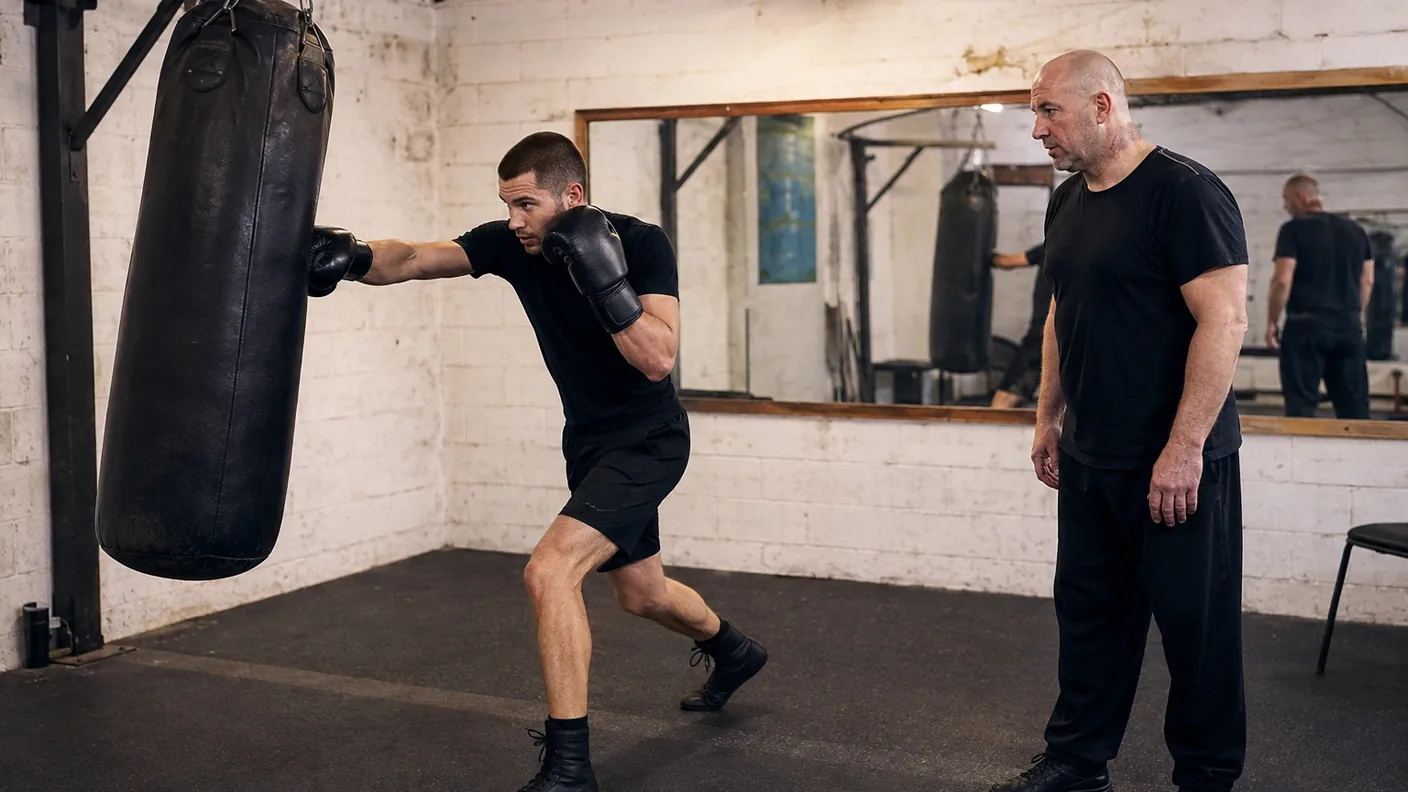
Jab Step-Across Cross: A Boxing Angle Drill
Use a compact jab step-across to open a rear-hand angle without crossing your feet, losing your guard or reaching for the cross.
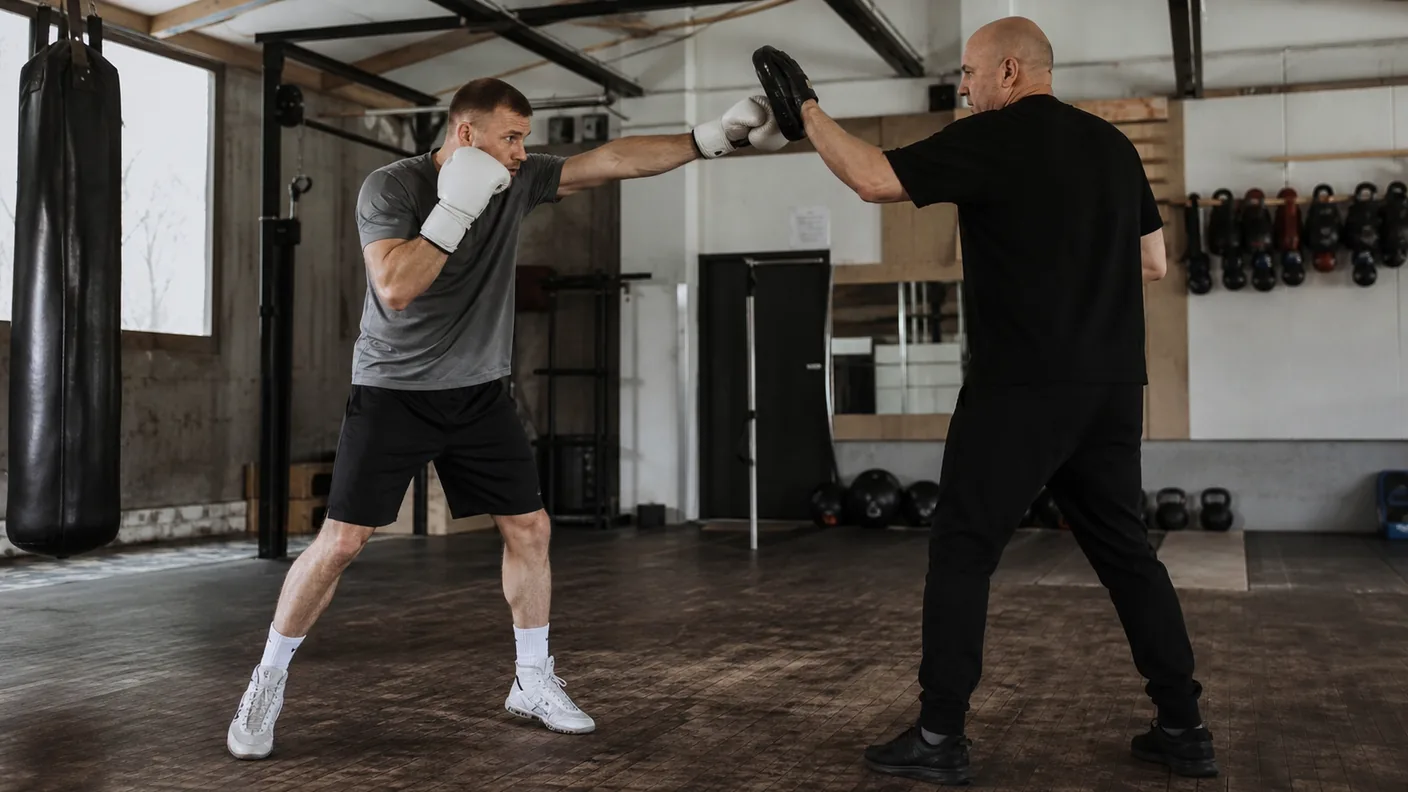
Boxing One-Two Footwork: Step With the Jab
Use a small step with the jab, then set your feet for the cross so a basic one-two stays balanced and useful.
Was this page helpful?
It takes one tap, and it genuinely helps.
Choose your next step
Turn this article into the right action
Some readers are ready to book. Some need the class route first. Pick the route that matches what you actually want.