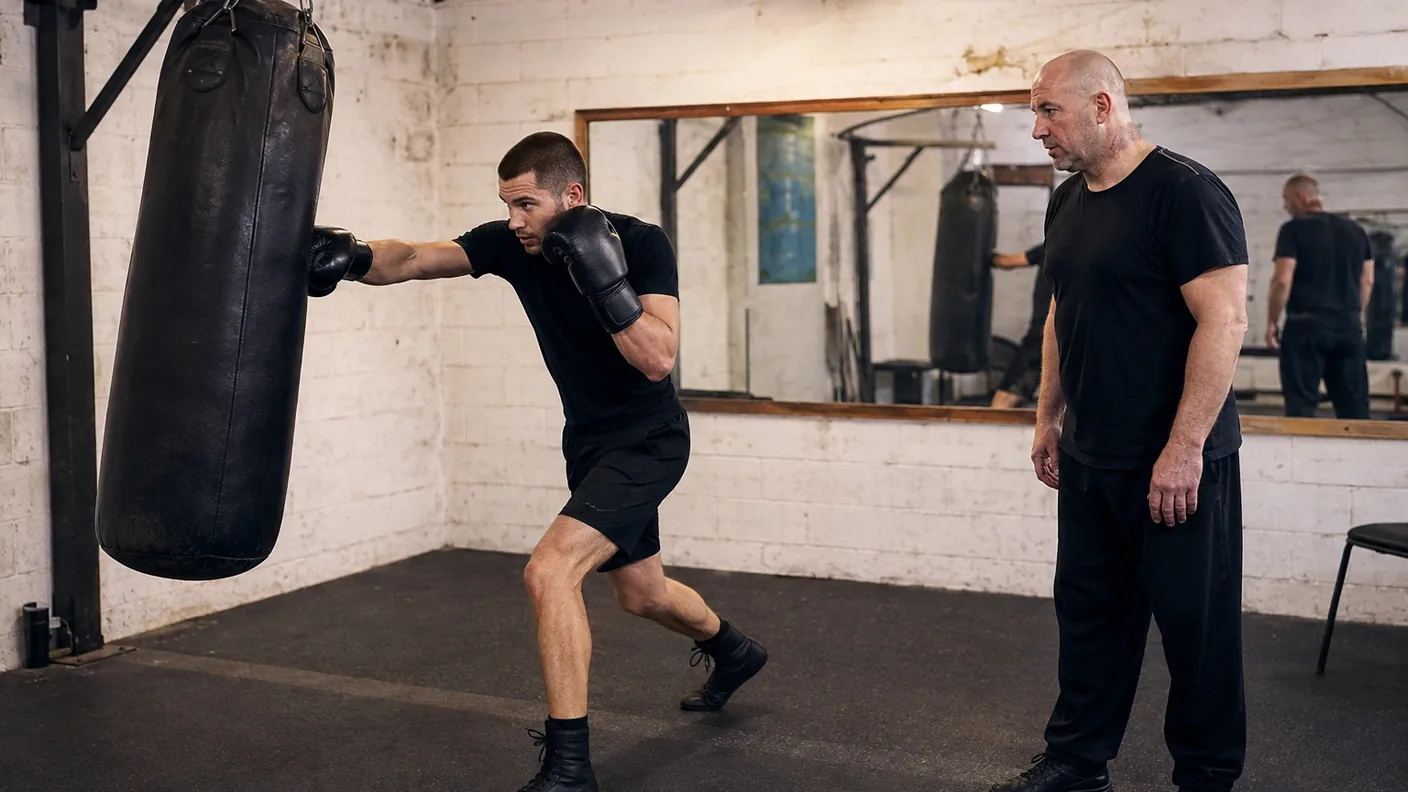
A jab step-across is a small entry that can move the target off your original line and give the rear hand a cleaner route. It is useful when a straight one-two has become too easy to see, or when you need to make a slight angle without abandoning your stance.
The important word is small. This is not a dramatic crossover step and it is not a licence to chase someone around the gym. The jab gives the lead foot cover, the lead foot takes a short diagonal piece of ground, then the feet settle before the rear hand goes. If you finish with crossed feet or your head has travelled past the lead knee, you have made the movement bigger than the range allows.
The short video below is a useful visual reference. Watch the feet and the finish rather than trying to copy a fast sequence. The useful idea is that a compact change of line can make a straight rear hand less predictable.
What the jab step-across is for
A normal one-two travels on a familiar line. That is not a problem when the range is honest and the opponent is still in front of you. But a partner who has seen the same entry several times can sit on the jab, parry it or step straight back before the rear hand arrives.
A short step across changes the picture. As the lead hand starts, the lead foot moves a little towards the outside of the original line. The rear foot does not wander behind you. It stays ready to restore a staggered base, then the rear side can turn into a mitt or bag target from the new position.
This does not mean that every jab needs an angle. A jab can score in place, measure range or interrupt a step without moving the feet at all. Our guide to one-two footwork with the stepping jab covers that direct entry. This version has a different job: move the line just enough that the rear hand does not arrive where the other boxer expected.
Keep the stance intact
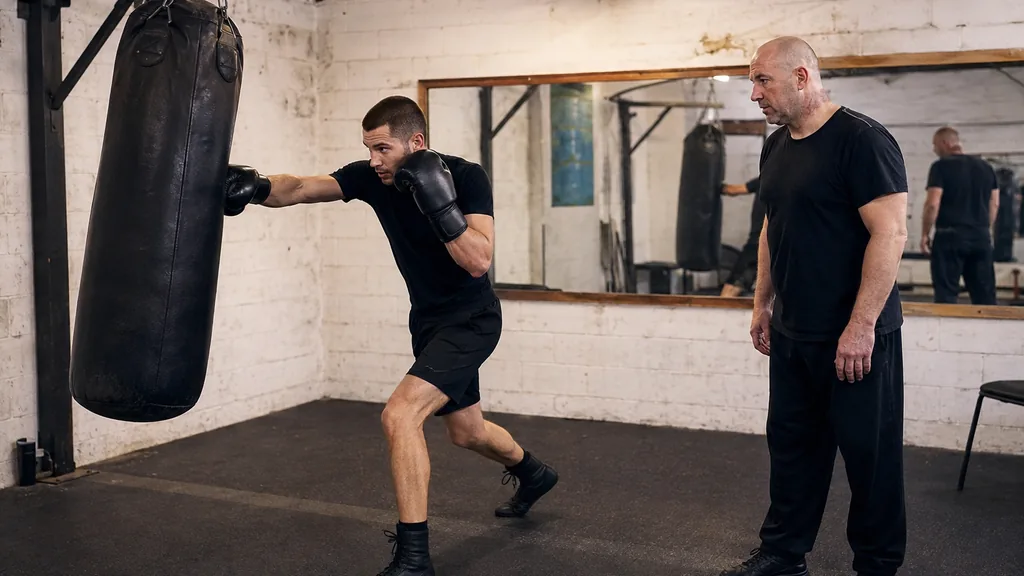
The common mistake is crossing the lead foot right over the rear foot. That may turn the body, but it also makes the base slow and leaves no quick answer if the other boxer moves, punches or simply takes the range away.
Think of the lead foot as taking a short diagonal step, not trying to pass the rear foot. The stance may open slightly, but the feet still need separate lanes. The rear foot should be able to follow into a useful gap rather than dragging through a tangle.
England Boxing puts sound stance, balance and controlled technical progressions at the centre of its coaching handbook. That is the right test. At the end of the step, could you still jab, cover, take a small exit or turn again without rebuilding the whole stance? If not, shorten the movement.
Keep the rear glove near the cheek while the jab goes. A step across does not make the middle safe by itself. The jab and lead shoulder give you some cover, but the rear glove still has to be ready for the straight line coming back.
Let the rear hand arrive after the feet
The rear hand is where people get impatient. They make a small diagonal step, feel the target move, then throw the cross while the hips and rear foot are still catching up. The hand reaches, the shoulder comes forward alone and the boxer lands square.
Give the stance a moment to organise. The jab travels with the lead-foot action. The rear foot follows enough to give the hips room. Then the rear hand turns through a straight line to a coach-held mitt, the side of a bag or open air during shadow boxing.
A review of boxing performance biomechanics describes punching as a connected action across the lower body, trunk and upper body. In the gym, that is easy to test. If the rear hand only reaches the target by pulling your head forwards, the feet have not earned the cross yet.
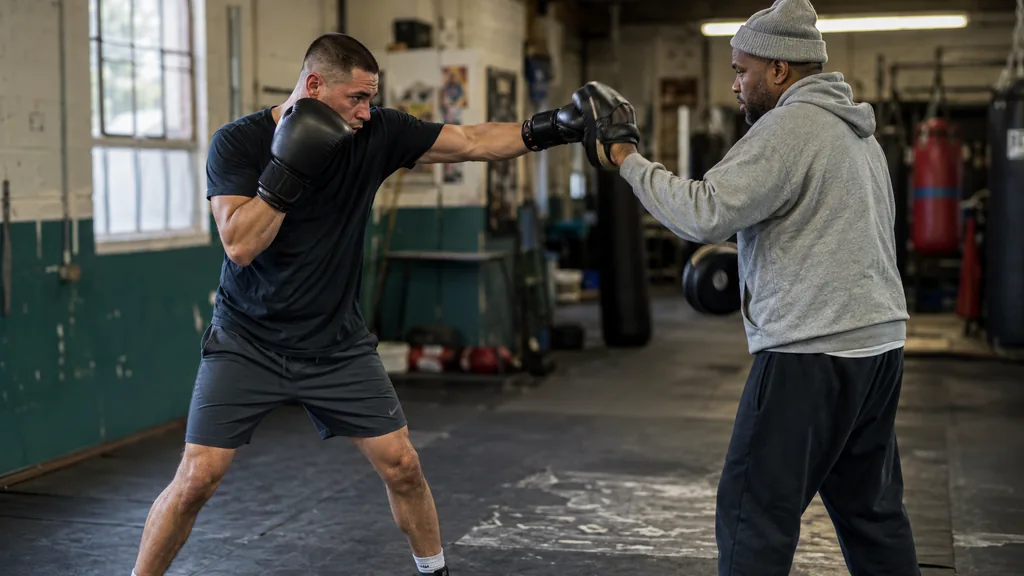
The rear hand should not be a hard finish at first. Use a light, straight touch to prove that the body can turn without the lead hand dropping or the feet collapsing. Speed comes later, once the route is clear and repeatable.
A three-round angle drill
Use floor tape, a heavy bag or a coach with mitts. Keep the early rounds controlled. This is a footwork-and-punching drill, not a way to practise chasing hard shots.
Round one: jab and step across
Start just outside ordinary jab range. Make one small diagonal step with the lead foot as the jab travels. Do not throw the rear hand. Let the rear foot settle, bring the jab home and freeze for one count.
Check the finish. Your feet should still be staggered. The rear glove should be near the cheek. Your head should be between the feet rather than reaching over the front knee. If the lead foot has travelled so far that the rear foot has to cross to follow, make the next step smaller.
Round two: jab, settle, rear hand
Now add a single rear-hand mitt. Jab with the step, let the rear foot restore the base, then place a straight rear hand on the mitt. Bring both gloves home before resetting.
Ask the coach to keep the mitt at an honest distance. The target is not there to make a stretched cross look successful. If it is too far away after the angle, take another small step, jab again or reset. Do not solve the problem with the arm.
Round three: choose the finish
In the final round, the coach can either present the rear-hand mitt, take it away or show a high guard. The boxer makes the entry, then chooses the sensible finish.
If the mitt appears at a real distance, throw the measured rear hand and recover. If the coach has stepped away, do not reach after them. If the guard is close, bring the gloves home, take a small exit or reset at jab range. The movement creates an option. It does not make the rear hand compulsory.
Four faults to correct early
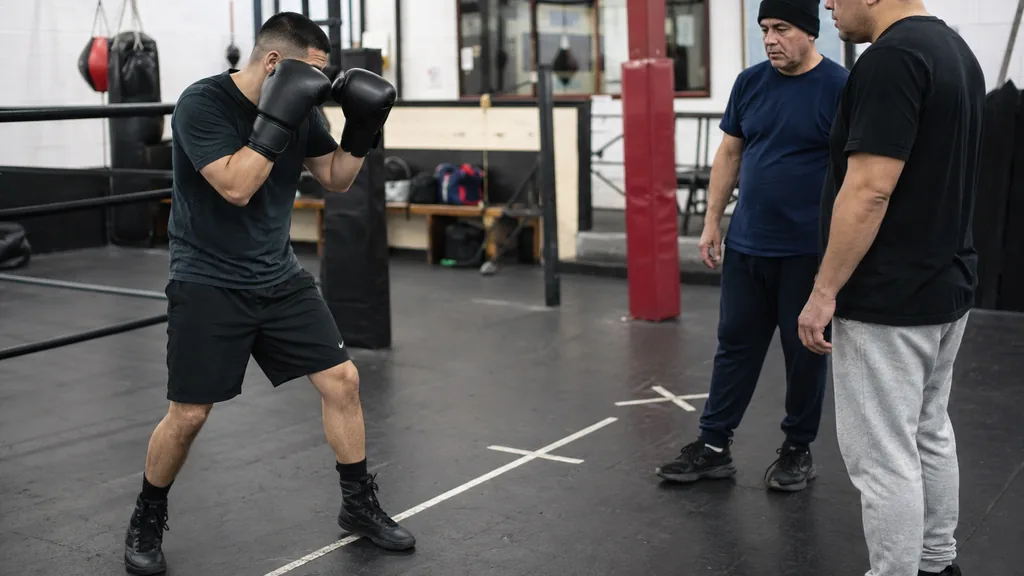
The first is crossing the feet. The step is an angle, not a stance change. Keep enough space between the feet that you can still turn, cover or leave.
The second is stepping before the jab has a job. The lead hand should give the movement a reason. If you step naked, the other boxer sees the feet travelling and can choose the next line before your jab arrives.
The third is throwing the rear hand during the step. Let the footwork put you somewhere useful first. A cross from a settled base will usually be cleaner and easier to recover from than a rushed arm shot.
The fourth is treating the angle as a trick. A good angle still needs range, guard and eyes up. If the opponent has already moved outside your reach, take your feet forward again or leave the exchange. The smartest choice may be no rear hand at all.
Our guide to boxing pivots without losing your stance is a useful next step once this entry feels tidy. The same standard applies: make the other boxer turn, but do not give away your own balance to do it.
For adults in Kidbrooke, our Recreational Adults boxing classes use coached pad work and controlled partner drills to make footwork practical. You can learn how to change the line without needing hard sparring or a complicated sequence.
The coaching cue is simple: jab into the angle, settle the feet, then earn the rear hand.
H&G Team
Writer at Honour & Glory Boxing Club, a community boxing gym in Kidbrooke, South East London.
KEEP READING
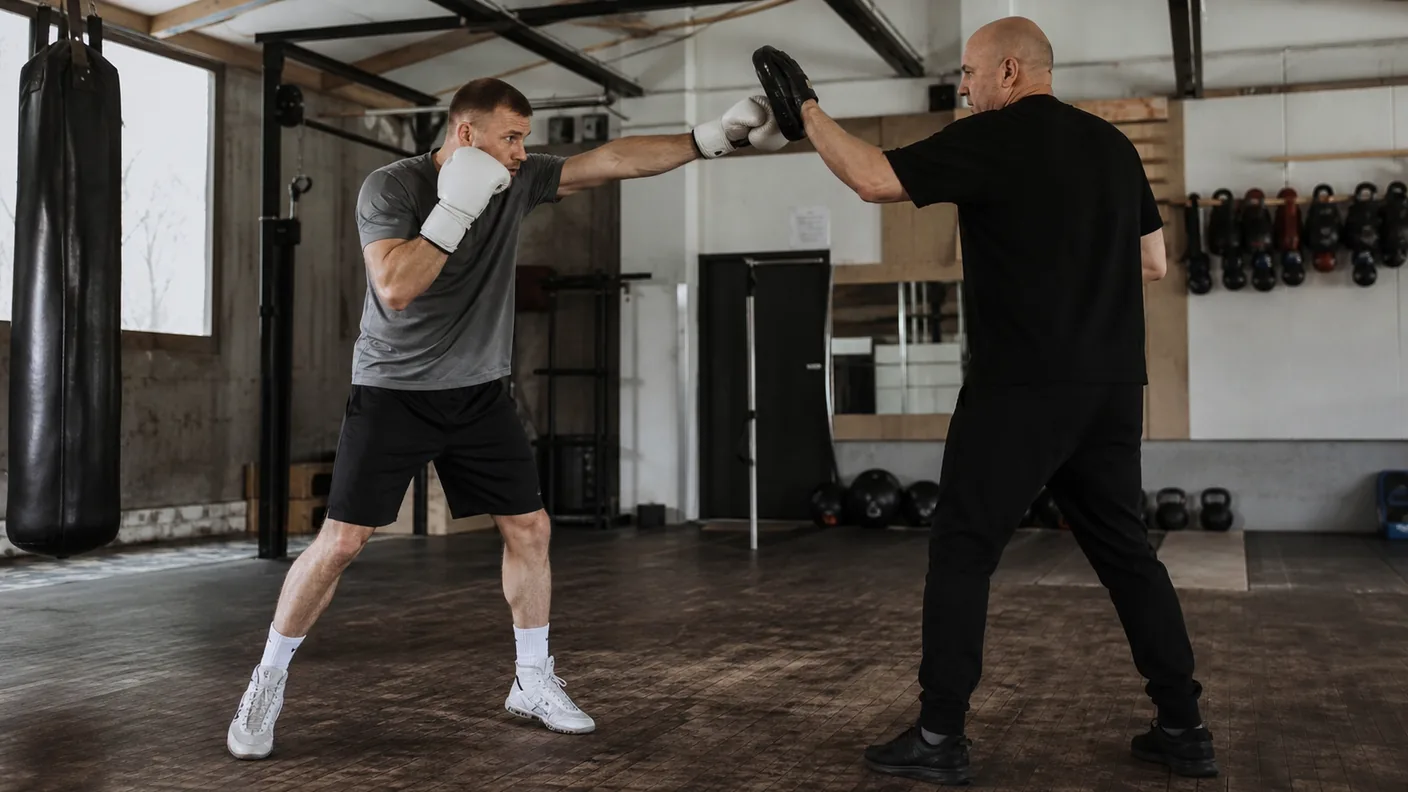
Boxing One-Two Footwork: Step With the Jab
Use a small step with the jab, then set your feet for the cross so a basic one-two stays balanced and useful.
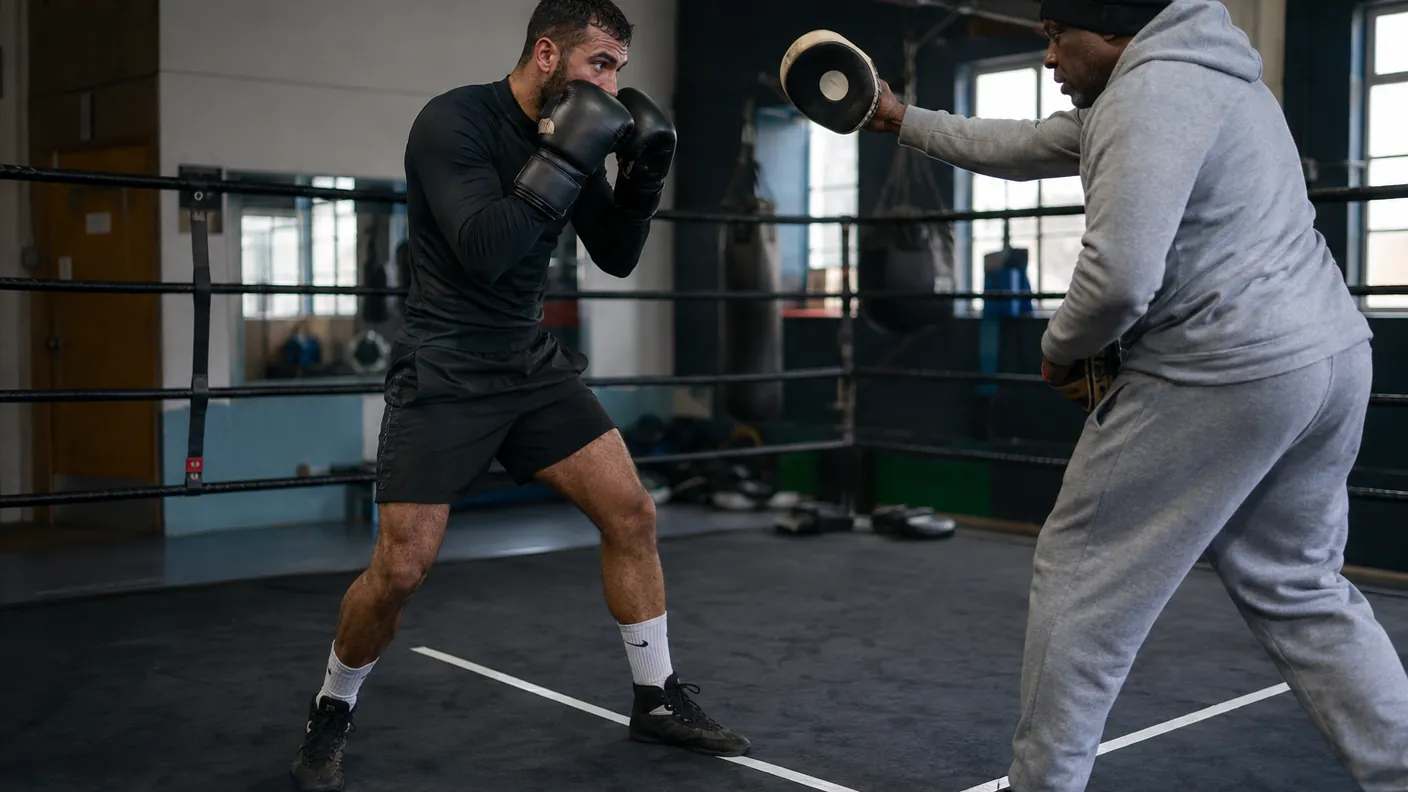
Step Across and Pivot After the Boxing Cross
Use a small lead-foot step across and pivot after the cross to change the line without crossing your feet or leaving your guard behind.
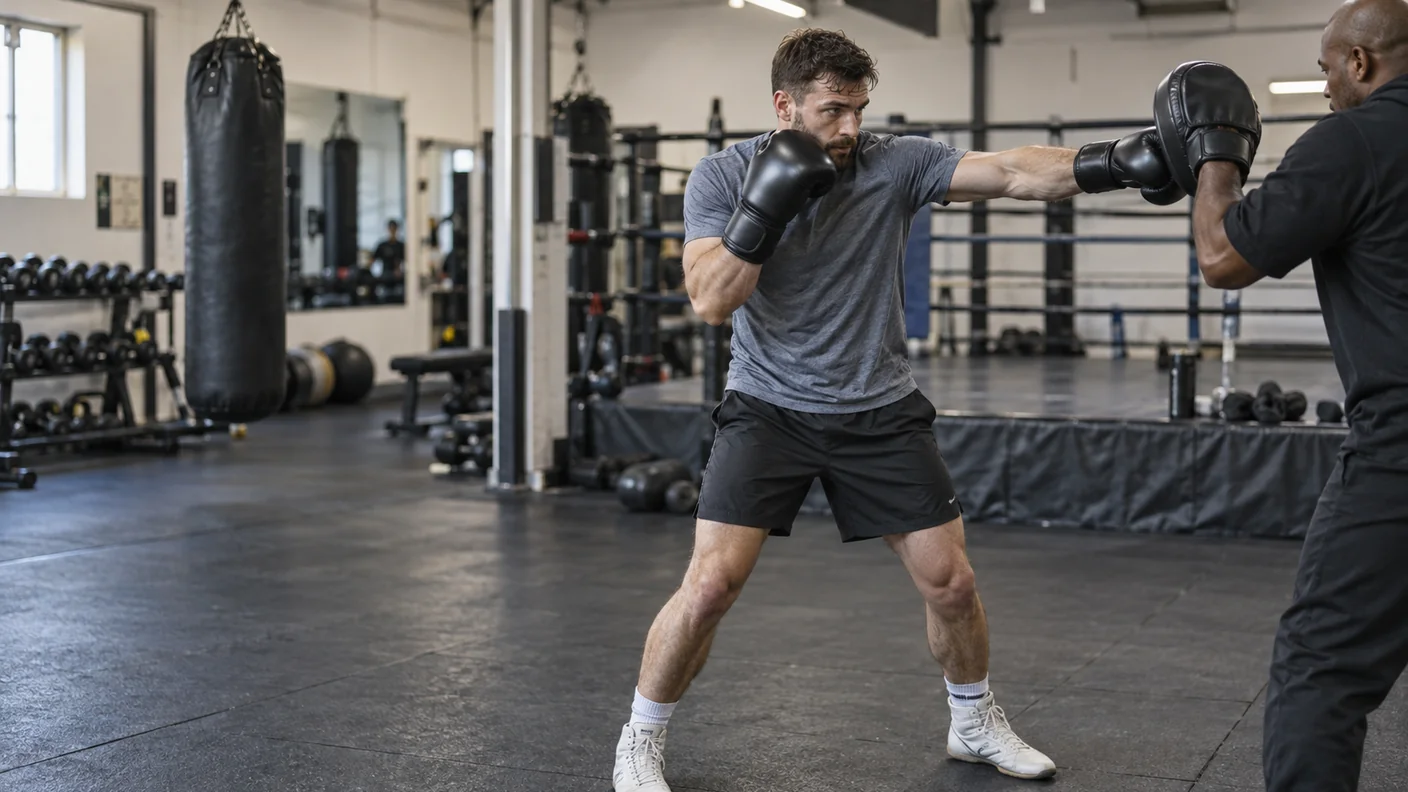
Jab After a Cross: A Boxing Reset Drill
Use a light lead-hand post after the cross to recover your stance, manage the return and stop standing still in front of a partner.
Was this page helpful?
It takes one tap, and it genuinely helps.
Choose your next step
Turn this article into the right action
Some readers are ready to book. Some need the class route first. Pick the route that matches what you actually want.