Boxing Pivot Drill: Turn Without Losing Your Stance
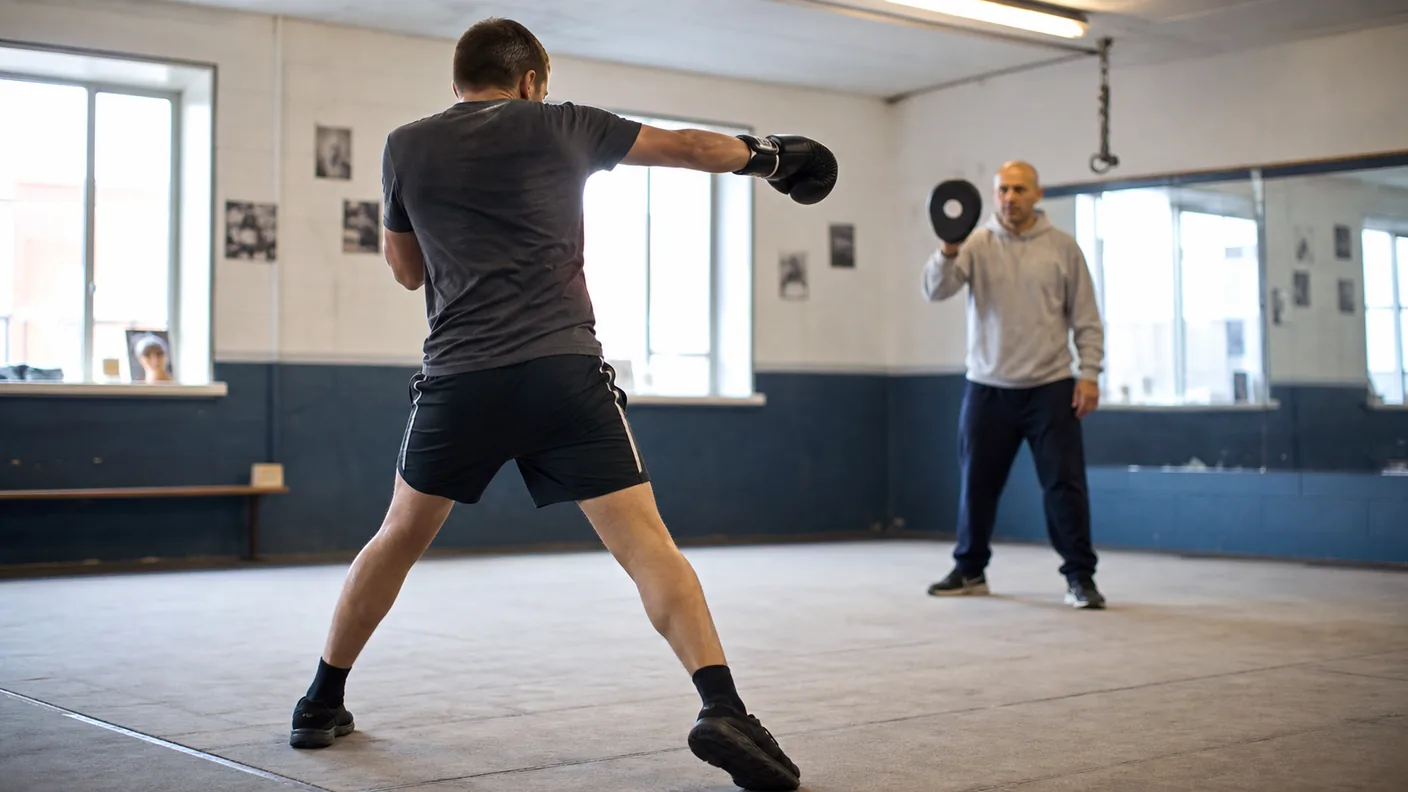
A pivot is not a spin for its own sake.
It is a small turn that changes the line of the exchange while leaving you able to punch, defend or move again. Done well, it takes you away from the place the other boxer expects you to be. Done badly, it turns you square, lets the feet cross and makes the next punch feel as if it starts from a wobble.
The useful version is less dramatic than it looks on a highlights reel. You step only as far as you can control, keep the head between the feet, and finish in a stance that could still deal with a jab coming back at you.
Watch the short demonstration below, then use the drills to build a pivot that remains useful once a partner is moving.
A pivot changes the line, not the whole fight
Most beginner pivots fail because the boxer tries to travel too far. They fling the lead foot round, pull the rear foot after it and lose the stance before the turn finishes.
A better pivot is a modest angle. England Boxing's coaching handbook puts balance, stance and movement at the base of boxing skill. That is the test here: the turn is useful only if it leaves the hands able to work.
Start with the feet, then add the jab
Before you attach a combination, learn what each foot is doing.
For an orthodox boxer pivoting left, the lead foot moves a small amount towards the left side. The rear foot pushes lightly and follows the turn. The feet should still point along a sensible boxing line when you finish, not end up parallel like you are standing at a bus stop.
Pivoting right reverses the job. The rear foot makes a small move to create the angle and the lead side helps the body turn. The exact size of the step will vary with your stance and the room available. The rule does not change: the feet must finish far enough apart that you can jab, step back or turn again without rebuilding everything first.
Do this without punches for one minute each side. Move, settle, freeze. If the head has fallen over the front knee, the rear foot has lifted wildly or the feet have come together, reduce the distance. Slow work is not a beginner concession. It is how you can see whether the movement is honest.
The jab gives the pivot a reason
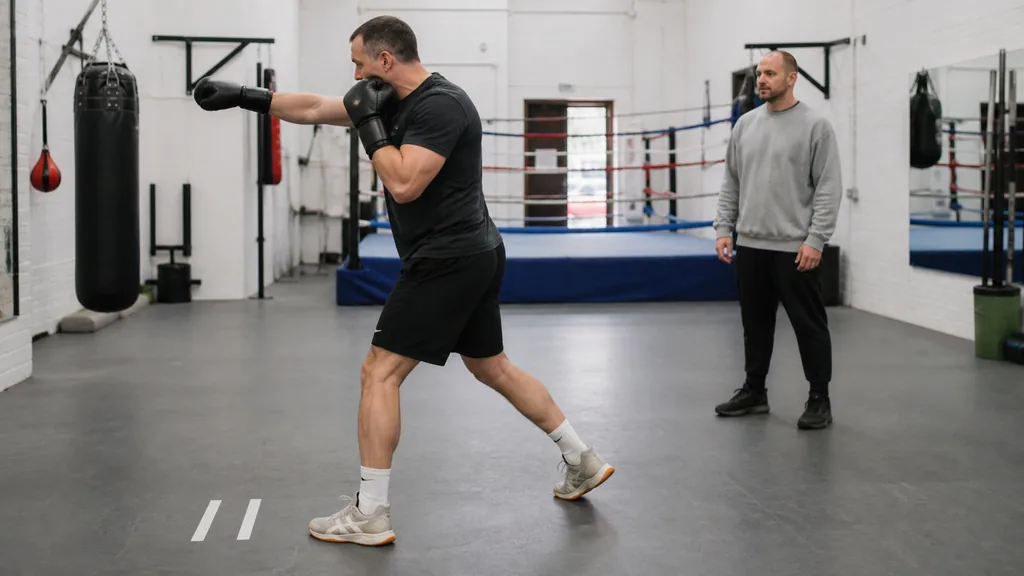
A pivot after a jab is useful because the jab asks the other boxer to look straight ahead while your feet take you slightly off that line.
That does not mean every jab needs a pivot. The jab can score, measure range, interrupt a step or make the guard react. The pivot belongs when you have a reason to change the picture after the jab, such as avoiding a predictable return, moving away from their lead hand or creating a new lane for your next punch.
Start at honest jab range. Throw one relaxed jab to a mitt or bag. Bring the hand back towards the cheek as the feet make the small turn. Then stop. The rep only counts if you could throw another jab from the new position without leaning or shuffling first.
A technical review of boxing performance describes punching, movement, defence, distance and tactics as connected tasks. The jab-pivot is a useful example. It is not a punch followed by decorative footwork. The punch changes the opponent's attention while the feet change your available line.
Our guide to using a side step without drifting is a useful companion. A side step moves your basic stance sideways. A pivot turns the stance around a new angle. Both can help you leave the centre, but they are not interchangeable.
Three pivot drills that build control
These drills are deliberately plain. That is the point. You need enough repetition to feel the turn without letting speed hide poor foot placement.
Drill one: jab, pivot, freeze
Work in front of a bag, mirror or coach-held mitt. Jab, make a 45-degree pivot left, freeze for a count of one. Return to the starting position, then repeat to the right.
Do not throw a second punch yet. Check three things at the freeze:
- Your gloves are near the face.
- Your head is still between the feet.
- You can take one small step in any direction without crossing your feet.
If any of those disappear, make the pivot smaller. The goal is not to demonstrate how far you can turn. It is to find the biggest angle you can own.
Drill two: jab, pivot, pick the new line
Ask a coach to show one of two mitts after your pivot. Jab, turn left or right on the call, then throw one calm jab to the mitt that is now available.
The second jab should come because the feet have opened the line, not because you have rushed to prove the pivot worked. If the new mitt is too far away, do not lean to reach it. Take a small step or reset. A pivot that makes you overreach has failed its main job.
This is a good place to connect the footwork to range. Our article on following a retreating boxer without reaching explains why pressure only works when the feet stay beneath the body. The same standard applies after a pivot.
Drill three: jab, pivot, cover the return
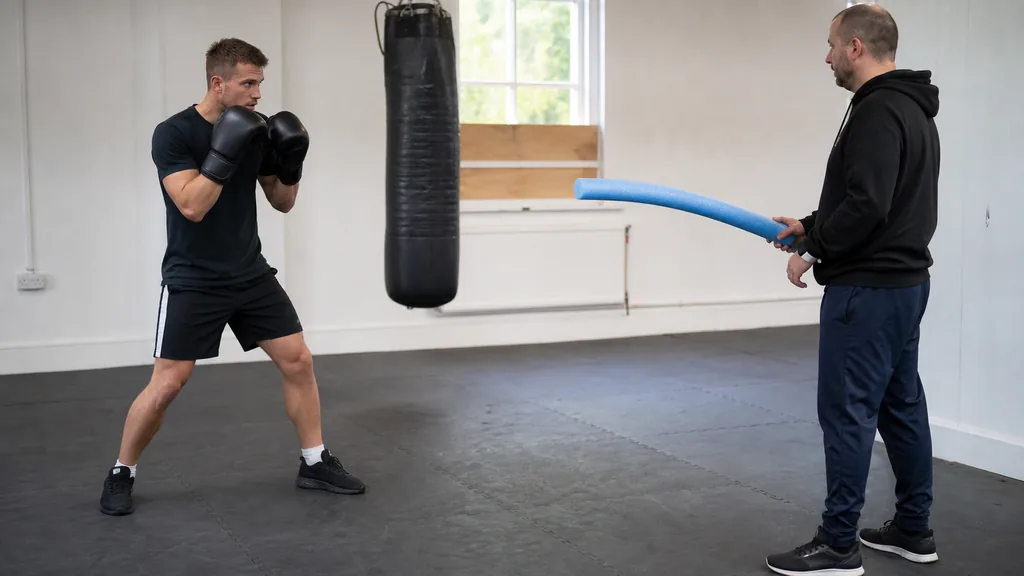
Use a coach with a soft noodle or a partner giving a slow lead-hand cue. Jab, pivot, bring both gloves home and let the return cue pass outside your new line. Then reset.
Keep this at technical pace. The goal is not to test reactions or invite hard contact. It is to check that your angle has not pulled the rear hand away from your face or left you turning back into a straight line.
Do not confuse a pivot with an exit from every exchange
A pivot can be an exit, but it is not the compulsory finish to every combination. If the other boxer is too far away after your jab, turning around empty space wastes movement. If they are close enough to throw a short hook, a small step back, high guard or frame might make more sense.
The pivot is a choice. Use it when it improves the next decision, not because the drill has taught you a shape you want to repeat. Partner work matters because it gives you the information a bag cannot: did they follow, stay planted or step around the same way?
Four mistakes that make pivots worse
Do not turn on a locked knee. Keep a light bend in the legs and let the feet turn from the floor, rather than wrenching the knee while the body stays frozen.
Do not cross the feet or drop the rear hand as the body turns. If you cannot stop comfortably after the turn, reduce the angle. The rear glove comes home before you admire it.
Finally, do not throw a big punch before the feet arrive. First make the turn balanced. Then add the punch. Our pivot hook guide is the next step once the footwork itself is dependable.
Put the pivot into a technical round
Use three two-minute rounds rather than trying to add pivots to every bag round immediately.
Round one is jab and pivot only. Alternate sides and freeze after each rep. Round two is jab, pivot, one chosen follow-up jab or cross on pads. Round three is controlled partner work: jab, choose whether a small pivot actually fits, then cover or reset.
Keep the goal modest. You are learning to turn without losing your stance, not building a trick for social media. The best pivots often look ordinary. The other boxer has to turn, your guard is still there, and you are already ready for the next choice.
If you are in Kidbrooke, Greenwich or nearby, our Recreational Adults boxing classes use pads, bag work and controlled partner drills to make footwork part of the punch rather than an afterthought.
H&G Team
Writer at Honour & Glory Boxing Club, a community boxing gym in Kidbrooke, South East London.
KEEP READING
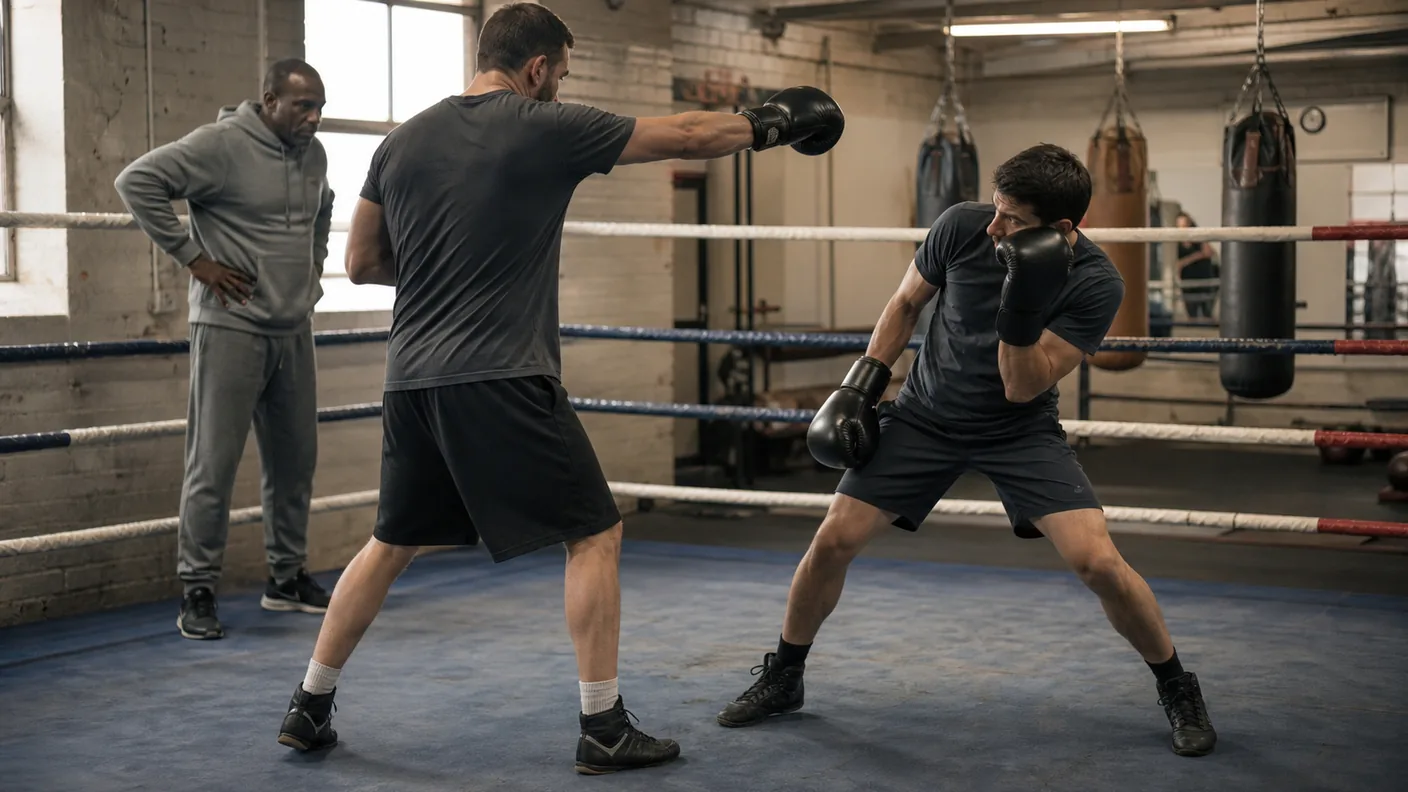
Slip Then Pivot: A Boxing Exit Drill
Use a compact slip and pivot to leave the jab line with balance, clear vision and a useful next position.
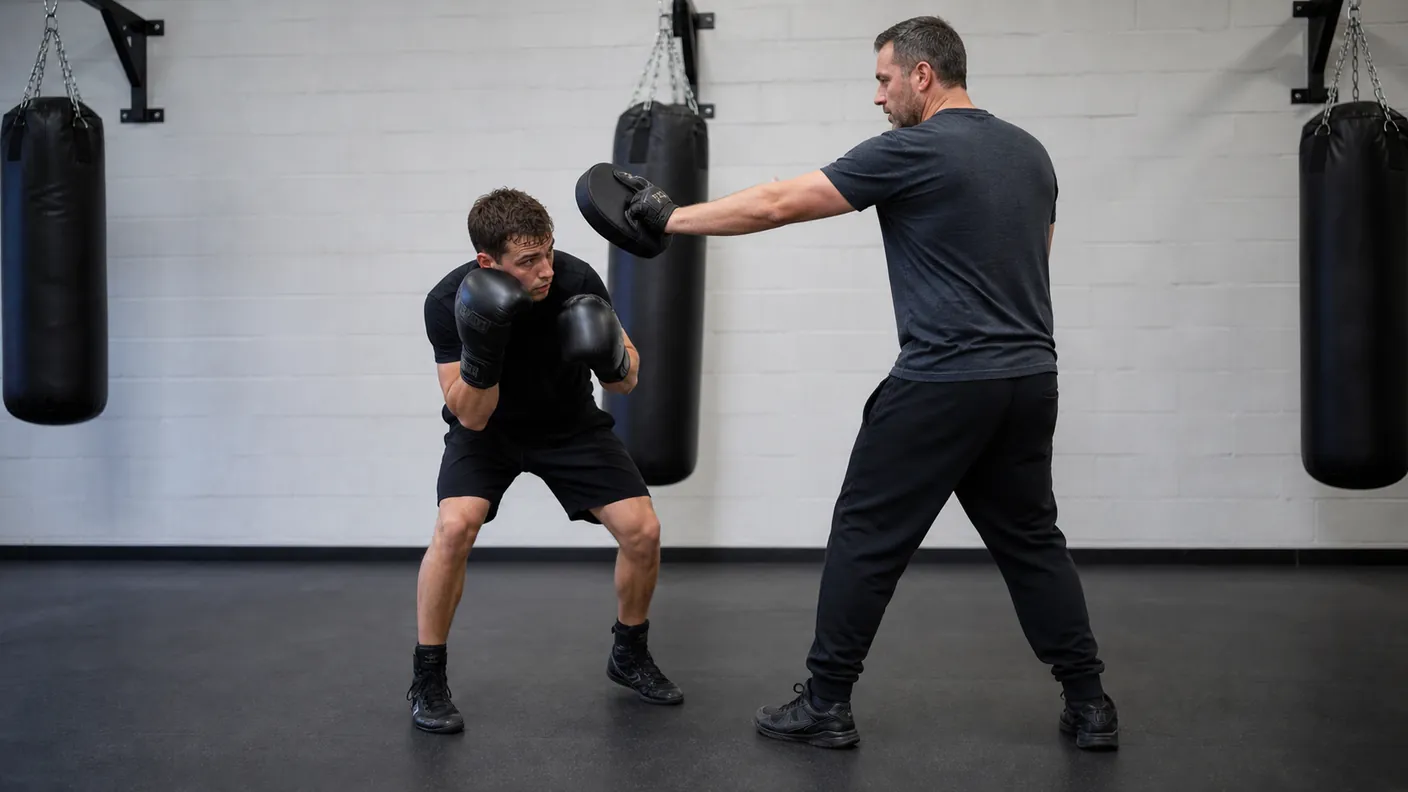
Rear Slip to Rear Pivot Boxing Drill
Use a compact rear slip and small pivot to leave the centre line without throwing yourself out of range or out of stance.
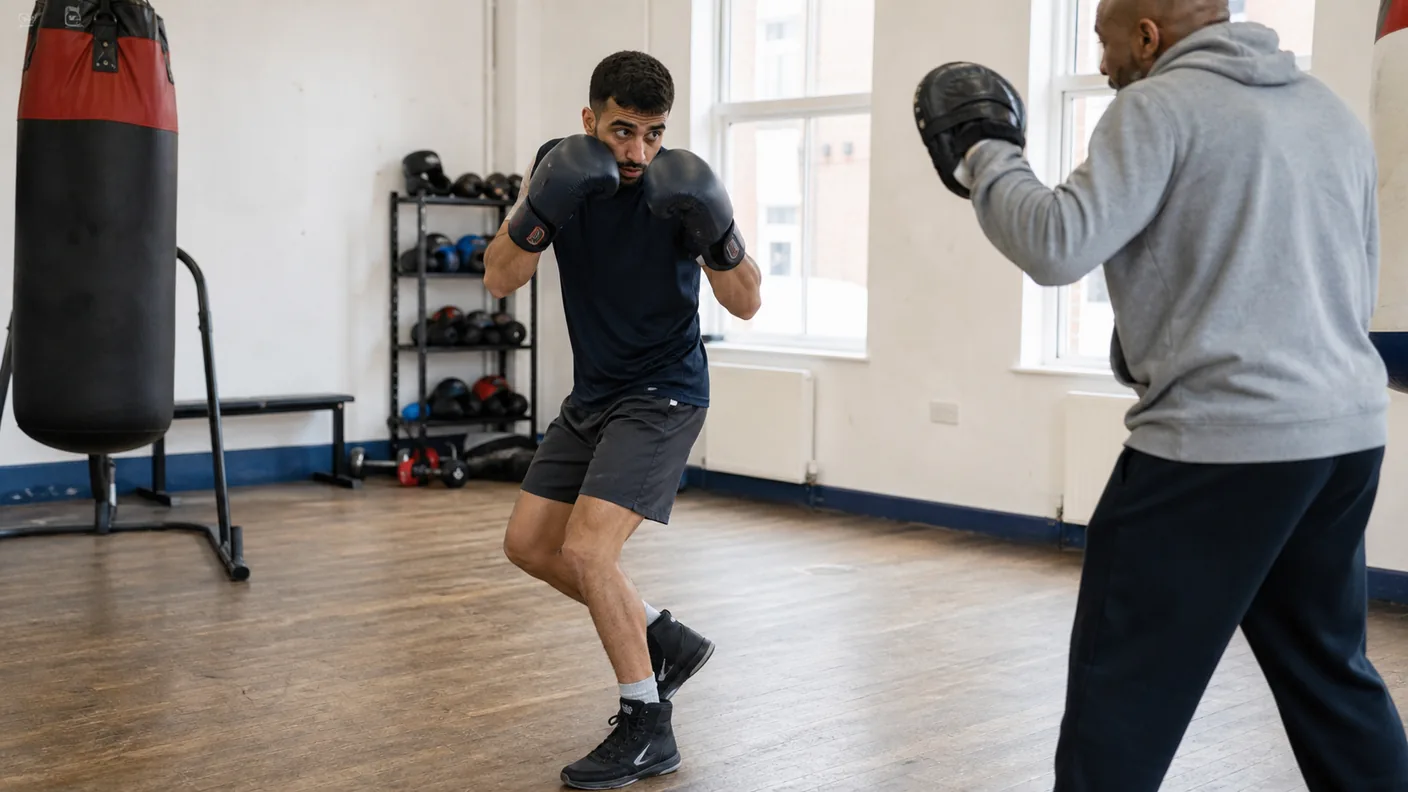
Rear-Foot Pivot and Tuck: A Safer Boxing Angle
Use a compact rear-foot pivot and tuck to leave a straight-punch line without losing your guard, balance or next step.
Was this page helpful?
It takes one tap, and it genuinely helps.
Choose your next step
Turn this article into the right action
Some readers are ready to book. Some need the class route first. Pick the route that matches what you actually want.