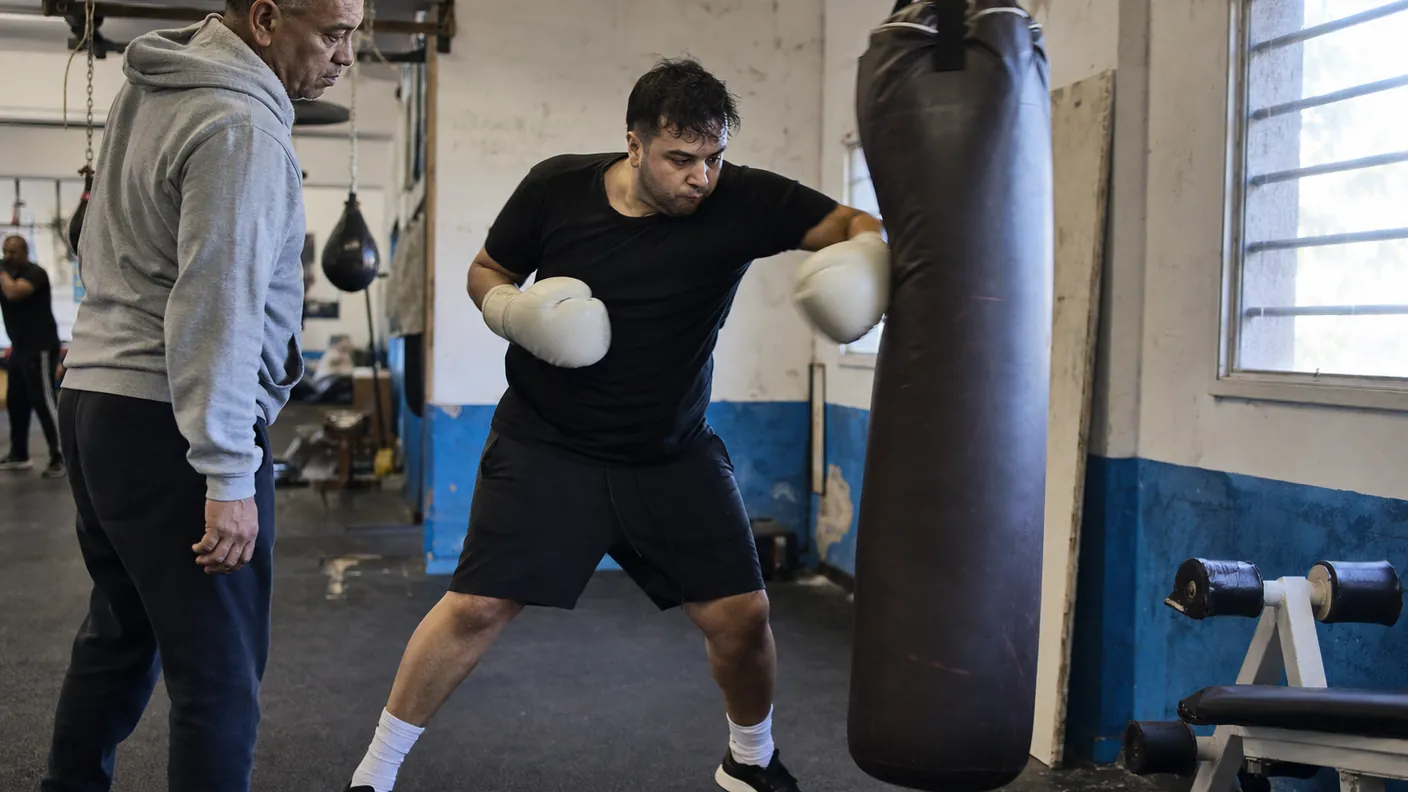
Most beginners throw the hook and stay exactly where they started.
That is the problem.
The lead hook is already a punch that can pull you square if the feet are lazy. Add a heavy bag, a bit of excitement and a coach calling for more power, and the common mistake appears fast: the arm swings, the head stays on the line, the rear hand drops, and both feet end up pointing at the bag.
A pivot hook fixes a lot of that. It teaches you to punch while changing the angle. The shot is not only a hook. It is a hook with a turn, so you finish beside the target instead of parked in front of it.
The short video below is useful because it shows the heavy bag as a timing tool. Do not just hit a still bag. Let it move, step as it comes back, plant the lead foot, turn the rear foot, and let the hook arrive as the body rotates.
That idea matters beyond one bag drill. A technical and tactical review of boxing performance describes punching, movement, distance and defence as connected parts of performance. The pivot hook is exactly that: punch, footwork and exit built into one action.
Here is how to build it without turning it into a wild spin.
What a pivot hook is
A pivot hook is a lead hook thrown as the body turns around the lead foot.
For an orthodox boxer, the lead foot acts like the hinge. The left hook fires as the body turns to the left and the rear foot comes round. For a southpaw, reverse the sides. The principle stays the same: the lead side gives you the post, the rear side supplies the turn, and the hook lands as the hips and shoulders rotate.
This is not a dance step added after the punch. The punch and the turn belong together. If you hook first, then remember to pivot, you are late. If you spin first, then try to hook, you have moved away from your own shot. The clean version is one joined action.
Think of it as changing the picture while you punch. One second the bag is in front of you. The next second you are slightly off to the side, balanced enough to defend, punch again, or leave.
Start with the feet, not the hand
Most bad pivot hooks start with the arm.
The boxer wants the hook to look powerful, so the hand travels first. The feet are then dragged behind it. That creates a wide, loose swing with no stable base underneath. It might thump the bag, but it will not teach much boxing.
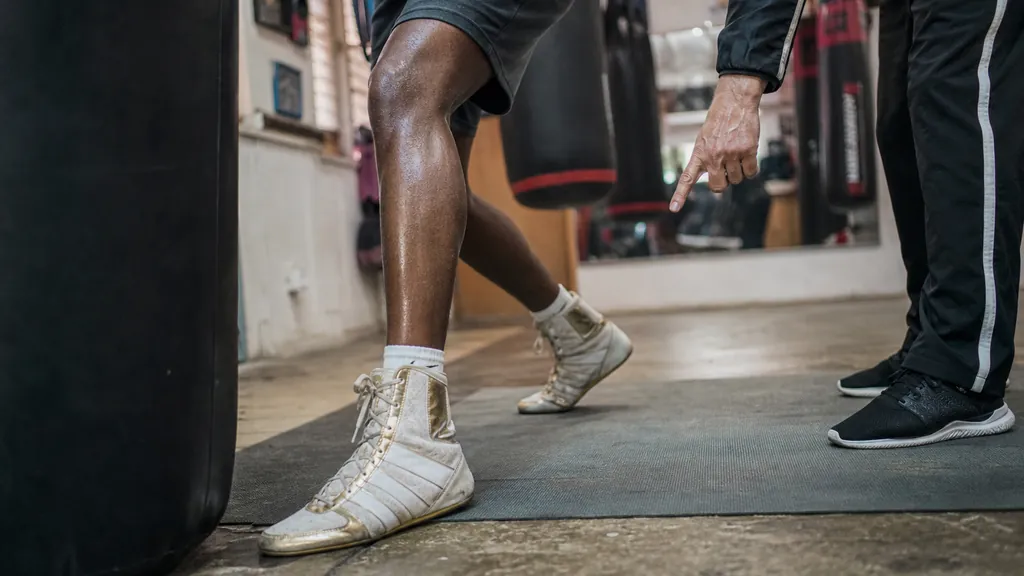
Start with the feet instead. Stand just outside comfortable hook range. Your lead foot should be close enough that one small step puts you near the edge of the bag, not buried underneath it. If you step too deep, you crowd yourself. If you stay too far out, you will reach and lose the turn.
Now plant the lead foot. It should not hop, slide wildly or collapse inward. It gives you something to rotate around. The rear foot then moves round with the turn, keeping the stance alive.
A good cue is simple: plant the front foot, bring the back foot with you.
Do not cross the feet. Do not spin on both heels. Do not let the rear foot trail so far behind that you finish stretched. The turn should leave you in a boxing stance, not in a pose.
Use the heavy bag for timing
The heavy bag helps because it moves back towards you.
That movement gives the drill rhythm. If the bag is hanging still, you can still practise the mechanics, but the timing is less honest. When the bag swings back, you have to decide when to step, when to plant and when to throw.
Let the bag move away, then return. As it comes back into range, step into position, turn and hook. You are not chasing it across the gym. You are meeting it at the right point.
The beginner mistake is walking in too early. They step underneath the bag while it is still moving away, wait for it to come back, then throw from a cramped position. The hook has no room and the head is too close to the target.
The better version is patient. You let the bag come to you. Your step is small. Your turn is sharp. Your hook lands as the bag meets the line of the punch.
Keep the hook compact
A pivot hook is not a licence to swing wide.
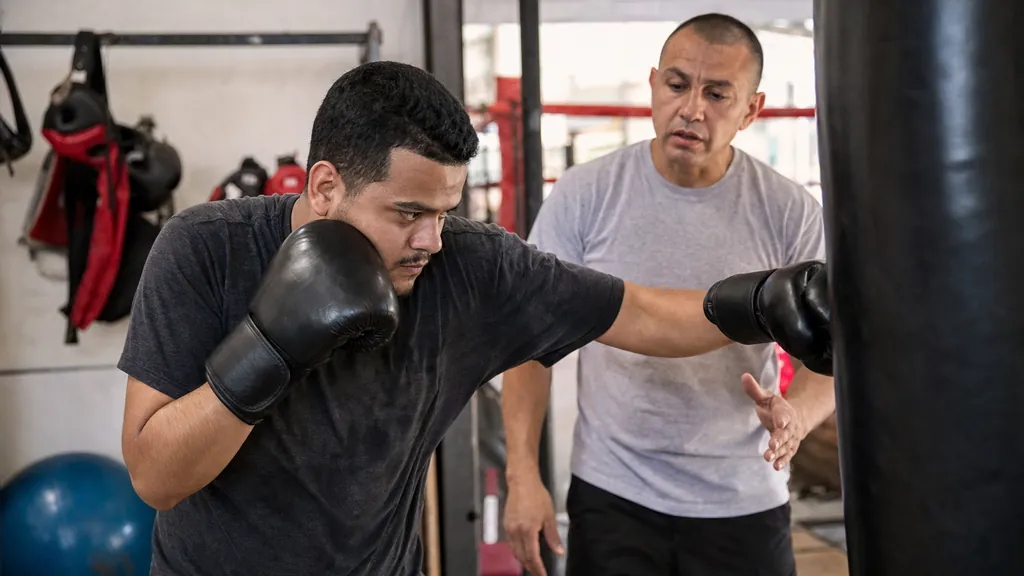
The hand still travels like a proper hook. Elbow bent. Shoulder involved. Chin tucked. Opposite hand tight. The punch should feel short enough that you could bring it straight back to guard.
If the arm straightens, the turn will exaggerate the mistake. You will whip the hand around the bag, pull your head with it and finish square. That is not a pivot hook. That is a spin with a glove attached.
Use a half-speed round to check the shape:
- Step into range.
- Plant the lead foot.
- Turn the rear foot round.
- Throw the lead hook as the shoulders rotate.
- Freeze for one second after the punch.
In the freeze, ask three questions. Is the rear hand still near the face? Are the feet still far enough apart to move? Is the chin still tucked behind the shoulder?
If one of those answers is no, slow the drill down. The bag will forgive a messy hook. Sparring will not.
Our guide to how to throw a hook in boxing covers the basic punch mechanics. This article adds the footwork layer: the hook should change the angle without breaking your shape.
Protect the exit
The pivot hook is partly an exit.
That does not mean you are running away. It means the punch should leave you away from the easiest counter. If you throw a lead hook and stand still, the other boxer can answer down the middle or around your open side. If you hook and turn, they have to reset their feet before the answer is clean.
This is why the rear hand matters. Beginners often let it drift as the body turns. They are so interested in the hook that the other side of the face becomes available.
Keep the rear glove close enough to catch or cover. Let the lead shoulder help hide the chin as the hook lands. Then either step again, bring the hands home, or build the next punch from the new angle.
A combat sports anticipation review found that skilled fighters read early movement cues better than less skilled fighters. In gym language, if your turn always comes with a low hand and a lifted chin, better boxers will see it before you finish the punch.
A three-round pivot hook drill
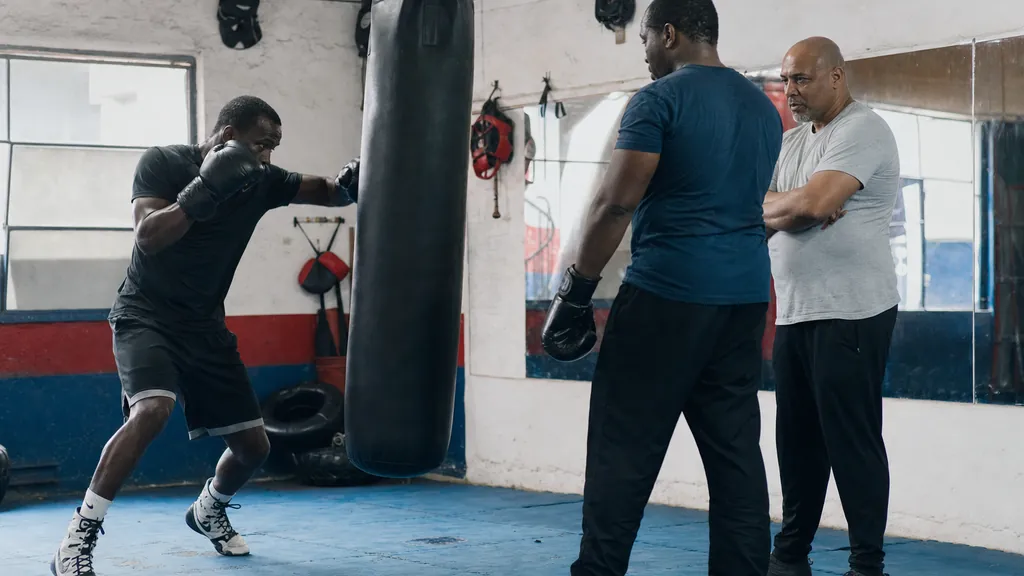
Use this as a technical bag drill, not a fitness punishment. The point is clean timing and position.
Round 1: footwork only
No punch yet. Let the bag move. As it comes back, step to the edge of the bag, plant the lead foot and turn around it. Freeze in your new stance.
Round 2: add the hook
Now add the lead hook as the body turns. Keep the punch at half speed. After every hook, freeze: rear hand high, chin down, feet underneath you.
Round 3: hook and next decision
A pivot hook should not leave you admiring the bag. Add one clear decision after the punch: high guard, step out, jab from the new angle, reset the feet, or roll under an imagined return hook.
Pick one for the round and repeat it. This builds the habit of finishing with purpose rather than finishing wherever the momentum takes you.
Common pivot hook mistakes
The main mistakes are simple: stepping too close, spinning instead of pivoting, throwing the hook with a long arm, dropping the rear hand, and ignoring the bag's rhythm.
A pivot keeps you in stance. A spin turns your back, narrows your feet and leaves you guessing. Keep the shot compact, keep the rear glove near your face, and use the body turn for weight rather than reaching with the arm.
The coaching cue
Step to the edge. Plant the lead foot. Turn the rear foot. Hook and finish in stance.
It will feel awkward at first because it asks the feet and hand to work together. That is the point. Better boxing is not just harder punching. It is cleaner timing, cleaner angles and cleaner exits.
If you are in Kidbrooke, Greenwich or nearby, our Recreational Adults boxing classes teach hooks, pivots and bag drills as connected skills. You learn how to hit without standing there waiting for the return shot.
H&G Team
Writer at Honour & Glory Boxing Club, a community boxing gym in Kidbrooke, South East London.
KEEP READING
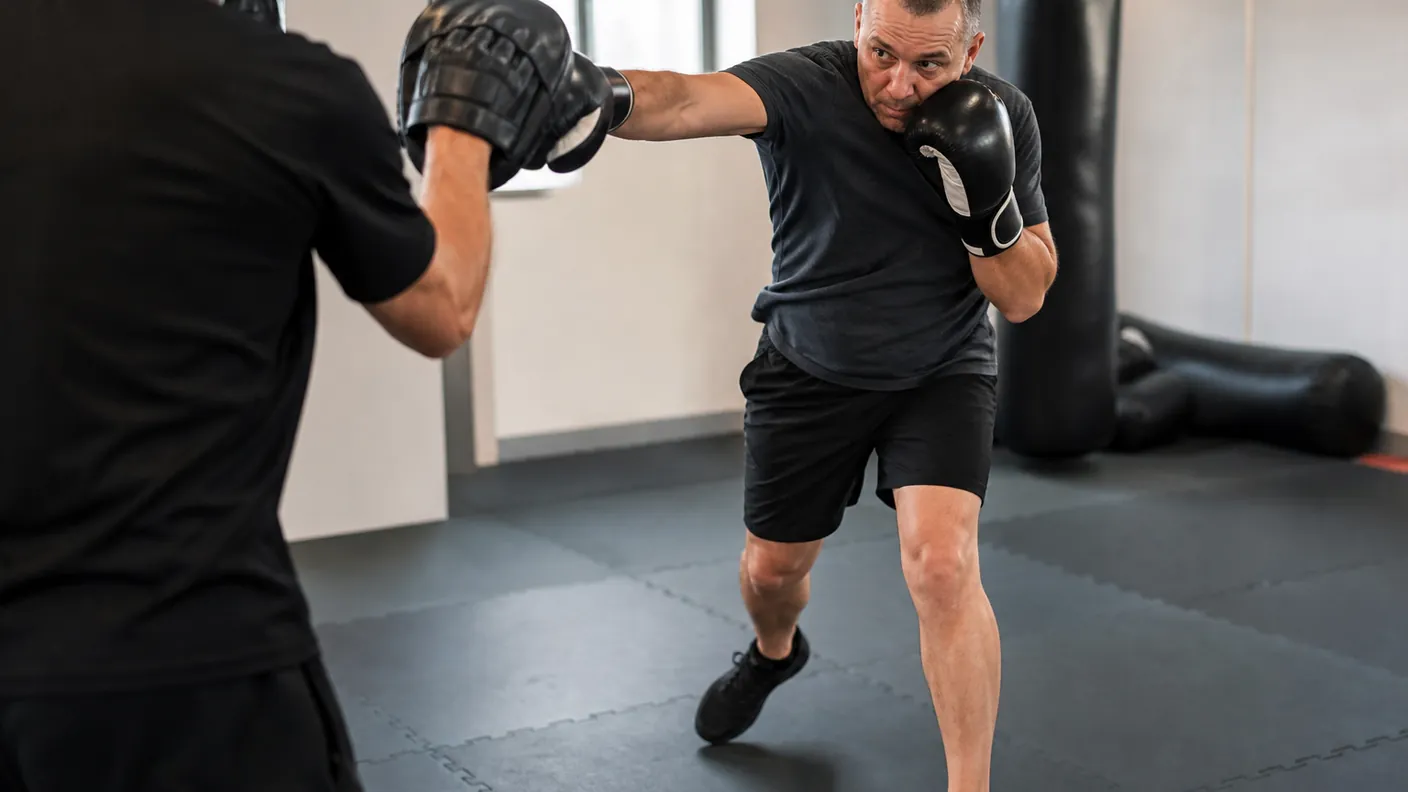
Two-Step Hook Drill for Boxing Balance
Use two small foot adjustments to find range for a compact hook without stretching, spinning or losing your guard.
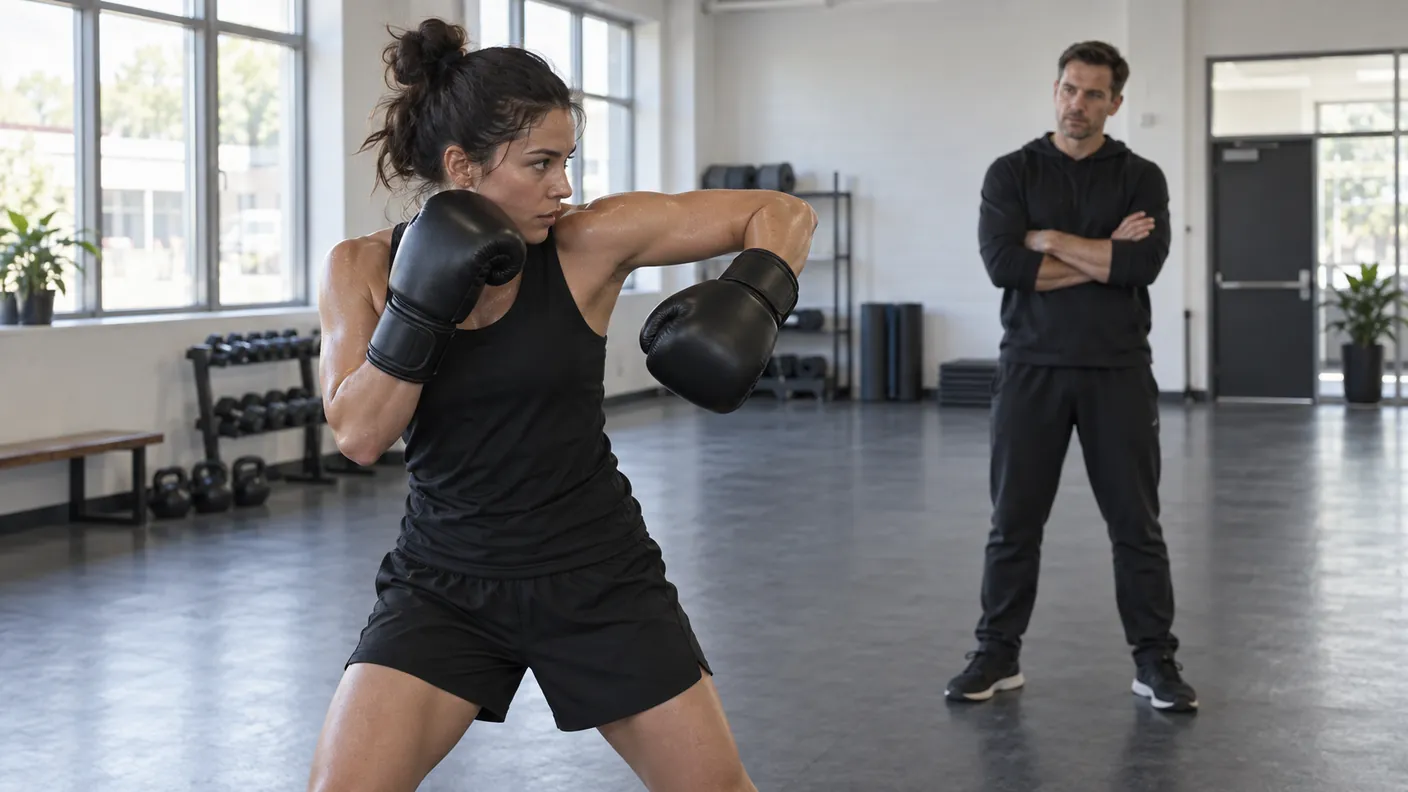
Boxing Hook Hand Position: Palm In or Palm Down?
Choose palm-in or palm-down hook position by range, balance and clean contact, rather than copying one shape for every punch.
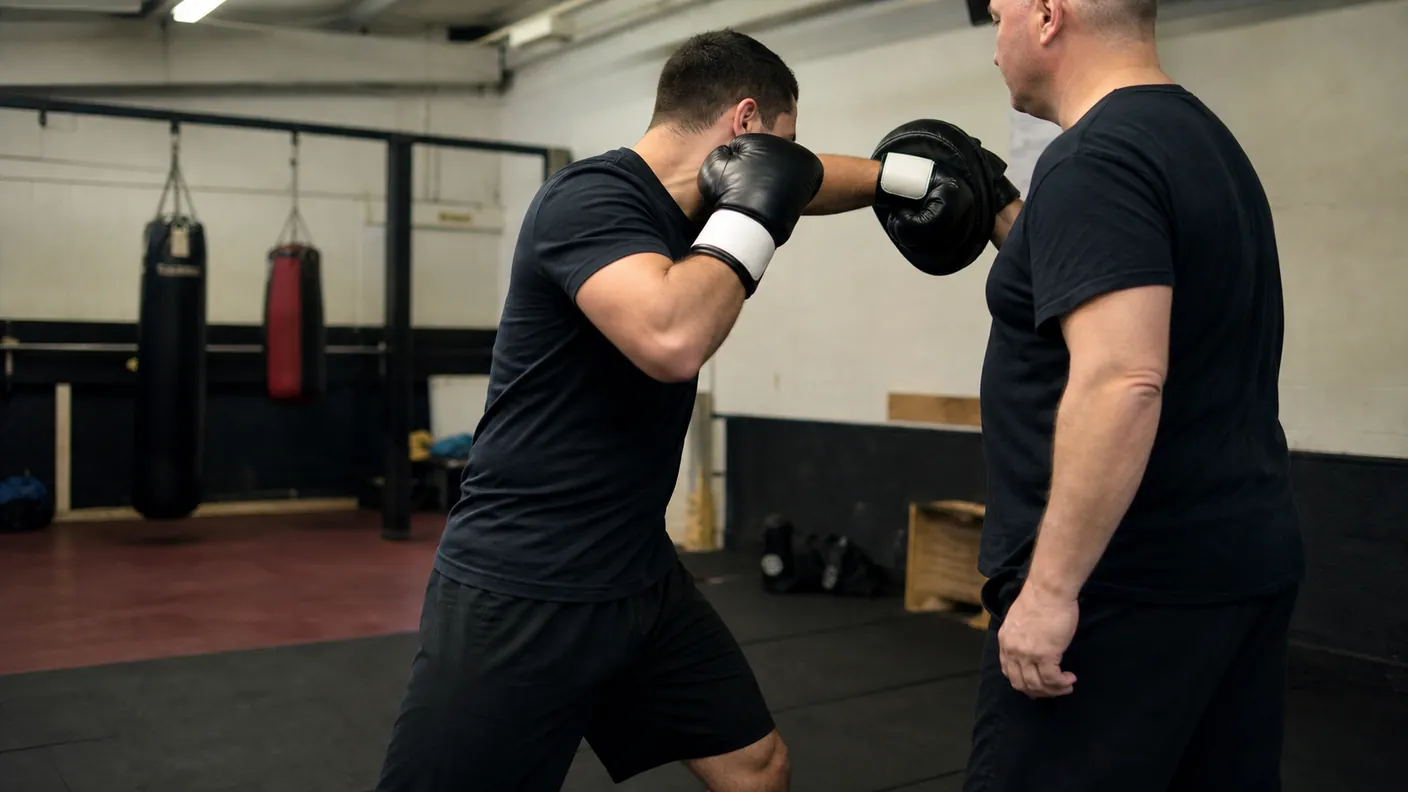
The Hook-Jab: Use Your Lead Hand Twice
Learn how a compact hook-jab can change the line of attack, bring your lead hand home and help you leave the pocket in balance.
Was this page helpful?
It takes one tap, and it genuinely helps.
Choose your next step
Turn this article into the right action
Some readers are ready to book. Some need the class route first. Pick the route that matches what you actually want.