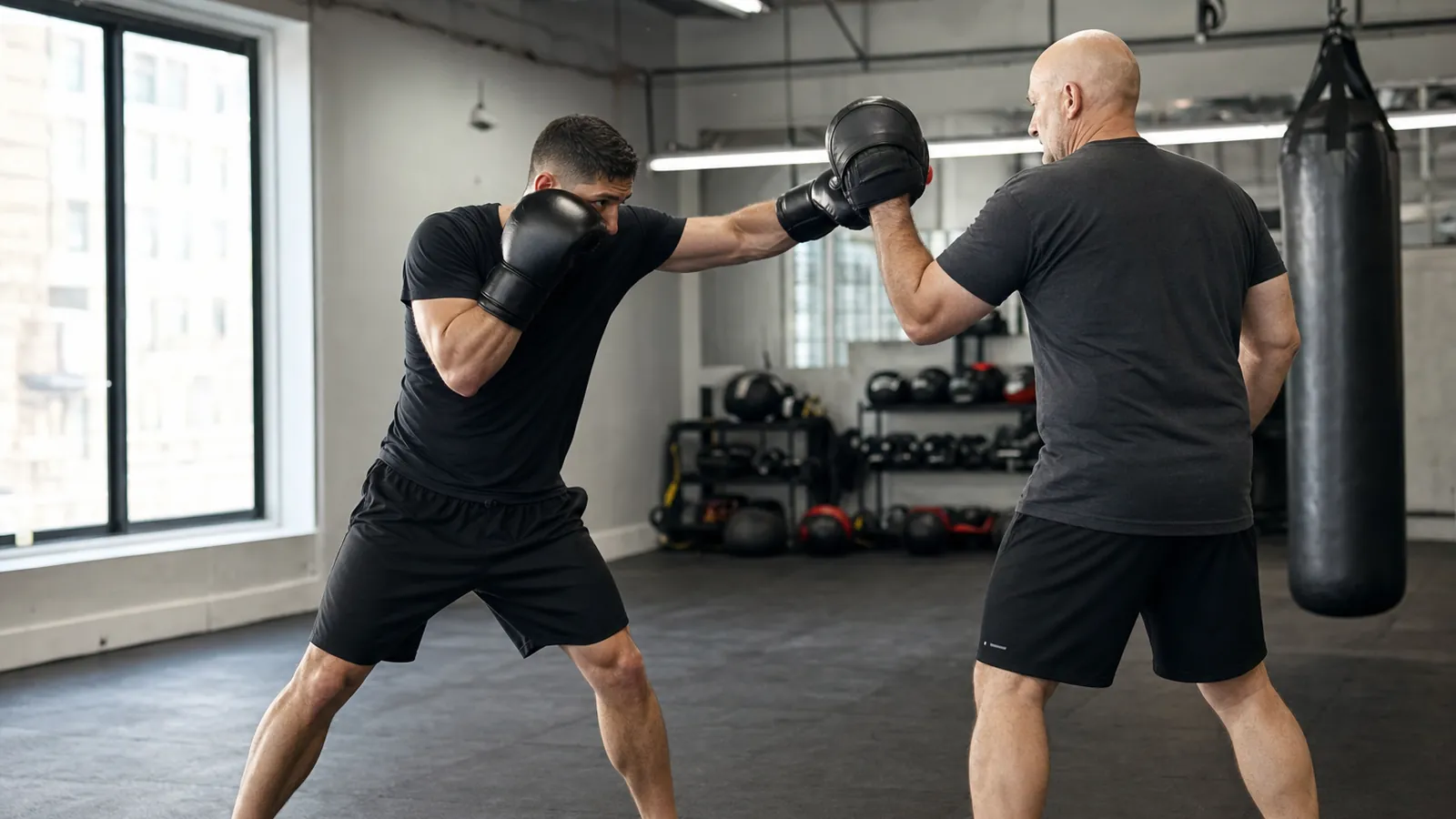
The left hook then jab is not a combination most beginners reach for first. The hook feels like the finishing punch and the jab feels like the way you start. Put them in that order and the rhythm can feel wrong.
That is exactly why it can be useful. A compact lead hook asks the guard to turn or cover to one side. A fast jab then goes through a lane that looked less available a second earlier. It is a short sequence, but it teaches a bigger lesson: do not always attack on one straight line.
Watch the demonstration below, then use the coaching notes to keep the combination compact, balanced and suitable for controlled pad or partner work.
Why hook then jab can work
Most people expect the jab before the hook because that is the sensible default. The jab finds distance, makes the guard react and gives the rear hand a route through the middle.
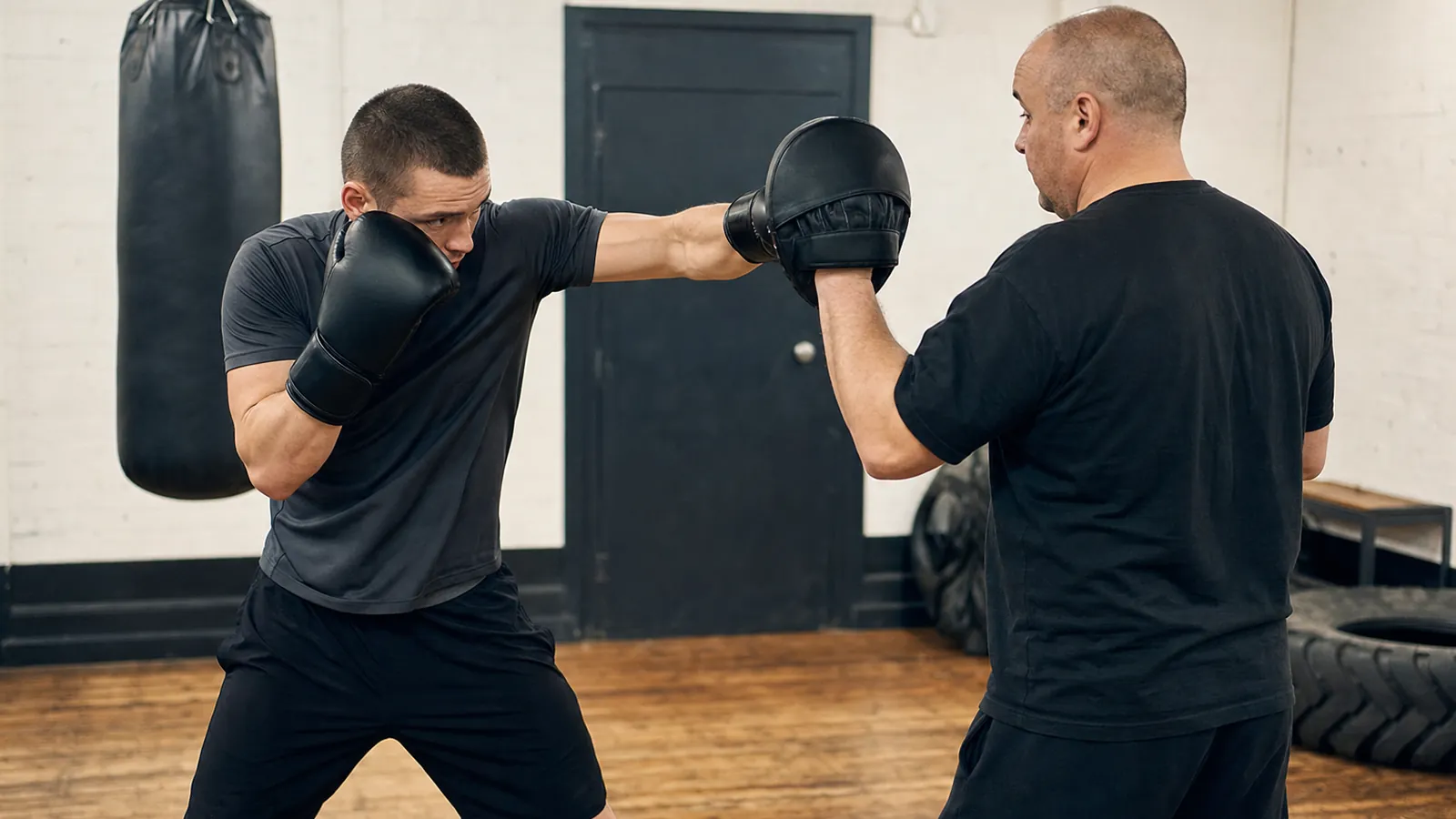
The hook-jab changes that familiar picture. The lead hook travels around the side of the guard. If it makes the other boxer cover with the rear glove, turn the shoulder or pause, the centre can open briefly for the jab. The jab is not trying to knock someone over. It is a quick straight touch arriving while they are still answering the first punch.
That only works when the hook looks honest. A loose arm swing gives away too much time and carries the head out of position. A compact hook with a small turn of the hip is enough to make the other boxer deal with it.
A review of boxing performance describes punching, movement, defence, distance and tactical behaviour as connected jobs rather than separate skills (boxing performance review). The hook-jab is a good example. The second punch is not useful because it is unusual. It is useful when the first punch has changed the guard and your feet leave you close enough to use the opening.
Keep the hook short before you make it quick
The lead hook needs its own sound mechanics before you add a jab behind it.
Start from a normal stance. Turn the lead hip and shoulder together, let the lead foot assist the turn, and keep the rear hand close to the cheek. The elbow does not need to fly high, and the arm does not need to straighten. You are not casting a wide shot around the room. You are turning a compact punch into the side of a mitt or a controlled target.
England Boxing's coaching material puts balance and a secure guard at the centre of effective punching and defensive movement (England Boxing coaching handbook). It matters here because a poor hook leaves the jab with nothing to work from. If your chest has fallen over the front knee or your rear hand has wandered, the next punch will be a reach.
Try ten slow hooks on pads before you add the jab. Freeze after each one. Check four things:
- Is the rear hand still near your cheek?
- Is your head still between your feet?
- Could you take a small step or defend without rearranging your stance?
- Is the hook returning on a short route rather than dropping by your hip?
If those answers are not there, do not add speed. Fix the hook first. Our guide to throwing a hook in boxing gives a fuller breakdown of the basic shot.
The small step changes the line
The feet should help the combination without turning it into a lunge.
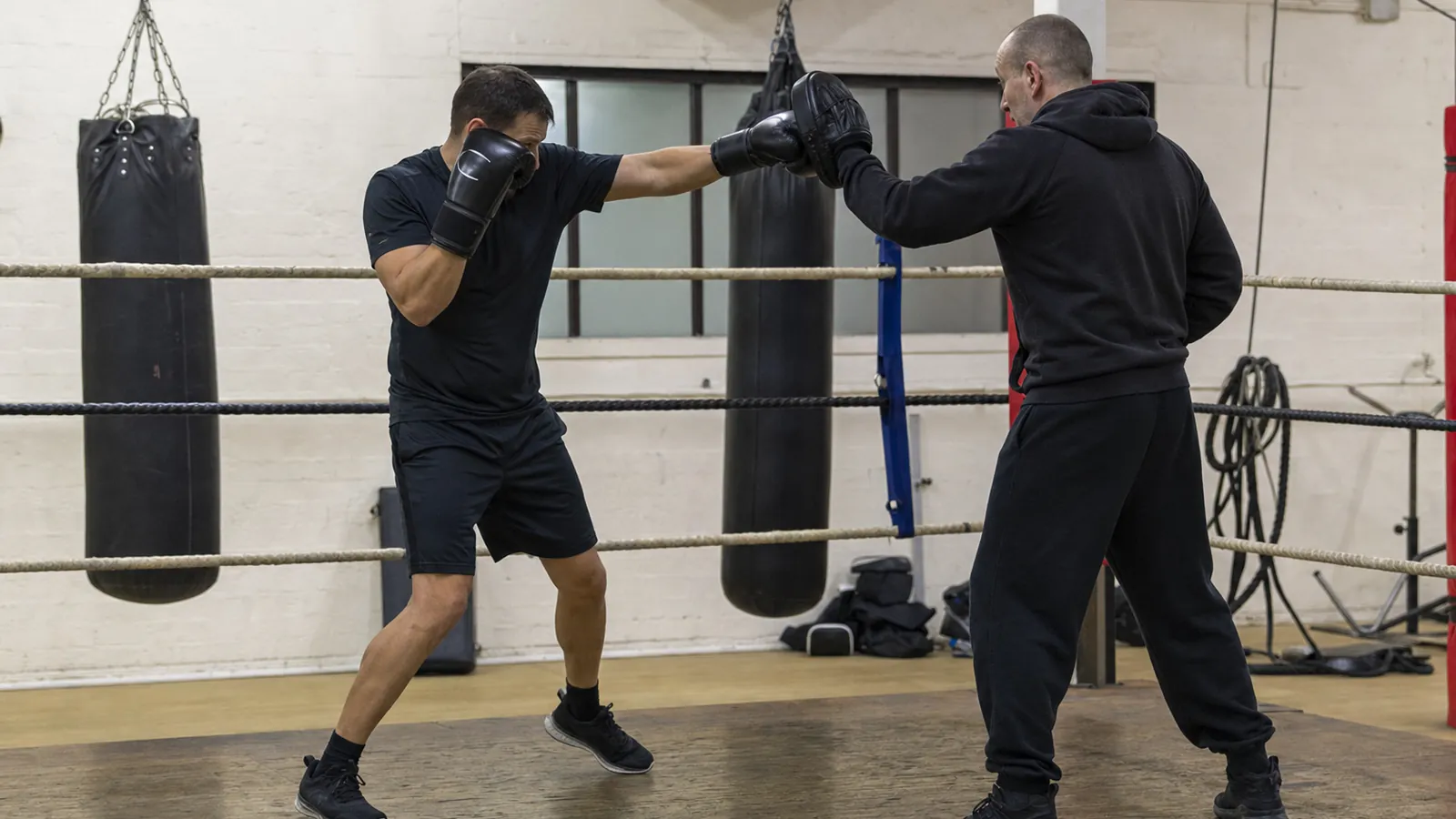
When the hook is thrown from slightly farther out, a short lead-foot adjustment can bring you into range. Think a step no longer than your foot, not a dive at the target. The hook lands as your body turns, then the jab comes out through the centre as you settle back into shape.
The common error is chasing the hook with the head. A boxer sees the mitt or partner move away, steps too far, and arrives with the shoulders pitched forward. The jab then becomes an attempt to catch balance rather than a punch.
The better cue is: step to make the hook honest, then let the jab find the opening. Your head does not need to lead either punch. The foot adjustment should be small enough that the rear foot can still recover your stance straight after the sequence.
That is close to the principle in our guide to following a retreating boxer without reaching. Take distance with the feet, not with your face. This combination works best when it is a measured entry, not a chase.
Do not pull the hook back before the jab
The quickest version of the sequence does not have a large reset between punches.
After the hook, the lead hand has already travelled to the side of the guard. It does not need to swing back to a perfect starting position before the jab leaves. Let it take the shortest sensible route into the centre, then bring it home to guard.
There is a difference between efficient and loose. The elbow should not flare and the chin should not rise. The jab still travels straight, and the rear hand stays ready. If the lead glove drops low after the hook, you have turned a quick combination into an invitation for a counter.
Researchers studying anticipation in combat sports have found that more experienced performers use early movement cues to make faster decisions (systematic review). In gym terms, big pauses and big arm movements give people time to see what is coming. Keep the hook compact, make the jab direct, and do not announce the second punch with a dramatic wind-up.
A three-round drill for the combination
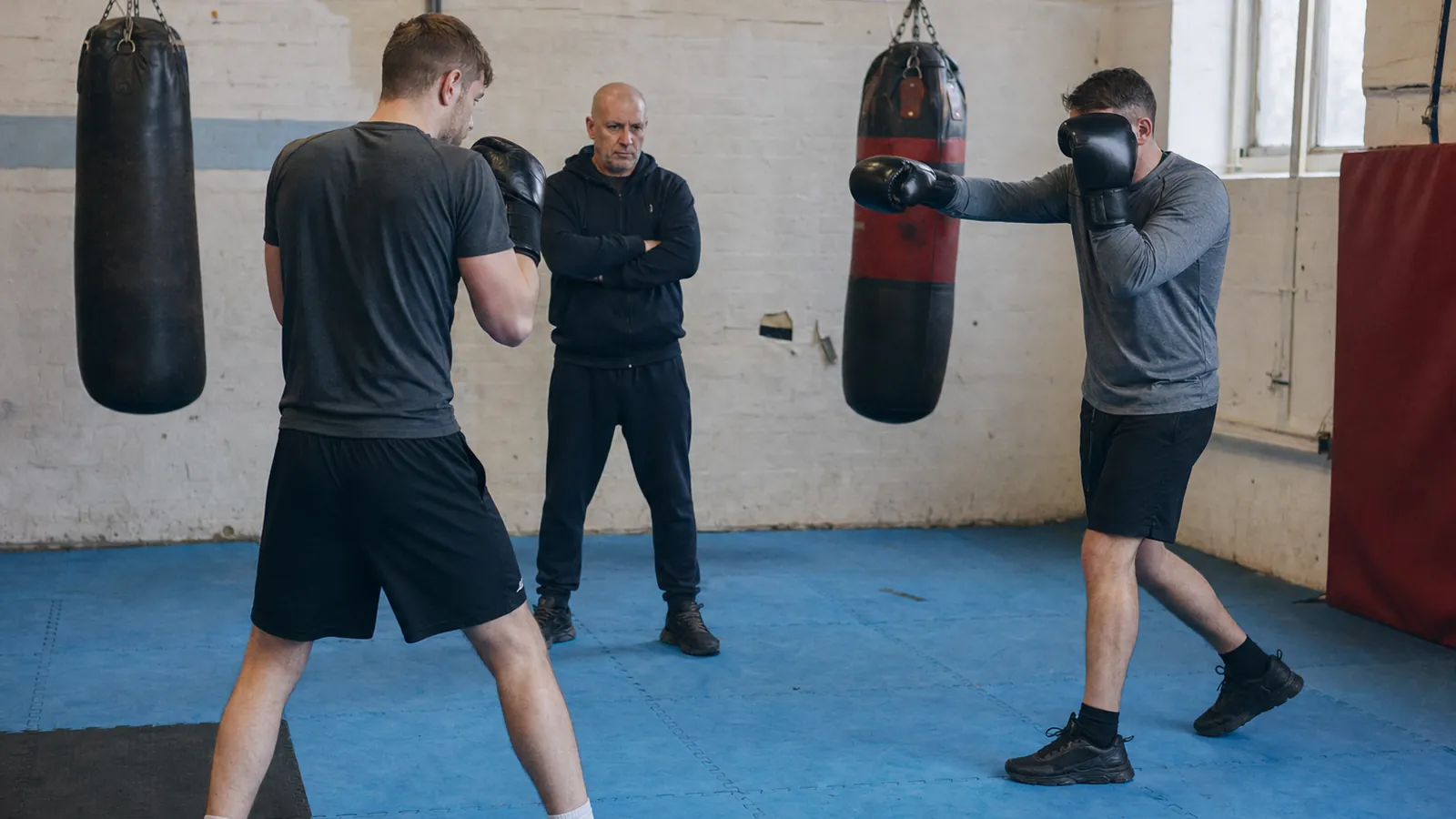
Use pads first. Once both people understand the shape, you can use a light partner drill with clear rules and no hard contact.
Round one: hook and freeze
The coach presents one mitt at hook height. Throw a light lead hook, then freeze. The coach checks stance width, rear hand, chin and whether the boxer is leaning. Do not add the jab until the finish position is stable.
The goal is not to make the mitt crack. It is to build the position the jab will leave from.
Round two: hook then straight touch
The coach presents the hook mitt slightly to the side, then brings the second mitt into the centre. Throw the hook, then a light jab. Work slowly enough that you can feel the hand move from one line to the other.
If the jab turns into a looping slap, reduce the pace. It should be a straight touch that comes back to guard cleanly.
Round three: read one simple answer
With a trusted partner, Boxer A gives a light hook shape to the glove or pad. Boxer B gives one predictable reaction: cover high, turn the shoulder or take a small step back. Boxer A then decides whether the jab is still there or whether it is better to reset.
This matters. The combination is not a promise that the jab will always land. It is a way to make the other boxer respond, then make a calmer next choice. Keep the drill technical. No one needs to prove toughness by throwing the hook hard.
Common mistakes
The first mistake is turning the hook into a wide swing. If the arm has to travel around the building, the jab will arrive after the guard has recovered. Keep the hook compact.
The second is taking too large a step. A long step turns the hook into a reach and leaves the rear foot behind. Make the adjustment smaller, or close range with the jab before you try this sequence.
The third is dropping the rear hand as the hook turns. That removes the guard at the moment you are stepping closer. Keep it home.
The fourth is snapping the jab out without watching what the hook did. If the other boxer has stepped away, covered well or shown a counter, the right answer may be to reset rather than force the second shot.
The fifth is practising it too fast. Speed hides poor positions. Make the hook clean, make the jab direct, then increase the pace only when you can still finish balanced.
Where it fits in your boxing
Use this after your jab, hook and basic stance already feel dependable. It is not a replacement for the one-two. It is a small variation for moments when the other boxer is reading your lead hand in one predictable way.
The useful habit is not memorising another combination. It is learning that a punch can change the next line of attack. A hook can make the guard move sideways. A jab can then arrive through the middle. If the opening is not there, you can still return to stance and make another decision.
For adults in Greenwich, Kidbrooke and nearby, our Recreational Adults boxing classes use bags, pads and controlled drills to teach those decisions without treating hard sparring as a requirement.
H&G Team
Writer at Honour & Glory Boxing Club, a community boxing gym in Kidbrooke, South East London.
KEEP READING
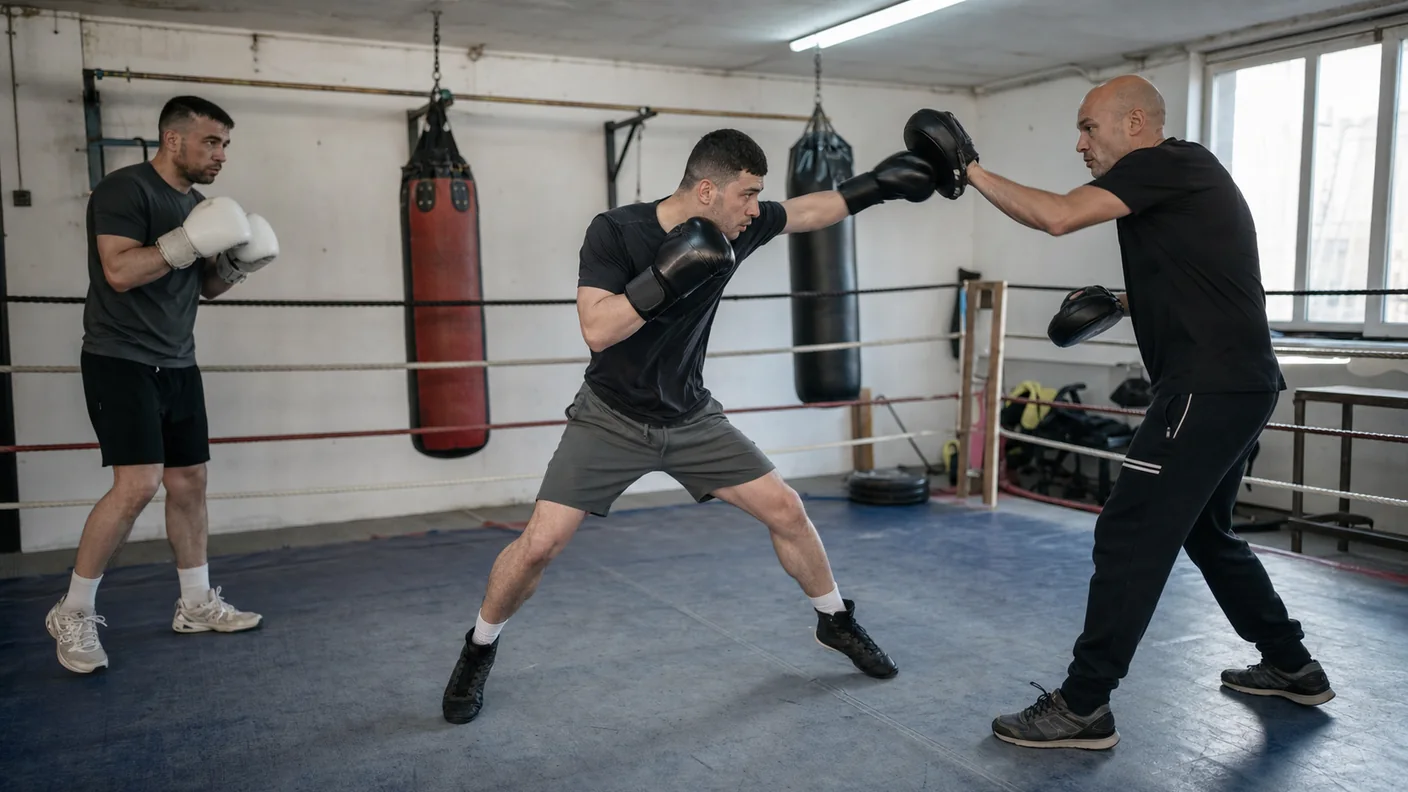
Set Up the Right Hand With the Left Hook
Use the long left hook to move the guard, open the middle and land a straighter right hand without loading up.
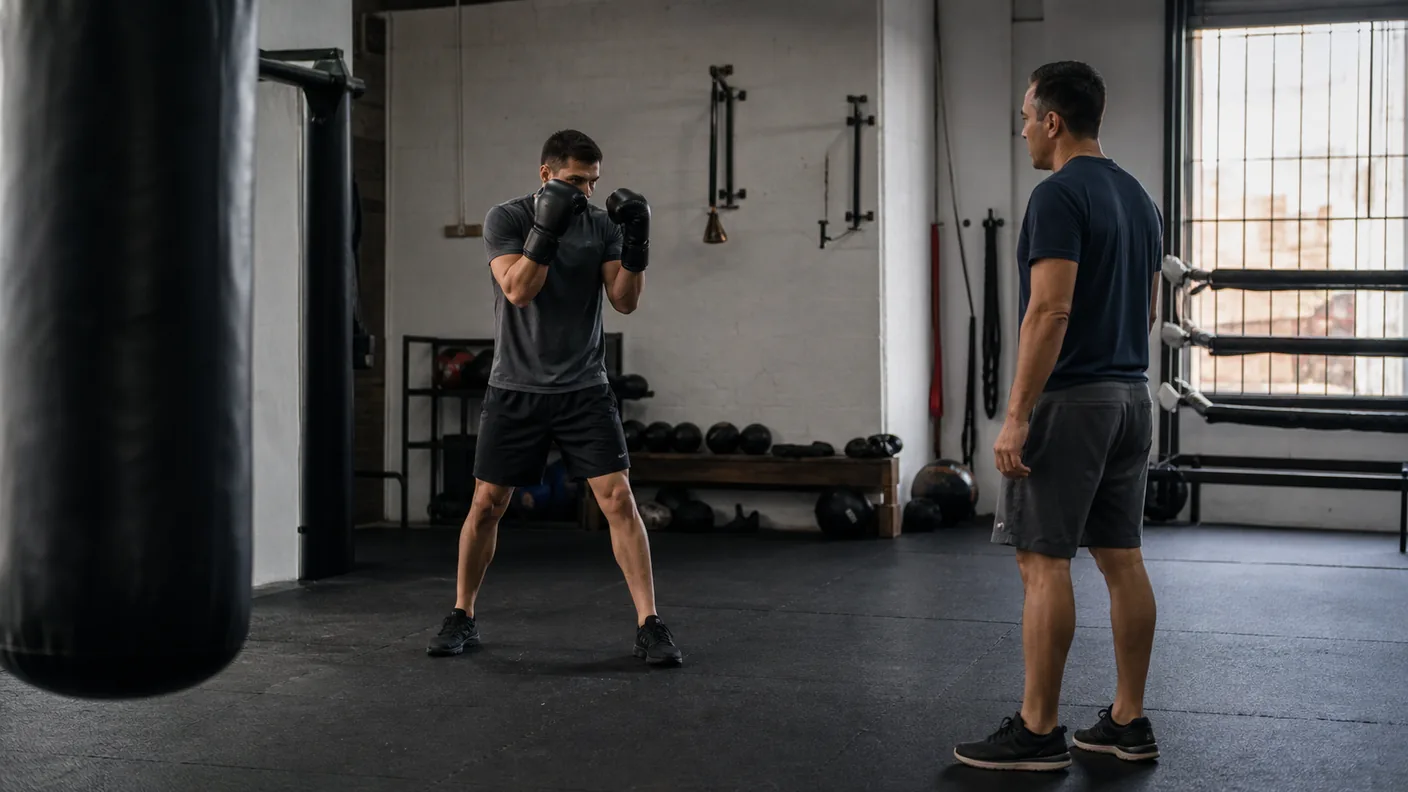
Lead Hook to Jab: Change Direction in Boxing
Use a compact lead hook to shift the guard, then send a jab through the middle without losing your stance or balance.
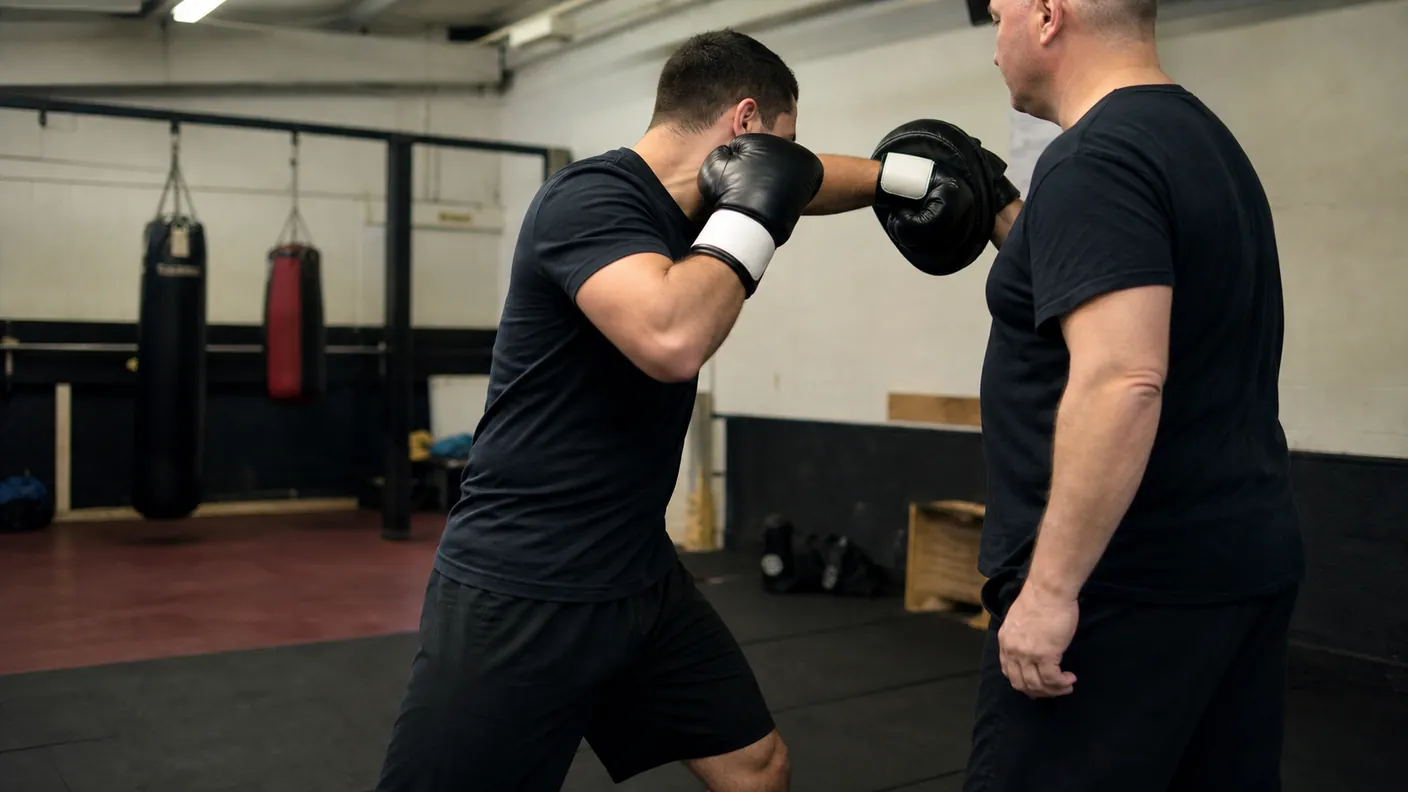
The Hook-Jab: Use Your Lead Hand Twice
Learn how a compact hook-jab can change the line of attack, bring your lead hand home and help you leave the pocket in balance.
Was this page helpful?
It takes one tap, and it genuinely helps.
Choose your next step
Turn this article into the right action
Some readers are ready to book. Some need the class route first. Pick the route that matches what you actually want.