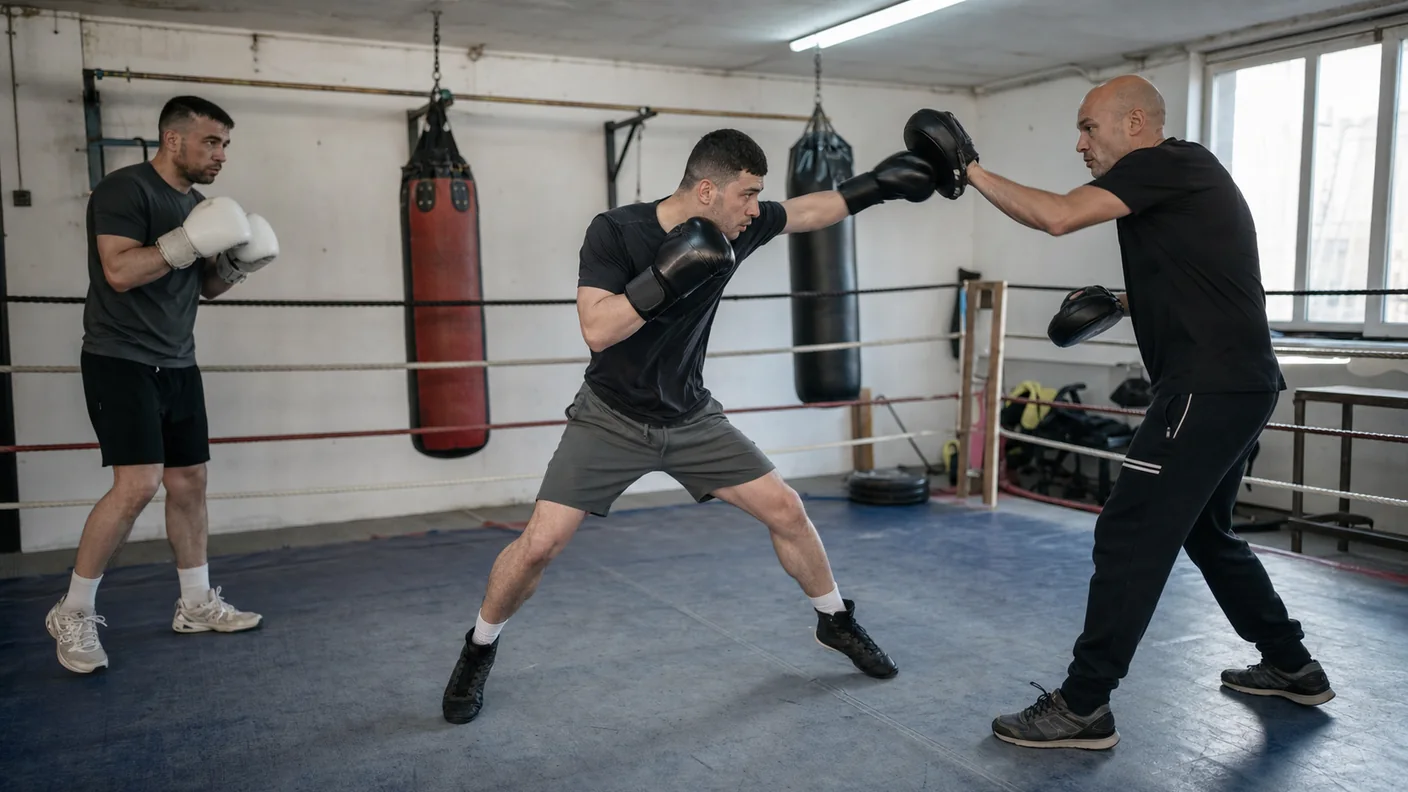
A straight right hand feels simple until someone knows it is coming.
Beginners often load the rear hand, stare at the target, and try to force it through the middle. On the bag, that can feel powerful. In front of a partner, it usually gets blocked, smothered or seen early. The punch itself may be fine. The setup is the problem.
The long left hook gives the right hand a job to follow. It asks the guard to move sideways, pulls attention away from the centre line, and lets the right hand travel through a cleaner lane.
Watch the short clip below for the basic idea, then use the coaching notes after it to make the pattern safer and more useful in class.
This is not a wild hook followed by a hopeful swing. It is a simple sequence: show the jab, make the lead side believable, step with a long left hook, then send the right hand down the middle while the other boxer is still dealing with the hook.
Why the right hand needs a setup
The rear hand is usually the punch beginners want to throw hardest.
That is understandable. For an orthodox boxer, the right hand has more room to build from the floor. The rear foot, hip, shoulder and hand all have time to join if the boxer stays balanced. A technical review of boxing performance describes effective punching as a whole-body action, not just an arm movement. That is why a clean right hand can feel so different from an arm punch.
The trouble is that everyone can see it coming when you make it too important.
If you pull the right shoulder back, pause, plant heavily and look at the head, the other boxer gets an early warning. They cover, step away, jab into your setup or make you fall short. The punch that felt heavy on the bag becomes late in a round.
A setup hides the moment of commitment. It gives the other boxer something else to solve first.
What the long left hook changes
A long left hook is not the same as a tight hook inside.
The inside hook is short, compact and built for close range. The long hook travels from farther out. It is still controlled, but it reaches round the side of the guard rather than cutting tight across the chin. Used badly, it becomes a slap. Used well, it moves the guard and changes the line for the next punch.
The value is not only whether the hook lands clean. The hook can touch the glove, shoulder or side of the head and still do its job if it makes the opponent turn, cover or parry.
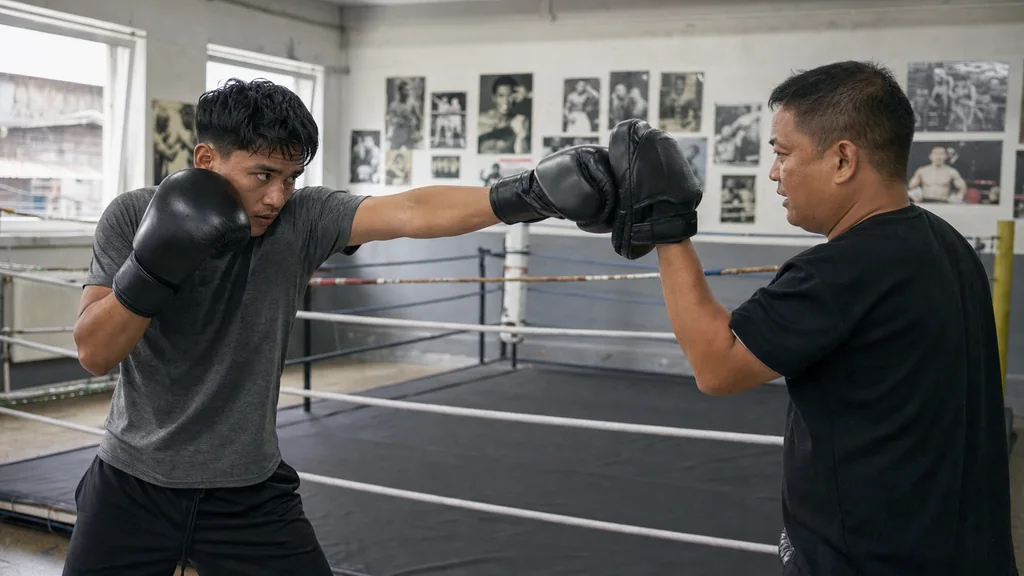
Think of the hook as a door handle. You are not trying to smash the whole door down with the first punch. You are trying to move it enough that the right hand has a gap.
That is the part beginners miss. They judge every punch only by impact. A good setup punch may be lighter than the finisher, but it controls where the guard goes next.
Build the pattern from the jab
Do not start by throwing the long hook from nowhere.
Start with the jab because the jab teaches the other boxer what to expect. Touch with it. Let them see it. Let them parry it. Let them think the next lead-hand action is another jab.
The basic progression is:
- Jab once or twice to establish the lead hand.
- Notice how the other boxer answers it.
- Feint or show the jab again.
- Step slightly as the long left hook comes round.
- Bring the right hand straight through the middle.
The third step matters. If the other boxer is already reacting to your jab, you can borrow that reaction. They reach to parry, dip the front hand, turn the shoulder or narrow their guard. The hook then arrives on a different line from the punch they expected.
This connects directly to using feints in boxing without overcommitting. A feint is only useful if it looks close enough to the real thing. Here, the jab and the hook are connected by the same lead side. The lie works because the truth was already shown.
Step with the hook, but do not fall in
The footwork is small.
Many beginners hear "long hook" and take a huge step. That ruins the combination. The head moves past the front knee, the rear foot gets left behind, and the right hand has to chase the body instead of travelling from a base.
Step enough to bring the hook into range and shift the line. That is all. The lead foot can move slightly outside as the hook goes, but the rear foot must still be able to turn for the right hand. If the step leaves you stretched, the second punch will arrive late or without structure.
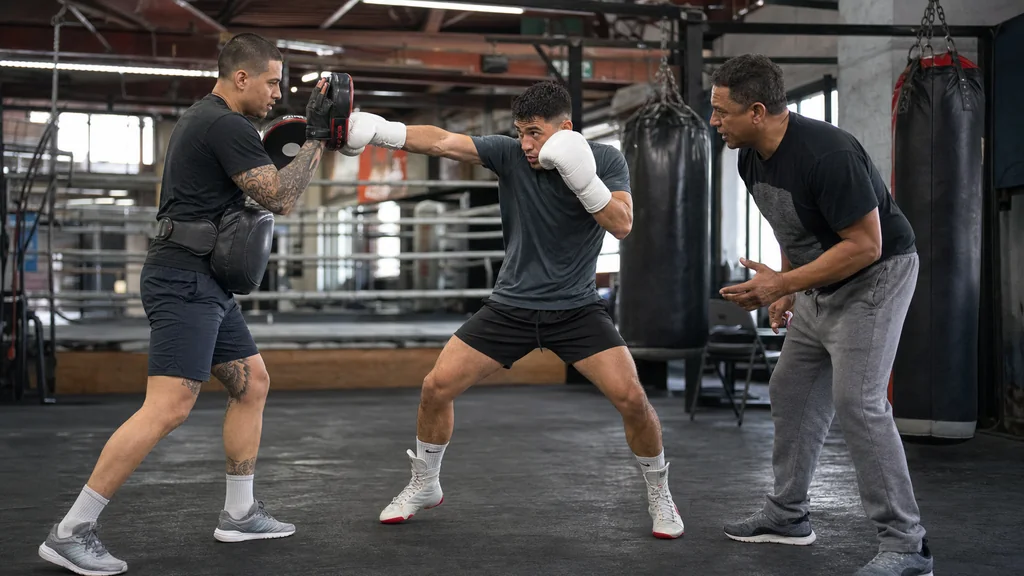
A useful cue is: step to open the lane, not to chase the head.
After the hook, your right hand should feel like it is coming through a channel. The shoulders rotate, the rear hip follows, and the punch returns to guard. If the right hand has to loop round the outside, the hook did not open the middle. It only made you wider.
Keep the hook honest
The long hook still has to look like a punch.
A lazy lead-hand swing will not make anyone react properly. The elbow should stay sensible, the glove should travel with shape, and the rear hand should stay near the cheek while the hook leaves. The chin does not lift. The eyes do not admire the punch. The feet do not cross.
If you already struggle with the basic hook, fix that first with how to throw a hook in boxing. The setup version adds range and timing, but it should not replace sound mechanics.
The other danger is making the hook too heavy. If you throw it as the main punch every time, the right hand becomes an afterthought. For this drill, the hook usually sits at medium power. It has enough intent to be respected, but it does not pull you off the second shot.
Why the right hand should stay straight
The right hand in this pattern is not a roundhouse.
Once the hook has made the guard move sideways, the cleanest answer is usually straight down the middle. That is where the opening has been created. If you loop the right hand, you give the other boxer more time to recover and you make the combination wider than it needs to be.
A straight right hand also gives you a better recovery. The punch goes out and back on a line. The shoulder protects the chin. The rear foot can turn without dragging the whole stance across the floor.
Research on anticipation in combat sports shows that more skilled fighters use early movement cues to make faster decisions (systematic review). In plain gym language, if your right hand has a big wind-up, better boxers will read it before it arrives. The setup should hide the punch, not announce it.
A three-round drill for class
Use this as a technical pad or partner drill before adding speed.
Round 1: jab and read
The boxer jabs lightly. The pad holder gives one simple reaction: parry, catch or high guard. The boxer does not throw the hook yet. They only learn what the lead hand is making the other person do.
Round 2: jab, long hook
Add the long left hook after the jab or jab feint. Keep the step small and freeze after the hook. Check rear hand, chin, stance width and whether the boxer can still throw the right hand from the position.
Round 3: hook to right hand
Now add the right hand down the middle. The pad holder should make the hook target slightly outside and the right-hand target central. That teaches the boxer to move the guard, then come through the lane.
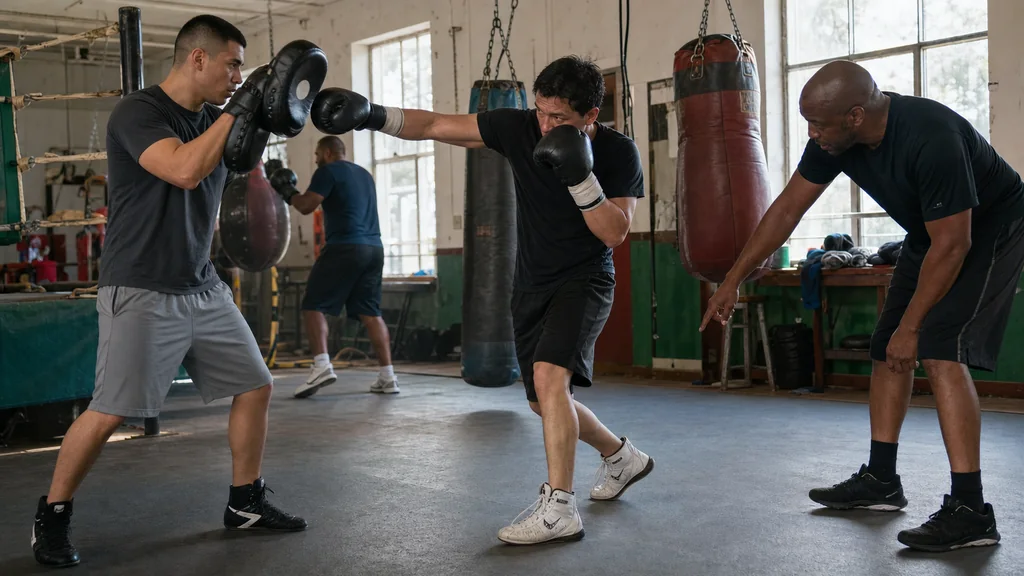
Do not rush to full power. The first win is timing: lead hand makes them react, hook changes the line, right hand arrives straight, guard returns.
Common mistakes
The first mistake is throwing the hook too wide. Long does not mean loose. If the glove travels like a slap, the right hand will usually lose its shape too.
The second mistake is stepping too deep. You only need enough movement to create the line. If your chest ends up over the front knee, shorten the step.
The third mistake is dropping the rear hand during the hook. That gives the other boxer a clean counter while you are trying to set up your own punch.
The fourth mistake is waiting after the hook. The right hand should follow while the guard is still occupied. If you hook, pause and then throw, the opening is gone.
The fifth mistake is using the same rhythm every time. Jab, hook, right hand at one fixed speed becomes readable. Change the pause after the jab. Change the weight of the hook. Sometimes stop at the hook. Sometimes jab again instead. Make the same shape ask different questions.
Where this fits in your boxing
This is a good bridge between beginner combinations and real tactical boxing.
A beginner learns jab-cross because it is clean and direct. The next stage is learning why the cross lands. Sometimes the jab opens it. Sometimes a feint opens it. Sometimes the lead hook opens it. The punch has more chance when the setup has done a job first.
Our guide to why every boxer needs a go-to combination covers that bigger idea: a reliable pattern should create reads, not only land once. The left-hook-right-hand setup works best when it is part of a lead-hand game. Jab to score. Jab to draw. Feint the jab. Hook round the guard. Then come through the middle.
That is boxing. Not one magic shot, but one small lie built on top of a real threat.
If you are in Kidbrooke, Greenwich or nearby, our Recreational Adults boxing classes teach combinations on bags, pads and controlled partner drills. You learn how to set up the punch rather than just hit harder and hope.
H&G Team
Writer at Honour & Glory Boxing Club, a community boxing gym in Kidbrooke, South East London.
KEEP READING
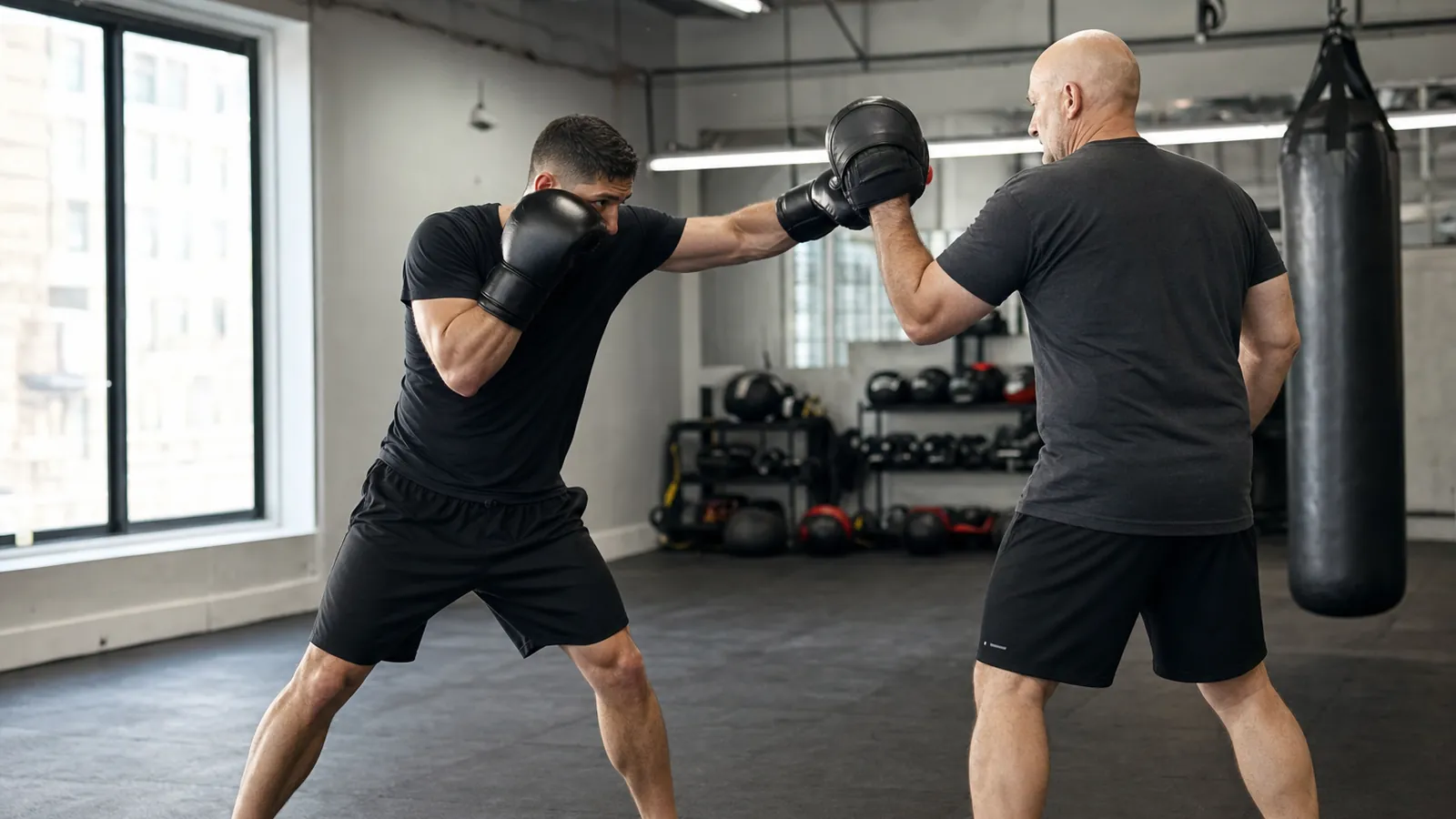
Use the Left Hook to Open a Faster Jab
A short hook-and-jab sequence can change the line of attack without leaving you stretched, square or open to an easy counter.
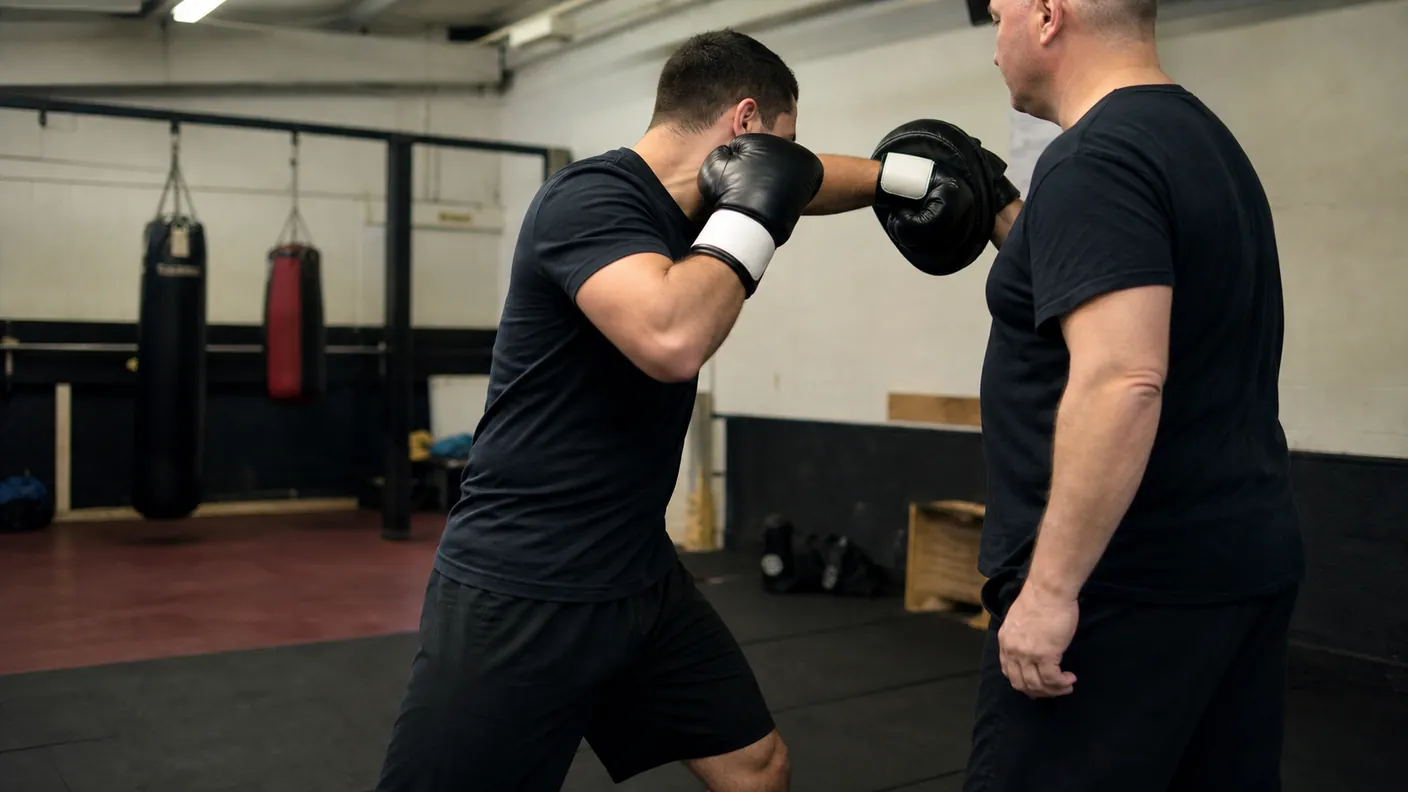
The Hook-Jab: Use Your Lead Hand Twice
Learn how a compact hook-jab can change the line of attack, bring your lead hand home and help you leave the pocket in balance.
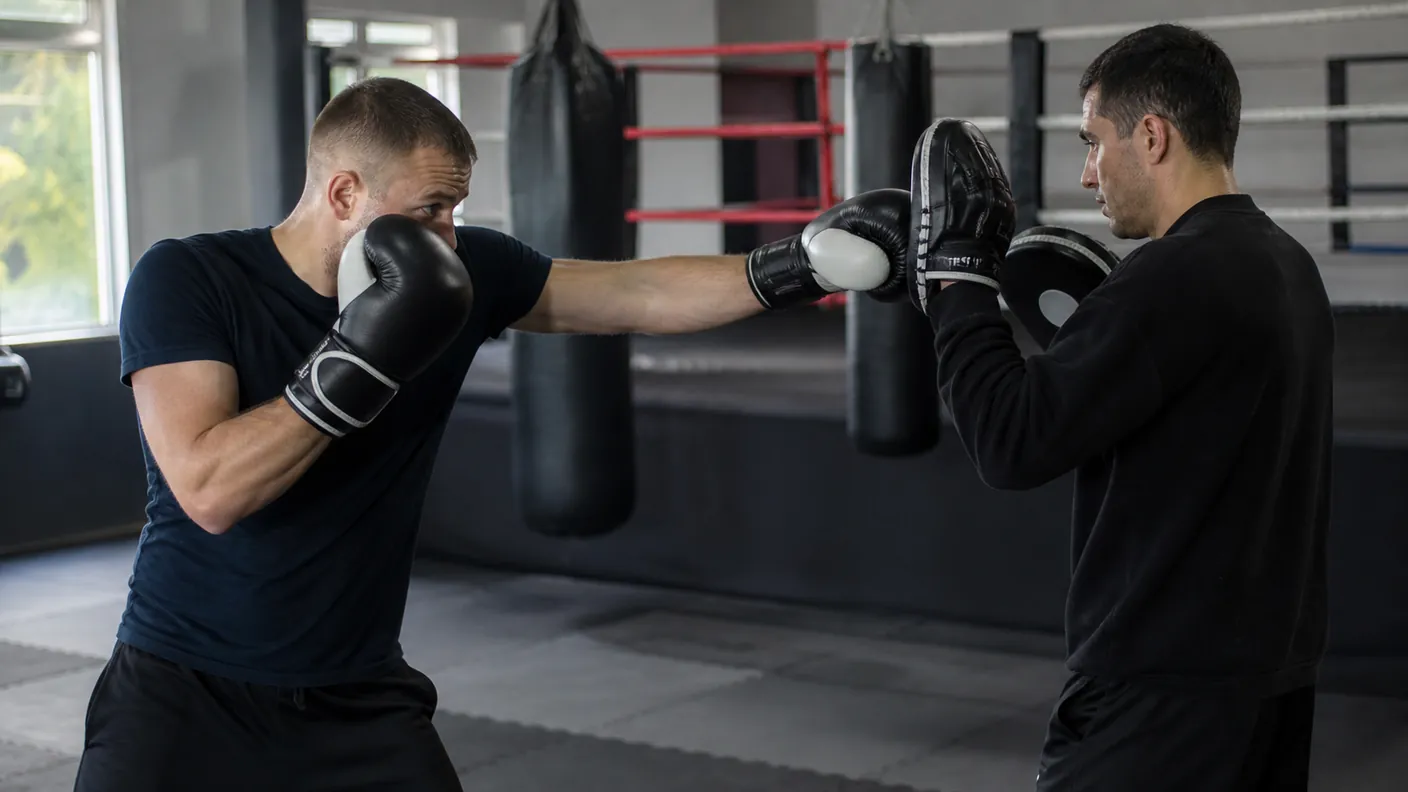
Rear-Hand Touch Before a Lead Hook
Use a light rear-hand touch to occupy the guard before a compact lead hook, without forcing power from the wrong position.
Was this page helpful?
It takes one tap, and it genuinely helps.
Choose your next step
Turn this article into the right action
Some readers are ready to book. Some need the class route first. Pick the route that matches what you actually want.