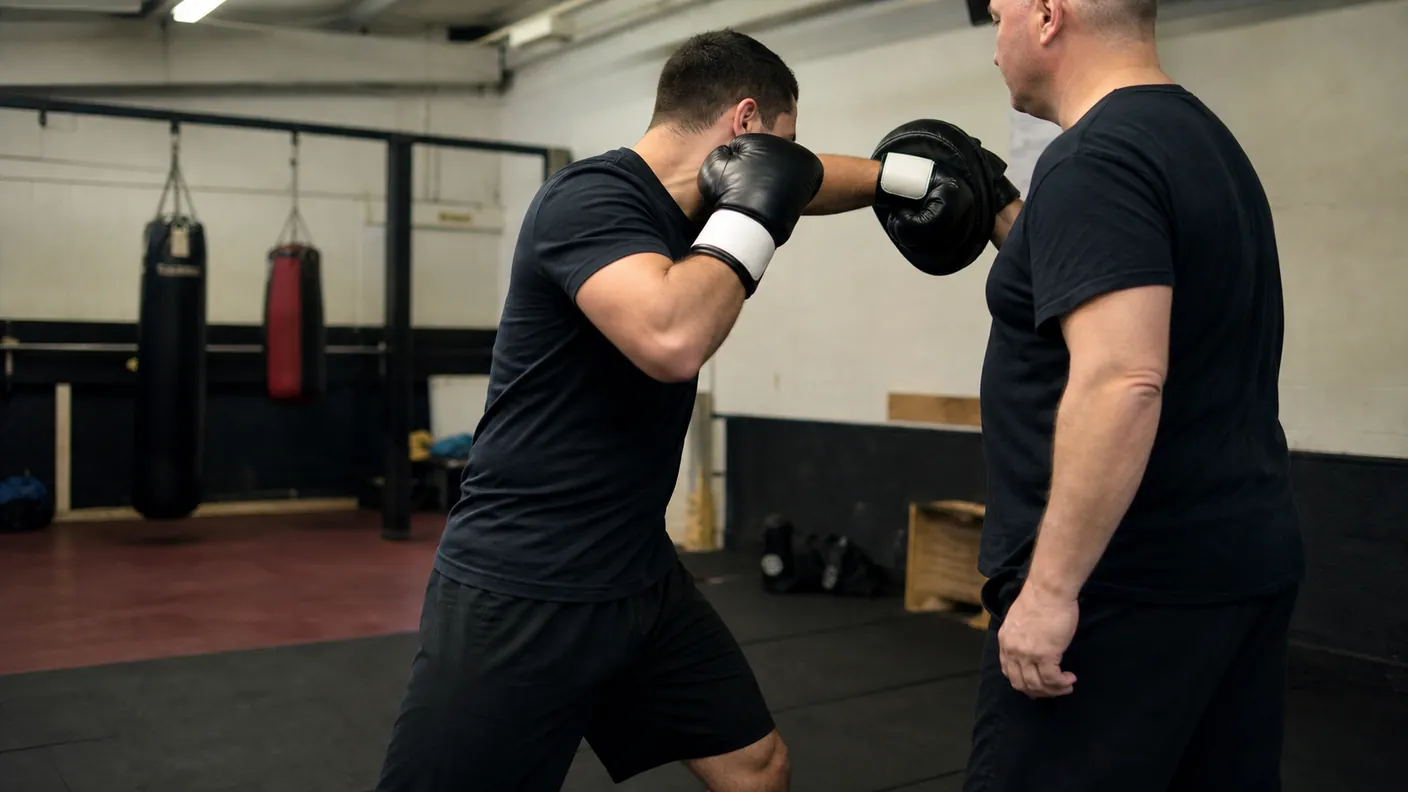
Most beginners are taught to bring every punch straight back to guard. That is a good rule. It stops the glove drifting low, keeps the chin covered and gives the next punch somewhere sensible to start.
The hook-jab is a useful exception, but only once the basic rule is solid. You throw a compact lead hook, let the lead shoulder and weight settle back into stance, then send the same hand straight through the middle as a jab. The hook changes the picture. The jab uses the line that appears afterwards.
It is not a flashy two-punch trick for the sake of it. Used well, it gives you a way to finish a short exchange with the lead hand back in front of you, rather than leaving it hanging after a hook. Used badly, it becomes a wide swing followed by a reach. The difference is in the feet, the range and how quickly you regain your shape.
Watch the short demonstration below, then use the coaching notes to make the pattern smaller and more useful.
What the hook-jab is for
A lead hook usually travels round the outside of the guard. A jab travels through the centre. Putting them together changes the direction of attack without asking you to invent a long combination.
The first punch can make a partner cover, turn their guard or move their head off the middle. The second punch does not need to be heavy. Its job may be to touch the centre, regain range, keep the other boxer busy or give you a safer route back out.
That makes the hook-jab most useful at the edge of close range. You are near enough that the hook is compact, but not so close that the jab has no room. If you are miles away, the hook becomes a reach. If you are chest to chest, a straight lead hand may jam before it has travelled anywhere useful.
A technical review of boxing performance describes punching, distance, movement and defence as connected parts of the same problem. That is the right way to think about this pattern. The hook is not one job and the jab another. Both punches should leave you in a position to defend or move.
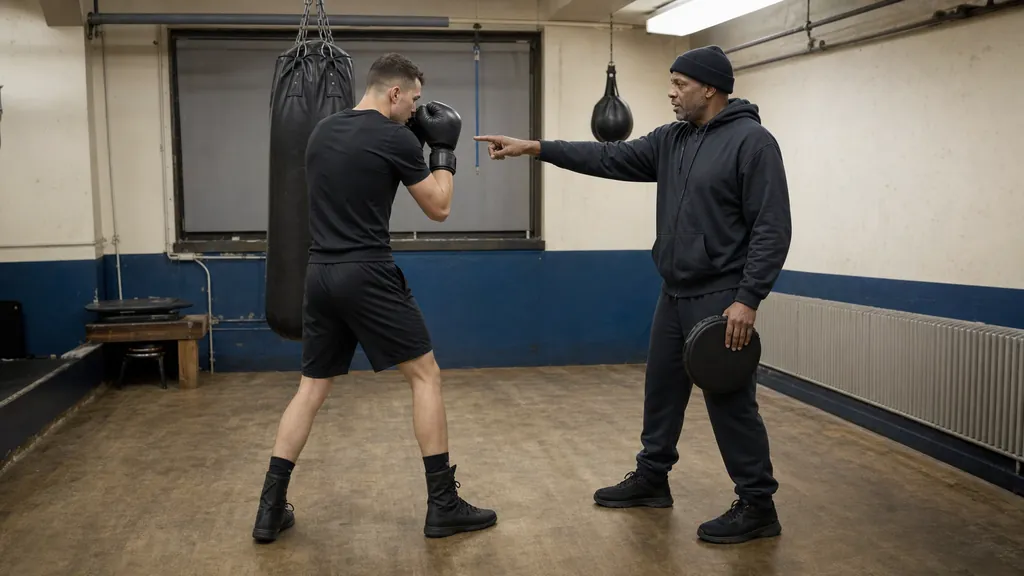
Keep the hook short enough to recover
The first punch makes or breaks the whole sequence.
Start with a normal lead hook shape. The elbow stays roughly level with the fist. The rear hand stays close to the rear cheek. The lead foot turns only as much as needed for the hip to join the punch. Your head stays over the base rather than falling across the front knee.
Do not throw the hook like you are trying to reach round a lamp post. A wide, looping hook pulls the lead shoulder too far away, delays the recovery and leaves a huge gap before the jab. The hook-jab works because the first shot is compact enough to return the lead side to a useful line straight away.
A good first check is simple. Throw one light hook at a pad or bag, then freeze for a second. Can you still see the target? Is the rear glove where it should be? Can you jab without picking your feet up again? If not, make the hook smaller before adding the second punch.
The England Boxing coaching handbook puts basic technical skills and underlying movement skills at the centre of coaching. That is the sensible order here too. The sequence only becomes useful when the stance is already doing its job.
Let the jab come from the recovery
After the hook lands, do not pull the hand back past your shoulder to reload it. That creates a visible pause and turns the jab into another big action.
Instead, allow the hook to finish, bring the lead shoulder back towards a balanced stance and let the glove travel directly from there. The jab should feel shorter than your usual long-range jab because you have just been close enough to hook. Think of it as a straight touch with a purpose, not a second power shot.
The lead hand needs to travel on a new line. The hook went around. The jab now goes through. That change is the point.
Your feet should help the sequence settle. For an orthodox boxer, the hook turns from the lead side. As the jab goes out, the weight comes back towards the middle and the rear foot stays available behind you. Southpaws reverse the picture. Do not force a big step with the jab unless the partner has moved away and the range genuinely needs it.
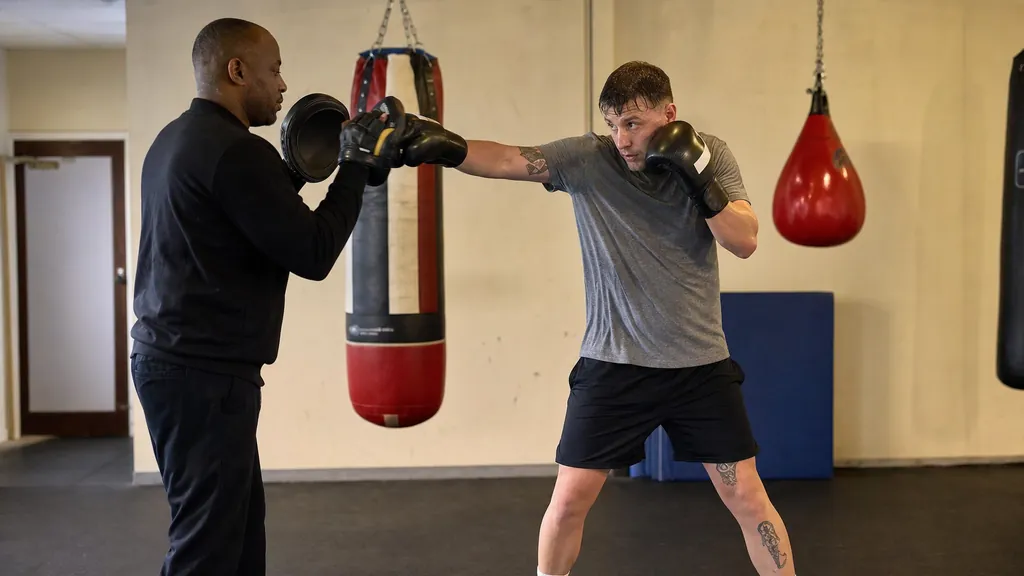
Do not confuse it with a double attack from long range
The hook-jab is not a reason to lead with a wild hook when you are too far out. A long hook is easy to see and can leave your balance behind the punch. The follow-up jab cannot repair an entry that was already stretched and careless.
Use a jab, a small step, a feint or a safe touch to arrive first. Then, if the range closes and the lead hook is honest, the jab can help you finish the moment and find your way out.
It also is not a replacement for a standard jab-cross or jab-cross-hook. Those combinations have their own rhythm and range. This is a small pattern for when the lead hook makes a boxer turn or cover and you want the lead hand back in the middle quickly.
If you are still learning the lead hook, work through our guide to throwing a boxing hook without swinging first. If you want a safer finish after any combination, our article on what to do after you punch in boxing gives you the bigger principle: attack, protect yourself, then make the next decision.
A three-round hook-jab drill
Keep the first attempts on pads, a bag or controlled partner drills. This is a coordination exercise, not a reason to trade hooks at speed.
Round one: hook, settle, jab
Work at half pace. Throw one lead hook, pause long enough to feel your feet, then jab lightly down the middle. Reset the guard and take one small step out.
The pause is temporary. It lets you see whether the hook has pulled you off balance. If it has, do not hurry into the jab. Fix the first punch.
Round two: give the jab a job
On pads, ask the holder to show one of two reactions after the hook: cover high or take a small step back.
If they cover high, send the jab through the middle and reset. If they step back, take a small balanced step with the jab only if you can still keep the rear foot underneath you. This prevents the second punch becoming an automatic reach.
Round three: leave after the jab
Now add one exit, but pick only one for the whole round. After hook-jab, either take a short step back, pivot away from the lead side, or hold a high guard and reset at range.
The exit is what stops the drill becoming a statue routine. In boxing, a clean combination is not the end of the exchange just because you have counted two punches. You still need to see what comes back.
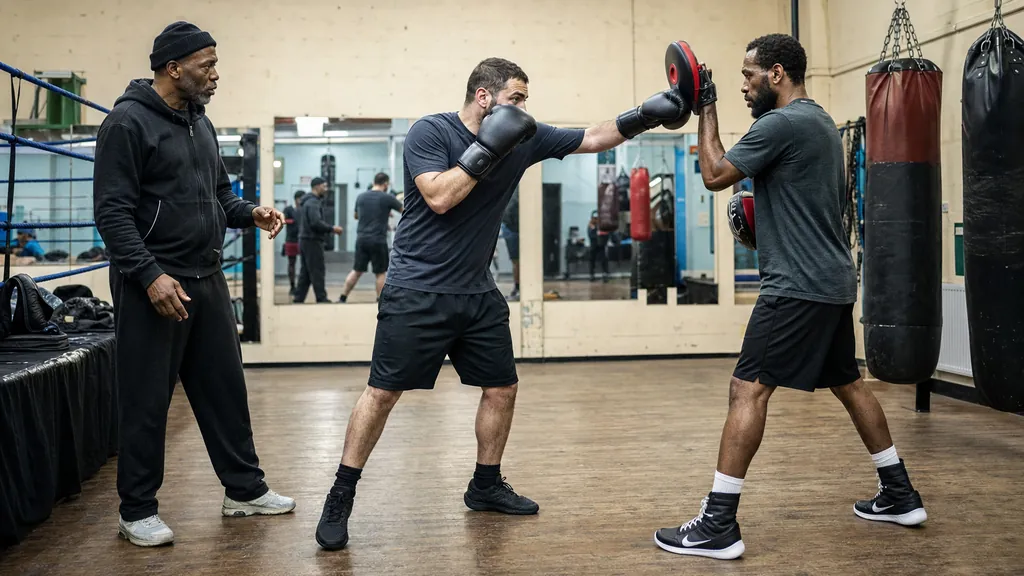
Four mistakes to catch early
The first mistake is throwing the hook too wide. A wide hook puts the lead hand too far away from the next jab and often leaves the chin following the glove. Keep it compact.
The second is dropping the rear hand. The lead hand is working twice, so it is tempting to forget the hand that is protecting you. Keep the rear glove close to the cheek throughout the pattern.
The third is falling forward on the jab. The jab is a recovery punch in this sequence, not a dive. If your front knee shoots far ahead of the foot, return to the first round and remove the step.
The fourth is treating every hook as a command to jab. The hook-jab is a rehearsed option, not a debt. If the other boxer smothers the range, steps to an angle or is already throwing back, cover, move or reset instead. A coach should help you learn when the second shot is there and when it is not.
Build the pattern into useful boxing
The best use of the hook-jab is not to memorise it as a special combination. It is to make your lead hand more connected.
The hook can move a guard. The jab can reclaim the middle. The feet can take you safely out of range. None of that needs to be dramatic. A compact hook, a sharp jab and a calm reset are enough.
If you are in Kidbrooke, our Recreational Adults boxing classes teach combinations through pads, bags and controlled partner drills, with the balance and defensive work that make them usable. You do not need to collect every combination in boxing. You need a few actions that still work when the round becomes busy.
H&G Team
Writer at Honour & Glory Boxing Club, a community boxing gym in Kidbrooke, South East London.
KEEP READING
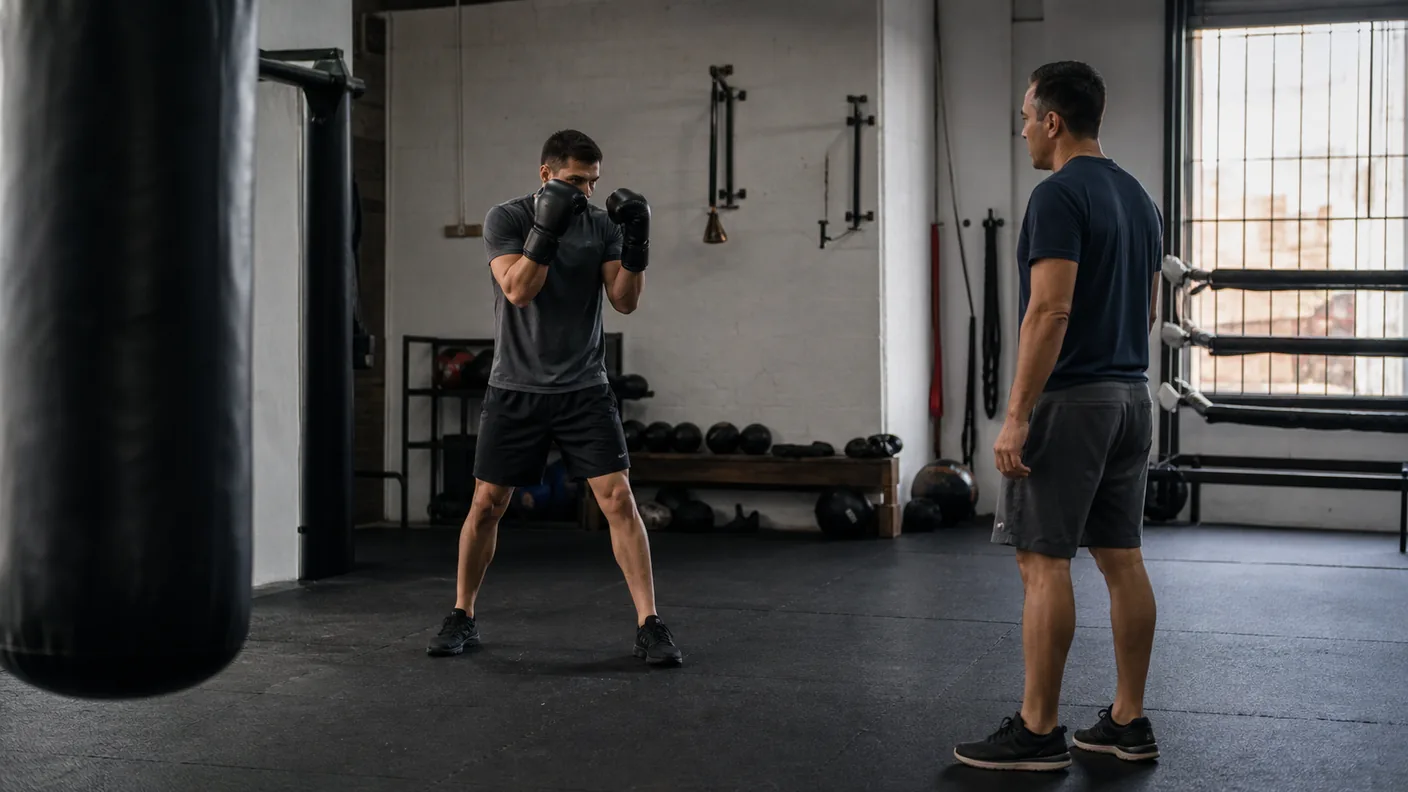
Lead Hook to Jab: Change Direction in Boxing
Use a compact lead hook to shift the guard, then send a jab through the middle without losing your stance or balance.
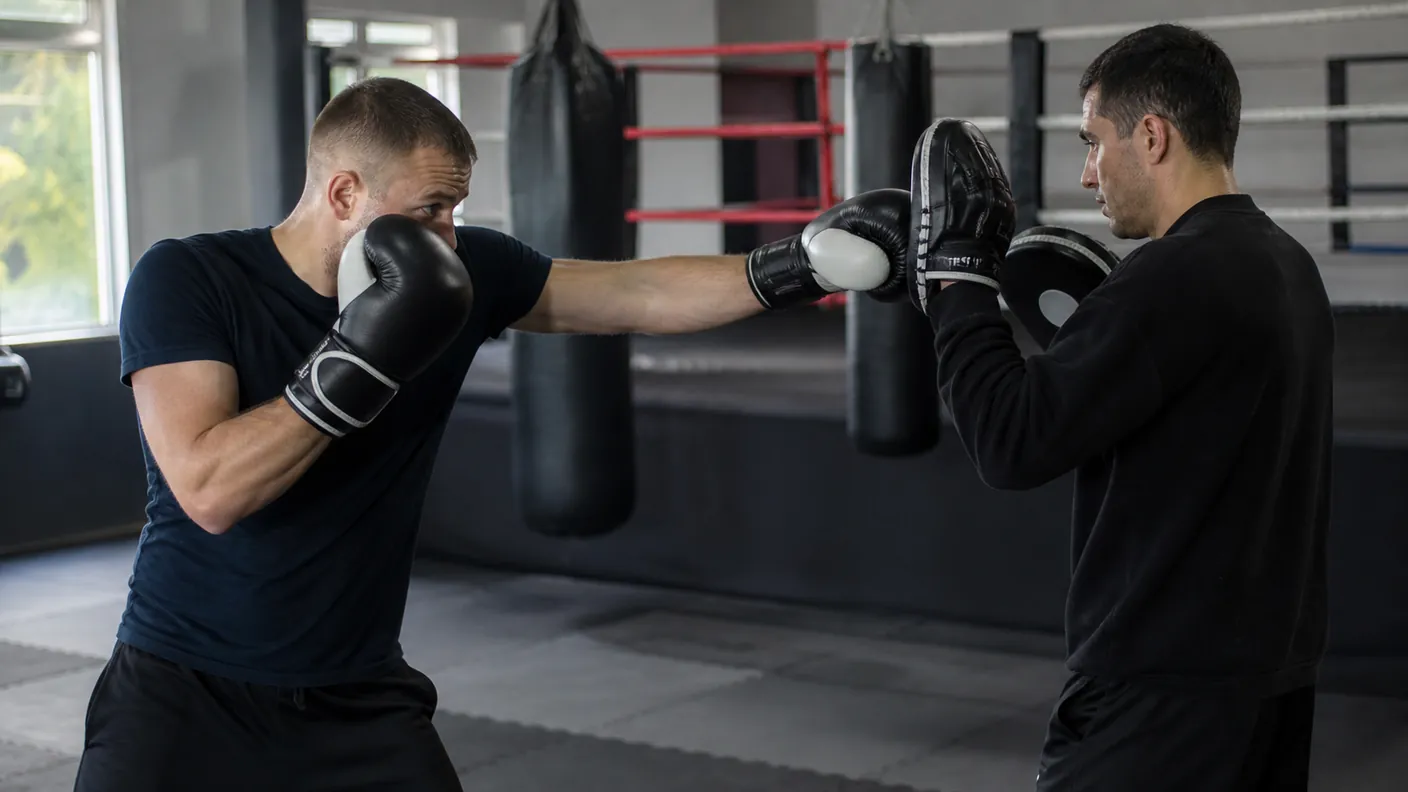
Rear-Hand Touch Before a Lead Hook
Use a light rear-hand touch to occupy the guard before a compact lead hook, without forcing power from the wrong position.
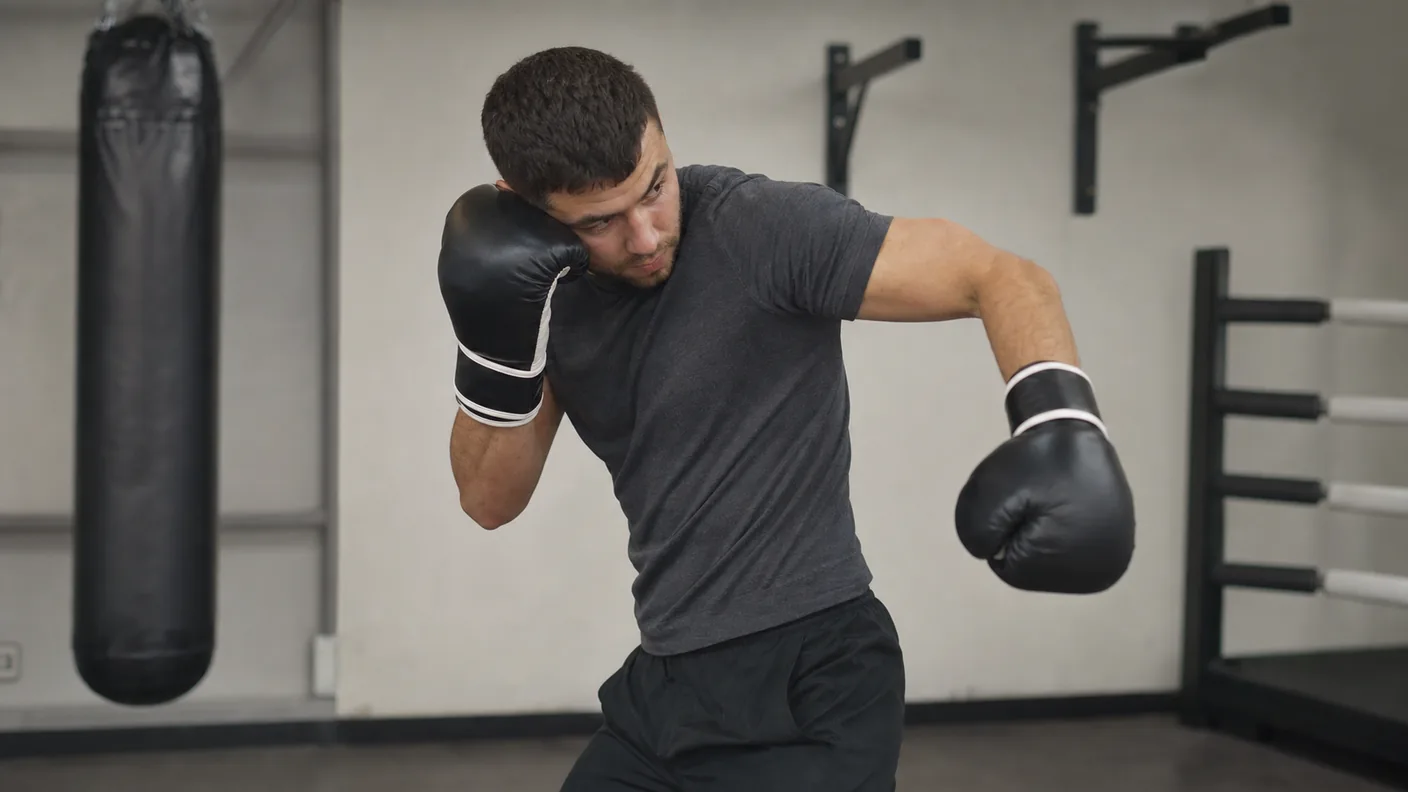
One-Two, Block, Hook: The Next Boxing Answer
Use a compact block after the one-two, then return with a lead hook without losing your stance or chasing the exchange.
Was this page helpful?
It takes one tap, and it genuinely helps.
Choose your next step
Turn this article into the right action
Some readers are ready to book. Some need the class route first. Pick the route that matches what you actually want.