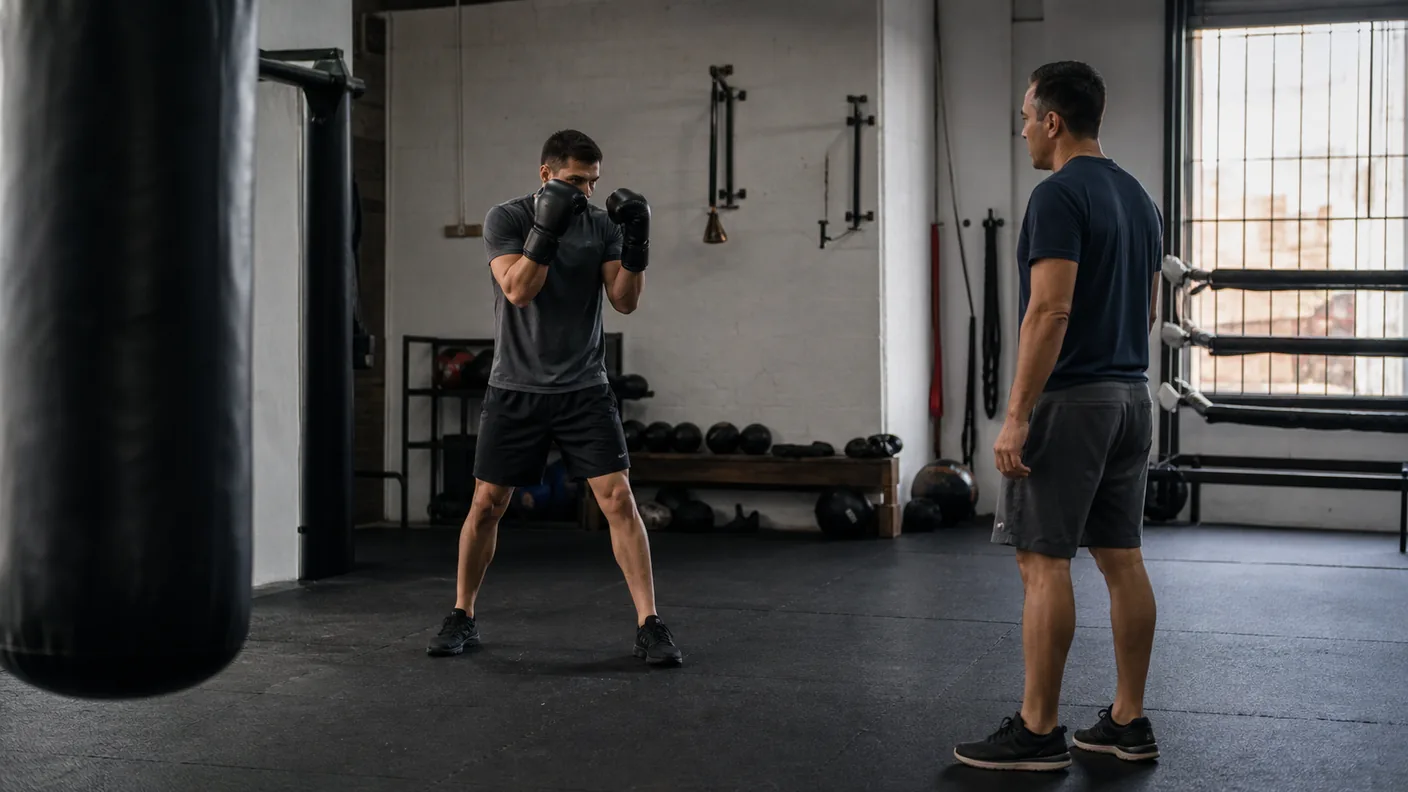
The lead hook makes people think sideways. The jab makes them think straight.
Putting them together in that order can be useful because the first punch changes the picture and the second one comes back through the middle. It is not a power combination and it is not a beginner shortcut around a proper jab or hook. It is a small timing drill: show the other boxer one line, then use the lead hand on another before they have settled.
Watch the short demonstration below, then use the coaching notes to make the pattern tidy rather than loose.
What the lead hook to jab changes
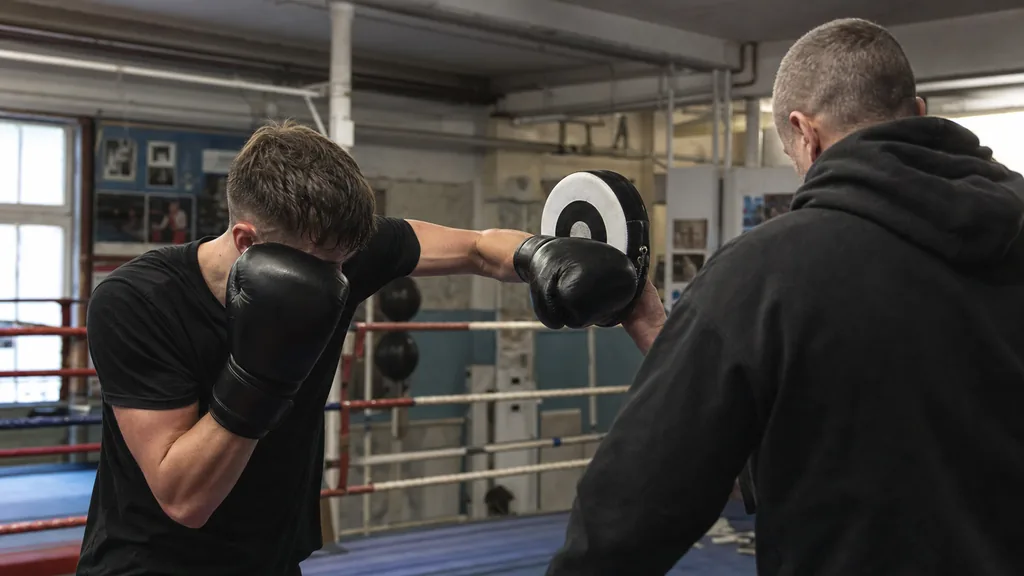
A lead hook asks the guard to deal with a punch coming across the front or side. A jab asks the guard to deal with a straight line. The useful part is the change, not the idea that either punch must land hard.
For an orthodox boxer, the lead hook is thrown with the left hand. As the punch finishes, the weight has moved enough that the same hand can return along a straighter path. If the first punch has made the opponent cover, turn or bring their right glove across, the jab has a different lane to travel through.
Think of it as moving the defender's attention before you ask the lead hand to go straight.
That is different from the more familiar left hook to right hand setup. In that pattern, the hook creates a lane for the rear hand. Here, the lead hand changes direction twice. It is a sharper coordination test, and it only works if the hook returns under control.
The hook stays short even when you step
The usual error is to see a hook followed by a jab and turn the first punch into a wide swing.
Do not do that. The hook is compact. Your elbow and glove move together, the rear hand stays near your cheek, and your chin does not travel past the front knee. If the hook pulls you across the floor, the jab after it will be slow because you will be rebuilding your stance instead of punching.
A small lead-foot step can help you arrive at a better distance. Small is the important word. Move the lead foot only far enough to put the hook in range, then let the rear foot follow so that the stance is still underneath you. If the step is longer than the shape of the punch can support, you are reaching.
A technical review of boxing performance describes punching, movement, defence and distance as connected parts of the same task. That is a useful way to judge this drill. If the feet move but the hands arrive late, or the hook lands but the guard has disappeared, the sequence has broken apart.
How to make the direction change clean
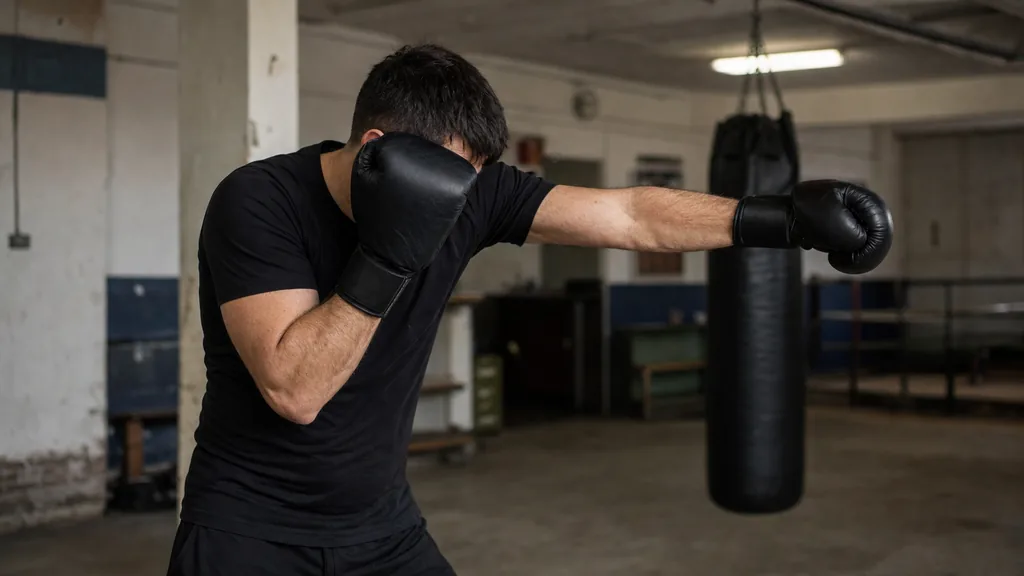
Start from your normal stance. Do not pull the lead glove back to load the hook. The more obvious the loading movement, the less likely the first punch is to draw a useful reaction.
Throw a light to medium lead hook with your normal turning action. As the glove returns, let the shoulder settle and send the same hand back down the middle as a jab. The second punch does not need a long wind-up. It should feel as though the hook has cleared the hand to travel in a new direction.
There are three details worth checking.
- The rear hand stays home. The left hand has work to do twice, so beginners often let the right hand drift. That leaves the face open during both punches.
- The head stays over the stance. A short step is useful only if it moves the whole base. Do not borrow the last bit of distance by pushing your head forward.
- The jab returns to guard. A hook-jab can become messy if the boxer admires the change of direction. The jab comes back to the cheek before you decide what happens next.
If the jab itself is not yet reliable, work on how to throw a jab in boxing first. The second punch in this drill still needs the usual straight path, shoulder cover and fast recovery. A clever-looking combination does not excuse a poor basic punch.
Why the first punch does not need to score
Beginners often judge a combination only by the first impact. That is understandable on a heavy bag, where every punch gives the same answer. In front of a person, a punch can do useful work without landing flush.
A hook can make the other boxer raise their glove, turn their shoulder, pull their head slightly away or pause before they punch back. You are not trying to predict one perfect reaction. You are teaching yourself to notice that the first punch changes the next moment.
Research on anticipation in combat sports suggests that skilled fighters make better use of early movement cues than less experienced athletes (systematic review). In ordinary gym language, good boxing is not only knowing combinations. It is noticing what the first punch makes possible and staying balanced enough to act on it.
Build the drill in three rounds
Keep the pace technical. This is a coordination exercise first, not a contest to see who can throw the fastest lead hand.
Round 1: hook, return, jab
Shadowbox the pattern slowly. Throw one compact lead hook, bring the glove back close to guard, then send the jab straight. Freeze after the jab. Check the rear hand, chin, feet and whether your shoulders have stayed relaxed.
Do not add power. If the hook makes you turn square, shorten it. If the jab makes you lean, take a smaller step or stay in place until the shape is cleaner.
Round 2: mitts with two targets
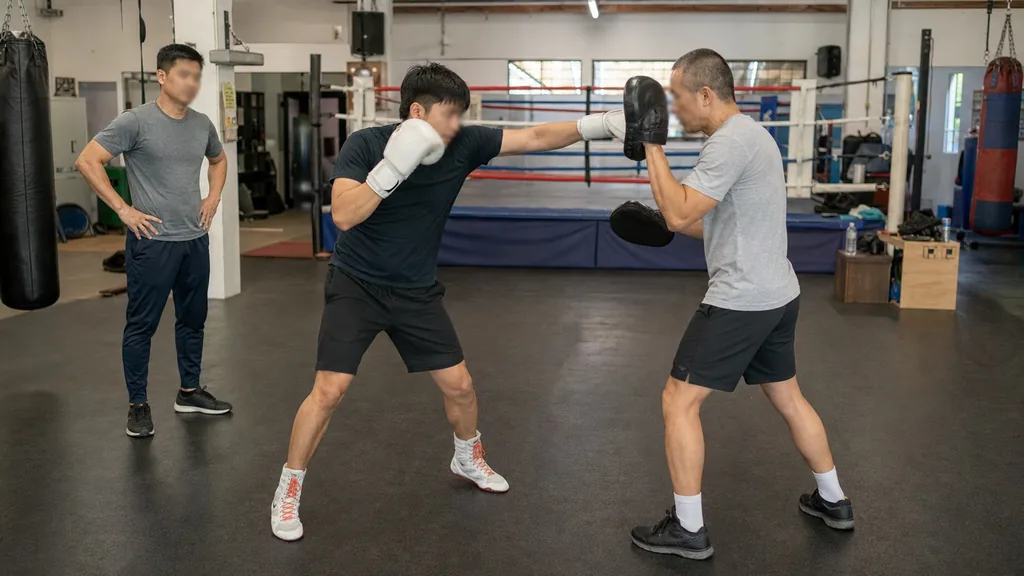
Ask a coach or training partner to hold a side mitt for the hook and a central mitt for the jab. The first target should be close enough for a compact hook. The second should appear on the centre line without forcing you to overreach.
Work at about half speed. Hook, return, jab, reset. The mitt holder should not rush the second target so quickly that the boxer starts flinging the lead hand. The point is to feel the change from round to straight, not to win a reaction test.
Round 3: partner response and exit
With gloves on and no hard contact, Partner A gives a controlled lead hook shape. Partner B shows one predictable response, such as a high guard or a small cover on the lead side. Partner A sends the jab, then takes one small step out and resets.
Swap roles often. Keep it slow enough that both people can see the guard movement and stay relaxed. You do not need open sparring to understand why the second punch needs an exit.
Common mistakes
The first mistake is throwing the hook too wide. A wide hook takes too long to recover, so the jab becomes a late reach rather than a second clean punch.
The second is stepping too far. The front foot only needs to help the hook arrive. If your stance stretches or your rear foot trails behind, the jab has no base.
The third is treating the jab as a slap after the hook. The second punch still travels straight. Keep the elbow behind the glove, turn the fist over naturally and bring it home.
The fourth is dropping the rear hand. The combination asks a lot from the lead hand, not permission for the other hand to go wandering.
The fifth is repeating it at one speed. Sometimes stop after the hook. Sometimes hook, jab and leave. Sometimes use the hook only as a feint. A combination becomes easier to read when it always ends on the same beat.
Where this fits in normal training
Use the lead hook to jab after the basic hook and jab already feel sensible. It works well in slow pad rounds, shadow boxing and controlled partner drills where the coach can see whether the lead hand is returning properly.
It is not a replacement for the jab-cross, and it is not a reason to throw hooks from too far away. It is one way to understand that a lead hand can ask more than one question. It can go round the guard, then back down the middle, provided your feet and guard stay organised.
If you train in Kidbrooke, our Recreational Adults boxing classes give you the pad work and coaching feedback to turn combinations into repeatable boxing rather than a string of arm movements.
H&G Team
Writer at Honour & Glory Boxing Club, a community boxing gym in Kidbrooke, South East London.
KEEP READING
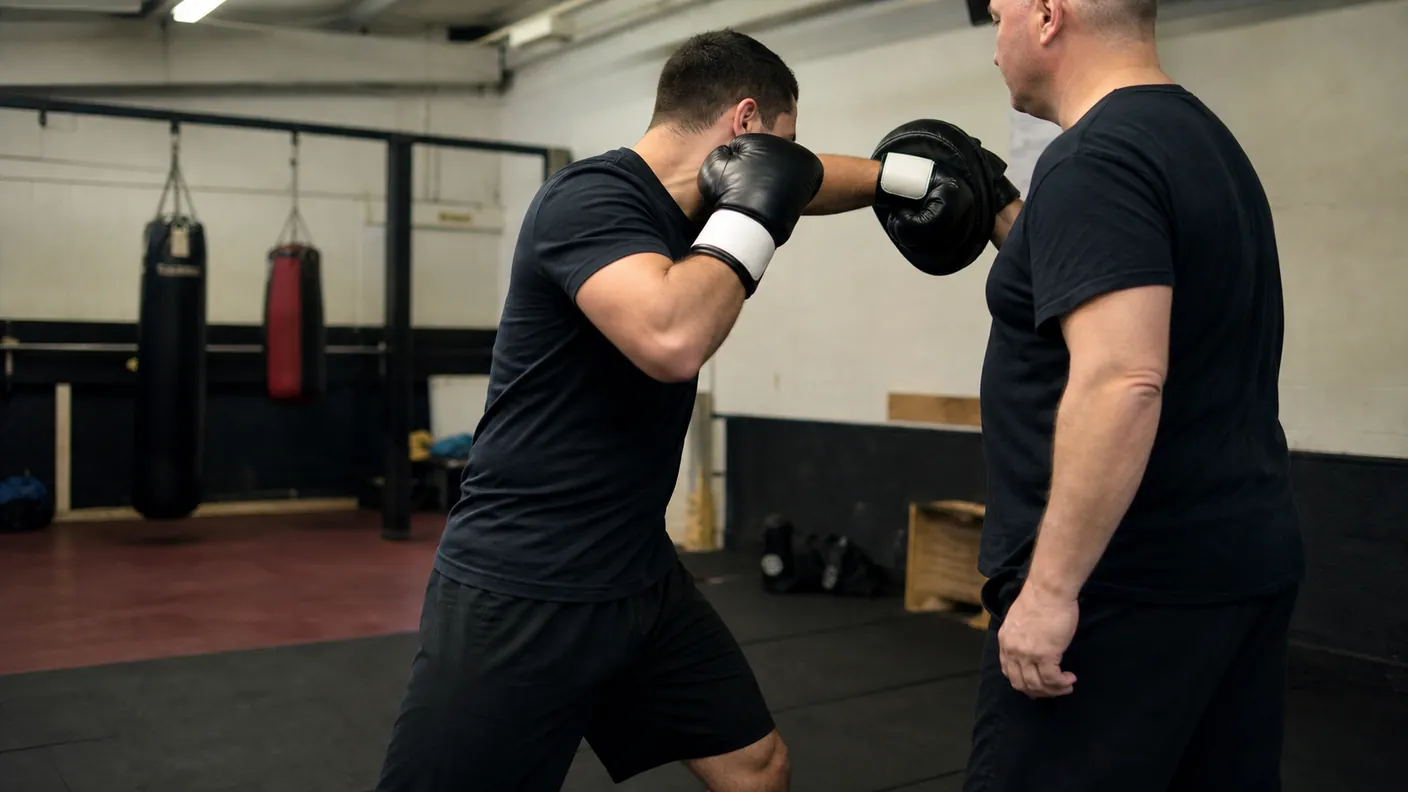
The Hook-Jab: Use Your Lead Hand Twice
Learn how a compact hook-jab can change the line of attack, bring your lead hand home and help you leave the pocket in balance.
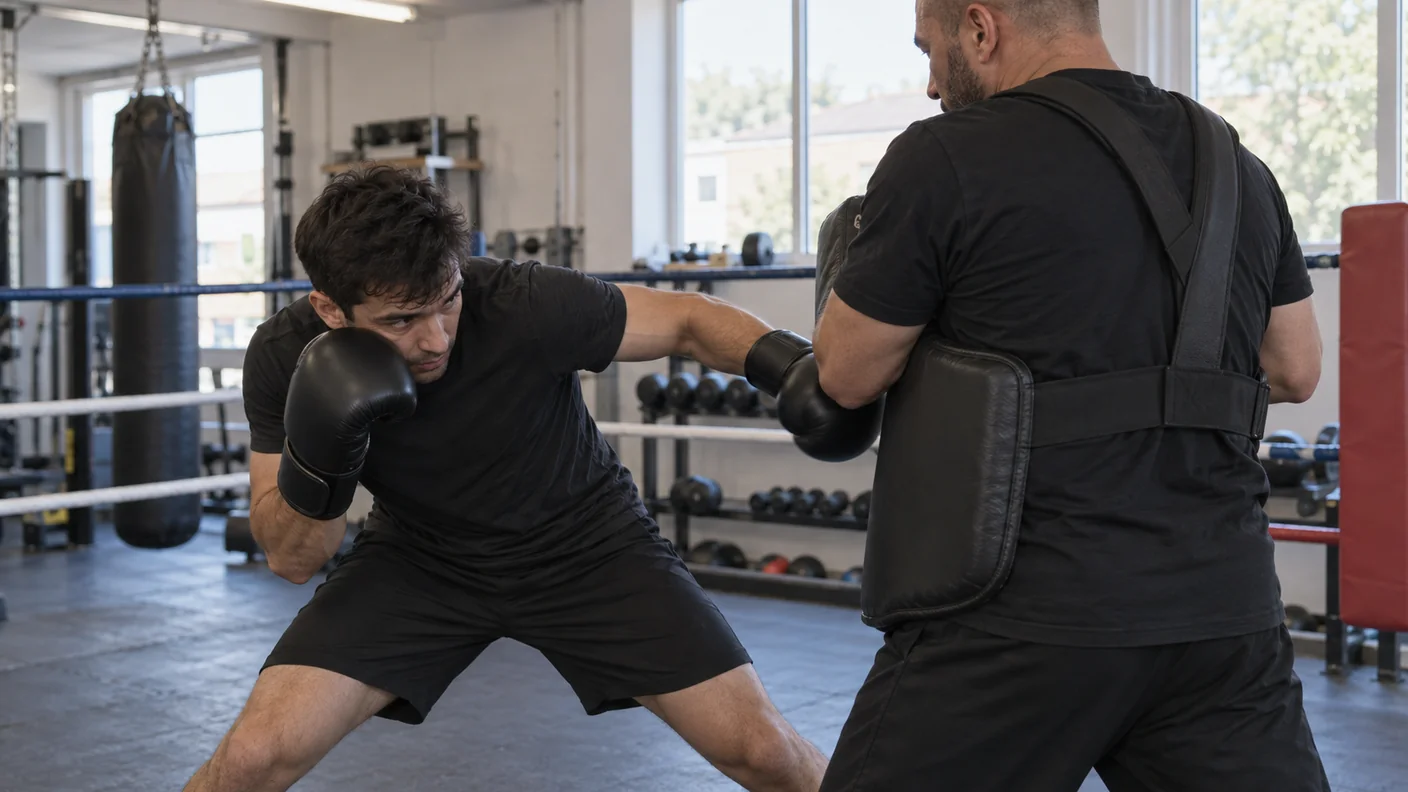
Inside Slip Lead Hook: A Controlled Jab Counter
Use a small inside slip and a compact lead hook only when the jab, range and guard make the counter an honest option.
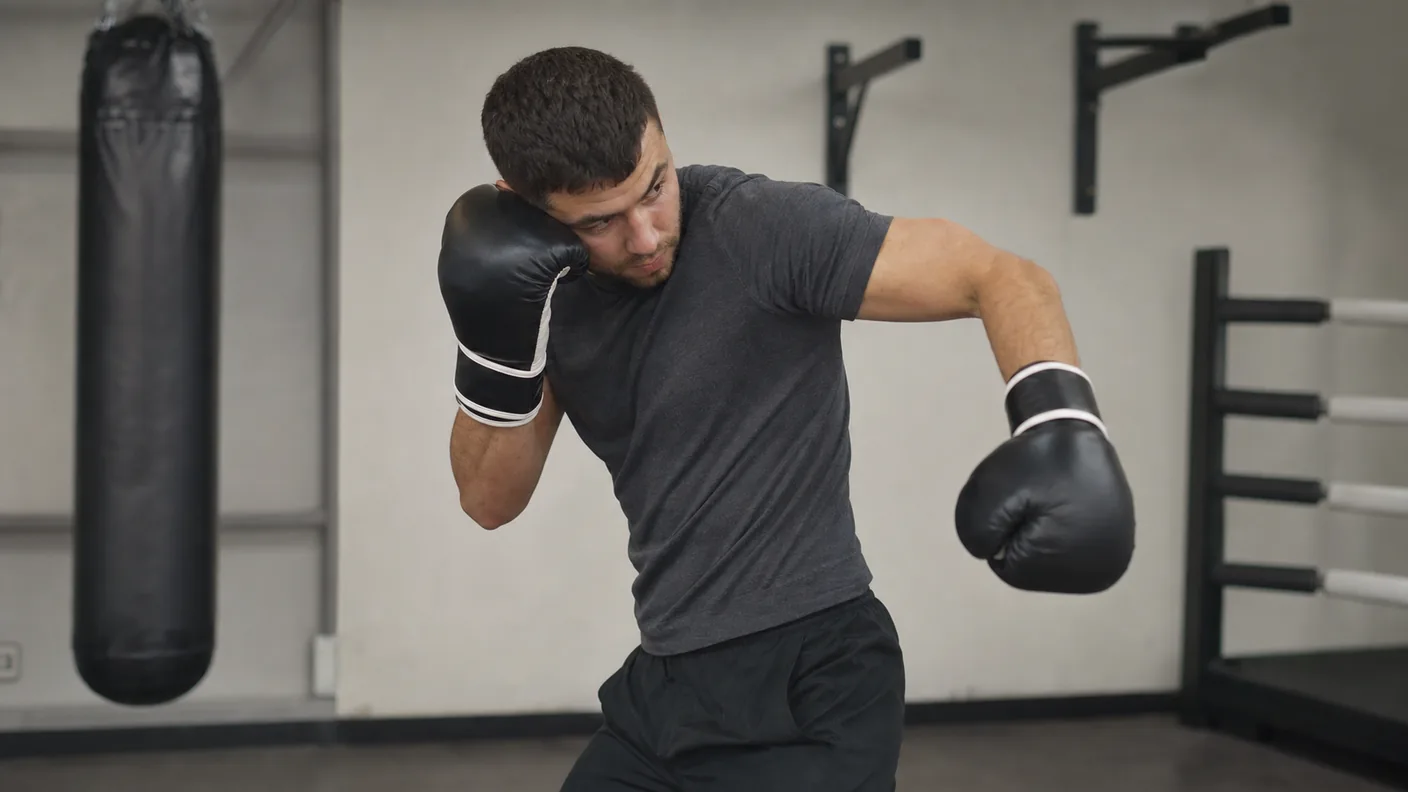
One-Two, Block, Hook: The Next Boxing Answer
Use a compact block after the one-two, then return with a lead hook without losing your stance or chasing the exchange.
Was this page helpful?
It takes one tap, and it genuinely helps.
Choose your next step
Turn this article into the right action
Some readers are ready to book. Some need the class route first. Pick the route that matches what you actually want.