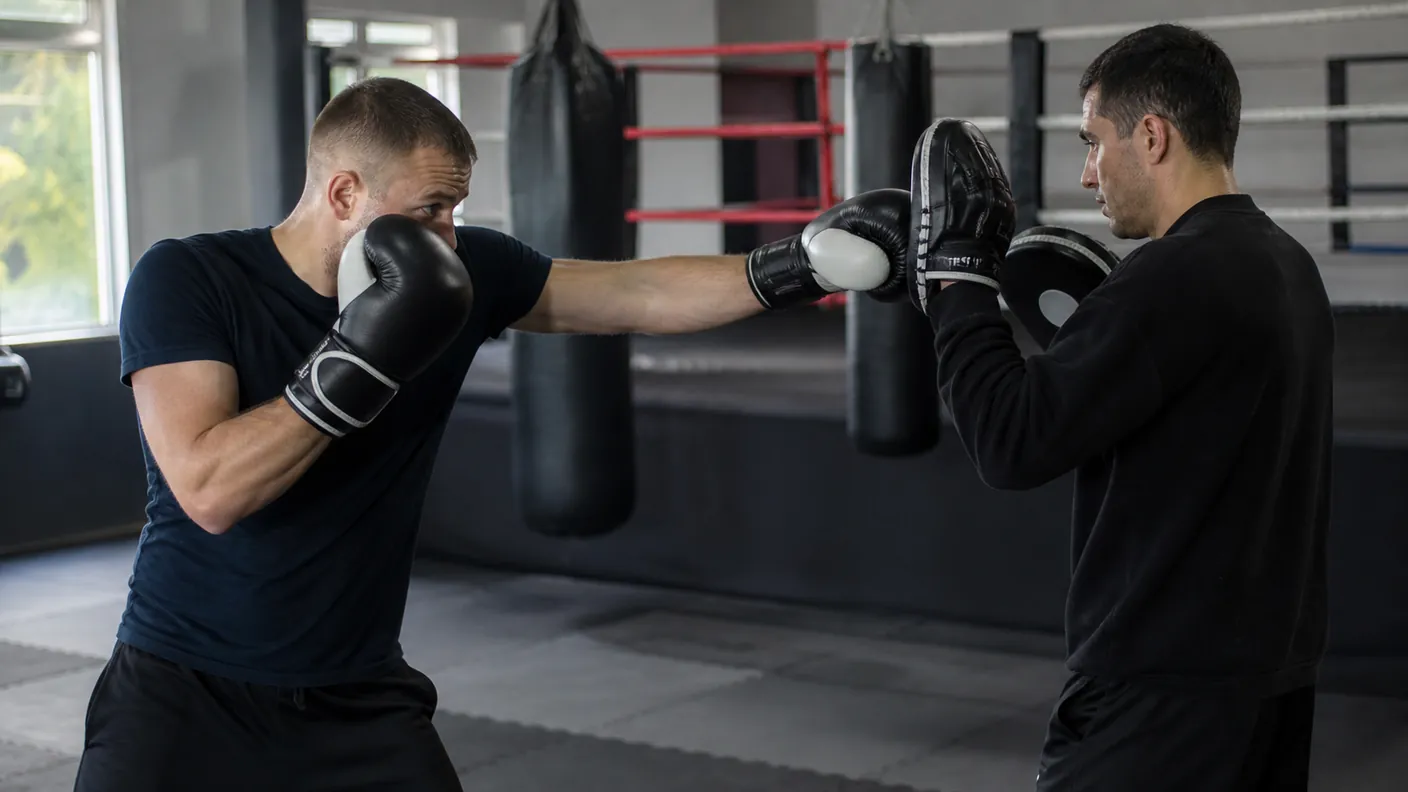
A rear hand does not always need to be a big right hand.
Sometimes the better job is a small, honest touch that gives the other boxer something to cover while your lead side settles into position. The next lead hook has a clearer lane because their eyes and gloves have had to deal with the straight shot first.
That is not an excuse for pawing with the right hand or throwing a weak combination. It is a narrow technical idea for controlled pads and coached partner work: a light rear-hand touch, then a compact lead hook only when the range, balance and reaction make it sensible.
Watch the demonstration below, then use the coaching points to keep the pattern tight rather than turning it into two hopeful swings.
The first punch has a job other than power
The familiar cross can be a scoring punch. It can also be a way to occupy the line in front of the other boxer.
Imagine that your lead side is ready for a hook. If you try to force a full-power rear hand from that position, you may pull yourself square, over-rotate or leave the lead hook arriving late. A short, controlled rear-hand touch can be the more useful first action. It meets a mitt, glove or agreed target, brings the guard together for a moment, and lets you see whether the hook lane is really there.
The touch must still look like a punch. It travels straight, the shoulder protects the chin, and the hand comes home. The difference is intent. You are not trying to knock the mitt through the wall. You are asking the guard to make a decision.
England Boxing's coaching handbook treats balance as the base for moving into range, punching and defending. That is the standard here. If the light rear hand leaves you unable to hook, cover or step away, it has not set anything up. It has simply made you available.
Keep the lead side ready instead of loading up visibly
A lead hook works best when the lead hip, knee and shoulder are ready to turn together. That does not mean leaning heavily on the front leg or winding the arm back like a discus thrower. It means the body is organised enough that the hook can be short when the moment appears.
The rear-hand touch gives you time without making a huge announcement. The glove travels down the middle. The other boxer may cover, blink, try to parry or simply hold their guard. Your eyes stay on that answer while the lead hand remains near the cheek.
A technical review of boxing performance describes punching, movement, defence and distance as connected jobs rather than separate skills (review of boxing performance). That matters in this small pattern. The first hand, the feet and the next punch have to agree. If you throw the rear hand while falling forward, the hook becomes an arm swing. If you throw the hook before the rear hand has recovered, your own face becomes the open target.
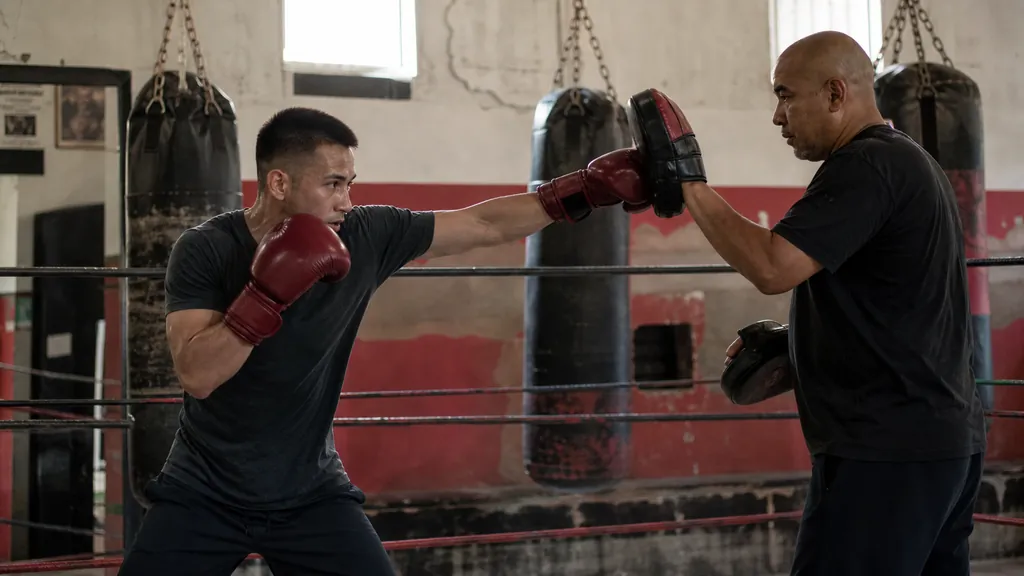
For an orthodox boxer, the rear-hand touch is the right hand and the next hook is the left. Southpaws reverse the picture. The rule stays the same: the rear hand gives a small straight cue, the lead side takes the next decision, and both hands stay useful.
Touch the guard, then read it
The touch is not a compulsory first punch. It is a question.
If the other boxer brings both gloves tight together, a compact hook around the outside may be available. If they parry the rear hand wide, the hook may have a line, but only if you have not overextended. If they step back, do not stretch for the hook. Bring your feet forward first or reset the exchange.
If they do nothing, do not manufacture a hook because the pattern looked good on pads. They may be waiting to counter, or you may simply be too far away. A good boxer can abandon the second punch without embarrassment.
That is one difference between a useful setup and a memorised combination. The first punch should make the next choice clearer, not remove your right to choose.
Our guide to using a set-up jab before the first real attack covers the same principle from the lead side. This version moves through the rear hand and lead hook, so it needs even more discipline about distance. A rear hand that reaches from too far away gives away the hook before it starts.
Build the sequence in three calm stages
Do not begin by throwing both punches hard on a bag. Start with a coach or partner who can make the information clear.
Stage one: touch and freeze
Stand at a distance where the rear hand can meet a mitt without your head chasing it. Place a light rear-hand touch on the mitt and bring it straight back to guard. Freeze for one beat.
Check three things before adding the hook:
- Your head has not travelled beyond the lead knee.
- Your lead hand is still close enough to protect the cheek.
- Your feet are still staggered enough to turn, cover or step away.
If any part has gone missing, make the touch smaller or start closer. The point is not to make a loud sound. It is to keep the lead side available.
Stage two: touch, hook to a safe target
Now the coach holds a second mitt or body shield for the lead hook. Touch the rear-hand mitt, bring the rear glove back towards the cheek, then throw one compact hook to the agreed target.
The hook should travel because the body turns, not because the elbow flies out first. Keep the chin behind the lead shoulder. Once the hook lands, bring both hands home and take a small exit step or reset in stance.
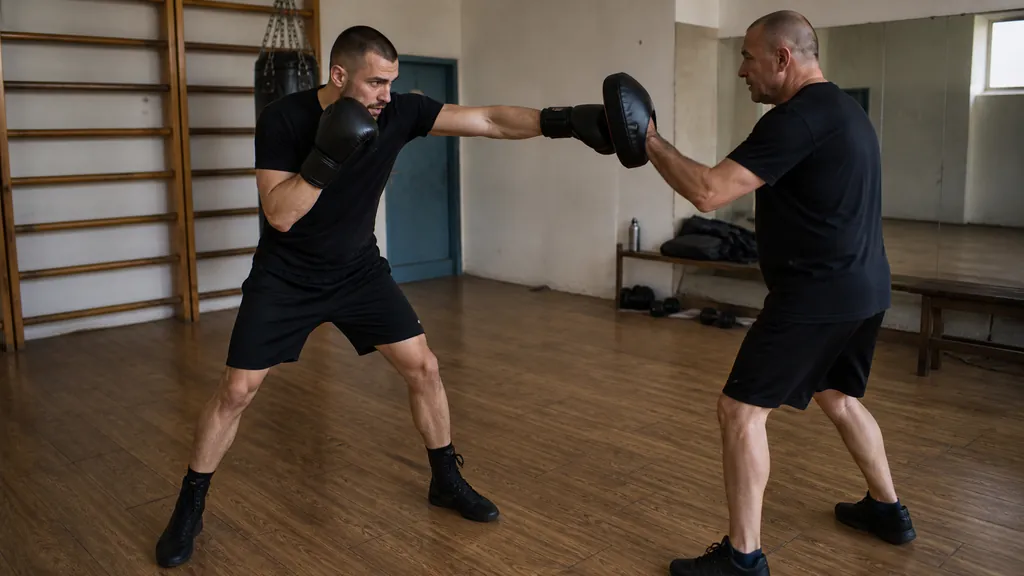
A useful pace is roughly one clean repetition every few seconds. That gives the coach time to see whether the rear hand is returning and whether the hook belongs at that range. Faster is not better if the body starts falling across the front foot.
Stage three: give the hook a real decision
For the final stage, a partner or coach gives one of three clear responses to the rear-hand touch: cover high, parry lightly, or take a small step back.
Against the high cover, place the hook only if the target is genuinely there. Against the parry, keep the hook short and do not chase the moving hand. Against the step back, reset rather than reaching. This turns the drill into boxing judgement without turning it into a contest.
A review of anticipation in combat sports found that experienced athletes make better use of early movement information. You do not need to turn that into a lecture during a session. Just keep the drill slow enough that the rear-hand touch tells you something before you decide on the hook.
Three mistakes that ruin the idea
The first is treating the touch as a lazy arm. A light punch still needs a straight line, shoulder cover and immediate return. Leaving the glove in front of you invites a parry, a jab over the top or a counter down the middle.
The second is loading the hook too early. If your elbow is already pulled back or your weight has fallen heavily on the lead foot, the other boxer can see what is coming. Keep the hook quiet until the rear-hand touch has created a reason to use it.
The third is forcing the second punch after the range has changed. A partner who steps back has taken the hook away. Do not follow them with your chin. A smaller step, a jab or a reset is better than a hook thrown at air.
Our guide to throwing a compact lead hook is the right foundation if the hook itself still feels awkward. Get that shape right before trying to hide it behind another punch.
Where this belongs in training
This is not a first-week sparring trick. It is a pad or technical-partner pattern for boxers who can already throw a rear hand and lead hook without losing their stance.
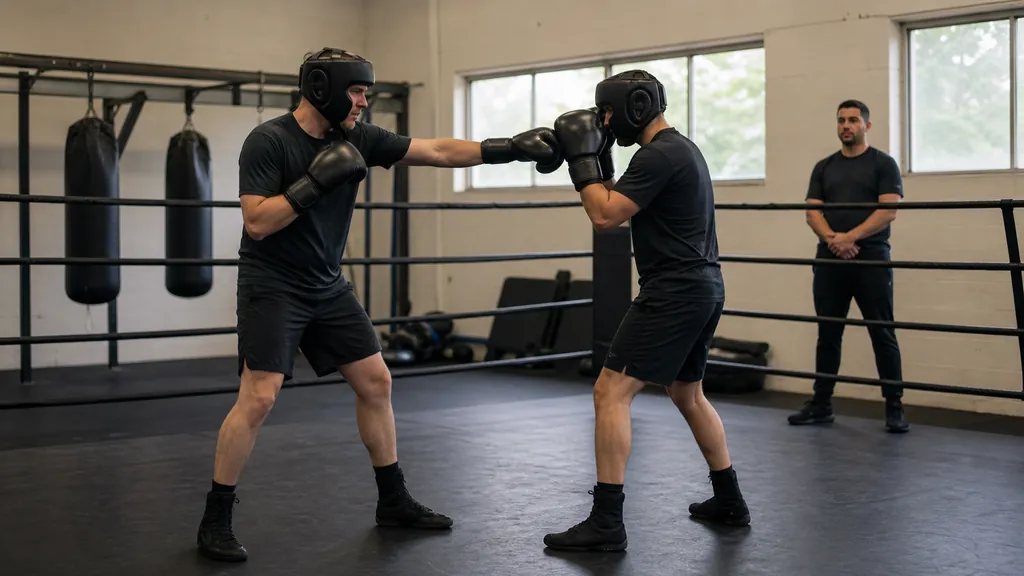
Use it after a warm-up, with clear targets and low power. Start on mitts. Then use a trusted partner with gloves, headguards and a coach setting the pace. No surprise counters, no trying to land a hard hook around a real guard, and no pressure to finish the sequence when the second punch is not there.
If you train near Kidbrooke, our Recreational Adults boxing classes build these patterns from straightforward pad work and controlled drills. The useful lesson is not a clever combination. It is learning that a small first punch can make the next decision cleaner.
H&G Team
Writer at Honour & Glory Boxing Club, a community boxing gym in Kidbrooke, South East London.
KEEP READING
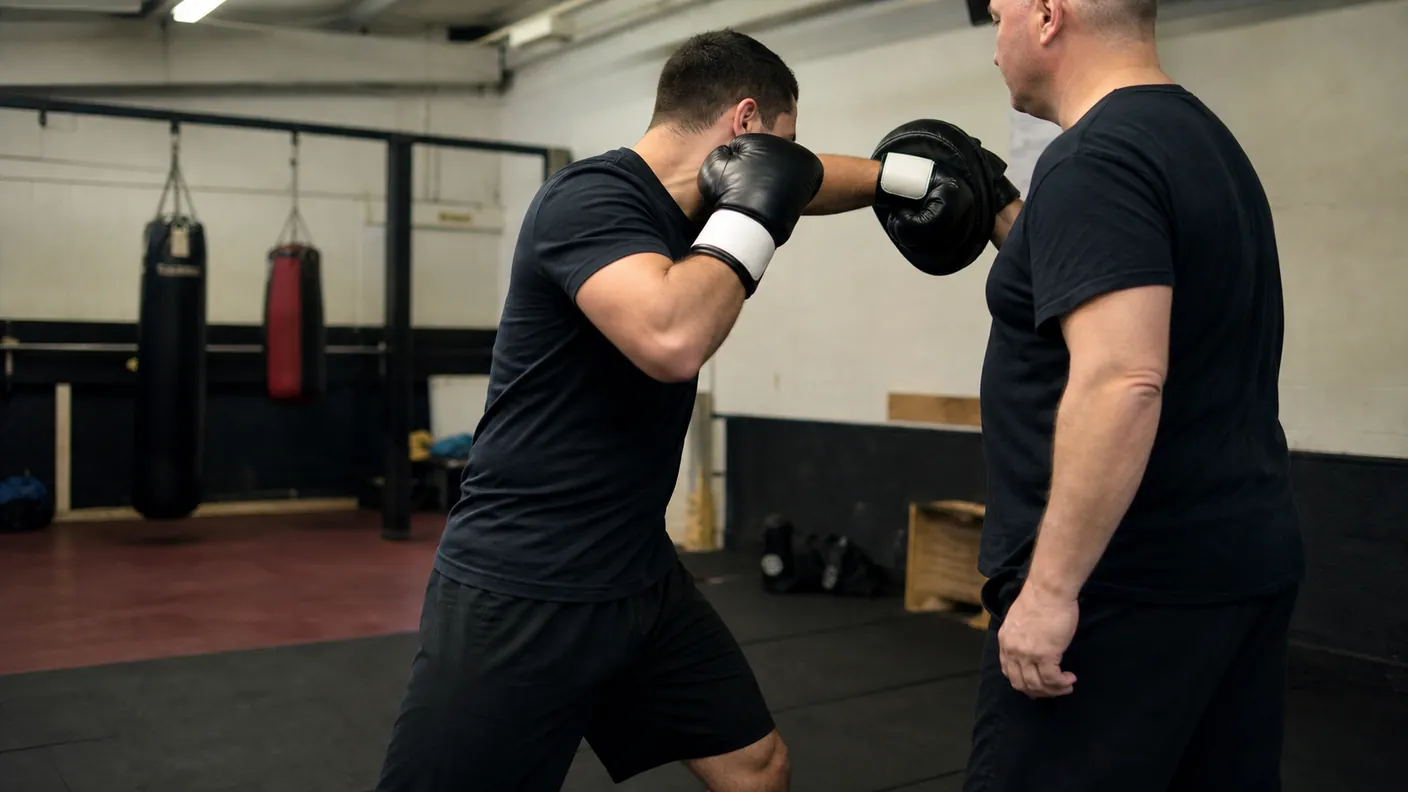
The Hook-Jab: Use Your Lead Hand Twice
Learn how a compact hook-jab can change the line of attack, bring your lead hand home and help you leave the pocket in balance.
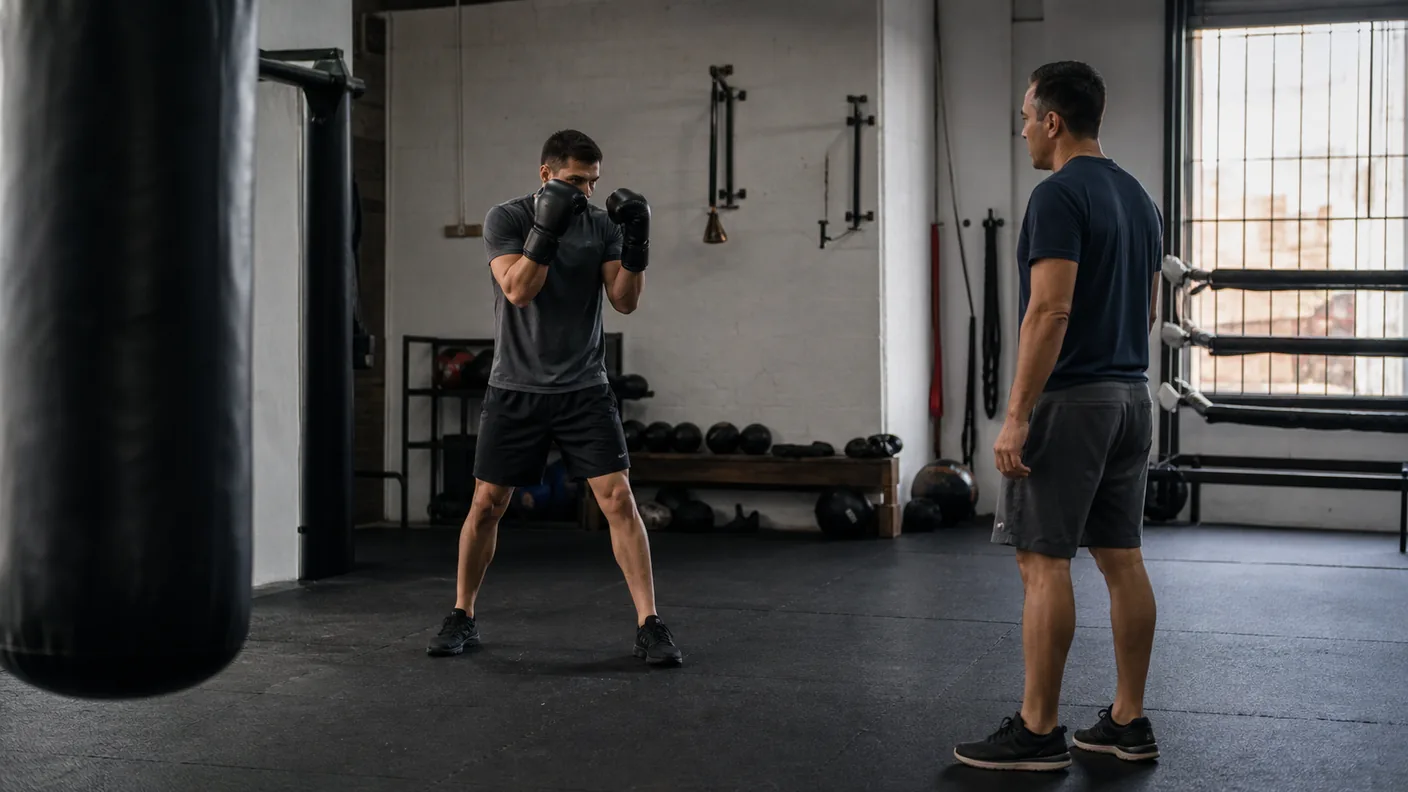
Lead Hook to Jab: Change Direction in Boxing
Use a compact lead hook to shift the guard, then send a jab through the middle without losing your stance or balance.
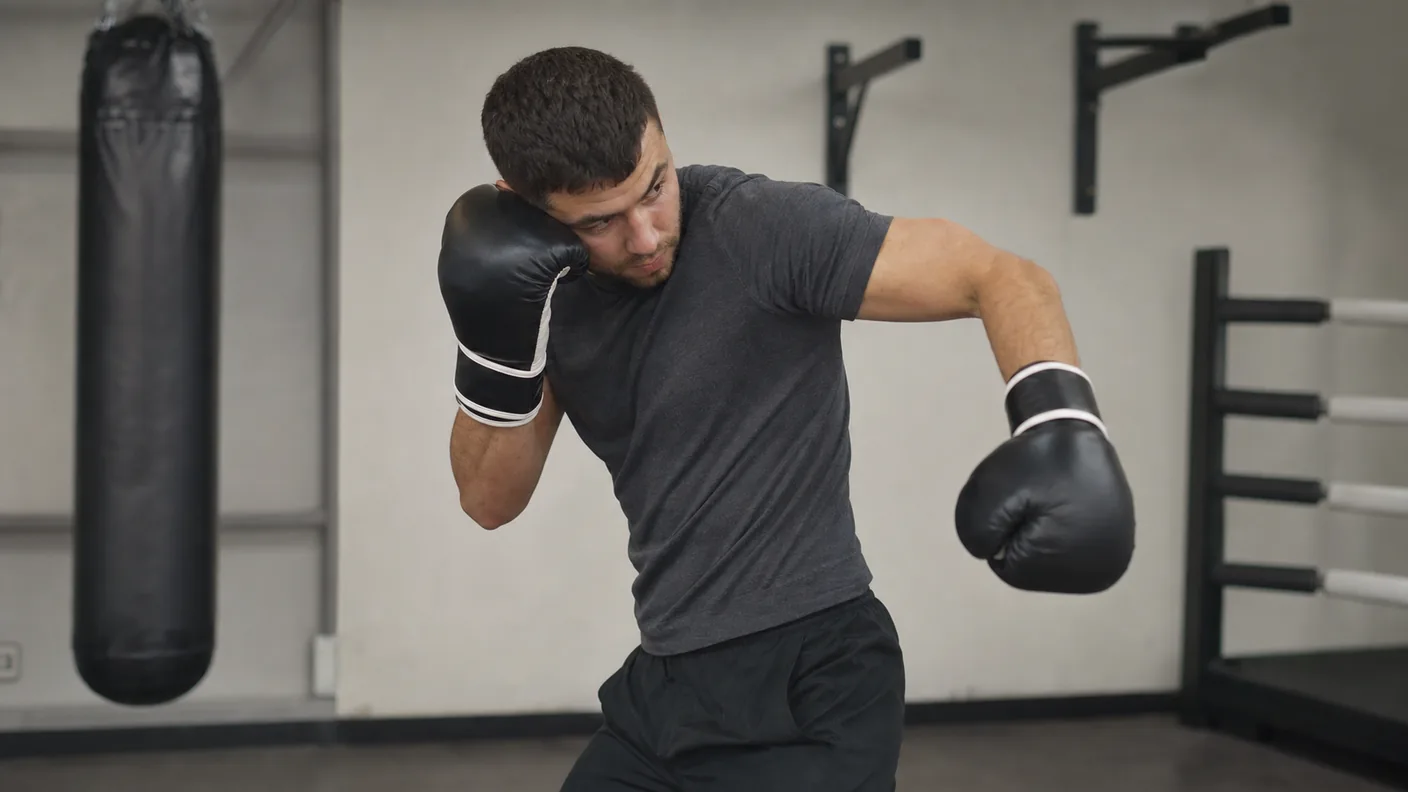
One-Two, Block, Hook: The Next Boxing Answer
Use a compact block after the one-two, then return with a lead hook without losing your stance or chasing the exchange.
Was this page helpful?
It takes one tap, and it genuinely helps.
Choose your next step
Turn this article into the right action
Some readers are ready to book. Some need the class route first. Pick the route that matches what you actually want.