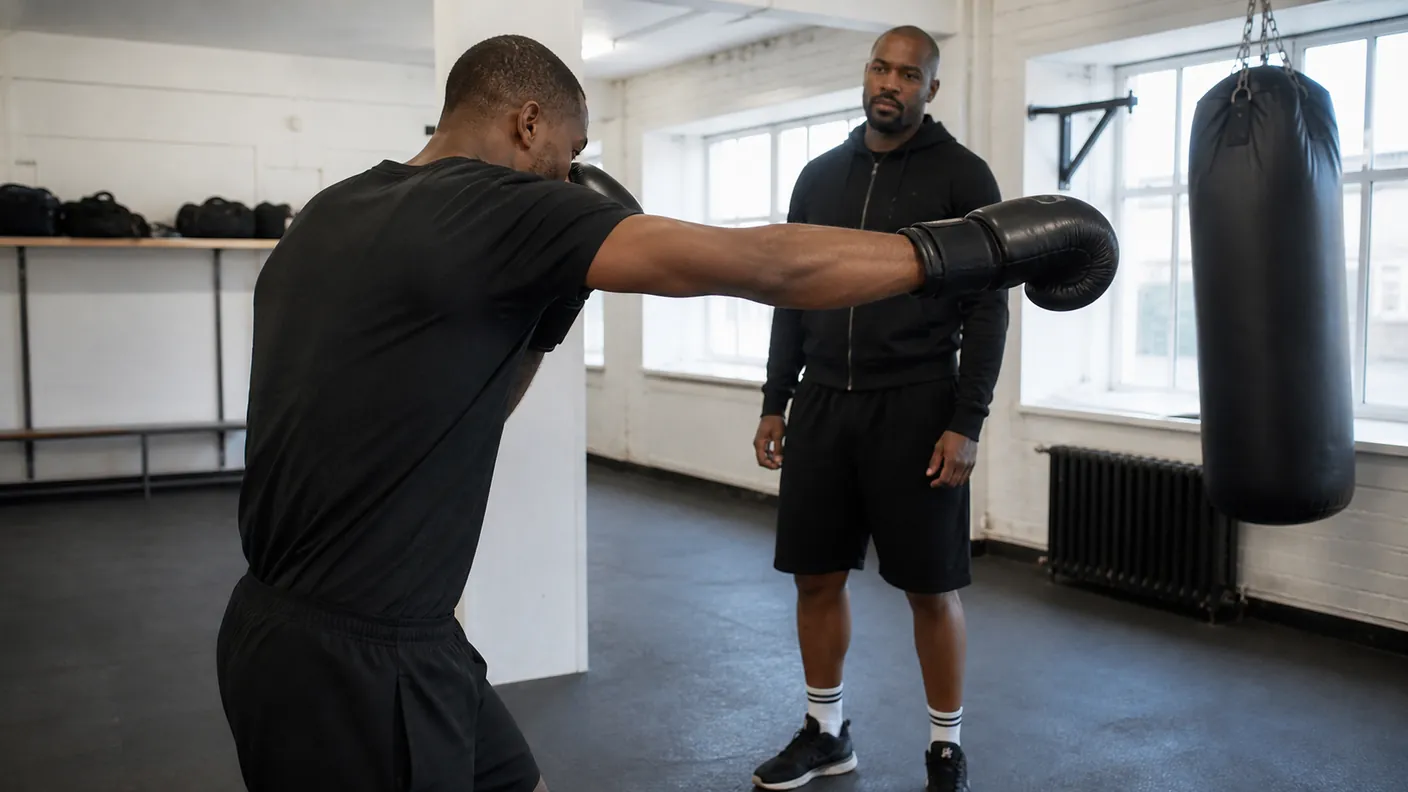
A jab does not always need to be the punch that scores. It can put a glove in front of someone’s eyes, make their guard close, give your lead foot a reason to move, or make a defensive habit show itself.
The mistake is throwing a first jab with no job at all. Beginners often flick it from too far away, leave the hand hanging out, then chase with a right hand. A useful set-up jab gives you a better position or a clearer answer before you commit to the next shot.
The video below is a good starting point. Watch the first punch as a piece of preparation rather than judging it only by whether it lands cleanly.
A set-up jab is a real punch, not a fake
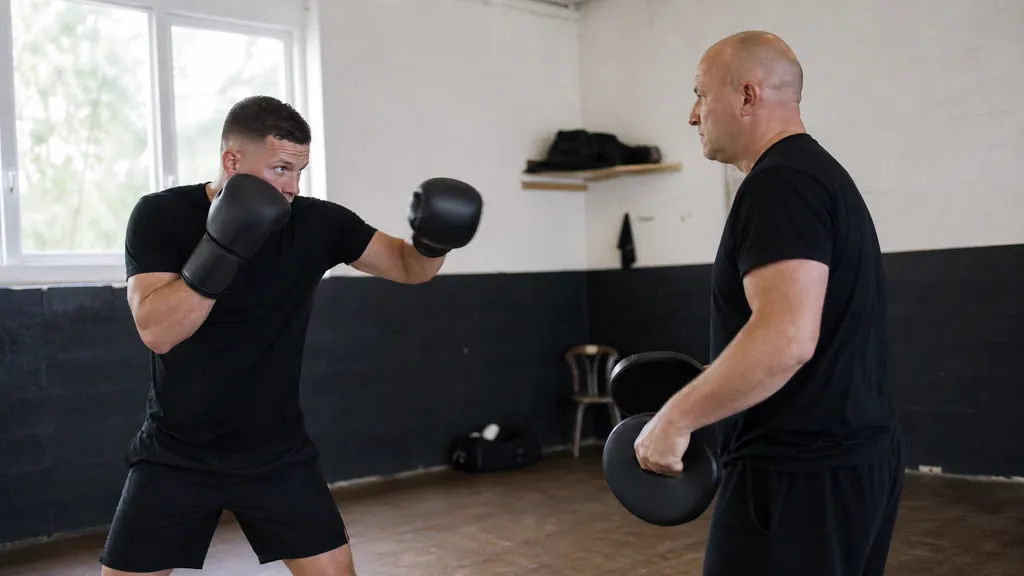
A feint is a movement that looks like the start of a punch but stops before the punch is thrown. A set-up jab is an actual punch. The glove leaves the guard, travels down a sensible line and returns home. It is simply thrown with a job other than forcing a score.
That distinction matters. If you use a feint, you want the other boxer to react before you commit. If you use a set-up jab, you want the other boxer to react while the jab gives you cover, range or a route into the next action.
A set-up jab can be lighter than your scoring jab. It should not be lazy. The shoulder still protects the chin, the rear hand stays near the cheek and the feet stay underneath you. Think of it as an honest question, not an arm left in the middle for someone to punch over.
Our guide to boxing feints without fake movement covers the non-punching version. This article is about the next layer: using a real lead hand to change what the other boxer sees before you decide whether to throw hard.
Use the first jab to take position
The cleanest use of a set-up jab is to help you enter range without reaching.
Imagine that you are just outside proper right-hand range. If you throw the right hand immediately, you may have to lean over the front knee to make it land. If you take a step with no punch, the other boxer sees the entry early and can step back, jab or set a counter.
A light jab gives the lead foot some cover. The glove goes first or lands with the small step. The rear foot follows enough to restore your stance. Now the right hand has a base rather than trying to rescue a bad entry.
The set-up version belongs at the edge of range, when you need to move a little closer without announcing the whole plan. A study of lead straight punches across boxing levels found that force development in the legs is related to lead-punch velocity. In gym terms, the hand does not work separately from the floor.
Use it to make the guard tell you something
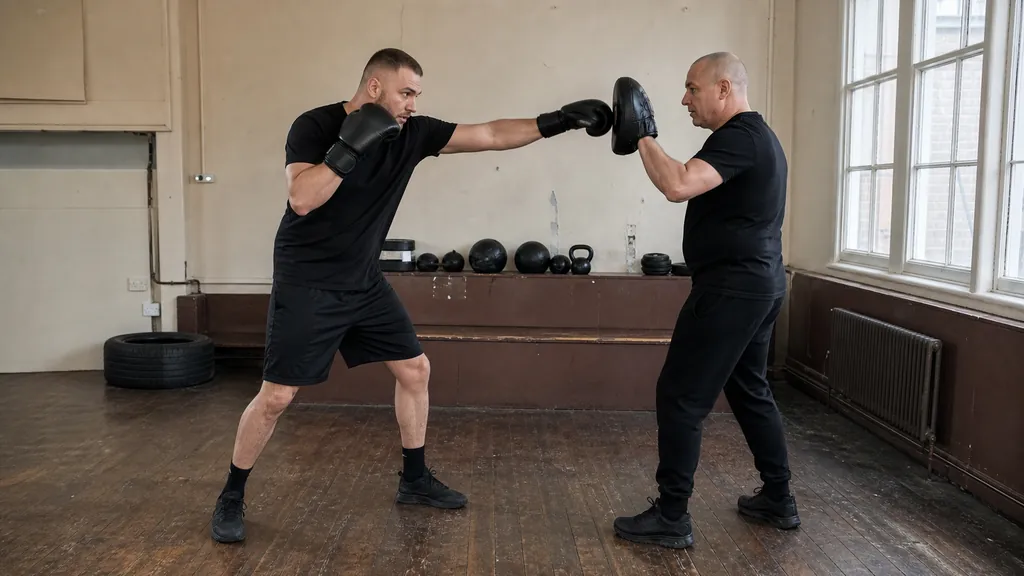
A set-up jab is also a test.
A high guard might close tighter. A rear hand might reach to parry. A boxer who likes to slip outside could move their head the same way every time. Someone uncomfortable at range may step back quickly. Each reaction gives you a better next question.
If they cover high, look to the body line. If they parry wide, bring the lead hand home and consider a straight right. If they step back, bring the feet forward before the next jab. Do not turn this into fixed combinations. Notice what the first jab caused, then make one calm choice.
A systematic review of anticipation in combat sports found that higher-level athletes tend to respond faster and more reliably to an opponent’s actions. That skill starts with seeing a small reaction rather than throwing a bigger punch without a reason.
The set-up jab must come back
The biggest danger is leaving the lead hand out after the job is done.
A boxer throws a light jab, sees the opponent cover, then freezes with the glove halfway between them. The shoulder opens. The chin appears. The rear hand has to work alone. A quick opponent can parry the arm, jab over it or step in before the follow-up arrives.
The lead hand needs a return journey. Out, read, back. If you want to throw the right hand after it, the jab returns enough that your shoulder and guard are organised as the rear side turns. If you want to jab again, the first one should not leave the arm so extended that the second becomes a slow push.
The set-up jab is brief. It changes the picture, then leaves you able to box again.
If your lead hand keeps hanging after the punch, work through how to stop telegraphing the jab. The same habits that make a jab easy to read also make a light first jab easy to punish.
Three ways to drill it without becoming busy
This is a technical skill. Start slowly enough that the stance and return stay clean.
Drill one: jab, step, settle
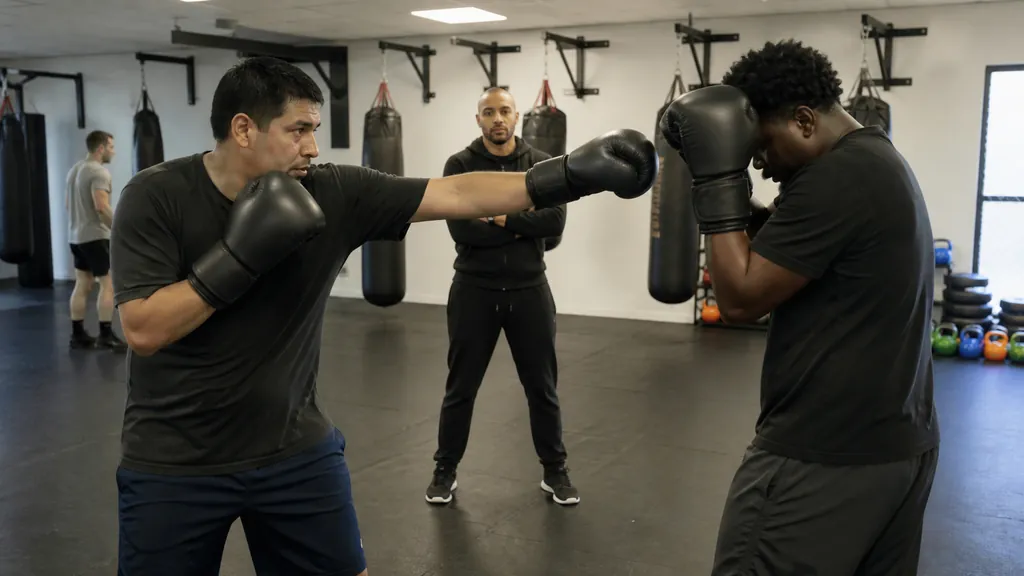
Work with a coach holding one mitt just beyond easy jab range.
Throw a light jab as the lead foot takes a small step. Let the rear foot restore your normal stance. Do not throw the right hand yet. Freeze for a second. Your coach should be able to see both hands, a sensible gap between the feet and a head that has not travelled beyond the lead knee.
Do one-minute rounds. The standard is not how many jabs you can throw. It is whether every entry leaves you ready for a real punch.
Drill two: first jab, scoring jab
Use pads or a heavy bag. The first jab is deliberately light and used to move the feet or change the target line. The second jab must be a clean scoring jab from honest range.
The first jab can touch high. The feet move. The second jab lands to the chest or head line without your chin chasing it. Then bring both hands home and leave on one small step.
The heavy bag will not react, so give the drill a rule: if the first jab leaves your rear hand low or your feet narrow, you do not get to throw the second jab. Reset and start again.
Do not confuse preparation with hesitation
A set-up jab is not permission to throw light punches forever. If the first jab makes the opponent cover, step back or show a predictable defence, you have a moment to use. The next shot might be another jab, a cross, a body shot or simply a better step.
The preparation becomes a problem when it has no finish. You need enough real punches in the round that the set-up jab still carries a threat.
This is why the full jab remains the foundation. Read our guide to building a proper boxing jab, then use this idea to make that jab more useful in a moving exchange. The set-up jab is not a replacement. It is a reason for the next proper punch to land from a better place.
The coaching cue
Make the first jab earn the next decision.
Use it to enter without reaching, make the guard react, check a habit or create a cleaner line for the next shot. Keep it compact. Bring it home. Stay in stance. If the first jab gives you nothing useful, do not force the follow-up.
If you are in Kidbrooke, Greenwich or nearby, our Recreational Adults boxing classes use pads, bag work and controlled partner drills to make the jab more than a single punch. You learn how the first touch can create the next safe decision.
H&G Team
Writer at Honour & Glory Boxing Club, a community boxing gym in Kidbrooke, South East London.
KEEP READING
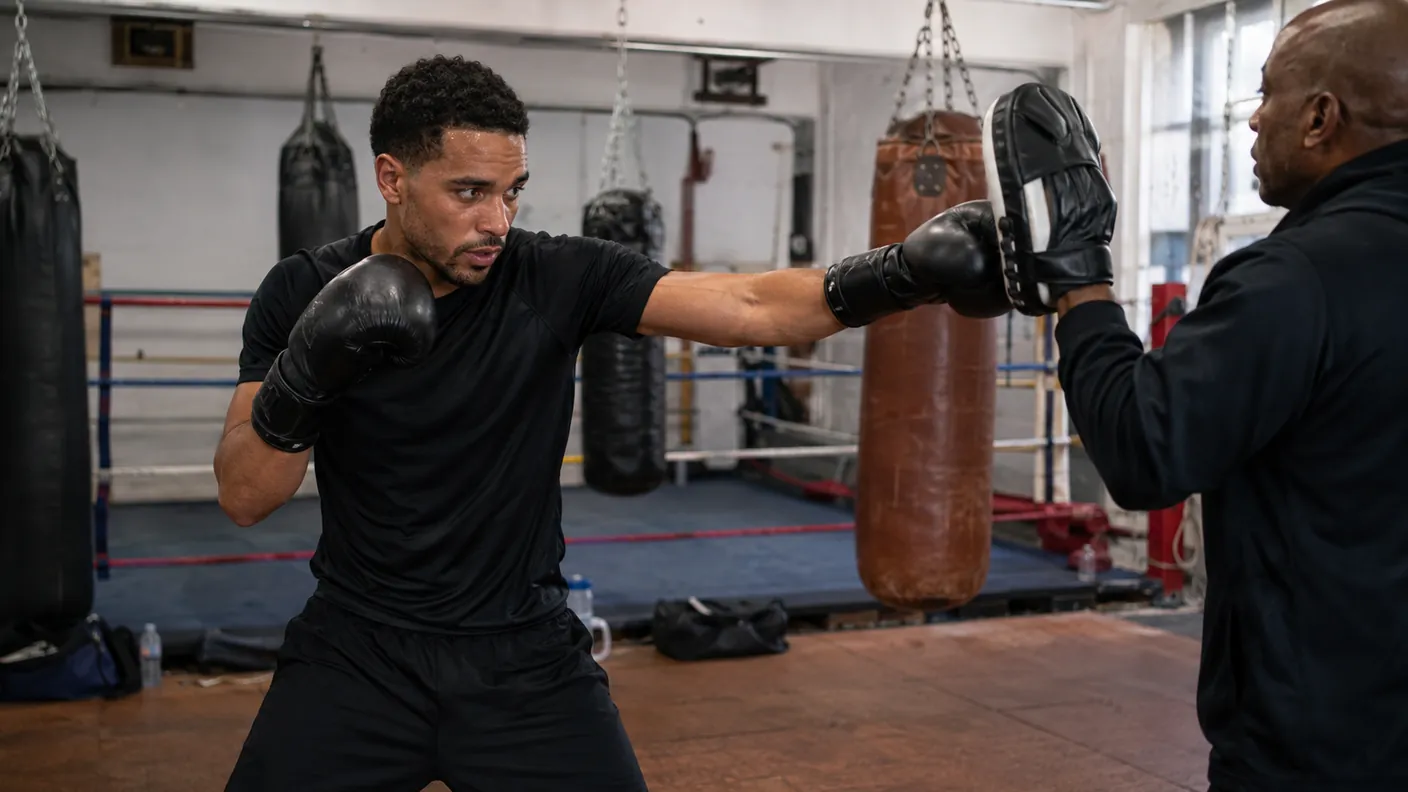
Light Touch Punches in Boxing: Set Up Attacks
Use light, purposeful punches to take position, change the guard and create a better line for the shot that matters.
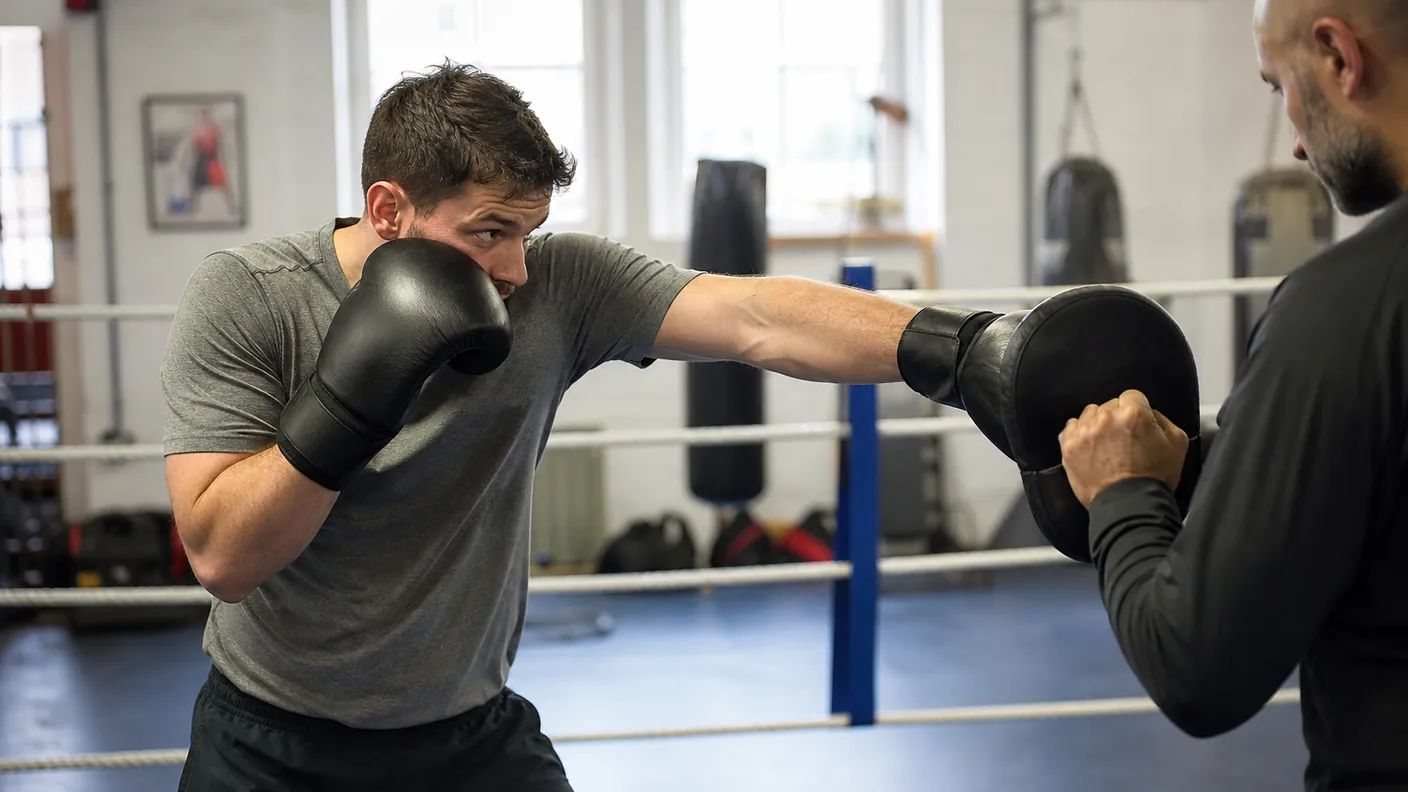
The Body Jab: A Safe Boxing Setup
Use a compact body jab to change the target, check range and set up the next decision without falling over your front foot.
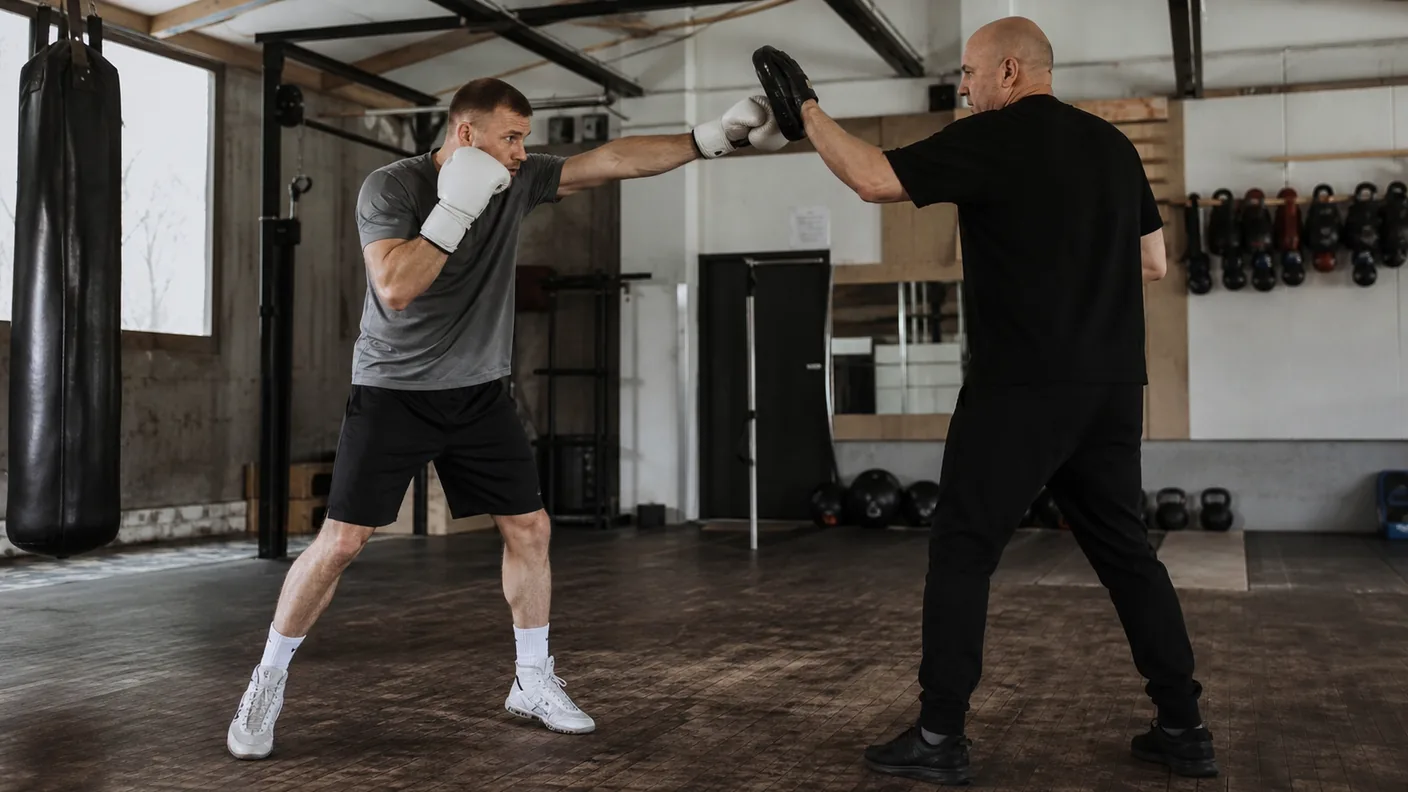
Boxing One-Two Footwork: Step With the Jab
Use a small step with the jab, then set your feet for the cross so a basic one-two stays balanced and useful.
Was this page helpful?
It takes one tap, and it genuinely helps.
Choose your next step
Turn this article into the right action
Some readers are ready to book. Some need the class route first. Pick the route that matches what you actually want.