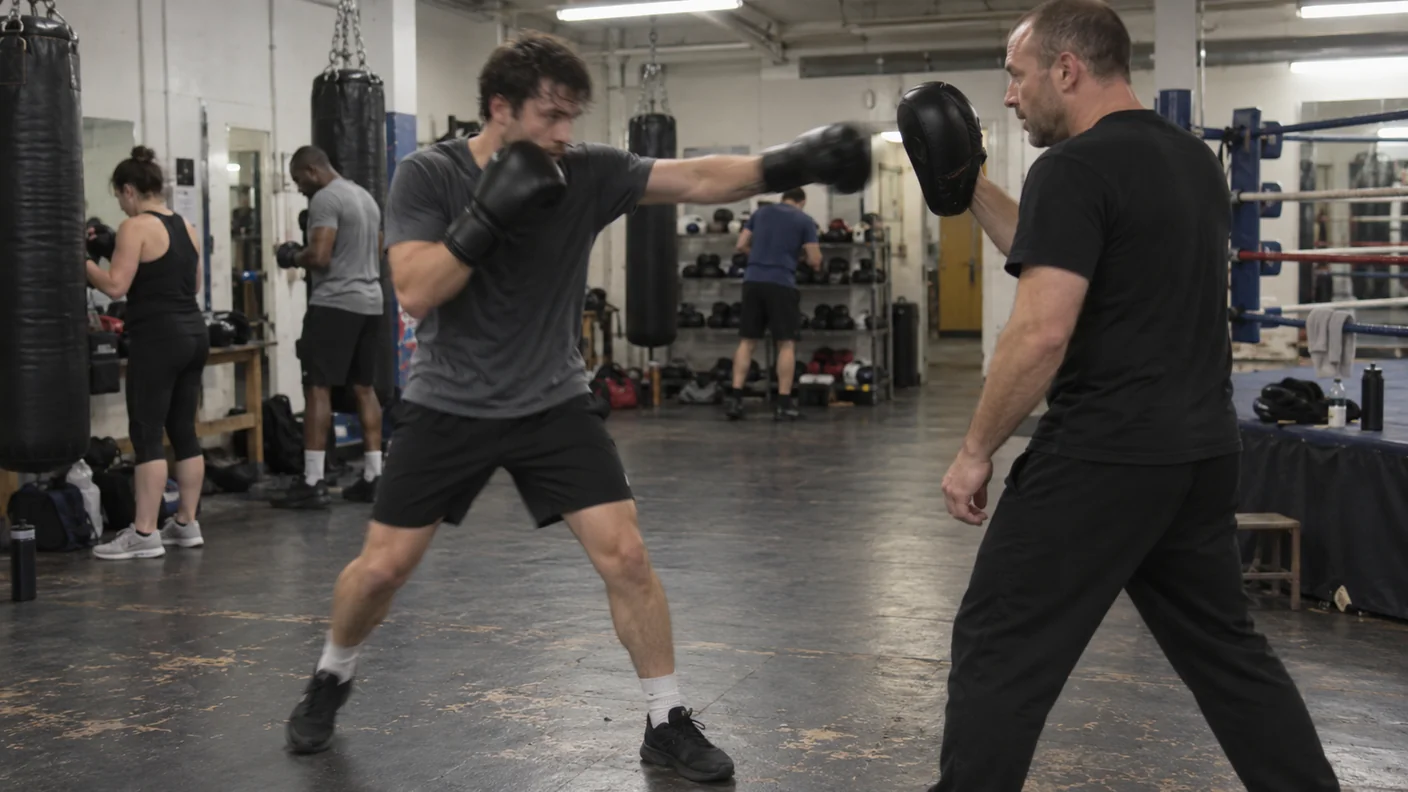
A one-two should not leave you standing on the same track with your right hand hanging in the air. That is the usual beginner finish: jab, cross, admire it, then wait for the other boxer to answer.
A jab-cross pivot gives the combination a better ending. You throw the one-two at an honest range, turn a small amount off the line, recover both hands and make the other boxer adjust before they can continue. It is not a trick and it is not an invitation to spin away from every exchange. It is a tidy way to stop a straight combination becoming a static picture.
The key is sequence. The jab and cross happen first. The pivot happens as the cross comes home or immediately after it. If you try to turn before the cross has landed, the rear hand tends to reach and the feet lose their job. If you wait too long, you are back in front of the person you were trying to move away from.
Watch the demonstration below, then use the drill at a quiet pace. The useful detail is the finish: guard back, stance intact and eyes still on the target.
Why leave the line after a one-two
A clean one-two often makes the other boxer respond in a straight line. They may throw their own one-two, cover and walk forward, or try to step around the rear hand. If you finish square in front of them, you have made their next choice easy.
A small pivot changes that. You are not trying to disappear behind them. You are simply taking your head and centre off the original track, while staying close enough to see what they do next. That can give you a safer reset, a fresh jab line or a short exit before the exchange gets crowded.
This is different from a jab step-across cross. A step-across changes the entry before the rear hand. The jab-cross pivot starts with a normal, direct entry, then changes the line after the combination. Learn them as separate skills. Trying to blend both into one big movement too early usually produces crossed feet and a slow cross.
The same basic rule applies to all footwork after punches: finish in a position that still lets you defend. England Boxing puts stance, balance and controlled progression at the centre of its coaching handbook. For this drill, that means you should be able to jab again, cover or take a small step without rebuilding your feet first.
Build the one-two before adding the turn
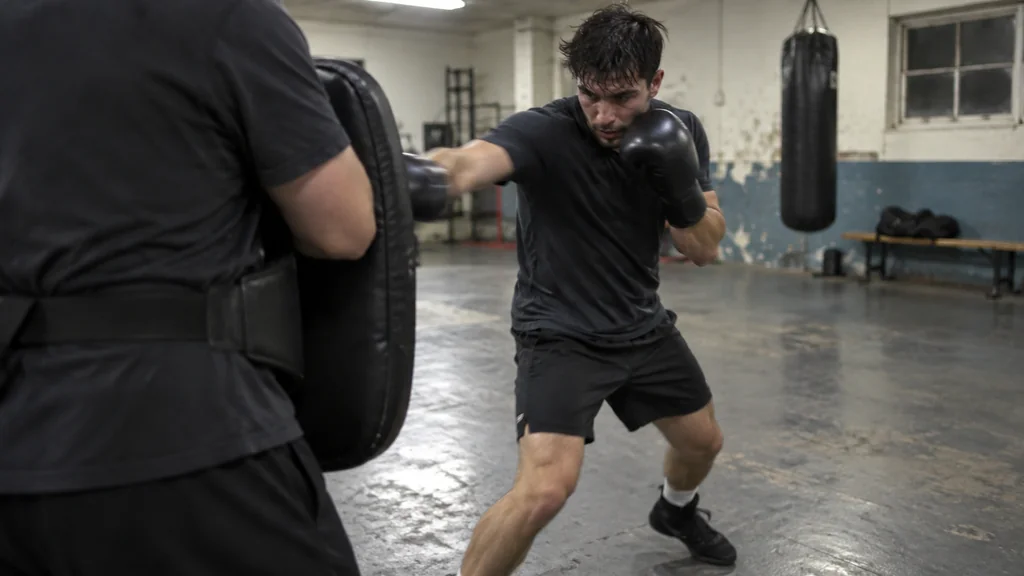
Start with the direct version. From a normal stance, let the jab travel with a modest lead-foot step. The rear foot follows enough to keep the stance from stretching. Then turn the rear hip through the cross and bring the hand straight back to guard.
Do not rush the feet to prove that you are moving. The one-two needs its own balance first. A review of boxing biomechanics describes punching as a linked action through the lower body, trunk and upper body. In practical terms, the cross should feel supported by the floor and hips, not like an arm reaching after a target.
Freeze after each one-two for a count. Check that your head is not over the lead knee, the rear glove has returned to the cheek and the feet still have a staggered shape. If that does not hold up at a slow pace, the pivot will only make the weak position more obvious.
Use a bag, a coach-held mitt or shadow boxing at first. The goal is not to throw hard. It is to see the exact point at which the rear hand returns and the lower body is available to turn.
The pivot is small, not theatrical
For an orthodox boxer, a common version turns towards the lead-foot side after the cross. The lead foot gives you a reference point while the rear foot helps the body turn. For a southpaw, reverse the picture.
Keep the turn modest. You do not need ninety degrees to move off the first line. A small angle is enough if it leaves you balanced and stops the other boxer walking straight into the place you were just standing.
The most common fault is spinning on a planted foot while the upper body races ahead. That can make the pivot look sharp, but it usually leaves the knees locked, the feet too close and the guard late. Think turn from the floor rather than twist from the shoulders.
The second fault is drifting too far away. If the pivot sends you out of jab range, you have not created an angle so much as given away the exchange. Move only as far as needed to make the other boxer turn their feet or reset their line.
A four-round jab-cross pivot drill
Keep each round to one or two minutes and rest long enough to correct the shape. These are technical rounds. Speed belongs at the end, once the feet and hands are doing the same thing every time.
Round one: moving one-two
Work forward and back with a measured jab-cross. The jab starts the movement, the rear foot follows, then the cross turns through the target. Recover to stance after every combination.
Do not pivot yet. This round tells you whether the direct combination is controlled enough to add another task. If the feet cross, the shoulders fall forward or the cross leaves the guard open, shorten the steps and make the punches lighter.
Round two: one-two and turn left
Now add a small turn towards the lead-foot side after every other one-two. The cross lands or finishes its path, the rear hand returns, then the feet help the body turn off the line.
Finish with both gloves back in front of the face. Freeze for one count. You should still be able to take a jab step, cover a return shot or move away without a shuffle. If the feet have narrowed, the turn was too large.
Round three: one-two and turn right
Repeat the drill to the other side. This will feel less natural for many people because the body and feet have to organise differently. That is useful information, not a reason to force the movement at speed.
Keep the rear hand close to the cheek as you turn. A pivot does not protect you by itself. The guard, distance and your ability to see the other boxer still do the defensive work.
Round four: choose the finish
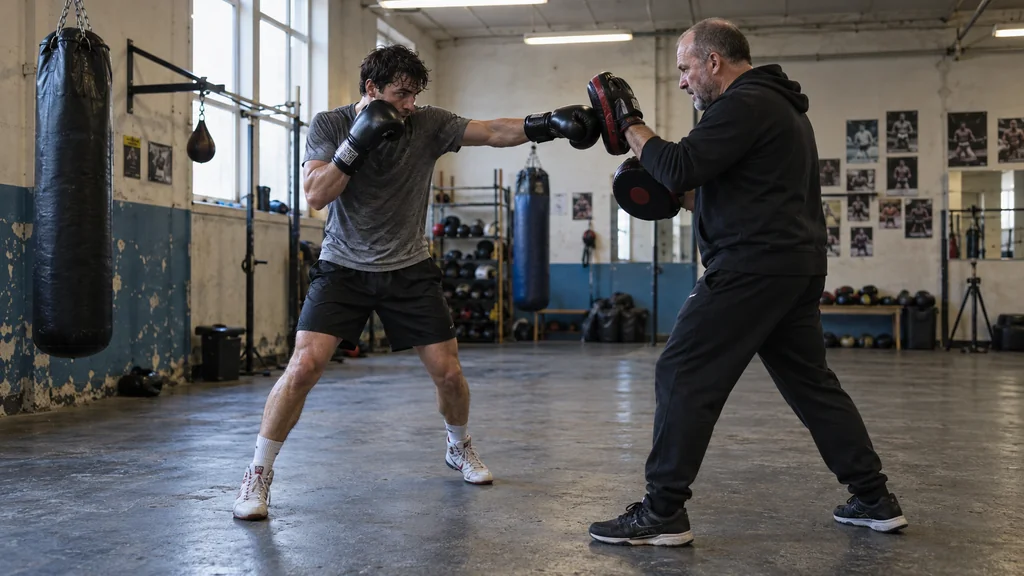
Use mitts or a cooperative partner. After the one-two, the coach can show a target, step away or hold their ground. Pivot only when it improves your position. If the target has moved out of range, do not chase it with the cross or turn blindly into empty space. Reset, jab again or take the exit that is there.
This last round matters because a pivot should be a decision, not choreography. The drill is working when you can finish the combination, read the picture and stay organised enough to choose what comes next.
Three checks that keep it honest
First, keep the movement smaller than you think. A tiny turn with both feet underneath you is useful. A huge turn that leaves you square is not.
Second, keep your eyes up. If you look down at the feet during the pivot, you lose the information that tells you whether the other boxer is following, covering or stepping away. Chin down does not mean eyes down.
Third, do not make the one-two compulsory. If the range is wrong, use the jab to measure and move instead. Our guide to boxing setup jabs is a better place to work when you are repeatedly having to reach for the cross.
For adults around Greenwich, our Recreational Adults boxing classes use coached drills to make combinations, balance and exits practical without making every round hard sparring.
The coaching cue is simple: one-two, turn small, finish ready.
H&G Team
Writer at Honour & Glory Boxing Club, a community boxing gym in Kidbrooke, South East London.
KEEP READING
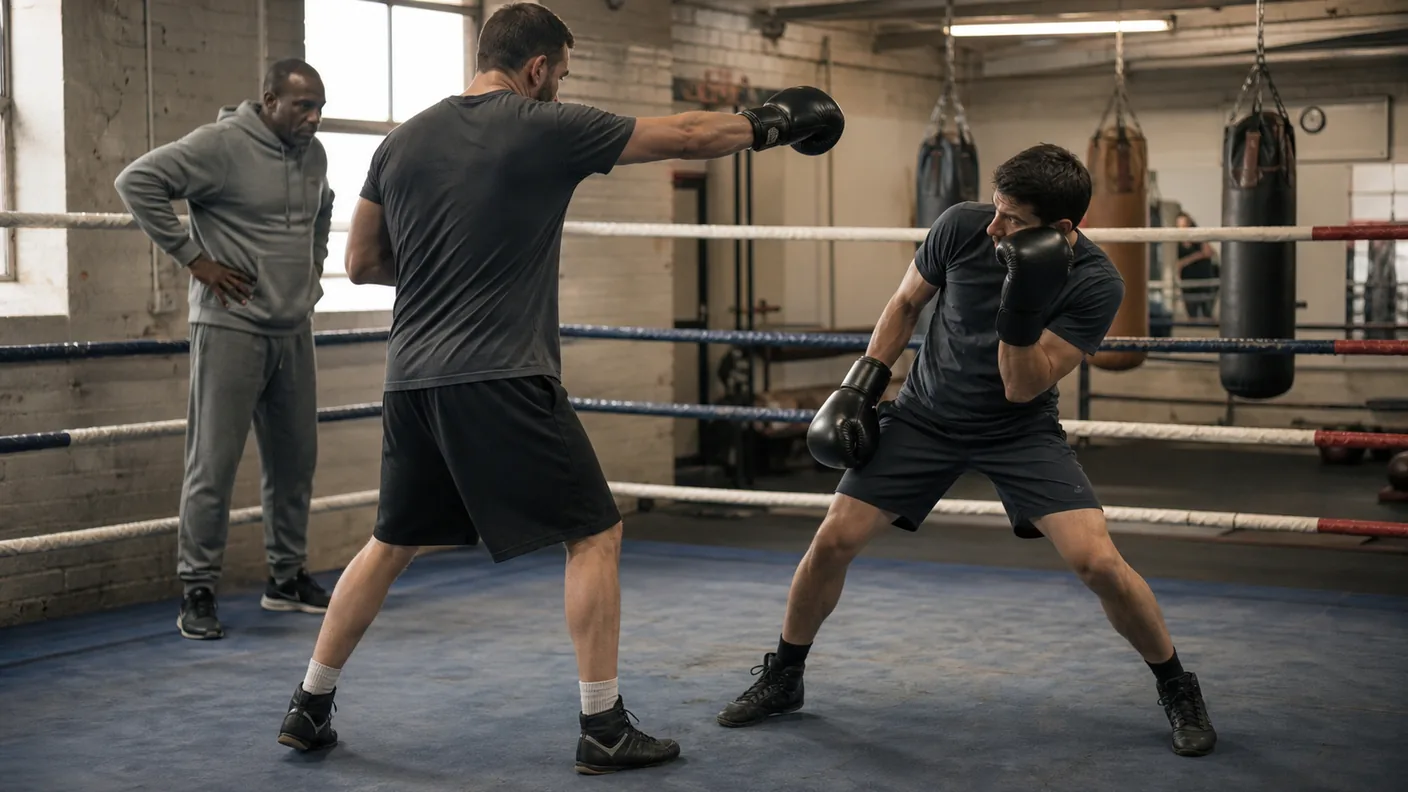
Slip Then Pivot: A Boxing Exit Drill
Use a compact slip and pivot to leave the jab line with balance, clear vision and a useful next position.
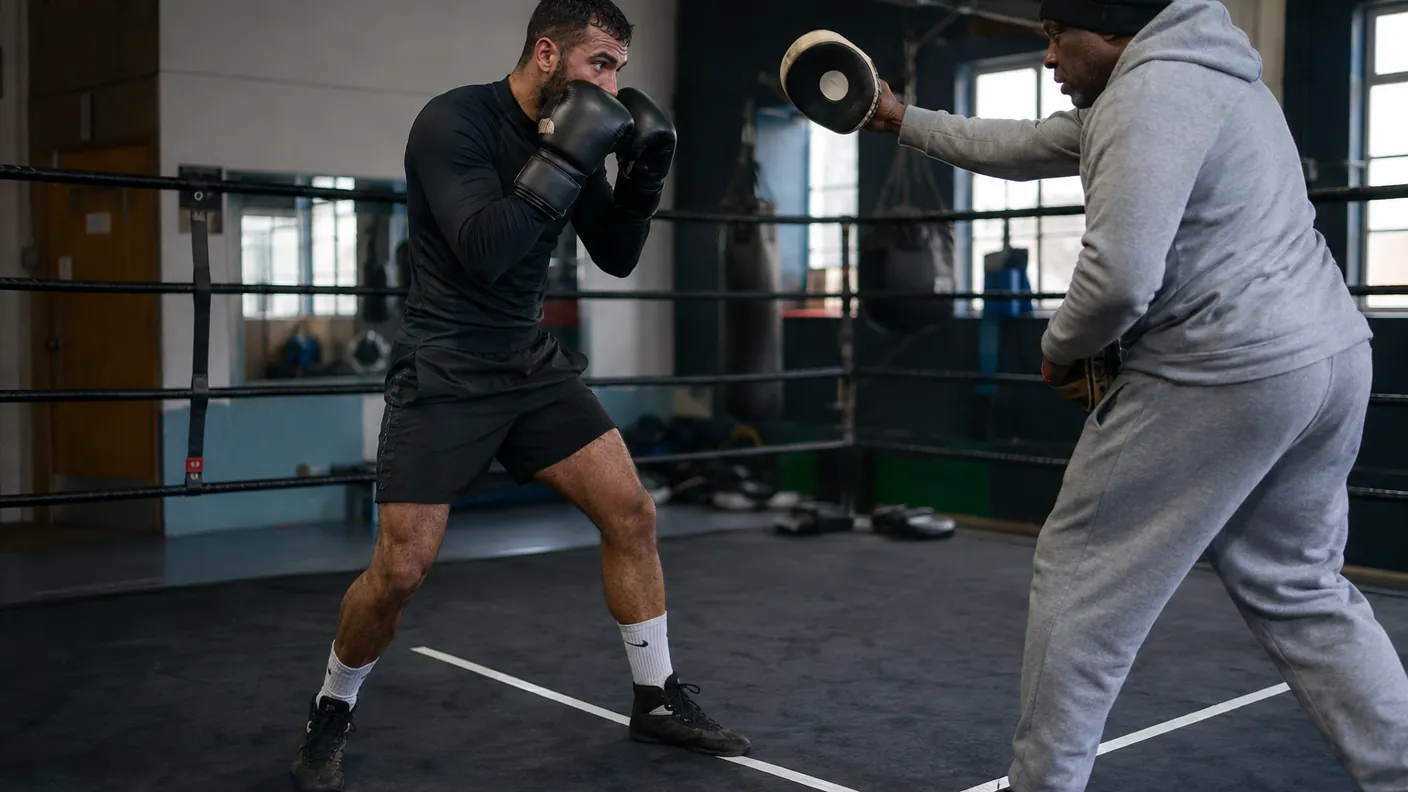
Step Across and Pivot After the Boxing Cross
Use a small lead-foot step across and pivot after the cross to change the line without crossing your feet or leaving your guard behind.
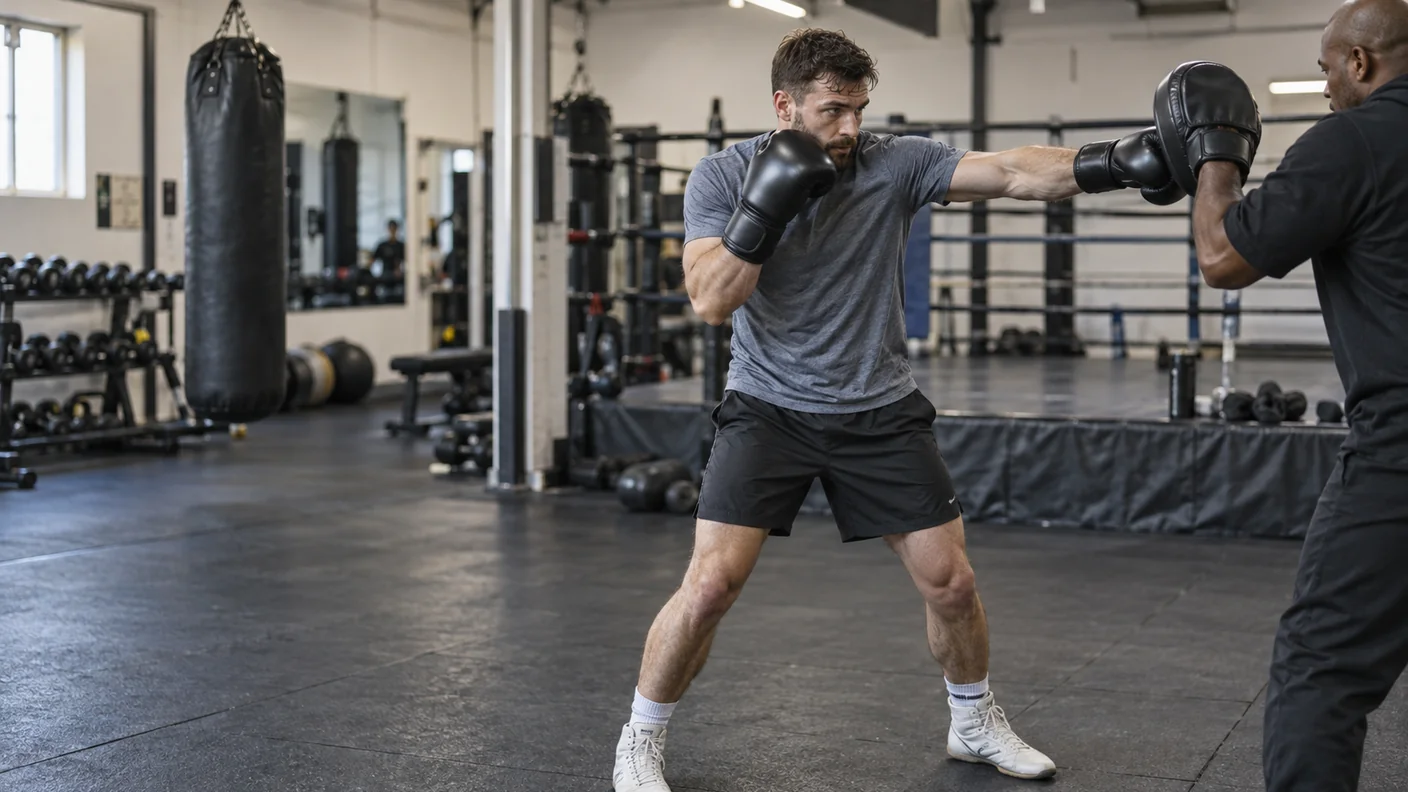
Jab After a Cross: A Boxing Reset Drill
Use a light lead-hand post after the cross to recover your stance, manage the return and stop standing still in front of a partner.
Was this page helpful?
It takes one tap, and it genuinely helps.
Choose your next step
Turn this article into the right action
Some readers are ready to book. Some need the class route first. Pick the route that matches what you actually want.