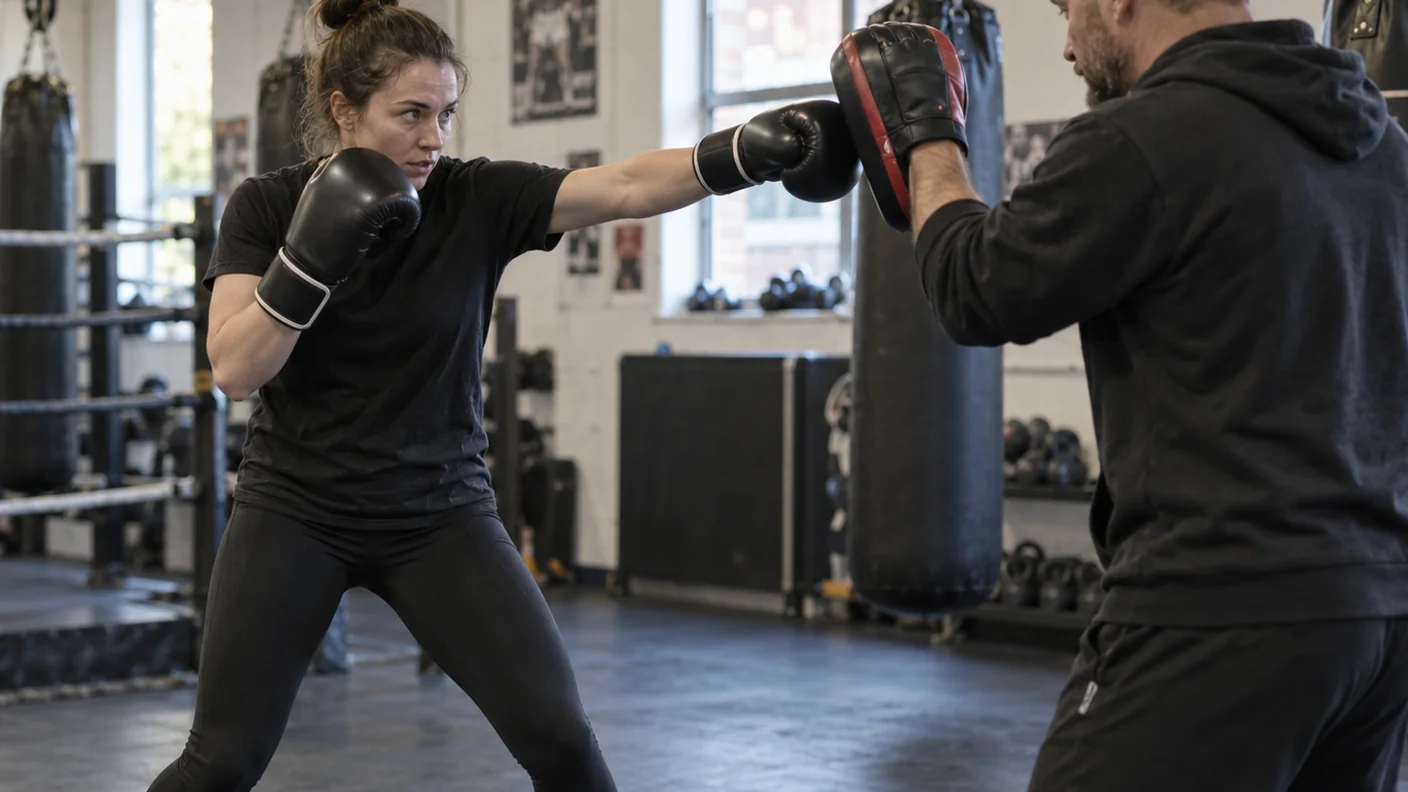
A double shift links two stance changes. You change stance behind a light jab, settle long enough to see the picture, then use a second jab to return to your familiar side. It gives you a precise way to practise the transition without pretending that you must become a full-time switch hitter.
That is why the first job is not to make either shift fast. The first job is to finish both of them. You need to arrive in a recognisable stance with both gloves available, then decide whether the second jab and return are genuinely there.
The video below is a useful visual reference. Watch the moment when the feet trade jobs, but pay more attention to where the guard and balance are when the movement has ended.
A double shift gives each stance a short, clear job
From an orthodox stance, a forward shift brings the rear foot through so it becomes the new lead foot. You finish southpaw. The second shift returns you to orthodox, with the new lead jab giving the other boxer a fresh picture while the feet complete their second transition.
That does not make a shift a fancy walk forward. For a brief moment the feet are passing each other, which is the least useful position in boxing. You cannot stay there. The movement needs one clear start and one complete finish.
Think of the double shift as two transitions between usable stances, not as a way to stay crossed or surprise a partner with speed. If a coach called for a jab, cover or step after either landing, you should be able to do it without rearranging your feet first.
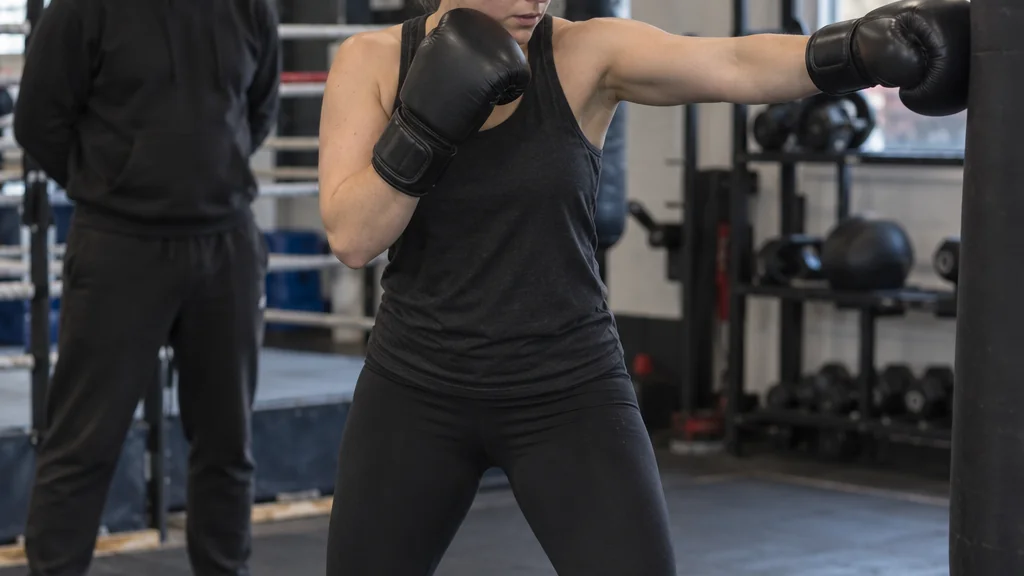
England Boxing places balance, stance and controlled movement at the base of technical boxing in its coaching handbook. That is the useful standard for a shift. It is not successful because you have changed stance. It is successful when the new stance still lets you box.
Use one light jab for each transition
Changing stance in open space gives the other boxer a clear view of your feet. A light jab can give them something more immediate to read.
Start at a sensible distance. Send a controlled lead jab towards a coach-held mitt as the rear foot comes through. As the new lead foot lands, bring the other foot into a stable southpaw stance and return both gloves to guard. Then, only after that stance feels settled, send a light jab from the new lead side as you return to orthodox.
The jab does not guarantee safety. It gives the transition a purpose and asks the partner to respect the lead hand for a moment. If the mitt is too far away, do not stretch to reach it. You are practising a safe change of stance, not trying to steal a point from bad range.
A review of boxing performance describes punching, defence, movement and tactical decisions as connected actions. The shift is a useful example. The jab, step, guard and final stance need to agree. When one part races ahead, the movement becomes exposed.
The second landing matters more than looking busy
Boxers often focus on the point where the feet pass. That is understandable, but it is not the position you want to keep.
The important picture comes just after it. The new lead foot has landed. The rear foot is behind it at a useful width. The hips face enough towards the partner that you can see them. The chin remains behind the shoulder. Both gloves are close enough to protect the face.
Do not try to land in an exaggerated sideways pose. A stance can be slightly bladed without making the rear hand unreachable or the front leg so narrow that you cannot stop. The best first shift feels almost ordinary once it has finished.
This drill is not a replacement for the small angle steps used in ordinary footwork. An angle step keeps the same lead foot in front. A single shift deliberately changes which side is forward. The double shift is a separate practice task: learn to return cleanly rather than freezing after the first change. Our guide to the front-step shuffle for a boxing angle is a better starting point when you only need to move off the line.
Build the jab-led double shift in three rounds
Keep the early practice technical. You do not need hard sparring or a busy combination to learn this shape.
Round one: move and freeze
Shadowbox at a calm pace. From orthodox, step the rear foot through and settle into southpaw. Freeze for one count, then return through the second shift and freeze again in orthodox.
Check both landings. Are your feet staggered? Is the former lead hand now in the rear-side guard position? Can you throw a slow jab with the new lead hand without leaning? If not, make the step smaller and reduce the speed.
Repeat in both directions. The aim is not to become equally comfortable in both stances in one round. The aim is to remove the awkward pause where the feet and hands disagree.
Round two: jab as you shift
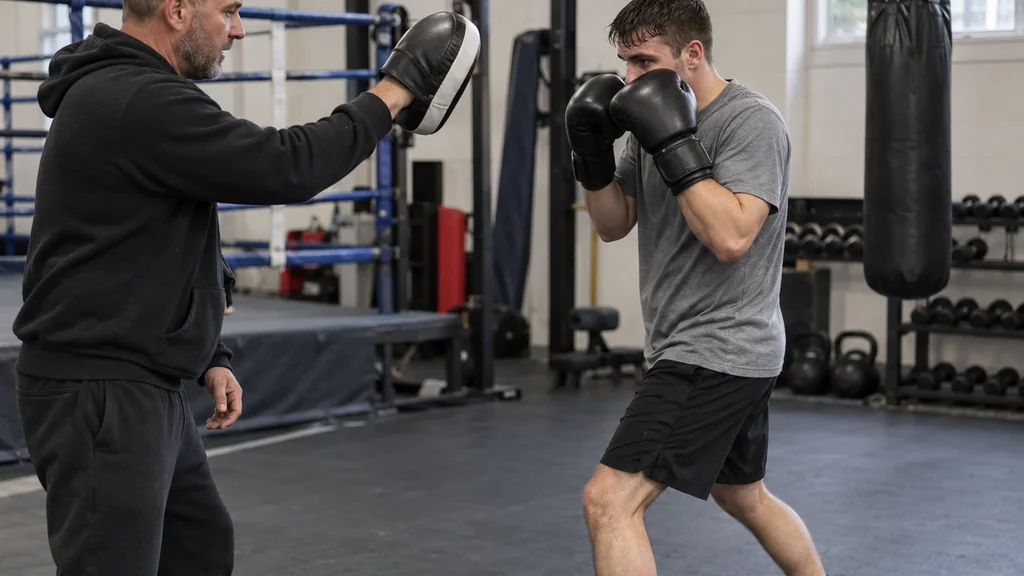
Ask a coach to hold one mitt at comfortable jab range. Jab lightly while shifting, bring both gloves home and freeze in the new stance, then jab lightly from that new lead side as you make the return shift.
Do not add another punch yet. The most common fault is rushing to show off the new rear hand before the feet have settled. A clean shift followed by a complete guard is a better repetition than a quick combination thrown while square.
Round three: choose the safe finish
For the final round, the coach can show one of three simple pictures after the first shift: a second mitt at honest range, a high guard, or no target.
If the mitt is available, use a single measured jab from the new lead side as you make the return shift. If the guard is closed, cover and take a small step away. If no target appears, reset rather than forcing the second transition. The choice stops the drill becoming a performance where the same punch follows every movement.
Four faults that make a shift risky
The first is stopping halfway. If the feet have crossed and you pause to decide what comes next, you have paused in the weakest part of the movement. Complete the transition or do not start it. The same rule applies twice in a double shift.
The second is throwing the jab after the feet have changed. That leaves a visible gap while you cross over. Let the light punch and the foot movement happen together, then recover the guard.
The third is using the shift to cover poor distance. A stance change does not make a far target closer by itself. If the jab needs a long reach, work your range with ordinary footwork before you ask the shift to do more.
The fourth is treating every shift as an attack. A backward shift can create room. A forward shift can help take space. Both need the same finish: stable feet, a present guard and a clear view of the partner. Sometimes the correct action is simply to arrive safely and wait.
Our guide to switch hitting in boxing explains the wider decision of working from both stances. This drill is narrower. It teaches a return route so that a brief stance change does not turn into a long spell where you cannot defend yourself.
Who should use this drill?
This is a later beginner or intermediate drill. You should already be able to keep a normal stance, jab without overreaching and step in every direction without crossing the feet.
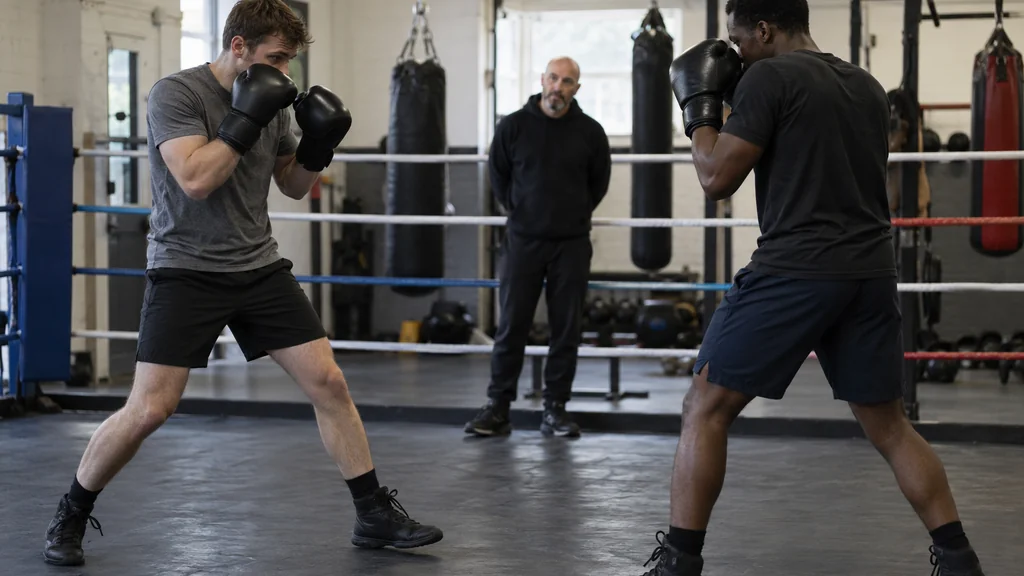
Start with shadowboxing and coach-held mitts. Add a partner only when both people can keep the pace slow and deliberate. Do not use a stance change to surprise someone in hard sparring before you can land in balance during a quiet drill.
For adults in Kidbrooke, Greenwich and nearby, our Recreational Adults boxing classes use controlled pads and partner work to connect footwork with guard, range and decisions. You can learn the movement before trying to make it quick.
The coaching cue is simple: jab through the change, land in stance, then decide.
H&G Team
Writer at Honour & Glory Boxing Club, a community boxing gym in Kidbrooke, South East London.
KEEP READING
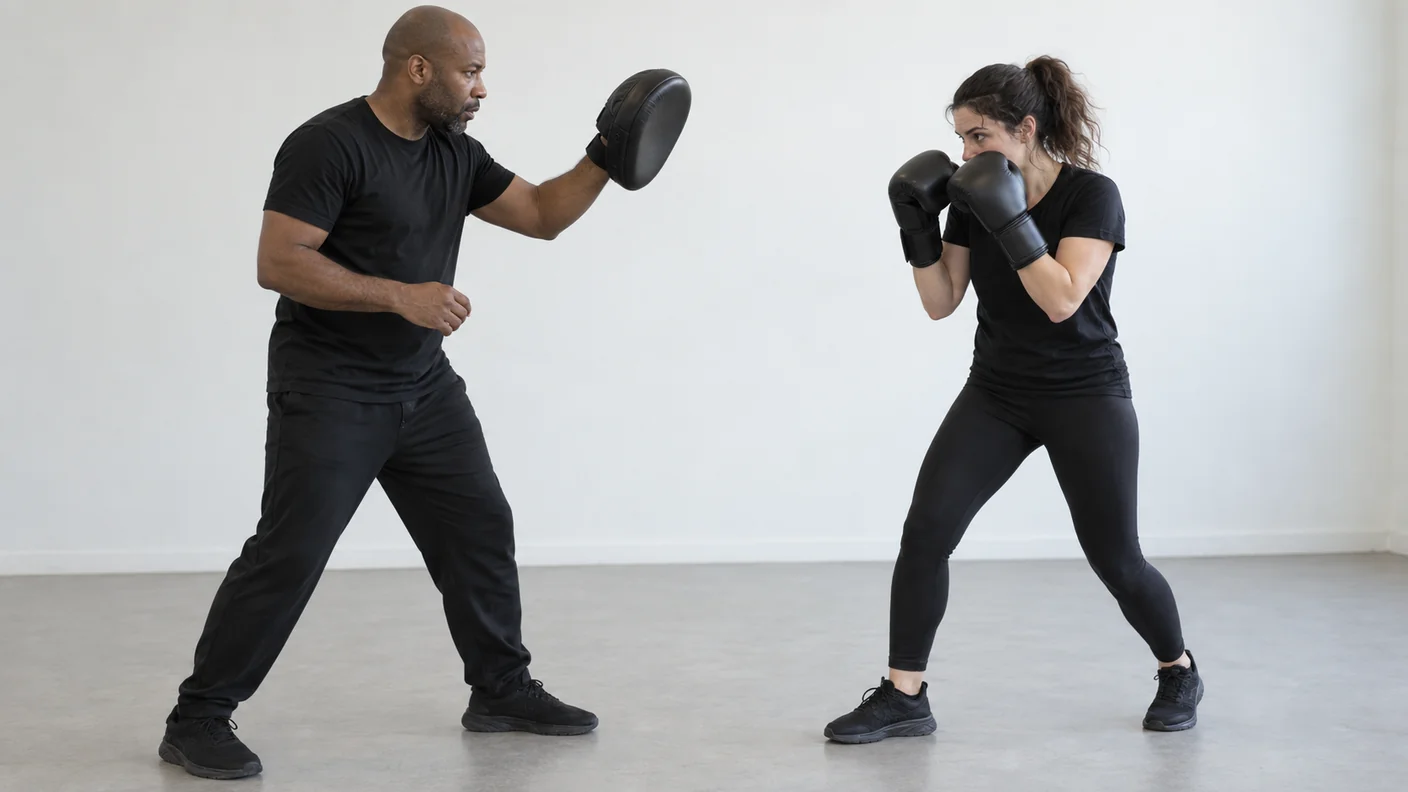
Backward Shift Boxing: A Controlled Exit Drill
Use a backward stance shift to create space only when you can land safely, protect the transition and work from either stance.
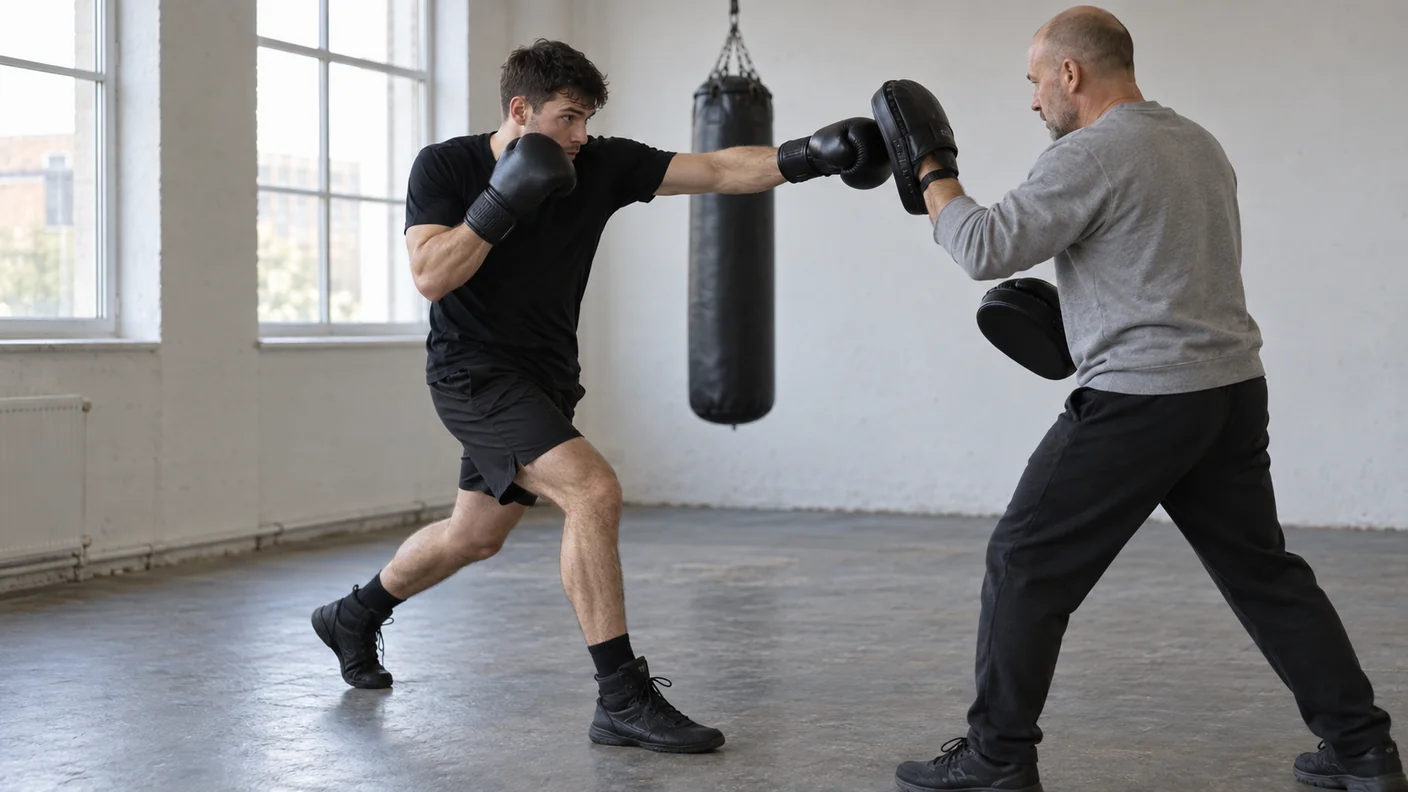
Forward Shift Boxing: Close Distance Without Lunging
Use a controlled forward stance shift to close distance only when your guard, feet and next decision stay organised.
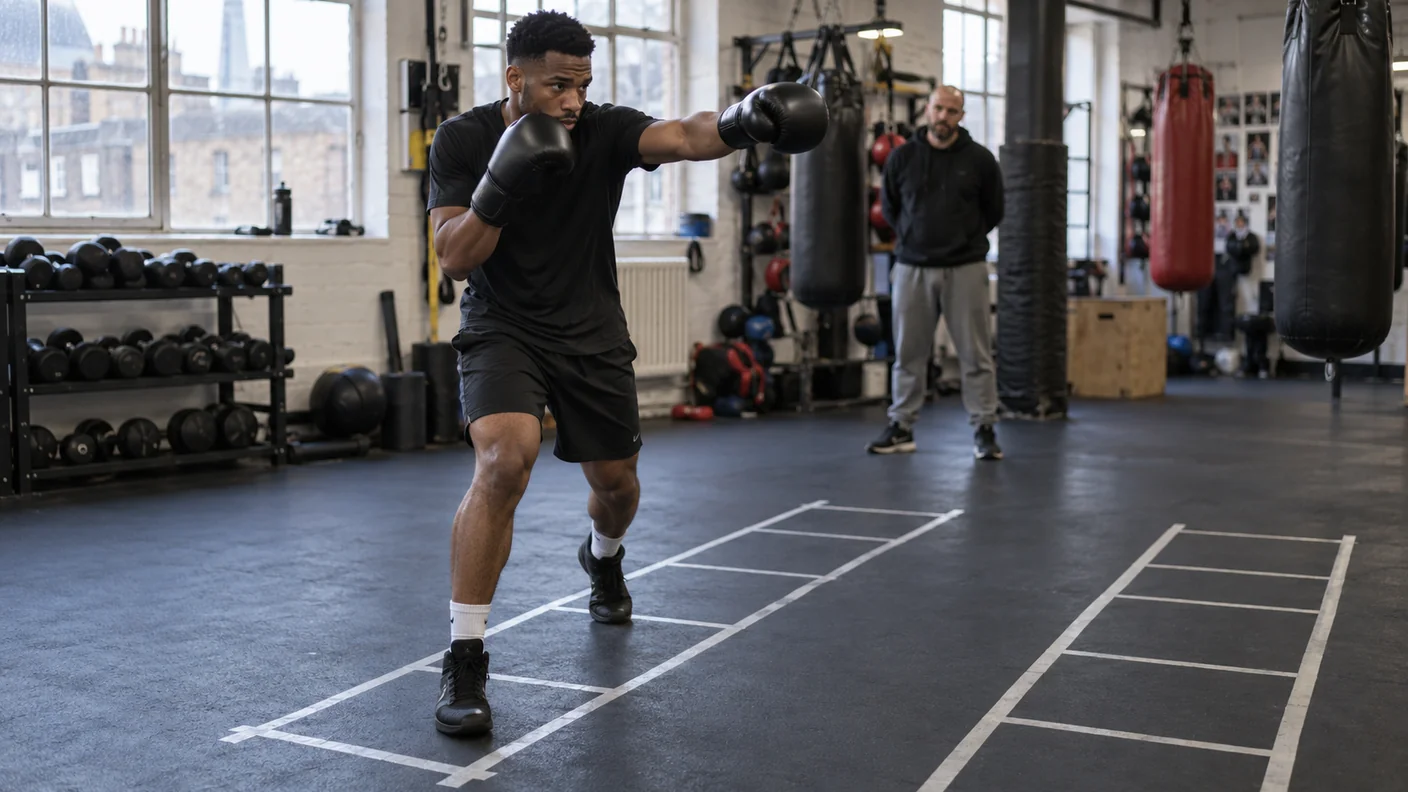
In, Out, Across: Boxing Footwork Drill
A three-direction boxing footwork drill for entering range, leaving safely and changing the line without losing your stance.
Was this page helpful?
It takes one tap, and it genuinely helps.
Choose your next step
Turn this article into the right action
Some readers are ready to book. Some need the class route first. Pick the route that matches what you actually want.