Switch Hitting in Boxing: Useful Skill or Bad Idea?
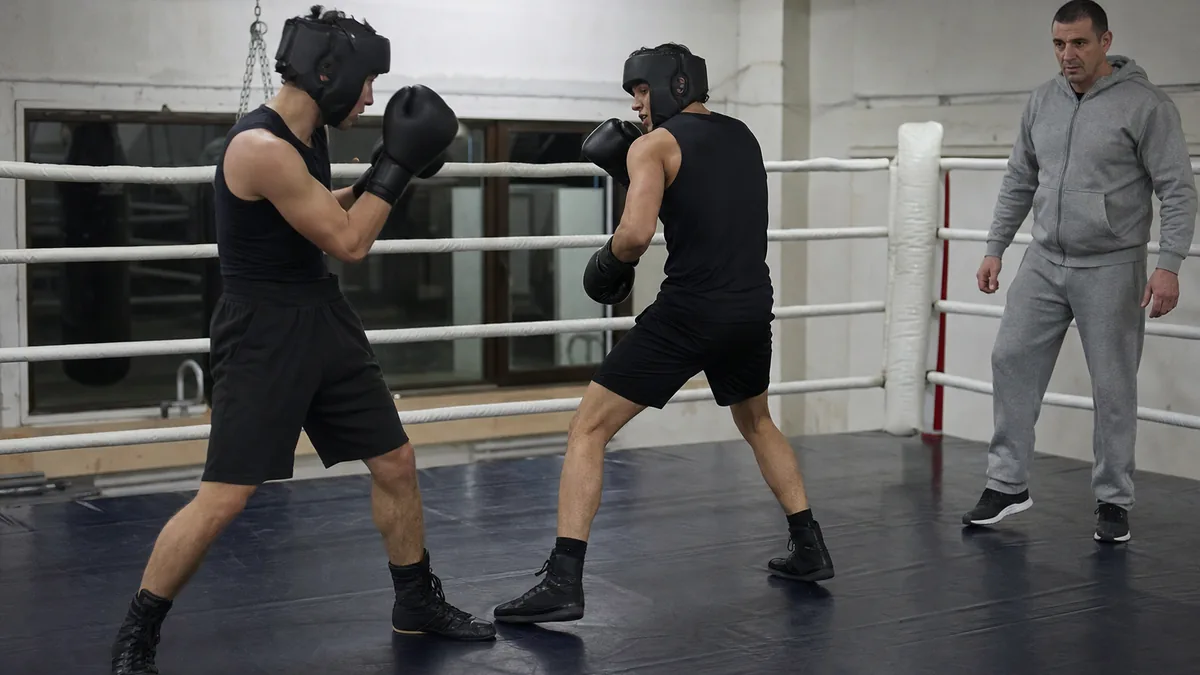
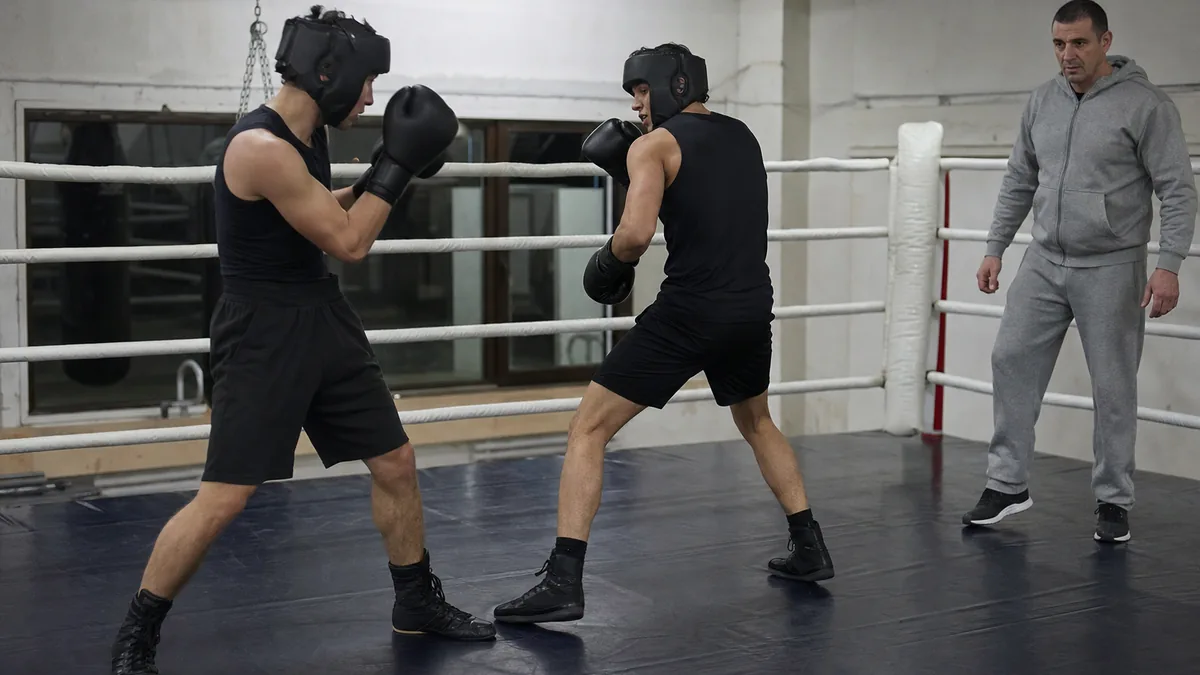
Switch hitting in boxing means being able to fight from both orthodox and southpaw stances. Not just standing the other way round for a second. Actually boxing from both sides: moving, defending, jabbing, countering and punching with balance.
At its best, switch hitting gives an opponent two different fights to solve. At its worst, it gives you two bad stances instead of one good one.
That is the honest starting point. Marvin Hagler, Terence Crawford, Jaron Ennis, Junior Witter and Naseem Hamed all made stance switching look dangerous in different ways. But beginners should be careful. If your guard, feet, balance and jab are still unreliable in your normal stance, switching stance will usually make you worse before it makes you clever.
What switch hitting actually is
Most boxers start with one main stance.
An orthodox boxer has the left foot and left hand forward, with the right hand as the rear power hand. A southpaw has the right foot and right hand forward, with the left hand at the back.
Switch hitting is the ability to move between those two stances during a round without falling apart technically. The key phrase is "without falling apart".
A good switch hitter can:
- Jab from both stances.
- Defend from both stances.
- Move without crossing the feet.
- Punch after the switch without squaring up.
- Understand the new lead-foot battle.
- Know why they switched, not just do it because it looks flashy.
That last point matters. Switching stance is not a magic trick. It is a tactical decision.
The video: when should you switch stance?
This Tony Jeffries clip is a useful reality check because he starts with the answer most beginners need to hear: usually, do not rush into it.
The useful takeaway is not "never switch". It is "earn the switch".
Jeffries gives two sensible reasons for changing stance: using a big step to move quickly, or giving the opponent a different look. That is a much better way to think about switch hitting than treating it as a personality trait. You are not switching because you want to be seen as slick. You are switching because the position gives you something.
If it gives you nothing, stay where your boxing is strongest.
Why switch hitting can work
Switch hitting creates problems because stance changes alter the geometry of the fight.
When an orthodox boxer faces another orthodox boxer, both fighters are used to the same basic picture. Lead hands line up. Rear hands travel on familiar lines. The lead-foot battle is familiar. The jab comes from the expected side.
When one fighter switches southpaw, the picture changes.
The opponent now has to solve:
- A different jab line.
- A different rear hand.
- A different lead-foot battle.
- Different exits.
- Different counters.
- A different rhythm in the exchange.
That can buy you time. It can make an opponent hesitate before leading. It can make their prepared counters land on the wrong side. It can also open new angles for your own shots.
For example, an orthodox boxer who switches southpaw may suddenly have a strong right hand as the lead jab or hook. A natural southpaw who can box orthodox may hide the moment they are about to bring the left hand back into play. The opponent is not only dealing with punches. They are dealing with uncertainty.
At higher levels, that uncertainty is valuable.
Marvin Hagler: the complete switch hitter
Marvin Hagler is the historical gold standard for many coaches because his switching was not decorative. It was part of a complete fighting system.
Hagler was rugged, educated and violent in a very controlled way. The International Boxing Hall of Fame records him as a 62-3-2 middleweight great with 12 successful title defences, including wins over Roberto Duran, John Mugabi and Thomas Hearns (IBHOF profile). That level of success did not come from novelty.
Hagler could pressure from southpaw, box from orthodox, step through while attacking, and use the stance change to keep opponents from escaping cleanly. If they moved away from one side, he could switch and close the door from the other. His feet made the switching useful. His jab made it respectable. His defence made it survivable.
That is the lesson. Hagler was not a great fighter because he switched. He could switch because he was already a great fighter.
Terence Crawford: switching as problem-solving
Terence Crawford is the modern example most fighters study now.
Crawford's stance switching is not random. He often uses the early part of a fight to read the opponent, then adjusts. Sometimes he begins orthodox and becomes more dangerous from southpaw. Sometimes he uses the switch to change the line of the jab, draw a different reaction, or make the opponent's best counter less available.
His achievements explain why people take the skill seriously. Guinness World Records lists Crawford as the first male boxer to become four-belt undisputed world champion at two weights, super lightweight and welterweight, after his 2023 win over Errol Spence Jr (Guinness World Records).
The important part for amateurs is not to copy Crawford's whole style. You cannot copy the timing, composure and experience that make it work. The useful lesson is narrower: Crawford switches to solve a problem. He is not switching to entertain the opponent. He is changing the question they have to answer.
Ennis, Witter and Naz: different kinds of awkward
Jaron "Boots" Ennis is a good modern example of a boxer whose athleticism and comfort from both sides make him difficult to prepare for. He can give opponents a different look without looking as if he has abandoned his base. That is rare. Most fighters switch and immediately look like a worse version of themselves. Ennis does not usually give that impression.
Junior Witter is a useful British example because his awkwardness was part of the point. A Bleacher Report profile described Witter as a switch-hitting Ingle gym product who could throw from unusual angles and change stance quickly (Bleacher Report). Witter could be frustrating to watch if you wanted textbook rhythm, but frustrating was the job. He made opponents uncomfortable.
Naseem Hamed belongs in the conversation too, but with an obvious warning label. Britannica describes Hamed as a featherweight champion with an unusual, hard-hitting southpaw style, a 36-1 record, and International Boxing Hall of Fame induction in 2015 (Britannica). Naz could switch, lean, spring, bait, explode and break rules of textbook shape because his timing, reflexes and power were exceptional.
That does not mean a beginner should copy him. It means he was special enough to survive things most boxers should not try.

The advantages of switch hitting
1. You give the opponent more to solve
Every stance has familiar answers. When you change stance, you can interrupt those answers.
If someone has spent two rounds timing your orthodox jab, a short spell in southpaw may make their counter arrive late. If they are comfortable circling away from your right hand, switching can put them closer to your left. If they are winning the lead-foot battle, a switch can reset it.
2. You can create new angles
Switching stance changes where your shoulders, hips and feet point. That can open shots that were not available a moment earlier.
A step-through right hand can become a southpaw lead hand. A rear hand can become a lead hook. A pivot can put you outside the opponent's lead foot. Good switch hitters use the stance change as footwork, not as a pause.
3. You can hide rhythm changes
A stance switch can break the opponent's timing.
Some boxers jab, jab, jab, then switch as the opponent prepares to jab back. Others switch after a combination so the opponent's return comes down the wrong lane. The value is in disrupting the expected rhythm.
4. You can escape pressure
Switching is not only attacking. Sometimes it is a way out.
If you are being walked down along the ropes, a big stance-changing step can move you out faster than a small shuffle. But it has to be drilled. If you cross your feet under pressure, you are not escaping. You are offering the opponent a gift.
The disadvantages of switch hitting
1. It doubles the amount you need to learn
This is the part beginners underestimate.
If you box from one stance, you need one reliable jab, one reliable cross, one reliable lead hook, one defensive shape, one set of exits, and one footwork base. If you switch, you need all of that twice.
Most beginners do not need more options. They need fewer leaks.
2. Your defence usually gets worse
The first thing to disappear in the unfamiliar stance is defence.
Hands drift. Elbows flare. The chin rises. The rear hand stops protecting the face. Feet square up. After one punch, the boxer is standing in no stance at all.
That is why coaches get nervous when beginners switch. It often turns a manageable technical flaw into a full-body problem.
3. You may confuse yourself more than the opponent
A switch only helps if you understand the new position.
If you switch southpaw but still think like an orthodox boxer, you may step the wrong way, move onto the opponent's power hand, or throw a punch with no base under you. The opponent does not need to be confused. They just need to wait until you are off-balance.
4. Amateur judges reward clean work
At amateur level, especially for developing boxers, clean scoring matters. A flashy switch that leads to messy punches, poor balance and unclear scoring is not clever. It is noise.
If the switch helps you land clean and finish safe, good. If it makes you look busy while getting clipped, it is hurting you.
Should beginners switch hit?
Usually, no.
A beginner should first build a dependable stance, jab, guard, cross, hook, basic defence and exit. That is enough work for a long time.
There are exceptions. A naturally left-handed boxer who was put orthodox by default may need to explore southpaw. A coach may use stance-switching footwork as a movement drill. A boxer with a strong background in another stance-based sport may adapt faster.
But for most beginners, the priority is simple: become good from one stance before trying to be clever from two.
If you are new, start with basic boxing punches, then understand the southpaw stance as its own subject. Do not treat switch hitting as a shortcut around fundamentals.
How to train switch hitting properly
If your coach thinks you are ready, train it in stages.
Stage one: shadowbox both stances slowly
Do not start by switching mid-combination at full speed.
Spend rounds boxing orthodox only, then southpaw only. Check your guard, feet, balance and punch recovery. If the southpaw round looks like bad dancing, slow down.
Stage two: switch after an exit
The safest early switch is after you have left range.
For example:
- Jab-cross.
- Step out.
- Change stance as you reset.
- Re-enter behind the new jab.
That teaches control. You are not switching while tangled up in the exchange.
Stage three: switch with a punch
Once the feet are reliable, you can add a step-through shot.
For example, an orthodox boxer throws a right hand and lets the rear foot step through into southpaw. Now the right hand has become the lead side, and the boxer can jab or hook from the new stance.
This must be drilled carefully. If the step is too narrow, you square up. If it is too long, you fall in. If your head stays on the centre line, you walk onto counters.
Stage four: use it in controlled sparring
Do not unveil your new switch-hitting identity in hard sparring.
Start with restricted rounds. One partner jabs only. One partner works the stance switch and exit. Then add the cross. Then add free counters. Build the pressure slowly so your technique survives contact.

The simple rule
Switch hitting is worthwhile when the switch improves your position.
It is not worthwhile when it only changes your appearance.
If switching stance gives you a better angle, safer exit, sharper jab line, cleaner counter or clearer read, use it. If it makes you square, late, confused or defensively open, stop doing it and fix your base.
The best switch hitters in boxing history were not magicians. They were disciplined fighters with excellent feet who could carry their fundamentals across both sides.
That is the standard. Two stances, one set of principles: balance, defence, clean punching, good decisions.
If you want to build that properly, do it with a coach watching your feet, not just your hands. Honour and Glory runs competitive amateur boxing sessions and structured boxing classes for boxers who want technical development without the gimmicks.
Book a free trial session at Honour and Glory Boxing Club.
Related guides
H&G Team
Writer at Honour & Glory Boxing Club, a community boxing gym in Kidbrooke, South East London.
KEEP READING

Why Every Boxer Needs a Go-To Combination
Advanced amateurs need more than reactions. A reliable go-to, whether it is the jab, the double jab or jab-cross-jab, gives you a base when the round gets messy.

The Three Phases of a Boxing Exchange
Advanced amateur boxing is not just attack, defend, reset. Learn how entries, counters and counter-counters turn separate exchanges into one connected fight.

Counter Punching Basics for Boxers
Counter punching turns defence into attack. Learn the fundamentals of countering - from basic techniques to the mindset that makes counter punchers dangerous.
Was this page helpful?
It takes one tap, and it genuinely helps.
Choose your next step
Turn this article into the right action
Some readers are ready to book. Some need the class route first. Pick the route that matches what you actually want.