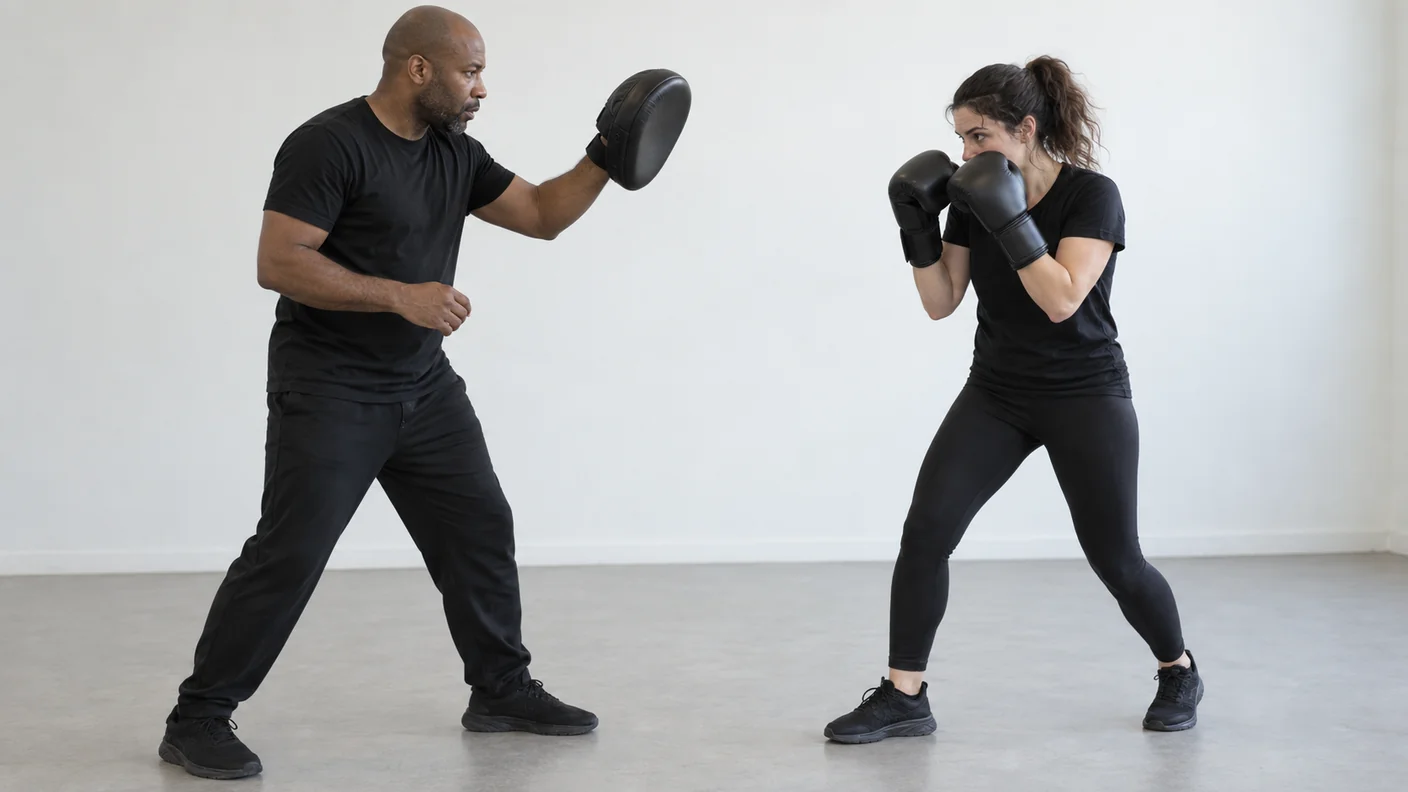
A backward shift is a fast way to change stance while moving away from pressure. It can create more space than an ordinary step back, but it is not a clever escape for beginners to throw into sparring on a whim.
The useful version is small, deliberate and fully finished. You leave one stance, land in the other with your guard still useful, then decide whether there is a safe jab, a step away or simply a reset. If you stop with your feet crossed, chase a counter from too far out or cannot work comfortably from the new stance, the shift has created a problem rather than solved one.
The video below shows the movement in context. Watch the landing closely. The important moment is not the foot leaving the floor. It is whether the boxer arrives able to defend, move or punch again.
A backward shift is not an ordinary step back
An ordinary retreat keeps your stance. For an orthodox boxer, the rear foot moves back and the lead foot follows enough to restore the gap. The backward one-two drill is built around that reliable order.
A backward shift changes the stance as you leave. The lead foot moves back in a short pivoting action while the rear foot becomes the front foot. An orthodox boxer therefore lands southpaw; a southpaw lands orthodox.
That switch is why the movement can make an advancing boxer hesitate. The lead hand, rear hand and angle they expected have changed. It is also why the movement deserves respect. You have changed the map under your own feet as well as theirs.
England Boxing puts stable stance, balance and controlled progression before more elaborate footwork in its coaching handbook. That is the right test here. If you cannot hold the new stance for a second with both gloves available, do not add speed or a punch.
The landing is the whole point
The risky moment is the transition. Feet can pass close together while the stance changes, which means there is a brief instant where you are square and cannot defend properly. Trying to add a hard punch at that exact moment is how a technical movement turns into a stumble.
Think of the shift as two jobs, not one fast trick. First, make the compact backward pivot. Second, arrive in the new stance with a sensible distance between your feet, knees soft and chin protected. The hands should not fly apart just because the feet have moved.
Your first repetition does not need a partner. Shadow box at a slow pace, make the shift, then freeze. Can you show a jab without leaning? Can you cover a straight line? Can you take one more small step? If not, make the movement smaller.
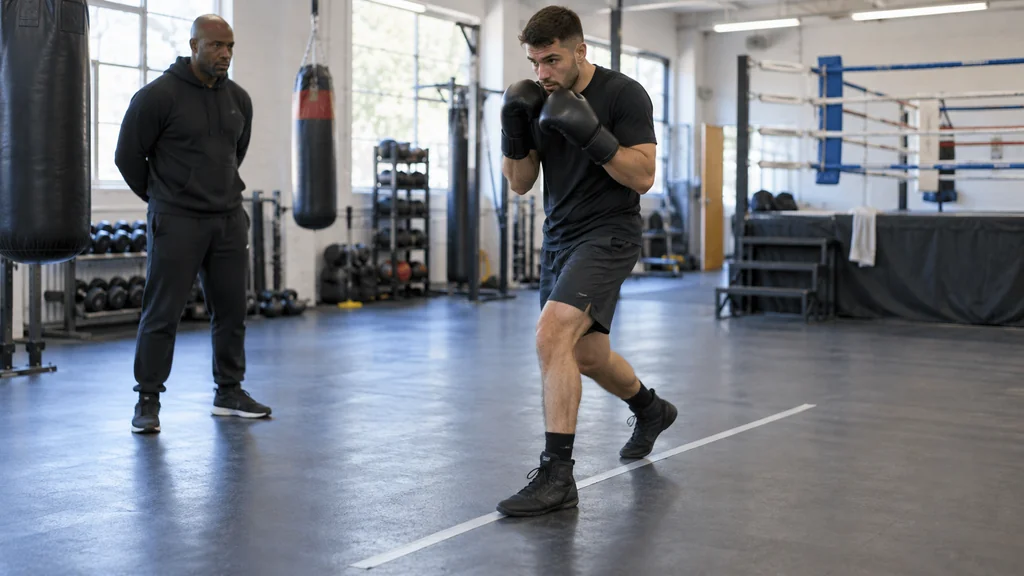
Start with a return route, not an attack
A backward shift only makes sense if you have a route out of the new stance.
Some experienced boxers can use the brief stance change to surprise an opponent with a lead jab or a rear hand. That is advanced work. For most adults learning the movement, the first job is much calmer: shift, settle, then either take a short step away or return to the normal stance before you punch.
This removes the temptation to admire the movement. A pressure fighter may still be coming forward. If you have shifted backwards but stayed in front of them with your feet narrow, you have not escaped anything.
A useful rule is to make the first action after the shift defensive or positional. Jab lightly to a coach-held mitt only if the range is honest. Take a small angle. Or shift back to your natural stance and rebuild distance. The reset is not a failure. It proves the movement has stayed under control.
Our guide to moving in and out without crossing your feet is the right foundation before trying this. The backward shift adds a stance change. It does not cancel the basic rule that your feet need to leave you ready for the next decision.
A three-round backward-shift drill
Use a clear floor line, light pads or empty space. There is no need for live sparring while you learn the shape.
Round one: shift and freeze
Start in your usual stance. Make one slow backward shift and hold the new stance for a count of one. Check the distance between your feet, the bend in the knees and the position of both gloves.
Do not throw a punch. You are building a landing that you trust.
Round two: shift and leave
Repeat the shift, then take one small step out at an angle. The aim is to teach the body that the stance change is a route to space, not a place to stop.
A coach can call left, right or reset after the landing. Keep the response small. The choice matters more than covering half the gym.
Round three: shift, settle, jab
Now a coach can present one focus mitt only after you have landed. Touch it with a measured jab from the new stance, bring the glove home and take an exit step.
If the mitt is too far away, do not reach for it. Guard and reset. The drill should make you more selective about range, not more willing to throw from bad positions.
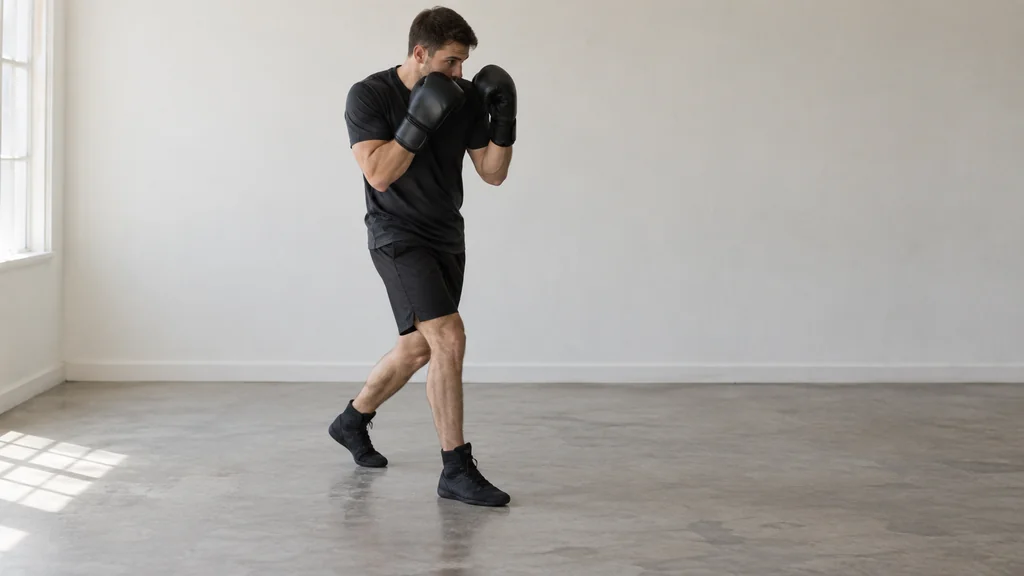
Four reasons to keep it out of hard sparring for now
First, a stance shift demands that you can defend from both sides. If your new lead hand and rear hand feel unfamiliar, use ordinary retreats until the basics are dependable.
Second, the movement needs a reason. A quick backward shift can create space when somebody is walking in, but it is not a response to every jab or every burst of pressure. Sometimes a compact guard, a normal step or a pivot is safer.
Third, do not shift with your head leaning back. The feet create the distance. Leaning the chest away makes the next punch slow and makes it harder to see what is coming.
Fourth, do not pause halfway through. The middle of the shift is the least stable point. Slow practice is useful because it teaches a complete movement. It does not mean stopping in a square stance is safe.
A review of boxing performance research describes punching as a whole-body action involving the legs, trunk and upper body rather than an arm movement alone. That is especially clear with this drill. The feet have changed the stance, but the guard, eyes and posture still have to arrive together.
Where this fits in training
Treat the backward shift as an advanced variation after you can retreat, pivot and return to guard without thinking too hard. It belongs in shadow boxing, slow pad work and a pre-agreed partner drill first.
Do not use it to make a session look more advanced than it is. A clean ordinary step back is valuable. A small pivot can solve a problem. The shift becomes useful only when you can land in the opposite stance without losing those simple options.
If you train near Kidbrooke, our Recreational Adults boxing classes build footwork in that order: stable stance, useful exits, then more demanding variations when the basics are ready.
The coaching cue is simple: leave with the feet, land with the guard, and do not throw until the new stance has earned the punch.
H&G Team
Writer at Honour & Glory Boxing Club, a community boxing gym in Kidbrooke, South East London.
KEEP READING
The Backward One-Two: Punch Without Running
Use a backward one-two to give ground without losing your stance, guard or chance to make a calm return.
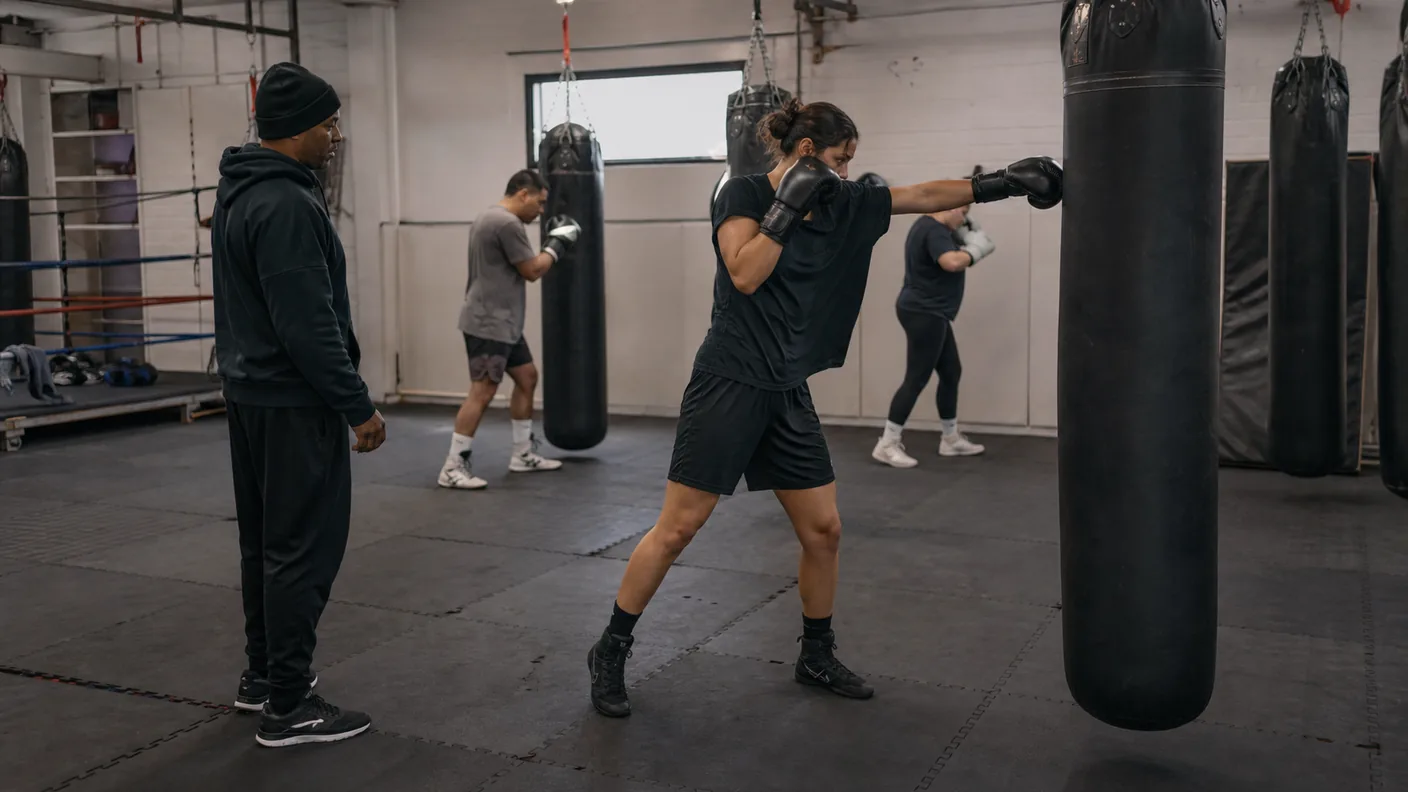
Boxing Weight Shift Drill: Stop Punching in Pieces
A simple boxing weight-shift drill that connects your punches, defence and footwork without turning every movement into a big shot.
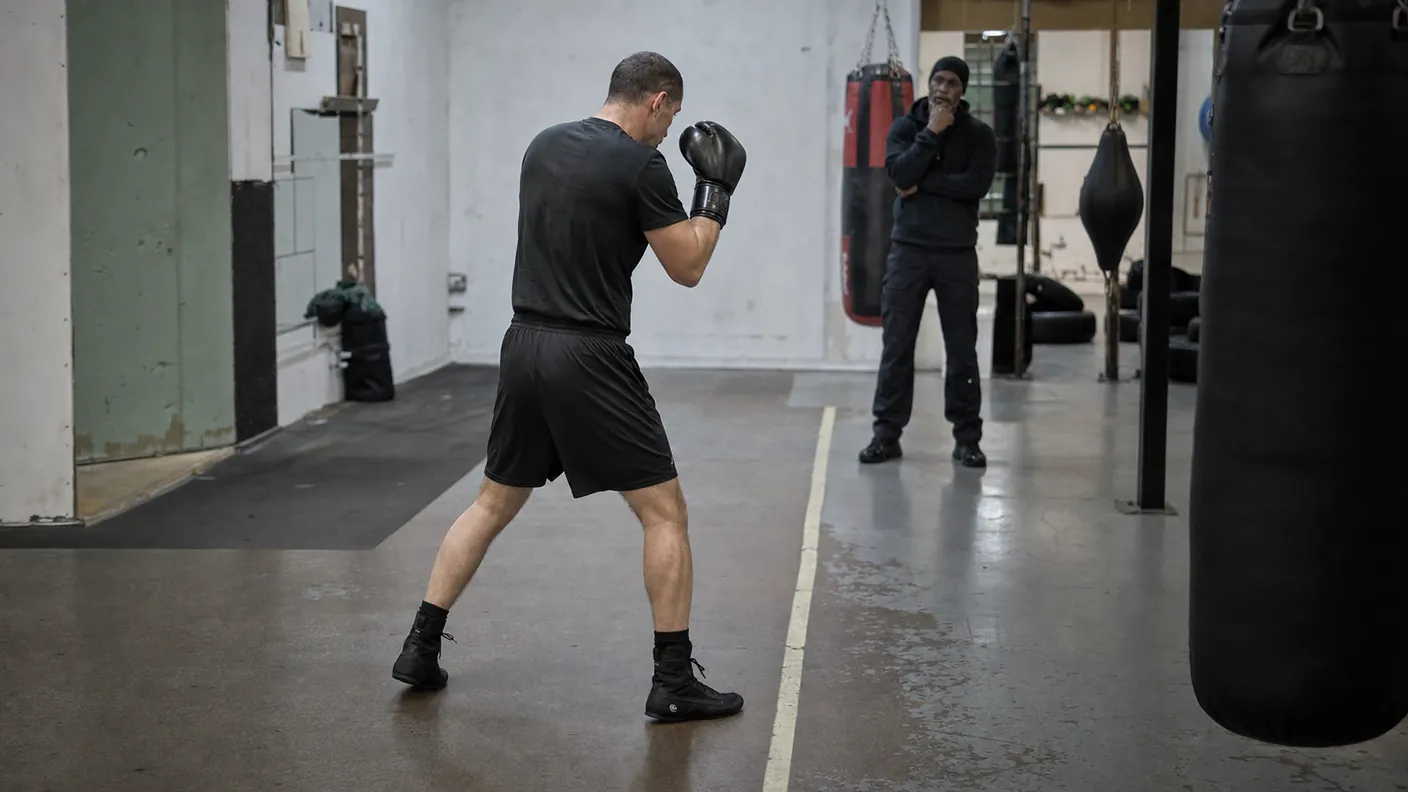
The Floor-Line Drill for a Better Boxing Stance
Use one line on the floor to build a boxing stance that stays balanced, mobile and ready to punch without standing square.
Was this page helpful?
It takes one tap, and it genuinely helps.
Choose your next step
Turn this article into the right action
Some readers are ready to book. Some need the class route first. Pick the route that matches what you actually want.