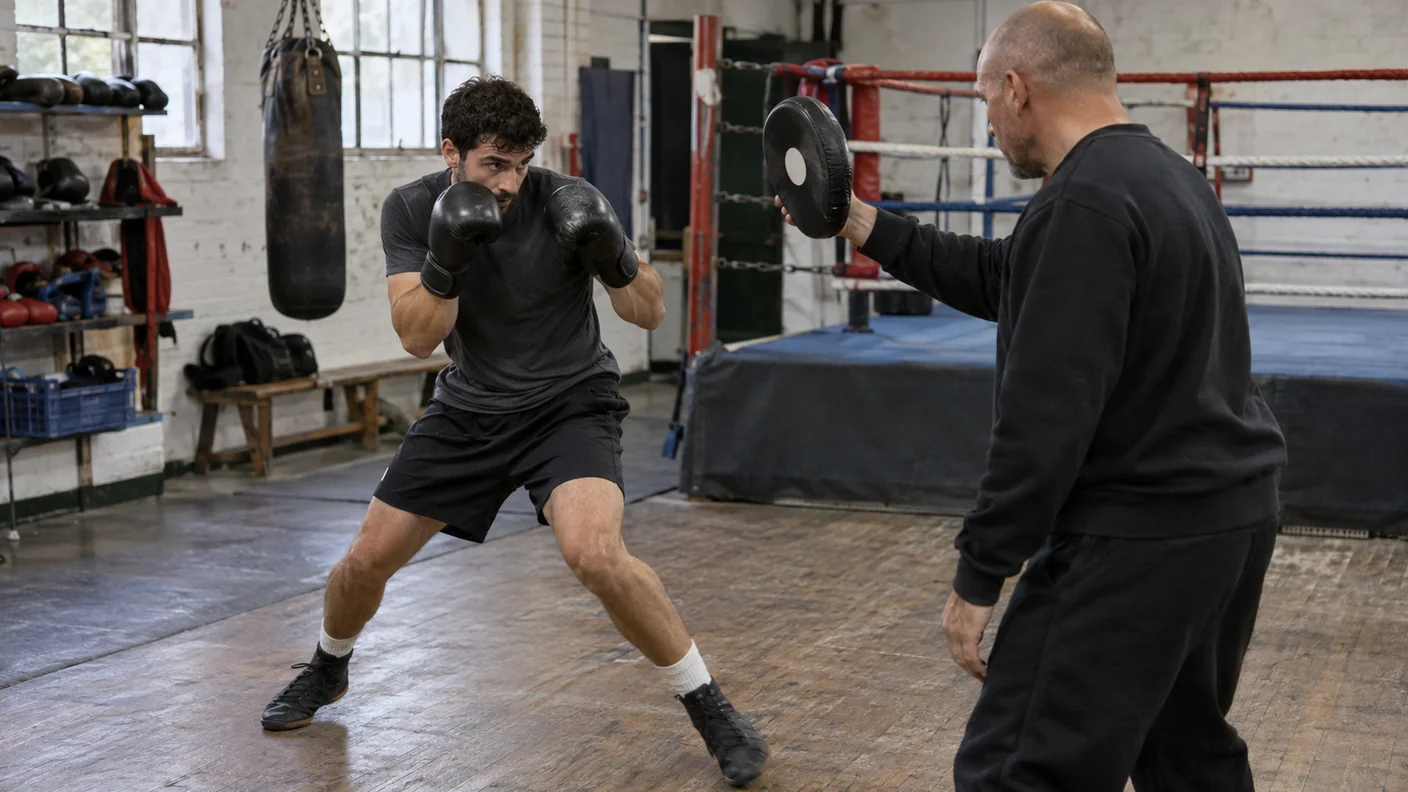
A stance shift can make a boxer look clever for half a second and helpless for the next two. That is why most boxers should treat it as a route to a new angle, not a trick to throw into every exchange.
The D'Amato shift is one version of that idea. You move through a compact stance change, take your head away from the original line, then arrive where one hand has a shorter, clearer route. Done well, it can help set up a short hook or uppercut. Done badly, it leaves your feet crossed, your chin in the middle and both hands late.
This is advanced technical work. The useful version for a recreational boxer is quiet: learn the shape, protect the transition and prove that you can defend or reset after it. If you cannot do that, the shift has not helped you.
The video below is a useful visual reference for the relationship between angle, level and a short uppercut. Watch the feet and the guard before you watch the finish.
What the shift is actually for
The purpose is not to surprise somebody by swapping stances. The purpose is to leave the original line without losing your boxing position.
Imagine an orthodox boxer at close or middle range. A compact shift can bring the right side closer to the centre while moving the head slightly away from the opponent's rear hand. That may give the right hook to the body or right uppercut a better route. The same idea works in reverse for a southpaw.
But the shift does not create a free punch. If the other boxer has stepped away, covered the middle or brought a second punch, there may be nothing useful to throw. The correct finish can be a high guard and a small exit.
That is the difference between a technical movement and a party trick. The movement has to leave you with choices.
Start with the feet, not the uppercut
People often see a shift followed by an uppercut and try to recreate the punch first. That is backwards. The feet decide whether the punch has an honest route.
Start in your normal stance, hands home and knees soft. Make a small shift so that you arrive in the opposite stance without putting either foot directly in front of the other. Your steps should be short enough that you can stop on either side of the movement.
Freeze at the end. Can you bend both knees? Is your chin still behind a shoulder? Can each glove return to a useful guard? Could you take one step out without untangling your feet? If not, make the movement smaller.
The England Boxing coaching handbook puts stance, balance and controlled movement ahead of complicated attacks. That is a sensible order here: if the shift has spoiled your stance, it has not set up anything useful.
This is the standard that matters. A shift that travels a long way but needs two repairs afterwards is not a useful entry. It has given away the next exchange.
Our forward shift guide covers the basic job of changing lead foot while taking ground. This version has a narrower purpose: use the changed angle to make a short shot possible only when the new position is genuinely secure.
The head has to move with the feet
A shift is dangerous if the feet move but the head stays on the old centre line. That is how a boxer steps neatly into the punch they hoped to avoid.
Do not bend at the waist or dive forward. Let the knees soften, keep the back long and move the body as one unit. The head changes line because the stance and hips have changed, not because you have lunged underneath an imaginary punch.
Your eyes should remain on the chest and shoulders in front of you. Looking at the floor is a common way to lose the distance and forget the guard. Looking only at the target hand is another mistake. The other boxer can still change the picture while you are admiring your own feet.
A review of boxing performance describes movement, defence and attack as connected decisions rather than isolated actions. In gym terms, the feet and head position have to agree with the punch you are considering.
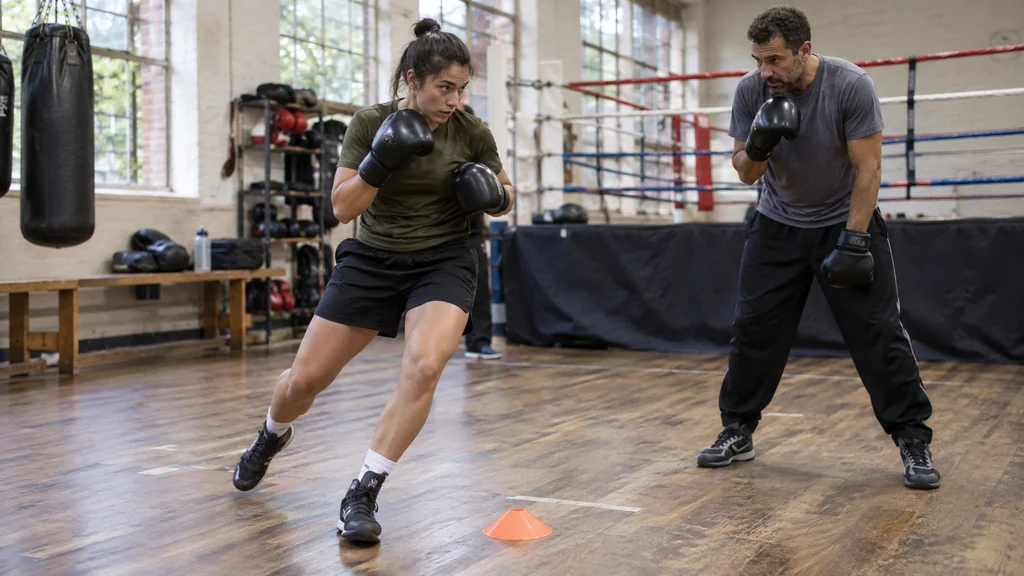
A coach can test the position without hard sparring. After you land in the new stance, ask them to show a mitt on either side. If you cannot cover it, the transition is too big or the hands have wandered. Do not add a punch until the answer is tidy.
The short body shot can open the middle
The most tempting version of the shift is body shot followed by uppercut. It makes sense because a compact hook to a coach-held body shield can ask the guard to lower, then a vertical punch can travel through the middle.
The important word is can. The body shot does not force a predictable reaction, and nobody should train it as a guaranteed sequence. A good partner may cover low, step out, smother the space or answer with their own guard.
Start with one controlled body touch to a shield. Bring the hand home. Reset. Only when the feet and guard remain organised should the coach present a second mitt for a light uppercut. Keep the uppercut short. If you need to pull the hand back to your hip, the range or position is wrong.
Our guide to the lead-hand frame and lead uppercut looks at a different close-range route. The common rule is simple: do not force an uppercut into a space where there is no safe line for it.
A three-round D'Amato shift drill
Use floor tape or two small markers, gloves and a coach. There is no need for hard contact. The goal is to make the stance change calm enough that it survives a decision.
Round one: shift and freeze
Set the markers just wider than your normal stance. Begin in your ordinary stance, make one slow shift and hold the opposite stance for one count.
Check the distance between your feet, the bend in your knees and both gloves. Then return the same way. Work both directions slowly. Do not try to make the shift explosive before it is controlled.
Round two: shift, cover or reset
The coach now gives one simple picture after the shift. They can hold a mitt high on either side, hold both mitts still, or take one step back.
If a high mitt appears, cover with the correct glove and settle. If the mitts stay still, hold your guard and reset. If the coach steps away, do not reach after them. Return to a normal stance or take one measured step to restore range.
This round makes the key point clear. A shift is not a command to punch. It is an adjustment that should leave you able to make the next sensible choice.
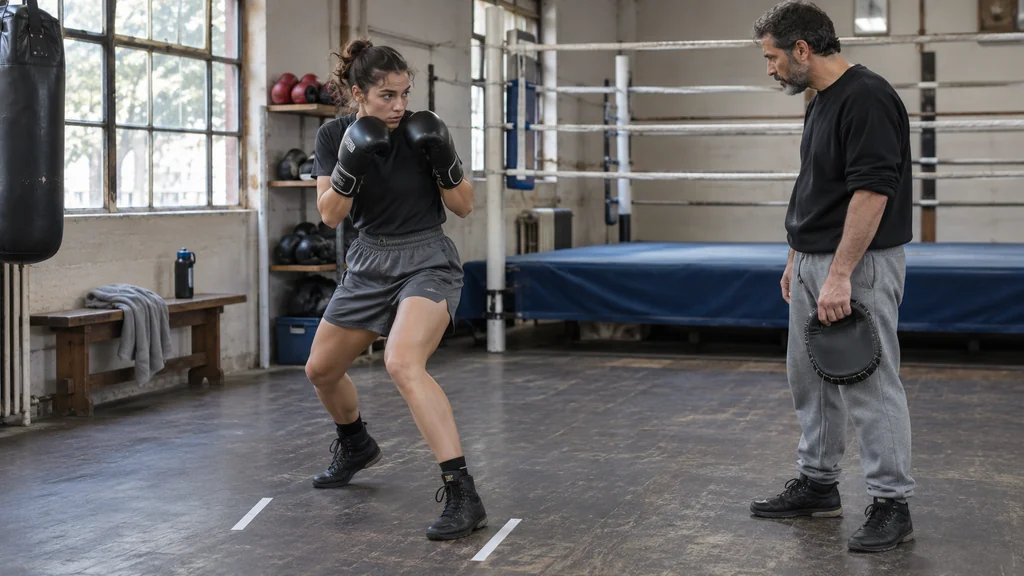
Round three: body touch, then decide
Start at a distance where a body shield can be reached without your chest passing the front knee. Shift into the new stance, touch the body shield with one compact hook, then bring the glove home.
The coach chooses the next picture. A high mitt can invite a light uppercut. A covered mitt means guard and exit. No mitt means reset. Keep the repetitions separate enough that you can tell whether the stance is working or merely carrying you forward.
Four mistakes that spoil the drill
The first is crossing the feet. A shift changes stance, but it should not leave your legs tangled. If the back foot has to chase the front foot just to save your balance, slow down.
The second is throwing the uppercut from too far away. A short uppercut belongs at short range. At long range it becomes a lifted arm and leaves the middle open. Use a jab or a normal step if you still need to travel.
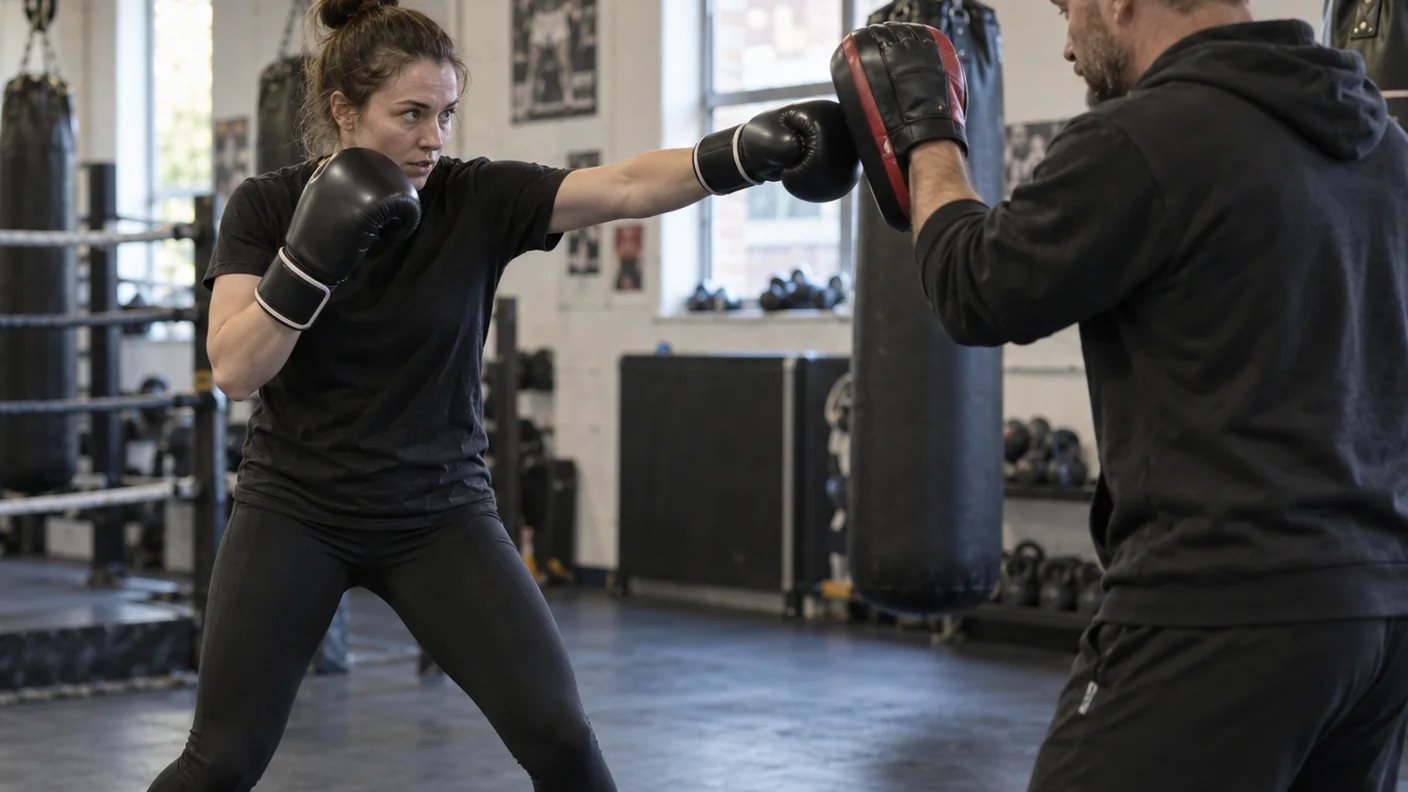
The third is letting the rear hand disappear during the body shot. The body attack can feel satisfying, but the other glove still has to guard the face. A coach should be able to show a return mitt without finding you open.
The fourth is treating the shift as an identity. You do not need to become a switch hitter because you have learnt one movement. Use the shift only when it gives you a clear reason to change the angle. Ordinary stance, ordinary jab and ordinary footwork solve most problems more safely.
For adults in Kidbrooke, Greenwich and nearby, our Recreational Adults boxing classes build stance, guard, pad work and footwork before advanced angle changes are introduced.
The coaching cue is simple: shift small, arrive guarded, then earn the next shot.
H&G Team
Writer at Honour & Glory Boxing Club, a community boxing gym in Kidbrooke, South East London.
KEEP READING
Jab-Led Double Shift: A Boxing Footwork Drill
Use a controlled double shift behind two light jabs to change stance, return safely and stop the feet freezing between actions.
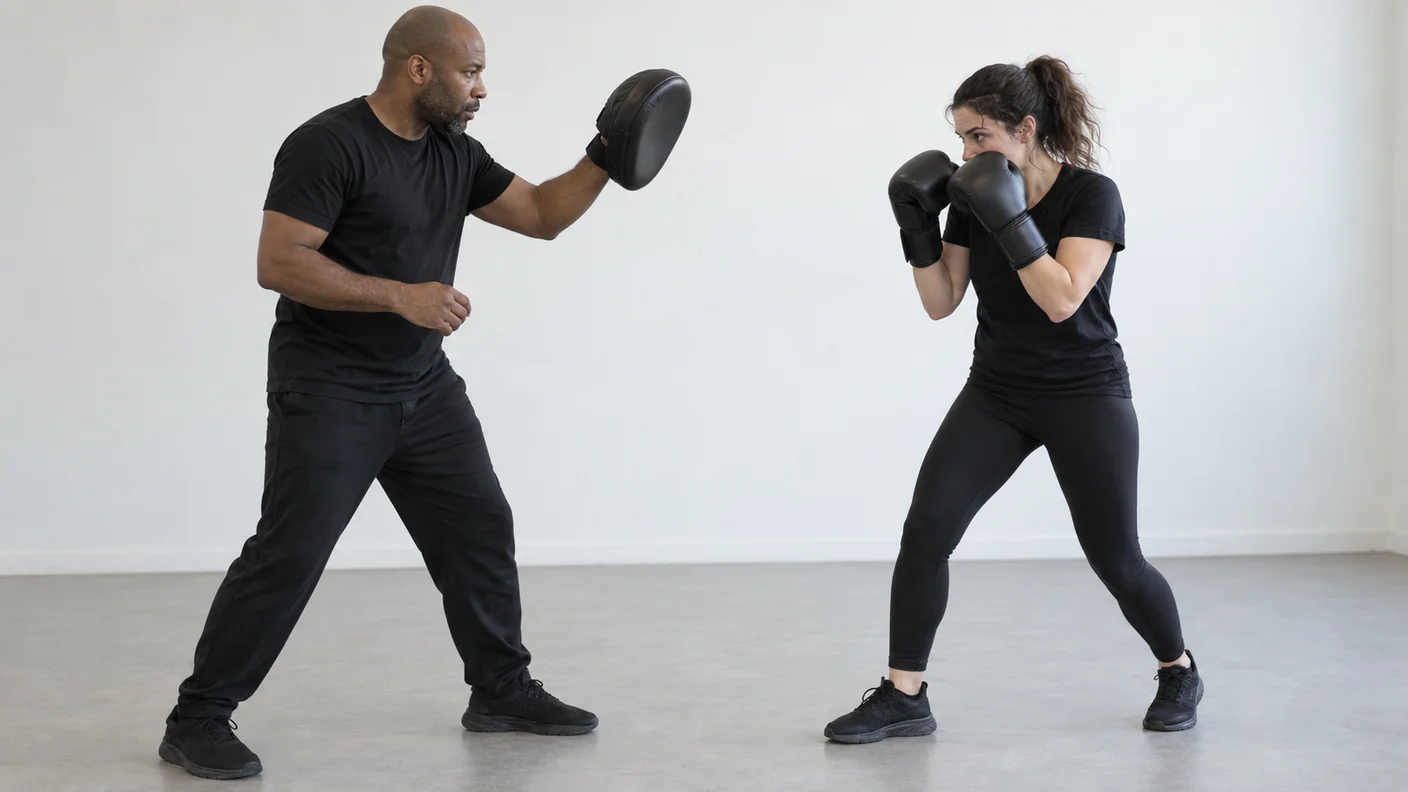
Backward Shift Boxing: A Controlled Exit Drill
Use a backward stance shift to create space only when you can land safely, protect the transition and work from either stance.
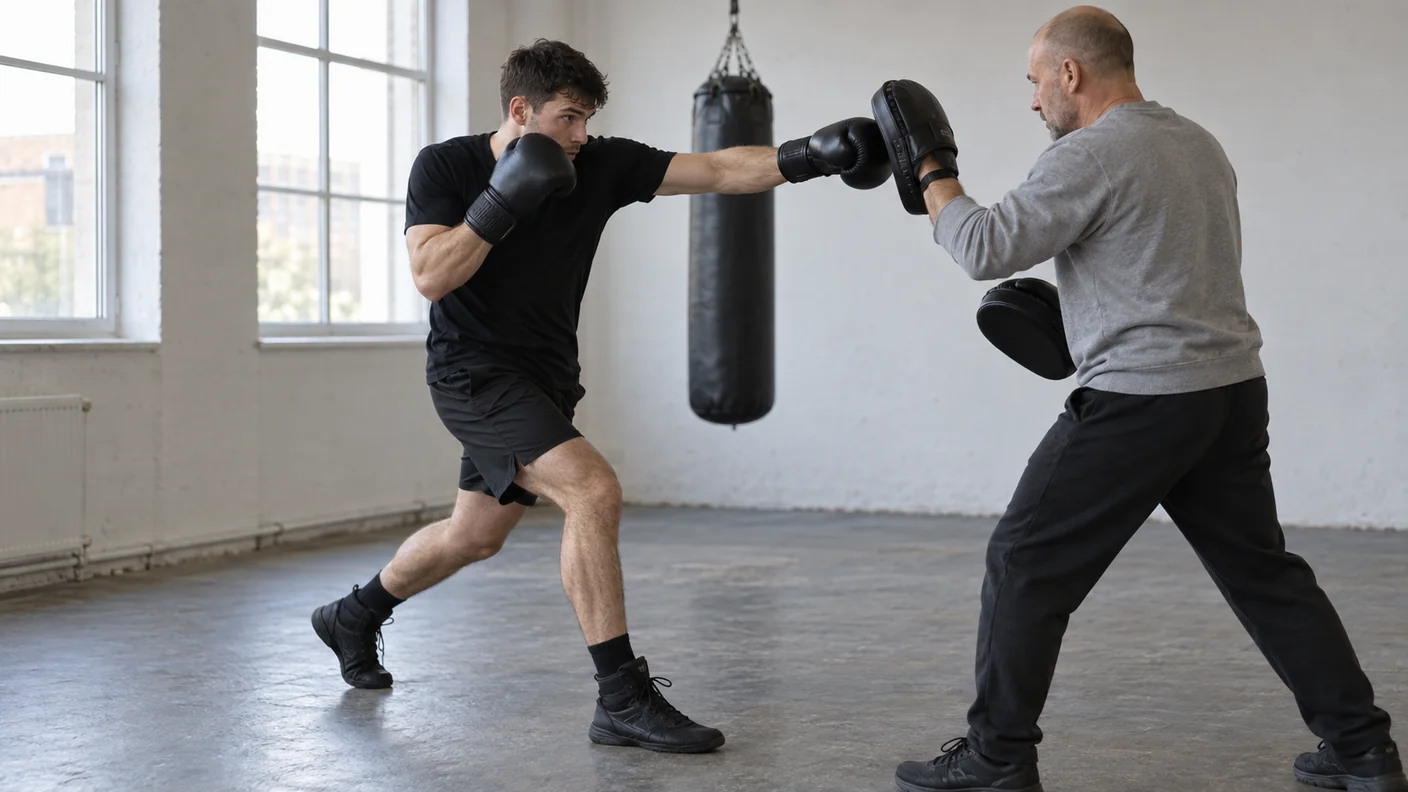
Forward Shift Boxing: Close Distance Without Lunging
Use a controlled forward stance shift to close distance only when your guard, feet and next decision stay organised.
Was this page helpful?
It takes one tap, and it genuinely helps.
Choose your next step
Turn this article into the right action
Some readers are ready to book. Some need the class route first. Pick the route that matches what you actually want.