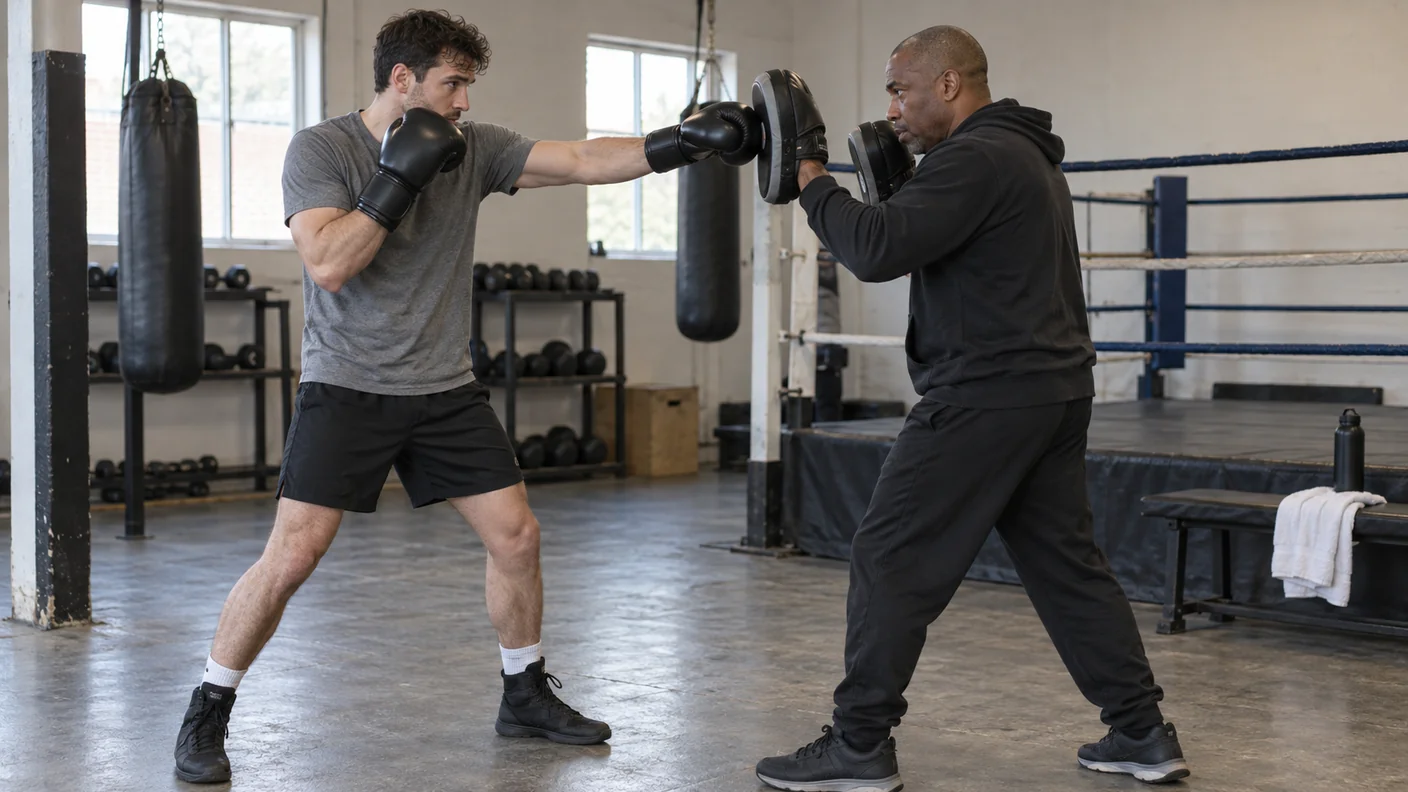
A lead uppercut needs closer range than a jab. That sounds obvious, but it is where plenty of boxers make the punch go wrong. They see a high guard, reach from too far away, drop the other hand and scoop upwards from the floor. The uppercut becomes slow, visible and easy to answer.
A brief lead-hand frame can help you feel when the range is actually there. This does not mean pushing somebody across the gym, holding their guard down or trying to copy a professional fight in hard sparring. It is a light, momentary contact in a coach-led drill: touch the outside of a glove or a raised mitt, find your own balance, then decide whether a compact lead uppercut has a sensible line.
Watch the short demonstration below, then use the drill to learn the distance before you try to add speed.
The frame is a range check, not a shove
At close range, your eyes can tell you that you are near. Your lead hand can give you a more exact answer.
A light frame is a brief touch with the open glove or forearm against a coach-held mitt, the outside of a glove, or a body shield. The elbow stays bent. The shoulder stays relaxed. The rear hand remains close to the cheek. You are not trying to move the other person. You are checking whether you are close enough to use a short punch without leaning into it.
That distinction matters. If you have to straighten the lead arm fully, lock the elbow or push your head forward to make contact, you are not in good uppercut range. You are still outside it. The right answer is a jab, a small step, a reset or no punch at all.
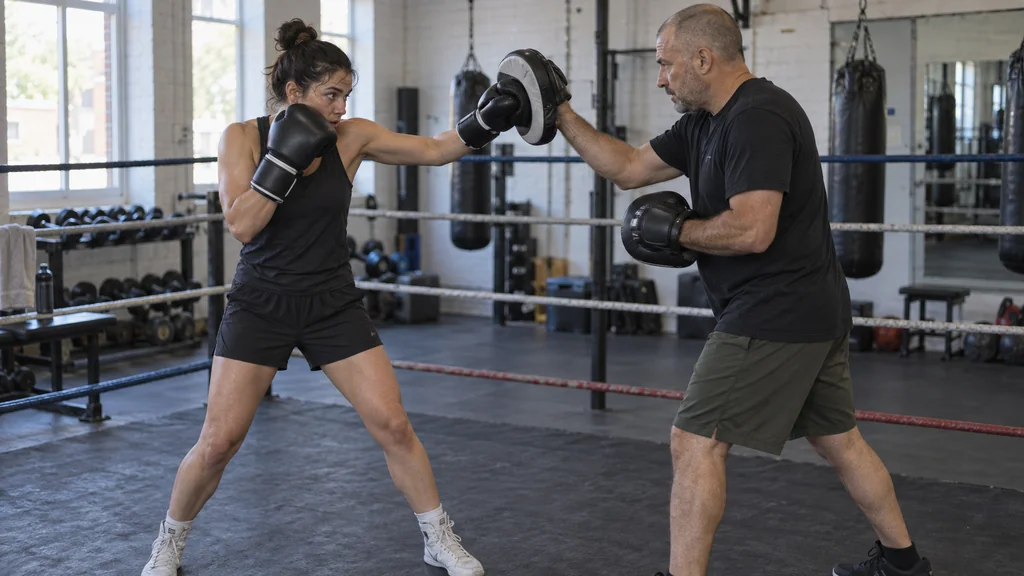
England Boxing's coaching handbook puts balance, stance and controlled progressions before busy combinations. That is a useful test here. After the touch, can you cover your chin, take a small step and bring the hand home without rearranging your feet? If not, the contact was too long or the range was wrong.
For the wider close-range problem, read how to make space in close-range boxing. The point is not to force room where none exists. It is to recognise whether your position gives you a short, safe punch or a reason to leave.
Find the lead uppercut from your stance
The lead uppercut is not a small jab with the fist tipped upwards. It comes from the legs and the lead-side turn, on a compact line through the middle.
For an orthodox boxer, let the left knee soften and the left hip turn a little as the glove rises. The elbow stays under the fist rather than swinging out behind you. The rear glove remains at the cheek. Southpaws reverse the sides, but the job stays the same: use the lead side without leaving the opposite side of the face unattended.
The punch should be short enough that the glove can return immediately. A technical review of boxing performance describes punching as a connected action involving the legs, trunk and arms rather than an isolated arm movement. That is exactly what you should feel. If the hand has to hunt for the target after the hip has finished turning, the punch has become a reach.
Do not pull the glove down first to make the uppercut feel powerful. That announces the punch and leaves the chin open. The power comes from a settled base and a compact turn, not a dramatic wind-up.
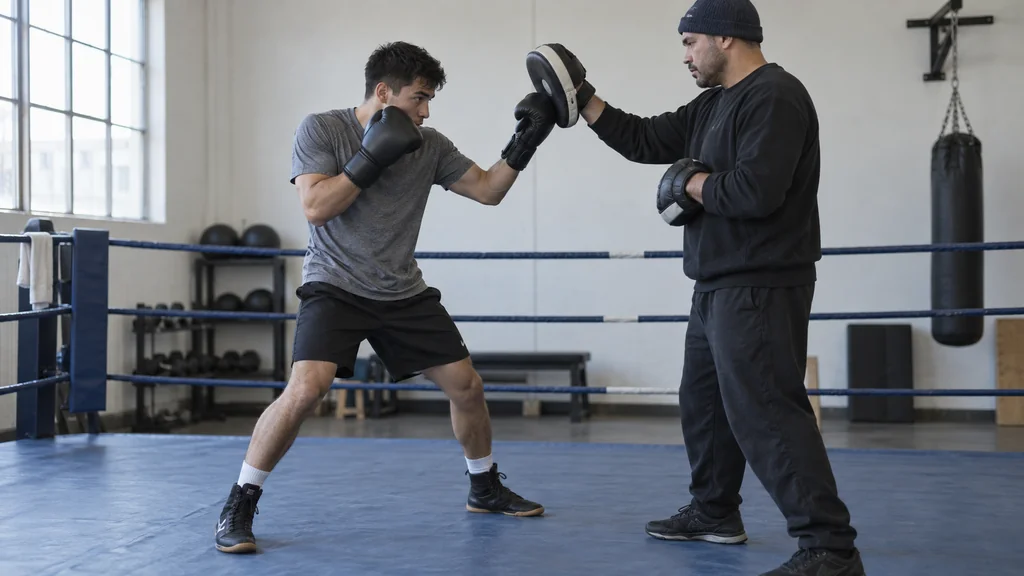
Our guide to the jab-to-rear-uppercut middle-range drill covers the same range discipline from the other side. That version uses the jab to arrive. This one starts closer and uses a light touch to stop you throwing the lead uppercut from empty space.
Build the drill in three rounds
Use a coach, a body shield or a trusted partner with agreed light cues. This is not an open-sparring sequence and it does not need contact to the head.
Round one: touch and reset
Start close enough that a bent lead arm can touch the coach-held mitt without the shoulders reaching forward. Make the light touch, hold it for one beat, then bring the glove back to guard and reset.
There is no uppercut yet. The coach should watch the rear glove, the head position and the feet. The boxer should be able to step in either direction after every repetition. If the front knee has collapsed inwards or the chest has fallen over it, move back and make the touch smaller.
Round two: touch, release, uppercut
The coach now gives the same stationary mitt. The boxer touches it briefly, brings the glove away from the mitt, then places a light lead uppercut on a second close mitt.
The release is important. It prevents the hand from staying on the target while the punch begins. Touch, let go, short uppercut, guard. Keep the target low enough that the coach can hold it safely, but do not make the boxer fold at the waist to find it.
A clean rep should feel quiet. The feet do not jump. The rear hand does not disappear. The glove travels up a short lane and returns home.
Round three: decide whether the shot exists
Now vary the picture. Sometimes the coach gives the light frame target and then a close uppercut mitt. Sometimes the coach takes the mitt away, steps back or closes the space with a body shield.
When the uppercut mitt appears at honest range, touch, release and land the controlled shot. When it disappears, bring both hands home and reset. When the distance is crowded, cover or make the coached exit instead of trying to force the punch through the middle.
That is the useful lesson. The frame is not a signal that an uppercut must follow. It is a quick piece of information that helps you decide.
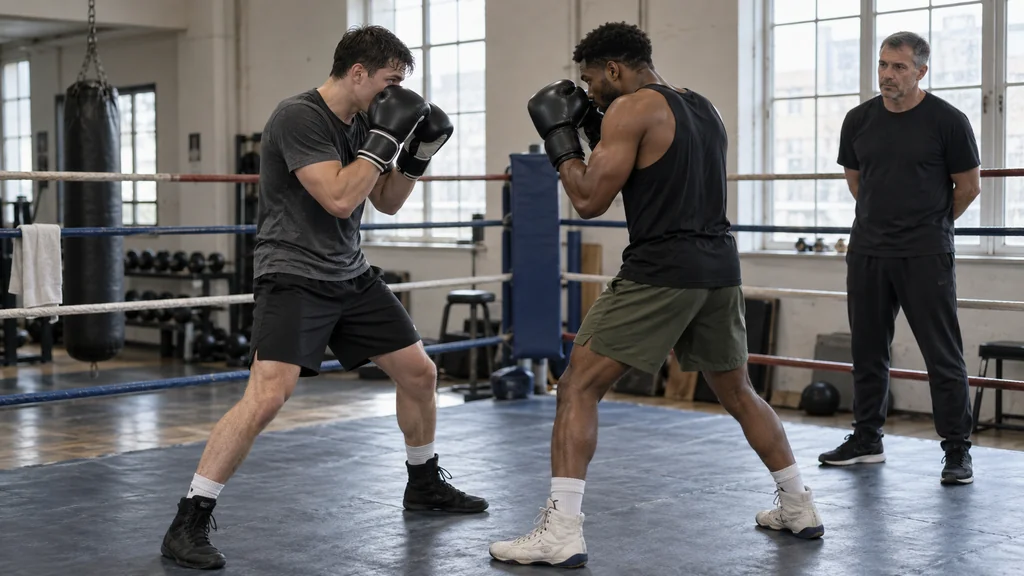
Four mistakes that make the drill unsafe
The first is treating the frame as a push. A brief touch gives you range. A shove takes both hands and attention away from boxing. Keep the contact light and short.
The second is holding the glove in place while throwing. The touch must end before the uppercut begins. If one hand is still fixed on the target, you are no longer practising a clean punch or a clean guard recovery.
The third is scooping the uppercut from below the waist. The glove should start close to guard, with the elbow under it. If you need to lower the hand first, reduce the speed and rebuild the punch shape.
The fourth is staying close after the shot. A short uppercut can put you directly in front of the other boxer. Return the glove to guard, take a small step or use the exit your coach has set. Punching without dropping your guard is the habit that keeps the whole drill honest.
Where this belongs in training
This is a later beginner or intermediate pad drill for somebody who already understands stance, guard and the basic uppercut. It is not a reason to rush into close range, and it is not a substitute for learning how to enter safely.
Keep the contact light. Keep the target coached. Do not practise prolonged framing, holding or pushing with a partner. The useful version is less dramatic than it looks in a fight clip: one touch, one decision, one short punch if the range is there, then a return to a position where you can box again.
If you are in Kidbrooke, Greenwich or nearby, our Recreational Adults boxing classes use pads and controlled partner drills to build close-range skills without treating every exchange as a contest.
H&G Team
Writer at Honour & Glory Boxing Club, a community boxing gym in Kidbrooke, South East London.
KEEP READING
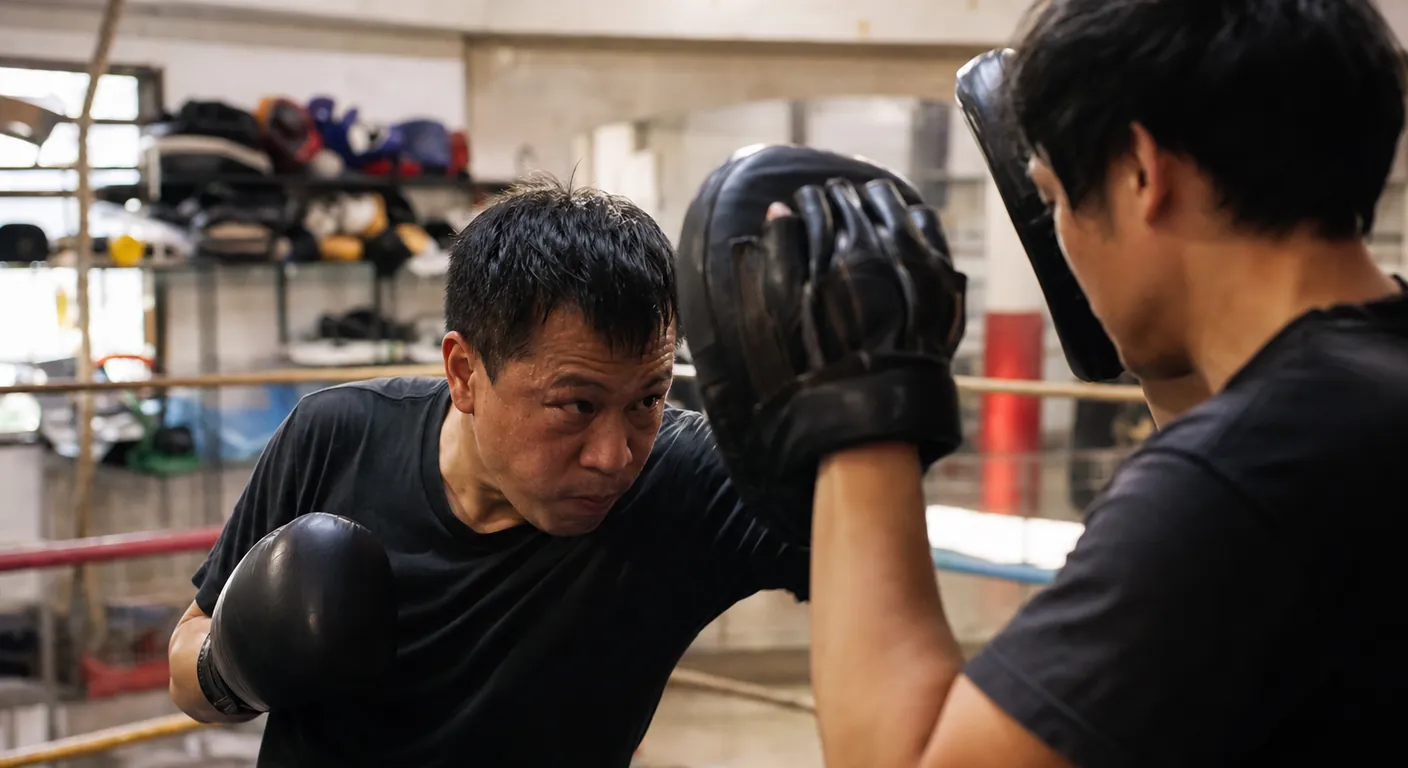
How to Throw an Uppercut in Boxing
Learn the short, mid and long uppercut ranges, with footwork, hip rotation and drills that stop beginners swinging from too far away.
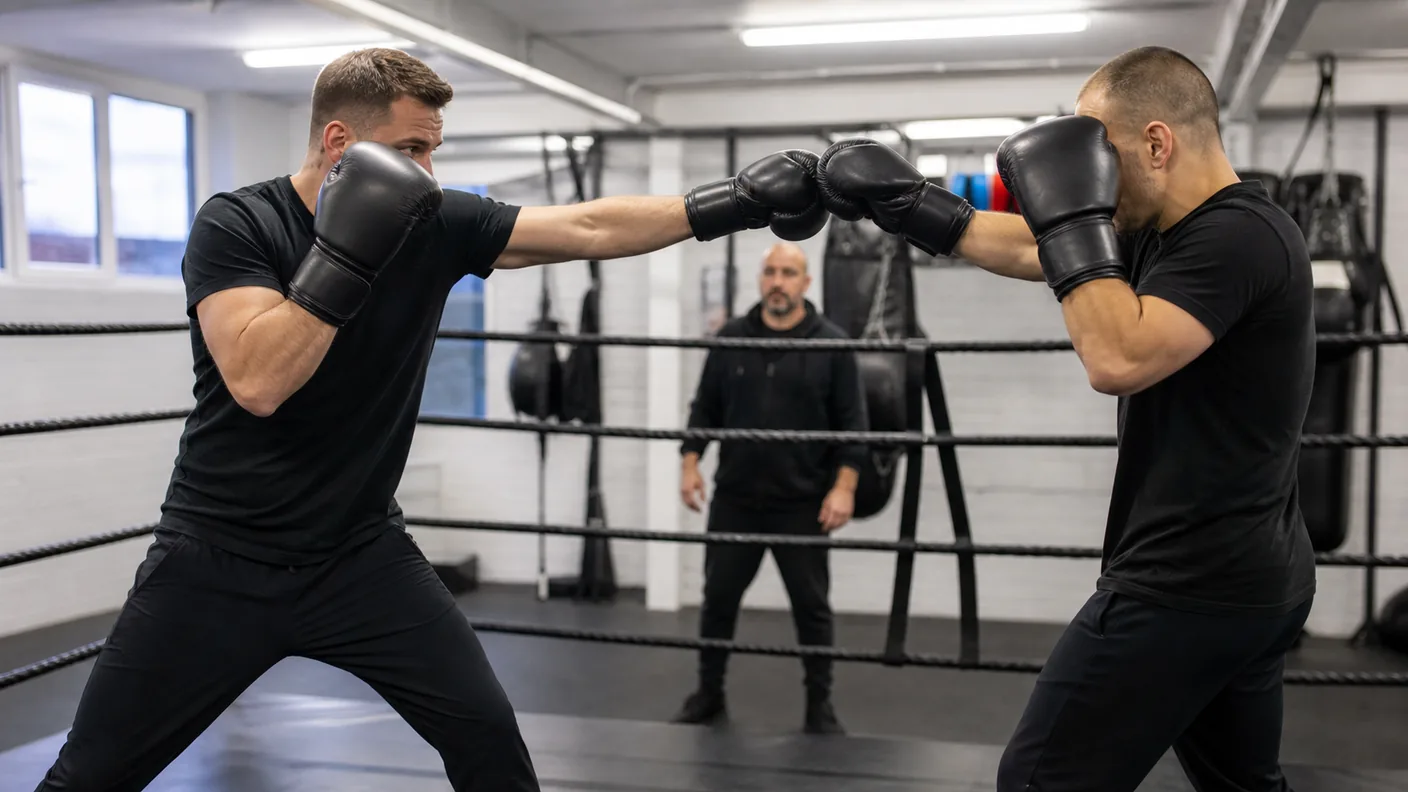
Lead Hand Control in Boxing Without Reaching
Use small lead-hand touches to disrupt the jab, manage range and create safer entries without turning boxing into an arm wrestle.
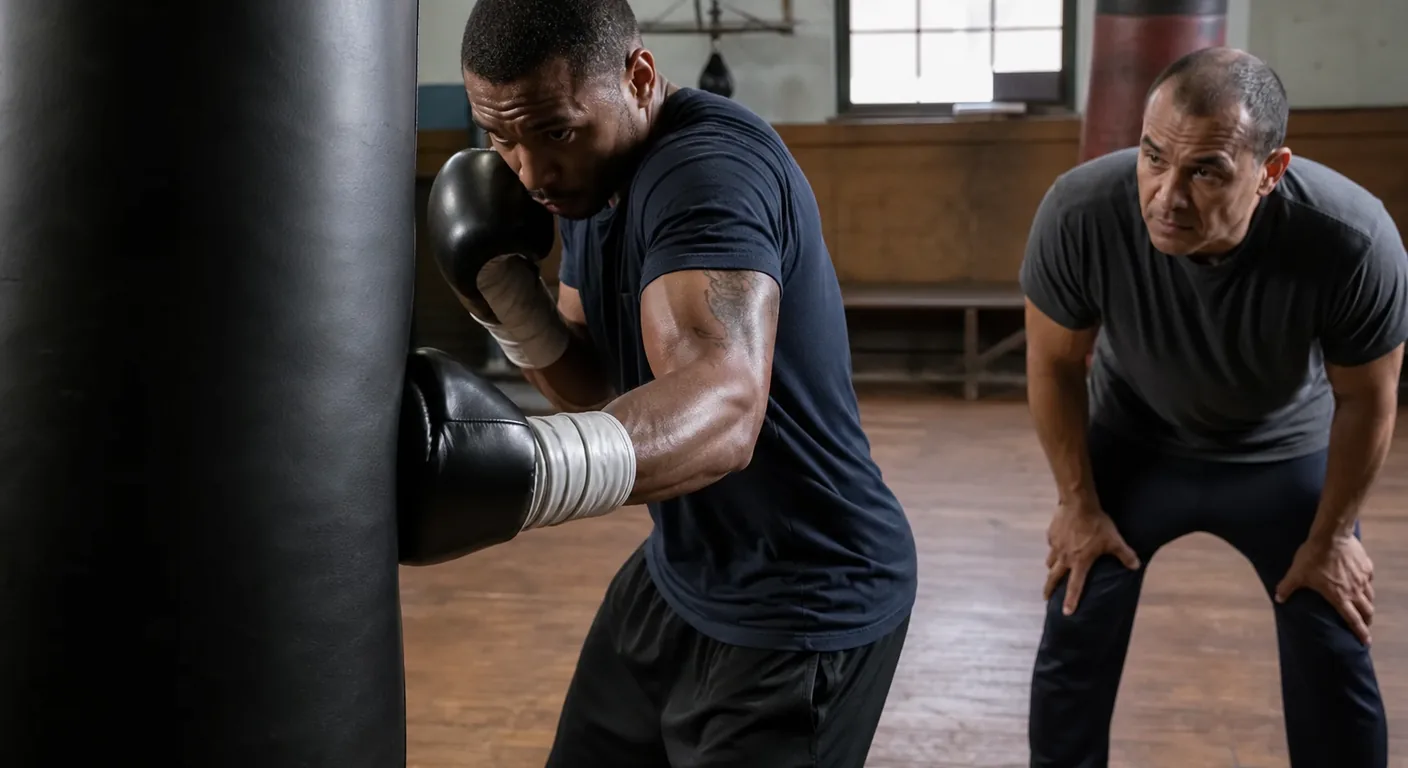
How to Throw an Uppercut in Boxing
Learn how to throw short, mid-range and long uppercuts without lifting your chin, swinging wide or losing your feet.
Was this page helpful?
It takes one tap, and it genuinely helps.
Choose your next step
Turn this article into the right action
Some readers are ready to book. Some need the class route first. Pick the route that matches what you actually want.