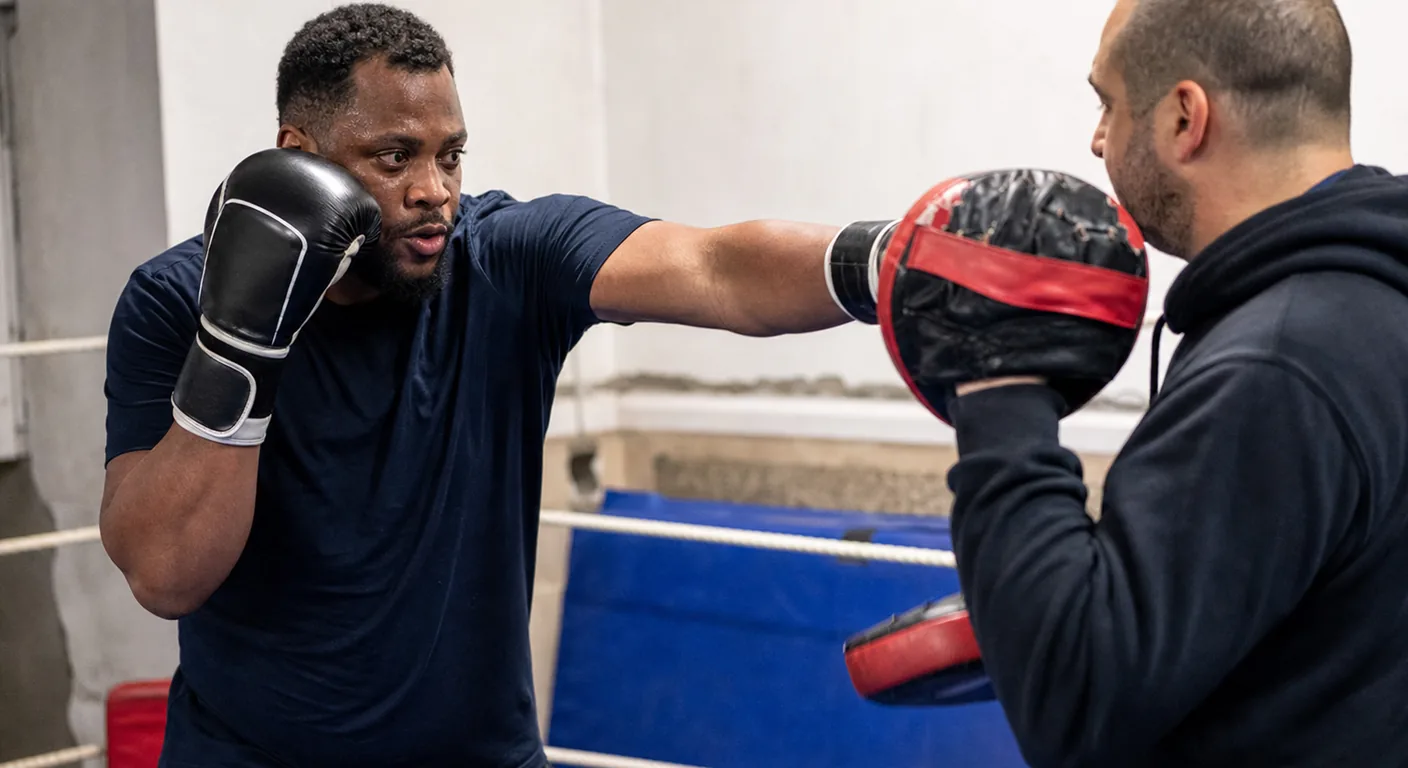
Most beginners separate punching and defence in their head.
They think they punch, then they defend. In real boxing, those two jobs overlap. The punch that leaves your chin open is not a good punch, even if it lands. The combination that finishes with both hands low is not a good combination, even if it looks busy on the bag.
Good boxing is more connected than that. Your shoulder covers while the hand travels. The other glove stays home. The punch comes back along a useful line. The next punch starts before a gap appears. The aim is not to hide behind the guard forever. The aim is to attack without giving the other boxer a free answer.
The short demonstration below is useful for one reason: it shows offence and defence as the same rhythm, especially at medium and close range. Watch the hands and shoulders, not just the punches.
Boxing research says the same thing in less gym-friendly language. A technical and tactical review of boxing performance describes boxing as punching, movement, defence, distance and tactical behaviour working together. A combat sports anticipation review also found that skilled fighters are better at reading early cues and choosing the right response. In plain English: the better boxer is not just throwing harder. They are safer while making decisions faster.
Here is how to build that habit.
The guard is not a waiting position
Your guard should be alive while you punch.
A dead guard is what beginners do when they freeze. Both gloves sit high, the boxer waits, then the punch comes out as a separate action. After the punch lands or misses, the hand drifts back whenever it feels like it. That is why the return shot gets through.
An alive guard moves with the work. When the jab goes out, the rear hand stays near the cheek and the lead shoulder protects the chin. When the right hand goes, the left hand is not floating by the chest. When the hook turns, the other glove is still able to catch, cover or frame. The guard changes shape, but it does not disappear.
That is the first coaching point: your guard is not a pause button. It is part of the punch.
If you are still building the base position, start with our guide to boxing stance and guard basics. This article assumes you can stand in shape before you start adding combinations.
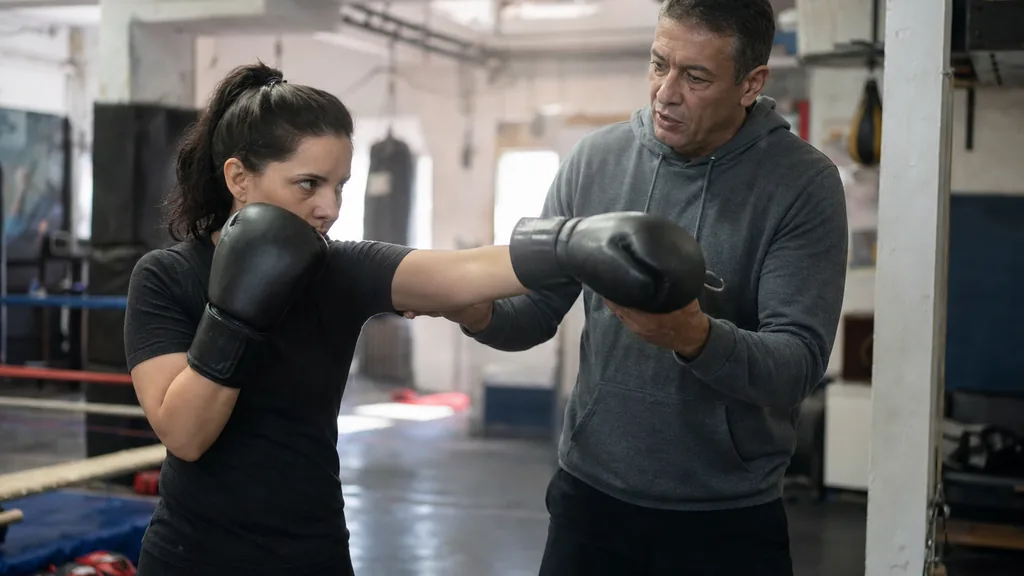
Why beginners get countered while attacking
Beginners often get hit during their own attack because the punch changes their shape too much.
The jab reaches, the chin follows it, and the rear hand drops. The cross turns, the back shoulder commits, and the lead hand falls away. The hook swings wide, the opposite glove opens, and the boxer finishes square. The mistake is not only a dropped hand. It is the whole body giving away a lane.
A counter does not need a huge gap. It only needs a moment where your hand is late, your head is still, or your feet cannot move. That is why clean punching has to include clean recovery. The punch goes out. The punch comes back. The shape is still useful.
This connects directly to what to do after you punch in boxing. The shot is not the end of the action. It is the middle. You still need a guard, a base, and a next decision.
A useful test is simple: freeze after every punch in training. Could you block from there? Could you step? Could you throw the next shot without rebuilding your stance from scratch? If the answer is no, the punch has cost too much.
Keep the non-punching hand honest
The hand that is not punching is usually where the mistake lives.
When you jab, the rear hand should protect the right side of the chin and cheek. Do not let it drift down because the jab feels light. The jab is often the punch that starts the exchange, so the reply is often coming straight after it.
When you throw the right hand, the lead hand should stay close enough to guard against the hook. This is where many new boxers get clipped. They throw the cross, enjoy the feeling of power, and forget that the lead side is now the obvious target.
When you hook, the opposite hand needs discipline. A hook already turns the body. If the other hand drops as well, you have created a doorway for the counter.
Use this cue: one hand works, one hand watches.
That does not mean the watching hand is stiff. It can catch, frame, touch, measure or cover depending on range. But it cannot go on holiday.
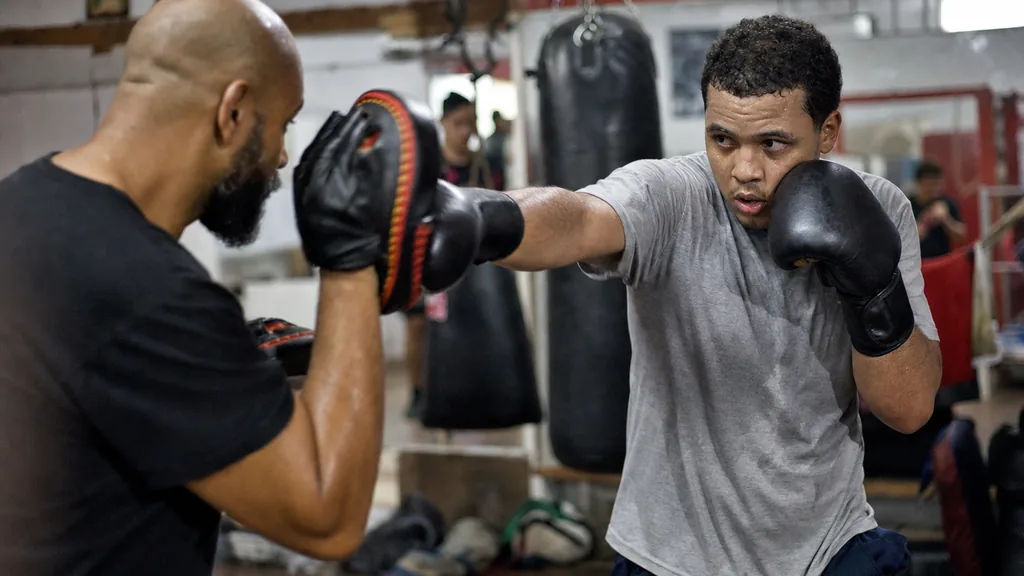
Let combinations close the gaps
A good combination can protect you if the punches are connected.
At medium and close range, pauses are dangerous. If you throw one punch, stop, admire it, then throw another, the opponent has space to answer between your shots. If your hands and shoulders keep working in order, the openings are smaller. The next punch covers some of the return lane while it attacks.
That does not mean rushing. It means linking the punches so the end of one action creates the start of the next.
A jab can bring the shoulder high and blind the view. The cross can follow before the opponent has fully read the jab. The lead hook can come back over the top while the right hand returns. Each punch has a defensive job as well as an attacking job.
Try this on the bag:
- Jab, freeze, check rear hand.
- Jab-cross, freeze, check lead hand.
- Jab-cross-hook, freeze, check stance and chin.
- Repeat for two minutes without chasing power.
If the freeze position gets ugly, slow down. The bag will let you get away with bad habits. Sparring will not.
For a broader combination structure, use our beginner boxing combinations guide. Then apply the stricter rule from this article: every punch in the combination must leave the next defensive option available.
Use the shoulder as part of the guard
The glove is not your only protection.
A good straight punch brings the punching shoulder up towards the chin. That shoulder is not decoration. It hides part of the jaw, narrows the target, and makes the return shot less clean. If you punch with a low shoulder and high chin, the glove may come back eventually, but the damage window is already open.
The jab should finish with the lead shoulder protecting the chin. The cross should finish with the rear shoulder turning through, not with the head floating upright. Hooks should rotate through the trunk while the chin stays tucked, not whip the head into the air.
Do not exaggerate this. A shoulder that is jammed into the ear creates tension and slows the punch. You want a natural cover, not a shrug. The shoulder rises because the punch is connected to the body, not because you are trying to wear it as a helmet.
A useful mirror round is jab only, no power. Watch whether the lead shoulder arrives with the glove. If the hand is extending but the chin is still naked, the jab is not finished.
Close range makes the rule stricter
The closer you are, the less time you have to repair mistakes.
At long range, a lazy hand might still have time to come back before the opponent reaches you. At close range, it gets punished immediately. Short hooks, uppercuts and body shots live in the same space as counters, shoulders, frames and clinches. There is no safe pause.
That is why inside work has to be compact. Short punches. Elbows returning. Chin down. Eyes up. Hips turning without the feet falling square. If the hands stop moving at close range, the other boxer has permission to work.
This does not mean flurrying blindly. Blind volume is not defence. The punches still need purpose. The point is that your hands should keep doing a job: hitting, covering, framing, smothering or returning home.
A strong close-range drill is simple:
- Partner holds pads at short range.
- Boxer throws short hook, short uppercut, short hook.
- After each punch, the non-punching hand stays at the cheek.
- Partner lightly taps the open side if the guard drops.
- Boxer resets, breathes, and repeats slowly.
The tap is not punishment. It is information. It tells you exactly where the counter would have been.
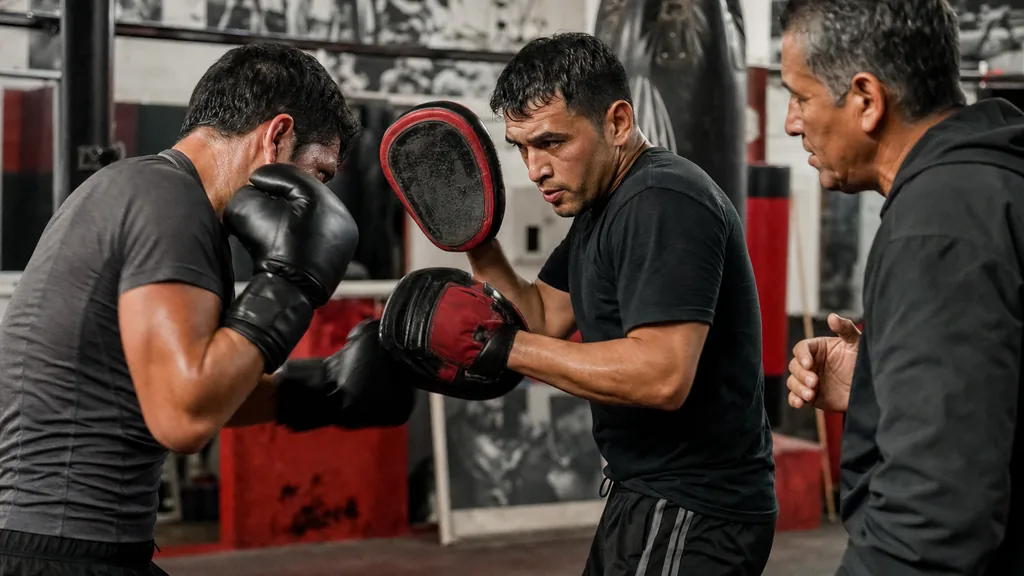
Do not confuse busy hands with safe hands
Fast combinations can still be poor boxing.
If the hands are slapping from the arms, the feet are square, the chin is high, and the punches are not returning to guard, speed is only hiding the mistake. The boxer looks active, but the defence is not there.
Safe hands have structure. The elbows know where home is. The shoulders move with the punches. The hands return through the same useful lane. The boxer can stop at any point in the combination and still be in a stance that works.
That is the difference between rhythm and panic.
Rhythm lets you punch and stay organised. Panic throws everything at once and hopes the opponent does not answer. In a coached class, we would rather see three clean punches with shape than seven rushed punches that leave the boxer open.
A three-round drill for this habit
Use this as a technical finisher on the bag, pads or shadow boxing.
Round 1: single punch and freeze
Throw one punch at a time. Jab. Freeze. Cross. Freeze. Hook. Freeze. Uppercut. Freeze.
After every freeze, check three things: chin covered, opposite hand home, feet still under you. If one of those has gone, repeat the punch slower.
Round 2: two-punch links
Throw two punches only. Jab-cross. Cross-hook. Hook-cross. Jab-body shot.
The second punch should not require a full reset. It should come naturally because the first punch returned cleanly and left the body organised. If the second punch feels forced, the first punch probably finished badly.
Round 3: add a defensive ending
Now add one defensive beat after the combination.
Jab-cross, guard. Jab-cross-hook, step out. Hook-cross, roll. Body shot, elbow home and reset.
This is where the habit becomes boxing rather than bag hitting. You are teaching the body that offence, recovery and defence belong in the same sentence.
Common mistakes
The first mistake is dropping the opposite hand. This is the obvious one, and it usually comes from chasing power. Keep the non-punching hand useful.
The second mistake is punching with a tall chin. If the shoulder does not help cover, the glove has to do all the work. It will be late.
The third mistake is finishing square. A square stance makes both hands feel available, but it also makes defence and movement worse. Keep the stance underneath the combination.
The fourth mistake is pausing between punches. A pause gives the opponent a clean turn. If you need to pause, make sure the guard is already home.
The fifth mistake is thinking this only matters in sparring. It matters on the bag because the bag is where most bad habits get repeated until they feel normal.
The coaching rule
Every punch should either protect you, move you, or set up the next useful action.
If a punch lands but leaves you open, it needs work. If a combination looks fast but collapses your guard, it needs work. If your hands are busy but your chin is available, the other boxer will solve the problem for you.
For newer boxers, keep the standard plain: hand back, other hand home, shoulder high, feet under you. Build that slowly, then add speed.
If you are in Kidbrooke, Greenwich or nearby, our Recreational Adults boxing classes teach combinations with the defensive details included. You learn to punch, recover, cover and make the next decision without turning every exchange into a gamble.
H&G Team
Writer at Honour & Glory Boxing Club, a community boxing gym in Kidbrooke, South East London.
KEEP READING
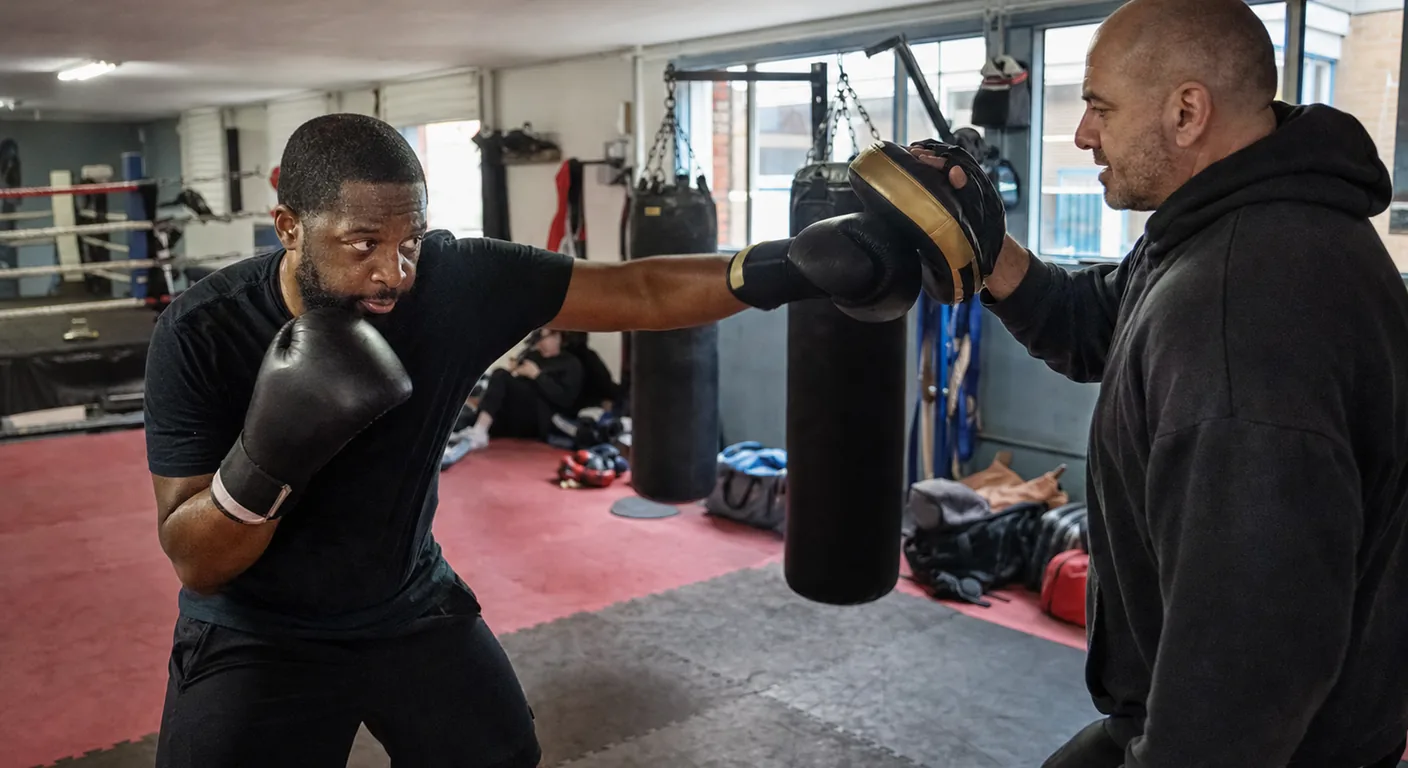
How to Punch in Bunches Without Getting Hit
Learn how to throw boxing combinations without pausing, reaching or leaving your chin available for the return shot.
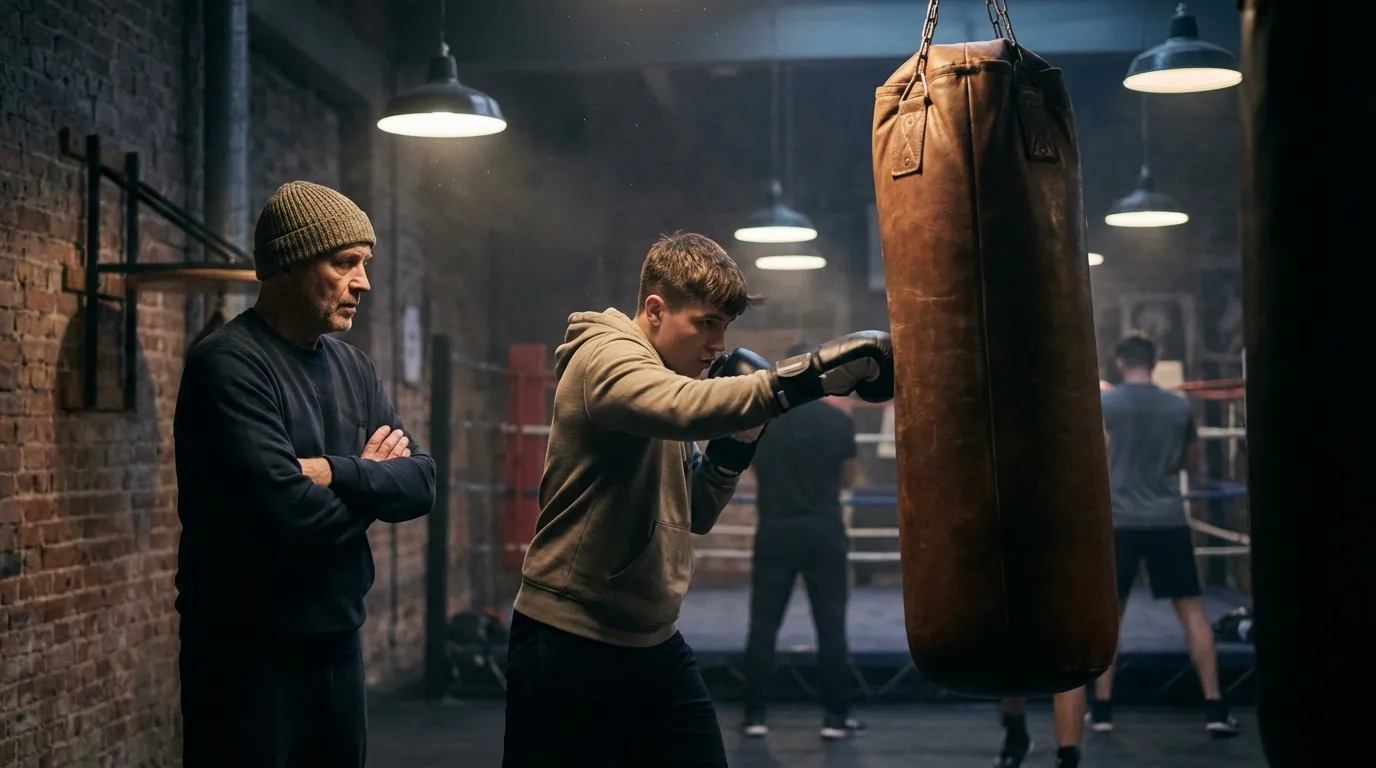
Boxing Combinations for Beginners
Learn the essential boxing combinations every beginner needs to know. From the basic 1-2 to more advanced sequences, these combos form the foundation of your offence.
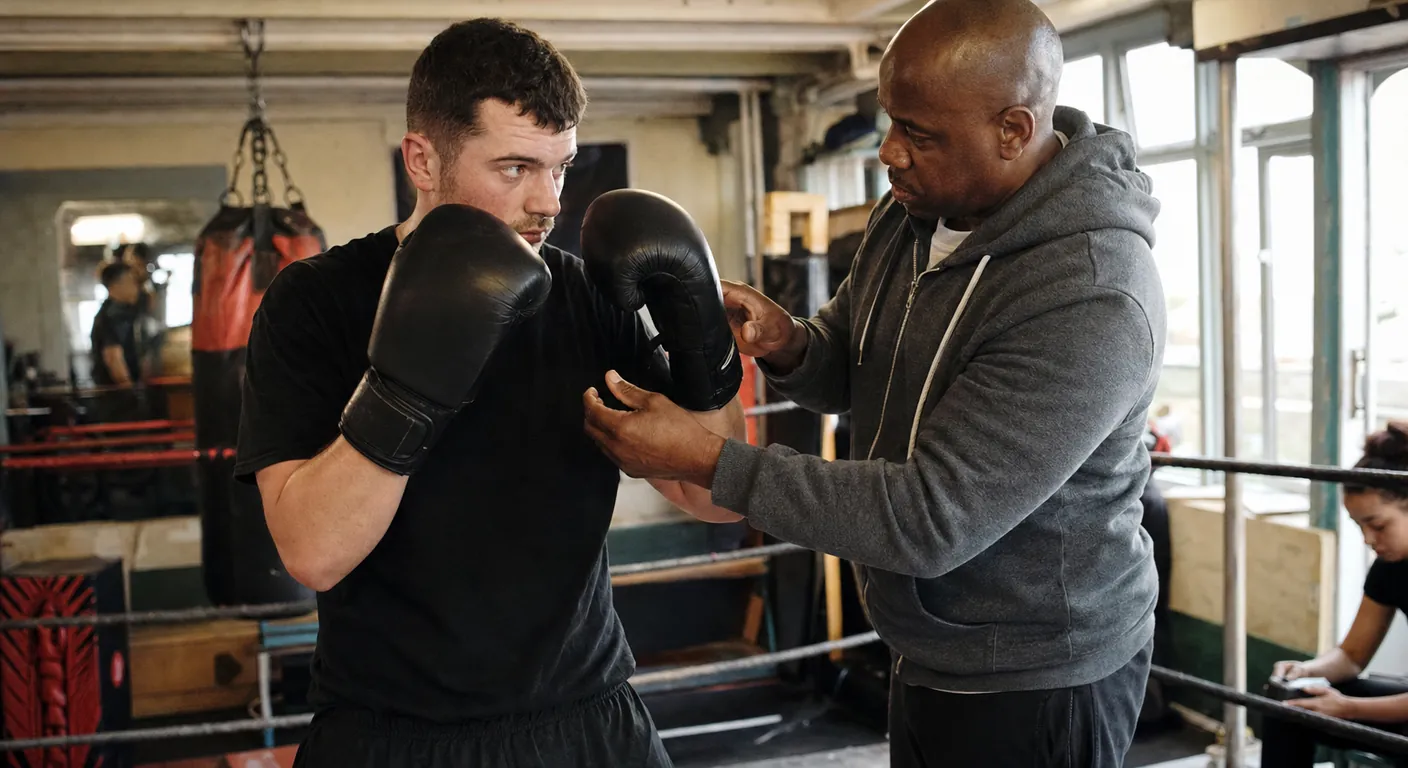
Boxing Guard: Do Not Squeeze Your Hands Together
A practical guard lesson for boxers who keep their gloves too narrow and lose shoulder position when they punch.
Was this page helpful?
It takes one tap, and it genuinely helps.
Choose your next step
Turn this article into the right action
Some readers are ready to book. Some need the class route first. Pick the route that matches what you actually want.