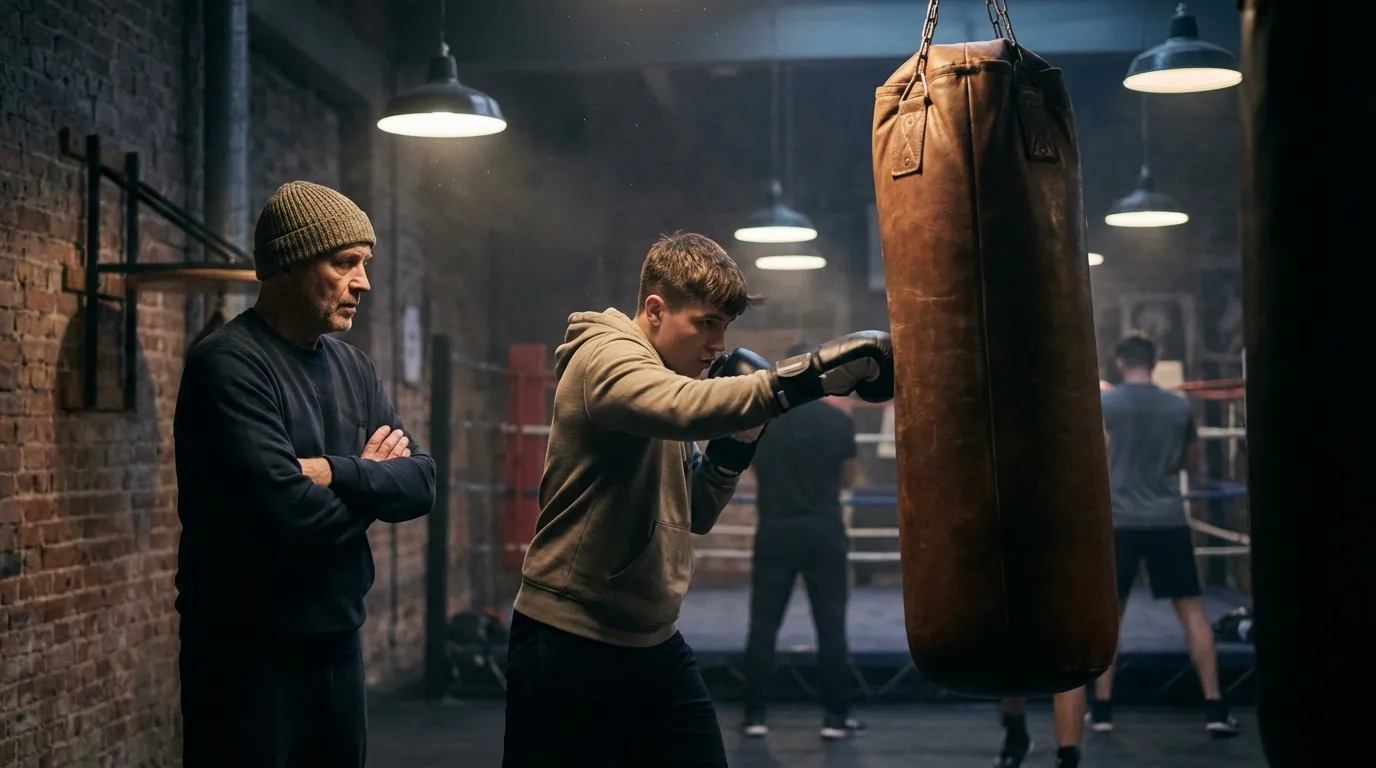
Research on punch sequence efficiency from amateur boxing biomechanics studies confirms that elite boxers average 21 punches per minute across three-round bouts, with combination accuracy being the primary differentiator between skill levels.
Single punches rarely win fights. What wins fights is combinations - punches that flow together, each one setting up the next. If you have ever watched a boxer land a flurry that sends their opponent to the canvas, you have seen combinations at work.
The good news for beginners: you do not need complicated 10-punch sequences. The most effective combinations are often the simplest. Learn these foundational boxing combinations and you will have a solid offensive game to build on.
How Boxing Combinations Work
In boxing, punches are numbered:
- 1 = Jab
- 2 = Cross (rear straight)
- 3 = Lead hook
- 4 = Rear hook
- 5 = Lead uppercut
- 6 = Rear uppercut
When someone calls out "1-2-3," they mean jab-cross-lead hook. Simple system, works everywhere.
Expert Boxing's beginner combination guide covers the foundational sequences that club-level boxers should master first, aligning with the approach used in H&G's beginner programme.
Combinations work because each punch naturally flows into the next. The jab extends your lead side, which loads up your rear side for the cross. The cross rotates your body forward, which winds up your lead hook. It is physics - use the momentum you create.
The Essential Beginner Combinations
The 1-2 (Jab-Cross)
This is the first combination you will learn and the one you will throw most often. It is simple, effective, and sets up everything else.
How it works:
- Throw a sharp jab
- As your jab returns, rotate your hips and throw the cross
- Return to your stance
The jab finds the target and the cross delivers the power. Think of the jab as the rangefinder and the cross as the payload.
When to use it: Pretty much always. Coming forward, moving back, off the counter. The 1-2 works in every situation.
The 1-1-2 (Jab-Jab-Cross)
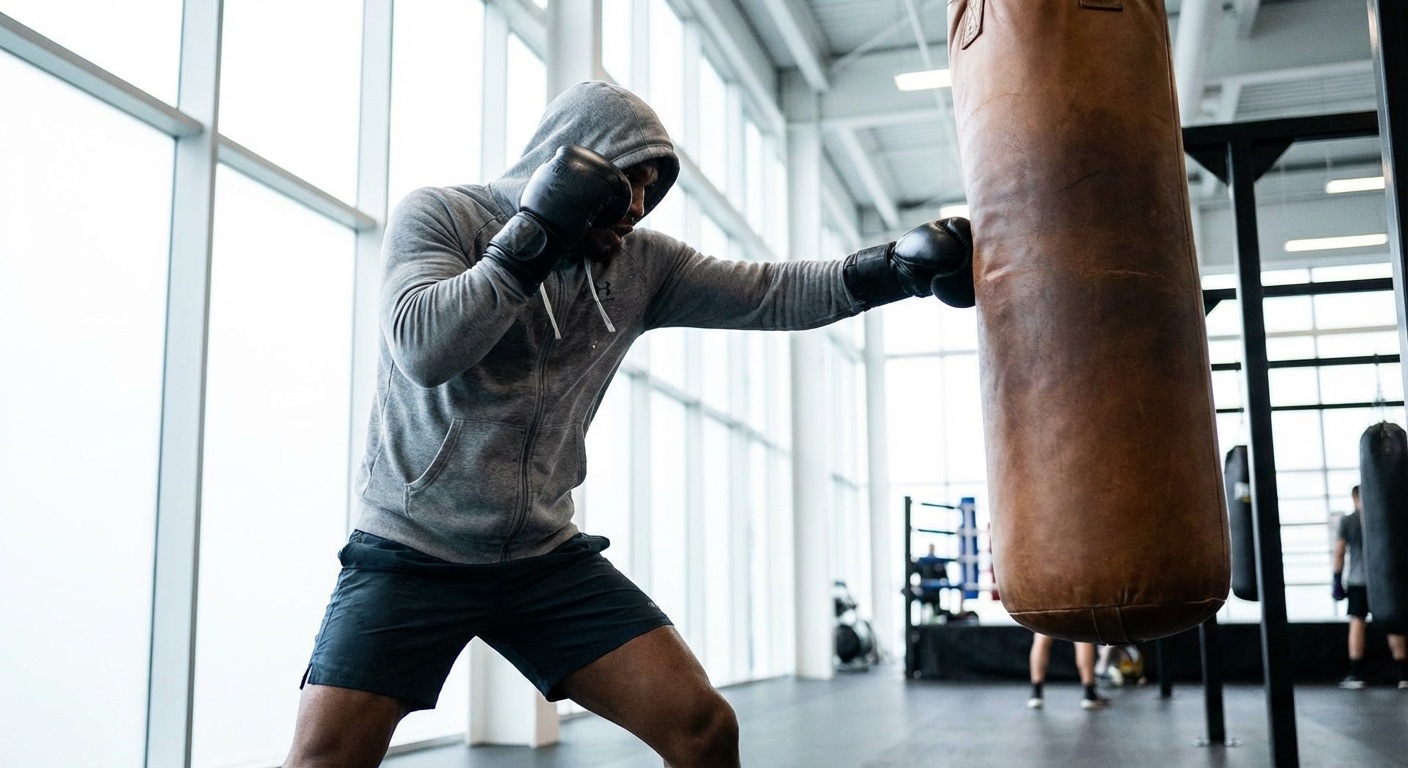
Adding a second jab before the cross changes the rhythm and makes the combination harder to predict.
How it works:
- Throw a quick jab
- Throw another jab (do not pause between them)
- Follow with the cross
The double jab disrupts your opponent's timing. They react to the first jab, then the second one catches them while they are still processing. By the time the cross comes, they are already behind.
When to use it: When your opponent is reading your basic 1-2. The extra jab throws off their counter-timing.
The 1-2-3 (Jab-Cross-Hook)
This is where it gets interesting. The hook comes around the guard that your opponent puts up to block the cross.
How it works:
- Jab to close distance and draw their attention
- Cross - they likely block it
- Lead hook curves around their high guard
The rotation from the cross naturally loads your lead side for the hook. Let that momentum carry through.
When to use it: When your opponent shells up (covers up with both hands). The hook goes around that defence.
The 1-2-3-2 (Jab-Cross-Hook-Cross)
Now we are stringing four punches together. This is a bread-and-butter combination for most boxers.
How it works:
- Start with the 1-2-3
- After the hook lands, your body has rotated back to the rear side
- Throw another cross
That final cross often lands clean because your opponent is still dealing with the hook.
When to use it: When you have hurt them with the hook and want to follow up. Do not just throw it mechanically - feel if the opportunity is there.
The 2-3-2 (Cross-Hook-Cross)
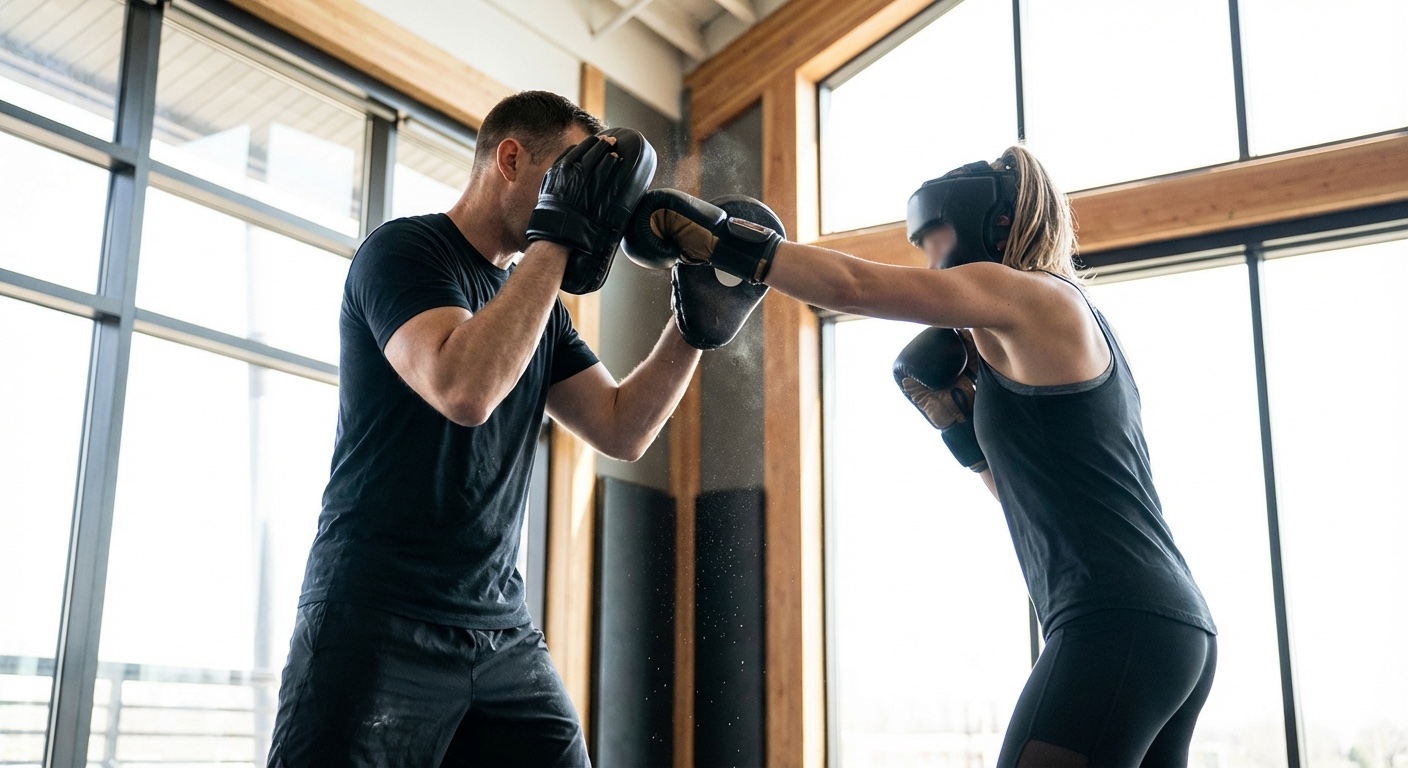
Sometimes you do not need the jab. If you see an opening, lead with the power hand.
How it works:
- Fire the cross first
- Immediately follow with the lead hook
- Finish with another cross
This is more aggressive than starting with a jab. It is a commitment - you are trading safety for firepower.
When to use it: When your opponent is open and you want to unload. Also works well as a counter when they have overcommitted to their own punch.
The 1-2-5-2 (Jab-Cross-Lead Uppercut-Cross)
Adding an uppercut changes the angle of attack and opens new targets.
How it works:
- Jab-cross as normal
- Dip slightly and drive a lead uppercut through the middle
- Finish with a cross
The uppercut catches them if their hands are high from blocking the cross. The angle is completely different, which makes it hard to defend.
When to use it: When your opponent keeps their guard tight and high. The uppercut goes up the middle, through the gap.
The 3-2-3 (Hook-Cross-Hook)
A close-range combination when you are in punching distance and want to do damage.
How it works:
- Throw the lead hook
- The rotation loads your cross, throw it
- The cross rotation loads another hook
This is a firefight combination. You are standing in range and trading. Make sure the shots are landing before you throw it.
When to use it: Infighting. When you are both close and throwing. This combination does serious damage if it lands clean.
Adding Body Shots
Every combination can go to the body. In fact, mixing head and body shots makes you much harder to defend against.
- The 1-2 to the body. Same punches, lower target. Bend your knees to get down to their level - do not just lean forward.
- The 1 body - 2 head. Jab the body, cross the head. They bring their hands down, you go upstairs.
- The 1-2 head - 3 body. Start high to get their hands up, then dig the hook into the ribs.
Body shots slow your opponent down. Even if they do not hurt immediately, they add up. By the later rounds, those body shots from round one are making every breath difficult.
Making Combinations Your Own
These are templates, not rules. As you get better, you will modify them. Maybe you throw a double jab before everything. Maybe you always finish with a hook to the body. Your combinations should fit your style and what works for you.
The key is making them automatic. You should not have to think "jab-cross-hook" - you should think "1-2-3" and your body does the rest. That only comes from repetition.
Drilling Combinations
- Shadow boxing. Throw combinations while moving around. Focus on the flow between punches.
- Heavy bag. Hit with intention. Every punch should be a real punch, not a touch. Feel how each punch loads the next.
- Focus mitts. Your partner (or coach) calls combinations and you throw them. This is the best way to develop timing and accuracy.
- Partner drills. One person attacks with combinations, the other defends. Switch roles. This shows you what works against a real person.
Common Mistakes
- Throwing arm punches. Each punch should involve your body, not just your arms. Turn your hips.
- Pausing between punches. Combinations should flow. If there is a gap, your opponent escapes.
- Always throwing the same combination. Predictability gets you countered. Mix it up.
- Forgetting defence. When you are throwing, you are exposed. Keep your non-punching hand protecting your chin.
- Over-committing. Throwing long combinations when your opponent is out of range just wastes energy. Confirm you are landing before unloading.
Start Simple, Build Up
Do not try to learn complicated combinations before you have mastered the basics. The 1-2 alone will carry you for months. Once it feels natural - truly automatic - add the hook. Then the uppercuts. Build piece by piece.
At Honour & Glory, we teach combinations progressively. You will start with the fundamentals and add complexity as your skills develop. Our pad work is designed to drill these patterns until they become instinct.
H&G Team
Writer at Honour & Glory Boxing Club, a community boxing gym in Kidbrooke, South East London.
KEEP READING
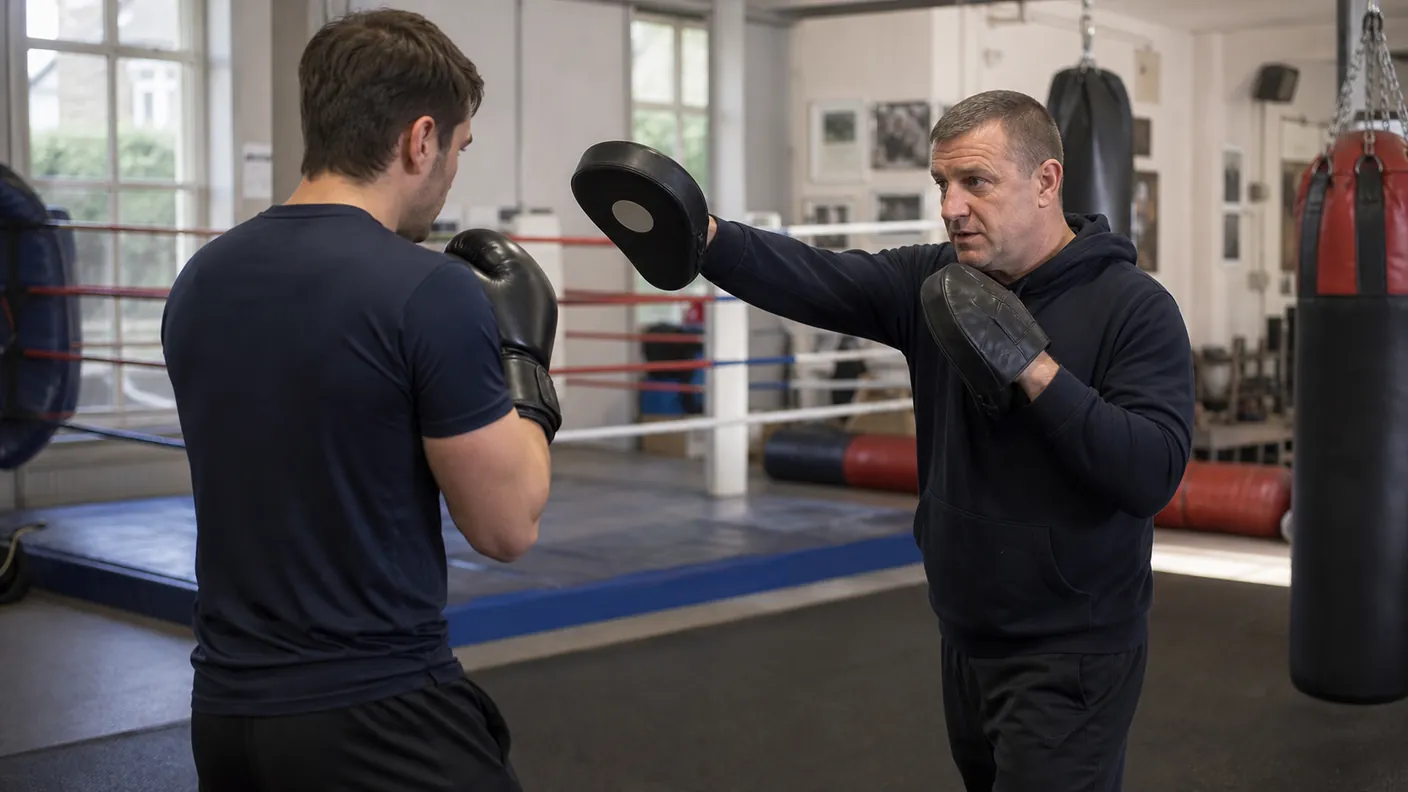
How to Remember Boxing Combinations
Forget combinations as soon as a coach calls them? Learn a calmer way to build boxing combinations that you can actually use.
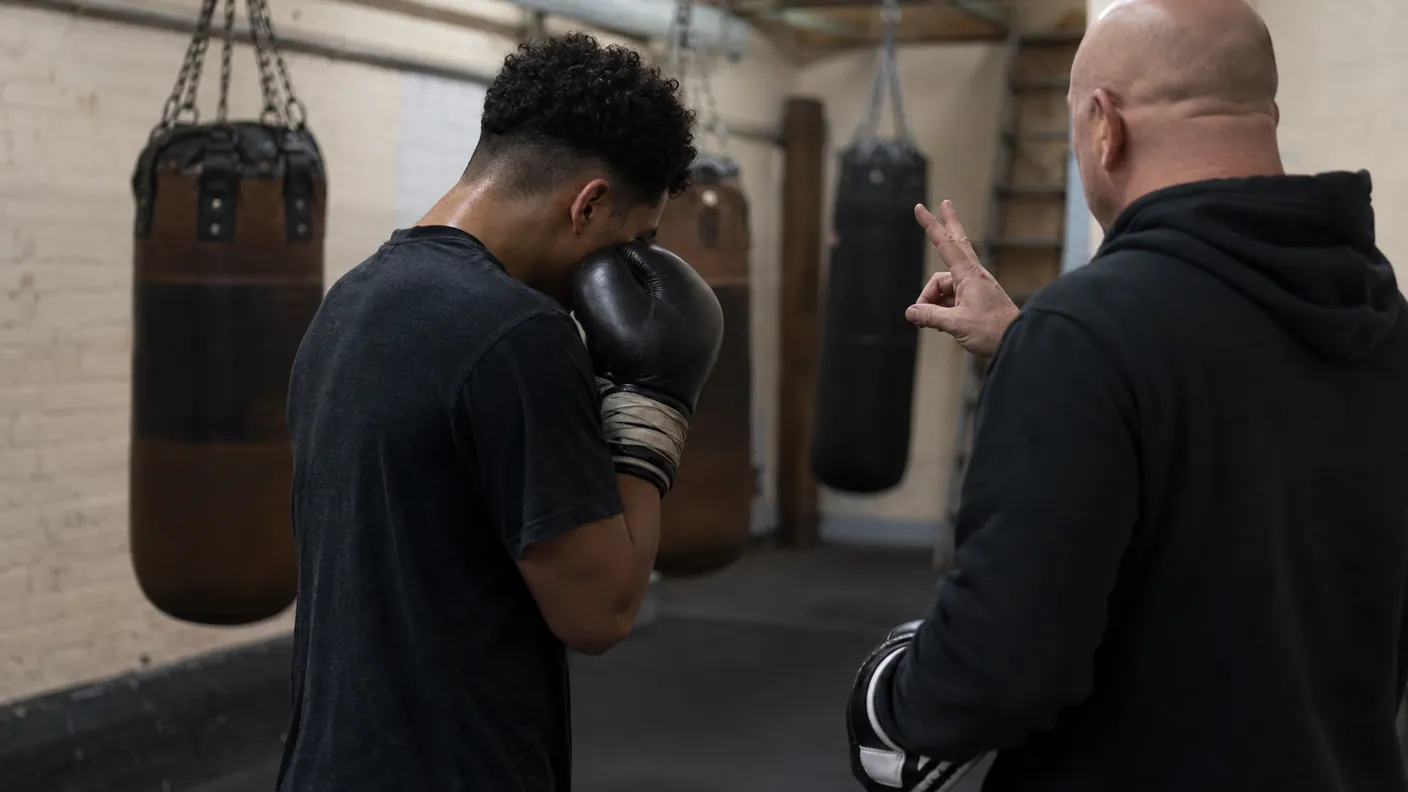
Why You Rush Boxing Combinations
Rushing makes combinations fall apart. Learn how to slow the first punch, keep your stance and build speed that still looks like boxing.
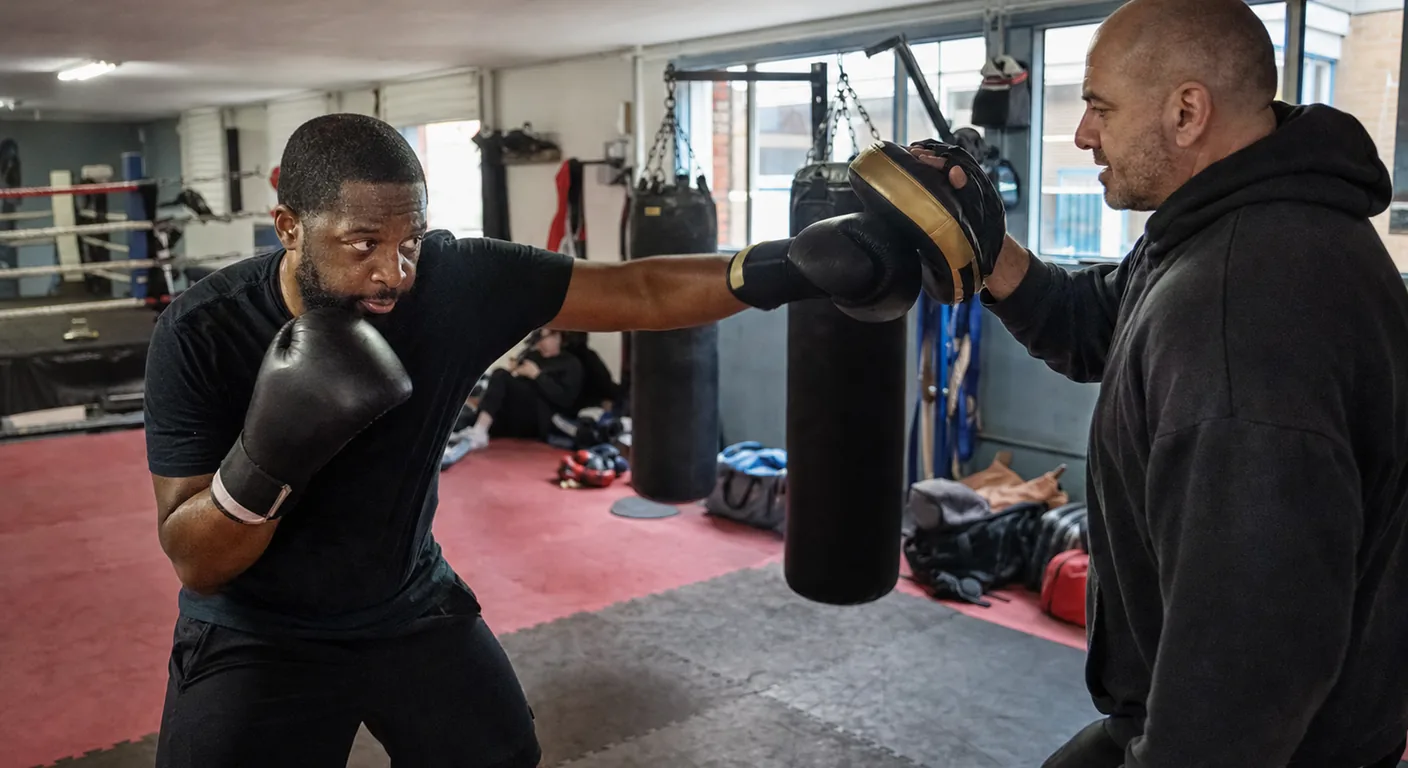
How to Punch in Bunches Without Getting Hit
Learn how to throw boxing combinations without pausing, reaching or leaving your chin available for the return shot.
Was this page helpful?
It takes one tap, and it genuinely helps.
Choose your next step
Turn this article into the right action
Some readers are ready to book. Some need the class route first. Pick the route that matches what you actually want.