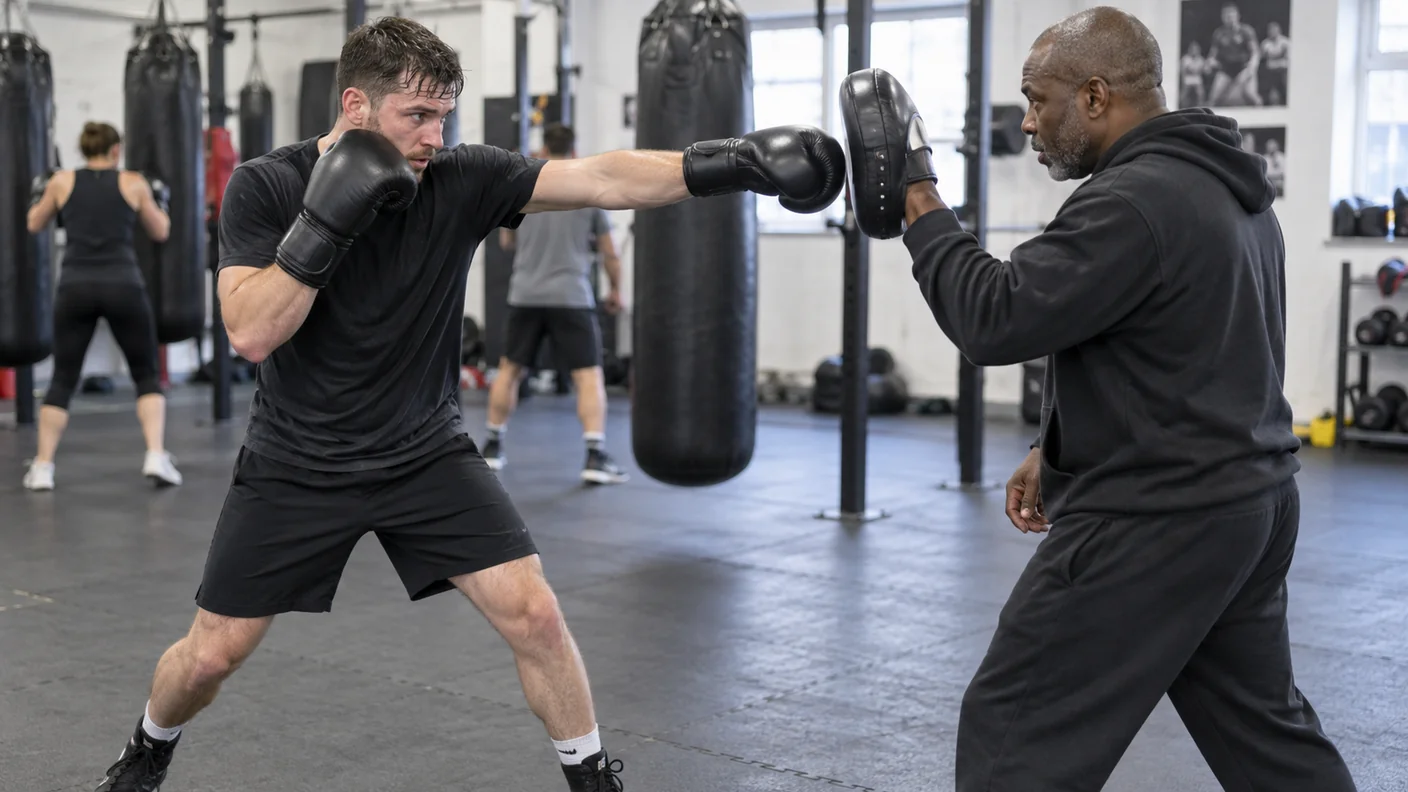
The rear uppercut is often taught as a close-range punch, then practised from wherever the bag happens to be. That creates a familiar problem. The boxer reaches with the jab, throws the uppercut from too far away and ends with the head over the front knee.
A jab-to-rear-uppercut drill gives the two punches a better relationship. The jab earns a small amount of ground. The rear uppercut arrives only once the range is honest. Then the boxer returns to guard or moves, rather than standing under the target waiting for an answer.
Watch the demonstration below once before trying the drill. Pay attention to the distance between the first punch and the second, not just the shape of the uppercut.
Why the jab needs to do more than touch
The video demonstrates both long-range and mid-range rear uppercuts. This drill focuses on the mid-range version: use the jab to enter closer range, with enough room for the legs and hips to bring the rear hand up through the middle.
That makes the first punch a range job. The jab should not fling the body forwards. It should take a small piece of ground, keep the rear glove near the cheek and leave the feet spaced well enough for the rear side to turn.
England Boxing's coaching handbook puts stance, balance and controlled movement at the base of good punching. It is a useful standard here. If the jab leaves you unable to turn the rear hip, cover your chin or take a step away, it did not create a useful uppercut range.
A light jab can be enough. You are not trying to shove a partner backwards or chase a heavy bag across the gym. You are moving from just outside range to a position where the rear hand has a short, vertical route.
Set the distance before adding speed
Start with a partner holding one focus mitt and one lower target, or use a heavy bag with a clear mark near its centre. Begin just far enough away that your jab reaches only with a small lead-foot step.
For an orthodox boxer, let the lead foot take that short step as the jab goes out. The rear foot follows only enough to restore the usual stance before the uppercut begins. Southpaws reverse the sides, but the order remains the same: arrive, settle, then let the rear side turn.
The word "settle" matters. It does not mean planting flat-footed for a full second. It means the rear foot and hip have caught up with the new range. If the uppercut starts while the back foot is still trailing, the shot becomes a shoulder lift instead of a punch supported by the floor.
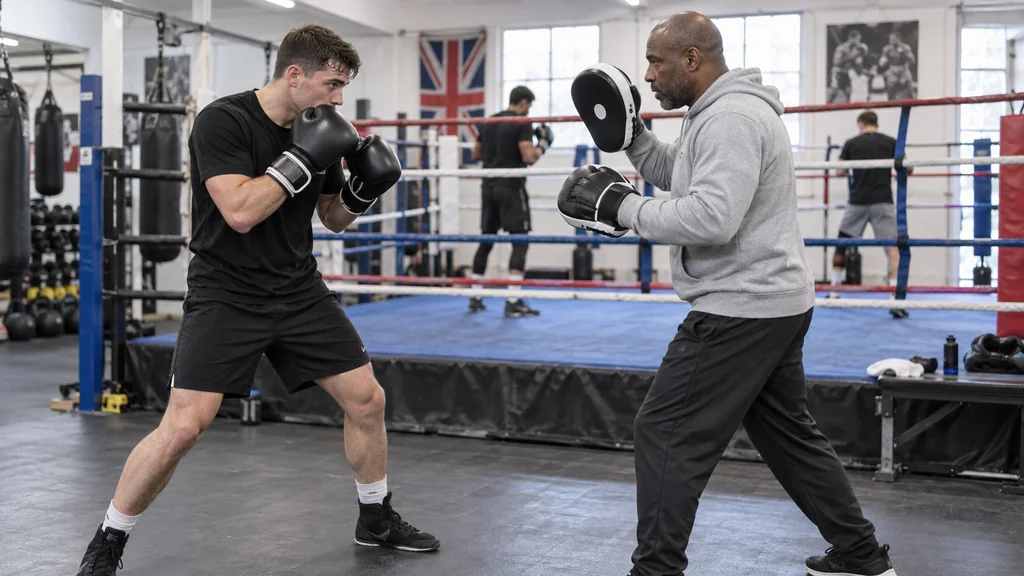
A biomechanical study of junior and elite boxers examined how different body segments contribute to the cross, hook and uppercut. It supports treating a punch as a coordinated movement, not an isolated arm action. In the gym, the simple version is this: the uppercut should come from a position you could still defend from.
Build the rear uppercut without loading it up
The rear uppercut starts from the rear leg and hip, not from dropping the glove towards the floor. Let the rear knee soften, turn the hip through and bring the fist up on a compact vertical path. The lead hand stays close enough to cover the opposite side of the face.
A large dip is not extra power. It is an announcement. If your rear glove disappears below the ribs, a partner has time to see the shot, cover it and throw while you are still lifting the hand back into place.
Keep your eyes on the mitt or coach. Do not look down to find the uppercut. The target may be lower than a jab target, but the posture remains upright enough that you can see a return shot or an exit line.
The rear uppercut should also stop at the target. Do not throw it through the bag as if the punch has to travel from floor to ceiling. A compact shot lets the rear hand return by the same short route. That is safer and gives the next decision a chance to be sensible.
For the basic mechanics on their own, read how to throw an uppercut in boxing. This drill adds a practical question: how do you arrive at the right distance before asking the punch to work?
The three-round jab-to-uppercut drill
Keep these rounds technical. One minute is enough at first. Rest for thirty seconds, then correct the distance before moving on.
Round one: jab and freeze
Throw one measured jab with a small step. Bring the lead hand home and freeze before throwing anything else.
Check the feet first. They should still be staggered, with enough space to turn the rear hip or move away. Check the head second. If it has travelled ahead of the front knee, shorten the step. Check the rear glove third. If it has drifted away from the cheek, slow the jab down.
Ten clean entries are more useful than a fast minute of walking into the target.
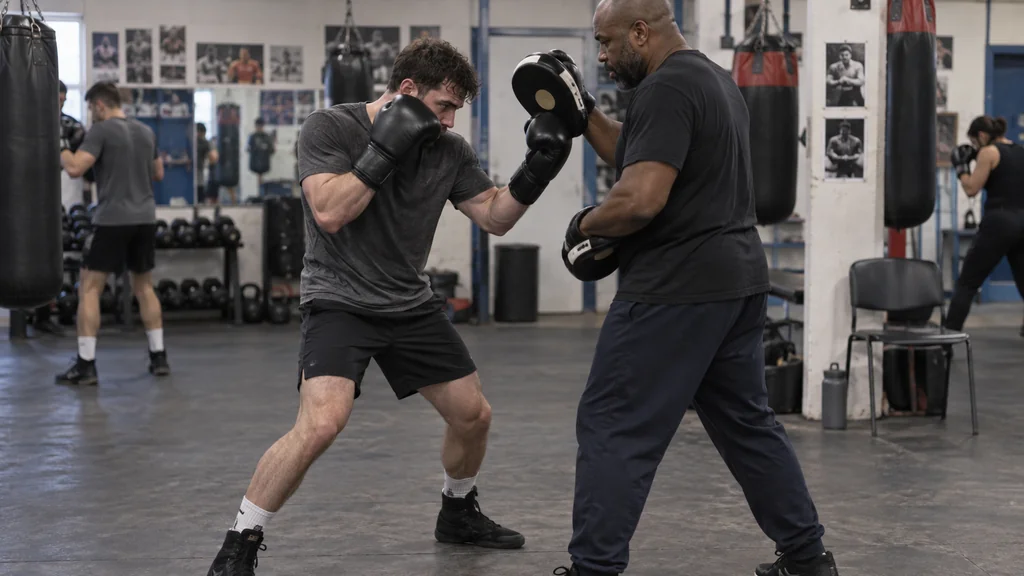
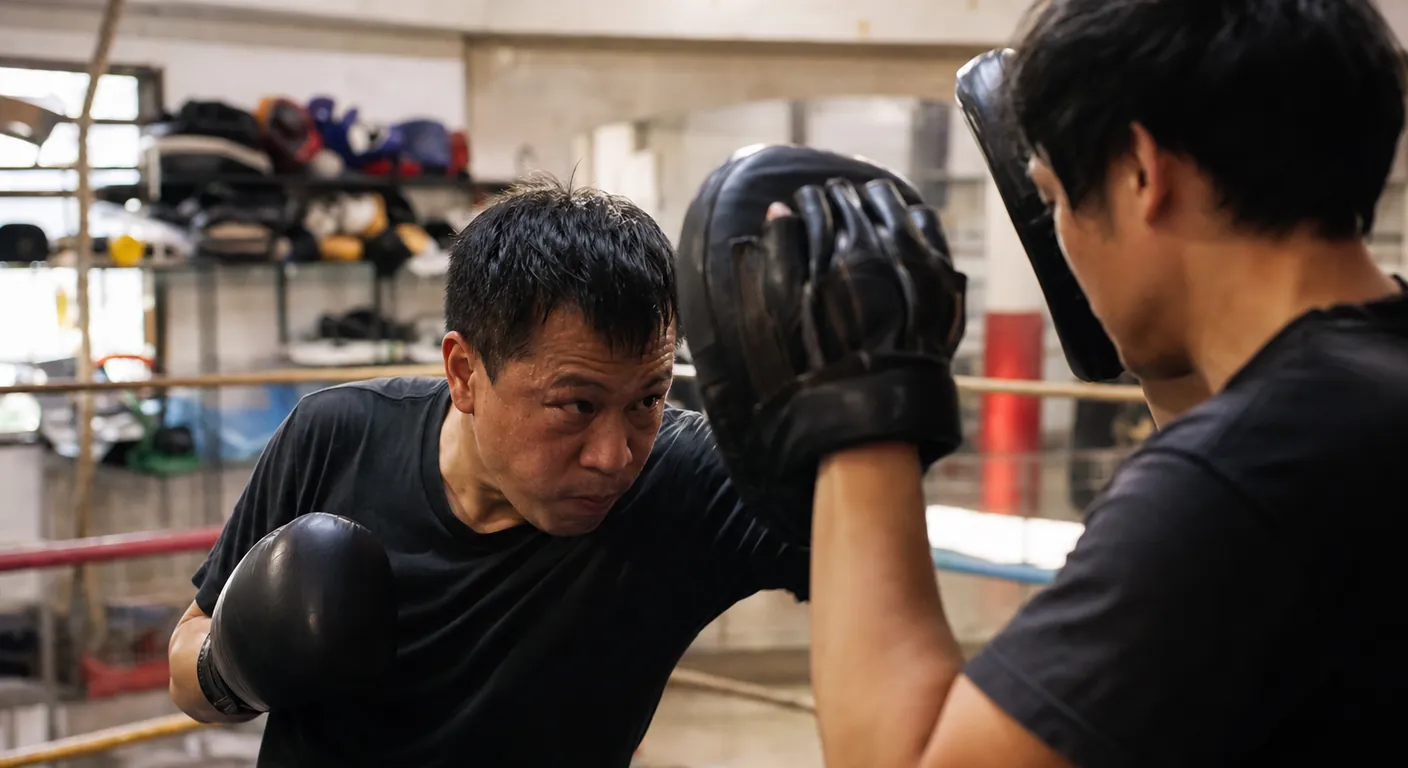
Padwork illustration. Have your coach check the distance and guard before adding the uppercut.
Round two: jab, settle, rear uppercut
Add the rear uppercut only once the stance has settled. The mitt holder should place the target at genuine middle range, not high and far away where the uppercut has to stretch.
Jab, let the rear foot restore the base, then bring the rear hand up the middle at half speed. Return both gloves to guard before beginning the next repetition.
If the rear uppercut lands with the elbow flaring out or the wrist bending backwards, do not add force. Bring the target closer, make the route shorter and let a coach check the hand position.
Round three: jab, uppercut, choose the exit
Now give the combination an ending. After the rear uppercut, the coach can show one of three pictures: a high mitt for a light lead hook, an empty space that calls for a reset, or a close glove line that calls for a compact guard.
Do not decide the finish in advance. If the next target is not there, do not throw the hook because the combination looked good on paper. Bring the hands home, take a small step out or reset at jab range.
That is the part that transfers beyond pads. The uppercut is not a promise that another punch must follow. It is one action in an exchange, and the next choice depends on distance, guard and balance.
Four mistakes that ruin the range change
The first is reaching with the jab. If the lead foot travels too far, the rear foot drags behind and the uppercut has no base. Make the step smaller or start closer.
The second is reaching for a mid-range target from too far away. For this drill, reset the distance rather than stretching the punch or leaning towards the mitt. Ask the coach to distinguish this compact version from the long-range uppercut shown in the video.
The third is dropping the rear hand before the punch. The glove should not begin at your hip. Let the leg and hip create the lift while the hand stays on a short route from guard to target.
The fourth is staying square after contact. A rear uppercut can leave the shoulders turned and the head close to the other boxer. Return the hand, cover, take a small exit or use the next coached option. Do not admire the shot.
Our guide to one-two footwork and the stepping jab helps with the first half of this drill. The same rule applies: take ground with the feet, then let the punch come from a stance that still works.
Where this fits in a boxing session
Use the drill after a warm-up and before a hard bag round. It suits a boxer who already has a calm jab and a basic rear uppercut but keeps throwing the second punch from too far away.
Keep partner work light and agreed. A focus mitt, body shield or clearly shown glove target gives enough information. You do not need to trade uppercuts or prove toughness to learn the distance.
For adults in Kidbrooke, Greenwich and nearby, our Recreational Adults boxing classes use pads, bag work and controlled partner drills to connect simple punches to the footwork and guard that make them useful.
The coaching cue is simple: jab to arrive, uppercut from underneath you, then leave ready to box.
Book a free trial session at Honour and Glory Boxing Academy.
H&G Team
Writer at Honour & Glory Boxing Club, a community boxing gym in Kidbrooke, South East London.
KEEP READING
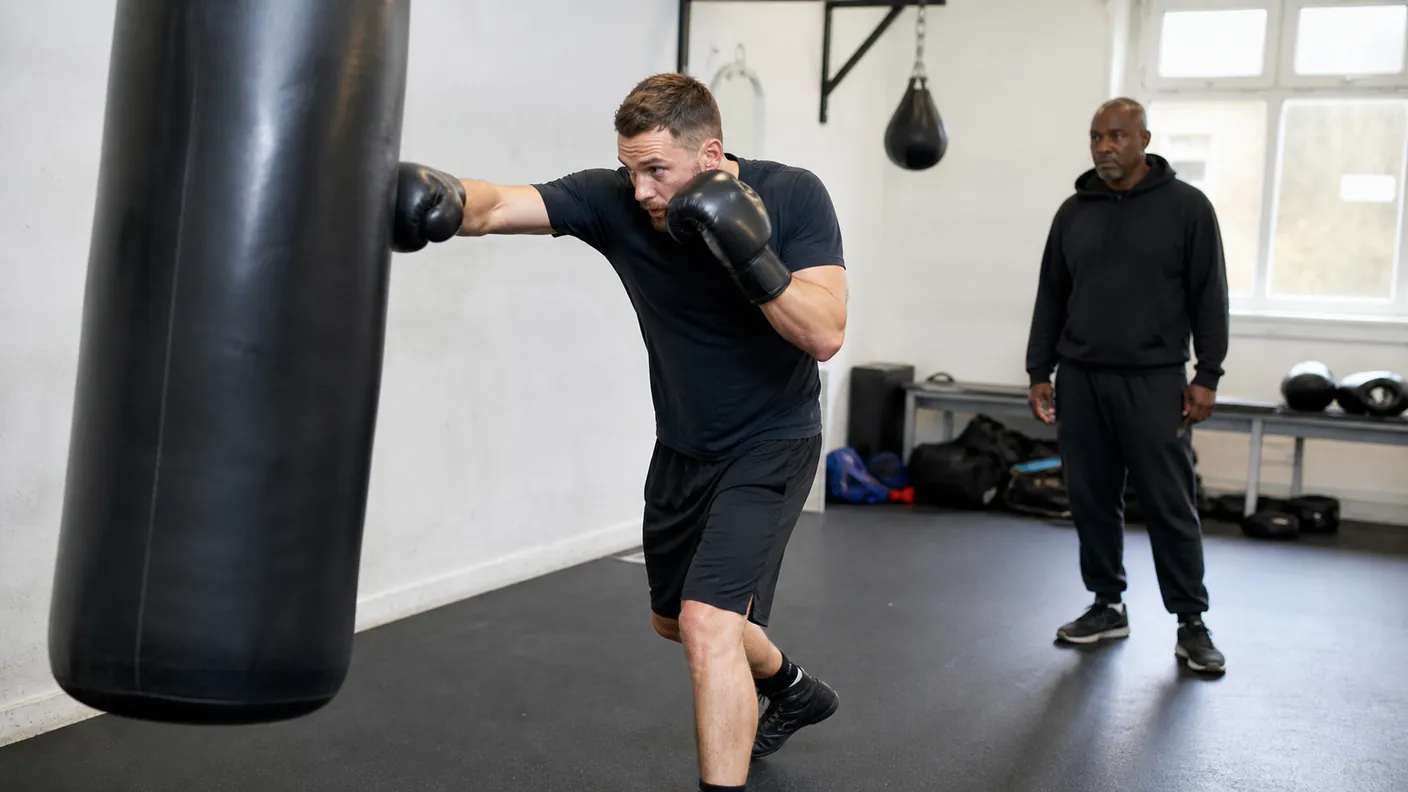
Angle Step to Rear Uppercut Boxing Drill
Use a small angle step after a lead hook to create room for a compact rear uppercut without losing your stance or chasing the target.
How to Throw an Uppercut in Boxing
Learn the short, mid and long uppercut ranges, with footwork, hip rotation and drills that stop beginners swinging from too far away.
How to Throw an Uppercut in Boxing
Learn how to throw short, mid-range and long uppercuts without lifting your chin, swinging wide or losing your feet.
Was this page helpful?
It takes one tap, and it genuinely helps.
Choose your next step
Turn this article into the right action
Some readers are ready to book. Some need the class route first. Pick the route that matches what you actually want.