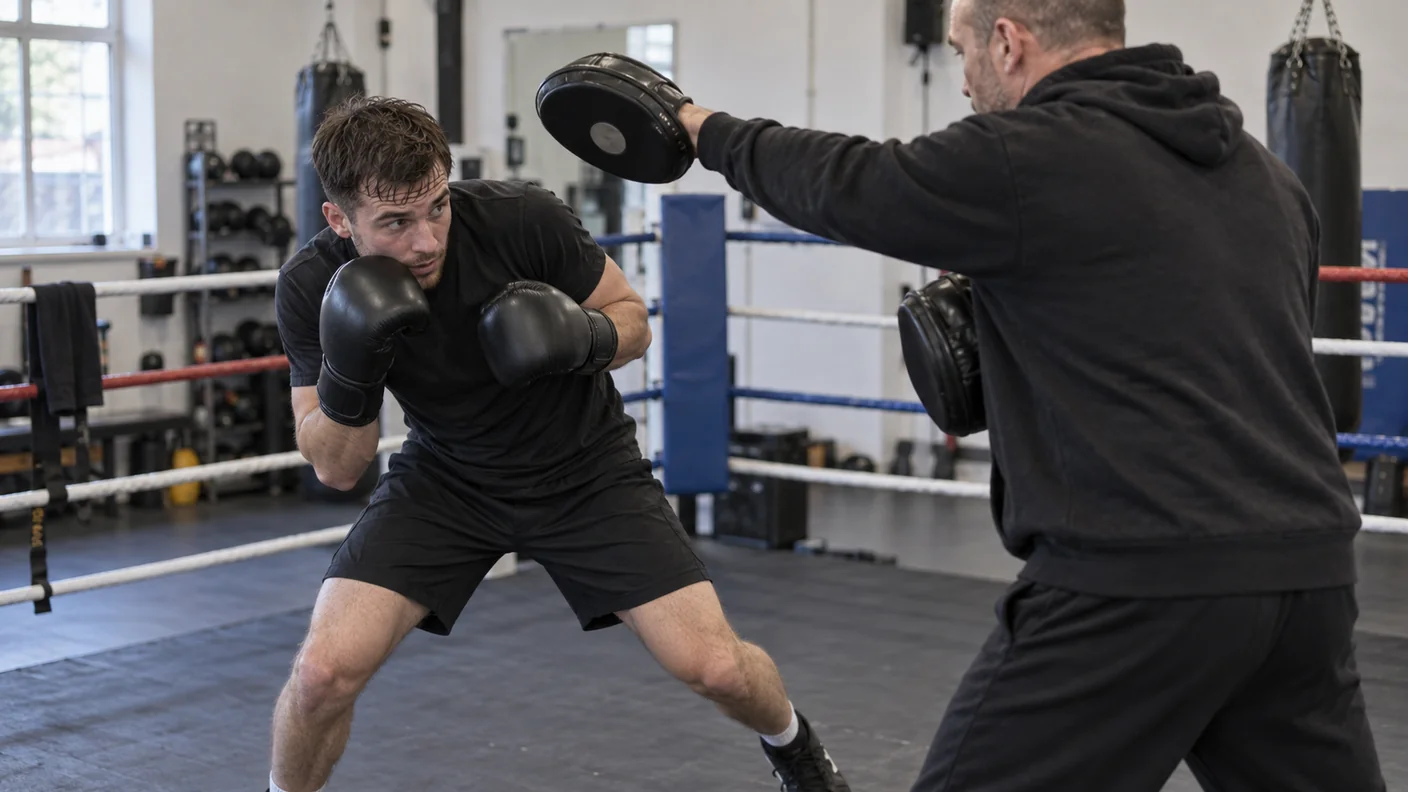
A straight rear hand can make people panic because it comes down the middle with real intent.
The beginner response is often to lean away, close the eyes or duck towards the other boxer's lead hook. None is a reliable answer. A calmer option is to move just outside the straight line, keep both hands useful and decide whether the opponent has actually left a short uppercut available.
This is not a move for charging into a hard exchange. It is a technical pattern for pads and slow, agreed partner drills. The aim is simple: make the cross miss by a small margin, stay where you can see, then punch only if the distance still makes sense.
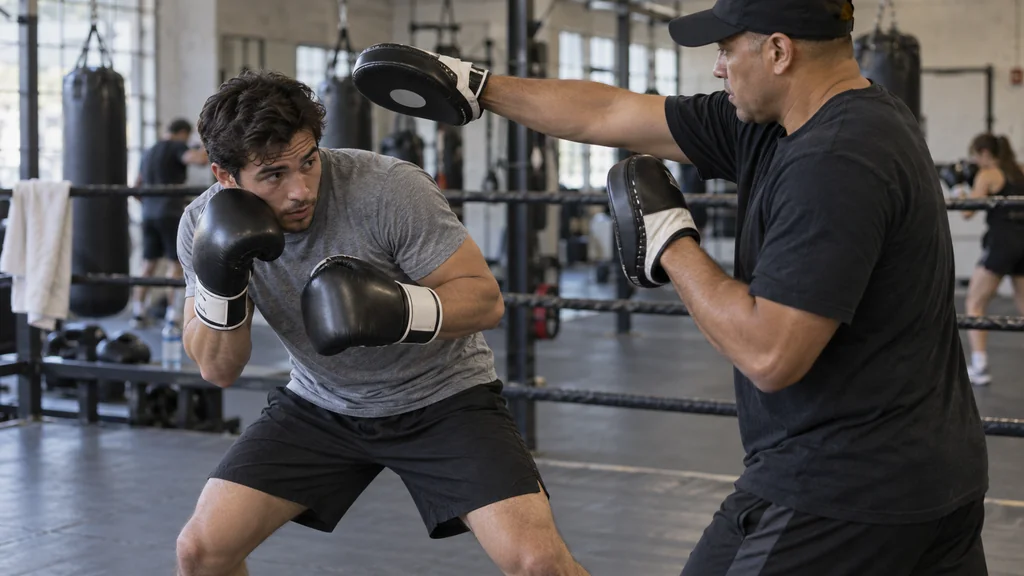
Why the outside line is usually safer
For an orthodox boxer facing another orthodox boxer, the rear hand travels from the opponent's right side towards the centre. Moving your head a little to your own right takes it outside that line. Southpaws reverse the picture.
That route matters because it takes you away from the opponent's lead hook side rather than towards it. An inside slip can work in the right moment, but it asks you to enter the space where the lead hook may be waiting. Against a cross-hook pattern, that is a poor gamble for someone still building their reads.
The movement should be small. Soften the knees, let the head move beyond the outside of the punch and keep your eyes on the shoulders in front of you. Do not bend at the waist until you are looking at the floor. Do not let the rear foot swing away. If you need a recovery shuffle before you can punch or leave, you have moved too far.
A review of combat-sport anticipation found that skilled athletes make better use of early movement information than less experienced athletes (research review). In a boxing gym, that does not mean predicting every punch. It means watching the chest, shoulder and back foot early enough to choose a compact response before the glove reaches you.
Do not decide on the uppercut too early
The uppercut is not a reward for making the cross miss.
After the outside slip, the opponent may still be too far away. They may have stepped through, recovered their lead hand or be ready to throw again. In those moments, the right answer is a guard, a small exit or a reset, not a hopeful punch up the middle.
The rear uppercut is only useful when the cross has brought the opponent close and forward. Their shoulder has travelled, their weight has followed the punch and there is a real lane between the gloves. The shot is short because the range is short. If you have to lift the elbow, reach across the room or chase their retreat, the moment has gone.
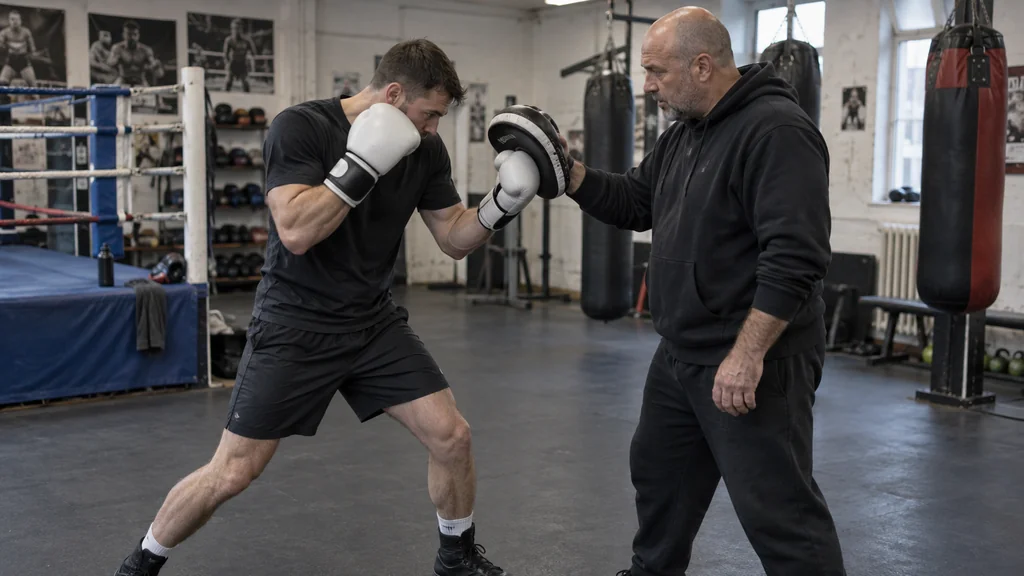
A review of boxing performance and biomechanics describes effective punching as coordinated work through the legs, trunk and upper body. That is the useful lesson here. The slip should leave the rear side ready to turn from the floor. If the head has tipped forward, the feet have narrowed or the upper body has folded, the uppercut becomes an arm flick.
Keep the lead glove home
The outside slip has moved you away from the cross, not made you untouchable.
Your lead glove needs to stay near the cheek as the rear hand comes up. It protects against a late lead hook, helps keep the chin covered and stops the uppercut becoming a one-handed reach. The rear glove travels from guard on a compact rising line, then returns to guard as quickly as it left.
Do not drop the lead hand to make the uppercut feel bigger. That can look impressive on a bag because the bag does not answer. With a partner, the open lead side is exactly where the next hook comes from.
This is why it belongs after a reliable guard and basic uppercut. If the punch itself is still unfamiliar, start with how to throw an uppercut in boxing before adding it to a defensive read. A clean single uppercut at the right range teaches more than a dramatic counter thrown from bad feet.
Build the outside-slip uppercut in three rounds
Use a coach with focus mitts or a trusted partner who can give slow, pre-agreed cues. Keep the power low. The feeder is helping you see a line, not trying to land a cross.
Round one: slip and freeze
Stand at a distance where a rear-hand mitt could reach your head if you stayed still. The coach shows that straight line slowly. Move your head a few inches to the outside, then freeze.
Check three things before every next repetition:
- Your eyes are still on the coach.
- Your lead glove is near the cheek.
- Your feet remain staggered and useful.
There is no uppercut in this round. If the outside slip does not leave you organised, adding a punch only hides the real problem.
Round two: see the close mitt
Use the same cross cue, then have the coach sometimes present a close uppercut mitt. Do not throw when the mitt is missing. When it appears at honest range, slip outside the cross and place one light rear uppercut on the mitt.
Keep the uppercut compact. The shoulder rises naturally with the punch, but the chin stays covered and the lead hand remains home. The coach should be able to remove the mitt without you continuing the movement into empty space.
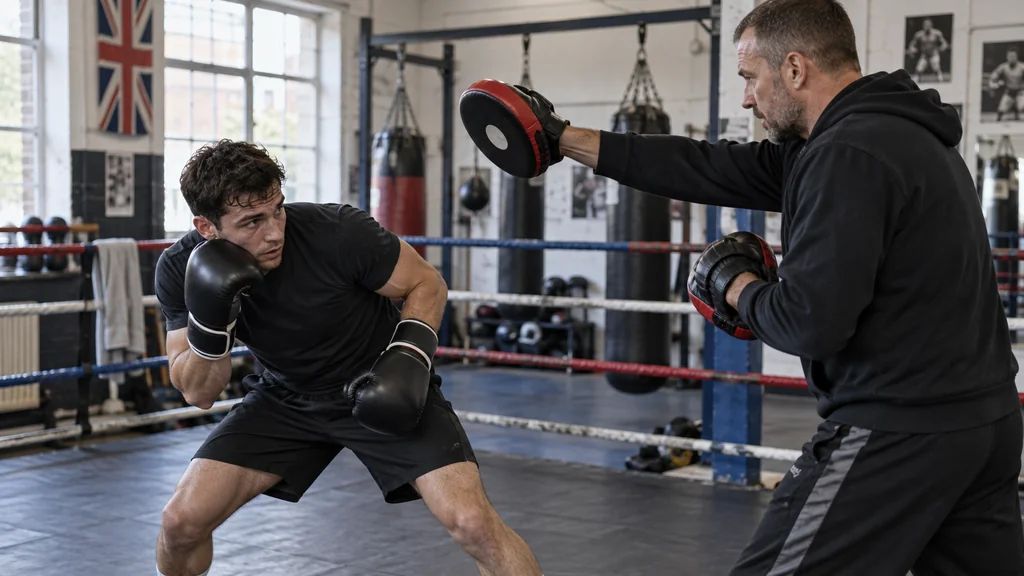
Round three: uppercut or exit
Now the coach gives one of three pictures: a single rear-hand line followed by the close mitt, the rear-hand line without the mitt, or a jab-cross shape that closes more distance than expected.
On the single cross and available mitt, use the outside slip and measured uppercut. When there is no mitt, bring the gloves home and step out. When the range has collapsed, cover or turn rather than forcing the uppercut through crowded space.
That last round stops the pattern becoming choreography. The defensive movement creates a choice. It does not make the same counter compulsory every time.
Four mistakes that make it unsafe
The first is slipping inside by habit. Against a rear cross, that can move you towards the lead hook. Learn the direction slowly and ask a coach to check the stance before you add pace.
The second is making the slip large. Moving too far makes the cross miss, but it also takes the uppercut out of range and leaves you slow to recover. Make the punch miss by inches, not by a postcode.
The third is throwing the uppercut from long range. An uppercut needs a short route. If the other boxer has pulled away, use a jab or reset your feet instead of following with your chin.
The fourth is treating the counter as proof of toughness. The drill is about reading, guard and distance. It does not need hard contact or open sparring to work. A light mitt touch proves the shape just as well.
For the wider defensive choice, read our guide to slipping a return right for a body hook. The follow-up is different, but the rule is the same: make the straight punch miss with a small movement, then choose only the punch your position has earned.
Where it fits in training
Use this after a warm-up and basic straight-punch work. It suits intermediate pad drills and controlled partner feeds, not a first attempt at live sparring.
You do not need to make the uppercut hard. You need to make the slip small, the guard dependable and the decision honest. When those three things are right, the counter stops looking like a trick and starts looking like normal boxing.
If you train near Kidbrooke, our Recreational Adults boxing classes build defensive movement through pads, bag rounds and controlled partner drills before speed and pressure are added.
The coaching cue is simple: outside the cross, see the space, then earn the uppercut.
H&G Team
Writer at Honour & Glory Boxing Club, a community boxing gym in Kidbrooke, South East London.
KEEP READING
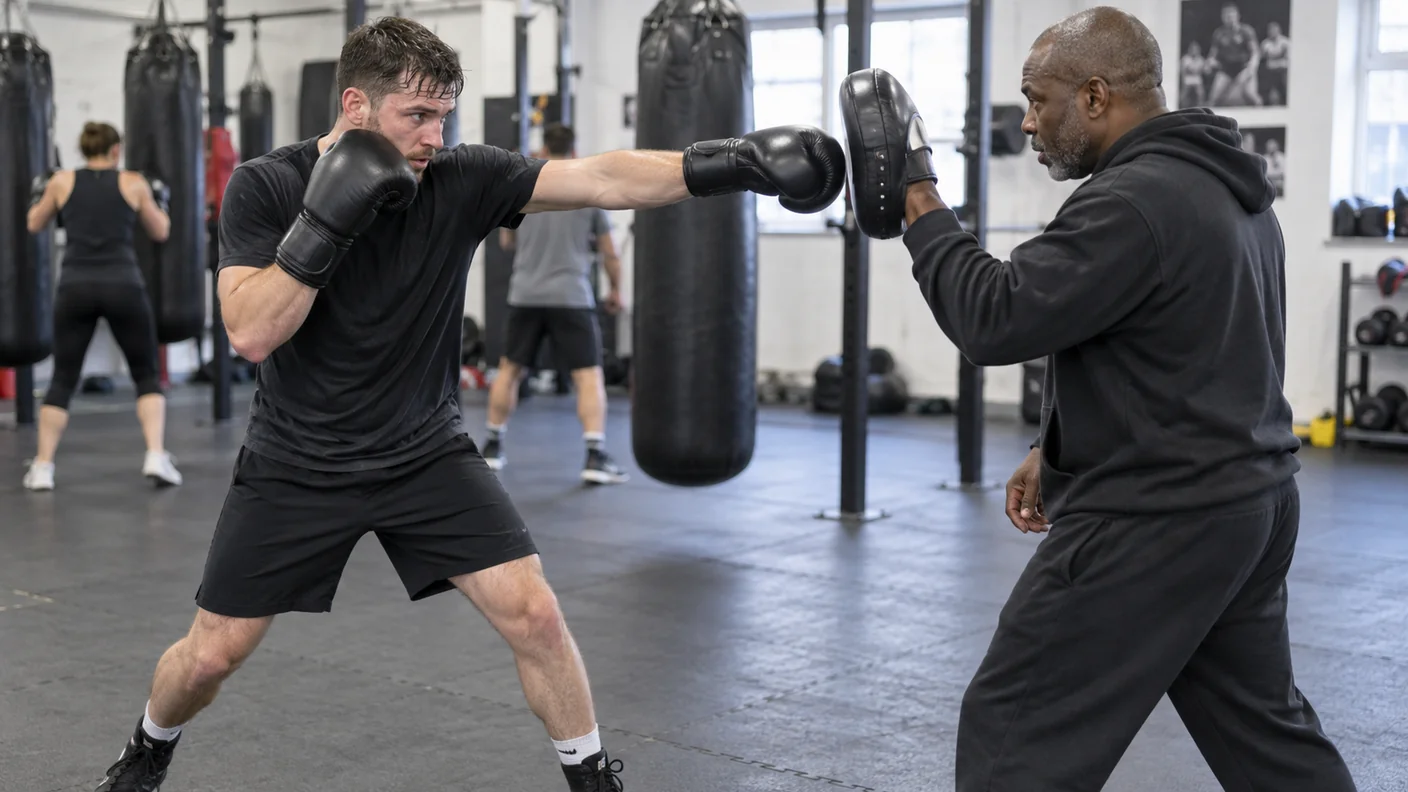
Jab to Rear Uppercut: Find Middle Range
Use a measured jab to enter middle range for a compact rear uppercut without leaning, reaching or losing your guard.
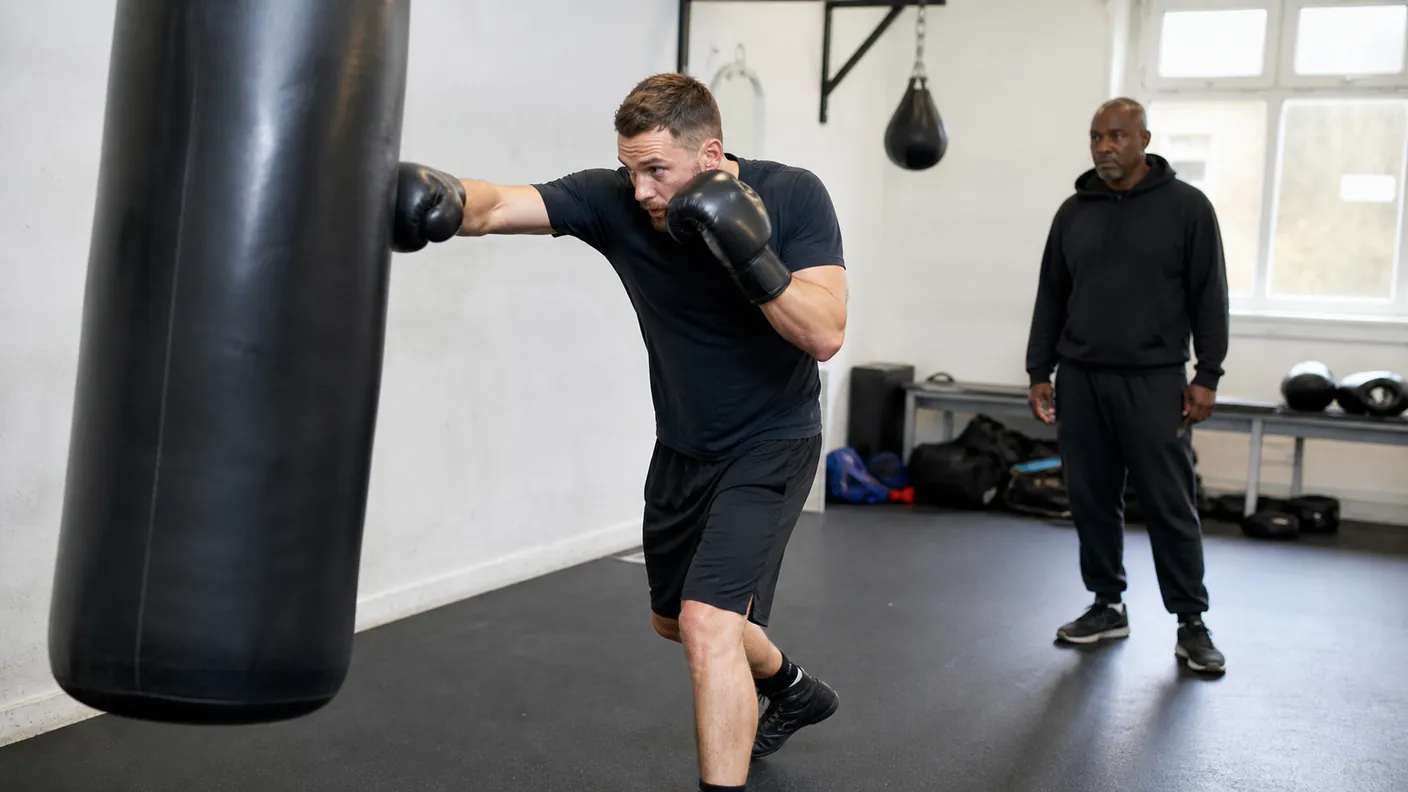
Angle Step to Rear Uppercut Boxing Drill
Use a small angle step after a lead hook to create room for a compact rear uppercut without losing your stance or chasing the target.
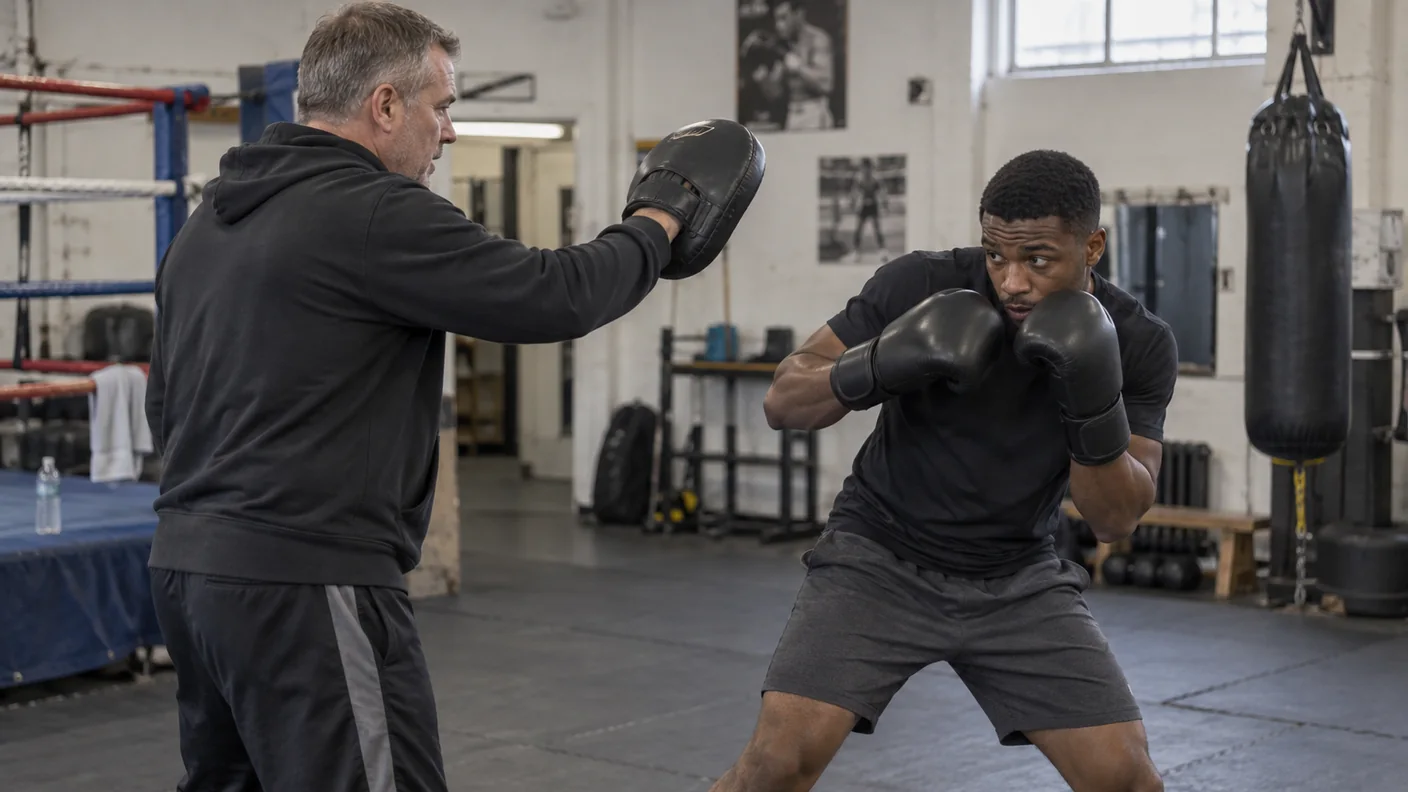
Outside Slip to Rear Body Shot: Boxing Drill
Use a compact outside slip to move off the jab line, then return a rear body shot without reaching or losing your guard.
Was this page helpful?
It takes one tap, and it genuinely helps.
Choose your next step
Turn this article into the right action
Some readers are ready to book. Some need the class route first. Pick the route that matches what you actually want.