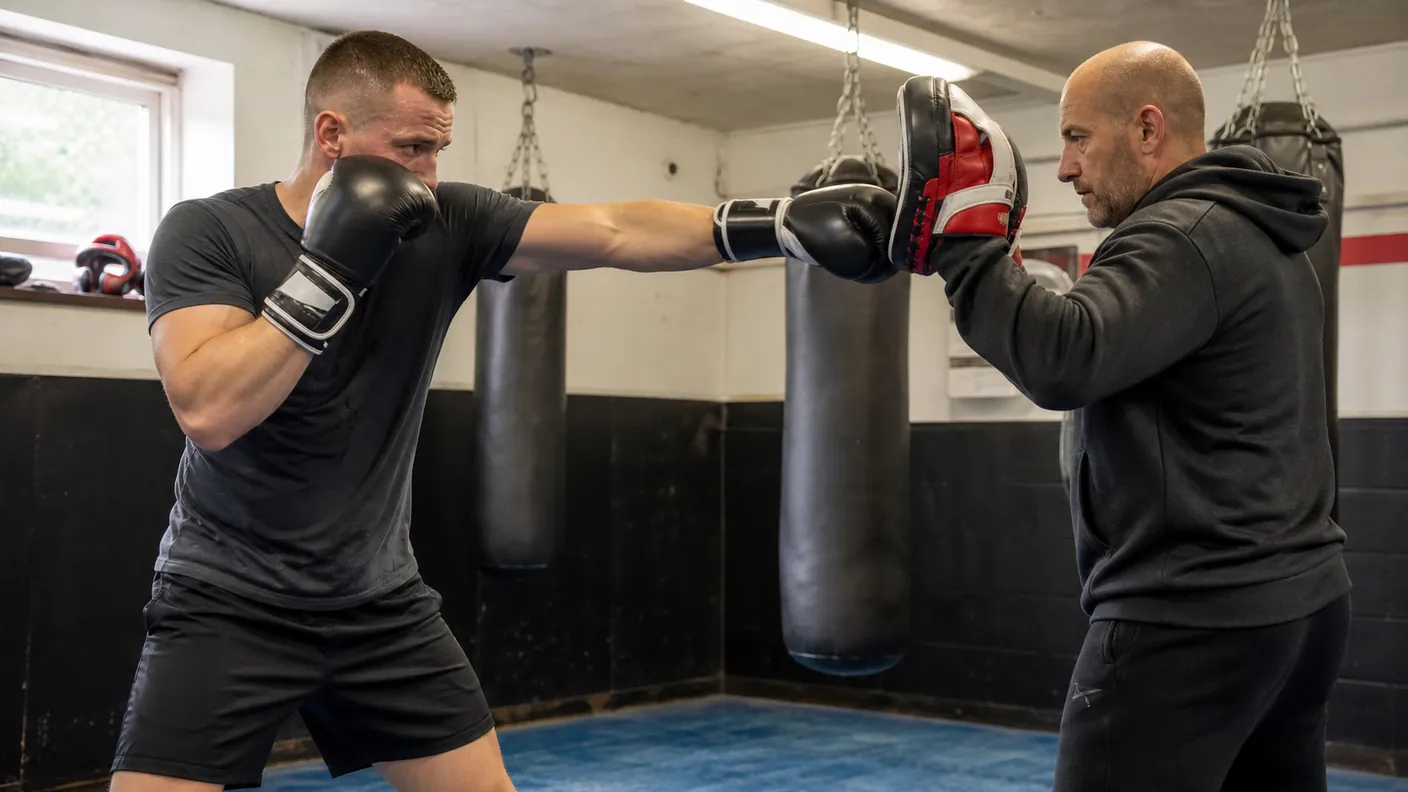
A clean jab is supposed to put you in charge. The problem is that many beginners treat it as the end of the exchange.
They jab, admire the touch, and leave their head sitting in the centre while the other boxer fires the rear hand over it. The fix is not to stop leading with the jab. It is to know what you will do if the return right comes straight back.
One useful answer is small and direct: jab, slip outside the return right, touch a short hook to the body, then regain your position. It is not a highlight-reel combination. It is a way to make an opponent think twice before throwing the same counter every time you lead.
Watch the short clip below, then use the coaching notes to build the pattern at a sensible pace.
A systematic review of anticipation in combat sports found that more skilled athletes make better use of early visual information. That is the point here. You are not waiting for a rear hand to land before deciding what to do. You are learning to recognise its early shape, make one compact defensive movement and stay balanced enough to answer.
First, make the jab worth countering
This pattern only works if your jab looks real.
A lazy lead hand hanging in the middle gives nobody a reason to throw a proper right hand. A solid jab has a clear line, a shoulder that helps cover the chin and a return straight back to guard. It should make the other boxer choose whether to parry, catch, step away or throw over it.
Do not force the counter. In a controlled partner drill, your partner should agree to show the rear hand after the jab. In open sparring, they may choose a different answer entirely. The point is not to collect a body hook because the drill says so. The point is to recognise when the right hand has actually created the opening.
Our guide to how to jab without getting jabbed back explains the same principle from the attacking side. Your jab needs a defensive shape even before you decide whether to use a slip, a block or an exit.
The outside slip is a small movement
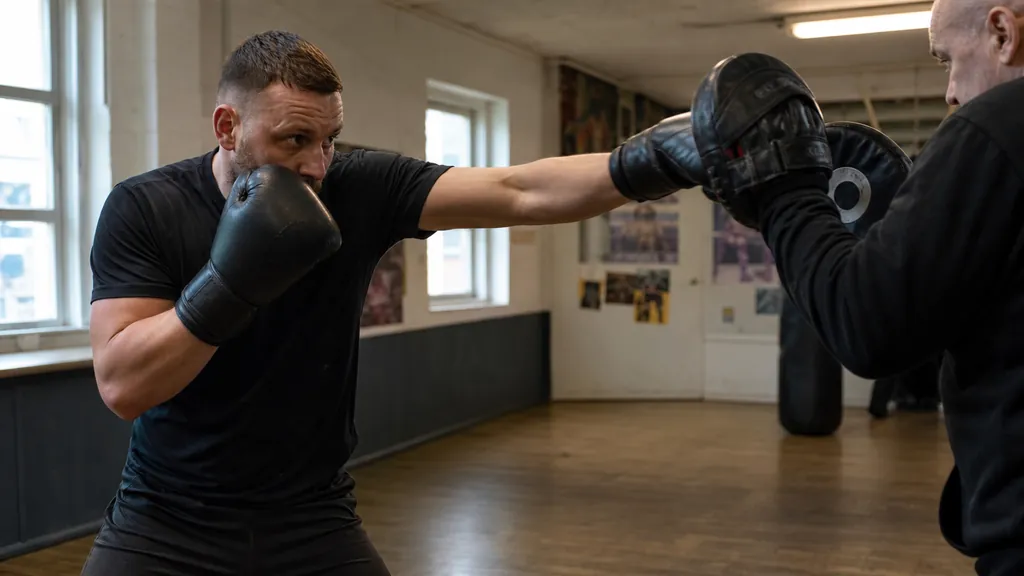
For an orthodox boxer facing another orthodox boxer, the opponent's rear hand travels down the middle from their right side. The outside slip takes your head a little to your own right, away from that line. Southpaws reverse the picture.
The word little matters. You are moving the nose off the line, not diving under the punch. Let the knees soften, turn the right shoulder slightly forward and keep the eyes on the other boxer. Your feet stay in their normal relationship.
If your head drops below the other person's chest, the movement is too big. If your rear foot swings away or your weight spills over the front knee, the movement is too big. A good slip leaves you in a place where you can punch, cover or step away without having to rebuild the stance first.
This is why the body hook comes after the slip, not before it. If you have already decided to throw the hook, you will often dip early and advertise the whole sequence. Let the jab bring the answer. Let the answer create the angle. Then decide whether the hook is actually there.
A biomechanics study of boxing punches found that effective punching reflects the coordinated contribution of the body segments, rather than an arm acting alone. In coaching terms, the slip, feet, hips, guard and hook need to arrive as one connected action. A big reach for the body breaks that connection.
Find the body hook without folding forward
After the outside slip, the body hook should be short.
Your head is already off the rear-hand line. Your lead side has a better route to the body. That does not mean swing your arm around the ribs from across the gym. Make a small turn through the lead hip, keep the elbow bent and let the glove travel to a legal body-level pad or body shield.
Keep the rear hand useful while the lead hook goes. The hook is not an excuse to throw both hands away. The rear glove should still be near the cheek, and the chin should stay tucked behind the shoulder as the lead side turns.
Use a pad or body shield when learning this with a partner. A body hook landed during a drill is there to teach range, target choice and recovery. It is not an invitation to test how hard someone can take a shot. Start at touch-only pace and keep the target above the belt line.
Our guide to body punching with precision covers the target and posture in more detail. The key overlap is simple: bend through the knees and hips, not at the waist, and return upright before the next punch arrives.
Do not stay in the pocket to admire the hook
The hook is not the finish. It is one answer inside a live exchange.
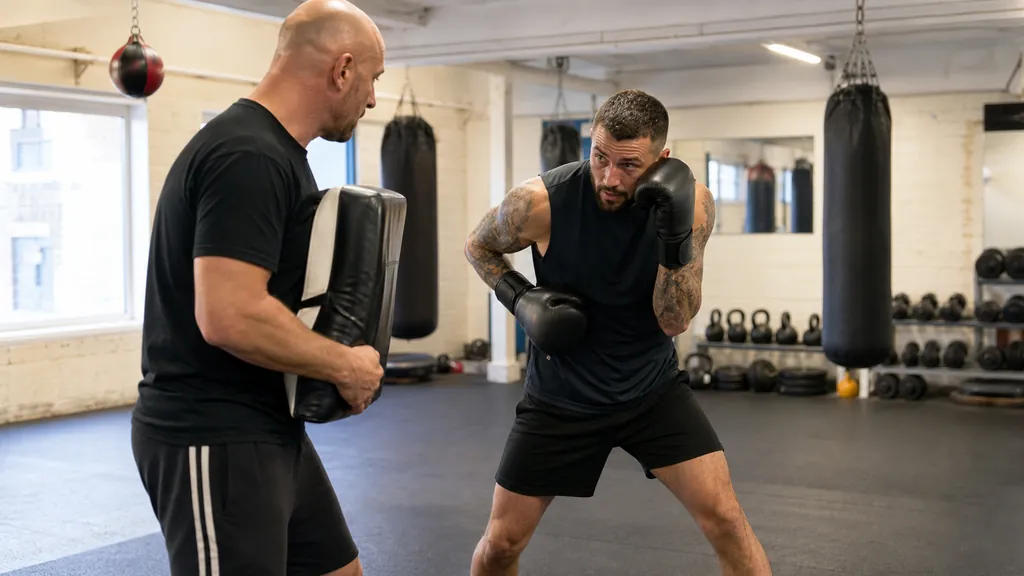
After you touch the body, bring the lead glove home and make a small exit. You might take a step back into jab range. You might turn off to the side. You might keep a high guard if the other boxer is close enough to fire a second shot. The right choice depends on where the feet and opponent have ended up.
The bad version is jab, huge slip, wide hook, frozen pose. That can look convincing on a heavy bag because the bag does not throw the next punch. Against a person, the body hook needs to leave you ready for their lead hook, a second rear hand or a step into close range.
This is where the three phases of a boxing exchange is useful. Your jab begins the exchange. Their return right is the answer. Your slip and body hook are only worthwhile if you can finish in a safe shape and choose what comes next.
Build the pattern in three rounds
Work through these rounds on pads or in a pre-agreed technical partner drill. Keep the speed low enough that both people can see the defensive line.
Round one: jab and outside slip
Partner A presents a lead mitt for a light jab, then shows a rear mitt slowly down the middle. Partner B jabs, slips outside the rear mitt and freezes for one second.
The coach checks three things: the eyes remain up, the rear hand stays near the cheek and the feet still look like a boxing stance. Do not add the hook until that freeze looks stable.
Round two: slip and body-shield touch
Keep the same jab and rear-hand cue, but add a body shield or a low mitt. Boxer B slips outside and lands one light lead hook to the legal body target, then brings the hand back to guard.
The hook should feel compact. If it pulls the boxer onto the lead foot, shortens the stance too much or makes the rear hand drop, reduce the speed and range. A clean touch is better than a hard, stretched punch.
Round three: choose the finish
Now Partner A may show either the rear hand after the jab or no counter at all. On the rear-hand cue, Boxer B can slip and touch the body shield. If no counter comes, Boxer B returns to stance, jabs again or steps out rather than forcing the hook anyway.
That final choice matters. Boxing is not a promise that every jab produces the same return. The pattern becomes useful when you can recognise the opening and leave it alone when it is not there.
Common mistakes to stop early
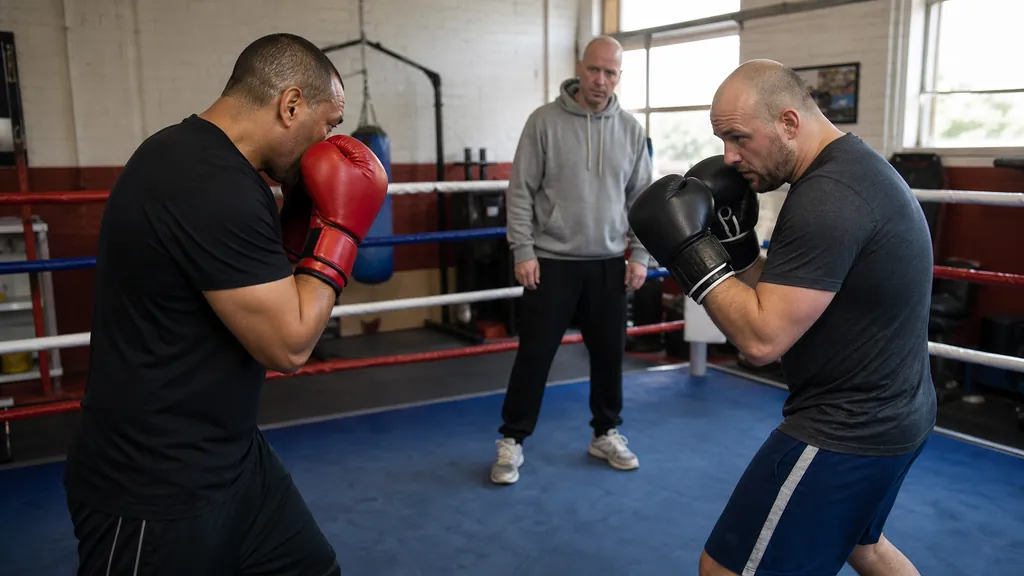
The first mistake is slipping before the right hand is shown. That gives the opponent an obvious cue and can leave you moving into a different punch.
The second is over-slipping. If you move too far, the body hook has to reach and your stance disappears. Make the punch miss by enough, not by a mile.
The third is looking down at the body target. Keep your attention on the other boxer's upper body. The body shield is a target, not the whole picture.
The fourth is throwing the hook too hard. A quick, controlled touch teaches the proper line and keeps the drill honest. Big shots tend to make both people tense up and hide the technical problem.
The fifth is standing in front after the hook. Bring the glove home, recover your posture and move to a position where you can defend the next action.
The coaching cue
Jab, see the right hand, slip small, touch the body, leave clean.
That is enough to work on for several sessions. Do not add five more punches because the pattern felt good once. A reliable defensive answer is built through calm repetitions, a useful guard and the discipline to reset when the opening is not there.
If you are in Kidbrooke, Greenwich or nearby, our Recreational Adults boxing classes teach these decisions through pads, bag work and controlled partner drills. You can learn proper boxing technique without sparring being required on day one.
H&G Team
Writer at Honour & Glory Boxing Club, a community boxing gym in Kidbrooke, South East London.
KEEP READING
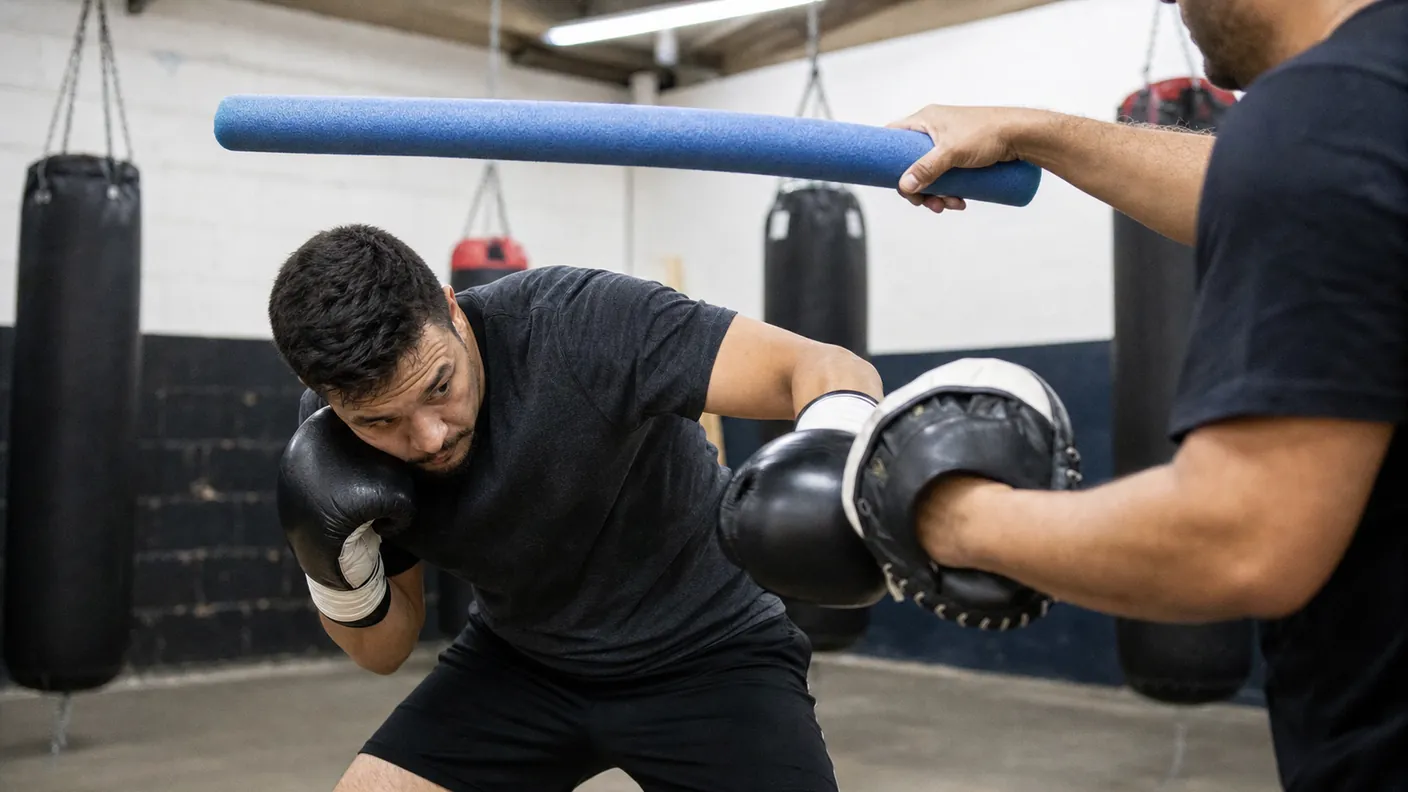
Slip Inside the Jab for a Body Hook
Use a small inside slip to move off the jab line, then build a compact lead hook to the body without losing your balance.
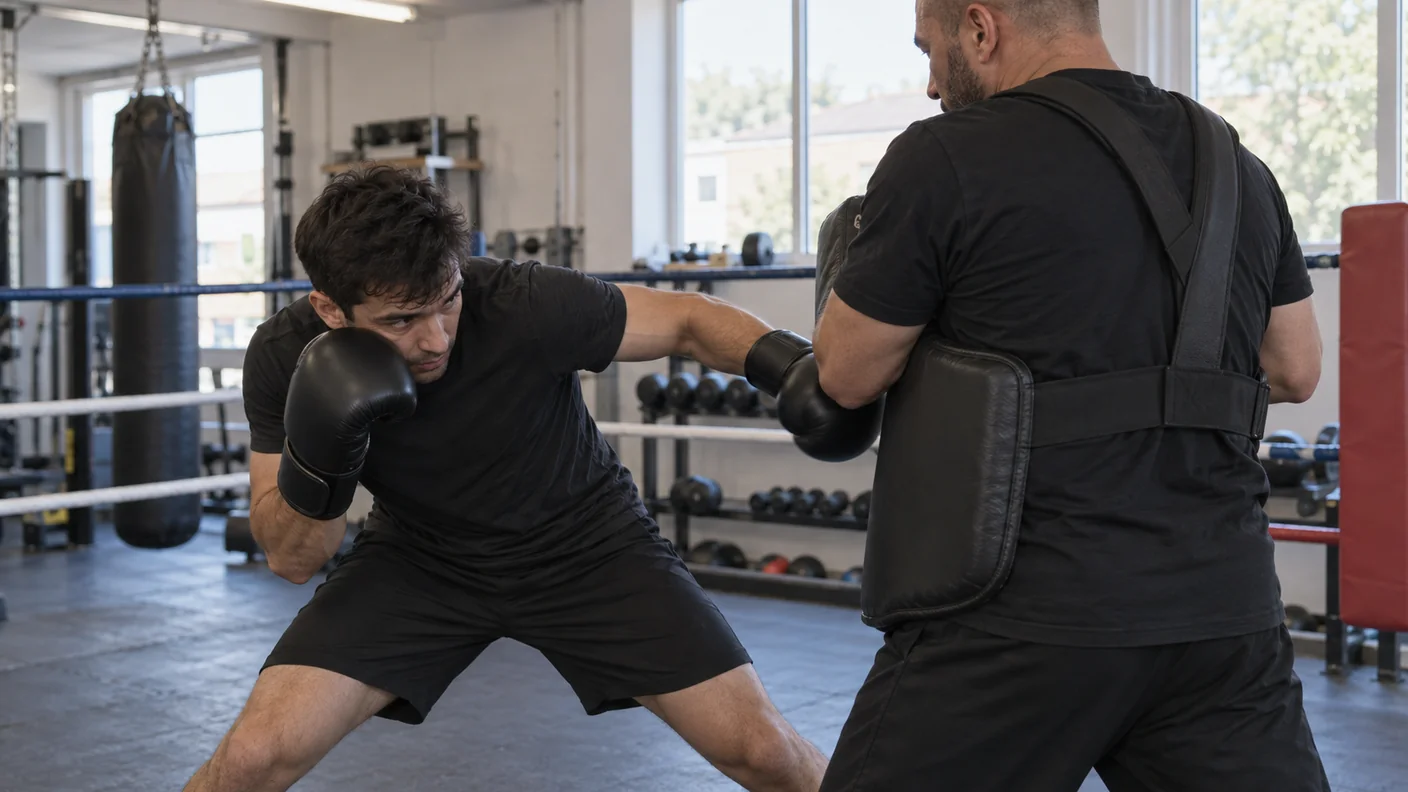
Inside Slip Lead Hook: A Controlled Jab Counter
Use a small inside slip and a compact lead hook only when the jab, range and guard make the counter an honest option.
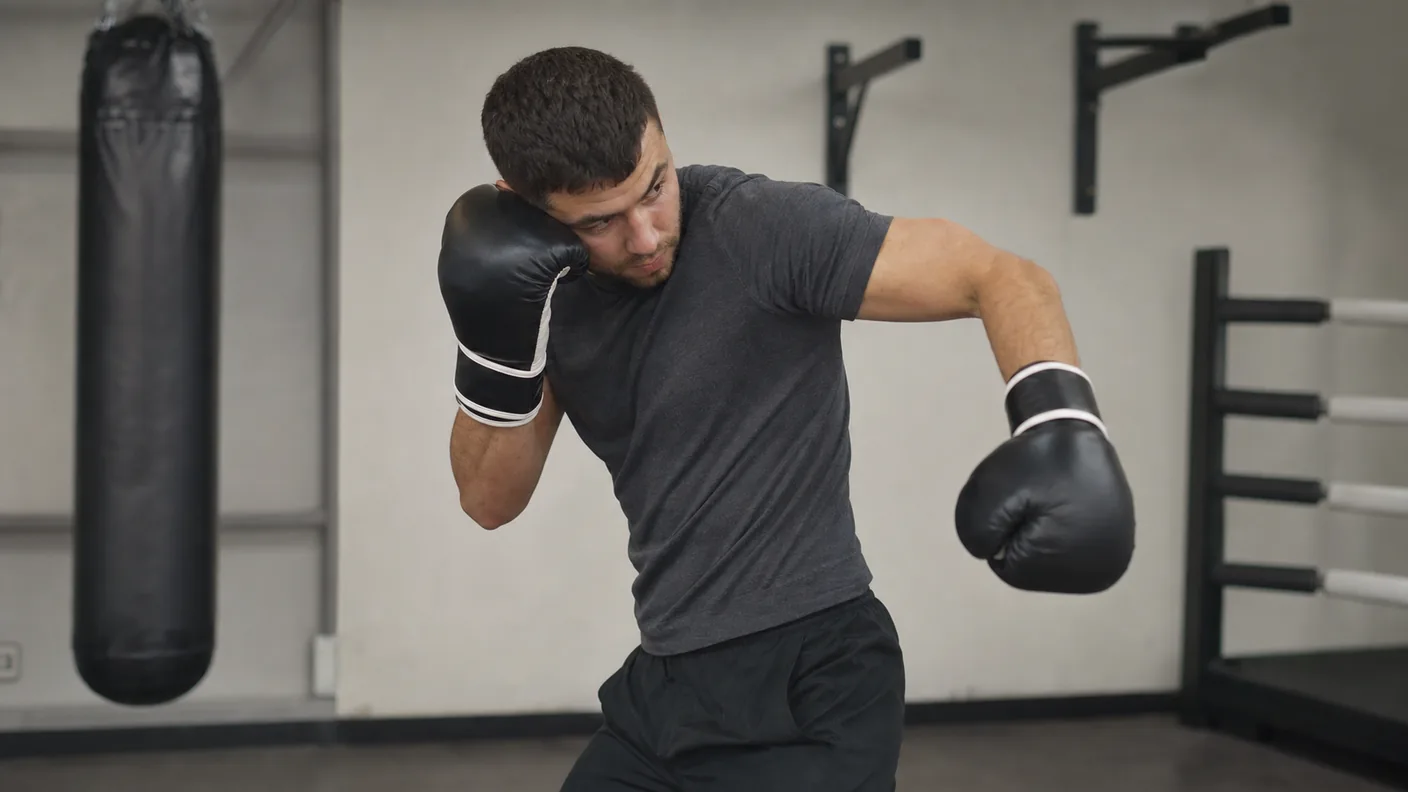
One-Two, Block, Hook: The Next Boxing Answer
Use a compact block after the one-two, then return with a lead hook without losing your stance or chasing the exchange.
Was this page helpful?
It takes one tap, and it genuinely helps.
Choose your next step
Turn this article into the right action
Some readers are ready to book. Some need the class route first. Pick the route that matches what you actually want.