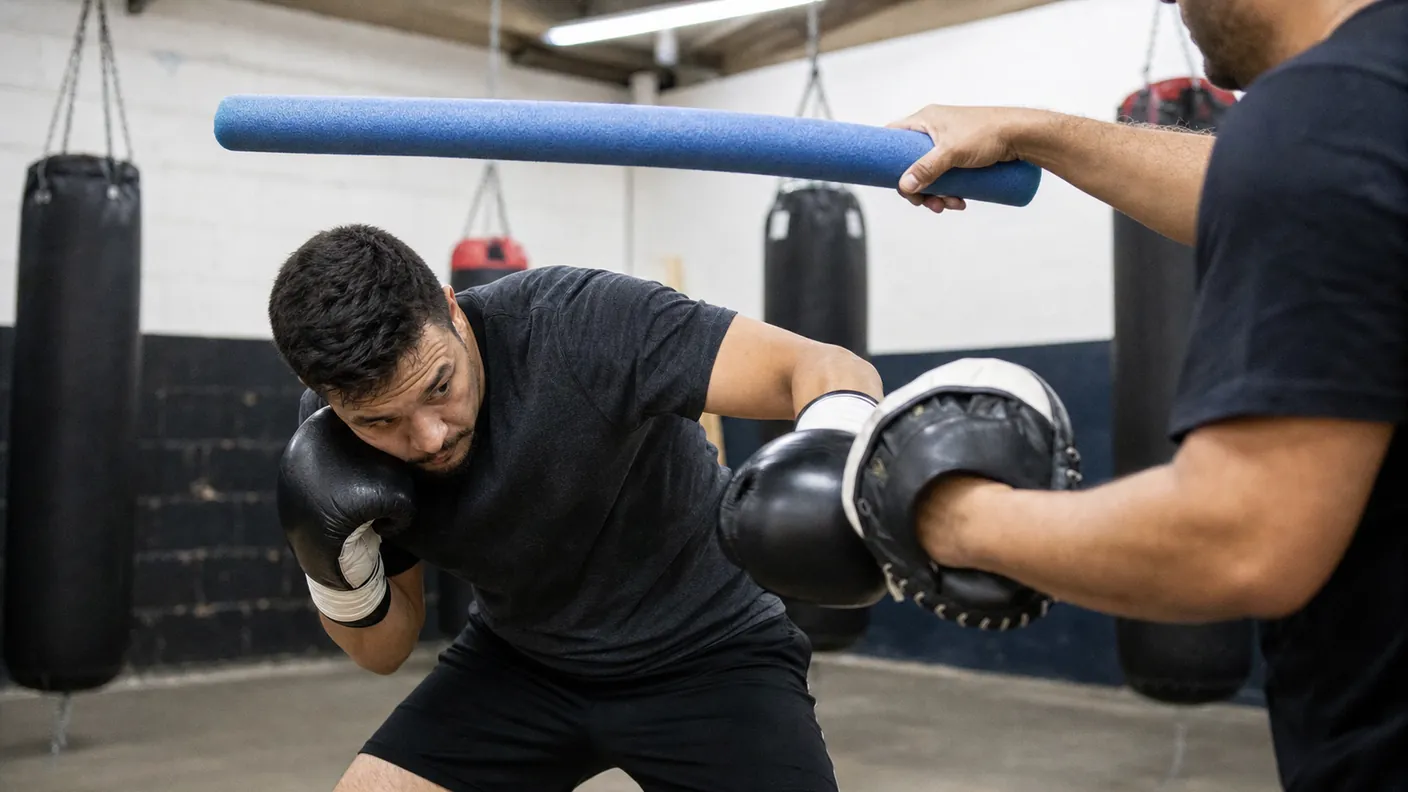
A jab is not only something to avoid. It can also give you a route in.
That does not mean diving forward under every lead hand and throwing a big body shot. That is how beginners run into the rear hand, lose their feet and end up too close to punch well. The useful version is smaller: take your head off the jab line, keep your stance underneath you, then use the position to deliver a short hook to the body or leave safely.
The drill is best learned slowly on pads or with a cooperative partner. Watch the short demonstration below, then use the coaching notes to make the movement useful rather than dramatic.
The first job is not to land the body hook. The first job is to make the jab miss while remaining able to see, balance and choose what happens next.
The inside slip is a small movement
An inside slip moves your head across the centre line of the incoming jab. For an orthodox boxer facing another orthodox boxer, that normally means taking the head slightly to the left of the opponent's lead hand. Southpaws reverse the picture.
The word slightly matters. Your knees soften, the lead shoulder comes in a little, and your head moves only far enough to clear the punch. Your feet do not cross. Your back does not fold. Your eyes stay on the other boxer.
A combat-sports anticipation review found that more experienced athletes tend to make better use of early movement cues. In ordinary gym terms, you are not waiting for the jab to touch your forehead before moving. You are reading the shoulder and glove early enough to make a calm, compact decision.
The common error is to turn the slip into a bow. The boxer bends forward from the waist, drops the eyes and lets the rear hand drift. That may put the head below the jab, but it also puts it on the path of an uppercut or a short right hand. A good slip keeps the spine organised and the chin protected.
Use this simple test in front of a mirror. Start in stance, take a tiny inside slip, then freeze. If you could still throw a clean punch, block a return or step away without rebuilding your feet, the shape is probably sound. If you feel stretched, folded or stuck on the front foot, make it smaller.
Keep the rear hand where it belongs
The body hook tempts people to forget their face.
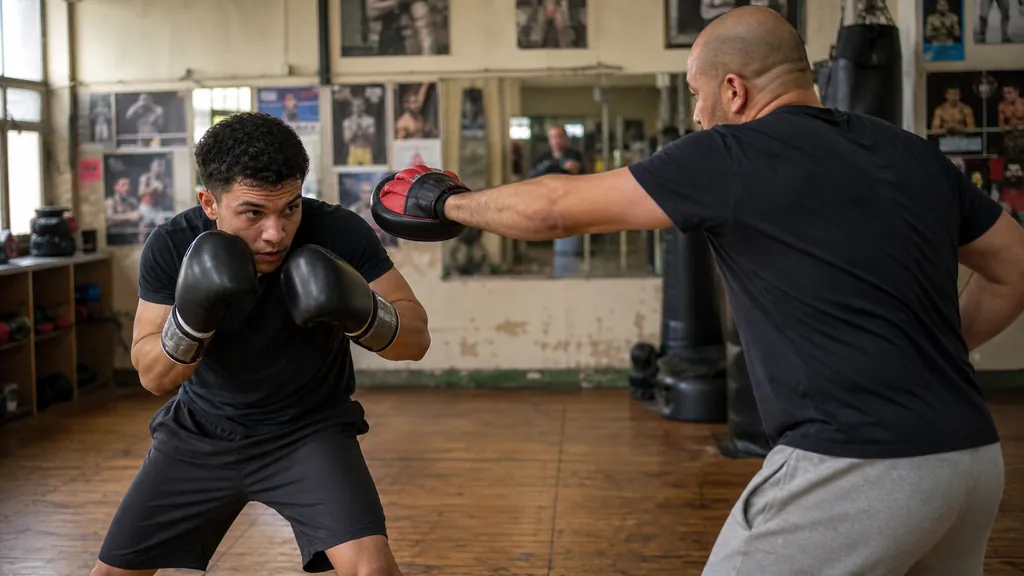
As you slip inside, the rear hand should stay close to the cheek and the chin should remain behind the shoulder. This is not decorative. You have moved towards the other boxer's power side, so the guard has to stay honest while you decide whether the hook is really there.
England Boxing's coaching handbook makes the same practical point throughout its punch and combination work: keep the non-punching hand in guard and return quickly to position after a shot. That is especially important here because the entry can make a body hook feel available before it is actually safe.
Do not chase the hook if the jab was too short, too fast, or followed by another punch. The correct response may be an inside slip followed by a cover, a small step out, or a return to centre. Boxing is not a drill sheet. The body hook is an option, not a debt you must collect.
Try a no-punch partner drill first:
- Partner A shows a slow single jab to the forehead line.
- Partner B slips inside by a few inches and keeps the rear glove near the cheek.
- Partner B freezes for one second.
- Both reset before repeating.
The partner should be able to point at B's rear glove without reaching. If that glove has wandered down, add no speed and no counter. Fix the guard first.
This builds on the basic choices in how to defend the jab. Catching, slipping and blocking are not competing tricks. They are answers for different positions and different moments in the exchange.
Find the body hook without diving
Once the slip is tidy, add the lead hook to the body.
The hook should be compact. Change level with a small bend in the knees, not by pushing the head forward. Keep the elbow bent, turn the lead hip through the shot and bring the glove back to guard as soon as it lands. The punch travels through a short line. It is not a wide swing around the other boxer's back.
Think about the order:
- Read the jab.
- Slip inside by a small amount.
- Settle the feet and lower with the knees.
- Throw the short lead hook to a coached target.
- Bring the glove home and make an exit.
The level change should not happen before the jab arrives. If you dip early, you advertise the body shot and make the entry easy to read. Slip first, then decide whether your range and balance support the hook.
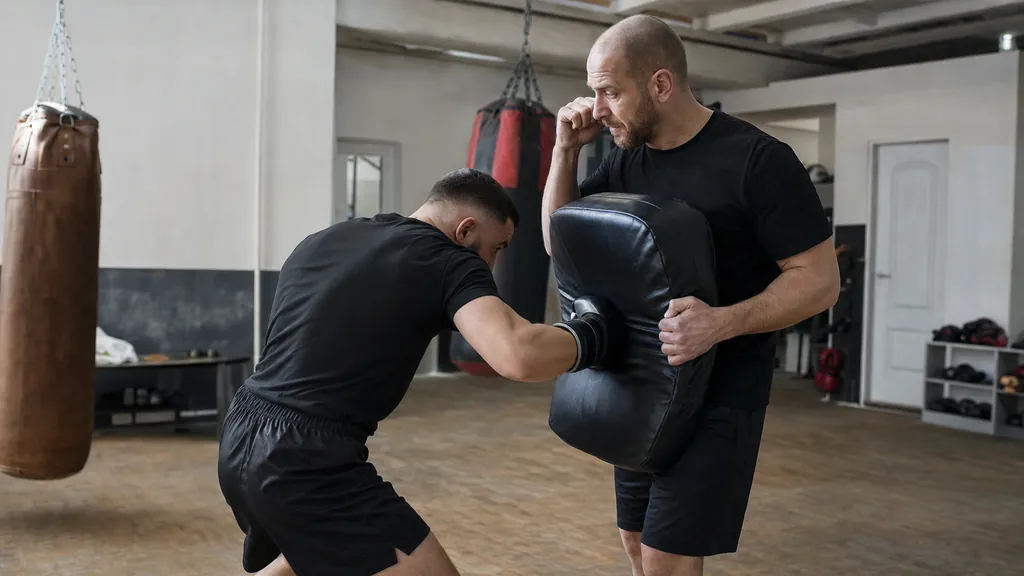
The body target matters too. In a class drill, use pads or a body shield. With a partner, keep it light and specific. You are learning where the shot sits and how to return to shape, not testing who can absorb the harder punch.
For a fuller look at target selection and exits, read body punching in boxing: aim, angle, exit. The same rule applies here: landing a body shot is not permission to stay low and square in front of someone.
The exit is part of the counter
A body hook at close range changes the next second of the exchange.
You are closer, your lead side has turned, and the other boxer may answer with a short hook, uppercut or pressure step. That is why the hook needs an exit built in before you throw it. The cleanest exit is often small: bring the hand back, take one step out behind the lead shoulder, or recover to guard and turn away from the return line.
Do not overdo it. A huge leap backwards usually tells the other boxer you are finished and can leave you square. A calm reset lets you see what comes next.
The link between a punch and its recovery is not optional. A technical review of boxing punches describes punching as a coordinated whole-body action, with the legs, trunk and arms working together. In the gym, that means the feet are still part of the hook after the glove has touched the pad.
Use one exit only while you learn:
- slip inside, lead hook to body, step out to your lead side
- slip inside, lead hook to body, guard and reset in place
- slip inside, decide the hook is not there, cover and step out
The third option is worth practising. A boxer who can abandon a counter safely is harder to draw into a bad exchange than one who has decided the same answer must follow every jab.
A three-round drill for the pattern
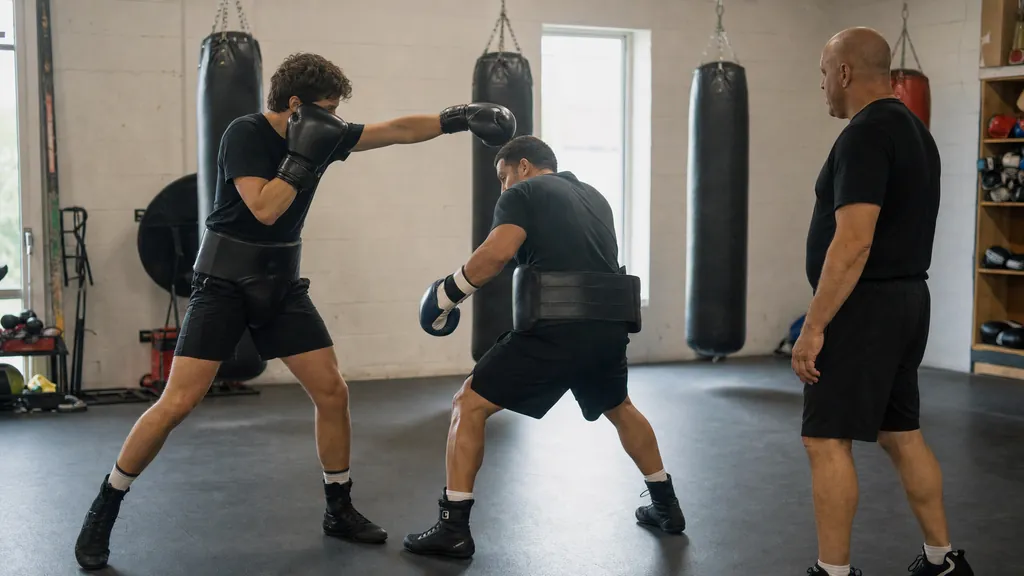
Keep this technical. No hard contact and no open sparring are needed to make the lesson clear.
Round 1: slip and hold
Partner A feeds one slow jab. Partner B slips inside, holds the position for one beat, then returns to stance. The coach watches the eyes, rear glove and front knee.
The aim is to remove the panic. If B ducks too low, tell them to move the nose off line rather than trying to get under the floor.
Round 2: slip and touch the body shield
Replace the partner's free body with a body shield or low focus mitt. Partner A shows the jab, B slips inside and touches the target with a light lead hook. B returns the lead hand to guard before taking a small exit.
Work at half speed. The hook should be short enough that B can finish in stance. If the punch pulls B past the shield or makes the rear foot spin, shorten the hook and slow the drill down.
Round 3: choose the safe answer
Partner A can now show either a single jab or jab followed by a second controlled cue from the coach. On a clear single jab, B may slip and touch the body target. On the second cue, B slips, covers and exits without throwing.
This is where the drill becomes boxing rather than choreography. You are learning to recognise when the body hook fits and when it does not.
Common mistakes to stop early
The first mistake is diving too far inside. A small slip puts you in position. A big dive can walk you into the rear hand.
The second is dropping the rear hand. The body hook comes from the lead side, so the rear glove has no excuse to leave the cheek.
The third is punching the body from too far away. If you have to reach with your head, your feet need to move first or the punch should wait.
The fourth is loading the hook after the slip. Keep the hook compact. The jab has already created the moment. You do not need to announce the counter with a big arm pullback.
The fifth is staying in front after the hook. Bring the glove home, recover your posture and make a small exit or reset.
The coaching cue
Slip small, guard high, hook short, leave organised.
That is enough for this pattern. You do not need a dramatic dive under the jab or a huge body shot. You need a tight defensive movement, a balanced lead hook when the range allows it, and an exit that keeps you ready for the next decision.
If you are in Kidbrooke, Greenwich or nearby, our Recreational Adults boxing classes teach counters through pads, controlled partner drills and coached rounds. You learn how to make a safe choice in an exchange, not just repeat a combination on command.
H&G Team
Writer at Honour & Glory Boxing Club, a community boxing gym in Kidbrooke, South East London.
KEEP READING
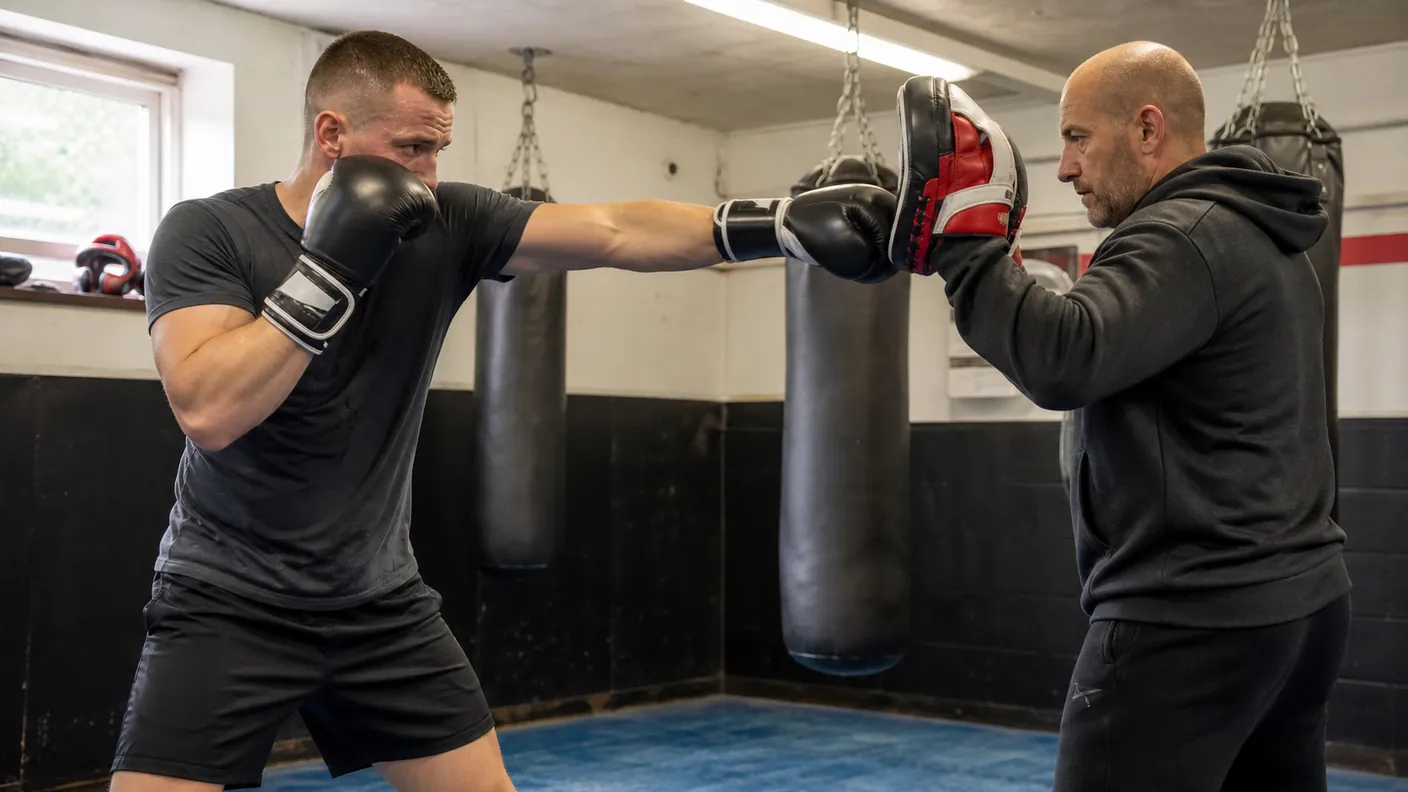
Slip the Return Right for a Body Hook
A calm answer to the return right: slip outside, find a short body hook, then leave before the exchange turns messy.
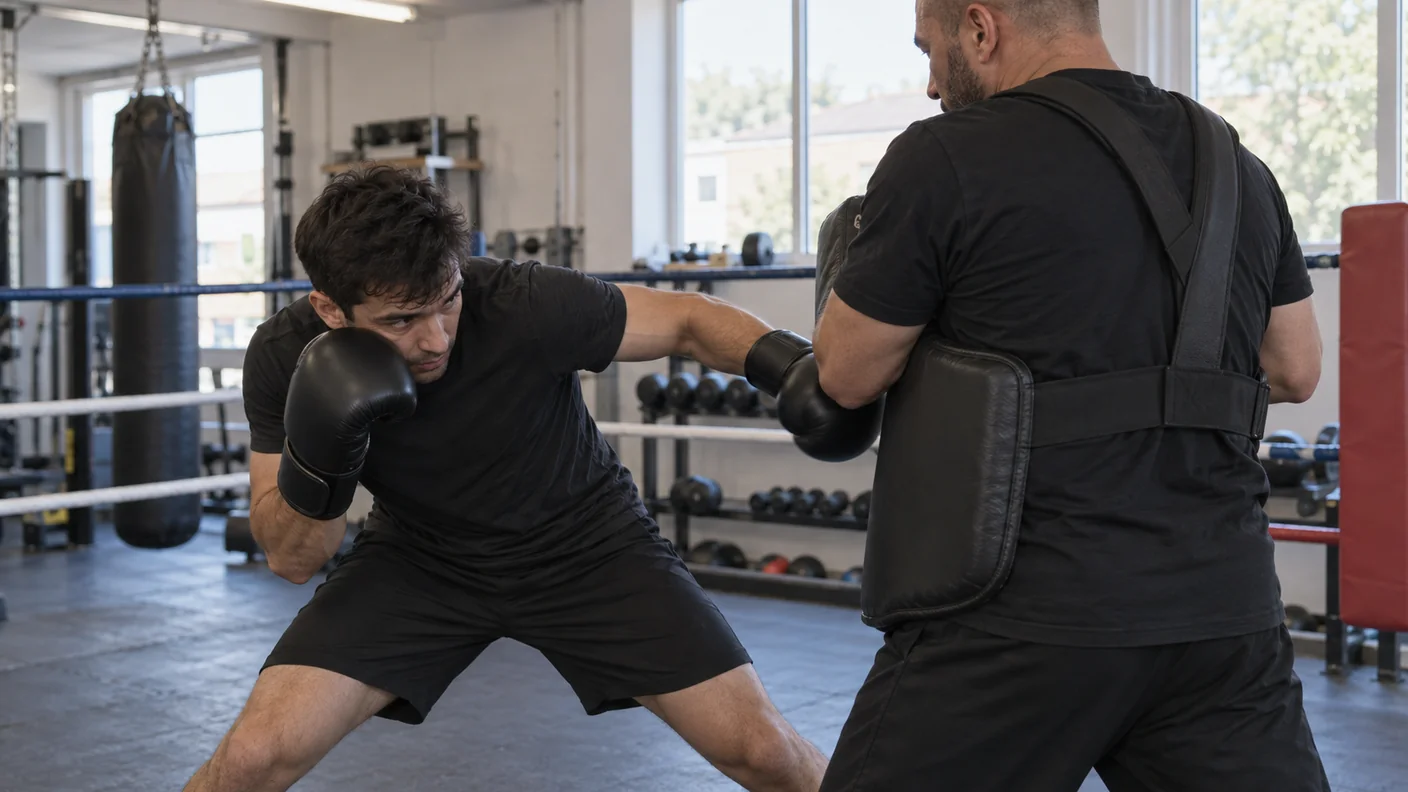
Inside Slip Lead Hook: A Controlled Jab Counter
Use a small inside slip and a compact lead hook only when the jab, range and guard make the counter an honest option.
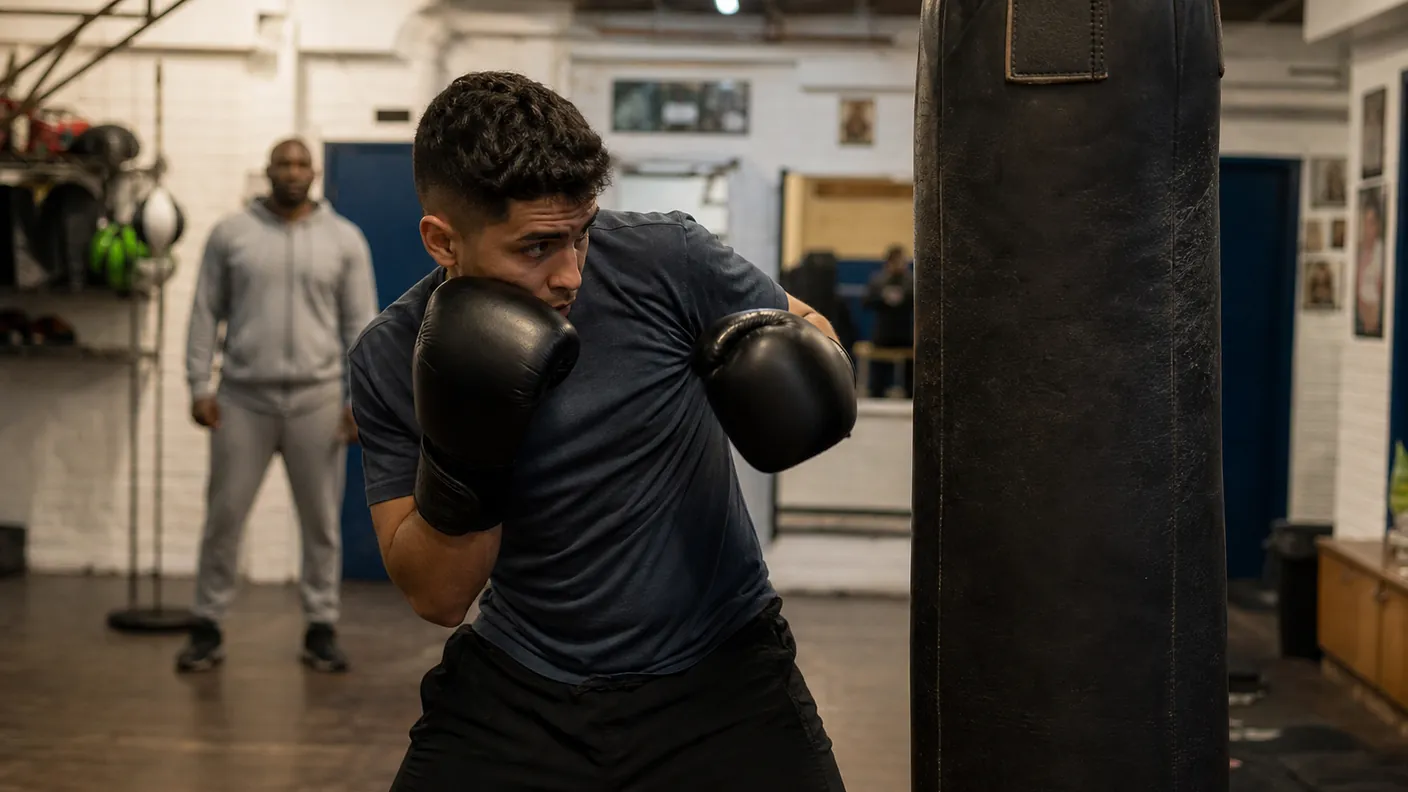
Jab, Slip, Slip, Hook: A Calm Boxing Drill
Use a controlled jab-slip-slip-hook drill to join your guard, head movement and lead hook without rushing the exchange.
Was this page helpful?
It takes one tap, and it genuinely helps.
Choose your next step
Turn this article into the right action
Some readers are ready to book. Some need the class route first. Pick the route that matches what you actually want.