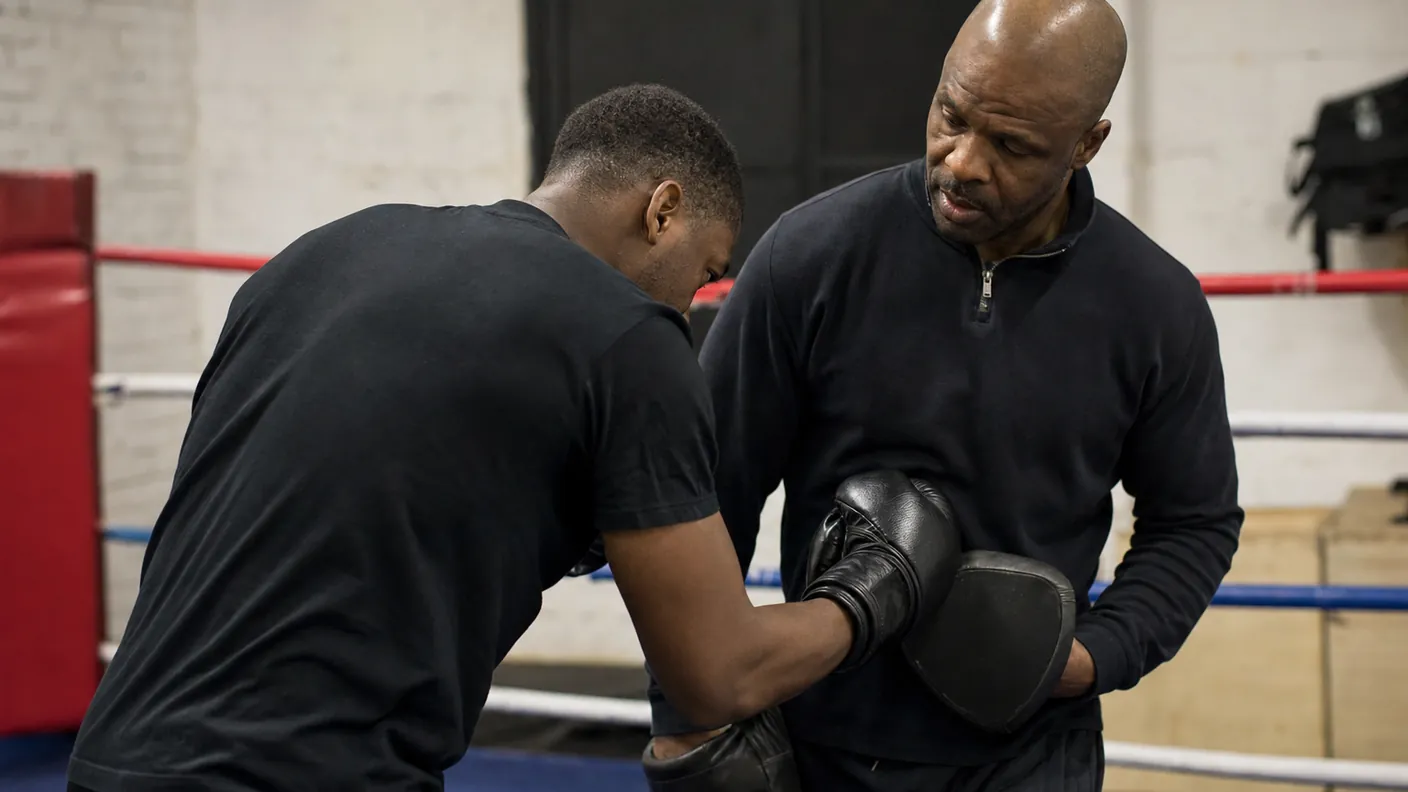
Most beginners throw body shots as if the target is the whole lower half of the other person.
They dip too low, swing too wide, stare at the body, land the glove somewhere near the ribs, then stay there admiring the work. It feels busy. It is also why many body-shot attempts in sparring become free counters for the other boxer.
Good body punching is more exact than that. You aim at a useful line, change level without collapsing, put the shot in at an angle, then recover your head and feet before the other person answers.
Watch the short clip below, then use the coaching notes after it to build the skill properly.
The key message is simple: body punching is precision work. It is not a licence to smash low and hope.
Body shots are not low swings
A body shot should still look like boxing.
The mistake is treating the body as an easier target because it is bigger than the head. It is not easier if you give away the entry. A lazy dip tells the other boxer what is coming. A wide hook leaves the chin open. A shot thrown from a stretched stance makes the exit slow.
The body is a good target because it asks the defender to protect more space. Head, ribs, middle line, elbows, balance, breathing - all of that becomes part of the problem. But the punch still needs the same rules as any other useful shot: range, balance, guard and recovery.
Think of body punching as a change of level, not a change of standards.
Aim for the line, not the ribs
Beginners often chase the ribs because they are visible. That is not the best way to learn the shot.
In coached training, start by aiming for clear pad or bag zones around the centre line and the softer body line below the chest. On a partner, that means controlled target work only. You are learning the shape, distance and angle, not trying to hurt someone in a class drill.
The ribs are also not a sensible place to take risks. The NHS warns that rib injuries can cause pain when breathing or coughing and need urgent help if symptoms such as worsening shortness of breath, coughing blood, tummy pain or shoulder pain appear (NHS rib injury advice). That does not mean body-shot drills are unsafe when coached properly. It means beginners need control, good matching and clear rules.
For technical practice, use this cue: aim for the body line you can hit without losing your own shape. If the only way to reach it is to fold at the waist, you are too far away or the shot is not there yet.
Change level with the legs, not the chin
The level change is where many body shots break.
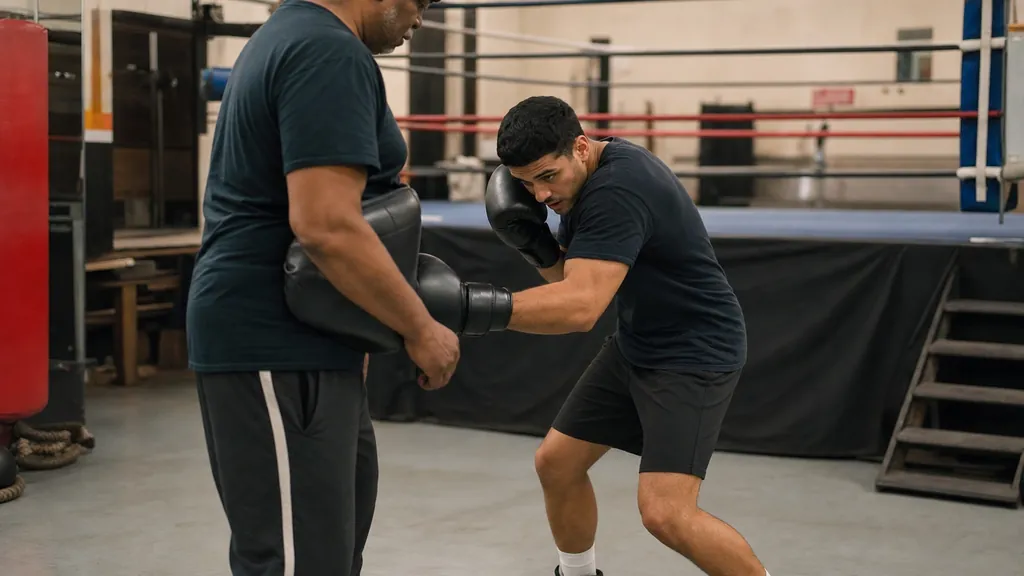
A good level change is small. The knees soften, the hips sit a little, the eyes stay forward and the guard stays close. The head does not dive past the front knee. The boxer should still be able to punch, block or step after the shot.
A bad level change is a bow. The boxer bends from the waist, the head drops, the rear hand floats away and the punch comes from below the stance rather than through it. That version might touch the bag, but against a person it invites uppercuts, hooks and clinches.
Use this drill before adding power:
- Stand in your normal boxing stance.
- Bend the knees one inch without leaning forward.
- Bring the lead shoulder slightly inside the guard.
- Touch the body-level pad with a light jab or hook.
- Return to your normal height with both hands home.
If you cannot freeze after the shot with your feet still under you, slow down. The body shot is not ready for speed.
This links directly to setting your feet in boxing. You are not dipping because it looks dramatic. You are lowering the stance just enough to deliver a punch and still have choices afterwards.
Put the punch in at an angle
Straight force into the front of the body is not always the best answer.
A cleaner body shot often travels through the target at a slight angle. The glove does not slap the side and it does not scoop up from the floor. It drives through a line, with the feet and hips connected to the hand.
That connection matters. A biomechanical analysis of boxing punches describes punching as a whole-body action rather than an arm-only movement. In gym language, the punch starts from the floor. The foot grips, the hip turns, the trunk carries the force, and the hand delivers it.
For a rear-hand body shot, step or settle into range first. Let the rear hip turn through the punch, keep the lead hand close, then bring the head back over the stance. For a lead hook to the body, keep it compact. The elbow does not need to fly behind you. The punch should feel like a short turn, not a big swing.
Hide the body shot before you throw it
A naked body shot is easy to read.
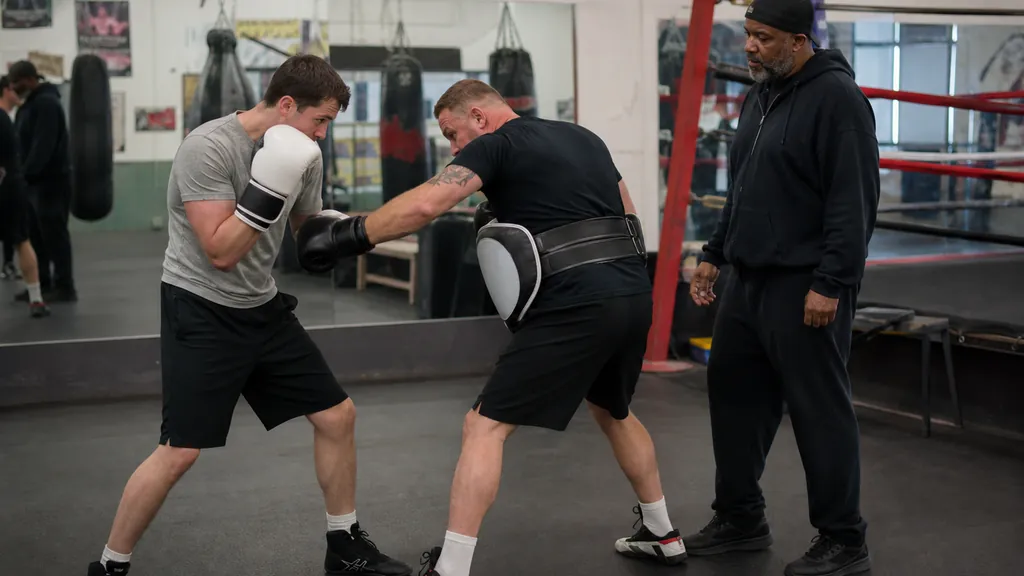
If the boxer stares at the target, drops the shoulder early or steps in with the head already low, the other person sees the idea before the punch starts. Good body punching usually needs a small disguise.
Simple options work best:
- Jab high, then right hand to the body.
- Touch the guard with the lead hand, then hook to the body.
- Feint the jab, make the hands rise, then step into the body line.
- Double jab, then change level on the third beat.
- Catch or parry, then answer to the body while the opponent is still square.
The disguise does not need to be theatrical. A good feint is small enough to keep your stance. Our guide to using feints in boxing goes deeper on that idea, but the body-shot version is simple: make the defender think about the head before you ask the body a question.
Exit before the counter arrives
The body shot is not finished when the glove lands.
This is the part beginners miss. They throw the shot, feel contact and stay in the pocket with their head low. That is when the counter comes. A body shot often puts your head closer to the other boxer, so your exit has to be planned before you throw.
Use one of three finishes:
- Body shot, then step out behind the lead shoulder.
- Body shot, then roll under the returning hook.
- Body shot, then bring the head back to centre and guard.
Do not make the exit huge. A small step or roll is usually enough. The aim is not to run away. The aim is to stop the exchange becoming your turn, then their free turn.
This is why heavy bag work that transfers to sparring should include defence after the punch. The bag will let you stay low and open. A partner will not.
A three-round body-punching drill
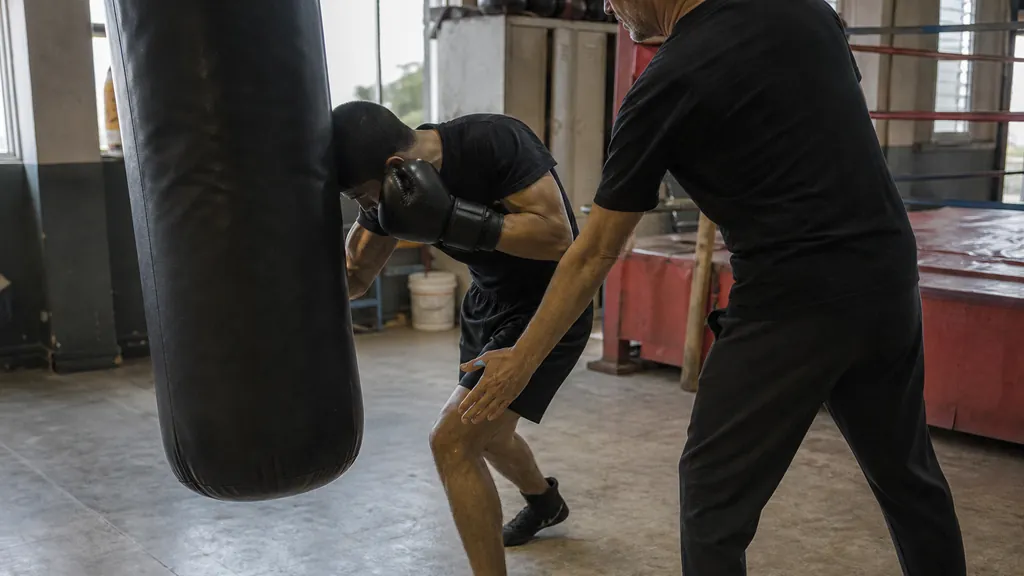
Use this structure on pads, a body shield or the heavy bag. Keep the power sensible until the movement is clean.
Round one: touch the target
Work at 50 percent. Pick one body-level target and touch it cleanly with a jab to the body, rear hand to the body or lead hook to the body. After every punch, freeze. Check feet, guard, chin and breathing.
If the boxer is reaching, move closer. If the boxer is folding, slow the level change. If the hand comes back low, make the recovery the main rule.
Round two: set it up
No body shot starts first. Use a high jab, feint, lead-hand touch or defensive catch before every body shot. The set-up should be small and believable. If the set-up wrecks the stance, it is too big.
This round teaches the boxer not to advertise the level change.
Round three: punch and leave
Every body shot must have an exit. Step, roll, pivot or recover to guard. The coach should watch the moment after the punch, not only the punch itself. If the boxer stays low with both hands drifting, the rep does not count.
The best body-shot round looks controlled. It is not a brawl. It is a boxer entering, touching the right line and leaving with enough shape to continue.
Common body-shot mistakes
The first mistake is dipping too low. If the head falls outside the stance, the punch has cost too much.
The second mistake is swinging wide. A body hook should be compact enough to recover. If the punch misses and the arm keeps travelling, the boxer is open.
The third mistake is looking at the target. Your eyes can give the shot away. Keep the eyes up and let the level change do the work.
The fourth mistake is forgetting the non-punching hand. When the rear hand goes to the body, the lead hand protects. When the lead hook goes to the body, the rear hand stays close. Body punching should not mean face available.
The fifth mistake is chasing damage in a learning drill. In a recreational class, precision and control come first. Power is earned after balance, aim and recovery are reliable.
The standard to chase
A good body shot has three jobs.
It lands on a useful line. It travels at an angle that uses the body, not just the arm. It finishes with the boxer ready to defend or punch again.
That is the standard. Not the loudest shot on the bag. Not the lowest dip. Not the biggest swing. The shot should be clean enough that a coach can see the purpose before it lands and safe enough that the boxer can repeat it without losing shape.
If you are in Kidbrooke, Greenwich or nearby, our Recreational Adults boxing classes teach body punching through pads, bag work, partner drills and controlled coaching. You will learn where to aim, how to change level and how to leave the pocket without turning every drill into a fight.
H&G Team
Writer at Honour & Glory Boxing Club, a community boxing gym in Kidbrooke, South East London.
KEEP READING
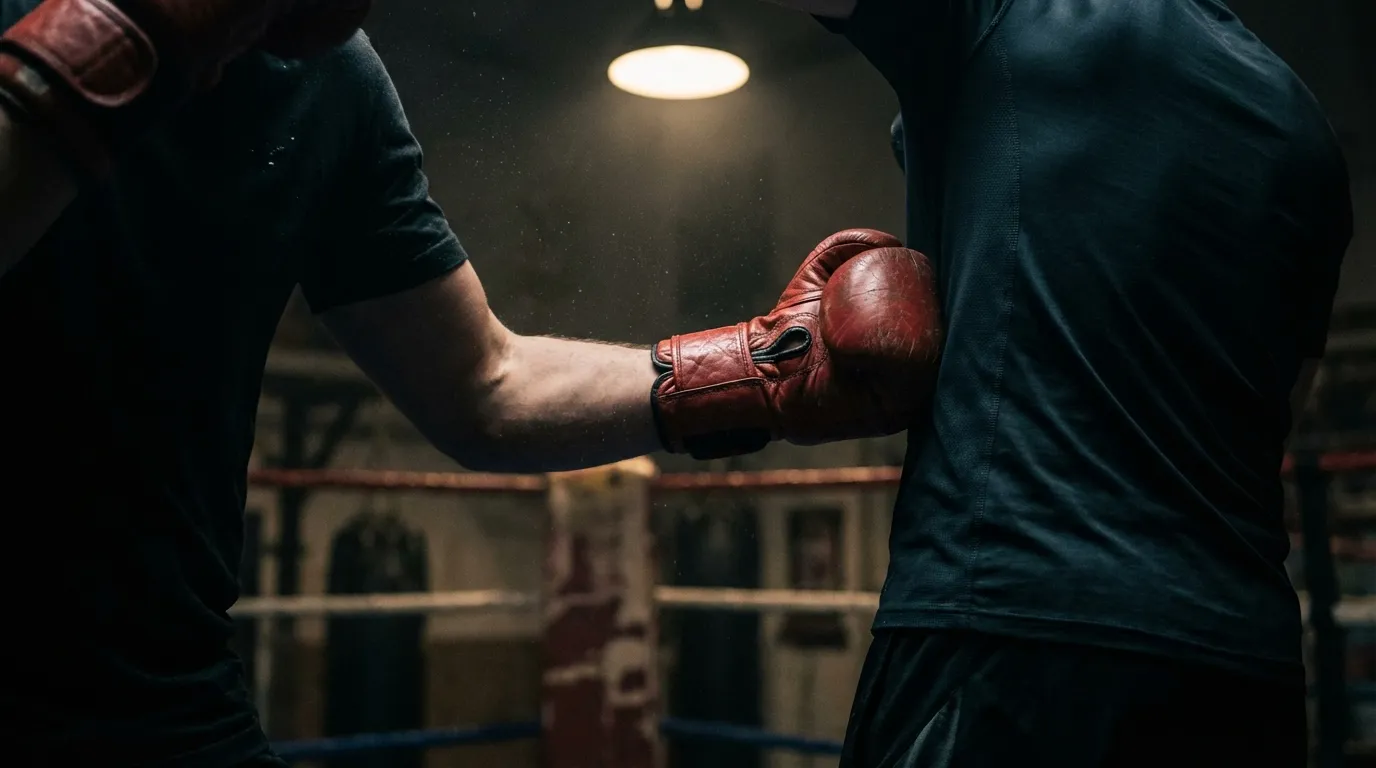
Body Shots in Boxing: How They Work and Why They Matter
What is a body shot in boxing and why do they win fights? Liver shots, solar plexus, floating ribs - how to throw body punches and set them up like the best boxers.
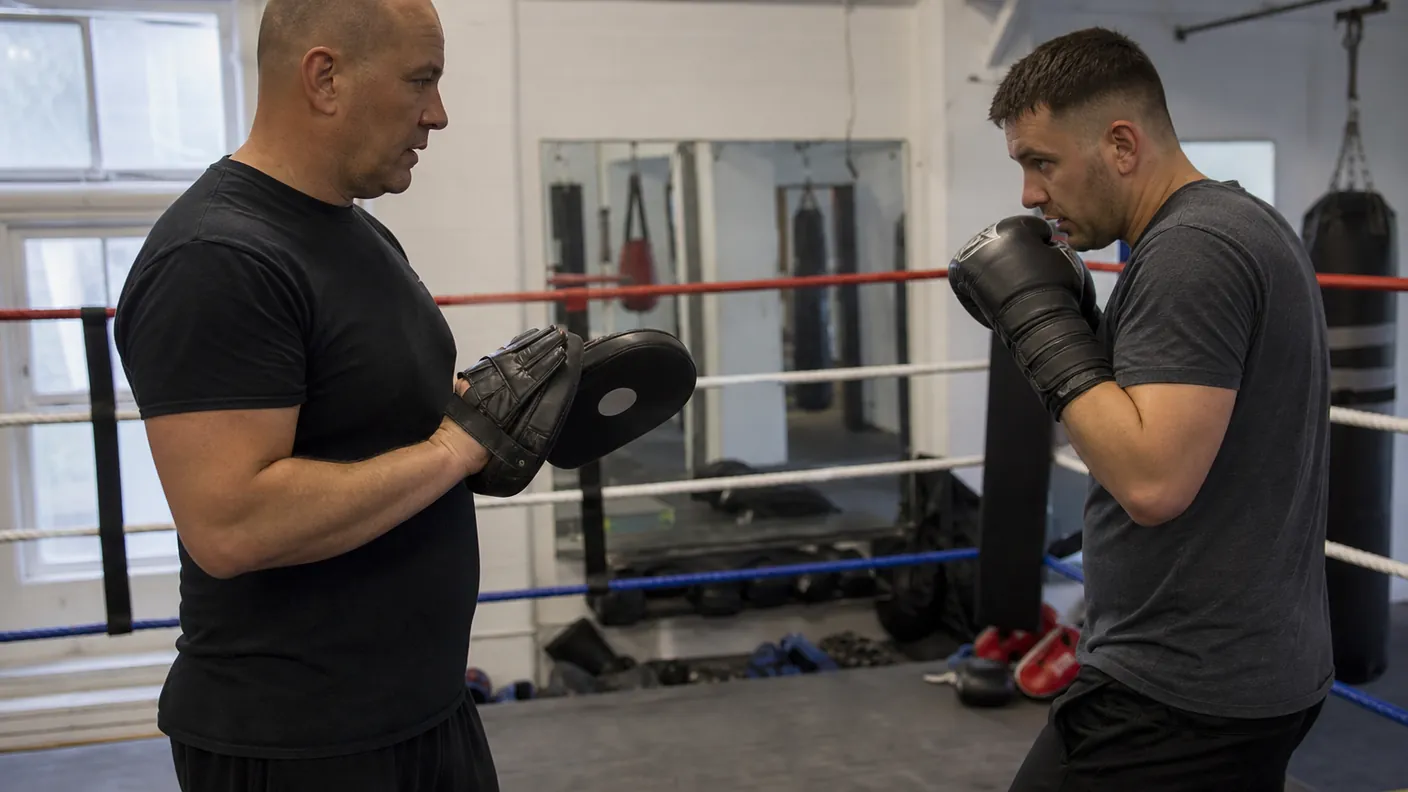
Boxing Belt Line: Body Shot Targets Explained
Learn where body shots should land, why the belt line matters, and how elbow position keeps target practice controlled.
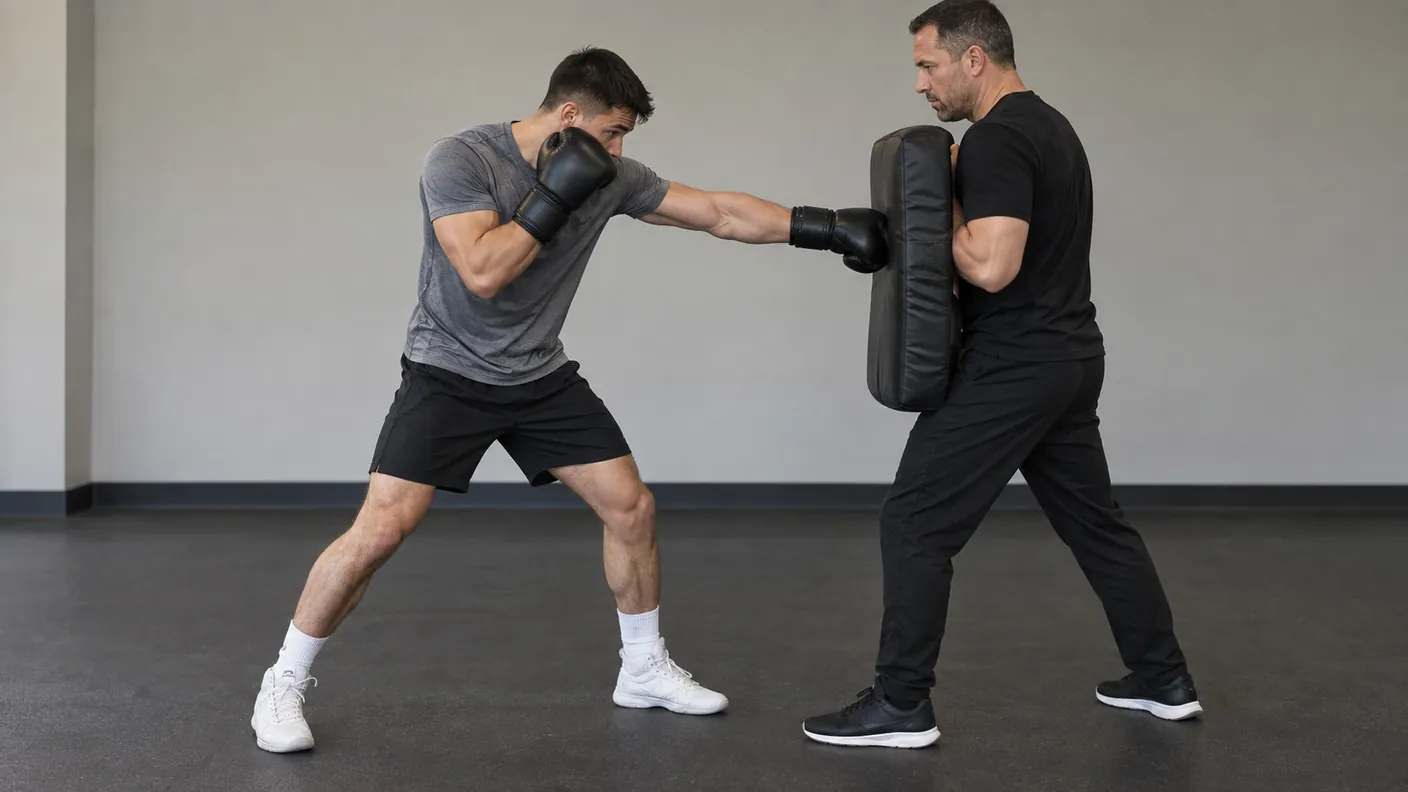
Long-Range Rear Body Cross: Boxing Drill
Use a small step, level change and guarded exit to land a rear body cross without reaching or getting stuck at close range.
Was this page helpful?
It takes one tap, and it genuinely helps.
Choose your next step
Turn this article into the right action
Some readers are ready to book. Some need the class route first. Pick the route that matches what you actually want.