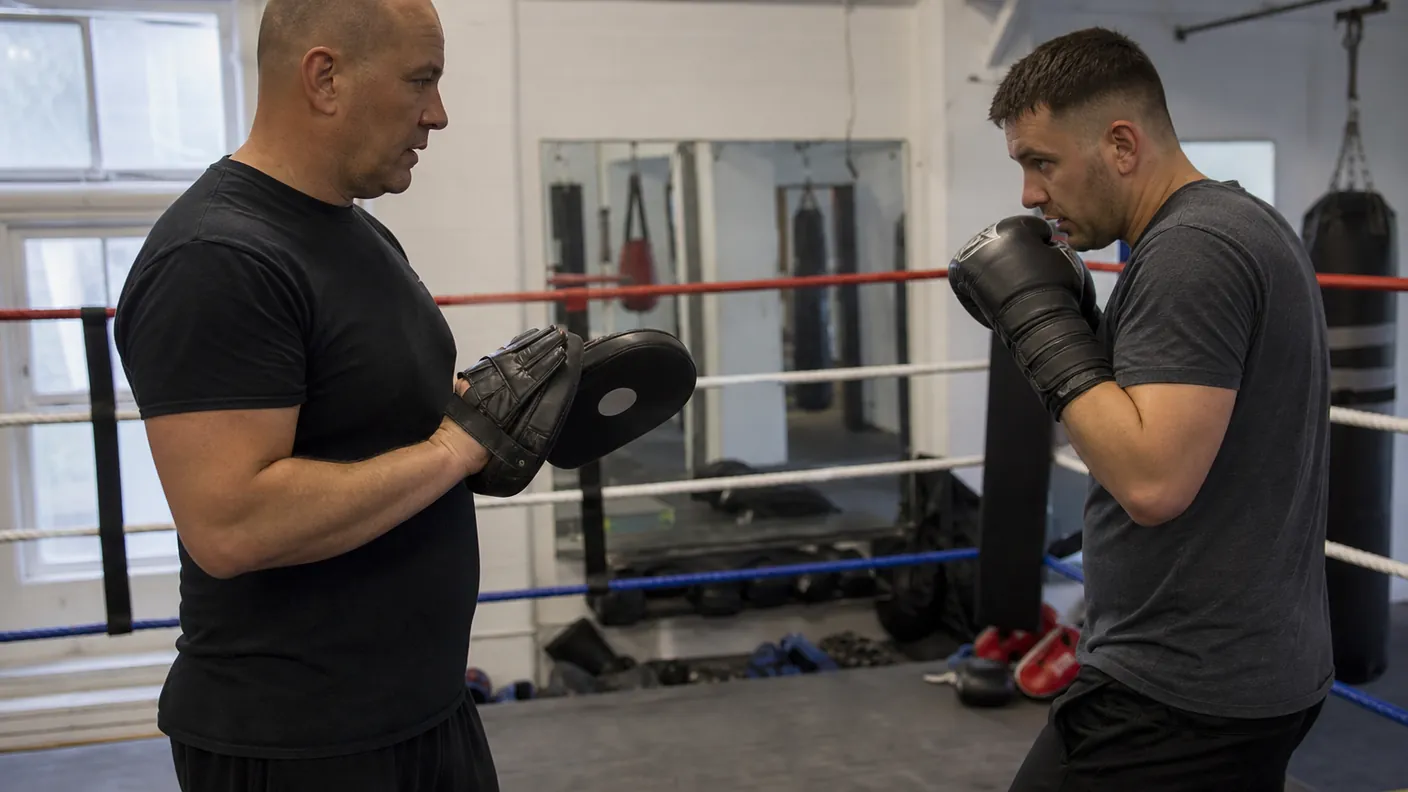
Body shots are not just punches thrown somewhere below the chin.
That sounds obvious, but it is one of the first details beginners blur. They hear "go to the body" and start aiming at a vague middle section: ribs, stomach, hip, belt, whatever happens to be there. In a real boxing room, that is too loose. The target line matters for safety, scoring, sparring control and basic respect for the rules.
The belt line is the first thing to understand. Shots below it are fouls. Shots around it need control. Shots above it still need proper target choice, because a body-shot drill should teach clean boxing, not cheap damage.
Watch the short clip below, then use the coaching notes after it to make body-shot practice cleaner.
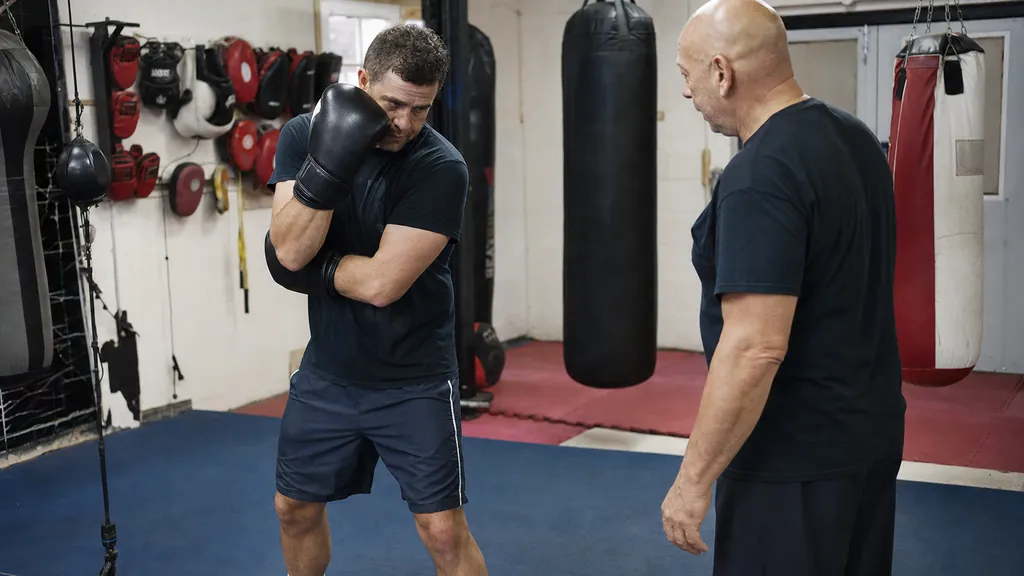
The belt line is a rule, not a styling choice
In boxing, the belt line is not only about how the shorts look.
The referee identifies the legal line before a bout. The BBC's plain explanation of boxing low-blow rules puts it simply: a low blow is a hit below the belt line, and that line is tied to the boxer's hip line. In a contest, that line affects warnings, deductions and whether a body shot is judged legal.
In the gym, the point is more practical. If a beginner does not know where the legal body target starts and ends, every body-shot drill becomes messy. The punch drifts too low. The pad holder moves the target without thinking. The boxer bends down and starts swinging into the wrong part of the body.
That is why coaches care about visible reference points. Shorts, waistband, vest, body protector and pad height all help a boxer understand where the drill is supposed to live.
Your elbows give you a simple target guide
A useful coaching cue is this: tuck the elbows and notice where they sit.
For most people in a normal guard, the elbows naturally settle around the lower rib and upper stomach line. That is not a perfect anatomical map, but it is a good training-room guide. It reminds the boxer that the body target is not down by the hips. It is higher, around the protected middle of the torso.
That matters on both sides of the exchange.
When you defend, tucked elbows help cover the body without reaching. The hands stay near the face, the elbows protect the middle, and the shoulders can still move. When you attack, those same elbows tell you roughly where a sensible body shot should arrive on a pad, bag or body shield.
If the punch has to travel below your own elbow line to reach the target, ask whether the target is too low or your stance is collapsing.
Body shots should be taught with control first
A body shot can hurt. That is exactly why it needs proper coaching.
The torso contains ribs, organs and soft tissue. The NHS warns that rib injuries can cause breathing pain and need urgent help when symptoms such as worsening shortness of breath, coughing blood, tummy pain or shoulder pain appear (NHS rib injury advice). A normal boxing class is not the same as medical danger, but it does mean beginners should not treat body-shot drills as permission to thump each other anywhere below the neck.
Start with pads and shields. Agree the target height. Keep the power moderate. Make the first job accuracy, not damage.
This is especially important in recreational classes. Most adults are there to learn boxing, build fitness and feel sharper. They do not need hard body sparring to understand target lines. They need repetition they can trust.
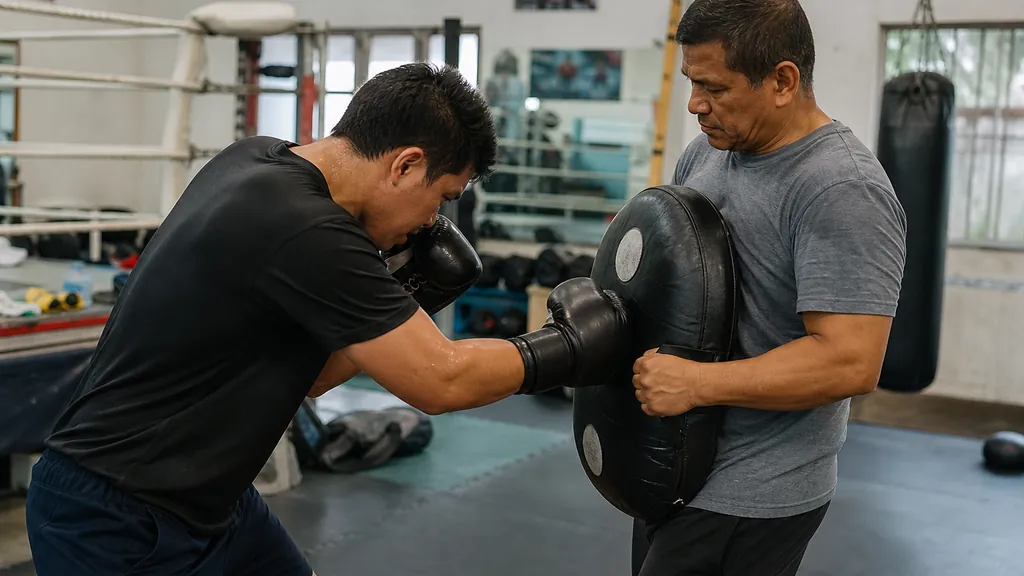
Do not chase the lowest target
Beginners often think a lower body shot is a smarter body shot.
It usually is not. Dropping too low creates three problems. First, the shot may become illegal or unsafe. Second, the boxer has to bend from the waist, which leaves the head forward. Third, the recovery becomes slow because the body is no longer underneath the feet.
A better rule is: change level just enough.
For a jab to the body, soften the knees and send the punch to the middle line without staring at it. For a rear hand to the body, let the rear hip turn while the lead hand stays useful. For a hook to the body, keep the elbow compact and the head on the safe side of the punch.
A technical review of boxing performance describes punching as part of a linked system of movement, defence, distance and tactics (boxing performance review). That is exactly the point here. A body shot is not good because it is low. It is good because the feet, level change, target and recovery all match.
Use the vest-and-elbow check on pads
Here is a simple pad drill for class.
Stand in stance. Tuck the elbows. The pad holder presents one pad or body shield around the lower rib to upper stomach line. The boxer throws a light body jab, rear hand or short hook, then returns to guard.
After each rep, freeze for one second and check four things:
- Was the target above the belt line?
- Did the boxer bend the knees rather than fold at the waist?
- Did the non-punching hand stay home?
- Could the boxer defend or move immediately after the shot?
If any answer is no, slow the drill down. Do not fix it by shouting for more power. Power only makes bad target practice worse.
This pairs well with our guide to body punching with aim, angle and exit. That article covers the punch mechanics. This belt-line check covers the map.
How this changes body defence
The same line helps you defend.
If the elbows flare wide, the middle of the body opens. If the elbows sit too low, the head becomes easier to hit. If the hands drop to protect every body shot, the guard loses its shape. Good defence is not about covering everything at once. It is about putting each part of the guard near the job it has to do.
Try this partner drill slowly. Partner A touches the gloves high with a jab. Partner B keeps the eyes forward, hands calm and elbows tucked. Partner A then taps the body shield or pad at the agreed body line. Partner B catches the idea with the elbow position, not by reaching down with both hands.
The aim is awareness. You are teaching the body to recognise the target line without panicking. That is how beginners stop overreacting to body shots and start defending like boxers.
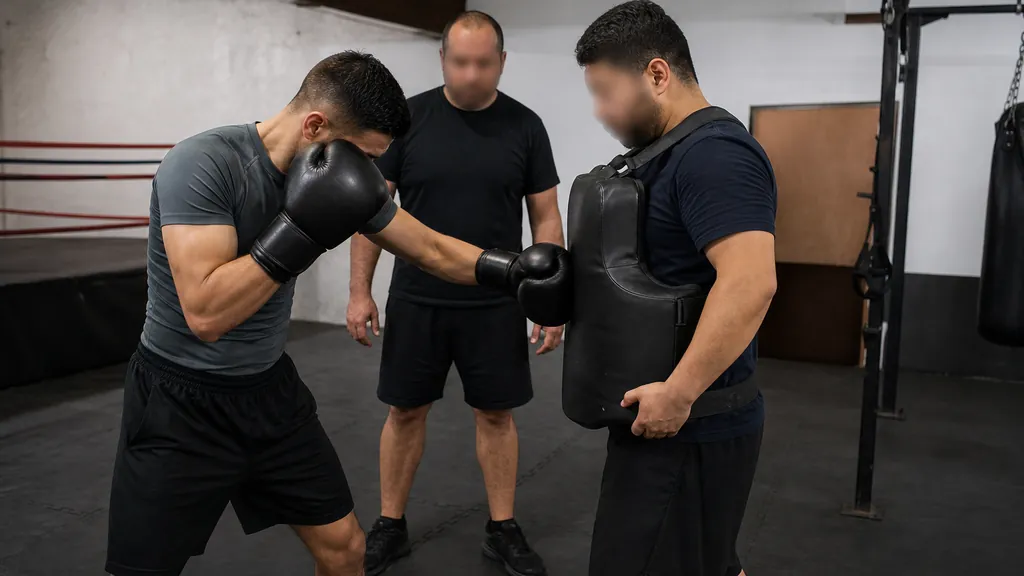
Common belt-line mistakes
The first mistake is using the waistband as a licence to punch low. Shorts can move. Bodies are different. In sparring or competition, the referee's line matters. In class, the coach's target matters.
The second mistake is throwing body shots from too far away. If you are at jab range and trying to hook the body, you will probably reach, fold or slap. Step into the right range first.
The third mistake is dropping both hands to protect the body. That works for about half a second, then the head is open. Keep the guard connected: hands high enough for the face, elbows organised enough for the body.
The fourth mistake is treating body-shot drills as toughness tests. There is a place for hard conditioning in boxing, but learning the target line is technical work. The cleaner boxer wins here, not the one who tries to prove they can take more punishment.
The coaching cue
Aim above the belt, around the elbow line, with enough balance to defend afterwards.
That one sentence solves most beginner body-shot problems. It keeps the punch legal. It keeps the drill controlled. It stops the boxer from chasing a low target and losing their stance. It also reminds the defender that elbows are not decoration. They are part of the map.
If you are in Kidbrooke, Greenwich or nearby, our Recreational Adults boxing classes teach body-shot targeting through pads, shields and controlled partner drills. You learn where the shot belongs before you try to hit harder.
H&G Team
Writer at Honour & Glory Boxing Club, a community boxing gym in Kidbrooke, South East London.
KEEP READING
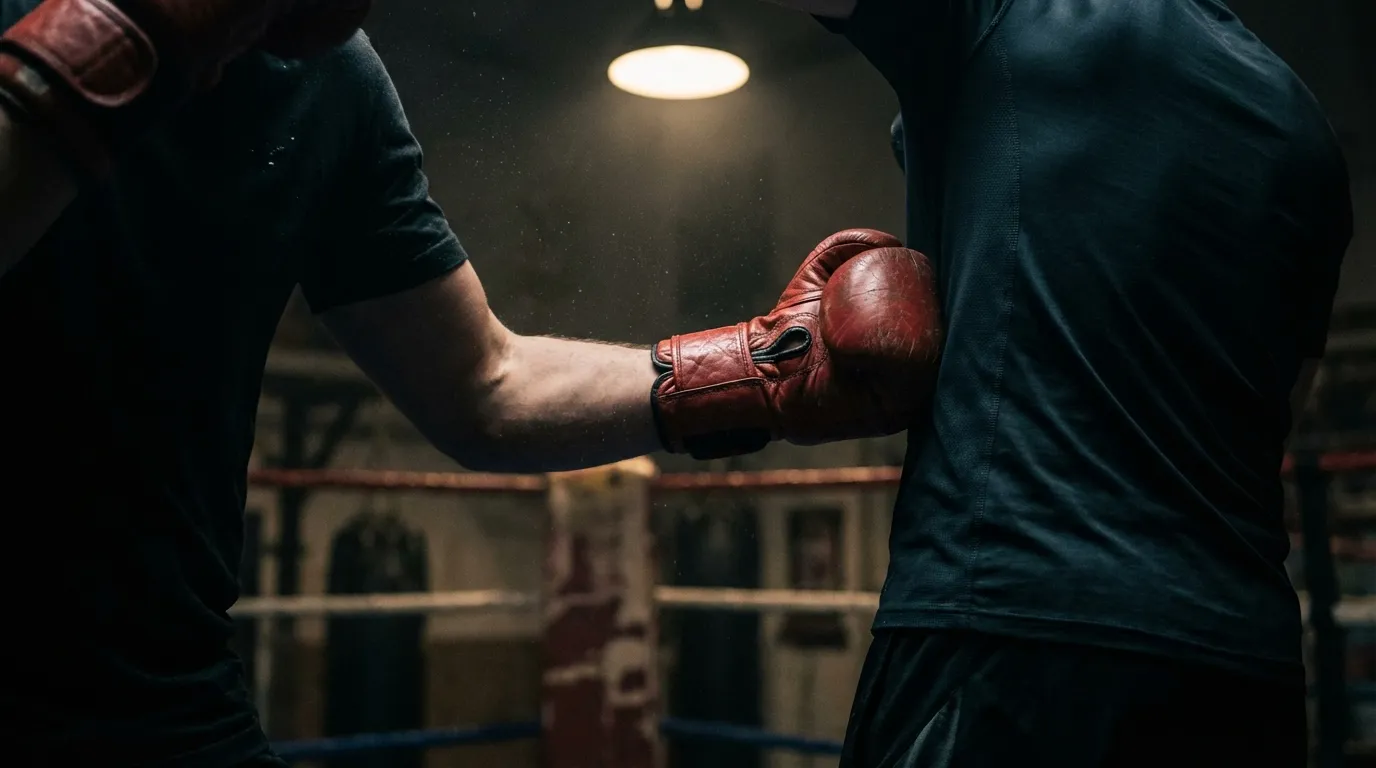
Body Shots in Boxing: How They Work and Why They Matter
What is a body shot in boxing and why do they win fights? Liver shots, solar plexus, floating ribs - how to throw body punches and set them up like the best boxers.
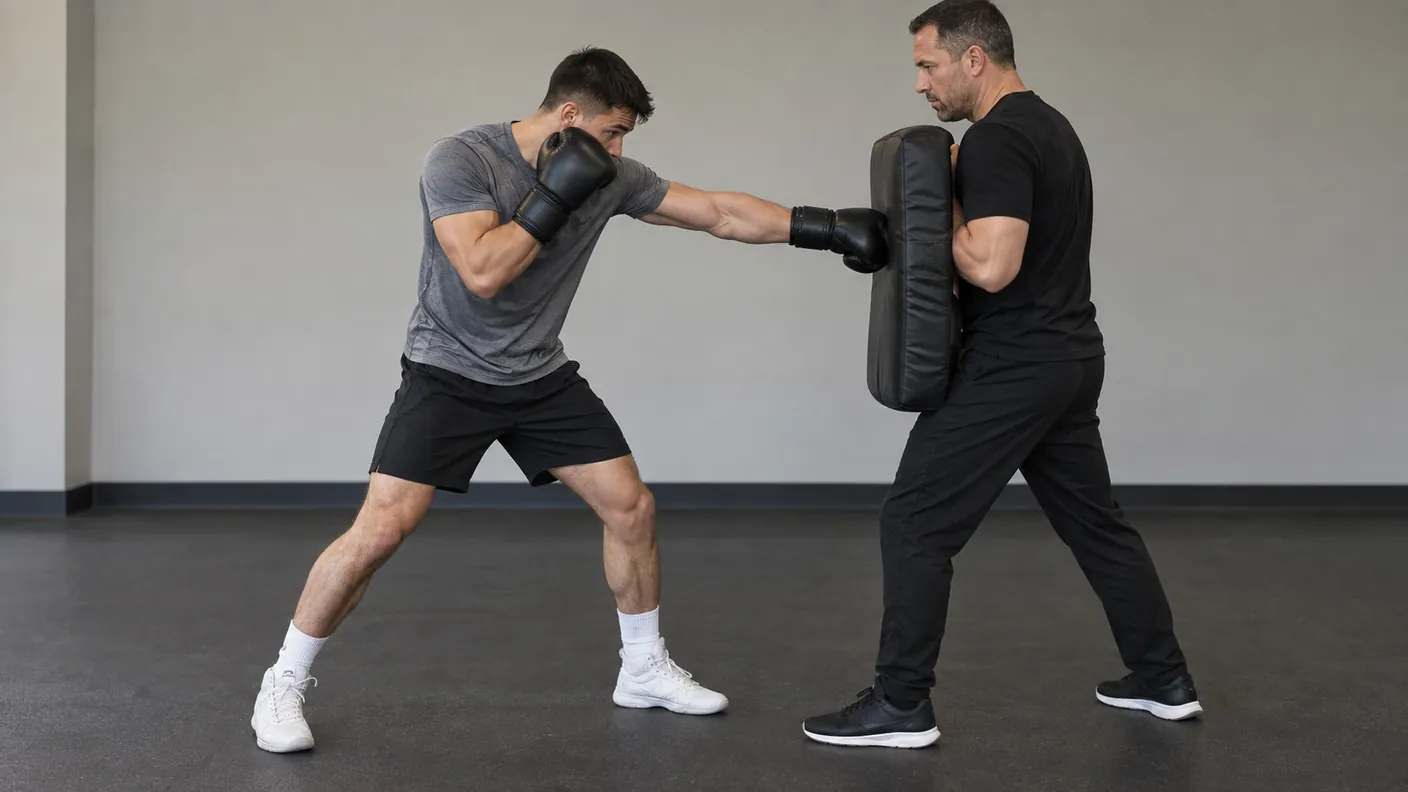
Long-Range Rear Body Cross: Boxing Drill
Use a small step, level change and guarded exit to land a rear body cross without reaching or getting stuck at close range.
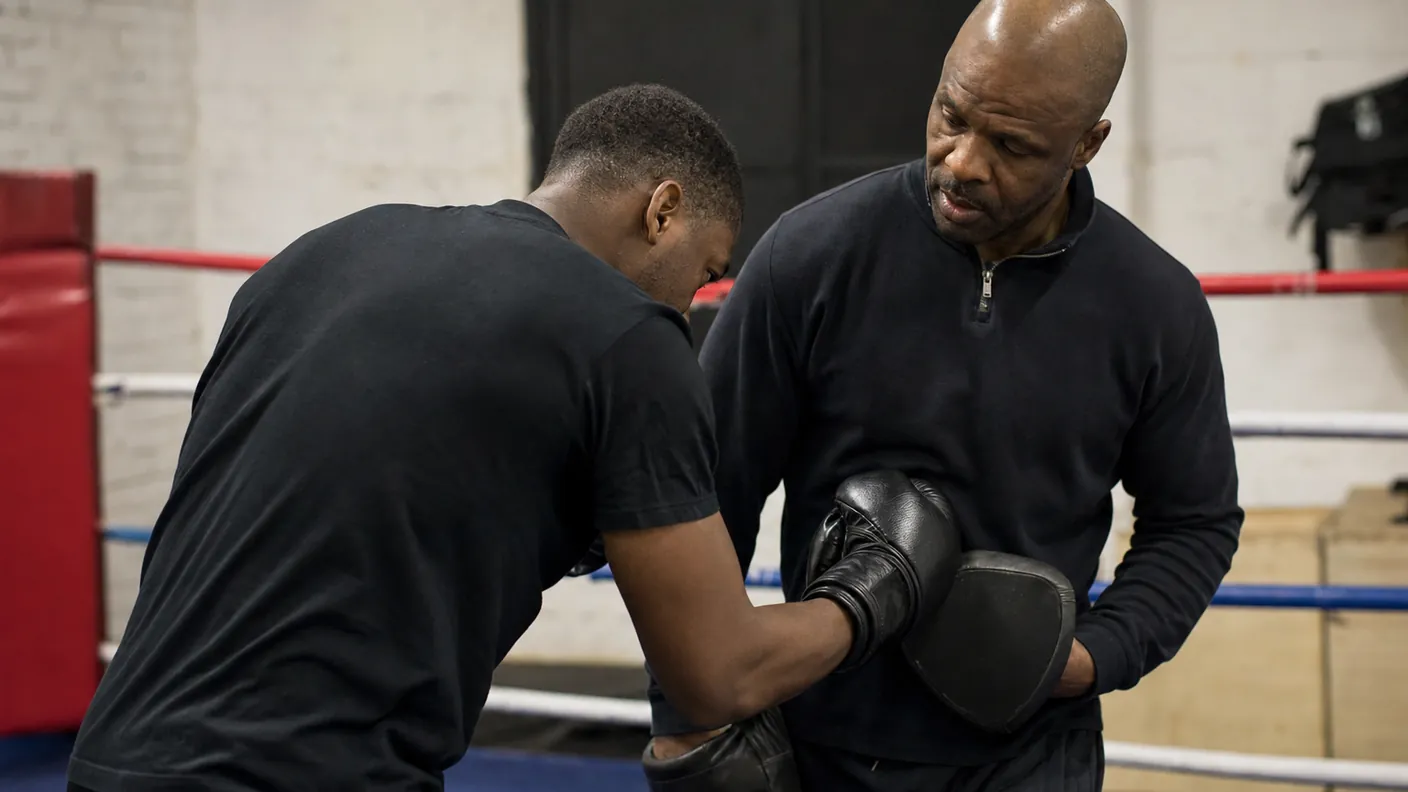
Body Punching in Boxing: Aim, Angle, Exit
Body shots work when the aim, angle and exit are right. Learn how to throw them without folding over or standing still after impact.
Was this page helpful?
It takes one tap, and it genuinely helps.
Choose your next step
Turn this article into the right action
Some readers are ready to book. Some need the class route first. Pick the route that matches what you actually want.