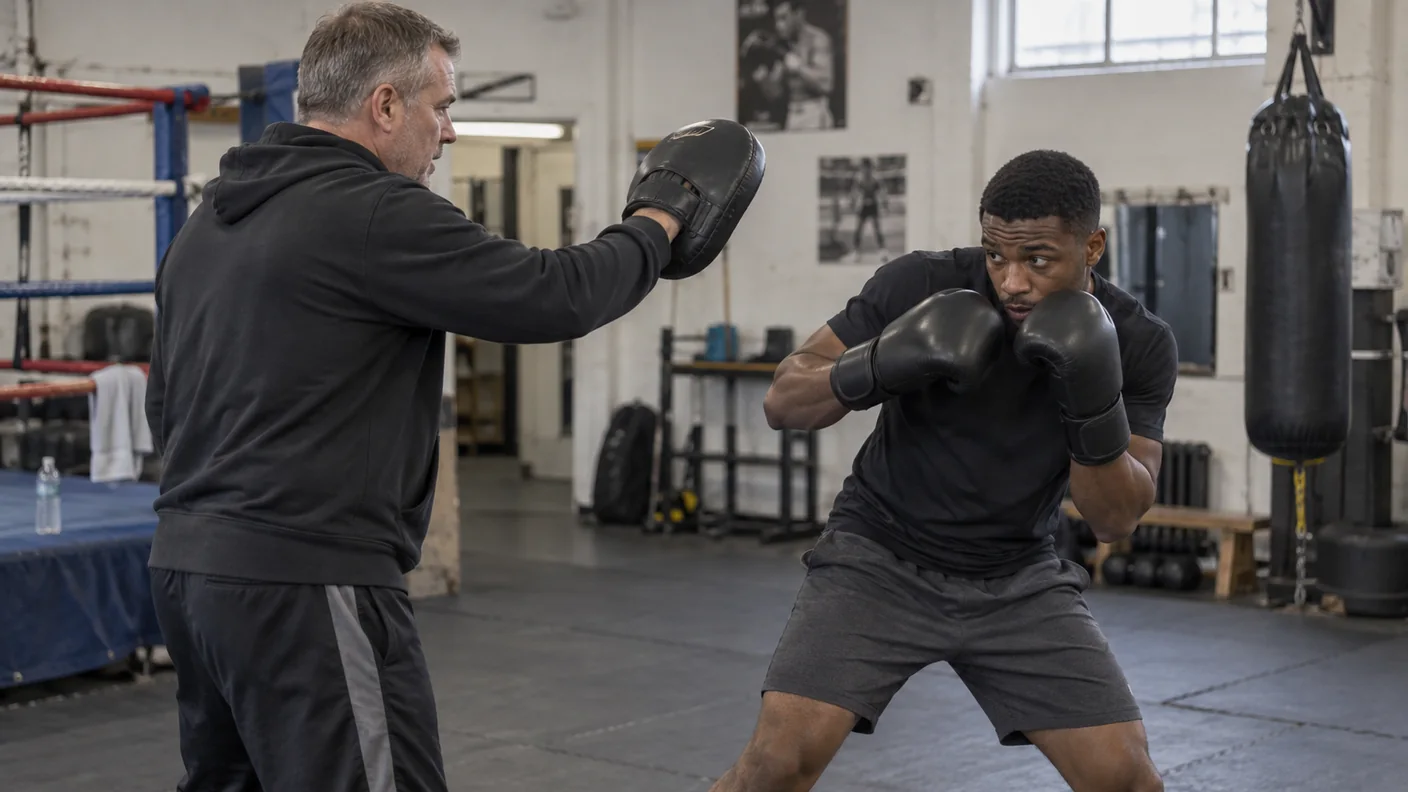
A jab is not always there to land clean. It can be there to make you blink, cover up or move the wrong way. When you read it early, a compact outside slip can take your head off the line and put the rear side in a useful position.
The useful follow-up is often a short rear body shot. Not a long right hand thrown from the waist. Not a dive under the jab. A calm, straight touch to a coach-held body shield, then a return to a position where you can see and defend.
The video below shows the basic idea. Use it as a coaching reference, not as a fixed pattern to force in sparring.
The slip has to make a real line disappear
For an orthodox boxer facing another orthodox boxer, the opponent's jab comes down the lead-side line. The outside slip takes your head a small distance to your own right, outside that lead hand. Southpaws reverse the picture.
Small is the important word. Turn through the hips and knees enough that the nose is no longer on the jab line, but keep the spine tall enough to see the other boxer. Your rear hand stays close to the cheek. Your feet keep their normal staggered relationship.
A large lean can make the jab miss too, but it creates a different problem. You may fall over the rear foot, lose the body target or have to pull yourself back into stance before you can throw. The defensive move should leave you able to make the next decision without a recovery shuffle.
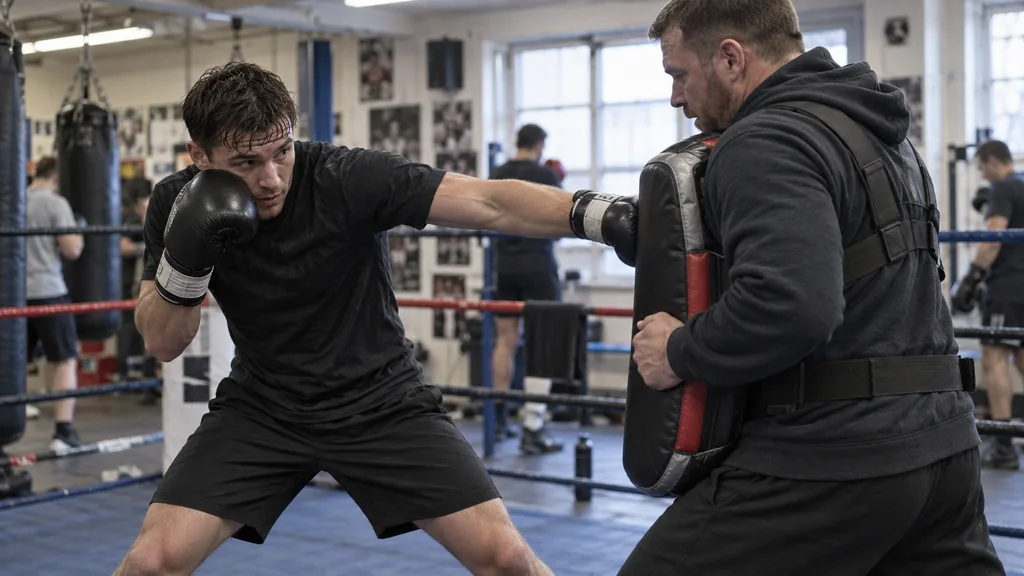
A technical analysis of boxing punches describes the cross, hook and uppercut as whole-body actions rather than isolated arm movements. That is useful here. The slip, lower body, hips, guard and rear hand have to agree. If one part runs ahead of the others, the body shot will turn into a reach.
The rear body shot comes from the new position
After the outside slip, your rear side has room to work. The rear hand can travel on a short, straight line to a body-height shield while the lead glove stays home near the cheek.
Do not load the right hand by dropping it towards your hip. The shot should begin from the guard. Let the rear hip turn, bend lightly through the knees if the target is lower, and keep your eyes on the coach or partner rather than staring at the shield.
The shot is a touch while you learn it. A clean rear body shot does not need a big wind-up to be useful. If the arm straightens fully before the glove reaches the target, the range is too long. Take a smaller step before the action, use a nearer target or leave the shot out.
England Boxing's coaching handbook puts sound posture, balance and controlled progressions ahead of rushing technical work. That principle matters more than trying to make this counter look heavy. A body touch that leaves your guard and feet in place is better than a hard punch that strands you in front of someone.
Our guide to long-range rear body crosses deals with entering to the body from outside. This pattern has a different job. The jab comes first, the slip changes the line, and the rear hand answers only if the body target is still honest.
Do not turn the slip into a body dive
This is where the drill can go wrong.
Some boxers hear "outside slip" and drop their head all the way down beside the lead knee. Others lean their chest forward so far that the rear hand has to reach across empty space. Both versions make it harder to see the next shot and easier to lose the stance.
The body target is lower, but the head should not chase it. Let the knees soften and the hips turn. Keep your chest organised, chin tucked and back hand travelling from a place that still protects your face.
A useful freeze test is simple. After a slow slip and body-shot touch, stop for one count. Can you bring both hands to guard? Can you take a small step either way? Can you look at the coach rather than the floor? If not, reduce the slip and shorten the punch.
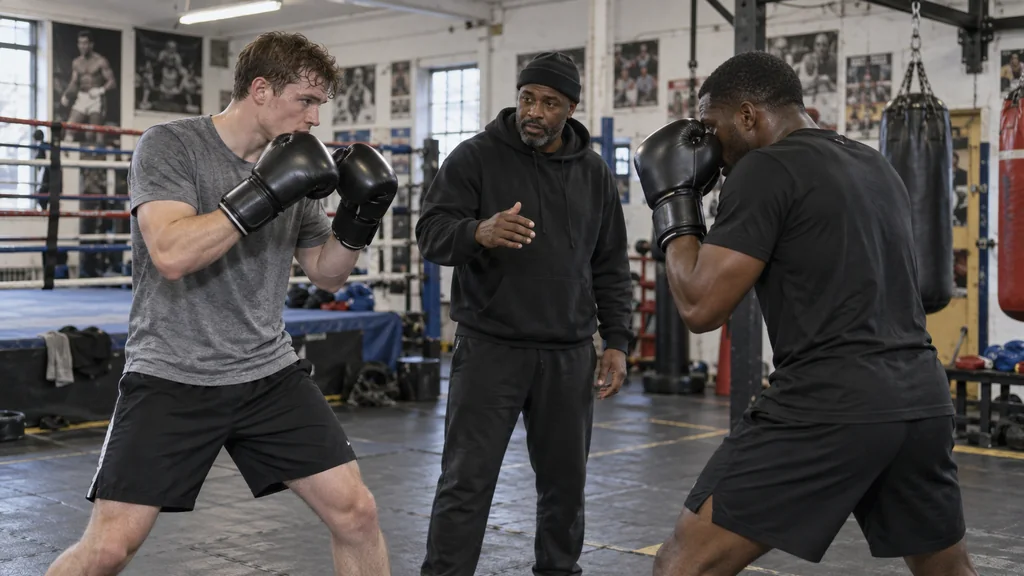
This is also why the pattern belongs on pads or a shield before it belongs in harder work. The coach can keep the jab cue slow, give the body target at a sensible range and make sure the boxer is practising position rather than chasing impact.
Build the drill in three rounds
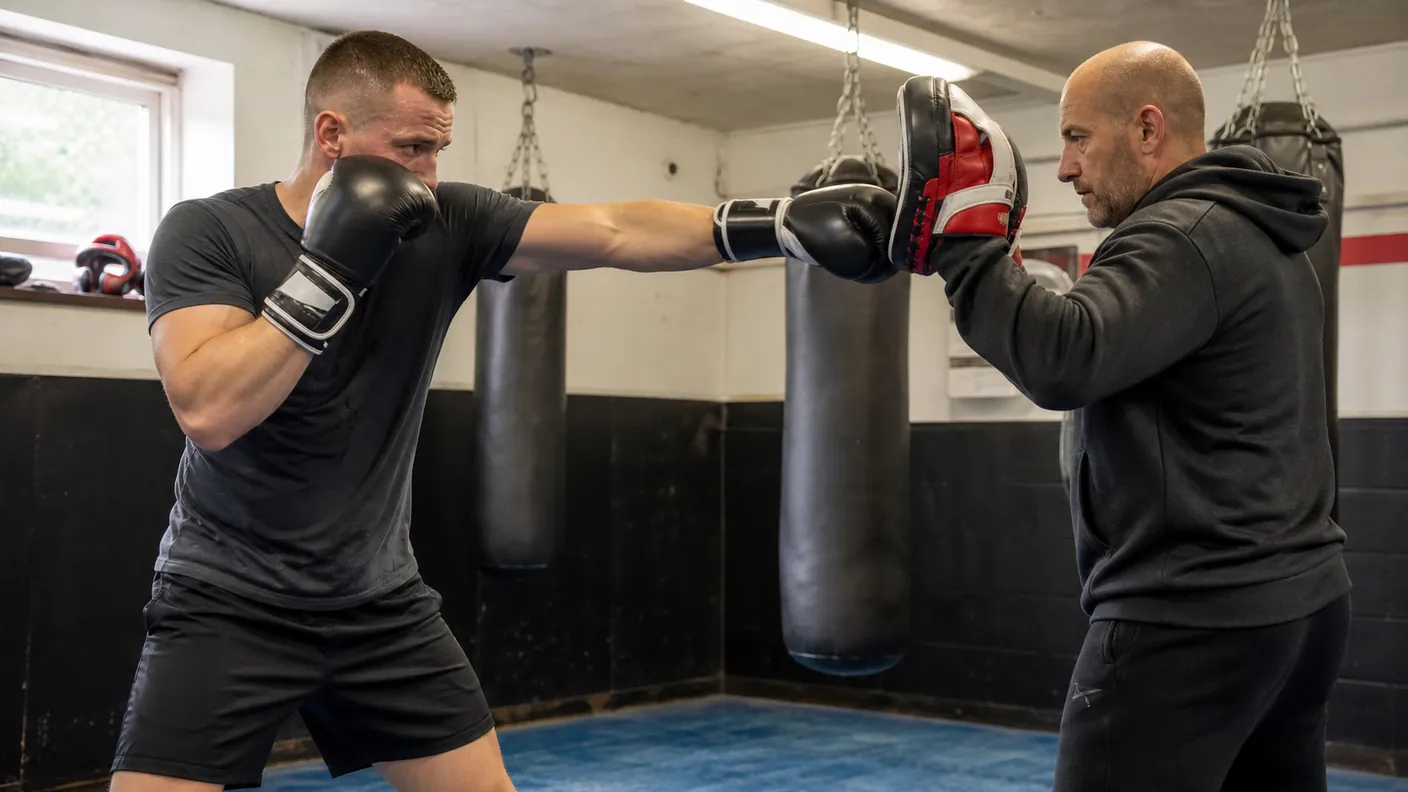
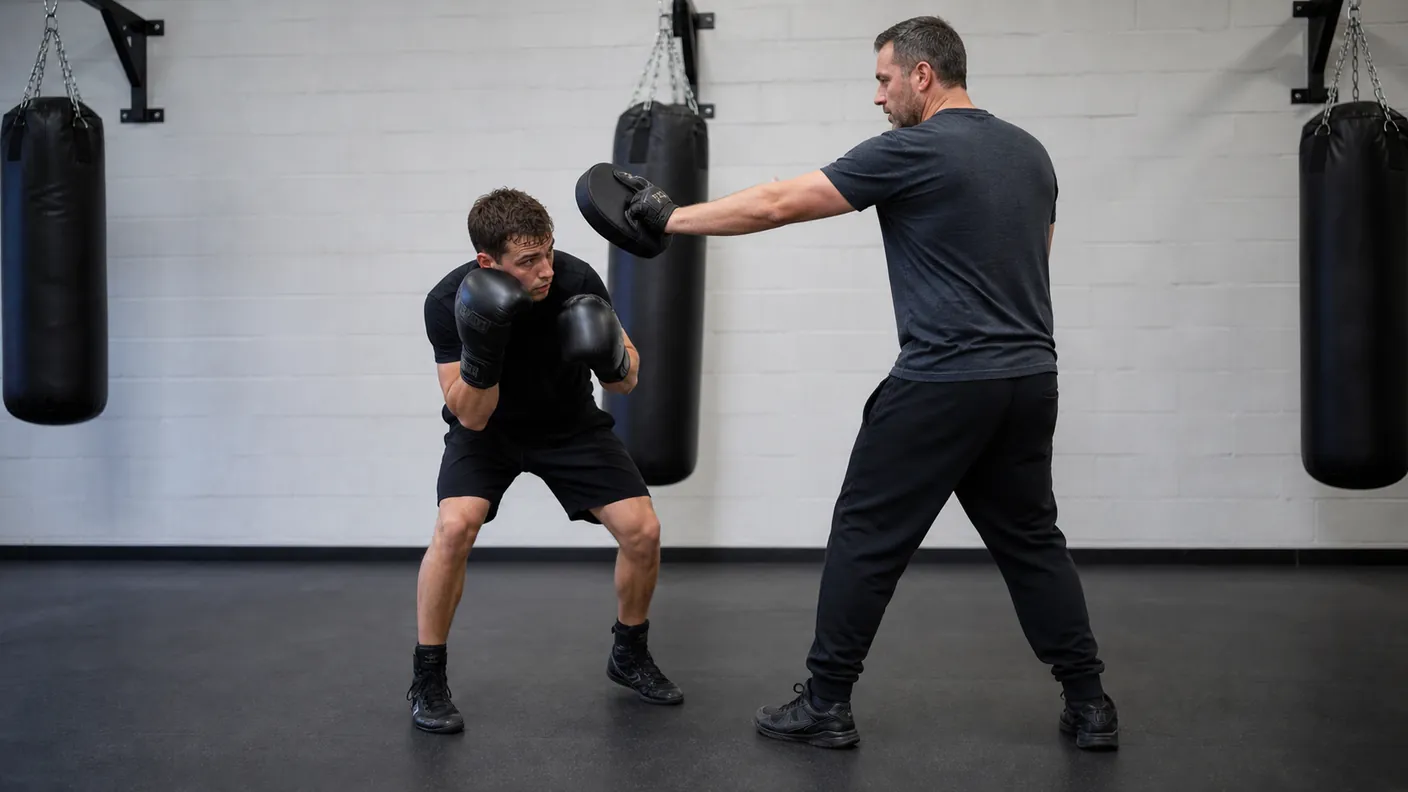
Use a coach with a lead mitt and a body shield, or a trusted partner with agreed light cues. Keep the pace slow enough that both people can see every stage.
Round one: slip and freeze
The coach presents a light lead-mitt jab. The boxer makes a small outside slip and freezes in stance. There is no body shot yet.
Check the head position, rear glove and feet. The boxer should not be leaning over the back leg or folding at the waist. Ten tidy repetitions each are enough before changing roles.
Round two: add the body-shield touch
Use the same jab cue, then present a body shield once the slip has happened. The boxer touches the shield with a compact rear straight, returns the glove to guard and resets.
Keep the target above the belt line and keep the contact light. This round teaches a line, not a contest over who can hit a shield hardest.
Round three: make it a decision
Now the coach may show either the jab followed by the shield, or the jab alone. When the shield appears, the boxer slips and touches the body. When it does not, the boxer slips, brings the hands home and either resets or jabs from the new line.
That final version is the important one. A body shot is not owed to you because you slipped. If the target has gone, the right choice is not to throw harder. It is to stay balanced and take the next safe option.
Common mistakes that make the counter expensive
The first is slipping before the jab starts. That turns a response into a visible habit. Wait for the cue, then move by a small amount.
The second is dropping the lead glove. The rear hand is travelling, so the lead glove has more reason to stay near the cheek, not less.
The third is throwing from too far away. A body shot that makes the shoulder reach is an entry mistake. Fix the range before adding speed.
The fourth is watching the body shield. Look through the upper body of the coach or partner. The shield tells you where the shot lands, but the shoulders and feet tell you what might happen next.
The fifth is staying in front after contact. Return the rear hand, settle into guard and take a small step out if the range has closed. The touch has finished only when you are ready for the next action.
Where this fits in your training
This is a useful technical drill for someone who has a stable stance and basic straight punches, but it does not require hard sparring. A coach-held mitt and shield give enough feedback to learn the line safely.
It also supports wider defensive work. If you want the full set of options against the lead hand, read our guide to defending the jab in boxing. The point is not to use an outside slip every time. It is to recognise when the jab gives you a safe line to change position and answer.
For adults in Kidbrooke, Greenwich and nearby, our Recreational Adults boxing classes use pads, shields and controlled drills to make these details repeatable.
The coaching cue is simple: slip small, see the line, touch the body, leave balanced.
H&G Team
Writer at Honour & Glory Boxing Club, a community boxing gym in Kidbrooke, South East London.
KEEP READING
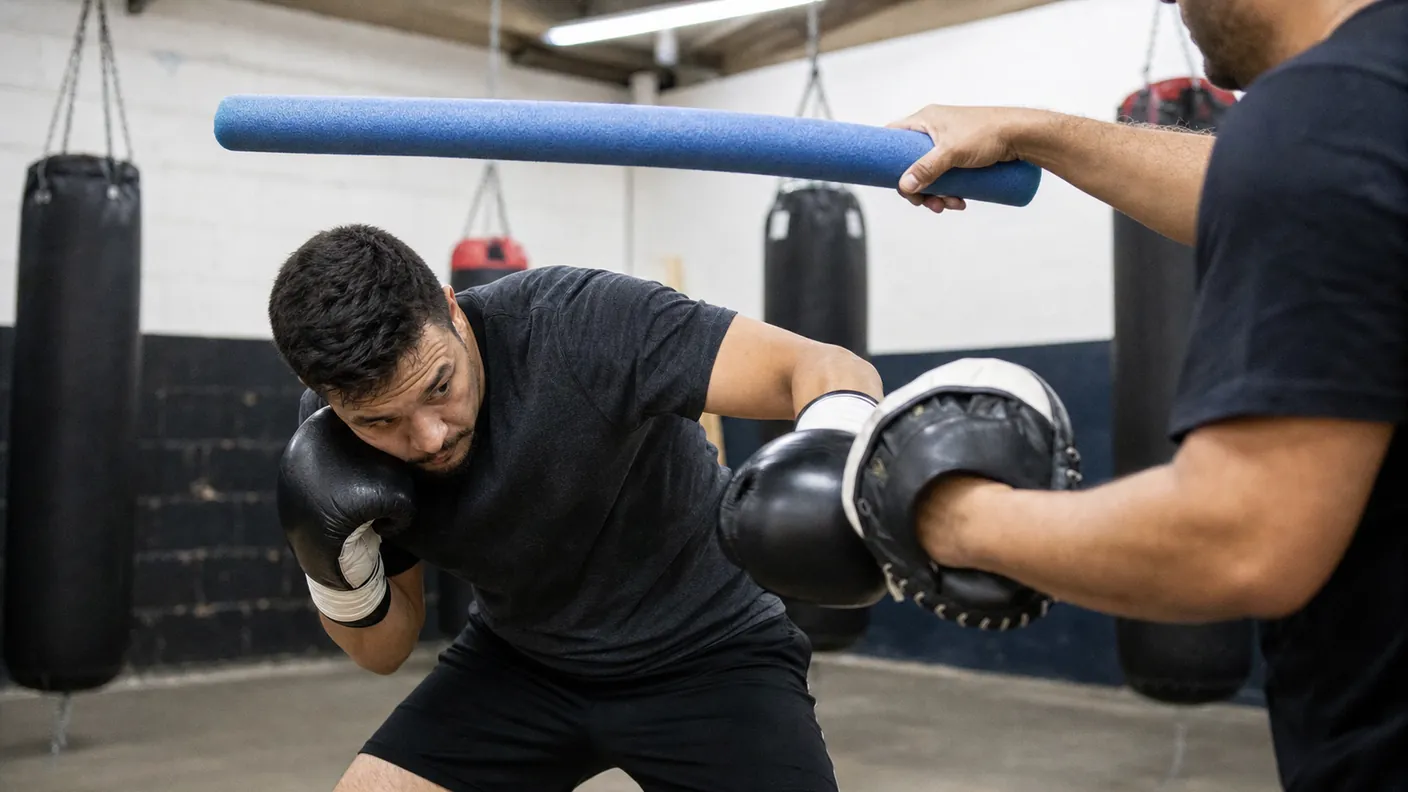
Slip Inside the Jab for a Body Hook
Use a small inside slip to move off the jab line, then build a compact lead hook to the body without losing your balance.
Slip the Return Right for a Body Hook
A calm answer to the return right: slip outside, find a short body hook, then leave before the exchange turns messy.
Rear Slip to Rear Pivot Boxing Drill
Use a compact rear slip and small pivot to leave the centre line without throwing yourself out of range or out of stance.
Was this page helpful?
It takes one tap, and it genuinely helps.
Choose your next step
Turn this article into the right action
Some readers are ready to book. Some need the class route first. Pick the route that matches what you actually want.